The “It Looked Cool on Instagram” Tax
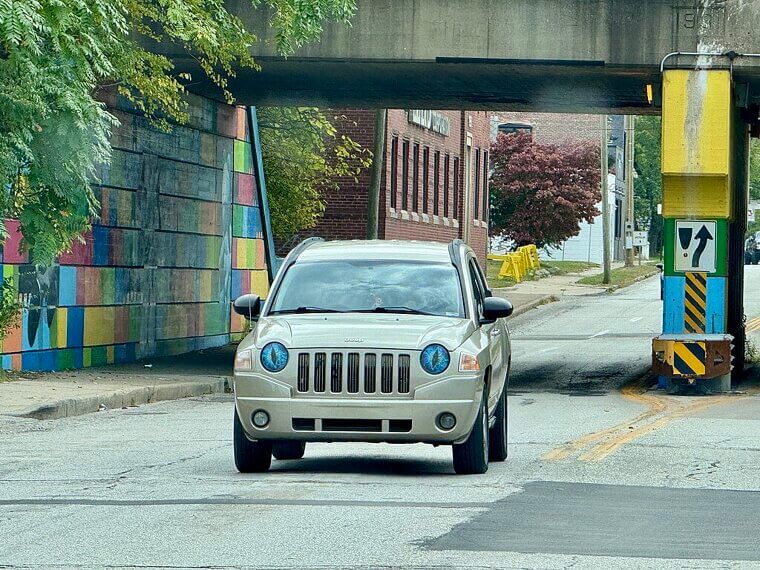
A shocking number of Jeep purchases begin with a sunset photo, a rooftop tent, and a caption about “freedom.” Reality, however, arrives with a loan payment, road noise, and a daily commute that looks nothing like Moab. Many owners later realize they paid a hefty premium for a lifestyle aesthetic, not just a vehicle. When the off-road trips turn seasonal and the grocery runs turn daily, that Instagram fantasy starts accruing interest - literally.
Fuel Economy That Drinks Like a V8… Even When It Isn’t
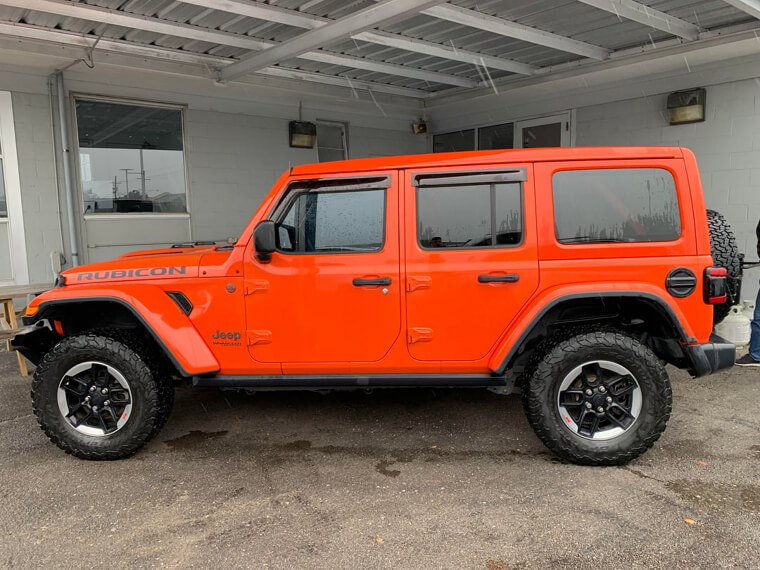
Jeep buyers often brace for bad fuel economy, yet still flinch when the pump clicks off… far too soon. Boxy aerodynamics, heavy drivetrains, and off-road gearing make many Jeeps guzzle like they’re prepping for a desert rally during a suburban school run. Even newer models marketed as “efficient” struggle to keep pace with everyday crossovers. For owners watching fuel prices climb like a rock-crawling ascent, regret often rides shotgun.
The Wind Noise Symphony at Highway Speed
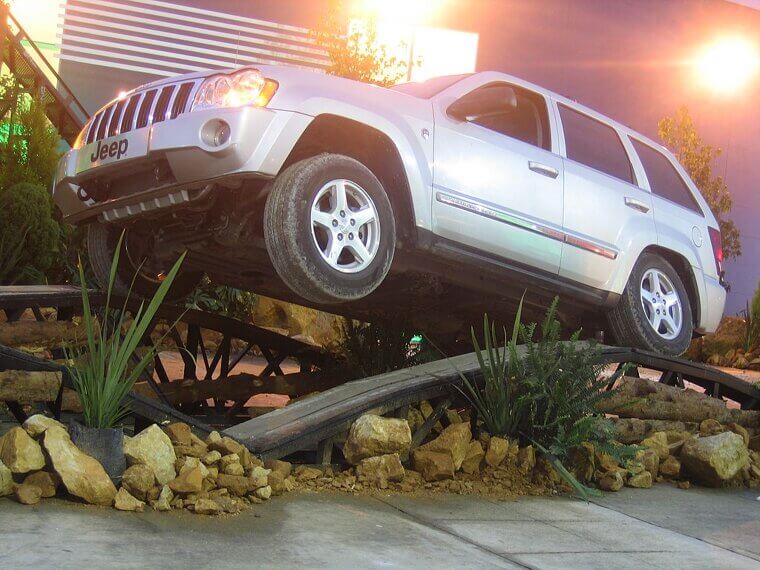
At 70 mph, many Jeeps transform into rolling wind instruments. The removable doors and roof may promise open-air freedom, but they also invite an orchestra of whistling, buffeting, and turbulence once everything’s bolted back on. Conversations turn into raised-voice negotiations. Podcasts become interpretive dance. What felt charming on a test drive quickly becomes exhausting on a road trip, where drivers learn that “rugged” can also mean “relentlessly loud.”
That ‘Premium’ Interior That Ages Like Milk
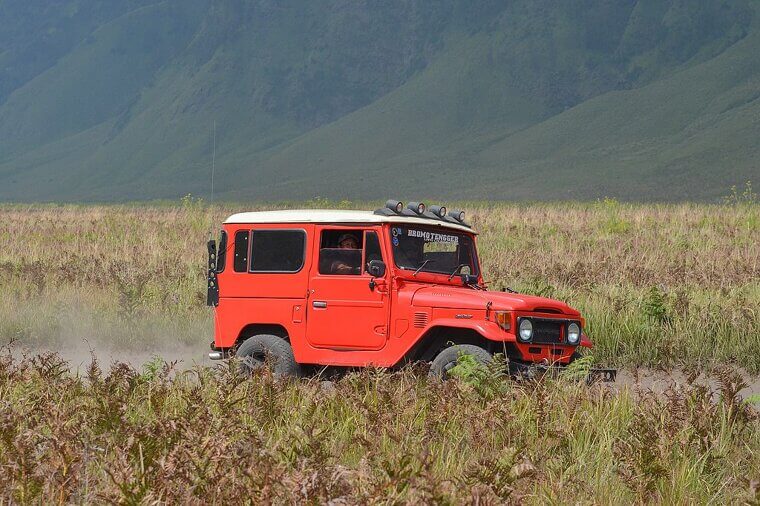
Showroom lighting can be very flattering: soft-touch panels feel plush, screens glow promisingly, and everything seems trail-ready and tech-savvy. Then time happens. Scratches appear with casual ease, plastics fade and trim loosens. Many Jeep interiors age faster than their price tags suggest, especially under real-world use. Owners expecting luxury durability often find themselves with an interior that looks years older than the odometer implies… and regret follows every new rattle.
The Myth of Daily-Driver Comfort
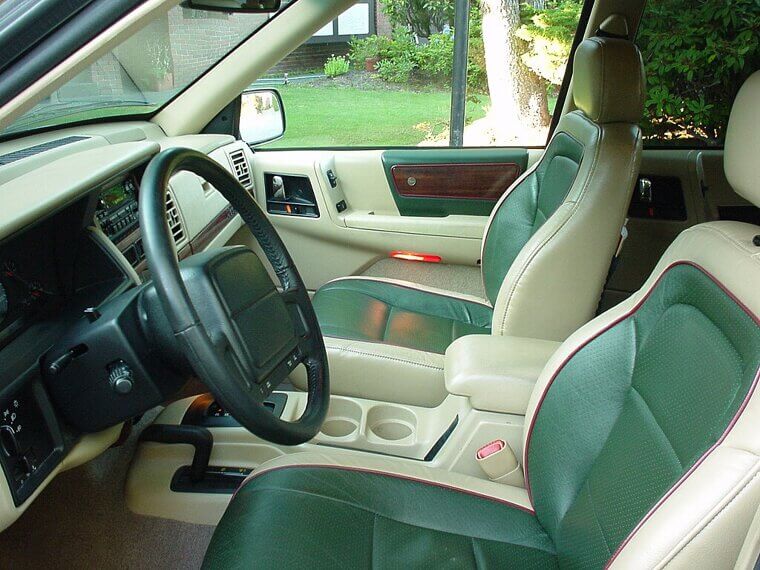
A Jeep can climb rocks like a mountain goat, but daily comfort is very different terrain. Stiff suspensions, upright seating, limited sound insulation, and bumpy ride quality wear on drivers who spend most of their time on pavement. What feels adventurous on weekends can feel punishing in rush-hour traffic. For many owners, the realization lands slowly: they bought a tool for exploration, not a sofa on wheels.
Death Wobble: Jeep’s Worst-Kept Secret
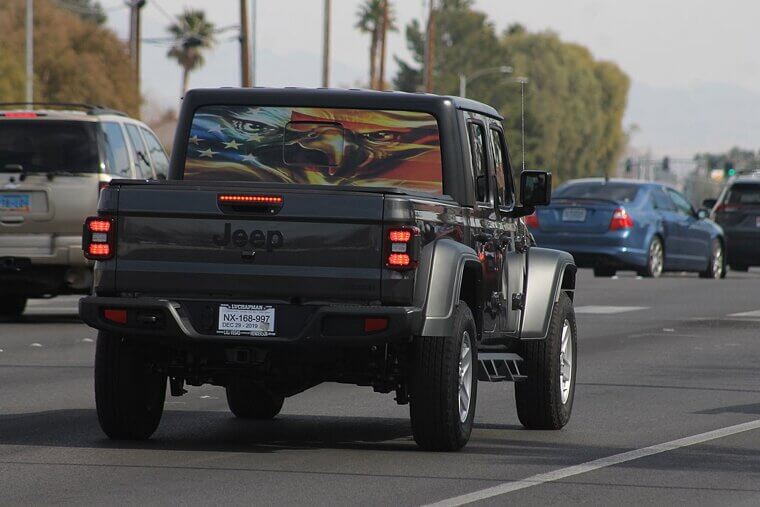
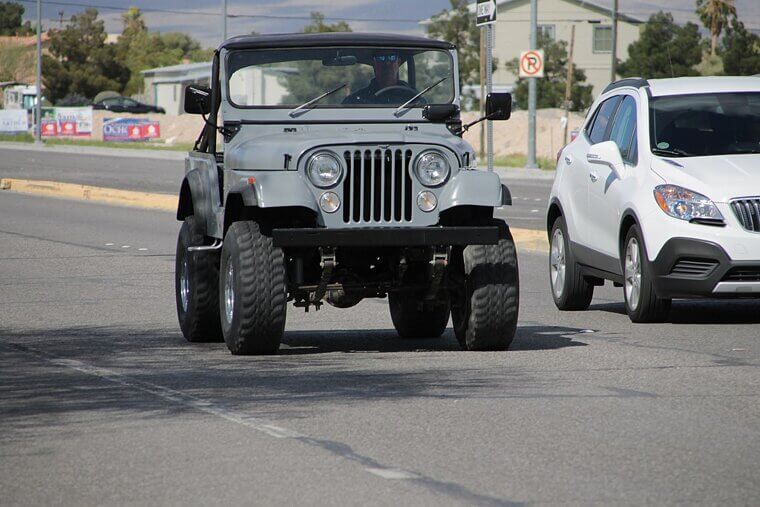
Few automotive terms inspire as much dread as “death wobble,” yet among Jeep owners it’s spoken with grim familiarity. Triggered by worn suspension components or improper alignment, it causes violent front-end shaking at speed - often after hitting a bump. The steering wheel bucks, the dashboard shudders, and panic sets in fast. While not exclusive to Jeeps, the frequency with which it appears in Jeep forums turns a known flaw into a rite of passage many owners never expected to endure.
When One Warning Light Brings Friends
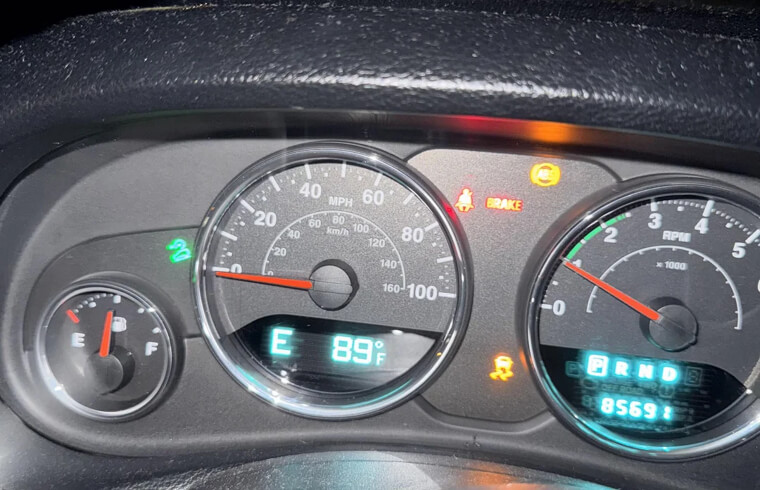
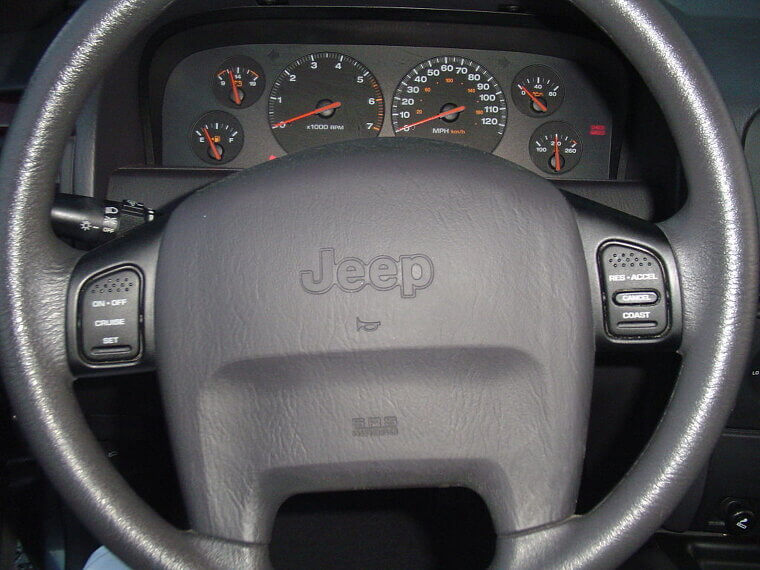
A single dash light rarely travels alone in Jeep ownership. One sensor trips, then another follows in solidarity, and soon the instrument panel resembles a festive but expensive light show. Owners report recurring issues with emissions systems, electronics, and drivetrain sensors - sometimes after repairs that allegedly fixed the problem! The frustration isn’t just the malfunction; it’s the feeling of chasing ghosts through diagnostics while the repair bills quietly line up behind one another.
Soft Tops: Soft on Security, Soft on Silence
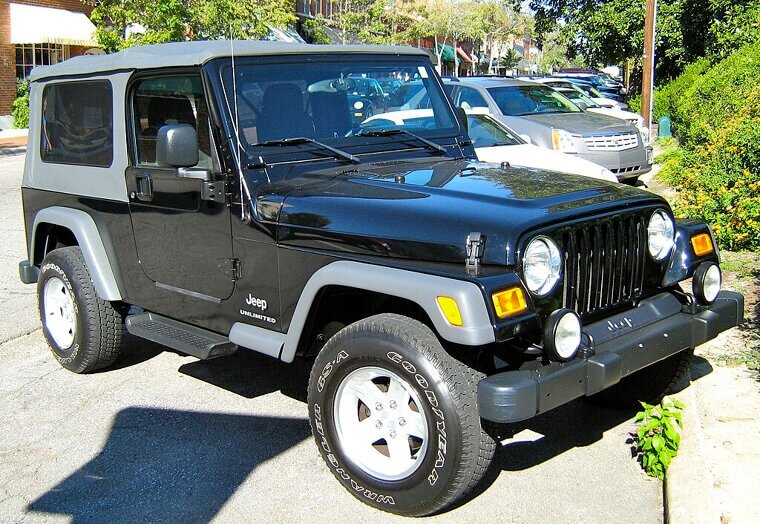
The soft top is a Jeep icon; fold it back and the world feels wide open. Unfortunately, so does your cabin. Road noise, flapping fabric, and temperature leaks are constant companions. Security is another gamble; a pocketknife can undo thousands of dollars of vehicle access in seconds. Many buyers adore the freedom at first, only to later crave the quiet, safety, and climate control they sacrificed for that breezy, beach-ready aesthetic.
The Price of Looking “Off-Road Ready”
Jeep ownership often begins with good intentions and ends with a receipts drawer. Lift kits, all-terrain tires, steel bumpers, winches, lights, skid plates - it adds up fast. Even owners who rarely leave pavement feel pressure to “build” their Jeep to keep pace with the culture. What begins as personalization becomes financial gravity. The regret doesn’t come from one big purchase, but from the thousand small upgrades that quietly turn into a second car payment.
Steering That Feels Like a Suggestion
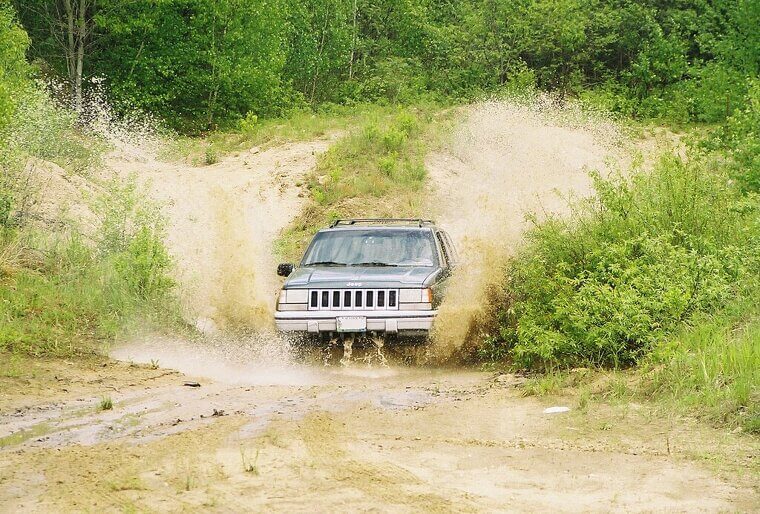
Precise steering is not the trait that made Jeeps famous. On-center vagueness, constant micro-corrections, and lane wandering are common complaints, especially at highway speeds. The solid front axle that excels off-road trades sharp road manners for durability over obstacles. Many first-time owners find themselves subtly fighting the wheel on long drives, wondering why staying straight feels like a negotiation. It’s not broken - it’s just built for a different battlefield entirely.
Resale Value Isn’t as Bulletproof as Fans Claim
Jeep loyalists love to boast about legendary resale value, but the reality is far less heroic for many owners. Yes, certain trims hold value well (especially low-mileage Wranglers) but heavy mods, high miles, and mechanical issues can shred resale expectations fast. The market also fluctuates wildly with fuel prices and economic shifts. Owners who assumed their Jeep would be a financial fortress often discover that depreciation still finds a way in.
When Mod Culture Becomes a Money Pit
Customization is part of Jeep’s DNA, but it’s also where many budgets quietly go to die. Today it’s bigger tires, tomorrow a re-gear, next month upgraded axles to handle the upgrades you already added. Each modification creates the need for the next one in a domino of expense. What starts as self-expression can turn into a mechanical arms race - one that rarely adds the kind of resale value owners hope for.
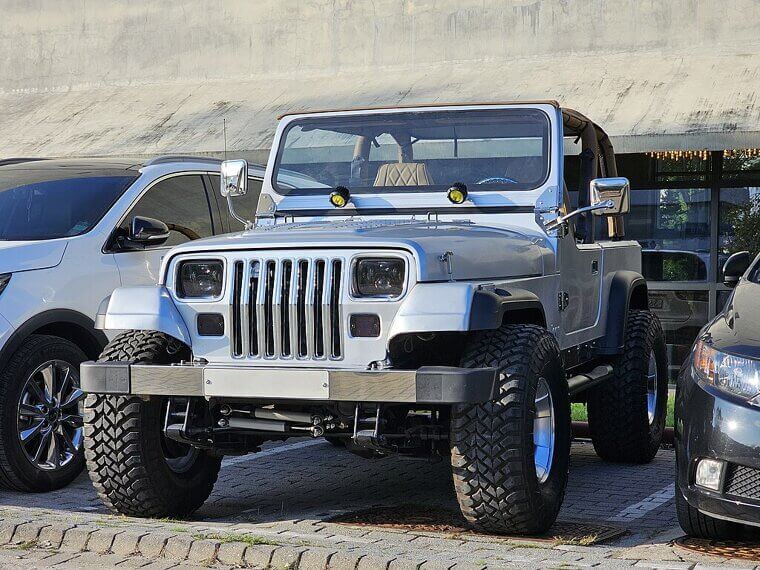
Cold Weather Starts That Feel Like a Gamble
Winter has a way of exposing every mechanical insecurity a vehicle has been hiding. In cold climates, many Jeep owners report stubborn starts, sensor warnings, thick fluids, and electrical gremlins that emerge the moment temperatures drop. Remote starts that refuse to cooperate, dashboards that light up like holiday displays, and engines that sound deeply offended to be awake all become part of the seasonal ritual. For some, winter regret is an annual visitor.
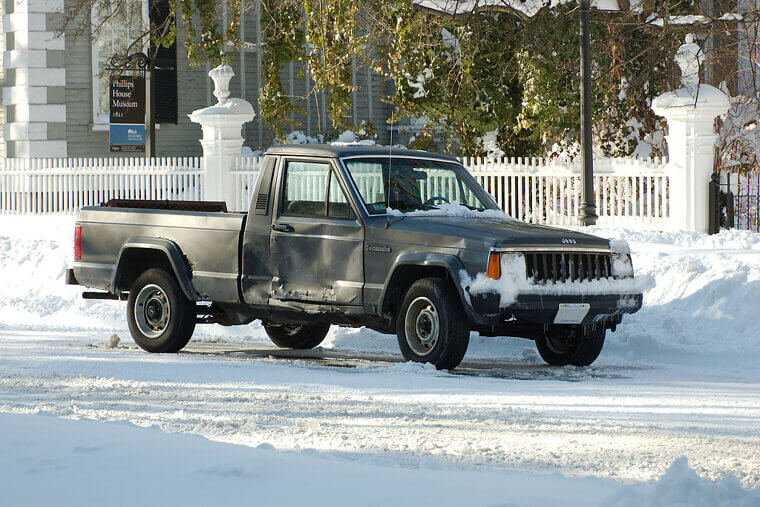
Water Leaks: An Unofficial Factory Feature
For a vehicle built to conquer rivers and mud pits, it’s oddly common for water to conquer the cabin. Rain through removable roof panels, door seals that surrender over time, and mystery drips that defy repeated repairs all appear regularly in owner complaints. Damp carpets, fogged windows, and the faint scent of mildew become unwanted passengers. A Jeep loves the elements, but sometimes drivers wish the elements loved the outside more!
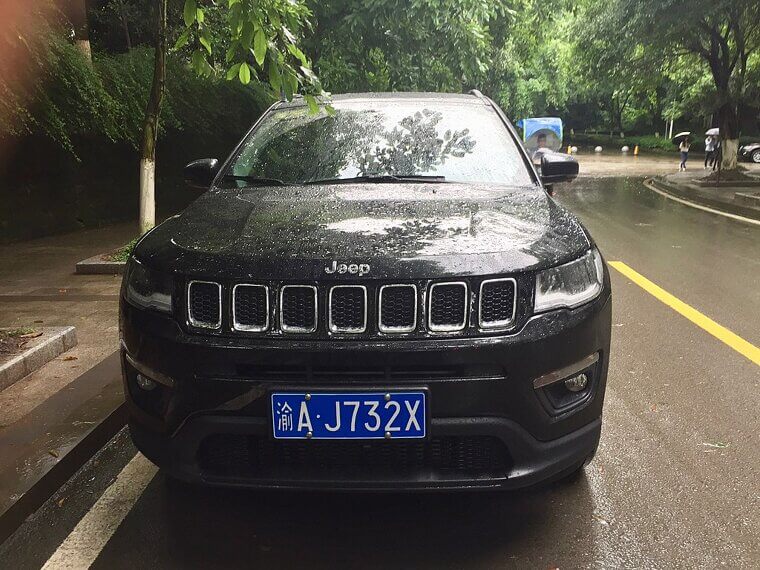
On-Road Handling That Punishes Corners
Take a Jeep into a sharp turn and you’ll quickly remember where its loyalties lie! Body roll leans in like it’s telling secrets. Quick lane changes feel dramatic and highway ramps demand respect rather than enthusiasm. All of this stems from a tall stance, solid axles, and suspension tuned for rocks instead of asphalt. New owners often expect SUV manners and instead receive truck physics - an adjustment that doesn’t always come with smiles.
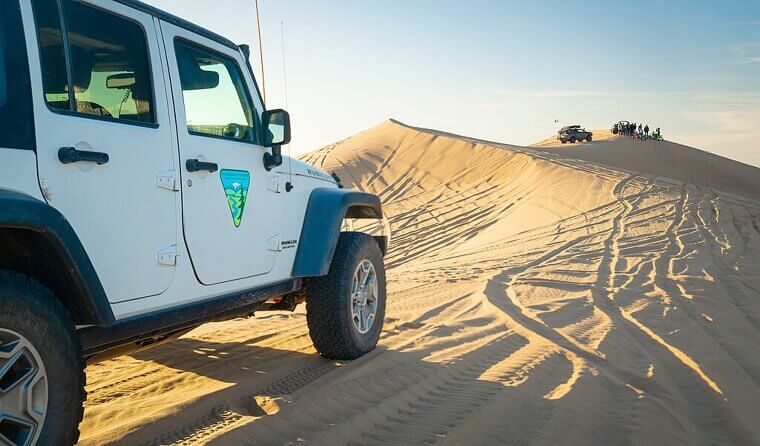
Warranty Wrestling With the Dealership
For many Jeep enthusiasts, the real battle doesn’t happen off-road - it happens at the service counter. Warranty claims become slow, circular conversations filled with diagnostic fees, repeat visits, and the dreaded phrase, “We couldn’t replicate the issue.” Some problems only appear intermittently, conveniently vanishing the moment a technician takes the wheel. Owners expecting peace of mind instead find themselves negotiating coverage like a courtroom drama, where time, patience, and optimism are all quietly worn down.
The Reality of Long-Term Reliability
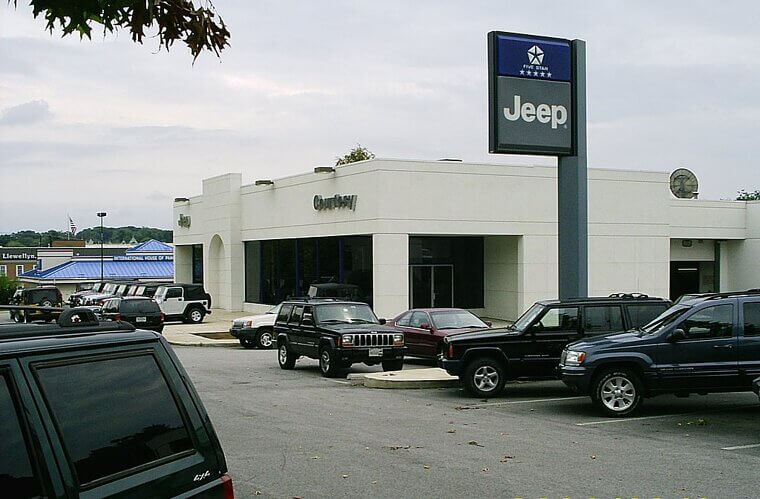
Jeeps inspire fierce brand loyalty, but long-term ownership often tests that devotion. As mileage climbs, small issues begin stacking like loose rocks on a trail: suspension wear, electrical quirks, drivetrain noise and cooling problems. While any vehicle can age poorly, many Jeep owners report a steady drip of repairs rather than one dramatic failure. It’s not always catastrophic, just constant. Over time, the question shifts from “What’s broken now?” to “What hasn’t broken yet?”
That Smile Fades After the First Big Repair Bill
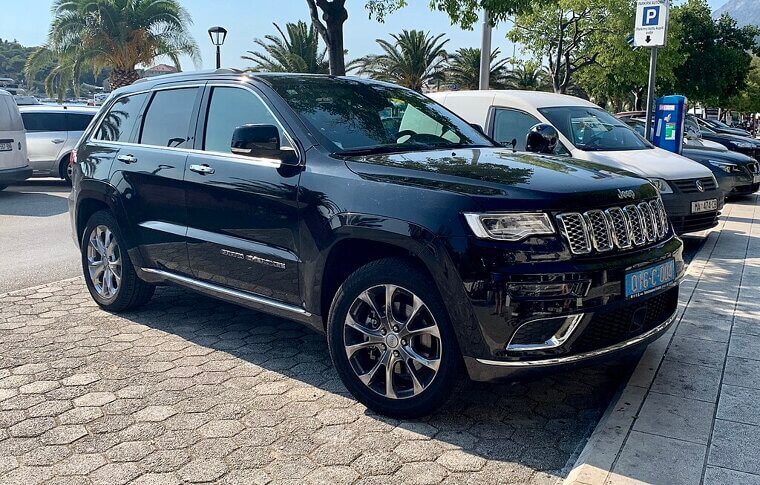
The honeymoon phase with a Jeep is powerful. The stance! The wave from other drivers! The thrill of owning something that feels adventurous by default! Then comes the first four-figure repair. Maybe it’s steering components. Maybe it’s transmission work. Maybe it’s something wonderfully vague involving “labor.” That initial grin tightens into a thin line as excitement gives way to arithmetic. At that moment, drivers realize that passion doesn’t negotiate with mechanics’ invoices.
“It’s a Jeep Thing” Isn’t a Maintenance Plan
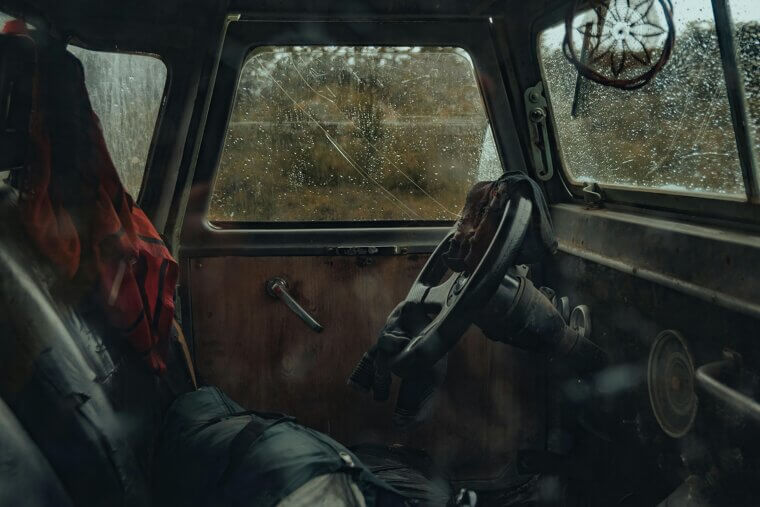
Jeep culture often treats flaws as personality traits. Rattles become “character,” leaks become “part of the charm” and harsh ride quality becomes proof you’re driving something “real.” The slogan “It’s a Jeep thing” works wonderfully as community glue, but poorly as a replacement for solid engineering. When owners begin excusing persistent problems instead of solving them, regret quietly sets in. Pride keeps the badge polished, but it doesn’t tighten bolts or stop breakdowns.
When the Adventure Lifestyle Turns Into Commuter Regret
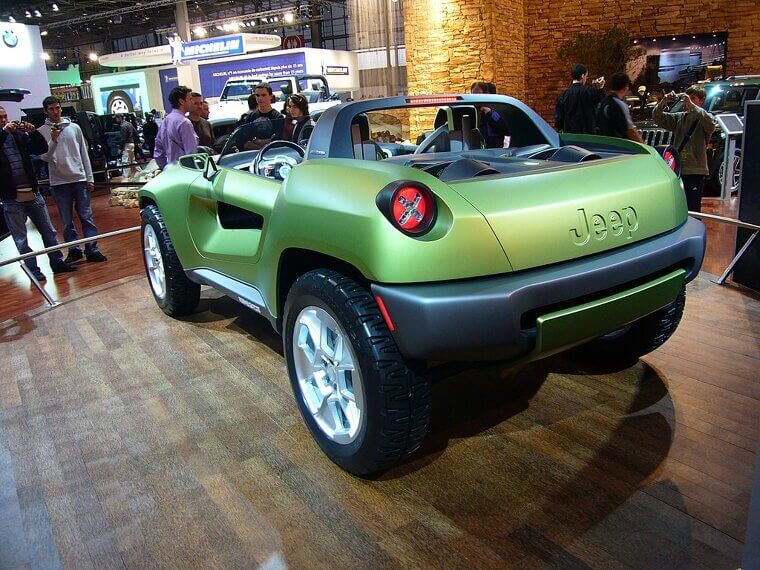
The dream is dusty trails, open skies, and spontaneous escapes into the wild. The reality, for most, is traffic lights, parking garages, and coffee runs. In that everyday world, a Jeep’s compromises become more visible: noise, fuel costs, ride stiffness, and constant minor annoyances. What once symbolized freedom eventually feels overqualified for stop-and-go life. Many enthusiasts don’t regret the idea of adventure; they regret buying a daily reminder of trips they rarely take.