Reliability Concerns
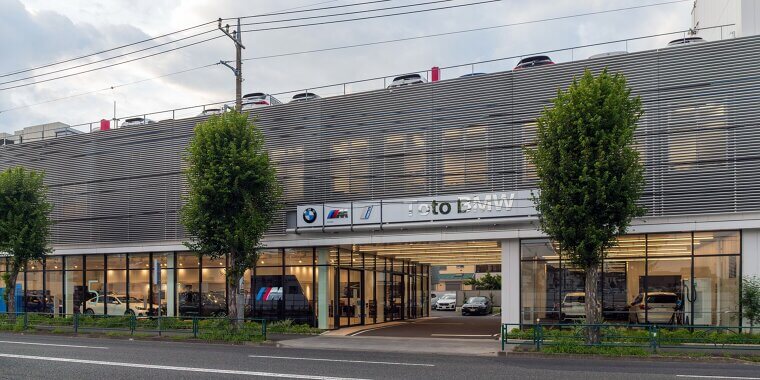
Used BMWs, especially older models, are known for frequent reliability problems. Electrical systems, sensors and mechanical parts often break down sooner than expected. More so, owners frequently see check-engine lights, experience misfires and face unexpected breakdowns. BMW focusses on performance and innovation, which means that their vehicles aren't always the most durable or long-lasting. As a result, even cars that have been well cared for often struggle with inconvenient and frequent issues. Many buyers invest in the brand as they believe that German engineering is superior to anything else. While these cars are undoubtedly fast, reliability definitely isn't their strongest aspect.
Excessive Maintenance
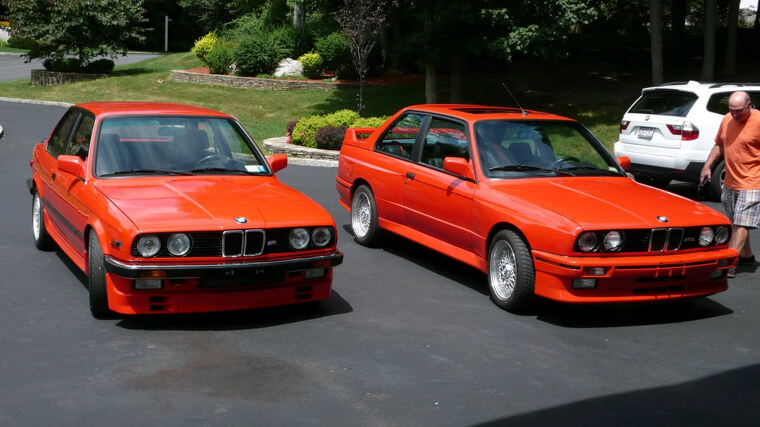
BMWs are built for performance, but this precision comes at a cost. Routine maintenance, including oil changes, brake pad replacements and battery swaps, costs much more than more standard brands. BMW's also need special fluids and parts, which are sometimes only available through dealerships or certified suppliers. Even basic services can cost hundreds of dollars. More so, skipping these services can lead to bigger problems down the line. As a result, owners who initially believed that they were saving money by purchasing used models often find themselves surprised by ongoing and costly maintenance bills.
Costly Repairs
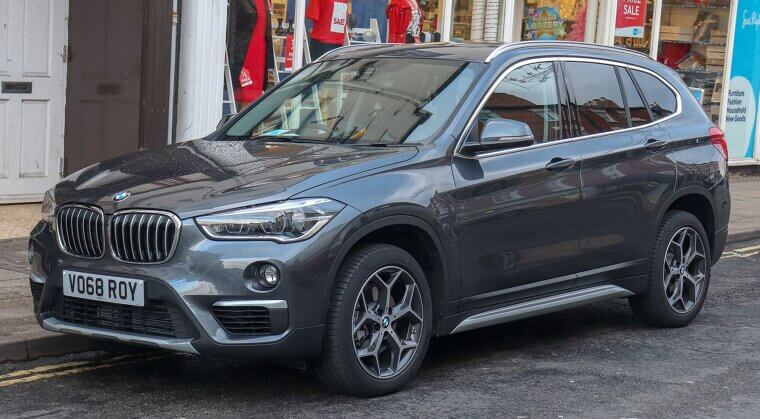
Beyond routine maintenance, repairs on a used BMW can be incedibly expensive. Parts like turbochargers, transmissions and electronic modules are difficult to find and, therefore, costly to replace. Labor costs are also much higher, as BMWs require special tools and skilled technicians. Even the smallest of problems can cost double the price when compared to more standard models. Unfortunately, many owners only realize just how expensive used BMWs can be after they have already made the purchase. In the long run, they simply aren't very good investments.
Rapid Depreciation
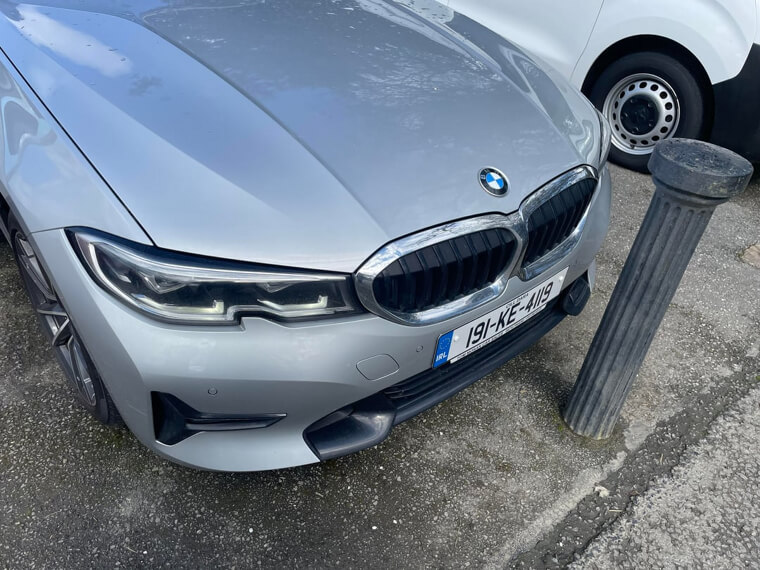
Suprisingly, BMWs lose value faster than many other brands. In fact, a brand new BMW can lose up to half of its worth within the first five years of ownership, which makes resale incredibly disappointing. While this drop in value makes them look like good deals in the used market, it also means that owners who buy used often have a hard time reselling without facing another major financial loss. Buyers who thought that they were getting a luxury car at a great price often regret it in the long run.
Complex Engineering
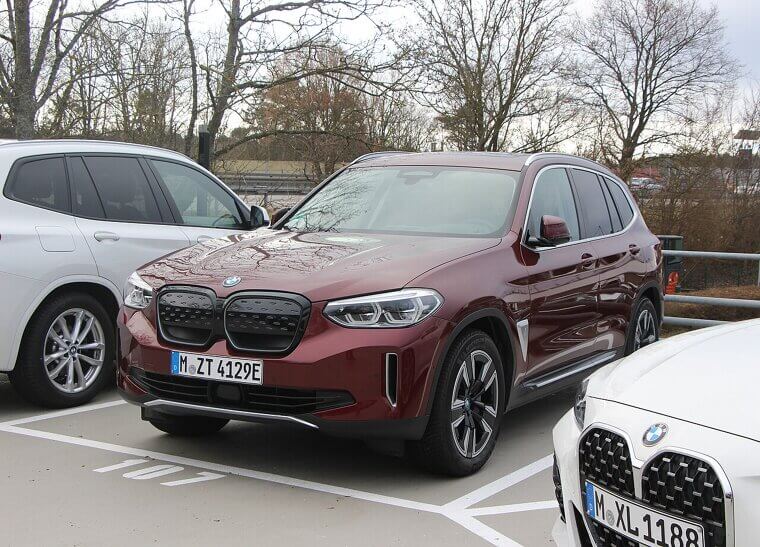
BMW is known for its world-class engineering, but complexity also has a downside. Systems like iDrive, adaptive suspension and turbocharged engines are impressive when new, but can become a major burden as the car gets older. More moving parts makes for a higher risk of issues and figuring out the cause of these problems can be incredibly tricky. Independent mechanics often don't have the necessary tools, which sends owners back to expensive dealerships. So, what seems like cutting-edge technology at first can quickly become a major headache. This leaves many owners wishing that they had opted for something a bit more standard.
Hidden Mechanical Issues
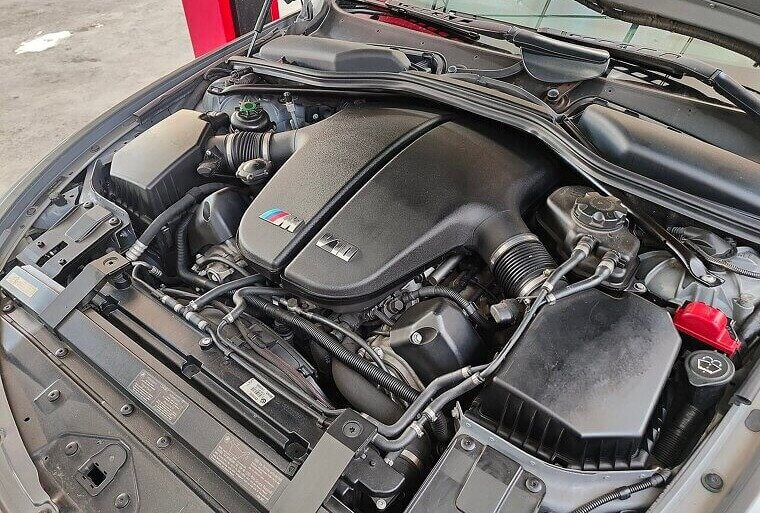
Used BMWs often come with hidden issues that sellers don't always reveal. More so, worn suspension parts, oil leaks or failing cooling systems won't be noticeable during a short test drive. Without a careful pre-purchase inspection, buyers are left with a worn-down vehicle that requires costly mechanical replacements. In fact, it's not uncommon for new owners to spend thousands on component upgrades just a few months after purchasing their car. Sellers may cover up problems with quick fixes, leaving unsuspecting buyers to handle the aftermath.

Shady Title Histories
Luxury vehicles, such as BMWs, often have questionable histories. Some used models may have been in accidents, suffered flood damage or even been salvaged. More so, sellers are more likely to hide this information in order to get a better price. Buyers who don’t do thorough VIN checks often regret discovering later that their car has a bad title history. This can lead to insurance claims, trouble selling the car, as well as safety issues. After all, BMW's are performance vehicles, meaning that many owners drive irresponsibly, resulting in a higher likelihood of a crash history.

High Insurance Premiums
Even as a used car, BMWs are considered luxury vehicles. As a result, you can expect to pay more on insurance costs. Premiums are higher because of costly parts, strong performance and an increased risk of theft. Owners who hoped to save money by buying used often regret the surprise of expensive monthly insurance bills. In fact, you can expect to pay as much on a used BMW as you do for a brand new standard model. For younger drivers or those with limited coverage options, premiums can be especially high.

Fuel Efficiency
BMW's prioritize performance over fuel economy. In fact, many models need premium gasoline, which is much more expensive. Because of this, owners end up spending a small fortune on fuel every month - especially when compared to economy cars. This becomes an even bigger issue for drivers who use the car for long commutes or everyday driving. Even smaller models are known for being incredibly heavy on fuel. Overall, BMW's simply aren't the most practical vehicles on the market - regardless of whether they are new or used.

Expensive Tires
BMW's often come fitted with performance tires that wear out very quickly. Run-flat tires, which are common on newer models, are especially expensive to replace and cannot be repaired like regular tires. Owners are often surprised when replacing a single tire can cost hundreds of dollars, with a full set going for over $1,000. Used models are no different, as all BMW's are designed with optimal performance in mind. What seems like a small expense on other cars turns into a major financial strain with BMW ownership.
Electronic Failures
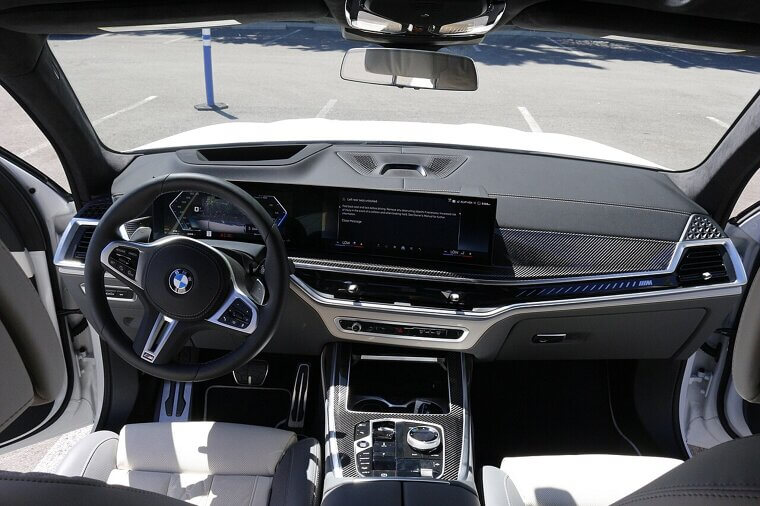
As with all vehicles, BMW electronics start to fail as the car gets older. However, unlike standard models, repairing or replacing BMW electronic components can cost a small fortune, as all of the parts are specialized. iDrive systems can freeze, sensors can malfunction and infotainment screens may go dark. These problems are both frustrating and costly to fix, often requiring help from a certified dealership. Unlike mechanical issues, electronic failures are difficult to diagnose and fix. This leaves owners with high bills and unreliable systems, making pre-purchase inspections that much more important.
Cooling System Weakness
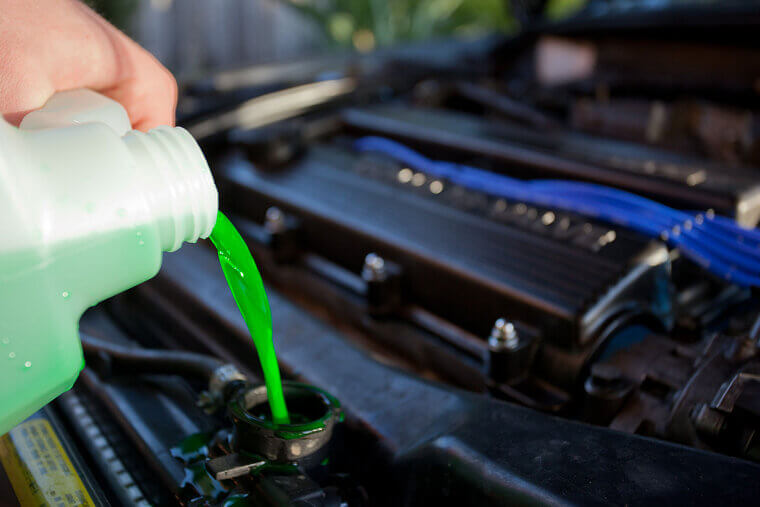
BMW cooling systems are known for failing early on. Radiators, water pumps and thermostats frequently break down long before their expected lifespans. Overheating, if left untreated, can result in severe engine damage, which costs an absolute fortune to repair. Buyers of used BMWs often wish they had been aware of this common problem beforehand. Even making preventative replacements are incredibly expensive, leaving owners with little option but to pay. Overall, owning a standard vehicle is much more practical and convenient, as their cooling systems are likely to last much longer.
Oil Leaks
Oil leaks are a common issue - especially in older BMW's. They often come from valve cover gaskets, oil filter housings or rear main seals. If ignored, these leaks can lead to a burning smell, smoke and serious engine damage. Repairs can also be incredibly labor-intensive and costly, which frustrates many owners. Because of this, many regret purchasing used BMW's entirely. A small drip can quickly turn into a large repair bill, making ownership both a stressful and expensive experience. BMW's aren't cheap, making additional repair bills a major headache.

Suspension Wear
BMW's are built for sporty handling, but this also affects the longevity of suspension. Control arms, bushings and struts wear out much more quickly than those in economy cars. Replacing these parts can be incredibly expensive, while neglecting them can result in bad handling and even safety issues. Buyers of used BMWs often regret finding out that their car needs a complete suspension overhaul soon after they buy it. As an owner, you need to decide whether the sport handling capabilities are worth the additional financial strain.
Dealer Dependency
BMWs often require specialized tools and software for diagnostics and repairs. Independent mechanics often don't have the right equipment, meaning that owners are forced to take their cars to certified dealerships - which aren't cheap. This situation frustrates used BMW buyers who hoped to save money with local mechanics. The lack of affordable repair options makes owning a BMW feel limiting. At the end of the day, owners don't have any other option but to pay a small fortune to their local BMW dealership.