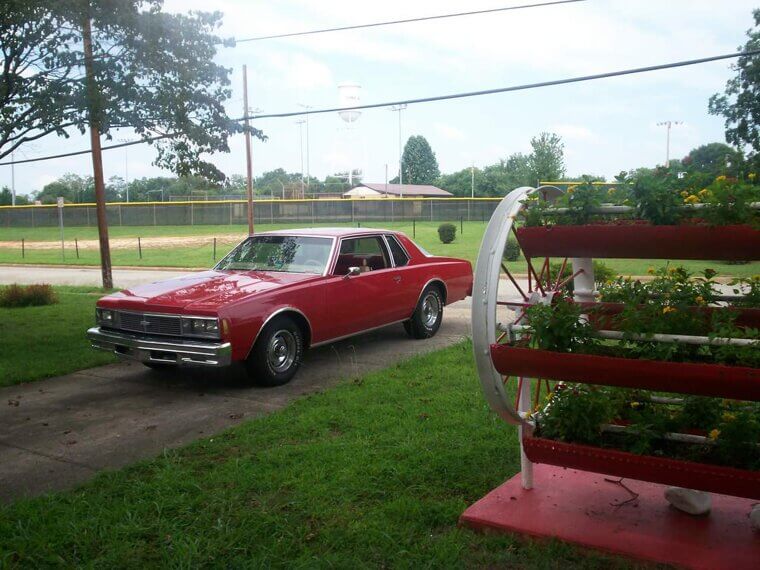
1976 Cadillac Fleetwood Brougham
Imagine a car that’s 20 feet long. Impressive, right? Well, that’s the 1976 Cadillac Fleetwood Brougham. This car owned the road long before it even started moving. The hood seemed to stretch forever, and it hid a massive V8 that delivered incredible power in the calmest way possible. Inside, everything was big and plush. We’re talking thick carpeting, wide seats, and soft materials that felt like they belonged in a high-end lounge rather than a car. This Cadillac was about comfort, presence, and knowing everyone else noticed you driving by. It represents a peak era of Detroit steel where scale was the ultimate status symbol. Floating over the road, it turned every commute into a grand parade of chrome.
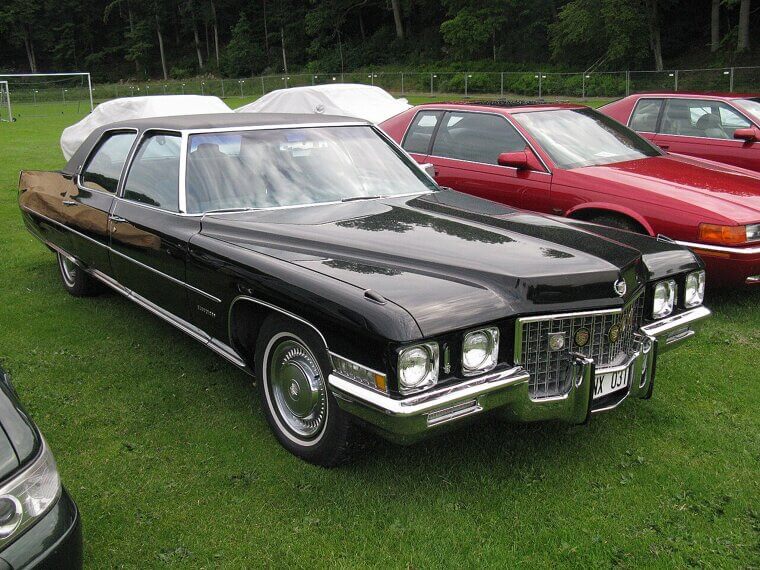
1975 Chevrolet Grand Caprice Classic
The Chevy Grand Caprice Classic was more like a living room on wheels than a car. It was wide, long, and oh-so comfortable, and that’s what people loved about it. You didn’t sit in it so much as sink into it. The seats were super soft, the dash was simple, and chrome was everywhere you looked. It floated on the road, and bumps barely mattered. The steering was great, and the V8 engine meant smooth, quiet power without trying too hard. In the ‘70s, this was the car made for long cruises and easy Sunday drives.
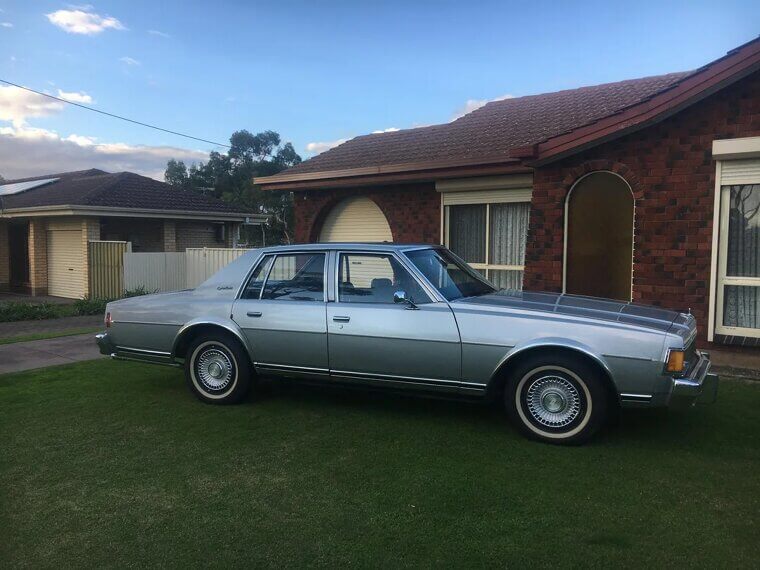
1977 Lincoln Continental Town Car
The Lincoln Town Car was all about smooth, quiet luxury. It was built for people who liked things calm and classy. And although it was huge, it didn’t feel flashy. The ride was soft, and the cabin was quiet, with the doors closing with a heavy, solid sound that made you feel safe. Under the hood hid a big V8 engine that made driving fun but not too fast. The Lincoln wasn’t about speed or excitement - it was about comfort, space, and cruising down the road in a car that was safe and luxurious.
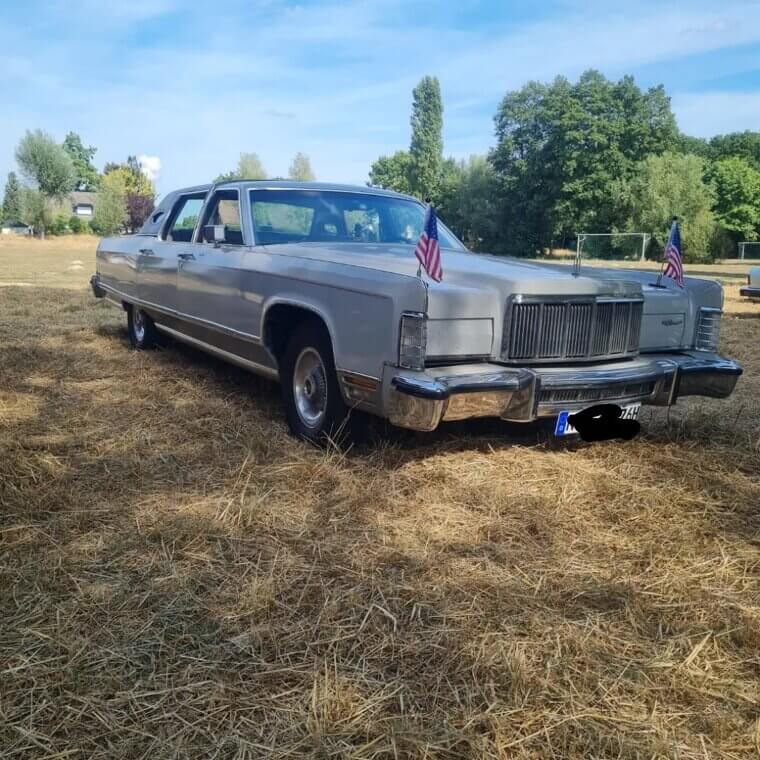
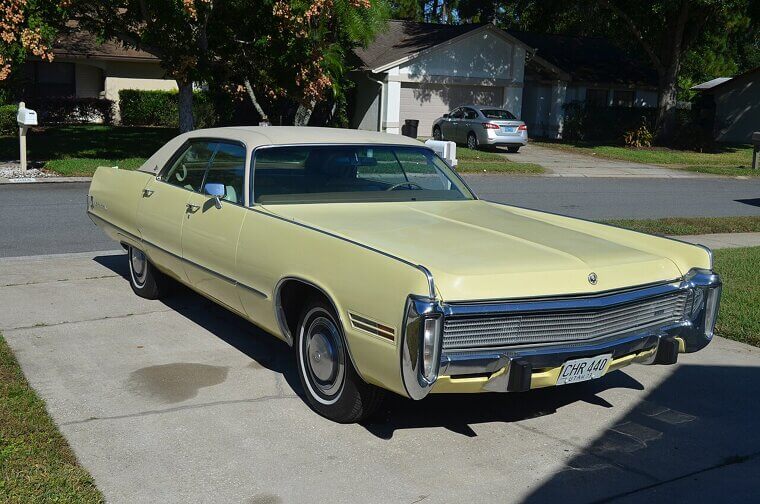
1973 Chrysler Imperial LeBaron
The 1973 Chrysler Imperial LeBaron was Chrysler’s biggest and most expensive car - and it really showed. This car was long, wide, and impossible to miss. There was chrome everywhere, from the grille to the bumpers, and the sharp lines made it look serious and important. Inside, everything felt large and solid. The seats were soft, wide, and made for comfort, not speed. This car didn’t try to be sporty or quick. It focused on smooth power and a calm ride. When you drove it, you felt relaxed and in charge. It felt like the road belonged to you.
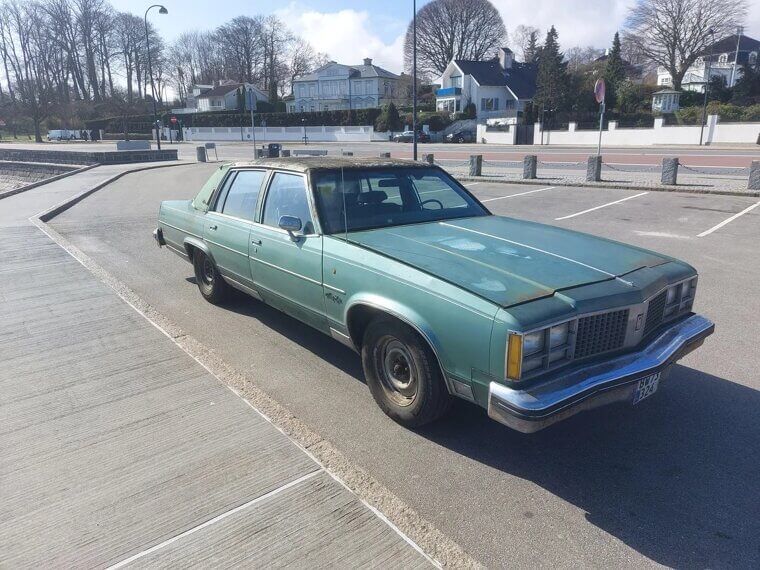
1978 Oldsmobile Ninety-Eight Regency
The Ninety-Eight Regency was one of those cars from the ‘70s that was all about comfort and taking things slow. It was very big, sure, but it didn’t feel hard to drive. The suspension smoothed out bumps so well that even the roughest roads didn’t make a huge difference. Inside, the velour seats were soft and cozy, so you felt like you were sitting on a couch rather than in a car. Oldsmobile really made this car easy to drive with its light steering and a smooth engine. Try finding that in a modern car - you won’t.
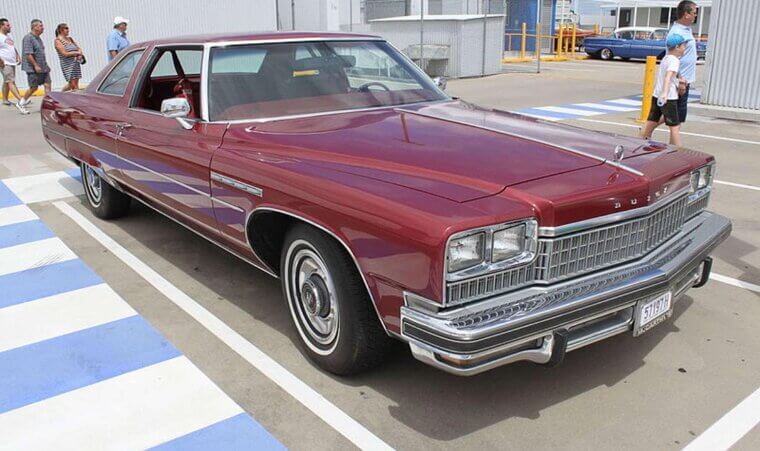
1977 Buick Electra 225
Buick’s Electra 225 was big, heavy, and very proud of it. People called it the “Deuce and a Quarter,” and that name fit perfectly. Buick built it for comfort first and everything else second. The ride was also smooth and quiet, even at higher speeds. The V8 engine delivered incredible power without noise or drama, and the cabin felt warm and inviting with wide seats and lots of space. This wasn’t a car you hurried in. Instead, it made you slow down and really enjoy the drive. It felt like floating down the road.
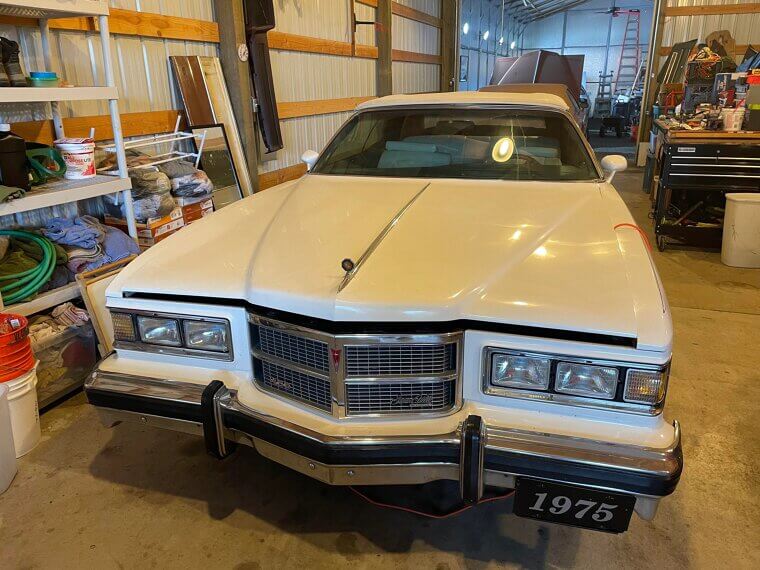
1975 Pontiac Grand Ville
This was the biggest Pontiac ever built, and you could feel it as soon as you got inside. The front end was huge, the body was long, and it looked powerful even when it was parked. Pontiac made sure it had a strong road presence that made other drivers notice it. It also didn’t try to be quiet or subtle. It wanted attention, and that came in the form of a big V8 engine and massive interior. The Grand Ville mixed Pontiac’s tough image with full-size comfort that made it feel strong and relaxing to drive.
1976 Ford LTD
The Ford LTD was one of the most common big cars of the 1970s. Why? Because so many people trusted it. It was large, comfortable, and easy to live with, and the ride felt soft. The interior also had plenty of space for kids, groceries, and road trips, and it was the ideal family car. The controls were simple and easy to understand. The LTD didn’t try to stand out or look fancy. It just did everything well enough. This was the kind of car many people grew up riding in.
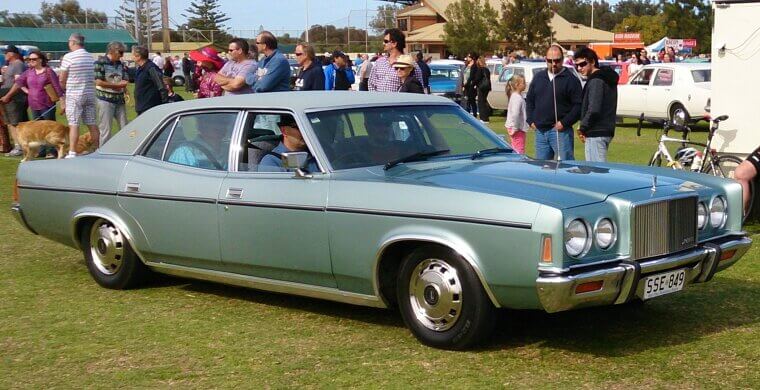
1974 Dodge Monaco
The Dodge Monaco was one of the tougher, more serious cars of the ‘70s. It was big, bold, and looked ready for hard work. And that’s why police departments used it and also why it showed up in so many movies. The body was strong, the engine had plenty of power, and it felt solid and steady on the road. Inside, the design was simple but roomy. It didn’t focus on luxury or fancy details, sure, but it was strong. For many drivers, it felt like a car that could handle a bit of rough use and still keep going.
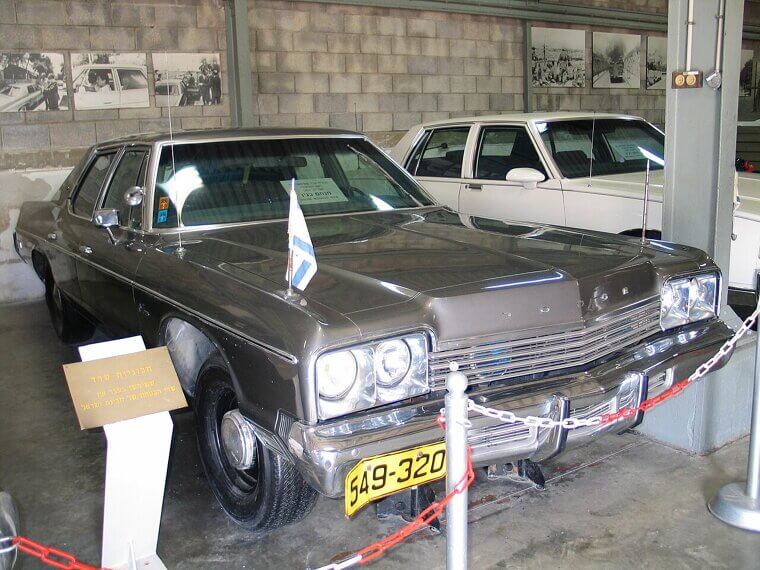
1977 Mercury Marquis Brougham
What do you get when you take a Ford LTD and add comfort and style? You get the 1977 Mercury Marquis Brougham. This car came with a vinyl roof, shiny chrome trim, and super soft interiors that made it feel luxurious. The ride was also smooth and calm, making it perfect for slow, relaxed driving. The Marquis Brougham wasn’t made for excitement or fast driving - it was made to help you relax. You didn’t need to rush anywhere, but rather cruised along while you took it easy behind the wheel of a land yacht.
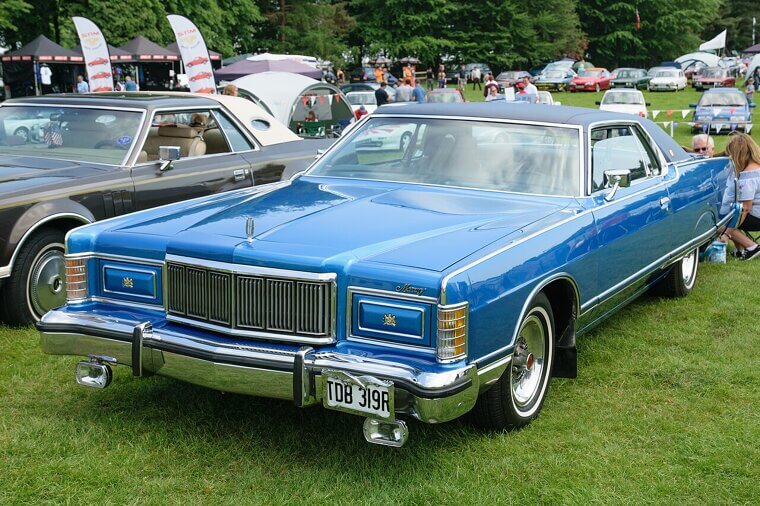
1978 Cadillac Eldorado Biarritz
The Biarritz proved that a luxury coupe could still be massive. It had front-wheel drive and was long, wide, and very bold. Both the interior and exterior looked expensive from every angle. From the leather seats and thick carpets to the chrome detailing, the Biarritz looked special. It was built for comfort, and you drove it slowly and proudly, just enjoying the feeling of being wrapped in luxury. This car knew exactly what it was, what it could do, and never tried to be anything else. We wish they still made cars like this today.
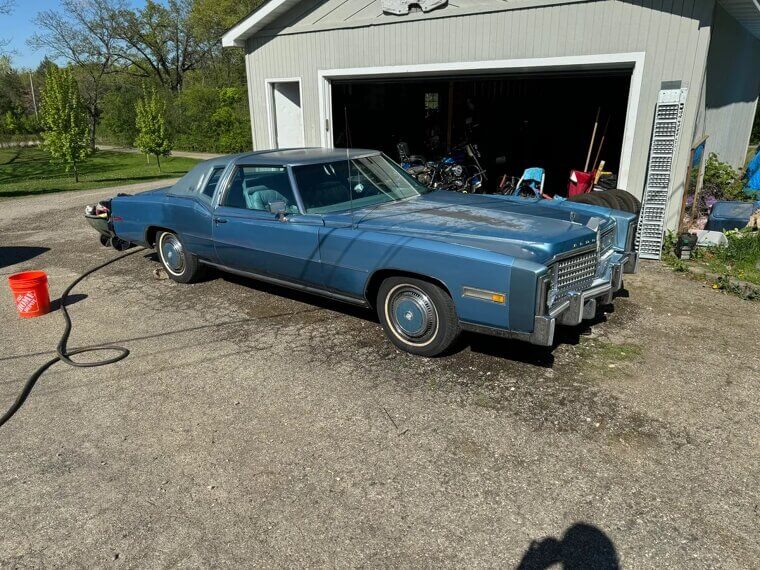
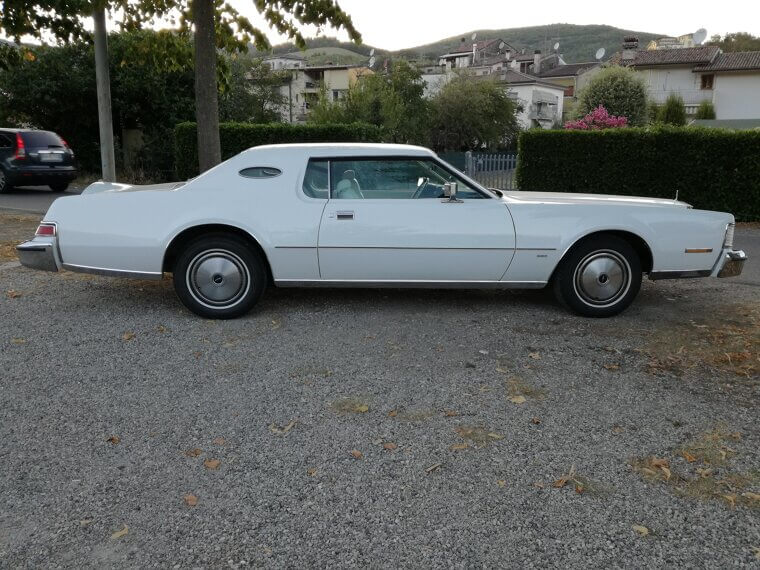
1972 Lincoln Mark IV
Lincoln’s Mark IV was a big, comfortable, and quietly luxurious car. It had a long hood and a shorter back end that made it easy to spot on the road. The small opera windows on the sides gave it a more classy look than other cars in the ‘70s, and many people today still remember it well. The seats were wide and comfortable, and the V8 engine was smooth and quiet. Even short drives felt calm and special in the Mark IV because it wasn’t built for speed but rather for slow cruising and relaxing.
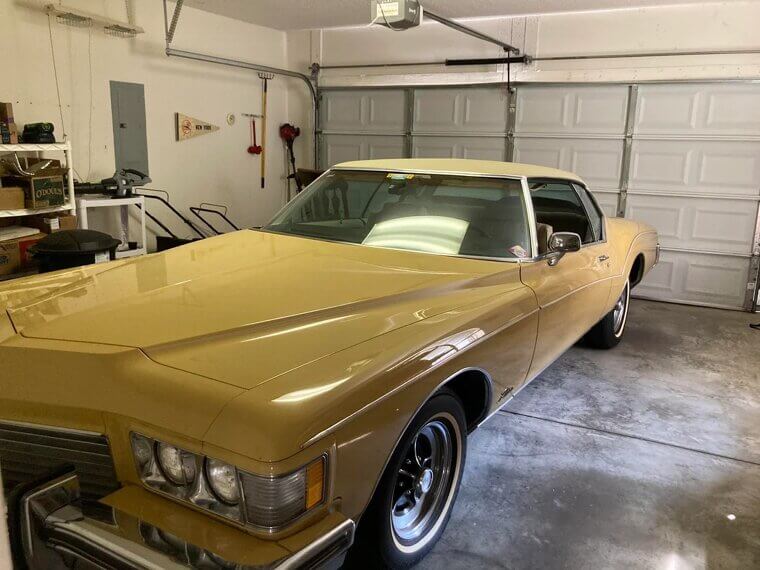
1973 Buick Riviera
The 1973 Buick Riviera was impossible to miss thanks to its unique boattail design. The back of the car curved like a boat’s stern, giving it a look that made it stand out. It was large, sure, but it didn’t feel awkward to drive. The V8 engine provided steady, effortless power, moving the heavy body with ease. Inside, the cabin mixed comfort with style, with plush seats and little details that made it feel special. Unlike other cars, the Riviera didn’t fade into the background, and it is still one of the most striking land yachts of the 1970s.
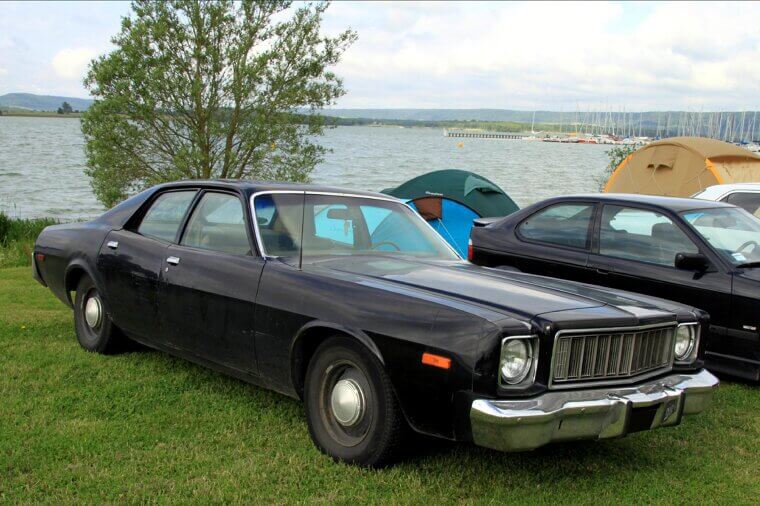
1975 Plymouth Gran Fury
Plymouth’s Gran Fury was heavy, solid, and durable, which is why so many police and government fleets used it. But, despite its large size, the ride felt surprisingly smooth, and the car handled highway speeds like a pro. Inside, there was plenty of room, simple controls, and wide seats that made driving and riding comfortable for hours. The Gran Fury didn’t try to impress with flashy looks. Instead, it focused on reliability and practicality for people who wanted a solid car that was comfortable and looked good, too.
1979 Chevrolet Impala
By 1979, the Chevy Impala was one of the biggest cars on the road. It had a long, wide body and a smooth ride that everyone loved. The cabin also had space for passengers and luggage, so it became the ideal car for family trips or weekend adventures. The Impala didn’t try to be flashy or sporty - it simply delivered consistent performance you could rely on. Chevy fans loved it then, and still miss it today because it showed that big cars could still be practical and reliable. Gosh, how we miss the Impala!