Ignoring How Electronics Age
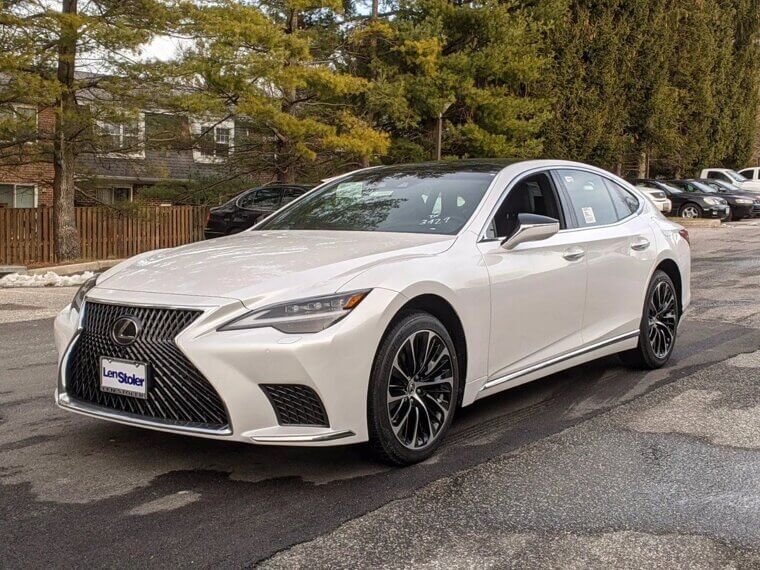
Luxury cars rely heavily on electronics to feel luxurious. Things like the screens, cameras, sensors, and modules all work beautifully when new. As the vehicle gets older, these systems start to glitch, and you deal with random warnings, frozen screens, and features that work sometimes and not work at other times. Diagnosing electronic component failures can be a costly, frustrating experience. While the car may drive fine, continual electronic component failure takes away from the overall excitement of owning that luxury vehicle. This is something people rarely think about at purchase and almost always complain about later.
Assuming All Luxury Means Reliable
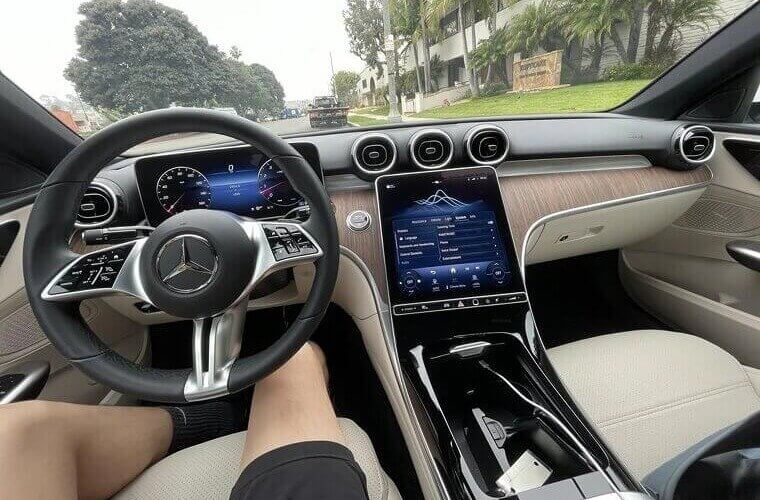
Many people associate reliability with luxury brands. Just because a vehicle looks and feels high-end, solid, and refined does not guarantee that it will perform well or age gracefully. Some luxury brands are packed with complex systems that don’t love getting older. After the honeymoon phase, you may begin to notice issues such as warning lights appearing on dashboards or small failures developing in your vehicle. Owners often say they assumed quality meant fewer problems. In reality, luxury usually means more features, and more features mean more things that can eventually go wrong.
Focusing Only on the Sticker Price
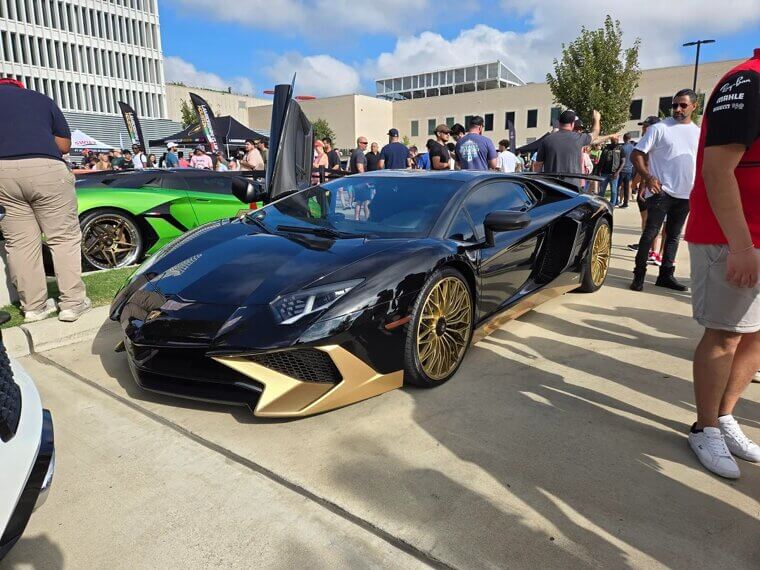
Getting a better deal on a luxury car than you would for a standard sedan is a great feeling. That amazing price is what hooks you, and most people realize too late that the sticker price is just the beginning. There is still a significant amount of additional money that must be spent on the upkeep of most luxury vehicles after they have been bought, particularly in maintenance costs, tire costs, parts costs, and repair costs. These are luxury-level expensive, and that discounted price does not come with discounted ownership costs. Ultimately, many buyers feel blindsided by how quickly the savings disappear.
Skipping a Pre-Purchase Inspection
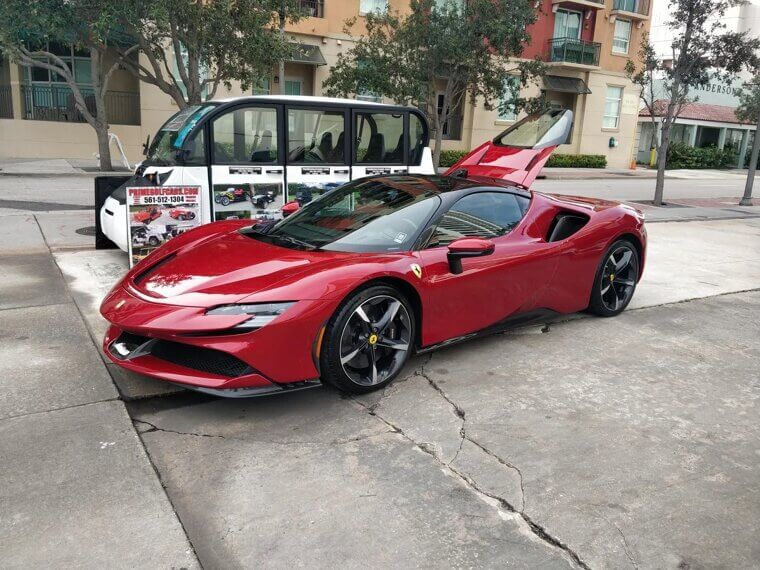
People often have confidence in their purchase after a clean test drive. However, that confidence is often misplaced, as used luxury vehicles hide problems very well. It’s a costly mistake not to have a pre-purchase inspection performed by a qualified mechanic. Most of the warning signs are hidden from buyers, and only a qualified mechanic can see them. In the absence of a pre-purchase inspection, you’re taking a risk on the previous owner’s maintenance habits. Today’s seemingly clean vehicle could have major repair issues tomorrow. Spending money on a pre-purchase inspection could save you thousands and a lot of stress later.
Ignoring the Cost of Routine Maintenance
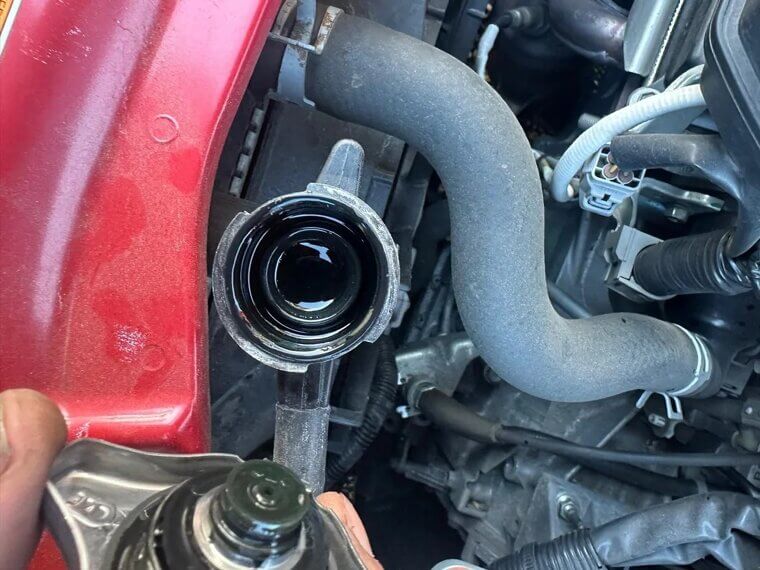
The cost of basic upkeep on a luxury vehicle, such as oil changes, brake jobs, and tire replacement, is more expensive than you might expect. Many people are surprised by this. The high price of basic maintenance for a luxury vehicle comes from the use of performance parts, specialty fluids, and larger wheels. When the cost of performing routine maintenance on your luxury vehicle is double what you budgeted for, your new vehicle stops feeling like a bargain.
Assuming Warranty Coverage Still Applies
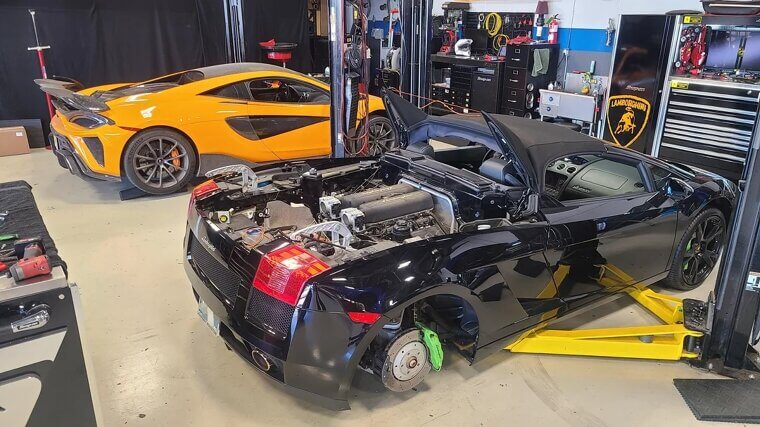
It’s easy to assume some kind of factory protection is still there, especially if the car feels new. Many used luxury cars are out of warranty or close to it. Once that coverage is gone, repairs come out of your pocket. Extended warranties sound appealing, but not all of them are worth the price. Buyers often realize too late that they are fully responsible for very expensive systems. Knowing exactly what is covered and for how long is crucial before you sign anything.
Overlooking Tire and Wheel Costs
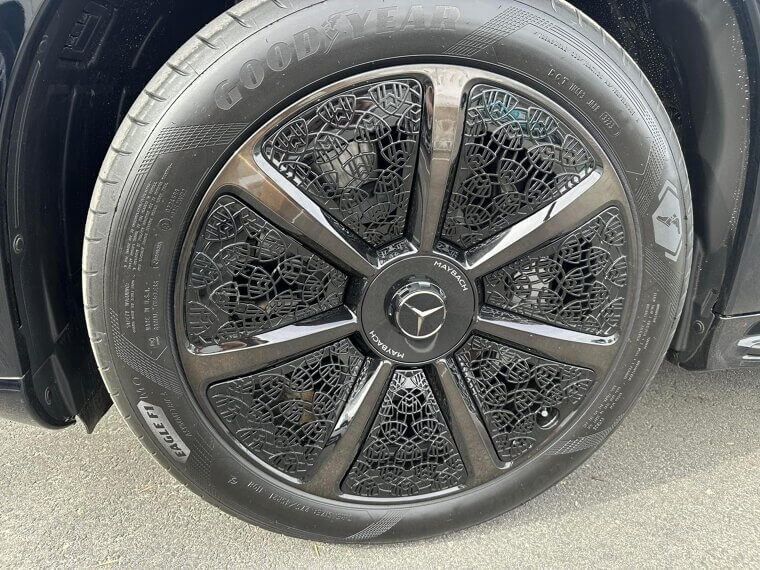
Luxury vehicles often ride on large, low-profile tires that look great but wear fast and cost a lot to replace. One full set can be a shock if you are not prepared. Bent wheels and uneven wear are also common, especially on used cars. These are not optional expenses. When tires go, you have to replace them. Many buyers don’t think about this until the first replacement comes due, and that’s when the budget reality hits hard.
Buying Based on Looks Alone
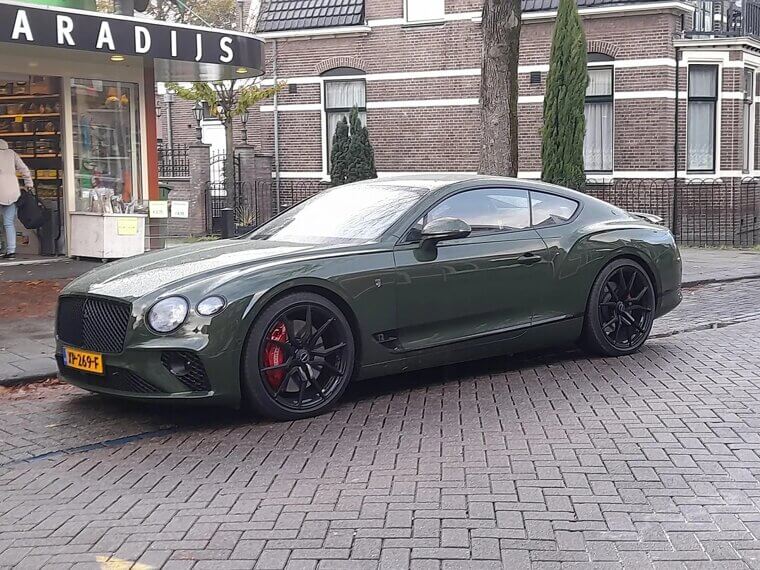
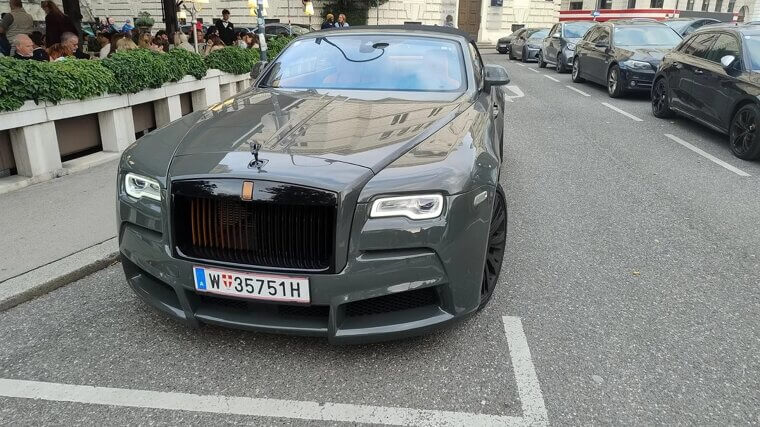
It’s almost impossible to resist being impressed by the attractive styling of luxury vehicles. After all, these cars are designed to be visually appealing. However, when considering a vehicle, you must not allow its looks to overshadow its practicality. For instance, a low-slung coupe may provide limited visibility while driving, while a very low sedan may be prone to scraping everywhere, causing damage. After daily driving it for a year, the visual excitement fades, and the annoyances remain. People often realize they bought something that looked perfect but didn’t actually fit their lifestyle as well as they thought.
Not Researching Common Problems for That Model
A lot of people research the brand but skip the specific model and year. That’s a big miss. Every luxury model has its own personality and its own known issues. Some have transmission quirks, while others eat suspension parts or electronics. If you don’t know what tends to fail, you can’t plan for it or avoid it. Owners often say they found out about common problems only after experiencing them. A quick deep dive before buying could save you a lot of money and frustration.
Trusting the Seller’s Story Too Much
Most sellers are not trying to scam you, but their version of the car’s history is still biased. “Always garage kept” and “mostly highway miles” sound reassuring, but they don’t replace documentation. Buyers who trust stories over service records often regret it. Maintenance gaps, skipped services, or hard use don’t always show immediately. The car may drive great during the test drive, then slowly reveal problems later. Paperwork tells the truth more reliably than anyone’s memory.
Forgetting About Insurance Costs
Insurance companies still see a luxury badge, even if the car is older. Premium parts and repair costs raise rates. Many buyers only find out after they call for a quote post-purchase. That extra monthly cost adds up quickly. It can turn a good deal into a financial stretch. People often say they wish they had checked insurance before buying, instead of after. It’s an easy step to overlook, but it can seriously affect how affordable the car feels long term.
Underestimating How Important Previous Ownership Is
Not all previous owners treat luxury cars the same. Some baby them, others drive them hard, and skip maintenance because they plan to sell soon. Buyers often ignore how many owners the car has had or how long each kept it. Multiple short-term owners can be a red flag. You usually learn too late that you inherited someone else’s problem car. One careful long-term owner is worth way more than low miles alone. Ownership history tells you how the car was lived with, not just how it looks today.
Thinking DIY Repairs Will Be Easy
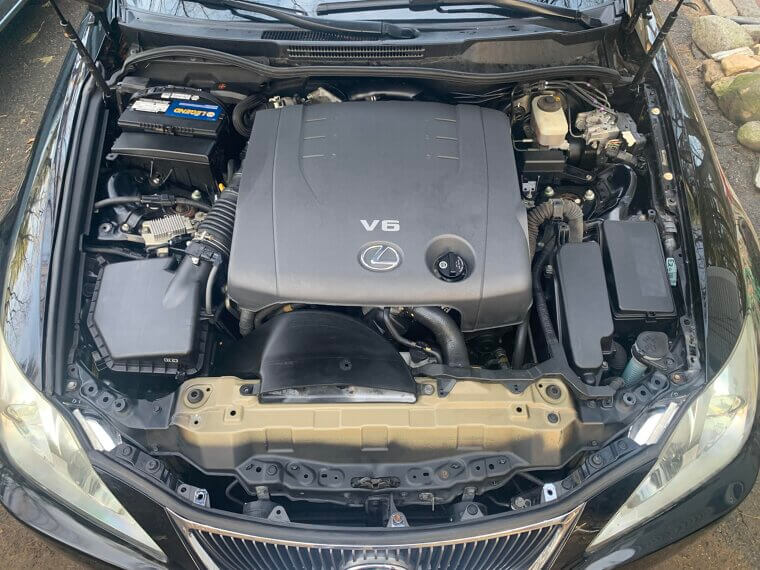
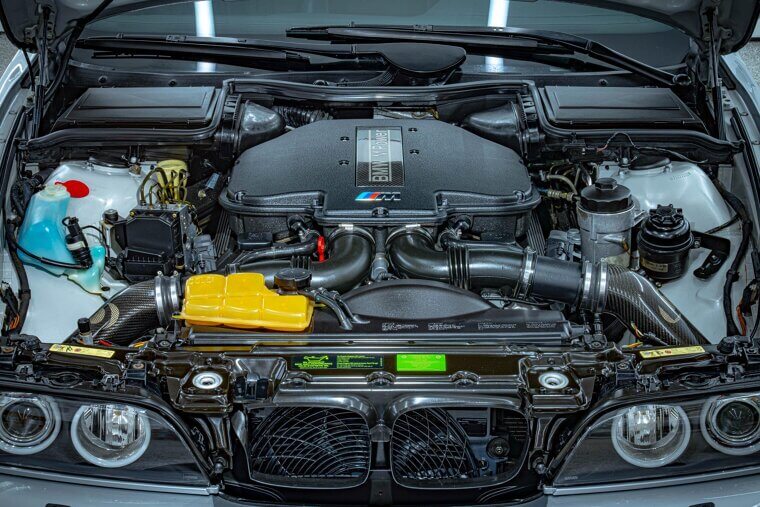
Many buyers start out thinking they can save money by repairing small things themselves. However, when they raise the hood on their luxury car, they find that everything is packed in very tightly, there are countless sensors, and it often requires special tools or software. Even simple jobs take longer than expected. Most of the time, owners find that the work they thought would take thirty minutes actually turns into a couple of hours or longer. Many buyers realize too late that they either need advanced skills or professional help. That labor adds up fast if you were counting on DIY savings.
Not Planning an Exit Strategy
Buying a luxury car can be a thrilling experience, while selling it can be a major letdown. Many luxury brands lose value rapidly, and when the time comes to sell or trade it, the offers that you receive may be lower than you expected. Buyers are cautious and know repair costs. People often realize too late that they are stuck keeping the car longer than planned to justify what they’ve spent. Thinking about the resale value of your luxury vehicle at the time of purchase will help create realistic expectations. If you go in blind, the exit can feel way more painful than you expected.

Letting Emotion Override Practicality
Luxury cars are designed to make you feel something. That’s part of the problem. Buyers fall in love with how it drives, how it looks, and how it makes them feel. Any semblance of practical reasoning is often lost in the excitement. However, once the excitement is gone and reality comes back into play in the form of bills, inconvenience, and stress, many owners finally realize that they made a mistake. People don’t always end up regretting the actual vehicle, but rather their lack of honesty with themselves regarding their financial situation and lifestyle. While emotion may make the purchase, logic pays for it later