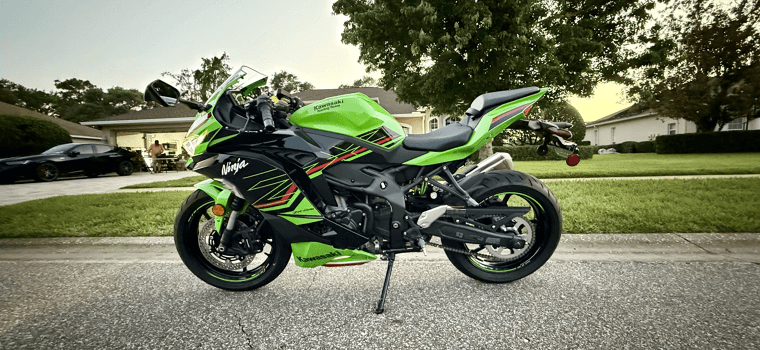
Harley Davidson
Harley Davidson bikes are iconic, but many riders regret choosing certain models for long distance travel. While Harley touring bikes perform well, mid size cruisers and older models often struggle with vibration, limited suspension comfort, and rider fatigue during extended rides. Many owners report that the seating position feels great for the first hour but becomes stiff and restrictive as the miles build. Heat from large V twin engines can also accumulate at highway speeds, creating discomfort on warm days. Fuel range varies widely, and some models require more frequent stops than expected. Riders often find themselves wishing for smoother engines, lighter handling, or better wind protection. Harleys offer strong style and presence, but not every model is built with long distance endurance in mind, leading to regret when the trip turns from enjoyable to physically demanding.
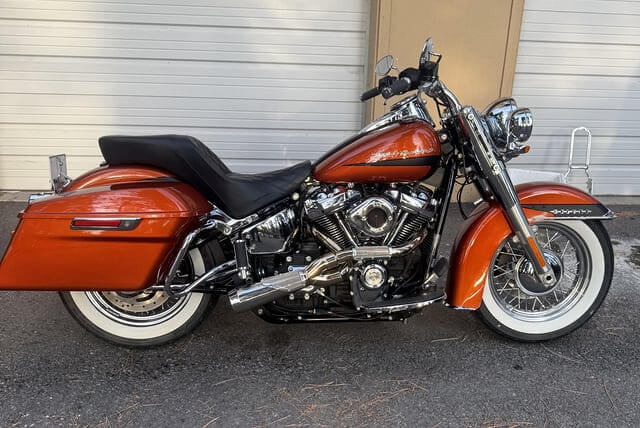
Royal Enfield
Royal Enfield bikes are known for affordability and classic styling, but they often receive rider regret during long distance use. Many models have limited power at sustained highway speeds, which makes passing and climbing hills more challenging. Vibration becomes noticeable after an hour, especially on single cylinder engines. Seats on several models provide minimal cushioning, and the upright position that feels comfortable at first can turn rigid over time. Fuel economy is strong, but smaller tanks require more frequent stops. Cooling systems also work hard during long, uninterrupted stretches. Riders who use Royal Enfield for short commutes may never encounter these issues, but once the trip exceeds a couple of hours, comfort and performance limitations become clear. The bikes shine in relaxed, local riding, yet often fall short when extended travel demands higher stability and smoother power delivery.
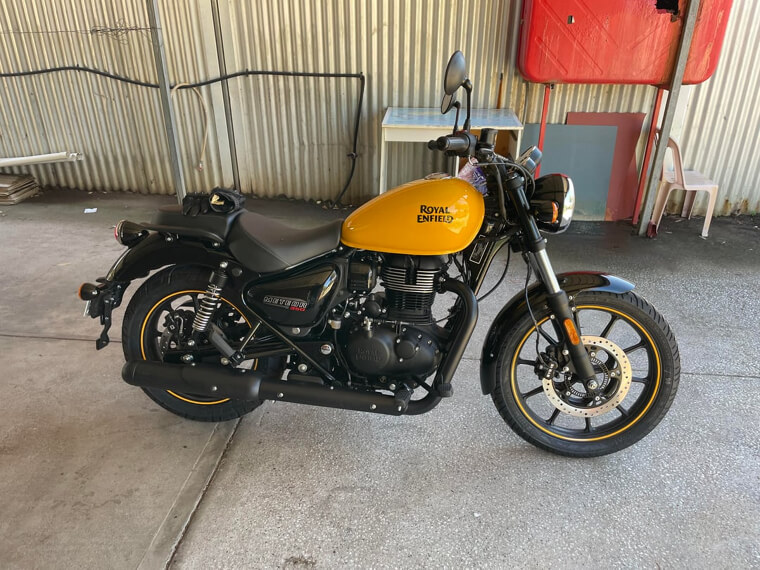
KTM
KTM bikes are built for performance, but many riders regret choosing certain models for long highway trips. These motorcycles are often designed for aggressive riding, off road exploration, or short bursts of speed. Extended travel exposes stiff suspension setups that transmit more road feedback than many riders want on long rides. Seats tend to be narrow and firm, leading to discomfort after a short period. High performance engines create noticeable heat at highway speeds, especially in warm climates. Vibration becomes tiring on some single cylinder and twin cylinder models during long stretches. Fuel range on several KTMs is shorter than competing touring bikes, requiring more frequent stops. Although highly capable in their intended environments, KTMs can feel demanding on long distance routes, leaving riders wishing for a more relaxed, touring oriented setup.
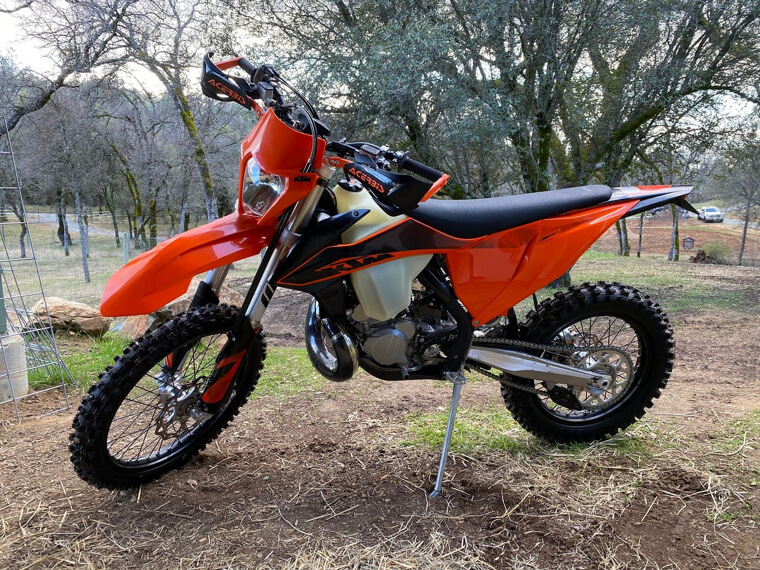
Triumph
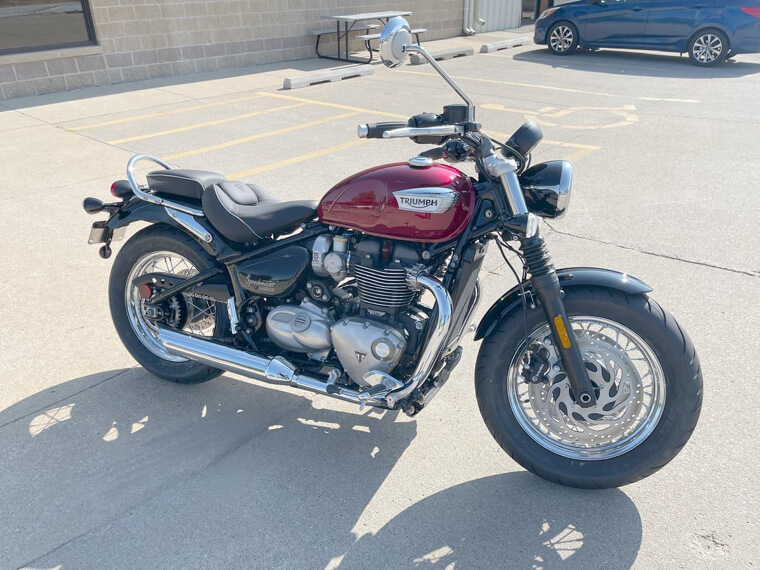
Triumph motorcycles deliver strong performance, but some models leave riders regretting their choice for long distance travel. Triumph classics and roadsters often have limited wind protection and seating that becomes firm after a couple of hours. Vibration from certain engine configurations increases fatigue, particularly on older models. Heat buildup around the legs can also be noticeable during extended highway speeds. Some Triumph bikes have sporty ergonomics that place weight on the wrists and shoulders, which becomes difficult to maintain over time. Riders who enjoy Triumph for weekend rides sometimes find that long trips highlight comfort compromises they did not notice before. While Triumph touring models perform well, many of the popular retro and mid size options feel less suitable once the miles begin to add up.
Ducati
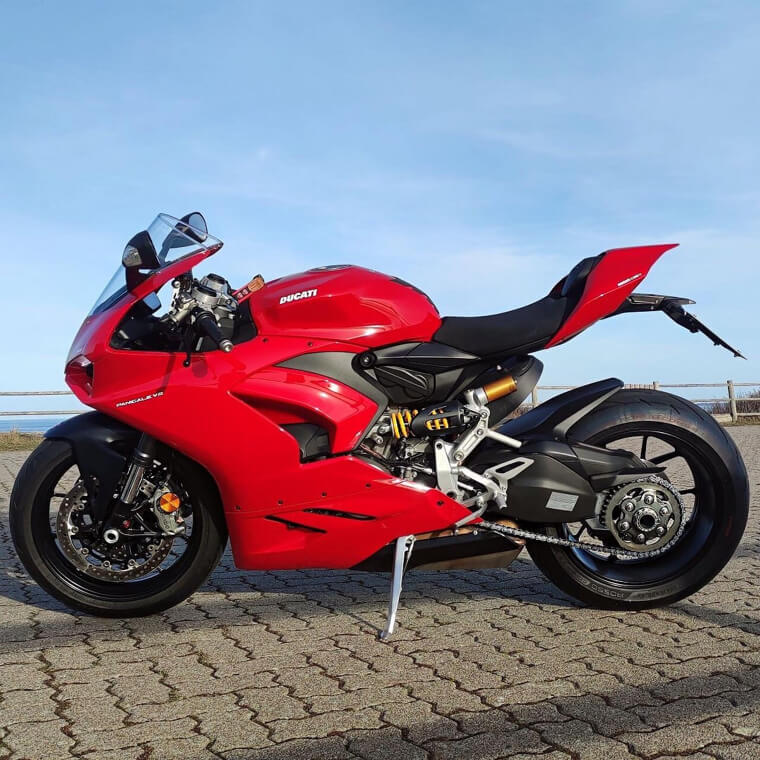
Ducati bikes attract riders with style and performance, but long rides often reveal comfort issues. Many Ducati models have firm seats, aggressive ergonomics, and stiff suspensions that are ideal for sport riding but tiring over long distances. Heat from the engine becomes a major complaint at highway speeds, especially in warmer weather. Fuel range varies, but several models require more stops than riders prefer on long trips. Vibration, while manageable at first, becomes noticeable over extended periods. Riders coming from more comfortable brands sometimes find Ducati long distance travel demanding and physically draining. These bikes excel on twisty roads and short, spirited rides, but many riders regret choosing them for cross country travel where comfort matters as much as performance.
BMW (non Touring Models)
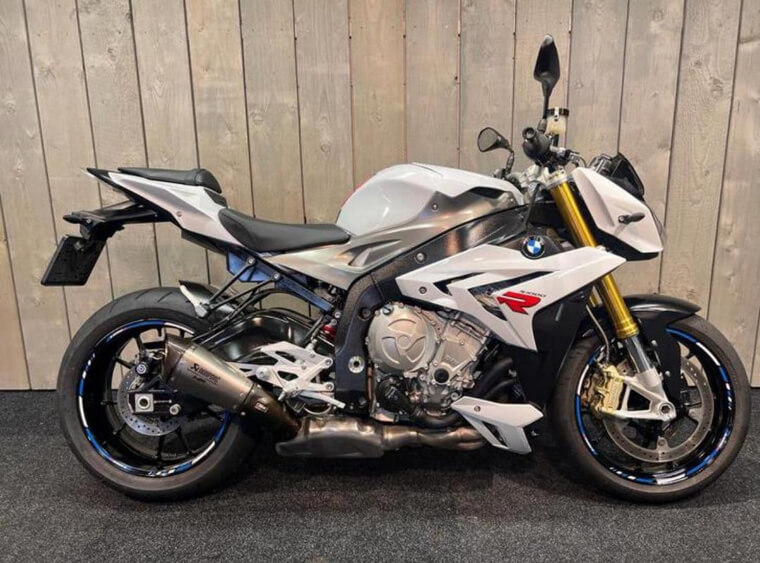
BMW touring models are highly respected, but many riders regret choosing non touring BMW bikes for long distance trips. Models built for sport or adventure style riding often have upright but firm seating, stiff suspension, and noticeable vibration at sustained highway speeds. Heat buildup from boxer and parallel twin engines can become uncomfortable during long stretches. Wind protection varies widely, and many riders find themselves battling fatigue without a proper fairing. Fuel range tends to be strong, but ergonomics often limit endurance. Riders who expect BMW refinement across all models sometimes discover that non touring options require frequent breaks and create shoulder or back strain, leading to regret during long trips.
Yamaha (sport Oriented Models)
Yamaha is known for reliability, but many sport oriented Yamaha models receive complaints after long trips. Bikes like the R series or MT series have aggressive or semi aggressive stances that place pressure on the wrists, neck, and lower back. Seats are often narrow and firm, becoming uncomfortable after a short period. Wind protection is limited on naked models, causing significant fatigue at highway speeds. Engines that feel lively on short rides may feel buzzy during extended travel. While these Yamahas are excellent for performance riding, they are less suited for long distance comfort, leading many riders to regret using them for routes beyond their intended design.

Suzuki (older Cruisers and Sport Models)
Suzuki bikes have strong reputations, but certain older cruisers and sport models often leave riders disappointed on long trips. Cruisers may have low, stretched ergonomics that strain the lower back over time. Sport models often offer little wind protection and firm suspensions that feel harsh on rough pavement. Vibration on older engines becomes tiring during highway travel. Fuel range can be inconsistent, requiring more stops than expected. Riders who purchase Suzuki models for affordability sometimes discover that long distance comfort is limited unless the bike is specifically designed for touring.
Honda (sport and Small Displacement Models)
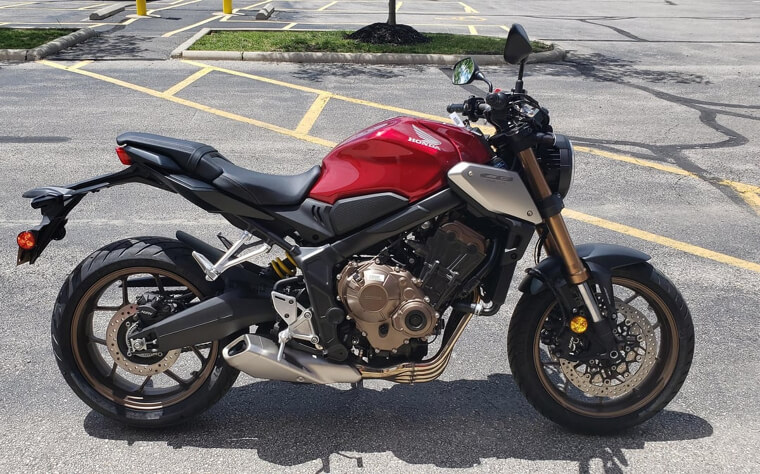
Honda is known for comfort, but smaller displacement and sport focused models frequently receive complaints on long rides. Lightweight bikes can feel unstable in crosswinds, and small engines work harder at highway speeds, creating noise and vibration that grows tiring. Sport models place weight forward, causing wrist and shoulder strain over time. Seats on some models lack cushioning for multi hour rides. While Honda’s touring and larger cruisers perform well, riders who choose smaller or sportier options often report regret once they attempt longer trips that demand comfort and stability.
Kawasaki (sport Bikes and Lightweight Models)
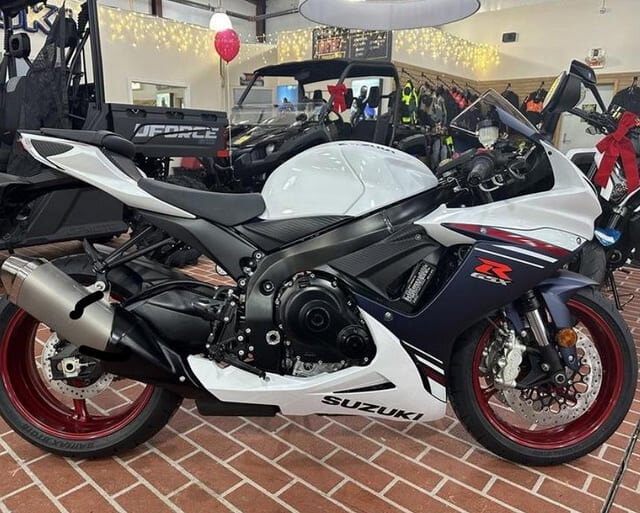
Kawasaki sport bikes are popular with new riders, but many discover their limitations on long trips. Aggressive ergonomics, high revving engines, and minimal wind protection make highway miles uncomfortable. Lightweight models struggle with stability and vibration during extended travel. Seats are often narrow, and suspension setups favor responsiveness over comfort, leading to fatigue after a short time. Riders who use Kawasaki sport models for commuting may never notice these issues, but long trips quickly reveal the lack of comfort features. While Kawasaki touring bikes perform much better, sport oriented models often lead to regret when used for long distance riding.