Simple Mechanical Transparency
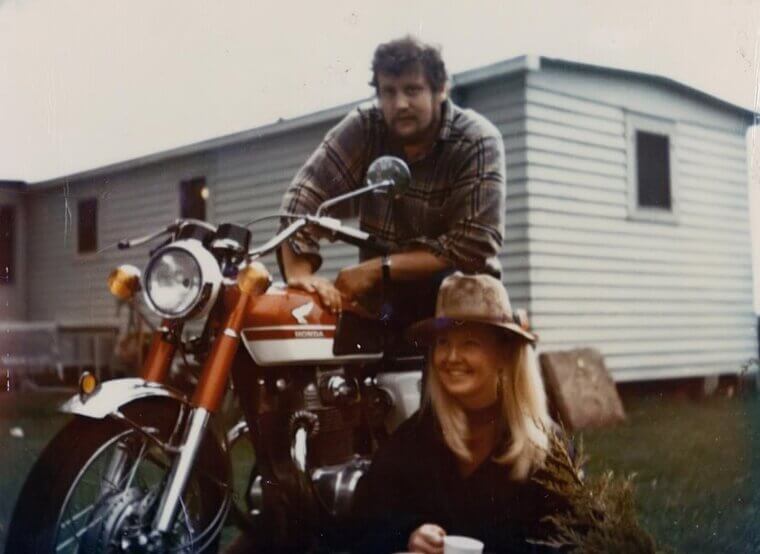
One of the biggest reasons people love 70s bikes is that you can see exactly how they work. In 2026, most bikes are covered in plastic fairings and hidden behind wires and sensors. In the 70s, the engine was the centerpiece of the design. You could see the cooling fins, the carburetors, and the exhaust headers glowing. This mechanical transparency made the machines feel "alive." If something went wrong, you could usually fix it with a basic set of tools in your own garage. There were no computer chips or "limp modes" to deal with. This created a deeper bond between the rider and the machine, as you truly understood the metal and fire happening between your knees while you cruised down a highway.
The Rise of the Superbike
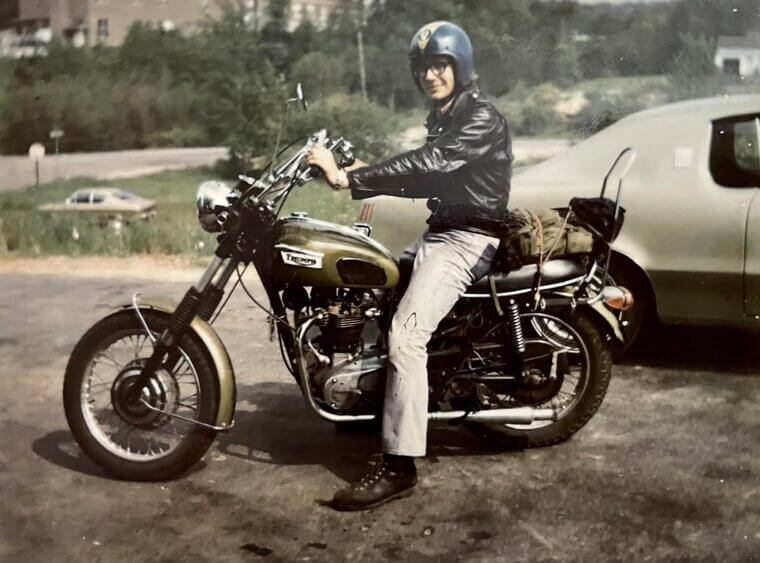
The 1970s gave birth to the "Superbike" era, starting with the legendary Honda CB750 and followed by the Kawasaki Z1. Before this, "big" bikes were usually twins, but the 70s brought the smooth, screaming power of the inline-four engine to the masses. These bikes were incredibly fast for their time and felt like rocket ships compared to the cars on the road. There was a sense of excitement and danger because the engines were often more powerful than the frames and brakes could handle. This created a "wild west" atmosphere in motorcycling where every ride felt like an event. Manufacturers were constantly pushing the limits of speed, creating a legendary rivalry that defined the performance standards for the next fifty years of riding.
Lightweight and Narrow Designs
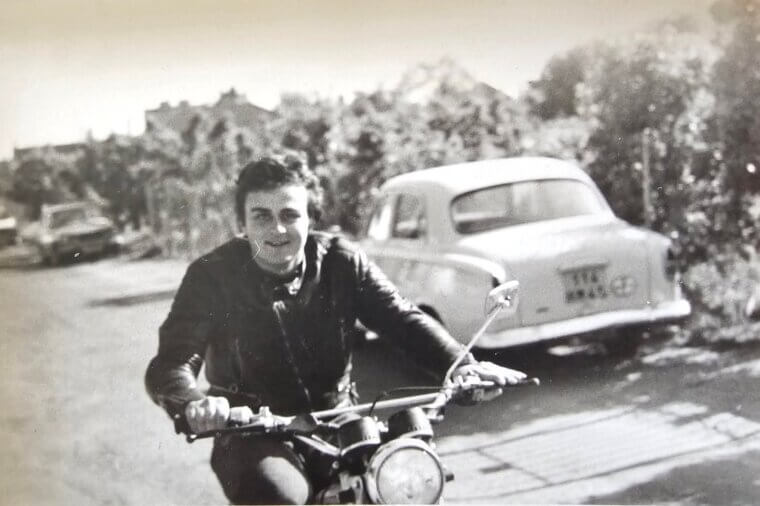
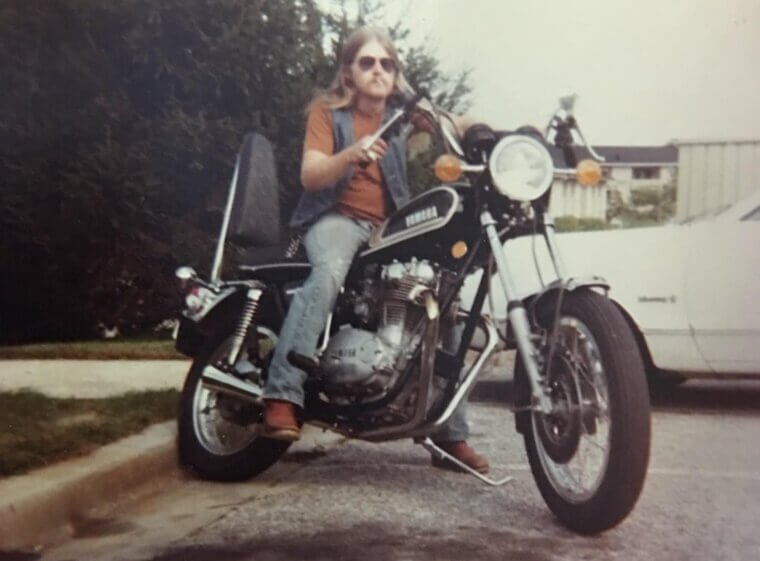
Modern motorcycles have become very heavy due to safety features, emissions equipment, and massive tires. In contrast, 1970s motorcycles were remarkably slim and lightweight. Bikes like the Yamaha RD350 or the early Triumph Bonnevilles were easy to flick through corners and didn't feel intimidating to push around a parking lot. Because they didn't have heavy radiators or bulky ABS systems, they felt more like bicycles with engines attached. This lightness made them incredibly fun to ride at legal speeds. You didn't need to be going 100 miles per hour to feel the thrill of the road. The simplicity of the frame and the narrow profile allowed the rider to feel more connected to the environment and the asphalt below.
Iconic and Timeless Styling
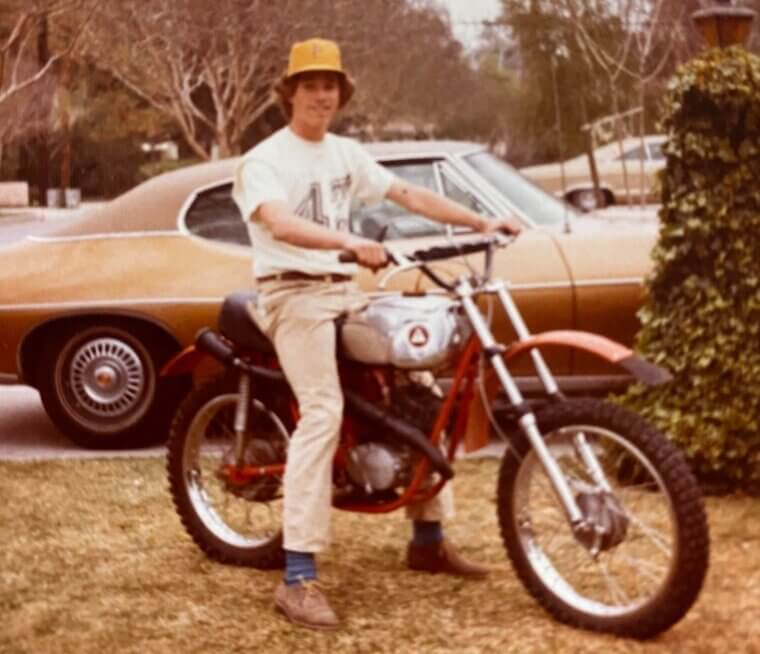
If you look at a motorcycle from 1975, it still looks cool today. The 70s focused on classic shapes: round headlights, teardrop fuel tanks, and flat leather seats. There were no aggressive "transformer" looks or sharp, jagged plastic edges. The color palettes were bold, featuring metal flake paints and bright oranges, greens, and blues that stood out in a crowd. These bikes were designed to be beautiful from every angle. Even today, the "modern classic" category is the fastest growing segment in the industry because riders want that 70s look. The design language was honest and balanced, proving that you don't need aerodynamic winglets or futuristic LED strips to create a machine that captures the imagination of the public.
The Golden Era of Off-Roading
The 1970s was when the "dirt bike" truly came into its own. Before this, people just stripped the lights off heavy street bikes to go off-road. The 70s brought us the Yamaha DT1 and the Honda Elsinore, which were purpose-built for the mud and sand. This opened up a whole new world of adventure for families. You could throw a bike in the back of a truck and head to the desert or the woods for the weekend. It was the era of the "scrambler," a bike that could do a bit of everything. This versatility made motorcycling feel more like a hobby and an outdoor sport rather than just a way to commute. The rugged, go-anywhere spirit of these 70s machines created the foundation for today's massive adventure bike market.
Lack of Digital Distractions
Riding a motorcycle in 2026 often involves looking at a digital screen (TFT display), managing Bluetooth helmet speakers, and toggling through multiple "ride modes." In the 1970s, the only technology you had was a pair of analog needles for speed and RPM. There were no distractions. You couldn't get a phone call while riding, and you didn't have a GPS telling you where to turn. This allowed for a "flow state" that is hard to find today. The 70s experience was about being completely present in the moment, listening to the sound of the engine and feeling the wind. For many, this "digital detox" is exactly why they ride, and the simple 70s dashboard is the perfect example of how less can be much more.
The Community and "The Wave"
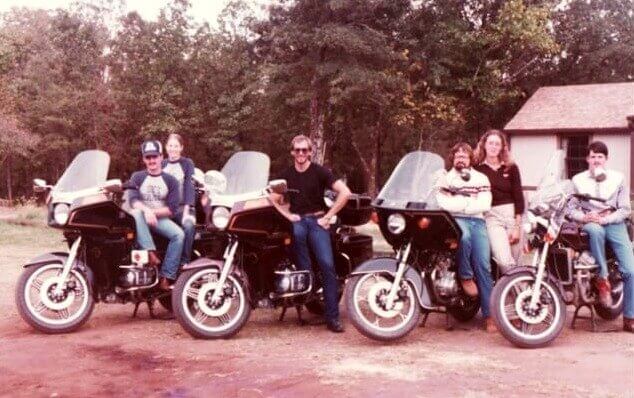
Because motorcycles were becoming a mainstream lifestyle choice in the 70s, there was a huge sense of brotherhood on the road. Movies like "On Any Sunday" made riding look like the ultimate expression of freedom. When you saw another rider in the 70s, you almost always waved because you were both part of a new, exciting movement. There were fewer divisions between "types" of riders; everyone was just a "motorcyclist." Whether you were on a chopper or a cafe racer, you shared a common bond of being outside the cage of a car. This era built the clubs, the rallies, and the social culture that still exists today. The 70s weren't just about the bikes; they were about the people who decided to live life on two wheels.
Engines With Real Character
Modern engines are designed to be extremely quiet and smooth to meet strict laws. While this is good for the environment, it often robs the bike of its "soul." 1970s engines had distinct personalities. A two-stroke Kawasaki had a frantic, smoky power delivery that felt like a light switch turning on. A Ducati L-twin had a thumping, rhythmic beat that you could feel in your chest. A Norton Commando vibrated with a raw energy that let you know it was working hard. These quirks made every bike feel like a different animal. Riders would choose their bike based on how the engine "spoke" to them. In the 70s, the imperfections of the engines were actually what made them so lovable and memorable to those who rode them.
You Could Truly Customize Them
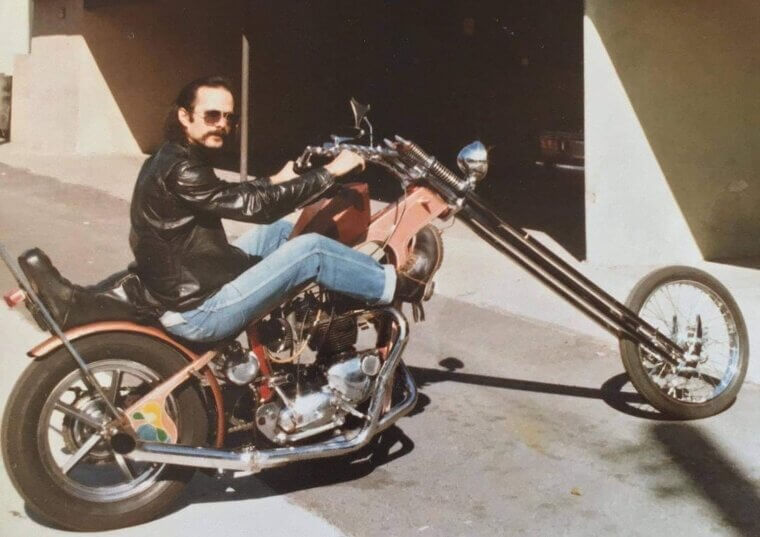
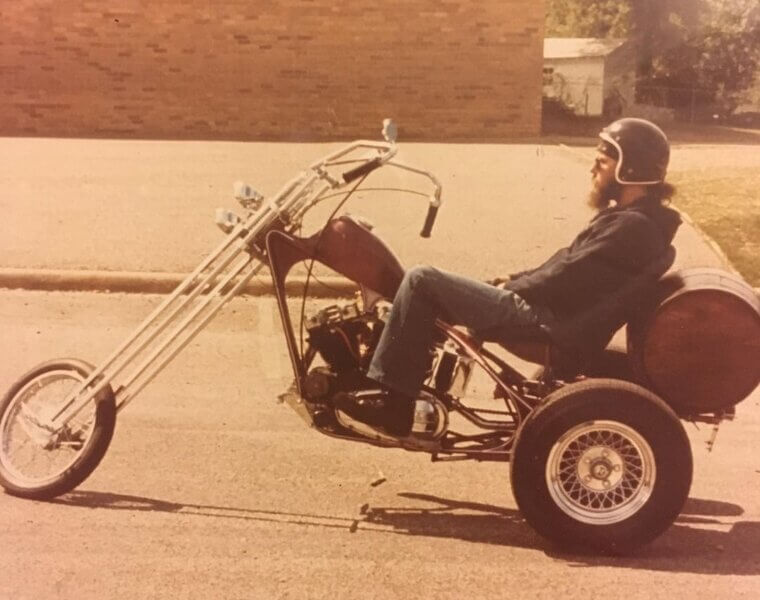
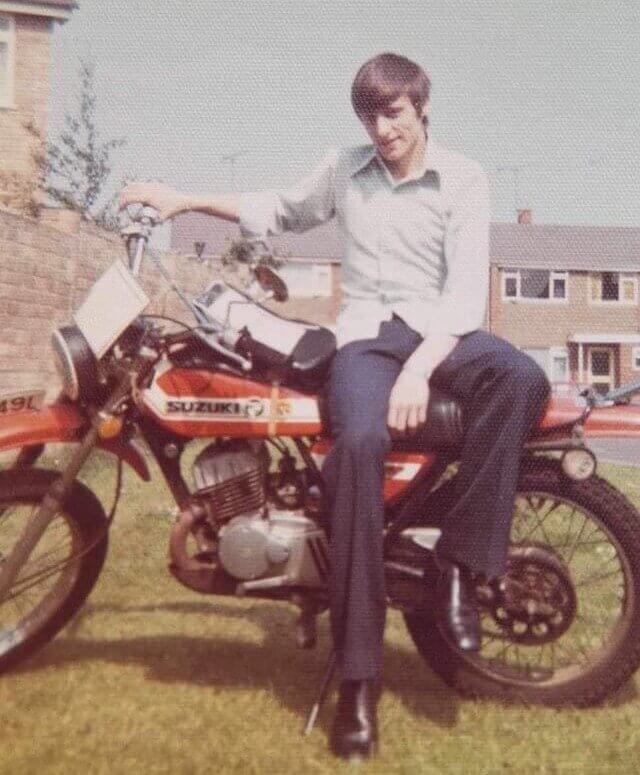
In the 70s, motorcycles were like adult LEGO sets. The frames were simple steel tubes, and the parts were mostly interchangeable. If you wanted lower handlebars, you just swapped them out in ten minutes. If you wanted a louder exhaust, you bolted one on. There were no sensors to "throw a code" or computer systems to lock you out of your own machine. This led to the birth of the "custom" scene, where riders would chop, bob, and modify their bikes to express their own personality. You rarely saw two bikes that looked exactly the same at a hangout. This DIY spirit is a huge part of motorcycle history. The ease of modification meant that your bike was never truly finished; it was a constant project that reflected who you were.
The Price of Freedom
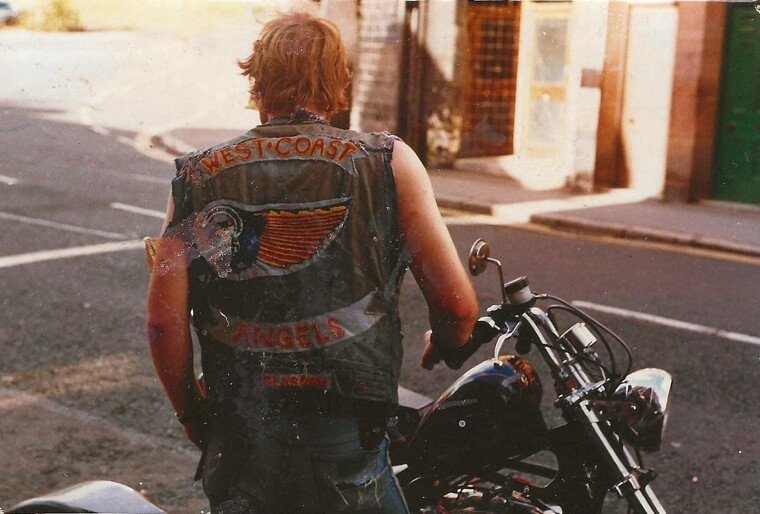
Finally, motorcycles in the 1970s were incredibly affordable. A top of the line superbike cost a fraction of what a car did, making speed and style accessible to young people and the working class. You didn't need a massive loan to get a fast machine. This low cost of entry meant that more people could enjoy the freedom of the road. It wasn't a luxury hobby for the wealthy; it was a practical and fun way for anyone to get around. This affordability created a huge, diverse group of riders that kept the industry thriving. When you look back at the 70s, you see a time when the "dream" of owning a beautiful, powerful motorcycle was within reach for almost everyone, which is perhaps the greatest reason why that decade is so fondly remembered.