
1975 Buick Skyhawk
The Skyhawk looked promising when it was first released. It was small, sporty-looking, and different for Buick. Buyers liked the idea of a compact car with some attitude. Sadly, the drive didn’t match the look. Engines felt weak. Acceleration felt slow. Driving it felt boring. The excitement faded quickly. On top of that, resale value dropped fast. Owners didn’t feel connected to it. It wasn’t awful. It just wasn’t memorable. Muscle fans want personality and punch. The Skyhawk didn’t offer much of either. Regret came when owners realized the car was easy to forget. Many later admitted they bought the image, not the experience, and that realization lingered longer than the thrill ever did.

1974 Pontiac GTO
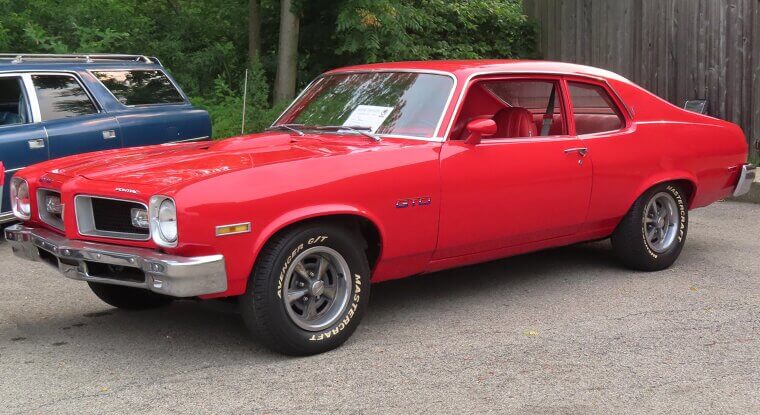
People bought the ‘74 Pontiac because of the name. Simple as that. GTO meant muscle royalty, and it also meant stoplight races and big power. In the early ‘70s, buyers still believed that promise, and the styling helped sell the dream. It looked tough and aggressive. But once people drove it, they changed their minds entirely. The engine felt strangled, and acceleration felt too slow and dull. Owners quickly realized the badge carried more power than the car itself, and that’s where the regret came in.
1982 Chevrolet Camaro
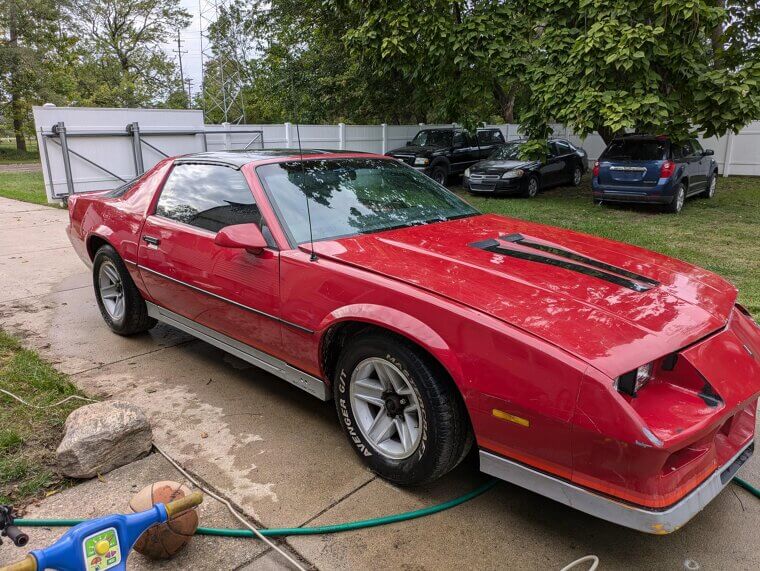
The 1982 Camaro looked amazing when it first launched. It had sharp lines and a modern shape. It was also a time when the Camaro badge still had street cred. People expected fun just by sitting in it. Then they turned the key on the Iron Duke four-cylinder, and the excitement faded. The engine suddenly felt weak and noisy, and speed wasn’t part of the experience. Passing also took more effort. Owners loved the look and the name, but regretted the drive from a muscle car that now came with an economy engine.
1974 Ford Mustang II
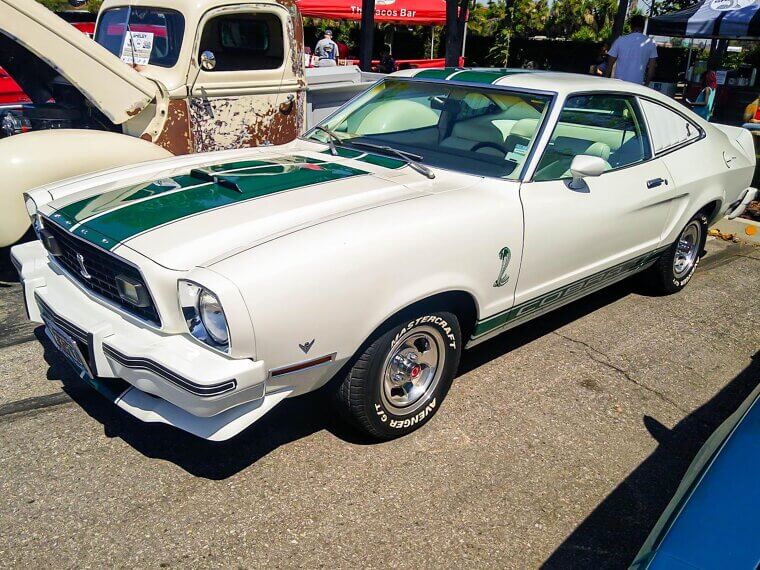
Ford’s Mustang II arrived during some pretty tough times when fuel prices were high. Buyers like the small size and lower cost of the car. It also looked sporty enough to still pass as a muscle car. But one very important thing was missing: that Mustang spirit. Engines were weak, and even the V8 didn’t feel exciting. Add in build quality issues, and you had a car that felt cheap with panels that rattled. People expected more from the Mustang, and regret crept in. It just didn’t feel like the Mustang they remembered.
1975 Dodge Charger
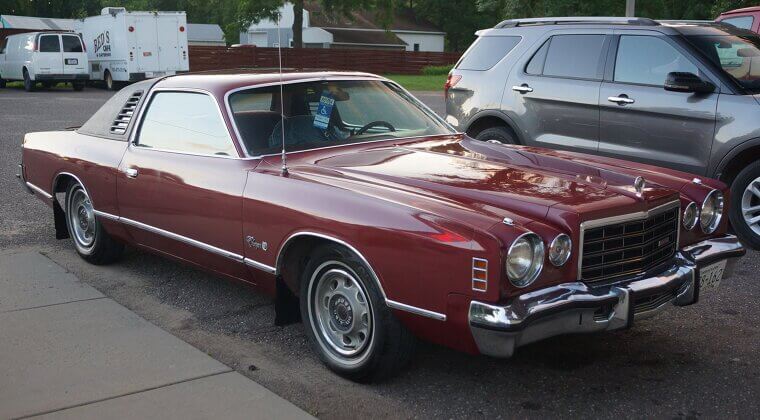
The Charger name carried a lot of muscle power in the ‘70s. People remember the fast, wild versions from earlier years. The Charger looked just aggressive enough to keep the memories alive until weight became the enemy. The 1975 Charger was big and heavy, and the engine struggled to move it. Emissions rules also didn’t help, and acceleration felt slow and lazy. Owners enjoyed cruising, but missed the excitement of a muscle car. The brand might have promised speed, but the car was too big to go as fast as it should have.
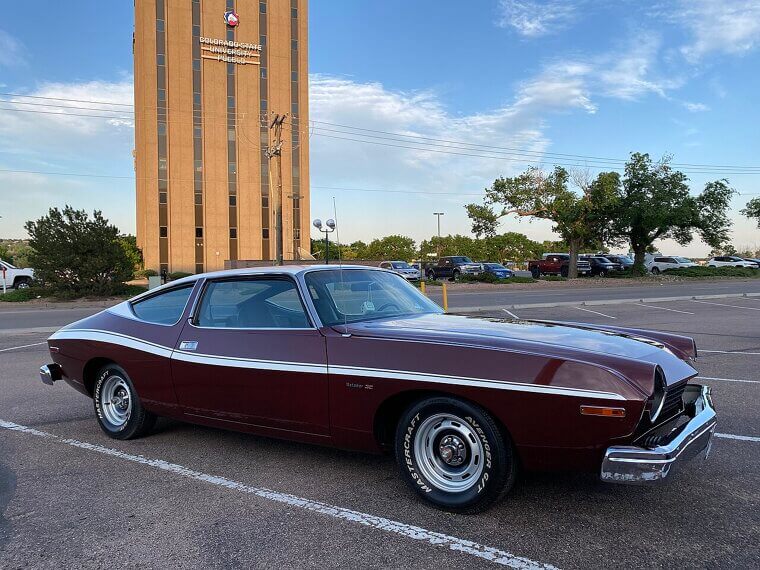
1974 AMC Matador Coupe
The Matador Coupe grabbed people’s attention instantly. It looked wild and different, and that’s what people loved about it. But it was the NASCAR connection that made it really special. Buyers loved standing out. Unfortunately, the performance didn’t match the dramatic styling. Reliability issues also popped up, and parts were harder to find than bigger brands. Owners spent more time explaining their car to people than really enjoying it. They ended up regretting choosing style over substance. It became more of a conversation piece than a car they truly loved driving.
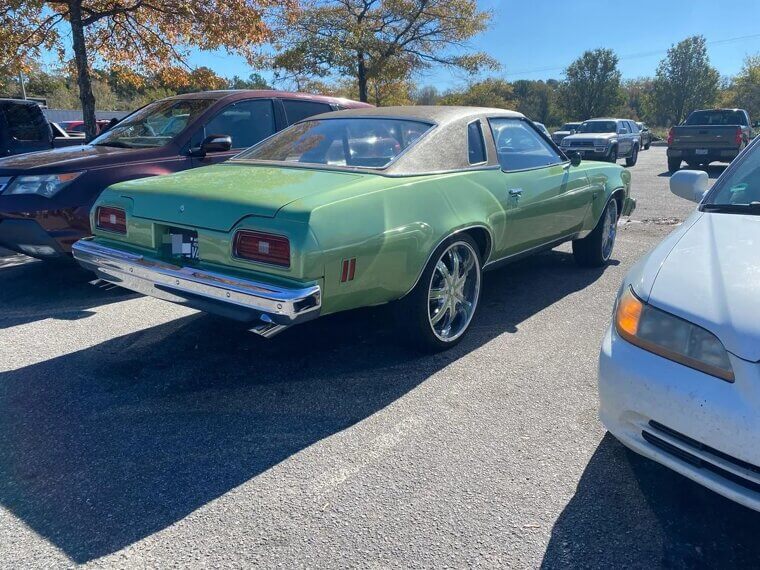
1974 Chevrolet Chevelle Malibu
The Chevelle name meant muscle to a lot of people in the ‘70s. The Malibu trim aimed for comfort and family use, and people hoped to get the best of both worlds. What they got instead was a car that leaned heavily towards comfort. The Chevelle Malibu gained weight, the engine lost power, and the handling softened. Speed all but disappeared, and owners realized way too late that the muscle era had passed for the Malibu. It worked well as a daily car, but it didn’t work as a thrill machine.
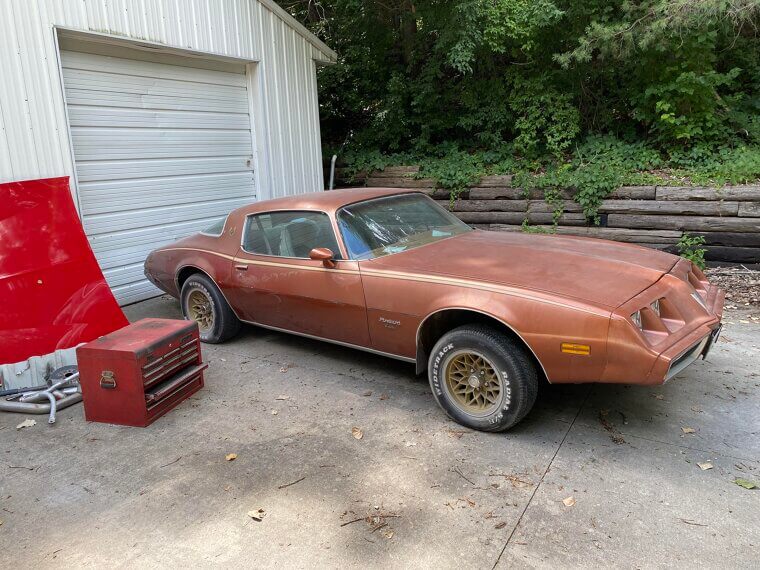
1980 Pontiac Firebird
Pontiac’s Firebird looked incredible on paper. The turbo power felt futuristic, and the looks were iconic. It had decals that screamed performance, and buyers expected serious speed. But, you never get quite what you expect, and people got turbo lag and frustration with the power that arrived late. Reliability issues also added stress. Yes, owners loved how it looked parked, but the driving experience didn’t match the hype. The regret wasn’t about the idea, but rather the execution. In reality, the car was nothing more than underwhelming.
1976 Dodge Aspen R/T
When this car came out, people thought it was a bargain muscle car. The R/T badge promised fun without a huge price tag. That sounded great at first. Buyers liked the sporty look and the idea of owning something quick and cool. Then real life kicked in. Rust showed up way too fast. Recalls became common. Panels didn’t age well. The build quality just wasn’t there. Driving it felt okay, but never exciting. Owners spent more time fixing problems than enjoying the ride. At first, they loved the deal they got. Later, they wished they’d spent a little more elsewhere.
1974 Mercury Cougar
The Cougar tried to be muscle with manners. People loved how comfortable it felt inside. Soft seats. Quiet ride. Smooth cruising. It felt fancy, and that appealed to buyers who wanted style without rough edges. The problem was weight. A lot of weight. That comfort slowed everything down. The engines worked hard but didn’t deliver excitement. Acceleration felt lazy. Corners felt heavy. Muscle fans expected smooth speed. Instead, they got smooth calm. The car looked classy and expensive. It just didn’t feel fun to drive. Regret came when owners realized comfort had replaced excitement completely.
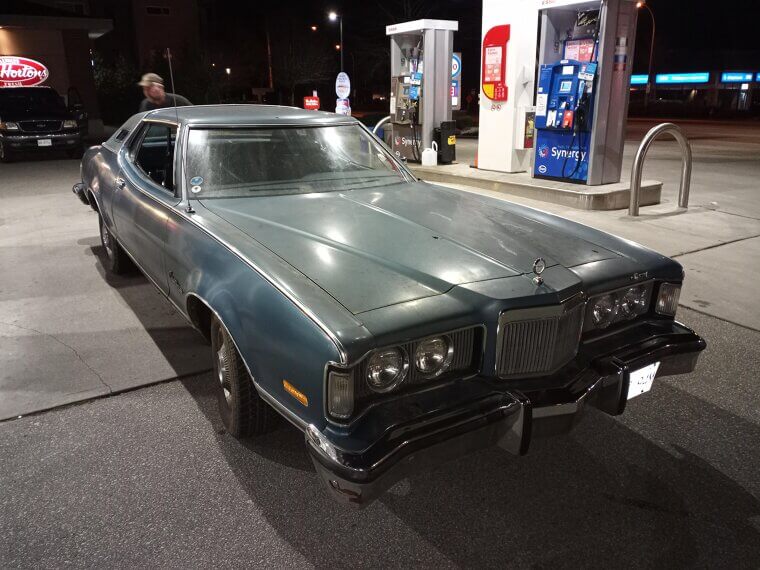
1977 Oldsmobile 442
The 442 badge on the Oldsmobile once meant serious muscle. People remembered power and attitude. In the late 70s, the badge stayed, but the muscle didn’t. Engines were smaller and weaker. Performance felt tame. Buyers expected history to repeat itself. It never did. The car drove fine. It was smooth and comfortable. But it didn’t feel special. That’s where the disappointment came from. Owners didn’t hate the car. They hated what it wasn’t. The name promised excitement. The drive delivered normally, and regret grew over time as owners realized they bought a badge, not a true 442.
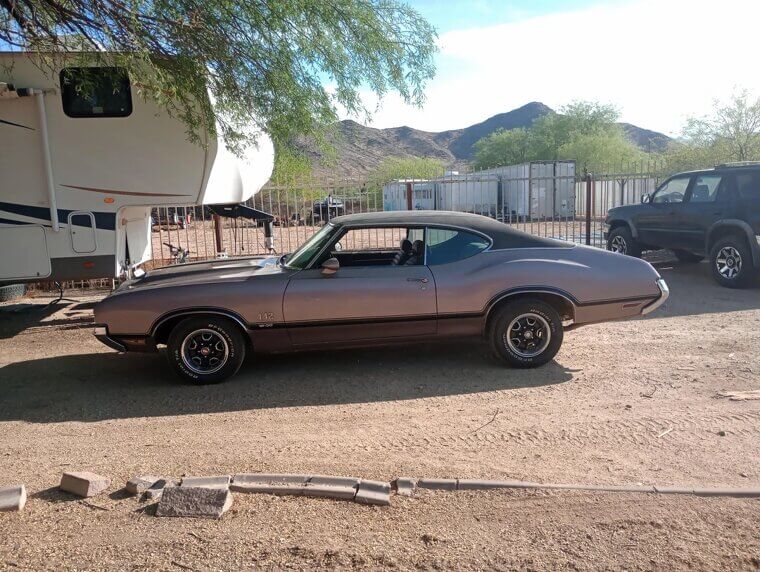
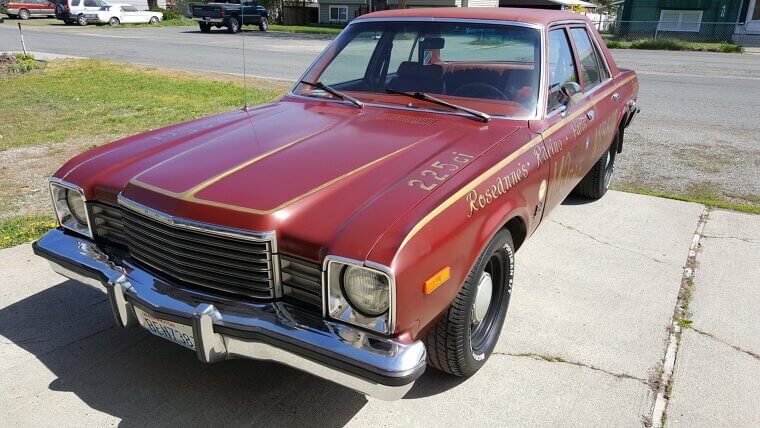
1976 Plymouth Volare Road Runner
The Road Runner name set the bar very high. People expected noise, speed, and attitude. This version didn’t deliver any of that. Build quality issues showed up early. Recalls made things worse. Performance felt weak and uninspiring. The car didn’t feel playful or fast. That hurt the most. Owners wanted the fun spirit of earlier Road Runners. Instead, they got stress and disappointment. The regret felt stronger because of the name. If it had been called something else, buyers might have accepted it. With the Road Runner badge, expectations were crushed almost immediately.

1978 Chevrolet Monte Carlo SS
This car sold on looks alone. NASCAR vibes. Bold stripes. The SS badge sealed the deal. People expected muscle car excitement. What they got was a heavy cruiser. The weight held it back. Engines felt tired. Acceleration didn’t impress anyone. Owners enjoyed long, smooth drives but missed the thrill. The car looked fast sitting still. Behind the wheel, it felt slow. That mismatch caused regret. Buyers didn’t want just style. They wanted excitement, too. For many, this Monte Carlo SS felt more like a dressed-up cruiser than a true muscle car.
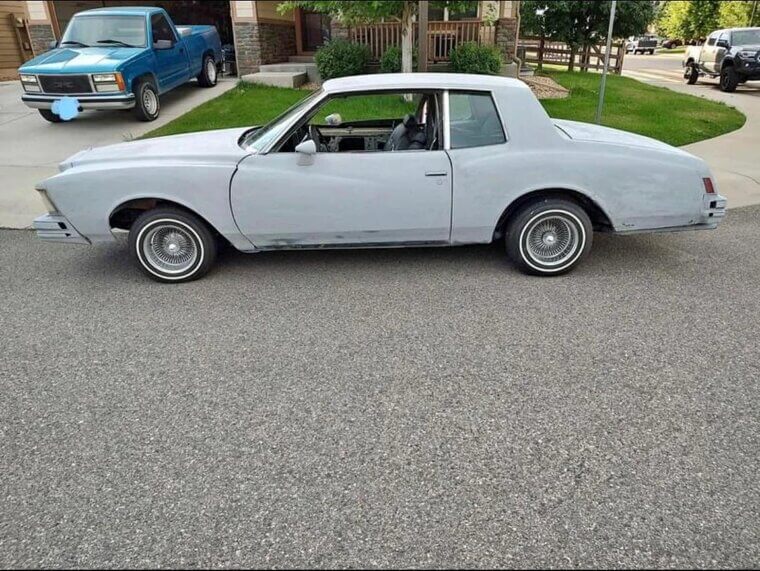
1975 Chrysler Cordoba
The Cordoba leaned very hard into luxury. Plush interiors caught everyone’s attention. It felt rich and comfortable right away. That worked. What didn’t work was everything else. Performance stayed mild. Fuel economy wasn’t great. Reliability issues added stress over time. Repairs became common. Owners liked riding in it. They didn’t love owning it long-term. The image looked great in ads. Real life felt different. Regret came from choosing style over substance. It looked like luxury muscle. It didn’t drive like muscle or luxury for very long.
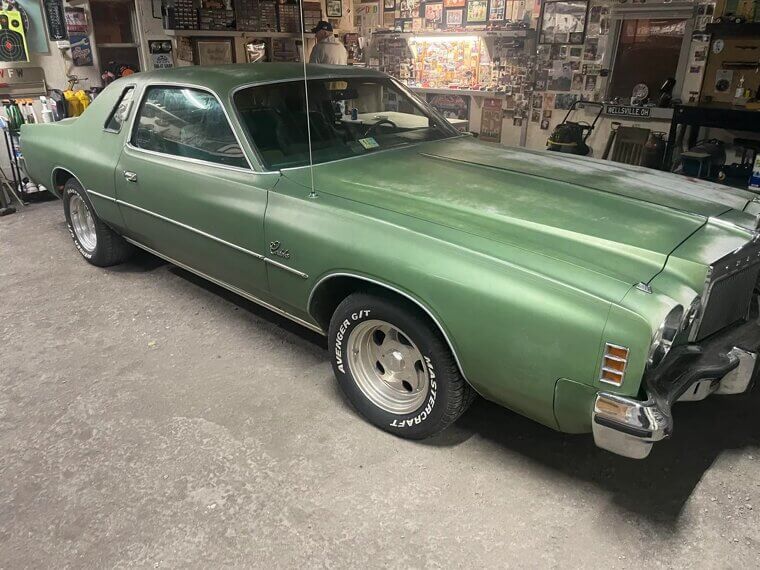
1973 Pontiac Grand Am
The Grand Am looked sharp and modern when it arrived. Buyers liked the size and the sporty feel. On the road, things felt average. It wasn’t slow. It wasn’t fast. It just existed. The GTO nearby made it feel even more forgettable. Owners wanted something exciting. The Grand Am didn’t give them much to remember. Nothing went terribly wrong. That was part of the problem. Regret came from boredom, not breakdowns. For muscle car fans, that’s the worst outcome. A car that’s fine, but never thrilling, never exciting, and never missed.
