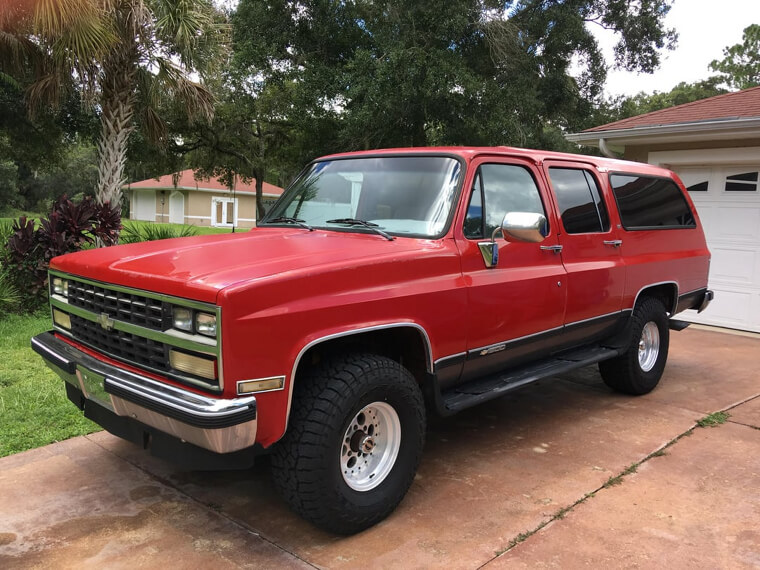
Chevrolet Suburban
The Chevrolet Suburban earned its indestructible image by doing the same job year after year without complaint. Built on a truck based platform, it was designed to haul people, cargo, and trailers reliably. The engines were large and relatively simple, built for longevity rather than efficiency. Many families and businesses used Suburbans for decades, trusting them for long trips and heavy loads. Repairs were generally straightforward, and parts were easy to find. That combination kept them running far longer than expected. The Suburban felt like a vehicle you could rely on in any situation, which cemented its place as a symbol of old school durability.
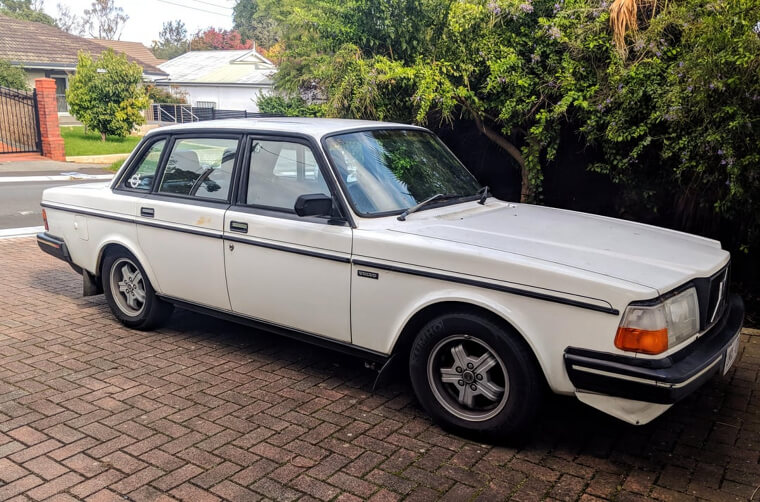
Volvo 240
The Volvo 240 became legendary for its ability to keep going long after other cars gave up. Built with thick steel panels and a simple, overengineered design, it felt solid in a way many drivers still remember. Doors closed with a heavy thud, and the boxy shape suggested durability rather than style. Under the hood, the engines were not powerful, but they were dependable and forgiving of missed maintenance. Many owners drove their 240s for decades, often passing them down to family members. Repairs were usually straightforward, and parts were widely available, which helped extend the car’s life even further. The Volvo 240 earned trust through consistency, and that reliability is why it still symbolizes old school toughness today.
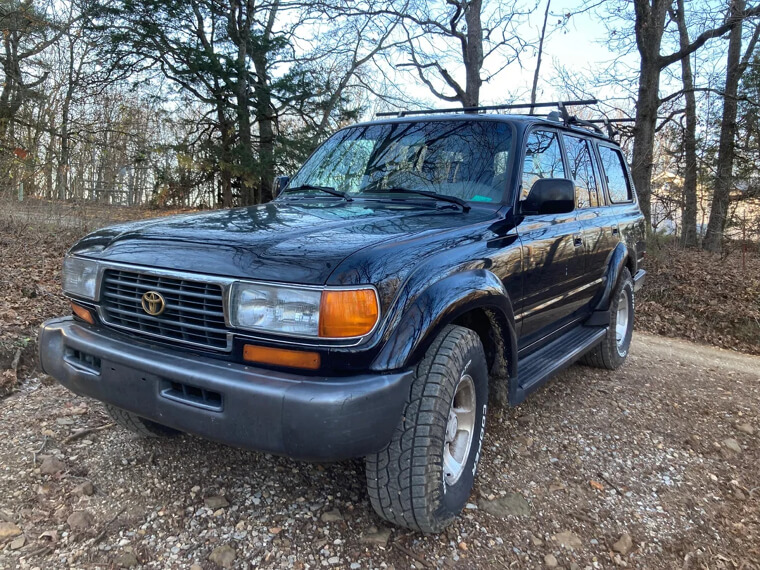
Toyota Land Cruiser
The Toyota Land Cruiser built its reputation in some of the harshest conditions imaginable. Designed for durability rather than comfort, it was used in remote areas where breakdowns were not an option. Thick frames, simple mechanical systems, and conservative engineering helped it survive rough terrain and heavy use. Many Land Cruisers ran reliably with minimal maintenance, even after years of hard driving. Owners often describe them as unstoppable, capable of enduring miles of abuse without complaint. While newer versions became more refined, the earlier models earned loyalty through sheer toughness. That reputation followed the Land Cruiser for decades, making it one of the most trusted vehicles of its era.
Ford Crown Victoria
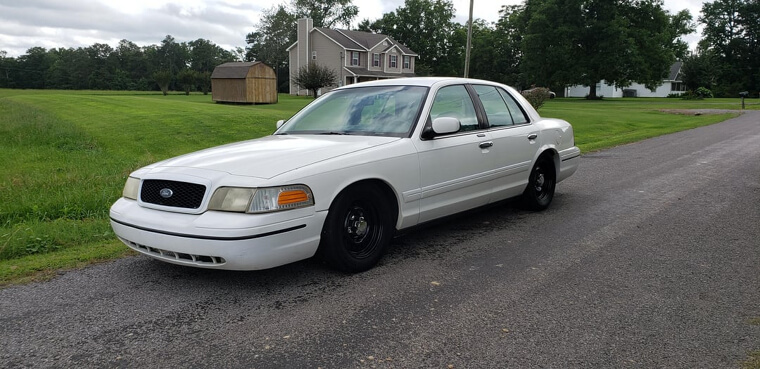
The Ford Crown Victoria became a symbol of durability through its long service as a police car and taxi. Built on a body on frame platform, it could withstand hard driving, curb hits, and endless miles. The large V8 engine was simple and understressed, contributing to its long lifespan. Interiors were basic but functional, designed to endure constant use rather than impress. Many Crown Victorias stayed on the road well past 300,000 miles with routine maintenance. For everyday drivers, that kind of endurance created confidence. The car felt sturdy and predictable, qualities that helped it earn a reputation as nearly indestructible in its prime.
Mercedes Benz W123
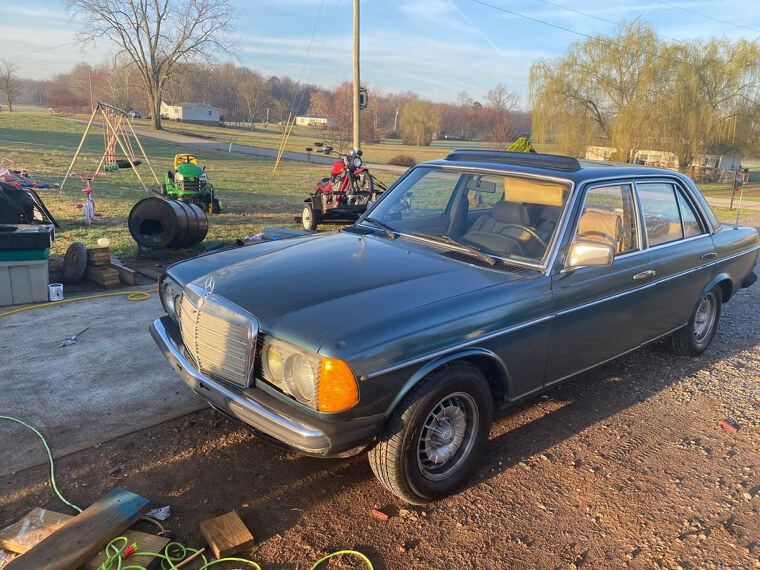
The Mercedes Benz W123 is often considered one of the toughest passenger cars ever built. Produced in the late 1970s and early 1980s, it emphasized durability over luxury. Diesel versions were especially known for extreme longevity, with many exceeding hundreds of thousands of miles. The engineering focused on simplicity and strength, and the materials felt substantial throughout the cabin. Owners valued the car’s ability to handle poor roads and inconsistent maintenance without falling apart. Even today, many W123 models remain in daily use around the world. Its reputation for durability helped define what people once expected from a premium car.
Honda Accord (1990s Models)
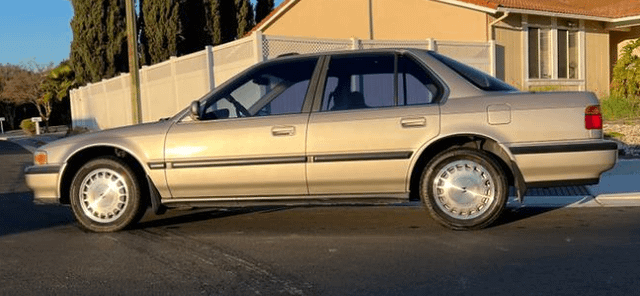
The Honda Accord of the 1990s earned a reputation for being nearly impossible to wear out. These cars were not flashy, but they delivered dependable transportation year after year. Engines were simple, well engineered, and known for running smoothly well past 200,000 miles with basic maintenance. Transmissions, especially manuals, were durable and forgiving. Interiors held up better than many competitors, with seats and controls designed for everyday use rather than trend driven styling. Owners often remember these Accords as cars that always started and rarely surprised them with major repairs. The balance of reliability, efficiency, and solid build quality made the Accord feel trustworthy in a way that defined an era.
Jeep Cherokee XJ
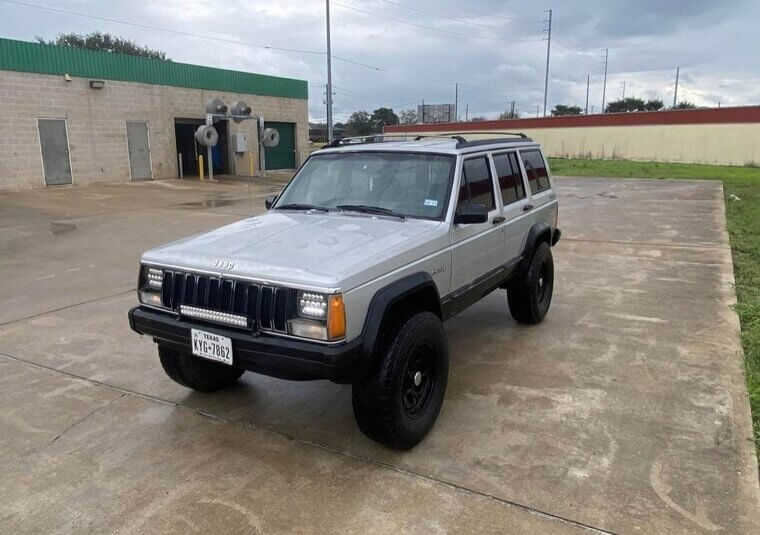
The Jeep Cherokee XJ became a favorite among drivers who needed toughness without excess size. Built with a unibody design that was still remarkably strong, it handled rough roads and off road use with ease. The inline six engine became legendary for its durability and ability to keep running under tough conditions. Owners often pushed these vehicles hard, yet many survived decades of use. Repairs were simple, and parts were plentiful, which encouraged long term ownership. The Cherokee XJ felt honest and capable, giving drivers confidence that it could handle whatever came next. That rugged simplicity is why it is still remembered as one of the toughest vehicles of its time.
Oldsmobile Cutlass
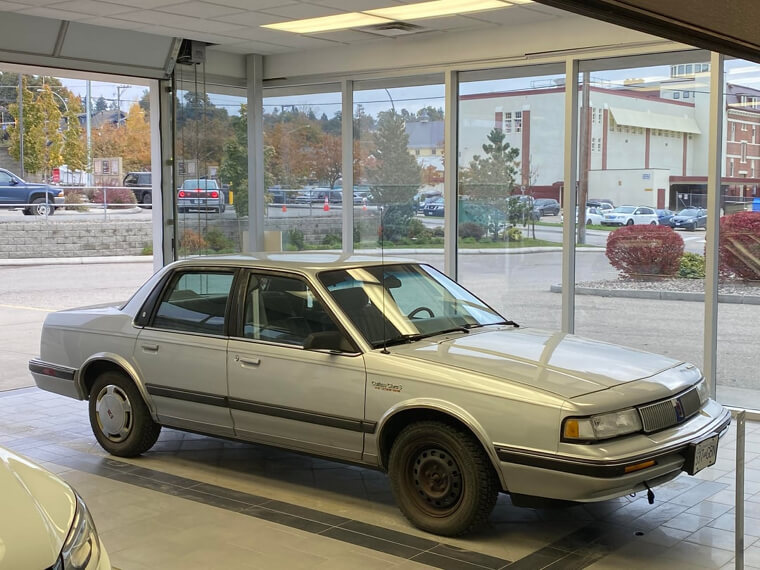
The Oldsmobile Cutlass was a common sight for years because it simply refused to disappear. Built with straightforward mechanical components, it handled daily driving without much drama. Engines were not cutting edge, but they were durable and easy to service. The car’s suspension and frame were designed for comfort, yet they held up well under regular use. Many Cutlasses stayed in families for decades, surviving long commutes and rough roads. The interior materials were not luxurious, but they were resilient. The Cutlass earned trust by being predictable and sturdy, qualities that made it feel indestructible to the people who relied on it every day.
Volkswagen Beetle (classic Models)
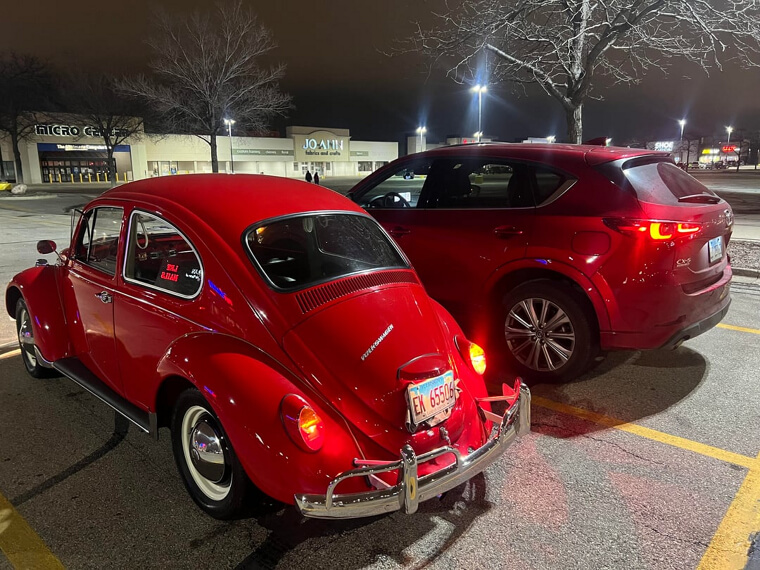
The classic Volkswagen Beetle felt indestructible because of its simplicity. With an air cooled engine and minimal electronics, there was less to break. The design allowed owners to handle basic repairs themselves, which extended the car’s life. Beetles ran reliably in a wide range of climates and conditions, often with little maintenance. Their lightweight construction did not prevent them from being durable. Instead, it made them resilient and easy to keep on the road. Many Beetles outlasted newer, more complex cars. That combination of simplicity and endurance is why the Beetle remains a symbol of old fashioned reliability.
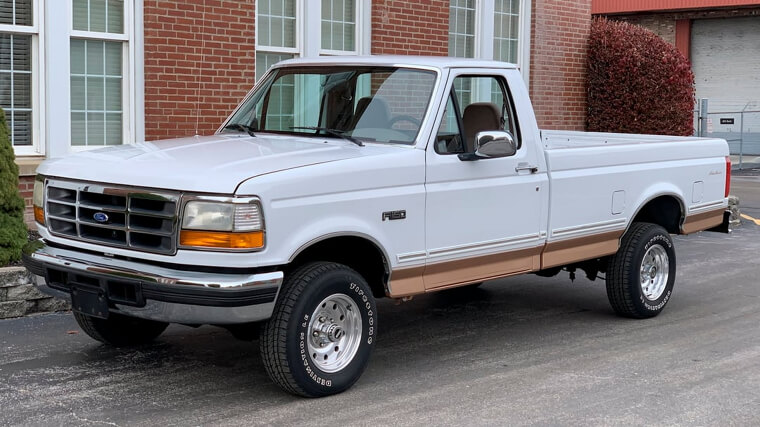
Ford F Series Trucks (older Generations)
Older Ford F Series trucks built their reputation through years of hard work. These trucks were designed to haul, tow, and endure demanding conditions without complaint. Engines were large and built for longevity rather than efficiency. Frames were strong, and suspensions were meant to handle abuse. Many of these trucks served as work vehicles for decades, accumulating high mileage without major failures. Repairs were straightforward, and parts were widely available. Owners trusted them to start every morning and finish every job. That reliability made the F Series feel unbreakable in the eyes of drivers who depended on them for their livelihood.