Ignoring Warning Lights Because the Car Still Runs
Older cars could keep going with issues that weren’t urgent. However, today’s vehicles use warning lights to track and alert you to potential mechanical failures. Modern vehicles have sensors that communicate with all parts of the automobile. Neglecting an issue will cause major problems, including reduced fuel efficiency, higher emissions, and a negative impact on your engine health. Just because your vehicle appears to be fine does not mean it is in good working condition. Being proactive about an issue before it develops into a larger one can save you the hassle and expense of a severe breakdown.
Warming Up the Engine Forever
Back in the day, vehicles required extensive warm-up because carburetors were fussy and engines liked slower ramp-ups. Now we have much better technology, and when you allow your engine to sit idle for long periods, you waste fuel, and residue builds up inside the engine. To get a modern car into optimal operating mode, all you need to do is a short start, maybe for 30 seconds.
Driving gently helps get things warm quickly and evenly, way better than letting them idle for long periods. Long periods of idling can eventually shorten an engine's lifespan. And while it may seem like the responsible thing to do, modern engines really just want you to get moving calmly.
Driving gently helps get things warm quickly and evenly, way better than letting them idle for long periods. Long periods of idling can eventually shorten an engine's lifespan. And while it may seem like the responsible thing to do, modern engines really just want you to get moving calmly.
Resting Your Foot on the Brake Pedal
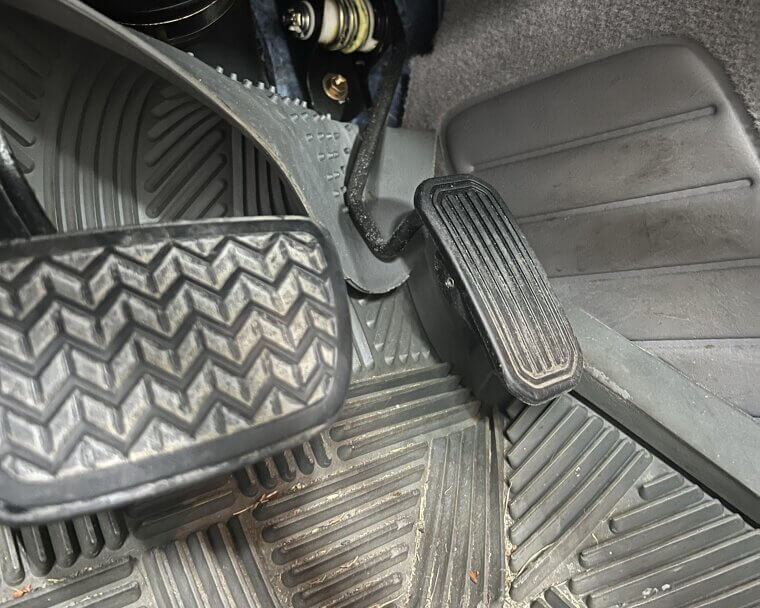
A common habit among many drivers is resting their foot on the brake pedal as they drive. Although many drivers did this without thinking about it when driving earlier models, today's braking systems do not have the same level of tolerance.
Resting your foot on the brake pedal creates heat, which results in the brake pads wearing out much faster. Continually putting your foot on the brake pedal could also confuse driver assistance systems. Your car thinks you’re braking when you’re not. To preserve the life of your car's brakes, take your foot completely off of the brake pedal when you are not decelerating.
Resting your foot on the brake pedal creates heat, which results in the brake pads wearing out much faster. Continually putting your foot on the brake pedal could also confuse driver assistance systems. Your car thinks you’re braking when you’re not. To preserve the life of your car's brakes, take your foot completely off of the brake pedal when you are not decelerating.
Shifting Into Drive or Reverse Too Quickly
Older automatic transmissions were designed to withstand rough handling, while the transmissions in today's cars use sensors and have many delicate parts. Shifting from reverse to drive while the car is not yet completely stopped adds tremendous stress to the transmission and could cause serious damage to it.
Doing this may seem faster when you’re in a parking lot, but it’s doing damage you won’t see right away. Over time, it leads to expensive repairs. You should always come to a complete stop before shifting out of reverse and into drive. It adds one second and saves a lot of money later.
Doing this may seem faster when you’re in a parking lot, but it’s doing damage you won’t see right away. Over time, it leads to expensive repairs. You should always come to a complete stop before shifting out of reverse and into drive. It adds one second and saves a lot of money later.
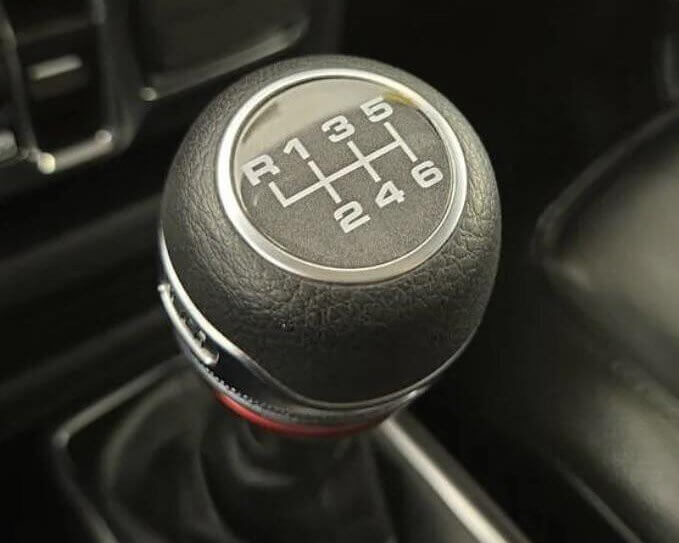
Slamming the Gas When the Engine Is Cold
Flooring used to feel normal, especially if you were in a hurry. Modern engines use tighter tolerances and thinner oils. When the engine is cold, everything needs time to circulate properly.
Revving hard right away increases wear on internal parts. It also stresses turbochargers if your car has one. Take it easy for the first few minutes. Once the engine warms up, you can drive normally without slowly shaving years off its lifespan.
Revving hard right away increases wear on internal parts. It also stresses turbochargers if your car has one. Take it easy for the first few minutes. Once the engine warms up, you can drive normally without slowly shaving years off its lifespan.
Topping Off the Gas Tank Every Time
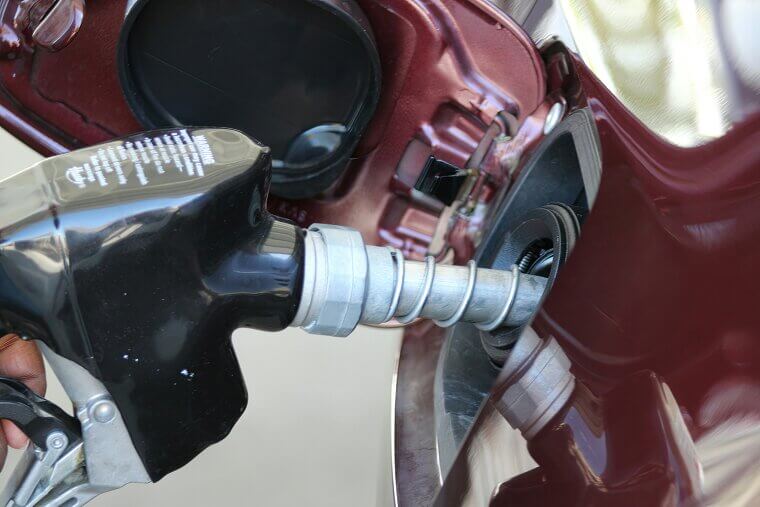
This one used to be harmless. Older cars didn’t care if you kept squeezing the pump after it clicked off. Modern cars absolutely care. Overfilling can flood the evaporative emissions system, which is designed to capture fuel vapors, not liquid gas.
When gas gets where it shouldn’t, sensors get confused, and warning lights pop on. Repairs are annoying and expensive for something that feels so minor. Once the pump clicks, stop. Your car is already full, even if your old habits say otherwise.
When gas gets where it shouldn’t, sensors get confused, and warning lights pop on. Repairs are annoying and expensive for something that feels so minor. Once the pump clicks, stop. Your car is already full, even if your old habits say otherwise.
Riding the Clutch at Stoplights
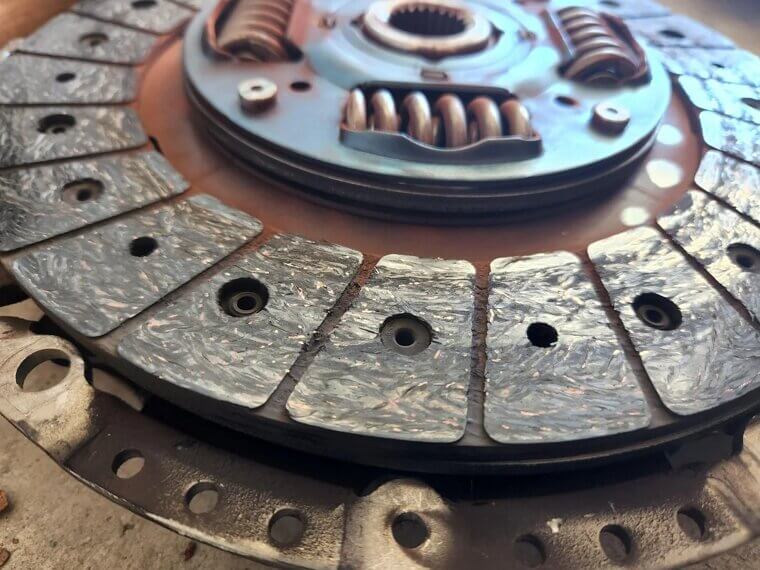
If you learned on older manual cars, holding the clutch in probably feels normal. Modern clutches are built lighter and wear faster when abused. Sitting at a light with the clutch pressed puts constant stress on the release bearing.
Over time, that wear adds up. Suddenly, the clutch feels rough or starts slipping. The fix is simple. Shift into neutral and let the clutch out while you wait. It gives your leg a break and saves the clutch from unnecessary damage.
Over time, that wear adds up. Suddenly, the clutch feels rough or starts slipping. The fix is simple. Shift into neutral and let the clutch out while you wait. It gives your leg a break and saves the clutch from unnecessary damage.
Using Engine Braking the Wrong Way
Downshifting to slow down was once considered smart driving. In modern cars, especially automatics, aggressive engine braking can confuse the transmission and stress internal components.
Today’s braking systems are designed to handle stopping efficiently and safely. Constant downshifting adds wear without much benefit. It can also cause jerky shifts and long-term transmission issues. Let the brakes do their job. They’re cheaper and easier to replace than transmission parts, and your car’s computer already knows how to manage deceleration smoothly.
Today’s braking systems are designed to handle stopping efficiently and safely. Constant downshifting adds wear without much benefit. It can also cause jerky shifts and long-term transmission issues. Let the brakes do their job. They’re cheaper and easier to replace than transmission parts, and your car’s computer already knows how to manage deceleration smoothly.
Skipping Fluid Changes Because “They’re Lifetime”
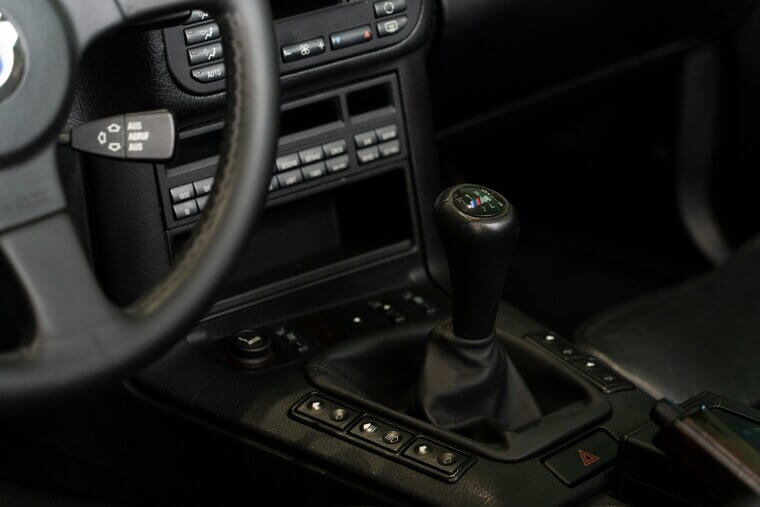
Lifetime fluids sound amazing. They are also a bit misleading. When manufacturers use this term, they often mean that the fluid will last as long as the warranty and not necessarily the life of the vehicle. Transmission fluid, coolant, and brake fluid still break down over time.
Old school thinking says if it isn’t leaking, it’s fine. However, with all of the advances in technology, today's automotive systems can be more sensitive than older systems. Dirty fluid causes overheating, poor performance, and early failures, but changing fluids on schedule keeps everything running smoothly.
Old school thinking says if it isn’t leaking, it’s fine. However, with all of the advances in technology, today's automotive systems can be more sensitive than older systems. Dirty fluid causes overheating, poor performance, and early failures, but changing fluids on schedule keeps everything running smoothly.
Turning the Steering Wheel While Not Moving
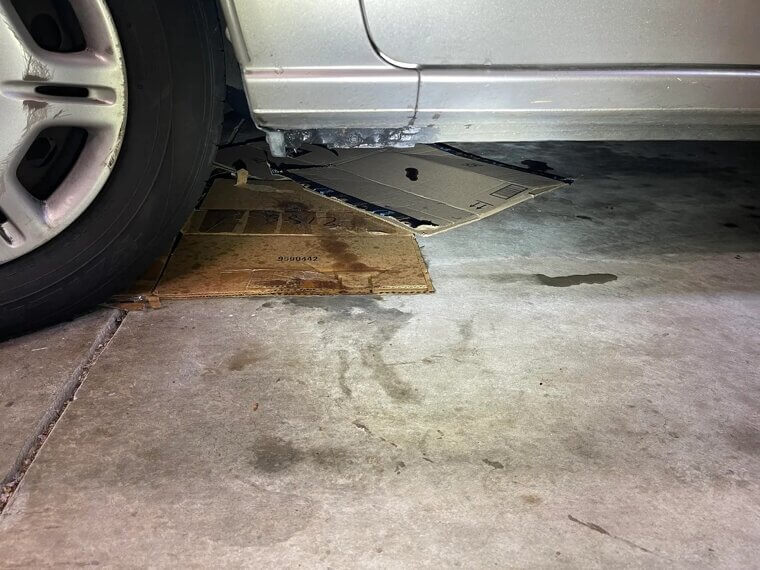
This used to be totally normal, especially with older power steering systems. Modern steering components don’t love it. Turning the wheel while stopped puts extra strain on steering racks, pumps, and tires. You might not notice right away, but over time, it contributes to premature wear.
Letting the Car Coast in Neutral
This habit comes from a time when people were trying to save every drop of gas. In modern cars, coasting in neutral doesn’t help fuel economy and can actually hurt things. The engine computer can’t manage speed or engine load properly, and you lose engine braking.
It also reduces your control if you need to react quickly. Modern cars are designed to coast efficiently while still in gear. Leaving it in drive lets the system do what it was built to do, safely and smoothly.
It also reduces your control if you need to react quickly. Modern cars are designed to coast efficiently while still in gear. Leaving it in drive lets the system do what it was built to do, safely and smoothly.
Ignoring Software Updates
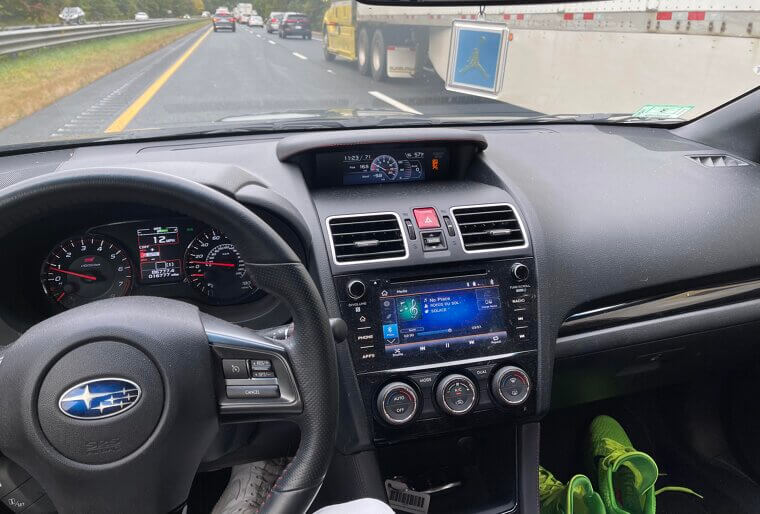
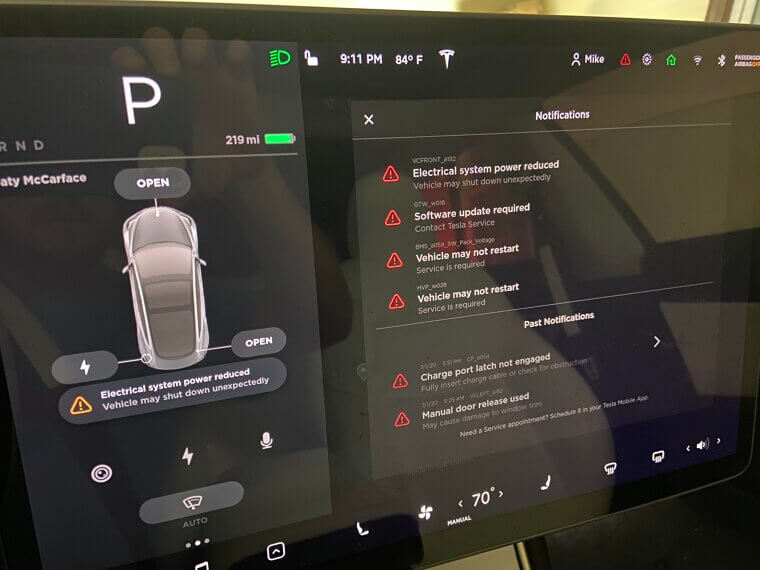
Old cars didn’t have software. Modern cars absolutely do. Many performance, safety, and efficiency improvements come through updates now. Skipping them because the car seems fine is an old-school mindset.
Outdated software can cause glitches, poor fuel economy, or strange warning lights. Some updates even fix transmission shifting or braking behavior. If your car notifies you about an update, it’s not optional fluff. It’s maintenance, just like oil changes, but for your car’s brain.
Outdated software can cause glitches, poor fuel economy, or strange warning lights. Some updates even fix transmission shifting or braking behavior. If your car notifies you about an update, it’s not optional fluff. It’s maintenance, just like oil changes, but for your car’s brain.
Using Cheap Fluids That “Meet the Minimum”
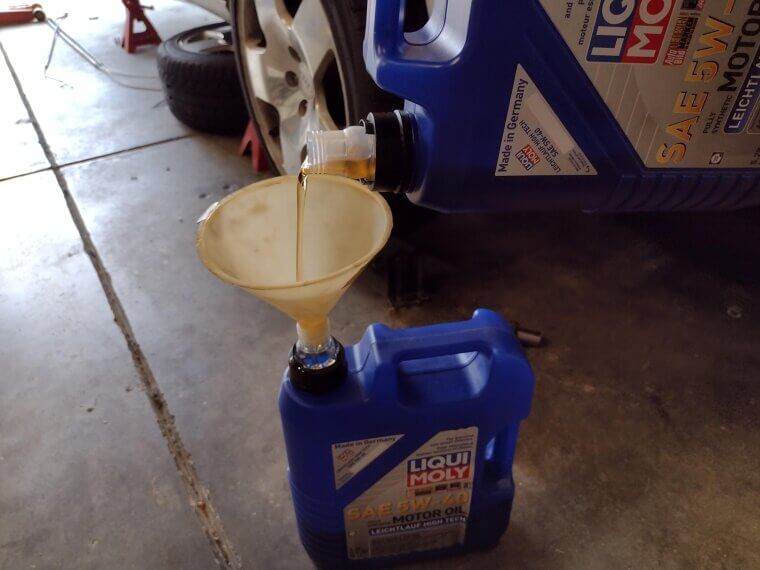
Back in the day, oil was oil and coolant was coolant. However, today’s engines are so picky that you can only use fluids that meet manufacturers' specifications. Failure to do this can lead to significant buildup, inadequate lubrication, and overheating in the long run.
Manufacturers design engines around specific fluid properties. While using cheap products may work for a short time, using them on a regular basis will gradually reduce the engine’s lifespan. This isn’t about buying the most expensive option. It’s about using the right one. Investing in quality products now can save you a lot more later.
Manufacturers design engines around specific fluid properties. While using cheap products may work for a short time, using them on a regular basis will gradually reduce the engine’s lifespan. This isn’t about buying the most expensive option. It’s about using the right one. Investing in quality products now can save you a lot more later.
Treating the Parking Brake Like It’s Optional
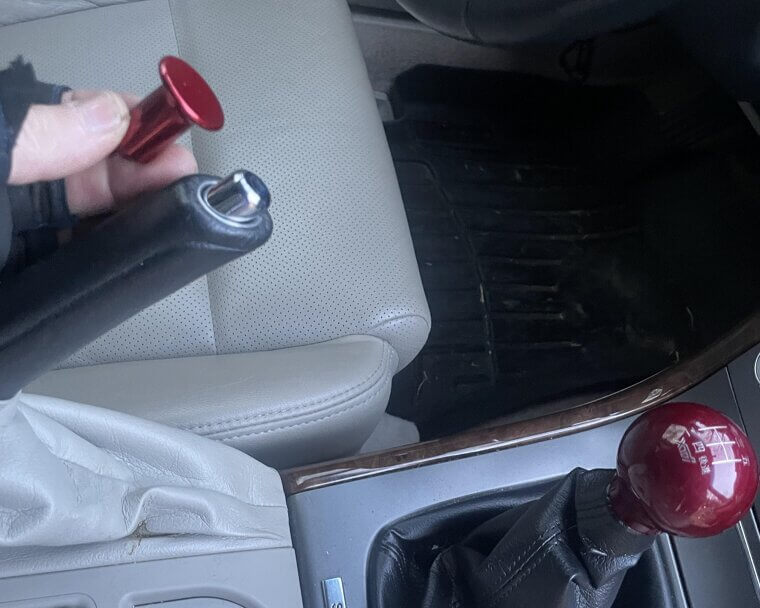
Older drivers often forgot about their parking brakes except when they were on a hill. Modern cars expect you to use it. Parking brakes help reduce stress on transmissions, especially in automatics.
Not using it lets the car rest entirely on the transmission’s parking pawl. Over time, that can cause wear or make the shifter hard to move. Using the parking brake takes one second and helps everything settle properly. It’s a small habit that makes a big difference.
Not using it lets the car rest entirely on the transmission’s parking pawl. Over time, that can cause wear or make the shifter hard to move. Using the parking brake takes one second and helps everything settle properly. It’s a small habit that makes a big difference.
Ignoring Small Vibrations and Noises
Older vehicles constantly rattled and squeaked, and you tolerated those sounds. But with the improvements made to car design and engineering, modern vehicles tend to make less noise. A new noise in your vehicle could indicate a malfunction, as do small vibrations or clunky steering.
Ignoring them because the car still drives fine lets minor problems grow. Paying attention to signs of a potential malfunction is essential for your safety and that of your passengers. It also helps you avoid more costly expenses. If you suspect something isn't right with your vehicle, you’re probably right. Modern cars are good at telling you when they need attention, even if it’s subtle.
Ignoring them because the car still drives fine lets minor problems grow. Paying attention to signs of a potential malfunction is essential for your safety and that of your passengers. It also helps you avoid more costly expenses. If you suspect something isn't right with your vehicle, you’re probably right. Modern cars are good at telling you when they need attention, even if it’s subtle.