Low Advertised Price, Missing Everything Else
Some listings shine with impossibly low numbers, a headline price that draws buyers like moths to headlamps. But once inside the dealership, that price may apply only to the base model with missing features, or require financing terms and trade-ins you never planned for. The bargain evaporates, replaced with costly upgrades and required add-ons. The trick survives on attraction, because the ad gets you through the door. What follows is often a slow walk through paperwork, explanations, and pressure to accept changes. Buyers may feel invested simply because they showed up. Reading the fine print ahead of time and verifying exactly what is included can save frustration before ever stepping onto the lot.

The "Only Today" Price Slash Trick
Dealers love to wave urgency like a red flag before a bull: “This price ends today!” They paint scarcity across the deal, convincing buyers that hesitation equals loss. In reality, many discounts are recycled daily, week after week, dressed up as fleeting miracles. The trick works because urgency shuts down logic and stirs pure adrenaline, pushing people to sign before thinking. The cure? Walk away. The “deal of the century” will still be there tomorrow.

Monthly Payments Over Total Cost
Shrewd dealers know buyers love the music of a low monthly payment, even when the whole car costs more than it should. They stretch terms, tweak interest, shuffle numbers like fast hands in a card trick. A payment of $349/month sounds sweet, but over 84 months? That honey turns to tar. Buyers latch onto affordability instead of total out-the-door cost, and dealerships profit quietly. Ignore the monthly tune and demand the final price.

The Sneaky “Doc Fee” Surprise
Just when a buyer thinks the deal is sealed, along comes the paperwork fee (sometimes called documentation, processing, or admin fee). It may start small, but it can balloon into hundreds, even thousands. Many accept it as mandatory, blessed by the Motor Gods. But most states don’t regulate it, meaning dealerships can charge what they like. The trick lies in presentation - buried in print, revealed only at signing. Ask for fee breakdowns early.

Lowball Trade-In Valuations
Dealers may smile warmly while handing you an ice-cold offer for your trade-in. They’ll highlight every ding, scratch, and imaginary flaw like a dramatic poet of depreciation. Then they present a number so low your engine might knock in protest! Why does it work? Because buyers get tunnel vision; the thrill of the new blinds them to the theft of the old. Check market value, get multiple appraisals, and don’t be afraid to sell privately!

Pre-Installed Add-Ons You Never Asked For
Rust-proofing, nitrogen tires, window tinting, “road hazard packages…” sometimes the car arrives pre-decorated like a surprise cupcake that they expect you to pay for. These add-ons are often low-cost for the dealership but high-ticket on the final bill, and buyers assume they’re obligatory. That’s the trap. Many items can be removed, discounted, or flat-out refused before signing, so ask for an itemized list, spot the glitter they glued on top, and decide what you actually value.
The Finance Office Shell Game
You think the deal’s done, and then you’re ushered into the finance office, a place where numbers dance, fees multiply, and contracts grow longer than a winter night. This is where dealers introduce extras: warranties, service plans, insurance products, and interest rate tweaks. Each item sounds small, almost harmless, but the total can swell dramatically. The key to resisting is slowing down and questioning every line that wasn’t discussed on the showroom floor.

Spot Delivery ("Yo-Yo Financing")
Spot delivery feels like magic; you drive home the same day, keys in hand, contract signed. What many don’t realize is that financing often isn’t finalized. Days later, the dealer calls with bad news: your loan “fell through,” and now you must accept a worse rate or return the car. Buyers get attached, emotionally and practically, making them easy to pressure. Verify financing approvals before leaving the lot, no matter how friendly the salesperson seems.

Too-Good-To-Be-True APR Rates
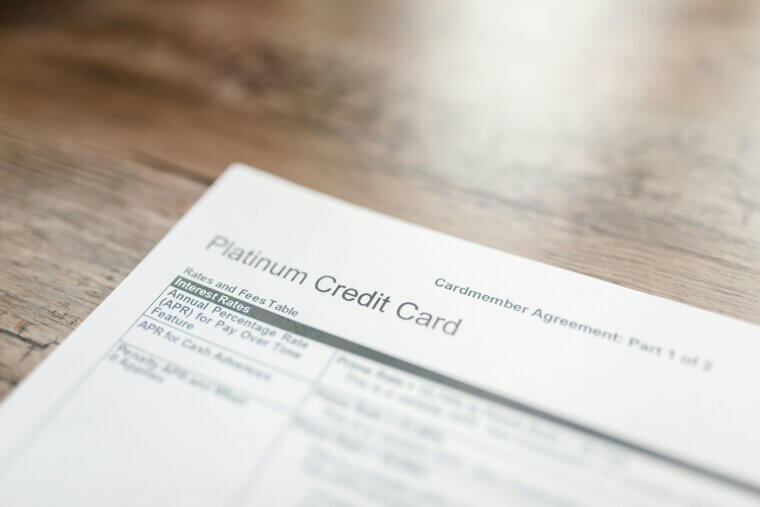
A low interest rate sparkles like sunlight on chrome, but sometimes it’s more illusion than offer. Dealers advertise eye-catching APRs (0.9%, 1.5%, the stuff of dreams) but only a small slice of buyers ever qualify. Others end up funneled into higher rates that quietly add thousands over the loan term. To avoid the trap, get pre-approved by your own bank or credit union first, then compare.
The "We Lost Your Keys" Pressure Tactic
You’re negotiating, considering walking away, and suddenly the salesperson can’t find your keys or paperwork. You’re stuck - literally - while they “search” or bring in managers to talk you into a deal. It’s an old-school tactic, built on discomfort and subtle panic. The best counter is calm certainty. Ask for your keys back immediately, refuse to continue until they’re returned, and never hesitate to step outside or call for assistance. Freedom dilutes pressure instantly.

The “Let Me Talk to My Manager” Charade
Few dealership theatrics are as classic as this one; the salesperson leaves to “fight for you,” returning with a sigh and a slightly better price - a price the manager likely approved the moment you walked in. This good-cop-bad-cop dynamic makes buyers feel like they’re winning concessions instead of paying near maximum value. The trick thrives on the illusion of sacrifice. To stay grounded, define your ideal price beforehand and stick to it.

Extended Warranty FOMO
Dealers excel at framing extended warranties as a shield you’d be foolish to decline. They paint pictures of engine failures, roadside disasters, and repair costs that could empty your bank account twice over. The fear works; uncertainty nudges buyers into paying thousands for coverage they might never need, or could get cheaper elsewhere. Research your model’s reliability beforehand, compare third-party coverage, and decide based on facts, not fear.

Paint-Protection That’s Just Wax
“Ceramic coating,” “space-age sealant,” “lifetime shine…” the language sparkles, but often the product is little more than a few layers of pricey wax. Dealerships present it as a technological marvel, a permanent armor against sun, rain, and pigeons, when in most cases a detailer could do better for less. This trick survives on mystique. Before agreeing, ask what the product actually is, how long it lasts, and whether it’s exclusive.
The Old “Limited Inventory” Hype
Scarcity is a powerful lure. A salesperson may claim there are only two models left in the region, or that another buyer is coming in at noon sharp. Suddenly the clock ticks louder, hesitation feels risky, and patience seems like a luxury you can’t afford. Yet inventory is often broader than they let on. The counter? Step back, breathe, and check availability online. If a car truly is rare, you’ll see it reflected across the market.

Inflated Market-Adjustment Fees
Sometimes a car’s price swells mysteriously above MSRP, explained by a small sheet of paper with the phrase “Market Adjustment.” No parts, no labor, just markup and ambition. During high-demand periods, buyers may feel powerless, but market adjustments vary wildly, and many dealerships waive them if pushed. The fee works because buyers don’t know it’s negotiable. Compare listings, bring proof, and be willing to walk. Markup shrinks quickly when profit meets resistance.
The Silent VIN Etching Upsell
Vehicle Identification Number etching sounds official, almost sacred. Dealers present it as theft protection, a safety must-have, and a common practice bundled into purchase paperwork. However, VIN etching is often cheap to perform and sometimes already done by the manufacturer. To sidestep it, ask early if etching is included, request removal if you don’t want it, or negotiate the price.

“This Model Is Going Fast! ” Urgency Hysteria
High-energy salespeople love to frame a car as a runaway bestseller, seconds from slipping through your fingers. They speak with breathless intensity, creating the sense that waiting equals losing. Buyers fall for it because urgency clouds judgment, making “now” feel safer than “later.” In truth, most models move at ordinary speed, and inventory turnover rarely matches the drama. Ask for sales numbers or check online availability.
Hidden Loan Term Length Tricks
Dealers often emphasize the comfort of a low monthly payment, but the real secret lies in the term length. Extending a loan from 60 months to 84 or more can make a payment seem manageable while inflating total interest dramatically. Buyers agree because the monthly figure feels achievable, even friendly. The trap is slow - almost gentle - but expensive. The defense is viewing the loan like a whole journey, not just the first mile. Always ask for total repayment cost and compare options side-by-side before signing.

Bait-And-Switch Vehicle Listings
A car online looks perfect: low mileage, great price, shimmering in the photos. But when you arrive, it’s suddenly “just been sold,” replaced by similar models costing far more. The original listing was bait, meant only to draw traffic. Buyers stay because they’ve already invested time and effort, and walking away feels like starting over. The smart move is being ready to leave quickly, without apology. If the exact model isn’t available, don’t let convenience replace value or fairness.

Emotional Traps: "Picture Yourself Driving It"
Salespeople know that once you imagine life with a car (the weekend trips, the new commute, the open window and summer air) logic softens. They’ll encourage a long test drive, ask where you’d park it, even suggest how good you’d look pulling into work. When a future feels vivid, present-day caution fades. The solution isn’t to avoid emotion, but to balance it. Admire the car, feel the wheel, but carry numbers in the other hand.