Dealer Network Limitations
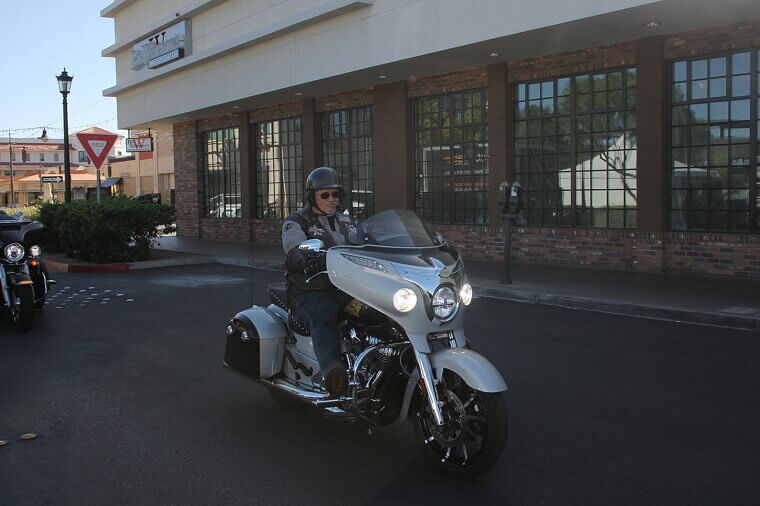
When it comes to dealership availability, the Indian Motorcycle Company definitely lags behind when compared to some of the industry favorites, such as Harley Davidson. Unfortunately, this means that receiving support can be a major mission for owners, as they may have to travel far distances to deliver their bike to a designated dealer. If there is a major issue with the bike and it can't actually drive, it makes the situation that much more of a headache. More so, most warranties state that owners have to take their bike to an Indian Motorcycle dealership, meaning that there is no way around the problem.
Poor Aftermarket Support
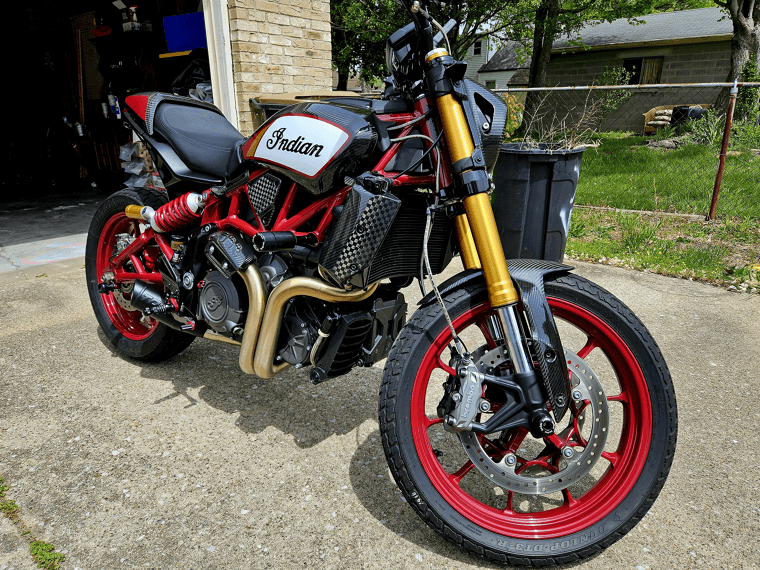
Some of the motorcycle giants offer a massive aftermarket industry for spare parts, components and accessories. With that being said, owners can end up saving a substantial amount of money if anything needs to be replaced or repaired down the line. However, with Indian bikes, this simply isn't the case in most parts of the world. Indian riders often struggle to find custom exhausts, seats, or performance parts outside official Indian dealerships. On top of the hassle, these parts can cost a fortune, as they usually have to be shipped in from around the globe.
High Maintenance Costs
One of the major problems with Indian motorcycles is the fact that the spare parts are so hard to come by. Because the parts aren't common, the are also a lot pricier than other, more widely available options. In other words, if you buy one of these bikes and experience any sort of issues, you can expect to pay a small fortune on repairs - even if it is a relatively small problem. More so, owners complain that labor costs are also inflated as a result of proprietary systems.
Electronics Issues
While Indian motorcycles do have some fun and unique features, the Ride Command infotainment system is known for frequent glitches, freezes or failure to connect to smartphones. These bikes aren't exactly cheap and, when you spend so much on a product, you don't want to have to deal with such issues. More so, these electrical repairs can cost an absolute fortune to repair, as it has to be done through a designated dealerhip. Updates are also very slow, which can be frustrating if the bike is your only mode of transport.
Recall Frequency
While Indian motorcycles are great, some of the models have been known to experience brake malfunctions, fuel leaks and electrical faults. Not only can these issues be significant safety risks, but they are also inconvenient for owners, as even the simplest of repairs can take forever when going through a dealership. In fact, many owners complain about the long wait times for fixes, as Indian dealerships usually have waitlists from so many recalls. If you are looking for a reliable bike that you'll be able to use for many years to come, Indian models probably aren't your best bet.
Stage Upgrade Problems
Some of the newer Indian models feature fancy performance upgrades, including Stage 2 cams, that require require dealer-only installations. However, while this sounds great, riders often report poor tuning, reduced reliability, and long delays for parts. As you can imagine, this has led to plenty of frustration amongst buyers, as they spend a small fortune on the upgrade as is - nevermind the additional cost of repairs and the inconvenience of waiting around for the parts to arrive.
Resale Value
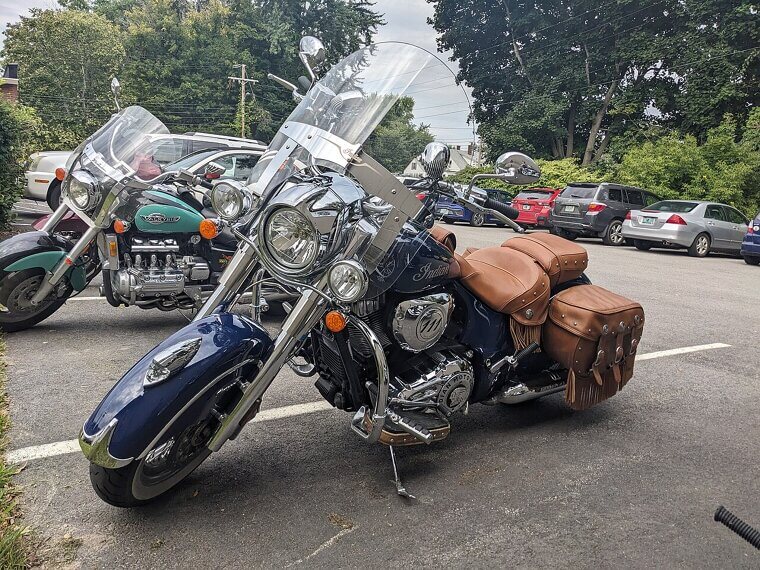
While there have been some great Indian motorcycles released over the years, the brand is nowhere near as renowned as some of the other industry giants, such as Harley Davidson. As a result, the bikes depreciate at a much faster rate. To be more specific, if you decide to invest in one, you can expect to sell it for roughly half of what you bought it for after just 5 years of use - regardless of its condition or how well it still drives.
Weight
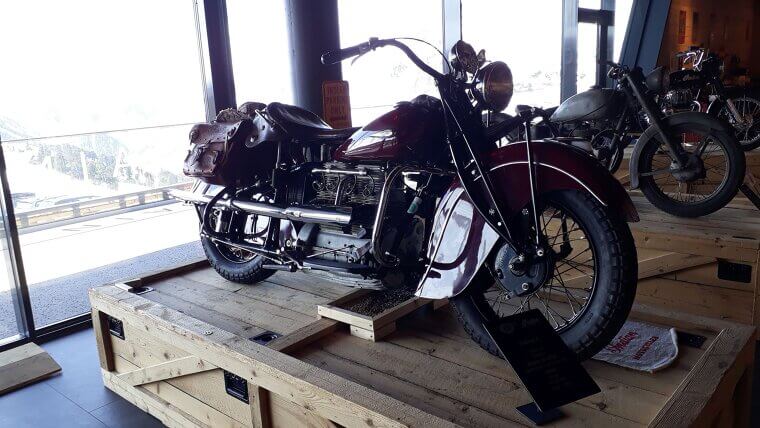
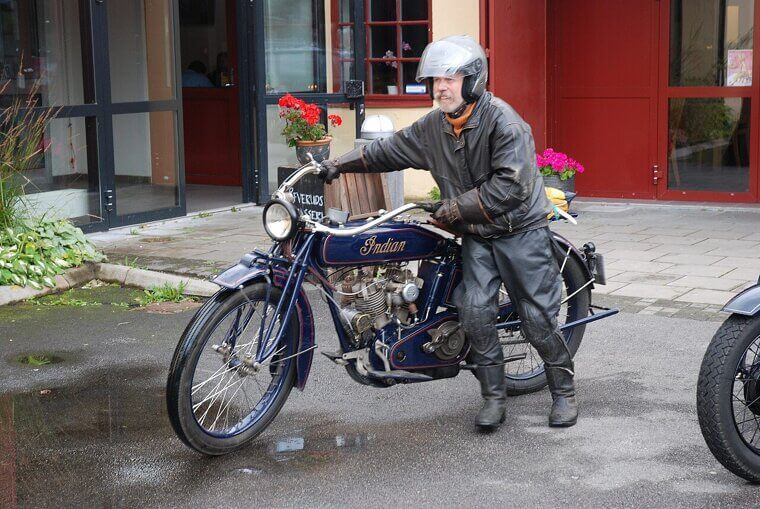
One stand-out feature of Indian bikes is their weight. Unlike other performance-oriented models, their bikes are known for being incredibly heavy, which makes them harder to maneuver in traffic and parking lots. Ultimately, owners feel as though the bikes are designed more for looks than actual performance. In other words, if you are on the market for a practical and reliable motorcycle, Indian models aren't the way to go. More so, the difficult driving dynamics of the bike discourages new riders, leading to low sales numbers, an overall low demand and, therefore, poor resale value.
Heat Management
Another major problem that Indian motorcycles often experience is overheating - especially if the bike is used for long distance trips. To be more specific, owners complain about excessive engine heat in the summer months or stop-and-go traffic. This is extremely inconvenient, as many owners want to use their bikes for daily commuting. If ignored, this can lead to even worse issues that cost a fortune to repair. For example, if you end up needing a complete engine replacement, you can expect to pay up to $5000 - not including the additional labor costs.
Fuel Economy
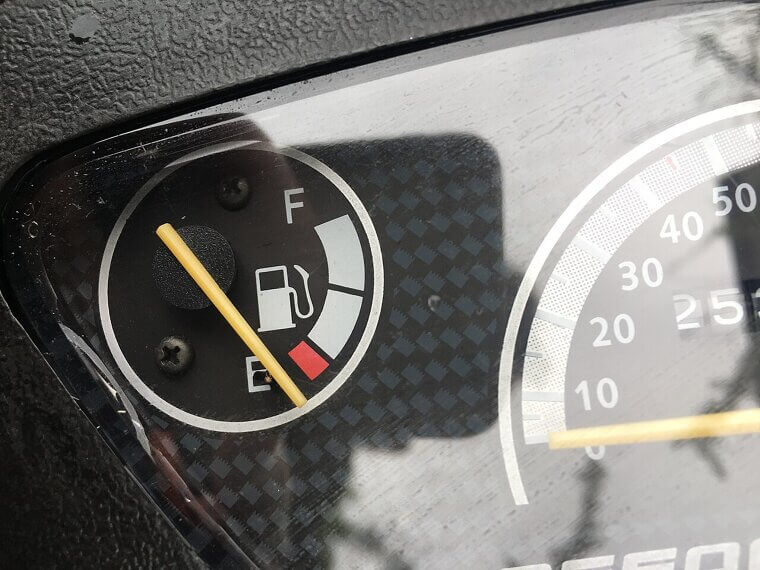
When compared to some of the industry giants, Indian motorcycles are known for being exceptionally heavy on fuel. The bikes are heavier than other popular models, which makes them that much more expensive to drive. If you are considering buying a new bike to use on a daily basis or for long distance commutes, there are definitely better, more suitable options than Indian bikes. Not only are they expensive to buy up front, but they also cost a fortune to maintain and have on the road. Overall, owners feel as though these bikes are more of a collector's item that a practical, everyday bike.
Limited Global Presence
Despite the name, the Indian Motorcycle company is actually a North American brand. In fact, outside of the US, dealerships and spare parts are incredibly hard to come by. Owners strongly recommend against buying an Indian bike if you don't have a dealership within driving distance. Because of this limited global presence, owners usually end up spending weeks (or even months) waiting on a single spare part. Not only is this frustrating, but the long wait times also lead to riding anxiety, as owners constantly worry about their bike facing issues and the hassle that will come with trying to fix it.
Dealer Service Quality
Many owners have complained about the poor service quality received when their bikes have been sent in for repairs. In fact, there have been many reports of inexperienced technicians relying on remote factory instructions rather than hands-on expertise. When you buy from an established brand, such as the Indian Motorcycle Company, you expect to receive good customer service and have access to specialized support. However, this poor dealership service quality often leads to misdiagnoses and repeat visits, which can be incredibly frustrating for owners who invest so much time and money into their bike.
Reliability Concerns
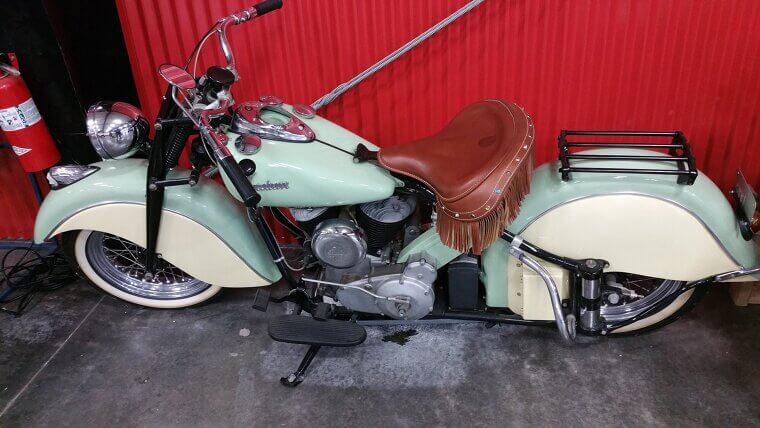
Indian motorcycles are prone to a number of reliability concerns, including stalling, electrical gremlins, and error codes, such as “P1558 Brake Error” or “C2326 Fan Driver Current High”. When you spend so much on a bike, the last thing that you want to have to deal with is frequent issues. Not only are repairs costly, but it is also a major inconvenience - especially when the bike is used for daily commuting. This has led to distrust between the brand and customers, as buyers simply don't feel as though they are getting good value for their money.
Insurance Costs
Despite the fact that Indian bikes are usually cheaper than Harley's or other more established brands, the insurance costs are usually higher. This is as a result of the bikes being much rarer and spare parts being hard to come by. Repair are, therefore, much more expensive. To top it all off, Indian bikes are known for being problematic, leading to more frequent repairs. Overall, experts agree that the brand simply isn't suitable for practical riding, as it is just so expensive to maintain in the long run.
Comfort Issues
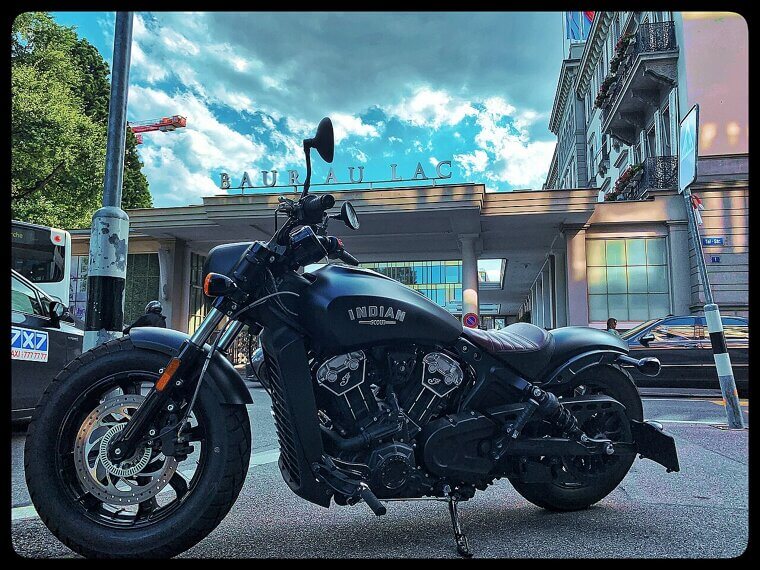
Another major issue that many riders experience with the Indian motorcycle range is a lack of comfort and ergonomics. Stock seats, in particular, are frequently criticized, as they seem to be to firm and poorly contoured. As a result, owners complain about intense back pain and numbness - especially on longer rides. On top of this, the handlebar and footpeg positions don’t suit all body types, with taller riders often feeling cramped. On the contrary, shorter riders struggle to reach the footpegs, making the entire riding experience outright dangerous.
Limited Model Variety
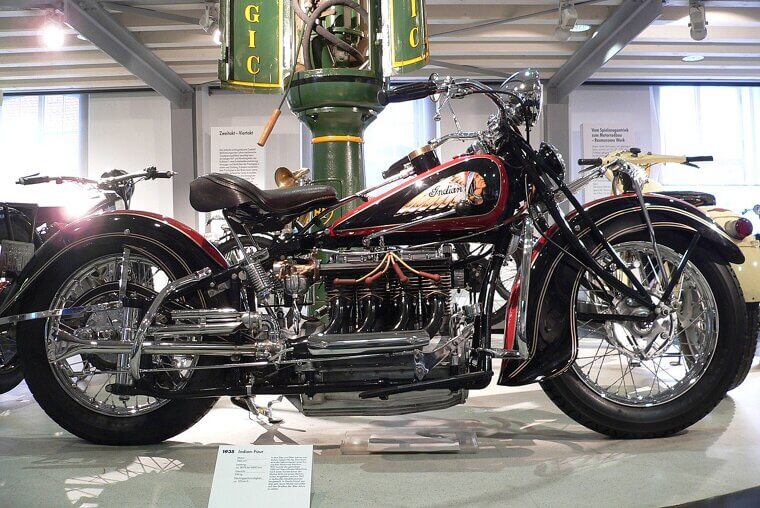
One of the major drawing points of Harley Davidson is the fact that their bikes are just so diverse and unique, with dozens of models across cruiser, touring, sport, and adventure categories. The Indian lineup, on the other hand, is much smaller and focuses mainly on cruisers and baggers. Overall, buyers agree that Indian bikes have a very niche appeal, with limited factory trims and special editions. Because of this, there is very little room for customization, meaning that you get exactly what you pay from - regardless of whether or not minor adjustments need to be made.
Brand Perception
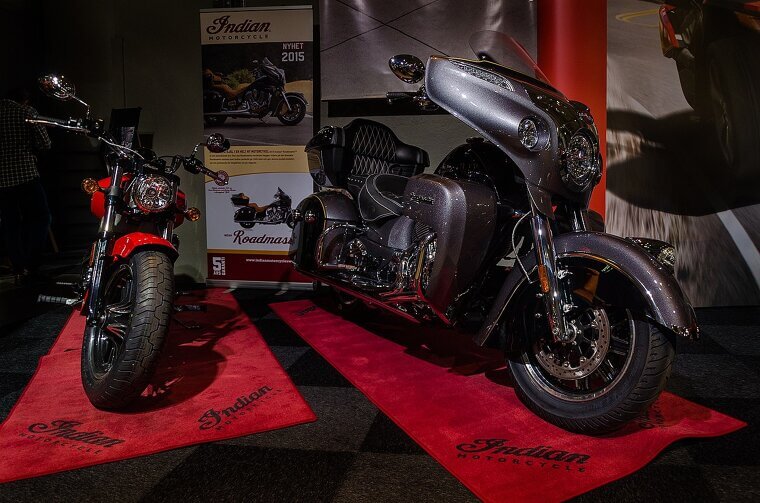
To put it simply, the Indian Motorcycle Company feels like a 'Harley Wannabe' label, with many riders dismissing it entirely for being 'unimaginative' and 'boring'. Even with so many great motorcycle companies on the rise, Harley's still dominate at every bike rally or meetup. While the company has been around since 1901, many people feel as though the newer models lack the authenticity of the original bikes - something that Harley has been very good at maintaining throughout the years. As a result, Indian sales have plummeted in recent years, with more and more bikers converting to Harley.
Slow Parts Availability
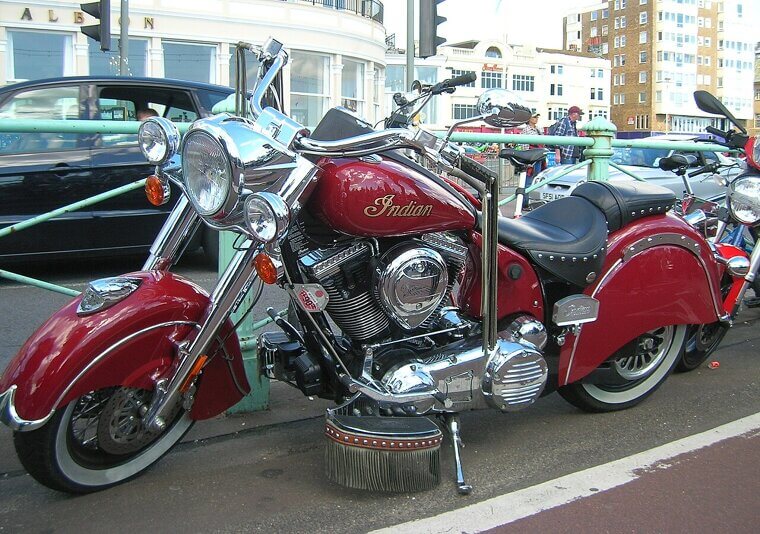
With more and more Indian Motorcycle repair companies closing down, it is becoming increasingly difficult for owners to get their hands on spare parts. Even the simplest of components, such as sensors or lights, can take months to arrive in some parts of the world. On top of this, parts have to be ordered through dealerships, leading to order bottlenecks and frequent delays. A simple breakdown can result in the bike being sidelined for ages, leading to plenty of dissatisfaction amongst buyers.
Dealer Dependency
With common brands, it is easy to find standard spare parts at any local autorepair shop. In fact, if you own a Harley and experience a problem with the bike, chances are you can take it to the shop down the road and have it back up and running within a few days. With Indian bikes, however, certain components can only be repaired or replaced through a dealership. More so, diagnostics can only be performed via specialized Indian equipment, making the job that much more challenging and expensive.
Price VS. Value
You may be surprised to learn that Indian motorcycles are usually priced about the same as Harley Davidsons. However, they are much more prone to issues and cost a whole lot more to maintain and ride. More so, they are worth much less on the secondhand market, meaning that you are likely to lose a lot of money if you eventually decide to sell. Overall, owners don't feel as though they receive good value for the amount that they pay.