Safety Isn’t the Strongest Flex
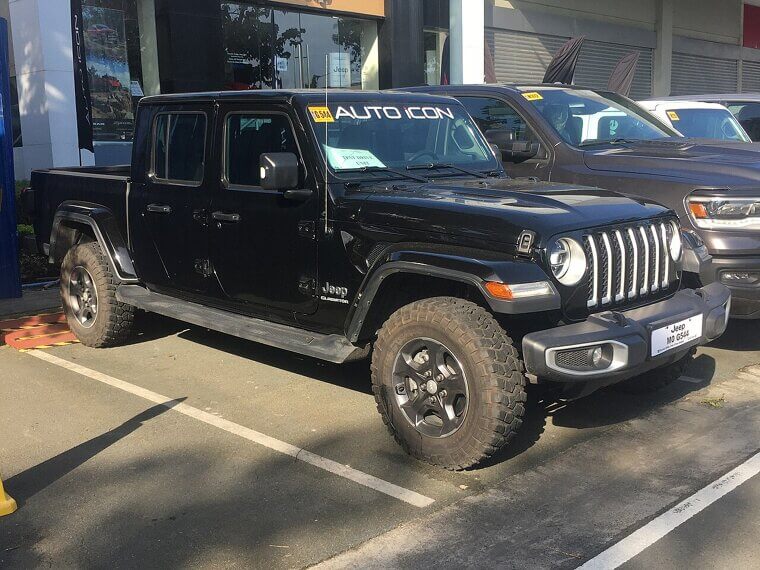
Some Jeep models score lower in crash tests than many competing SUVs, and that catches buyers off guard. The boxy, upright design looks tough, sure, but it does not always help in crash performance. Removable doors and roofs also limit how much built-in protection engineers can add. On top of that, advanced safety features like lane assist or adaptive cruise control may only come on higher trims, or not at all. When you feel less protected, driving is a challenge. Many owners admit they wish they’d studied safety ratings more closely.
Gas Gauge Anxiety
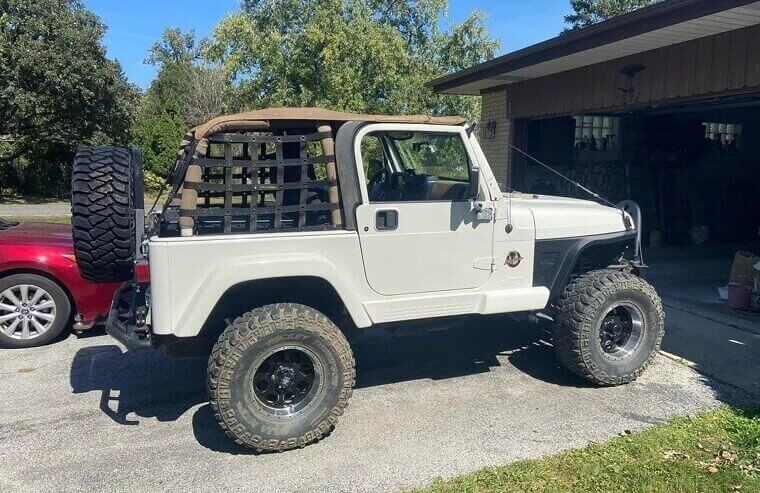
Jeeps are not light, sleek, or aerodynamic. They are shaped like bricks on wheels. Yes, that rugged look is fun, but the trouble comes in at the gas pump. Models like the Wrangler or Gladiator struggle to hit 20 miles per gallon, especially in real-world driving. City trips, short errands, and stop-and-go traffic only make it worse, and you end up at the gas station way more than expected. Owners say the novelty wears off fast while fuel costs just keep climbing.
Every Bump Feels Personal
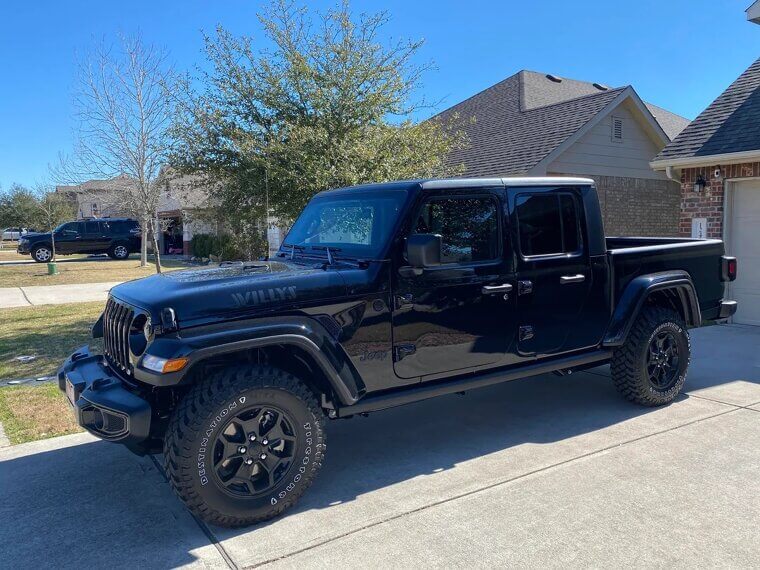
Jeeps are built for rocks, mud, and trails, so smooth highways are not really their main priority. The suspension is stiff and upright, which helps off-road but makes daily driving feel rough. Those small bumps quickly feel bigger than they should, and long highway trips are the worst. Drivers also report feeling more road vibration through the steering wheel and seat. Some people enjoy the “connected” feel at first, sure, but others miss the comfort of a way softer ride.
The “Check Engine” Moments
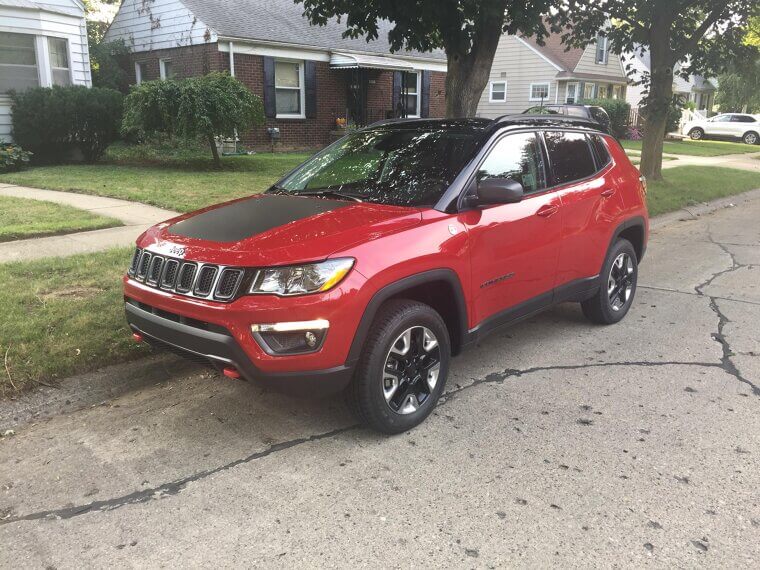
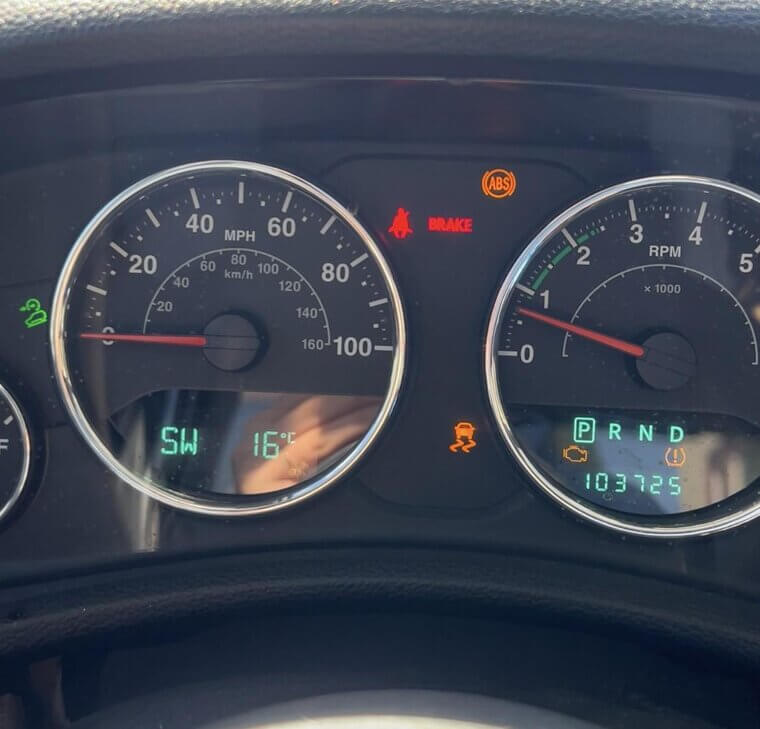
Reliability, or rather the lack thereof, is one of the most common complaints from Jeep owners. They report electrical glitches, warning lights, sensor failures, and transmission quirks. Sometimes the issues are small, but other times they are complicated and expensive to fix. The frustrating part is how often they show up. Jeeps feel fine one day and throw a warning light the next. Even newer models aren’t immune and cause stress. Those reliability problems turn the excitement of owning a Jeep into anxiety about the “check engine” light popping up.
Maintenance Woes
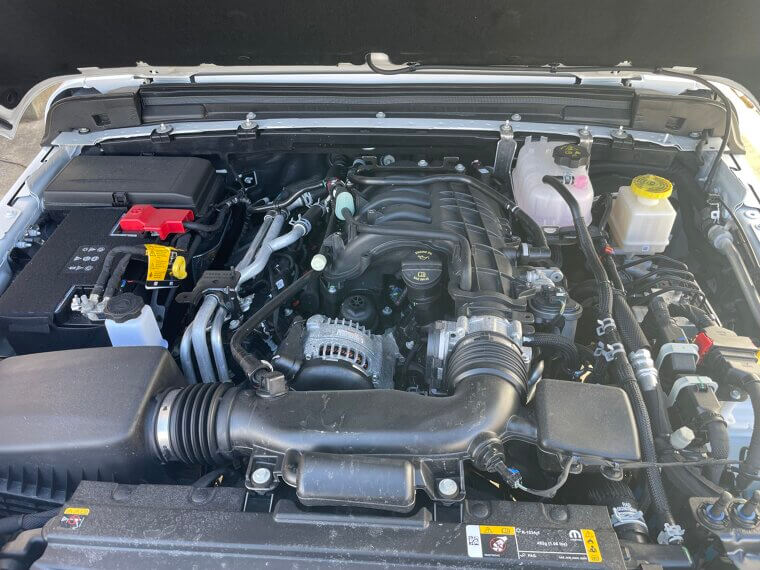
Ask any Jeep owner, and they will tell you owning a Jeep can be expensive way beyond the purchase price. Parts are often more expensive than people thought, and labor costs add up quickly, too - especially at dealerships. The tires wear out faster due to alignment and suspension design. But what about the off-road parts, you ask? They cost more to replace than normal parts, and even basic maintenance costs a pretty penny. Many owners say they didn’t budget for how often something would need attention. The costs pile up over time.
Looks Cool, Holds Less
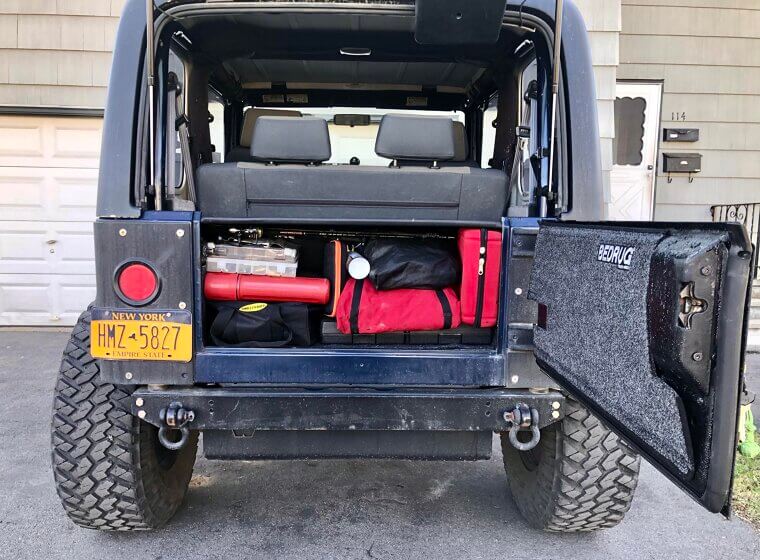
Jeeps look big and tough, but the interior space is rather disappointing. Cargo space is limited, especially in Wranglers, and groceries, luggage, and sports gear fill it up pretty fast. Yes, the fold-down seats help, but the shape of the car still limits what you can carry. Road trips require way more planning and compromise, and families are affected most. The rugged design sacrifices practicality, and owners often regret their decision once they see just how little they can haul. The trade-off is just not worth it if you’re using your Jeep for daily life.
Wind Has a Voice
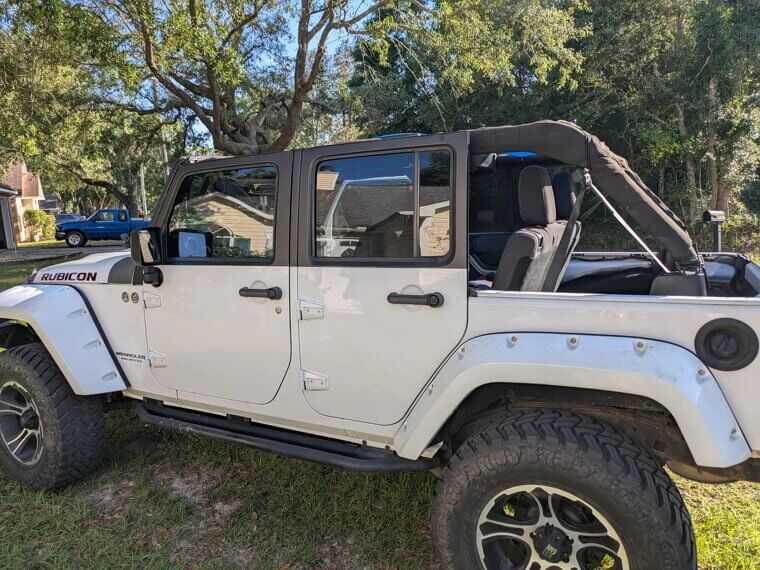
Forget the space, Jeeps are loud and don’t do much to hide the wind noise. Yes, the removable roof and doors sound fun, but in reality, they do nothing more than let in wind noise even when everything is fully closed. Air sneaks in through the seals, tires roar on the highways, and you have to pretty much shout to the person sitting next to you. It’s manageable on short trips, but long trips become exhausting. Some owners try to make light of this very obvious flaw by calling it a “Jeep thing.”
Uncomfortable Seats
Jeep seats are firm and upright. This works well when you’re bouncing over rocks and trails, but daily driving is another story completely. On long commutes, the stiffness wears on your body. Lower back support is minimal, and the seat adjustments are limited compared to newer SUVs. After an hour or two, you start shifting around, stretching at red lights, and trying to find a position that’s comfortable. If you have back or hip issues, you’ll feel that discomfort fast. Seats should be comfortable. And, in a Jeep, they’re anything but.
Recall Fatigue
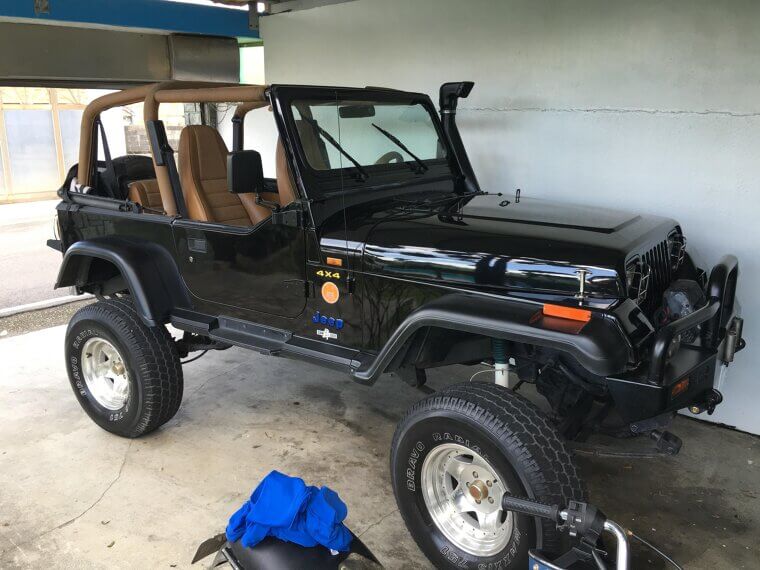
Jeep has dealt with a long list of recalls over the years. Some fixes have been small and simple, while others feel serious and leave owners feeling unsettled and wishing they’d chosen another car. And even when the repairs have been free, they still eat up time and patience. Recalls also slowly chip away at trust as owners start wondering what might fail next. Over time, that early excitement of owning a Jeep fades as doubt creeps in. It’s simple - recalls damage a brand’s reputation and change how people feel about owning a car long-term.
Resale Inequality
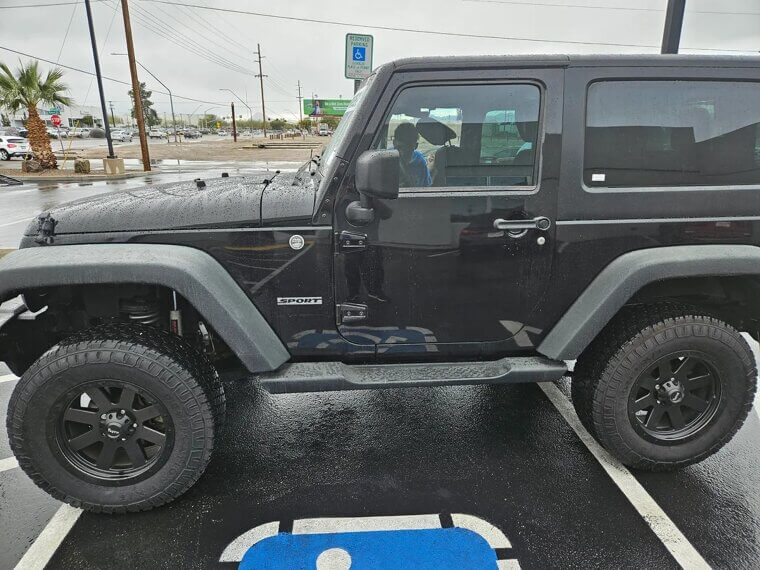
Many people believe all Jeeps keep their value well. That belief mostly comes from the strong resale value of the Jeep Wrangler. The problem is that not every Jeep holds value the same way. Some models lose value much faster than buyers expect. If reliability issues show up, resale drops even more. Buyers often assume they will get good money back later, no matter which model they choose. That assumption can hurt. When it’s time to sell or trade in, the offer may feel disappointing.
Ancient Tech
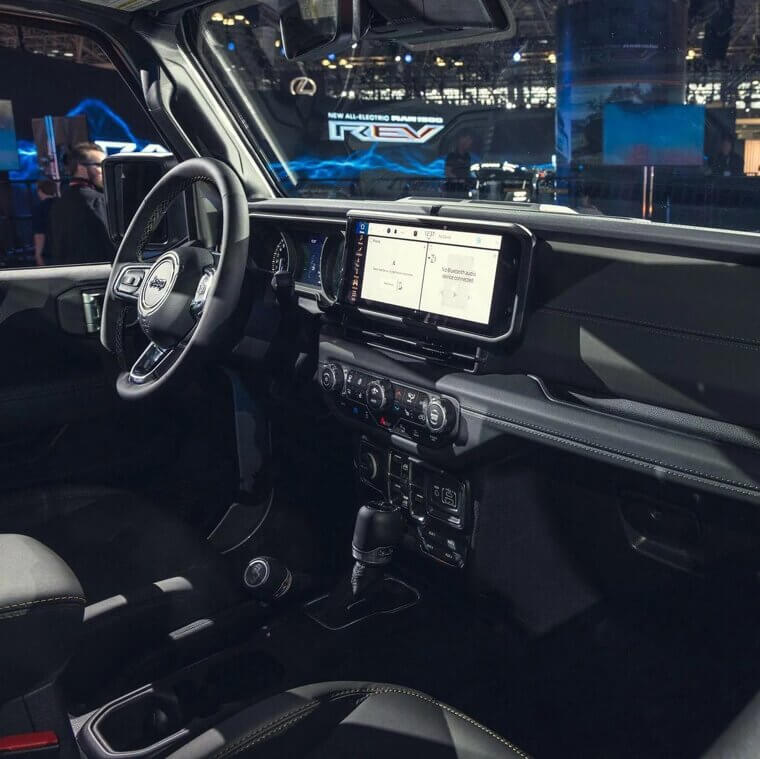
Jeep technology usually works, but it doesn’t always feel modern. Screens feel smaller than expected, menus can feel slow or clunky, and some safety and driver-assist features come only on higher trims or cost extra. Other SUVs usually include these features as standard. Phone connections don’t always feel smooth, which gets annoying fast. It’s frustrating for people who enjoy modern tech in their cars. You buy a newer vehicle and expect it to feel fresh. Instead, many owners feel like they paid a lot of money for technology that already feels a bit old.
Insurance Isn’t Cheap
Insurance companies see Jeeps as risky vehicles. Why? Because repairs cost more, and off-road use raises concern. Because of that, insurance prices often run high. Even careful drivers feel the extra cost every month. Younger drivers feel it even more. Many buyers focus only on the sticker price and forget to check insurance quotes first. That mistake shows up later. Month after month, the higher premium adds up. Over time, insurance becomes just another reason people question their decision, especially when cheaper SUVs start to look much more appealing.

A Tight Fit
Jeeps look tough and super spacious from the outside, but they don’t always work well for families. The rear seats can feel tight, especially as kids grow, and long trips feel rough because the ride isn’t very smooth. Kids feel every bump. Installing car seats can feel awkward and frustrating because the seats are narrow. Cargo space fills up quickly once you add strollers, bags, and sports gear. Parents hear complaints from the back seat. Families often love the Jeep look at first, but later realize it doesn’t fit everyday family life very well.
Too Much Trail
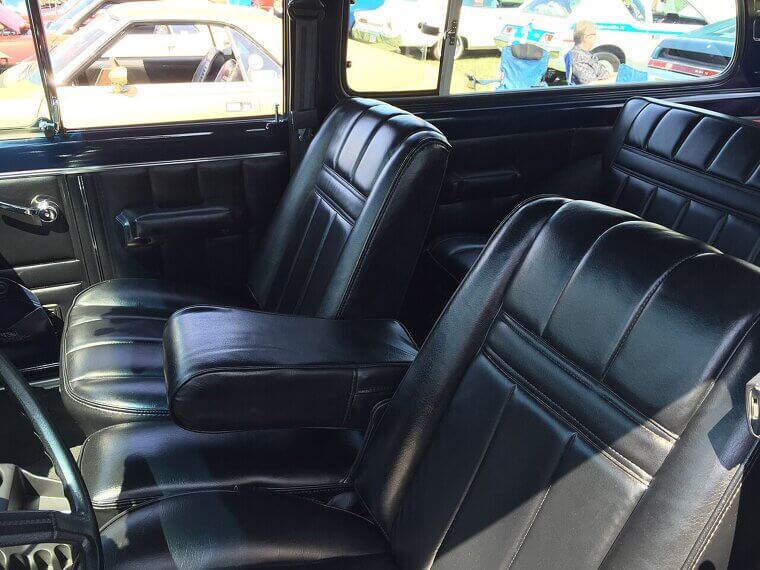
Did you know that most Jeep owners never take their vehicle off-road? That’s the funny part. They still pay for heavy-duty trail features they never use. In daily city driving, those same features feel awkward. Parking feels harder. Turns feel wide. Fuel costs climb fast. City driving becomes less enjoyable than expected. The Jeep performs best in places many owners never go. Over time, that mismatch becomes frustrating. Many people realize too late that they bought an off-road tool when they really needed a comfortable city vehicle.
Dealer Drama
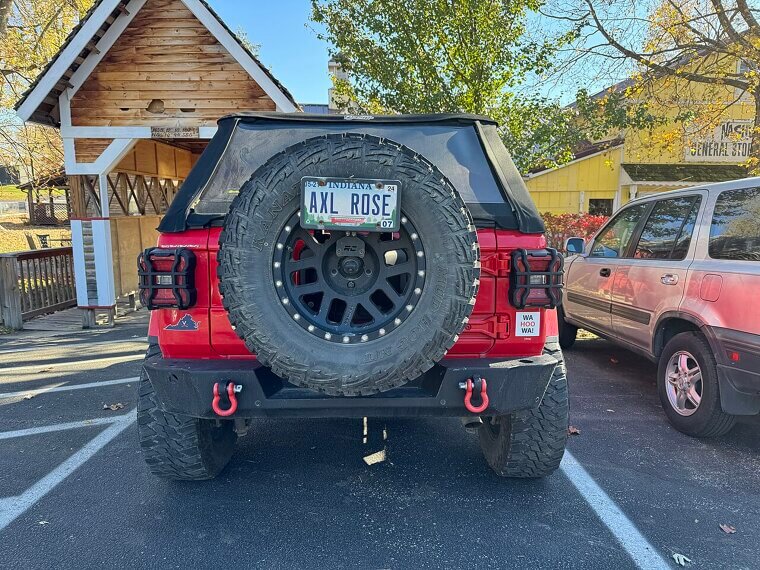
Dealer experiences can make or break Jeep ownership. Some owners have good support, but many don’t. Complaints about poor communication, slow repairs, and warranty problems come up often, and just one bad dealership can ruin the whole experience quickly. When something breaks, owners want help and clear answers. Instead, they feel ignored or brushed off by dealerships that seemingly don’t care about helping their customers. Repeated issues slowly damage trust, and over time, it just causes frustration. Many Jeep regrets don’t start with the vehicle itself. They start with the people who were supposed to help.