You’ll Spend More on Repairs Than You Thought
Buying a Yamaha often feels like you’ve made a sensible, grown-up decision… then the repair bills arrive. While Yamaha bikes are generally reliable, many owners are surprised by how quickly “routine upkeep” turns into a recurring subscription service. Sensors here, seals there, labor everywhere. None of it is catastrophic, just persistent.You didn’t buy a lemon, but you may have accidentally adopted a very needy mechanical pet.
Parts That Disappear When You Really Need Them
There’s nothing quite like a broken motorcycle to teach patience. Yamaha parts - depending on the model and year - can sometimes feel like they’re shipped from a distant moon. Common wear items are usually fine. Anything slightly obscure, though, is backordered, discontinued, or “arriving next month.” Riders quickly learn that downtime isn’t caused by the repair itself; it’s caused by waiting. Your bike sits. You stare. Riding season passes and character is slowly built.
Dealers That Treat You Like an Afterthought
A good dealer can make you fall in love with a brand; a bad one can make you swear off it forever. Some Yamaha owners report service departments that feel rushed, understaffed, or weirdly indifferent once the sale is complete. Scheduling can take weeks, communication can be spotty, and follow-ups feel optional. It’s not universal, but when it happens it stings. Nothing dampens motorcycle joy faster than feeling ghosted by someone holding your keys.
That “Comfy” Seat? Not So Much
On the showroom floor, the seat feels fine - plush, even - then forty-five minutes into your first real ride, reality firmly arrives. Yamaha seats have a reputation for being… optimistic. They assume you’re either commuting short distances or immune to lower-back complaints. Long rides often turn into frequent stops, strategic standing, or the inevitable aftermarket seat search. Riders joke that Yamaha builds engines for endurance but seats for (very uncomfortable) meditation.
Fuel Economy That’s More Hype Than Reality
Marketing numbers are beautiful things. Real-world riding, however, has opinions. While Yamaha advertises solid fuel efficiency, riders may find actual mileage depends heavily on riding style, terrain, and how much fun you’re having. Twist the throttle with enthusiasm and watch those numbers plummet until the gas station becomes a familiar landmark. It’s not terrible mileage, but it’s rarely the miracle you imagined. Yet smiles per gallon remain high, so there’s that.
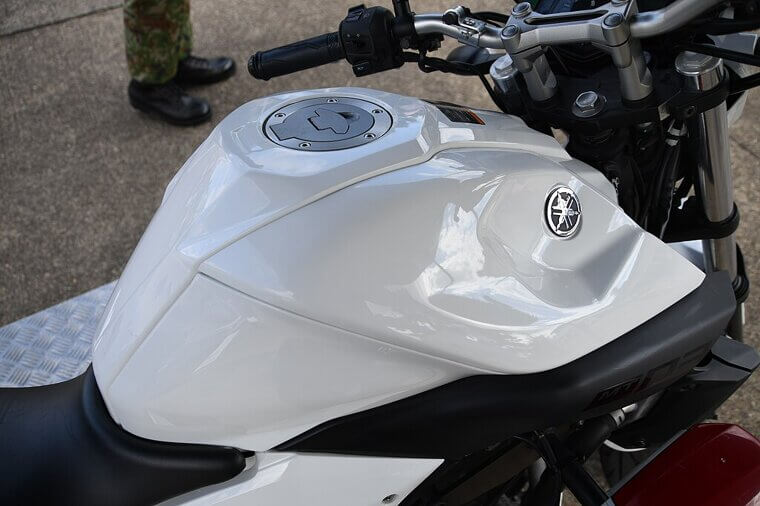
Electronics That Fail at the Worst Time
Modern Yamahas love electronics - ride modes, sensors, screens, oh my! Unfortunately, some of these digital delights have a habit of choosing the least convenient moment to misbehave. Warning lights appear like jump scares, traction control throws a tantrum and dash displays blink like they’re haunted. Usually it’s fixable, but never quick, never cheap, and never when you’re already late. Nothing kills confidence like wondering whether your bike or your dashboard is actually in charge.
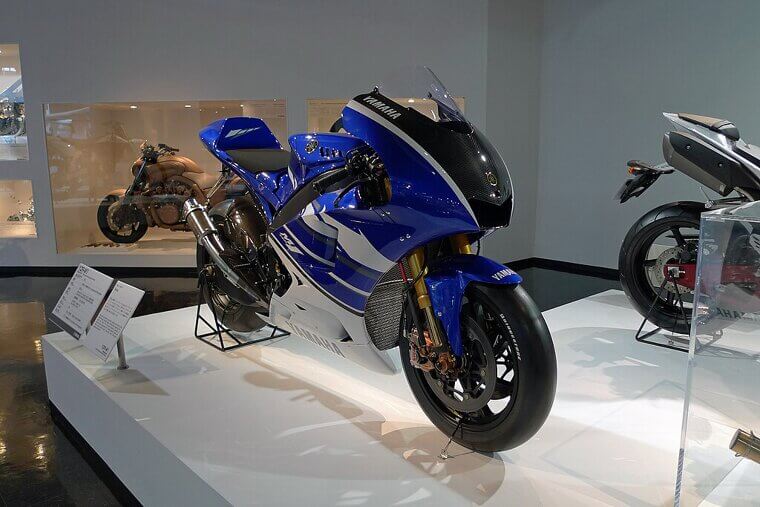
Warranty Loopholes That Bite Hard
That warranty looks comforting on paper; warm, reassuring, almost parental. In practice, it can feel more like a legal escape room. Owners discover that wear items, “environmental factors,” or “normal use” somehow don’t count when something fails early. Suddenly you’re debating definitions instead of riding. Dealers shrug, Yamaha corporate gestures vaguely and you’re left holding a bill like a lesson in fine print literacy. It’s not unique to Yamaha, but it still hurts every time.

Your Bike Loses Value Shockingly Fast
The moment you roll your Yamaha off the lot, depreciation grabs the handlebars. While the brand has a strong reputation, resale values on many models fall faster than buyers expect. New releases, frequent updates and heavy competition don’t help; a bike that felt like a smart investment suddenly looks… emotional. It’s great if you’re buying used, but less so if you’re selling. The bike still rides beautifully, though your wallet quietly asks what it did wrong.
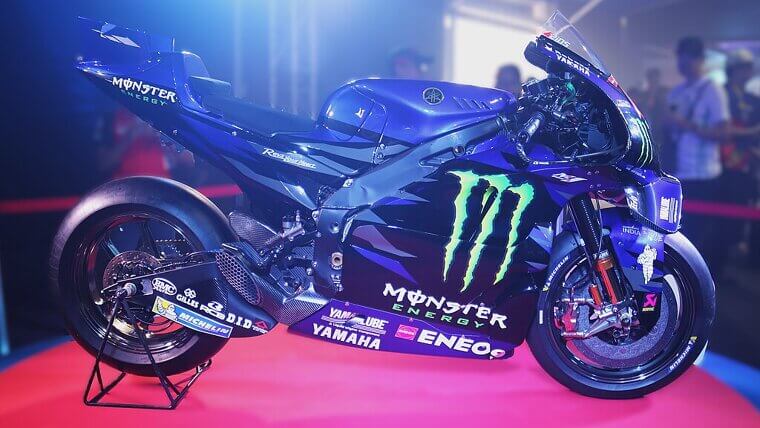
Stock Tires That Scream for an Upgrade
Yamaha’s stock tires do their job… technically. They roll, they grip, they exist. But sometimes riders realize they’re the weakest link in an otherwise capable machine. Confidence in corners can feel vague, wet-road performance inspires prayer, and aggressive riding exposes their limits fast. The upgrade happens early and often. It’s not a flaw so much as a tradition; Yamaha gives you a great bike, then gently nudges you toward the tire catalog.
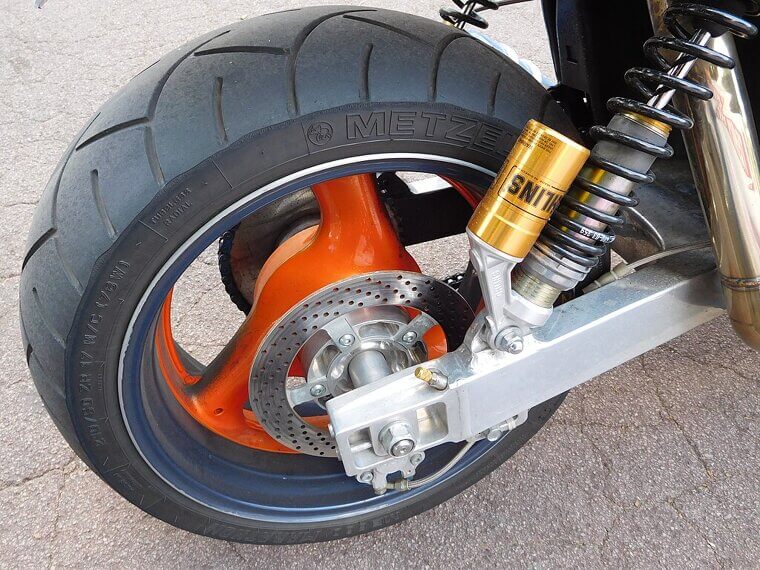
Engines That Run Hotter Than Your Patience
Yamaha engines are mechanical marvels: smooth, powerful, and occasionally very warm. Unfortunately, in traffic - especially on certain models - heat management becomes a personal relationship. Fans kick on, thighs roast, and summer rides feel like sitting next to a polite but relentless space heater. It’s rarely dangerous, just annoying so riders learn to plan routes around airflow and seasons. Winter’s bliss; August gridlock’s slow-cooked reminder that performance often comes with side effects.
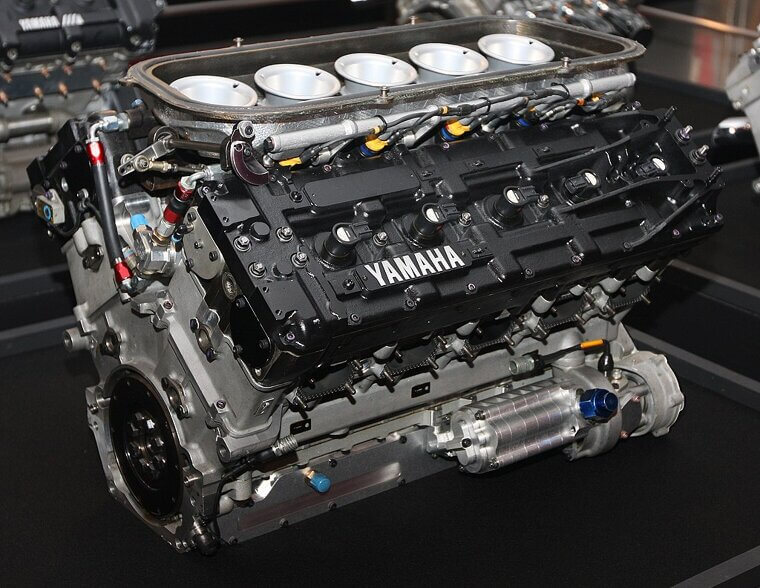
Limited Customization Options Kill Creativity
Motorcycles are supposed to be personal (yours should feel like your machine, not a factory default) yet some Yamaha models make customization oddly difficult. Aftermarket support can be thin, mounting points finicky and certain design choices seem actively opposed to creativity. Prepare for compromises on a new exhaust, tail tidy, or luggage system. Riders discover that expressing individuality requires more money, more research, and more patience than expected. The bike performs great, it just resists becoming yours.
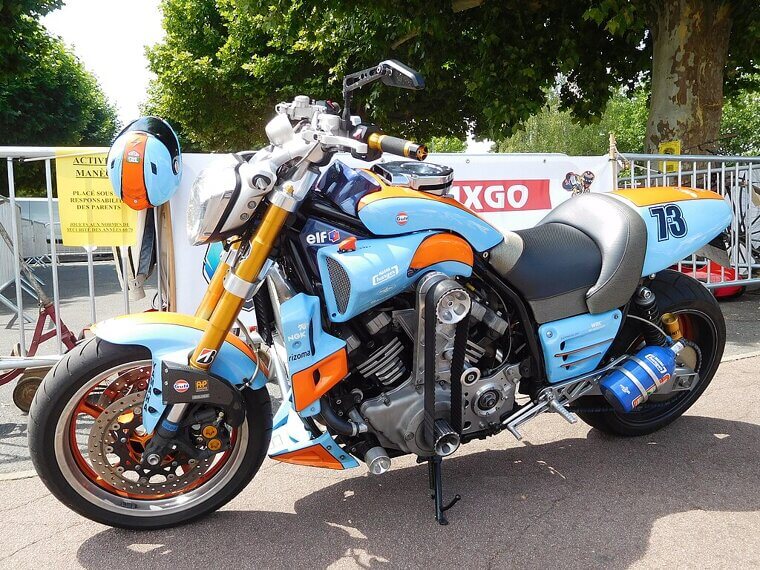
Ride Quality That Feels Like a Ruler
Out on smooth roads, Yamaha suspension often feels tight and sporty. Hit imperfect pavement, though, and the story changes! Stiff setups transmit every bump directly to your spine like a performance review you didn’t ask for so while it’s precise, it’s also unforgiving. Riders who commute or tour quickly notice the fatigue. Upgrading suspension becomes less of an enhancement and more of a survival strategy!
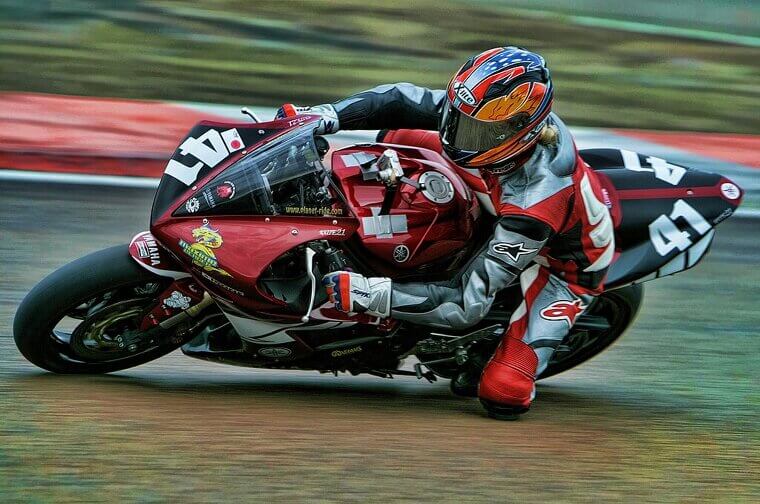
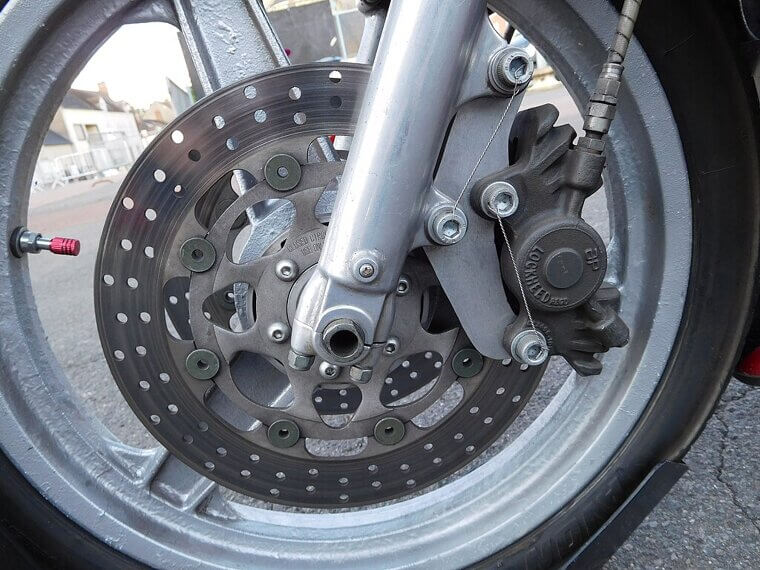
Brakes That Demand Constant Attention
Yamaha brakes usually stop the bike - they just like attention while doing it. Some riders report a spongy feel, uneven wear, or frequent adjustments that interrupt the ride experience. It’s rarely dangerous, but it’s often annoying. You find yourself thinking about brakes more than you want to (which is ideally never). Pads disappear faster than expected, lines beg for upgrades. When stopping becomes a project, you start missing the days when it was simply… stopping.
Storage? Forget About It
Yamaha designs bikes as if riders carry nothing but vibes: storage options are minimal, mounting solutions can be awkward and factory accessories often cost a small fortune. Daily riders quickly learn that practicality wasn’t the top priority. Commuting requires backpacks. Touring requires creativity. The bike looks sleek, but form frequently wins over function. You didn’t buy a motorcycle to haul cargo, but you also didn’t plan to live out of your pockets.
Tall Riders? Prepare to Suffer
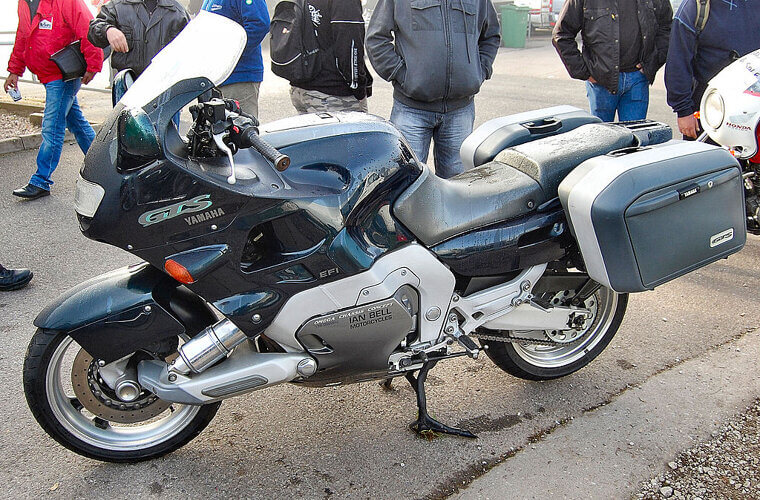
If you’re tall, some Yamaha models feel like they were designed by someone who’s never had knees. Cramped legroom, low bars, and aggressive peg placement turn long rides into yoga sessions. Adjustments help, but only so much. Taller riders end up budgeting for risers, rearsets, or entirely different seats just to feel human and while the bike isn’t bad, it’s just not built for you. Comfort becomes a mod rather than a feature.
Dealer Service That Tests Your Patience
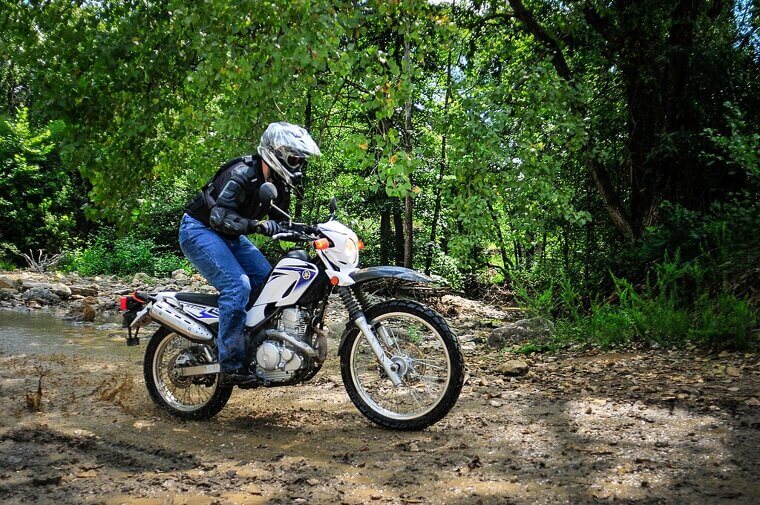
Getting service shouldn’t feel like booking a table at an exclusive restaurant, yet some Yamaha owners find themselves waiting weeks for appointments, updates or parts approvals. Communication can be vague and timelines shift mysteriously while follow-ups feel optional. You call, you wait, you call again... the bike sits while riding weather passes by outside like a personal insult. The wait for service might leave you wondering why it had to be this hard.
Random Electrical Glitches That Frustrate
Few things inspire distrust faster than a motorcycle that occasionally forgets how electricity works. Yamaha owners sometimes report phantom warning lights, finicky starters or accessories that behave unpredictably. Everything works until it doesn’t, then works again just to mess with you. Diagnosing these issues can be expensive and time-consuming because nothing fails consistently. The bike becomes a mechanical gaslighter; you swear something was wrong while the technician shrugs and the dash smiles innocently.
Insurance Premiums That Burn a Hole in Your Pocket
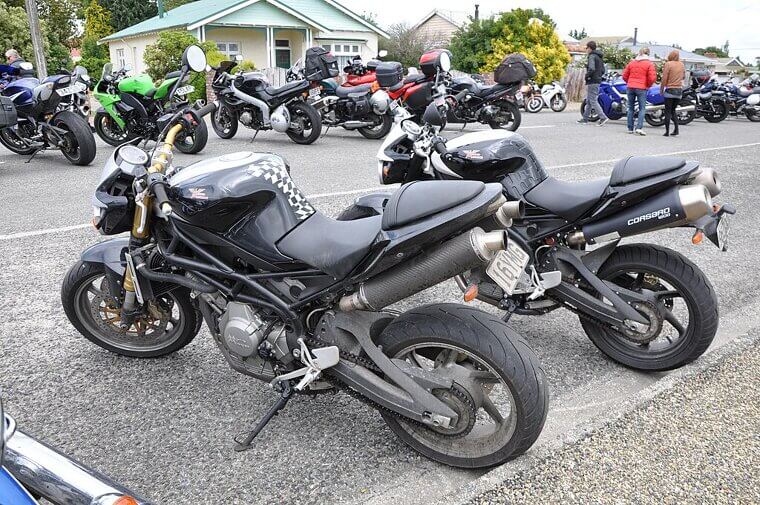
You budgeted for the bike, you planned for fuel... Insurance, though? That’s the surprise boss fight. Certain Yamaha models (especially sportier ones) can attract eye-watering premiums; Insurers see performance, replacement costs, and theft risk, then react emotionally. Monthly payments creep up until you start calculating rides in dollar-per-mile terms. The bike hasn’t changed, but suddenly it feels more expensive to own than to buy. Fun is priceless - apparently paperwork is not.

Some Yamaha bikes are loud in ways that sneak up on you. Wind noise, intake howl and engine buzz all adds up on longer rides. What felt thrilling at first can turn fatiguing over time, especially at highway speeds. Earplugs become standard equipment and helmets are chosen for acoustics over style. You love the sound of the bike, but you'd also like to hear your own thoughts again.
You’ll Regret Ignoring the Fine Print
This is the quiet regret that ties everything together! Specs, warranties, service intervals and ownership costs all looked fine until real life intervened. Yamaha owners don’t regret the ride itself; they regret the assumptions they made beforehand. “It’ll be cheap to maintain,” “That won’t matter,” “I can live with it.” Sometimes you can. Sometimes you can’t. The bike delivers joy, but also lessons. Expensive, beautifully engineered lessons.