2008 - 2010 GMC Sierra Hybrid
GMC’s Sierra Hybrid was an early attempt at electrifying full size trucks, but the technology wasn’t quite ready. The hybrid system offered only modest fuel savings, and the added complexity made the truck expensive. Many buyers found the driving experience unchanged from the standard model, making the premium hard to justify. The system’s quirks, including abrupt transitions between power sources, didn’t help its case. While innovative in concept, the execution left much to be desired. This model served as a laboratory on wheels that proved how difficult it was to balance heavy duty utility with early battery technology. It paved the way for future designs, yet at the time, it felt more like an expensive experiment than a practical tool for the average driver who just wanted a reliable pickup.

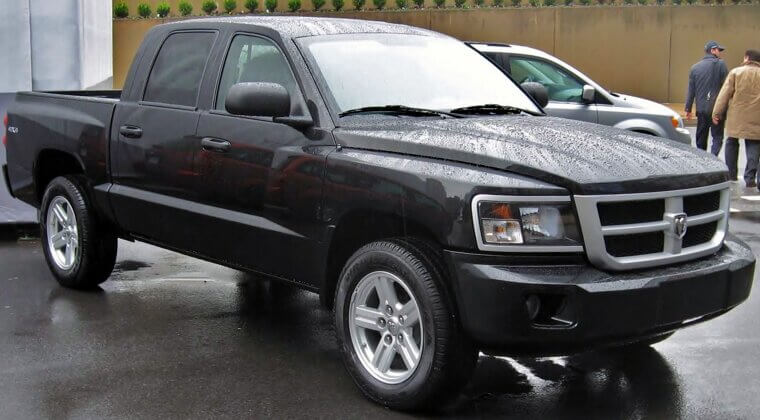
2008 - 2010 Dodge Dakota
The late‑2000s Dakota felt like a truck searching for a purpose; it wasn’t quite tough enough to compete with full‑sizers, yet it lacked the efficiency buyers expected from smaller pickups. Owners often complained about its fuel-thirsty V6 and the way the cabin seemed stuck in an earlier decade. While it could tow respectably, the overall experience never came together in a satisfying way. The ride quality was jittery, the steering felt vague, and the styling certainly didn’t age as gracefully as Dodge had likely hoped. No, it wasn’t a disaster, but it certainly didn’t leave many people wishing Dodge had kept it around!
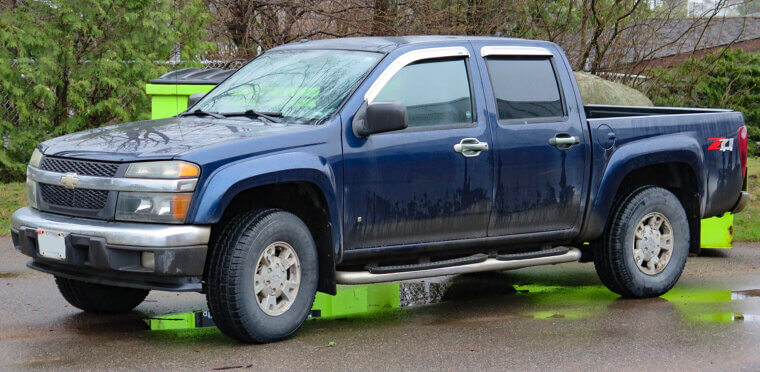
2007 - 2009 Chevrolet Colorado
Chevy’s first‑gen Colorado entered the late 2000s already feeling behind the curve. This car’s base engines struggled to move the truck with any enthusiasm, and the interior materials reminded drivers of budget rental cars. While it offered decent maneuverability, the overall package lacked refinement, making it hard to recommend over rivals. Many owners found themselves frustrated by electrical gremlins and a general sense of cost‑cutting. Even the optional inline‑five engine, which sounded promising on paper, rarely delivered the punch people expected. So in the end, it was simply a truck that tried to do a lot but didn’t excel in any one area; which, as you’d expect, led to its slow fade from the industry.
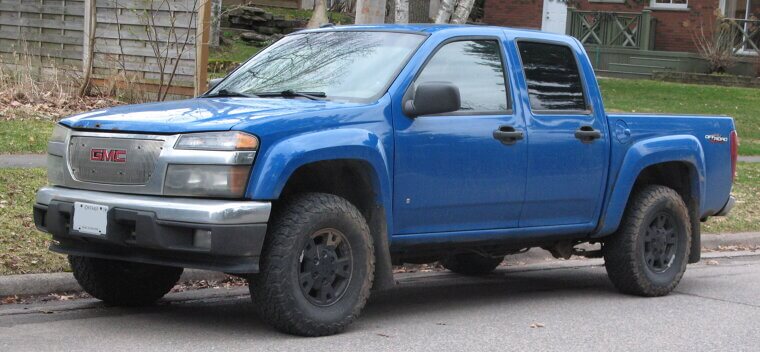
2008 - 2010 GMC Canyon
The Canyon shared nearly everything with the Colorado, including its shortcomings. GMC attempted to position it as the more upscale sibling, but the differences were mostly cosmetic. Buyers hoping for a more polished experience often walked away disappointed by the same underpowered engines and uninspiring cabin. The truck’s ride quality felt unsettled on rough pavement, and the available features lagged behind competitors - while it wasn’t outright terrible, it simply didn’t offer enough value to justify its price. As the decade closed, the Canyon became a reminder that badge engineering couldn’t hide deeper flaws (especially as drivers couldn’t even feel safe driving it!)
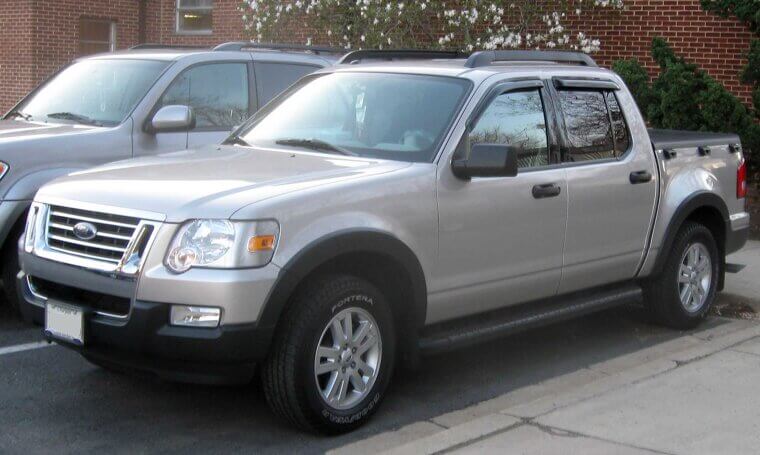
2007 - 2008 Ford Explorer Sport Trac
Ford’s Explorer Sport Trac tried to merge SUV comfort with pickup practicality, but the result never fully clicked. Its proportions felt awkward, and the bed was too small for serious hauling. Inside, the cabin leaned heavily on aging Explorer components, giving it a dated feel even when straight from the factory. Reliability concerns also didn’t help its reputation, especially as owners reported transmission and electrical faults. While the idea behind the Sport Trac was appealing, execution fell short, leaving it stuck between categories without mastering either. It became one of those vehicles people remember more for its concept than its capability - ouch!
2009 Mitsubishi Raider
The Mitsubishi Raider was essentially a rebadged Dodge Dakota, and unfortunately, it inherited most of that truck’s problems. It arrived at a time when Mitsubishi’s U.S. lineup was shrinking, and the Raider never gained traction with buyers. The interior felt sparse, the ride lacked composure, and the available engines didn’t inspire confidence. With limited marketing and almost no brand identity behind it, the Raider faded quickly from the market. Today, it’s mostly remembered as a curious footnote in Mitsubishi’s history rather than a serious contender in the pickup segment.

2007 - 2009 Suzuki Equator
Suzuki’s attempt at entering the pickup world came in the form of the Equator, a lightly reworked Nissan Frontier. While the underlying platform was competent, Suzuki didn’t offer enough differentiation to attract buyers. The truck felt anonymous, and the brand’s declining dealership network made ownership inconvenient. Performance was adequate but unremarkable, and the interior lacked the polish shoppers expected by the late 2000s. As Suzuki prepared to exit the U.S. market, the Equator quietly disappeared, leaving behind a legacy of being perfectly forgettable.

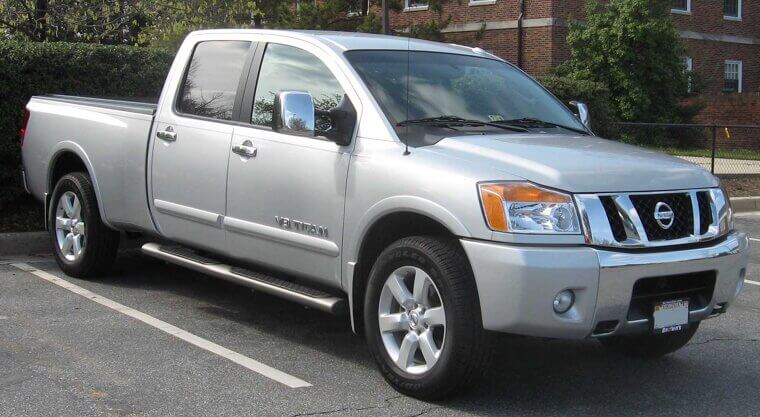
2008 - 2010 Nissan Titan
By the late 2000s, the Titan was showing its age. Nissan hadn’t significantly updated the platform, and it struggled to keep up with rapidly improving domestic rivals. The gas-guzzling V8 engine delivered power but punished owners at the pump, and interior quality lagged behind competitors. Reliability concerns, particularly with the rear axle and brakes, further hurt its reputation. While the Titan had a loyal following, it simply didn’t evolve quickly enough to stay competitive; so buyers looking for modern features or better efficiency often looked elsewhere.
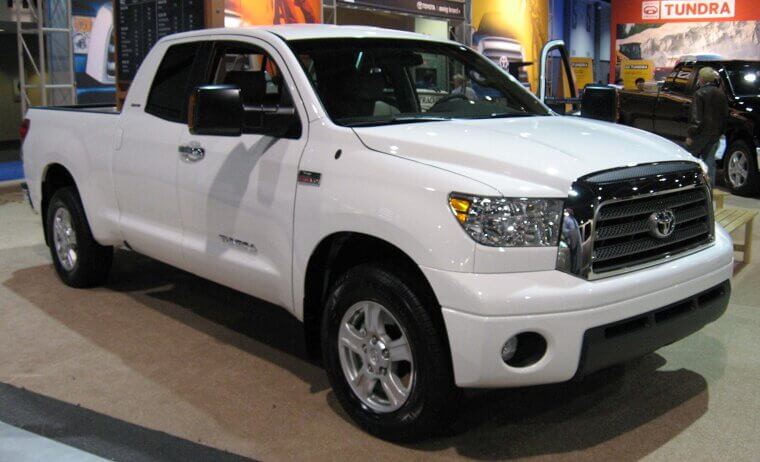
2007 - 2009 Toyota Tundra 5.7L (early Years)
Toyota’s early 5.7L Tundra models were ambitious but not without problems. Some trucks suffered from camshaft failures, leading to expensive repairs and frustrated owners. The truck’s size and power were impressive, yet the build quality didn’t always match Toyota’s reputation. Interior plastics felt cheap, and the ride could be harsh on uneven roads. While later models improved significantly, these early years left a mixed impression. Sure, there’s no denying the Tundra had potential, but its growing pains made it a risky choice during this period.
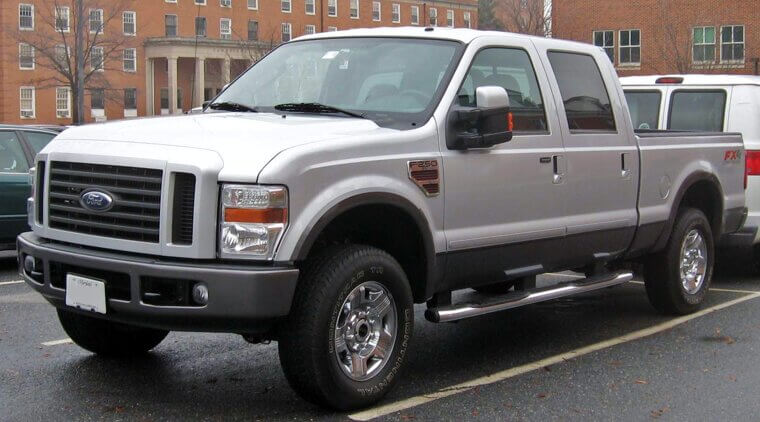
2008 - 2010 Ford F‑250/F‑350 6.4 PowerStroke
Ford’s 6.4‑liter PowerStroke diesel promised big torque but delivered big headaches - owners frequently dealt with costly emissions‑related failures, poor fuel economy, and complex maintenance requirements. The engine’s design made repairs time‑consuming, often requiring major disassembly for relatively simple fixes. While the trucks themselves were capable workhorses, the powertrain overshadowed their strengths. Many drivers found themselves spending more time and money at the shop than expected. It was a tough lesson in how new emissions technology could complicate heavy‑duty ownership.
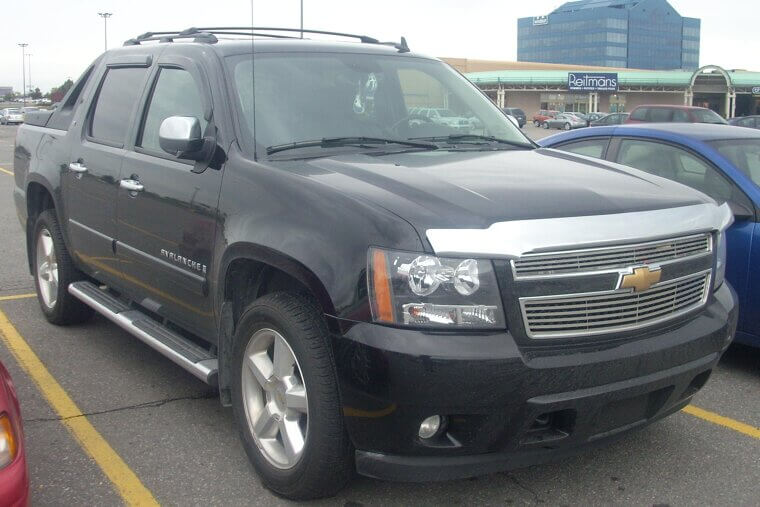
2007 - 2009 Chevrolet Avalanche
The Avalanche was always a polarizing truck, and by the late 2000s, its appeal had faded. Build quality slipped, and the interior materials felt cheaper than earlier models. The midgate system remained clever, but most buyers didn’t need the feature often enough to justify the compromises. With this, fuel economy was disappointing, and the truck’s bulky proportions made it cumbersome in tight spaces. While some owners loved its versatility, many others found it trying to be too many things at once - it ultimately struggled to stand out in a crowded market.
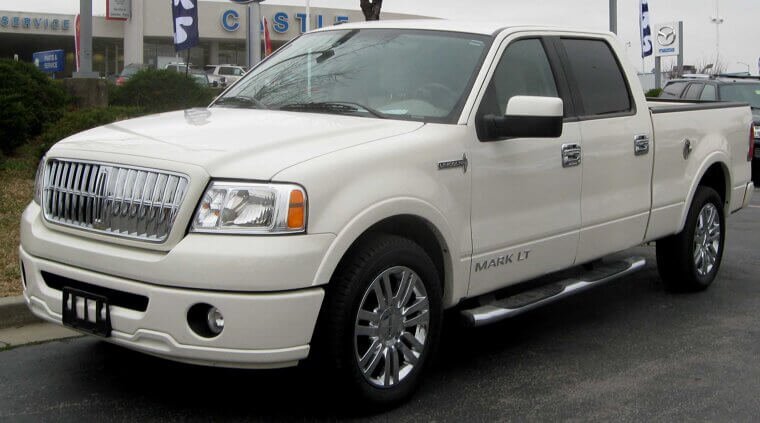
2008 - 2010 Lincoln Mark LT
Lincoln’s Mark LT attempted to bring luxury to the pickup world, but it never offered enough distinction from the Ford F‑150 to justify its pocket-emptying premium price tag. The styling was understated to a fault, and the interior upgrades felt minimal. Buyers expecting a true luxury experience often walked away underwhelmed. Sales remained low, and the truck quickly became a symbol of badge engineering gone wrong. While comfortable and capable, it simply didn’t deliver the exclusivity Lincoln shoppers wanted.
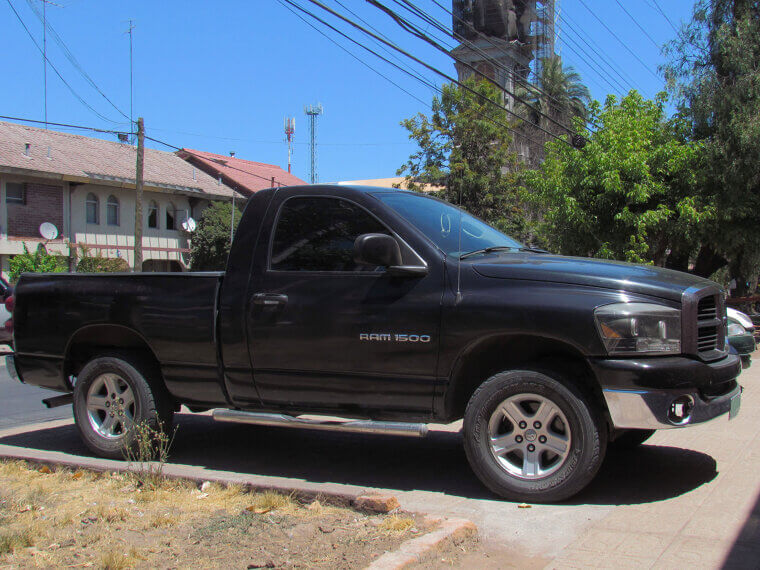
2007 - 2009 Dodge Ram 1500 (pre‑redesign)
Before its major 2009 overhaul, the Ram 1500 was showing its age. The interior felt like something from the 80’s, with hard plastics and limited storage options. Ride quality lagged behind competitors, and the available engines didn’t offer the refinement buyers expected. While the truck still had a loyal fan base, it struggled to keep pace with rapidly improving rivals. The redesign that followed highlighted just how far behind the outgoing model had fallen.
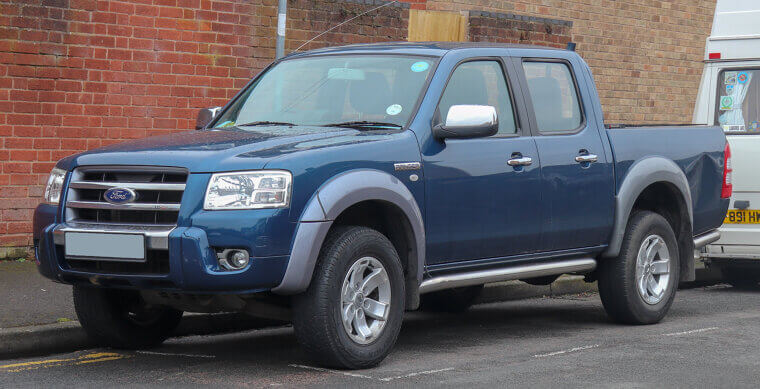
2007 - 2009 Ford Ranger
By the late 2000s, the Ford Ranger was well past its prime. Its compact size appealed to some, but the outdated platform lacked modern safety features and creature comforts. The engines felt sluggish, and the cabin design hadn’t evolved in years. While dependable in basic use, it simply couldn’t compete with newer, more refined rivals. The Ranger’s long production run made it familiar, but familiarity wasn’t enough to keep it relevant. It became a truck people bought out of necessity rather than excitement.
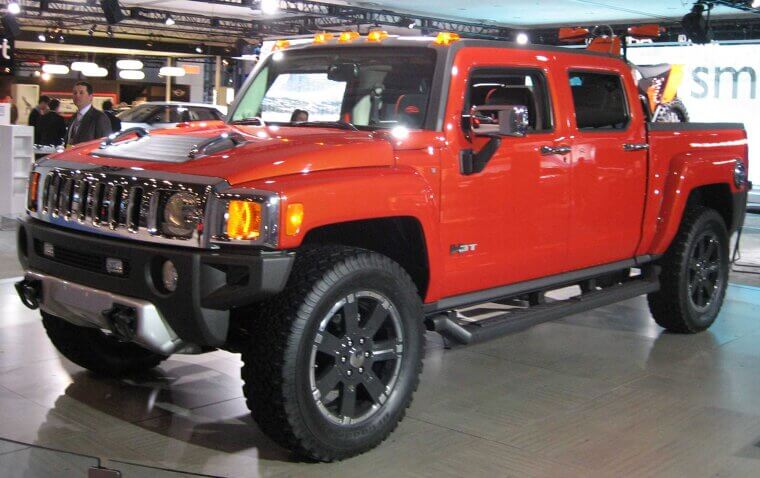
2008 - 2010 Hummer H3T
The H3T arrived with bold styling but lacked the performance to match its looks. Its weight held it back, making acceleration sluggish and fuel economy dismal. The interior felt cramped compared to other midsize trucks, and the brand’s looming shutdown didn’t inspire confidence. While off‑road capability was respectable, most buyers wanted a more balanced package. The H3T ultimately became a casualty of its era, remembered more for its timing than its talent.