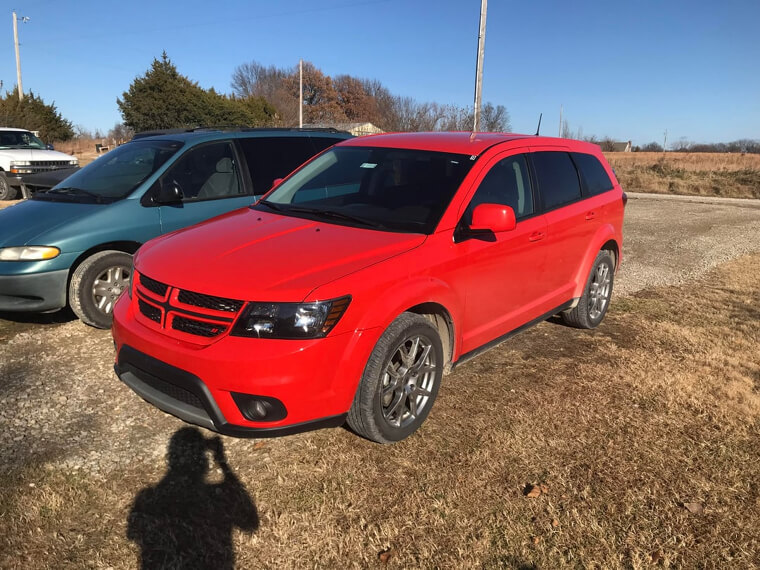
Dodge Journey
This vehicle's low cost and big size made it popular among families. At first, it was seen as an ideal SUV. Now, years later, the heavy and bland appearance of the vehicle is not so loved by people. The overall size and shape do not seem proportioned correctly, making the car look very antiquated. The interior and the tech also fell behind fast. Even when it was new, it was already a step behind. Time just made it impossible to ignore how uninspired the whole package really was. While it served a practical purpose for a time, it lacked the soul or innovation needed to remain relevant in a crowded market. It now sits as a bulky reminder of an era where quantity was often chosen over quality. Every plastic panel and dull curve confirms that this was a machine built for utility rather than any lasting style or grace.
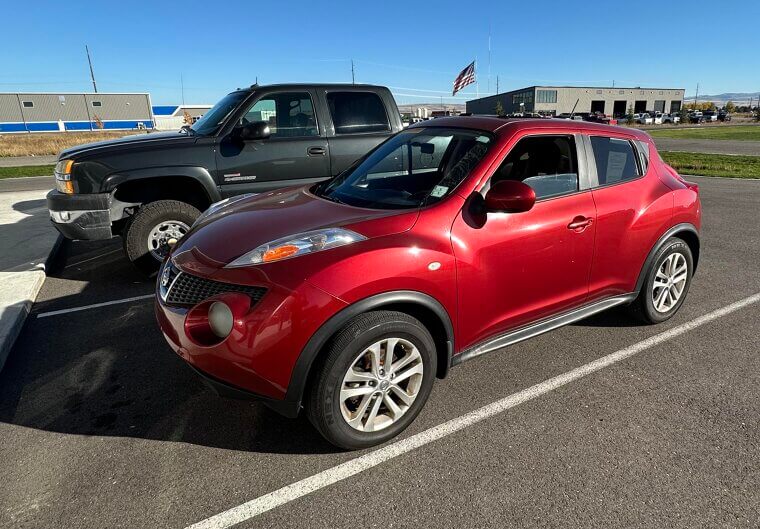
Nissan Juke
This car was polarizing from day one, but people loved it anyway. It felt bold, weird, and confident enough to pull it off. A decade later, and we've seen better styling than this. It definitely has a cluttered look to it now. The stacked headlights feel awkward, while the rounded body clashes with aggressive details. Inside, it feels cramped and cheap. What once felt brave now feels confused. Time did not soften the design. It highlighted every strange decision that was easy to forgive when it was new. Looking back, the aesthetic risks that seemed visionary back then have aged like milk in the sun. What used to be a conversation starter is now just an eyesore that serves as a reminder of how quickly automotive trends can shift. It is a relic of a brief era when eccentricity was valued more than actual longevity.
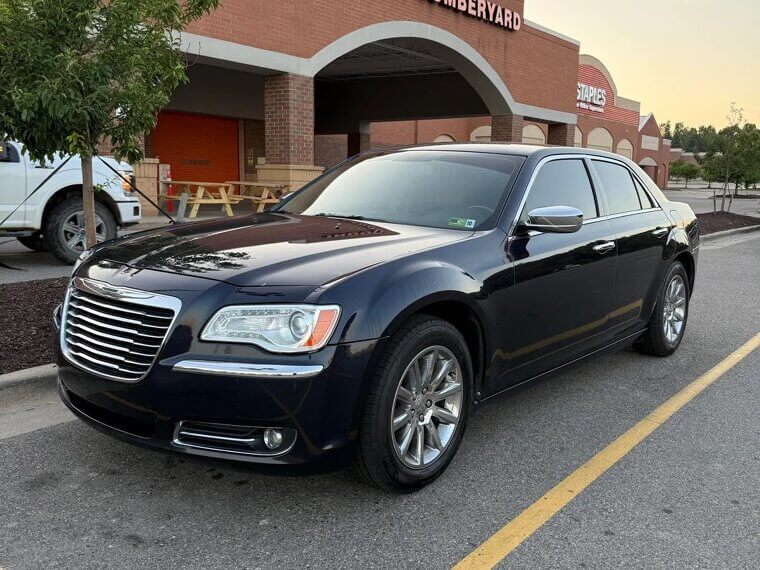
Chrysler 300 (2011 to 2018)
The 300 was memorable for its aggressive and commanding presence on the road, but now, it's apparent that the 300 has become less graceful. It has evolved into a bulky machine with a dated, unbalanced body style compared to new, streamlined sedan models available today. The interior also appears significantly out of style with too much plastic materials, as well as antiquated technologies.
BMW I3
When it was unveiled, the i3 gave many a sense that the future was right there. Iconic for its quirky shape, with tech that felt very much like a step into the future, it was stellar to say the least. Lately, what was once perceived as truly innovative now simply looks awkward. It appears odd when placed beside other more modern electric vehicles with sleeker appearances. The i3 is not ugly; it just comes across as an early-stage experiment whose designers were still trying to figure things out.

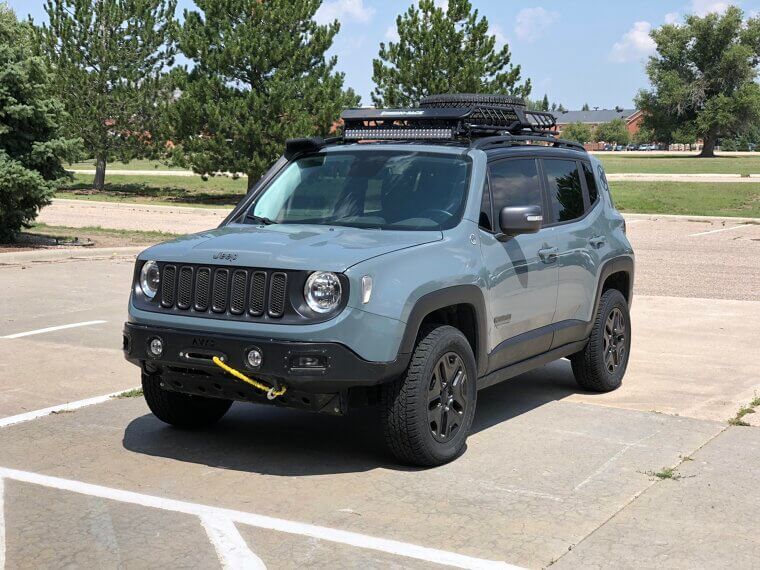
Jeep Renegade
People loved this vehicle for its small size, personality, and square, shapely body. It felt like a baby version of a Jeep and was fun for urban driving. Now it has an identity crisis. The round headlamps on its boxy exterior feel out of place, and it does not feel tough or refined. The interior design is cluttered, looks cheap, and no longer seems appealing. This car aged fast because it leaned too hard into being cute.
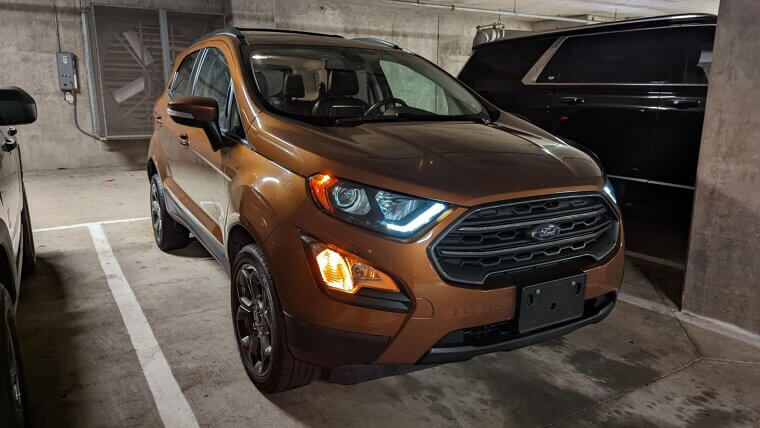
Ford EcoSport
This car was once hard to miss. It was compact, tall, practical, and it felt like the perfect city crossover. However, time passed, and the flaws became obvious. The design feels awkward, like a hatchback on stilts. The rear-mounted spare tire looks outdated, and the interior feels cramped and basic. Newer small SUVs make this one look unfinished. What once felt modern now feels like a placeholder car that is no longer wanted.
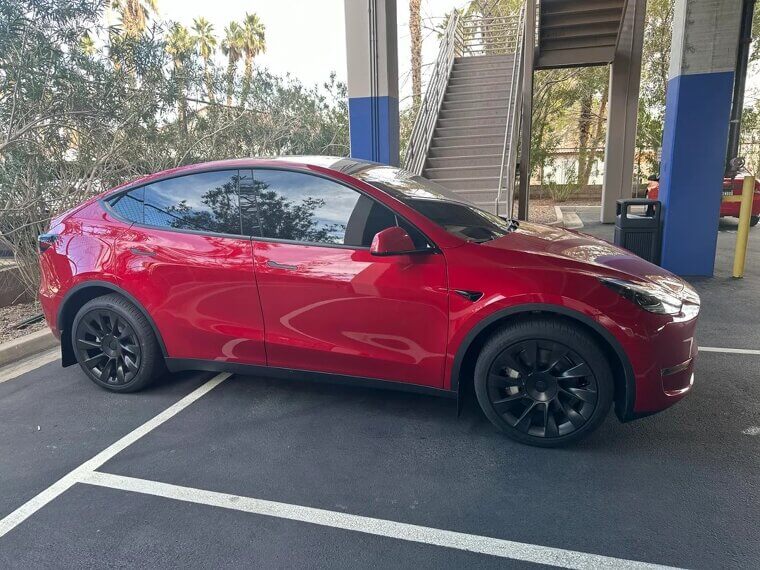
Tesla Model S (early Models)
People may be shocked to see this. At launch, this Tesla looked futuristic, clean, and minimalist in a good way. Today, however, early versions of the Model S look bland and basic. The large touchscreen display, while still a very nice feature, is no longer impressive now that almost all manufacturers offer this feature. After a couple of years of ownership, gaps in panels and build quality are easy to see. It is still important historically, but visually, it no longer feels like the future, but like the first draft of something better.
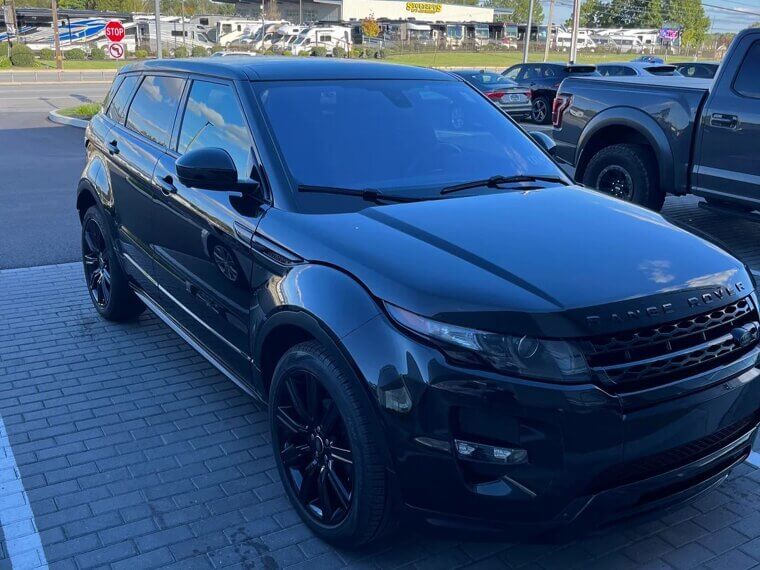
Range Rover Evoque (first Generation)
When the Evoque launched, it felt like a design mic drop. It had sharp lines, a floating roof, and instant luxury appeal. Owning one felt surreal, and everyone wanted one. Over time, the style has become redundant and excessive. The tiny windows and thick pillars make it look cramped, while inside, the tech aged quickly, and the layout feels cluttered. It went from being an enviable piece to a very ignorable one.
Chevrolet Cruze
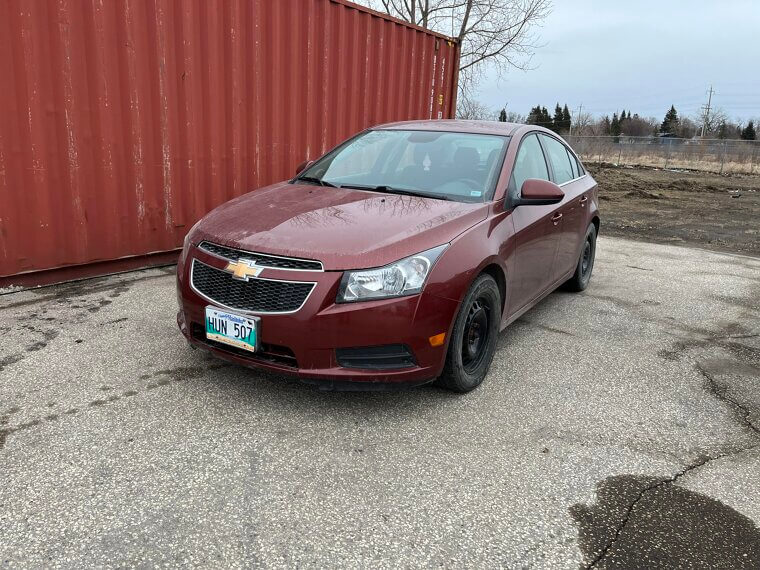
This vehicle used to be a smart, stylish compact choice with a clean look and modern lines. It was an overall classy product. Now it looks painfully generic. The design lacks character and blends into traffic in the worst way. Inside, the materials feel cheap, and the infotainment feels ancient. Nothing about it stands out anymore.
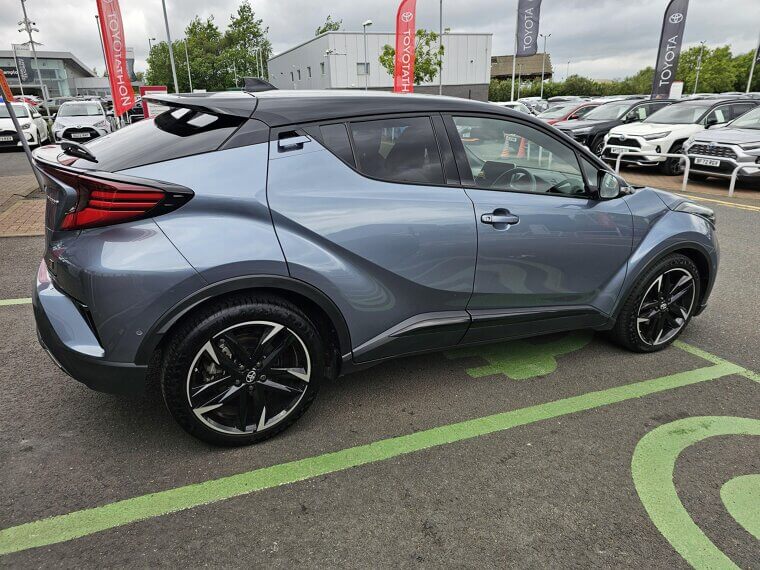
Toyota C-HR
When this car hit the market, it was viewed as daring and unique and had an edgy design, with sharp angles and futuristic styling. After some time had passed, weaknesses in this model became apparent due to its overdesigned approach. For instance, its awkward-shaped rear door handles, impractical sloping roofline, cramped feeling in the cabin area, and the original perception of the edgy look have changed over time. What once felt edgy now feels overdesigned. Newer Toyotas learned how to balance boldness with usability.
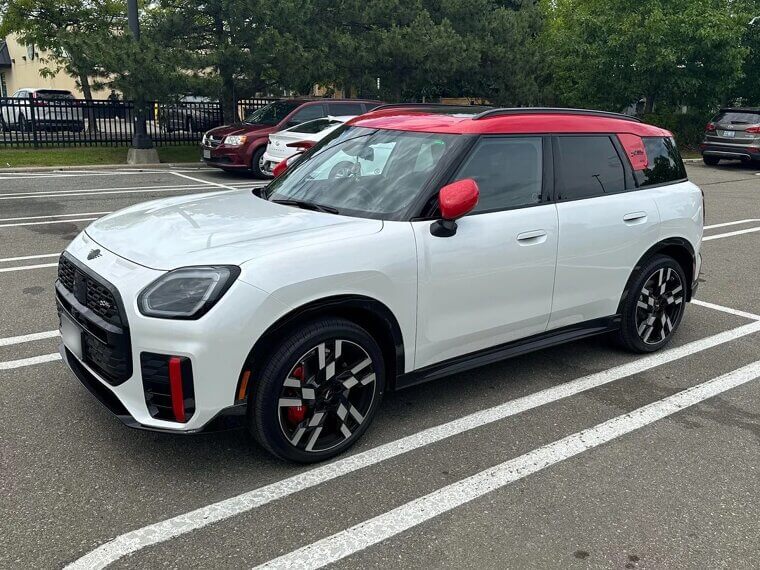
Mini Countryman (early Models)
The concept of a larger-sized Mini was one that people were initially open to. Its appearance was funky, it felt premium, and it had a completely different design from what it was modeled after. Seeing the early Countryman now, the proportions feel off. It looks too big, like the Mini design language was stretched too far. The interior has too many gimmicks that have not held up well over the years. The previous playfulness of its design now feels overwhelming and dated. It lost the charm that made the smaller Minis age more gracefully.
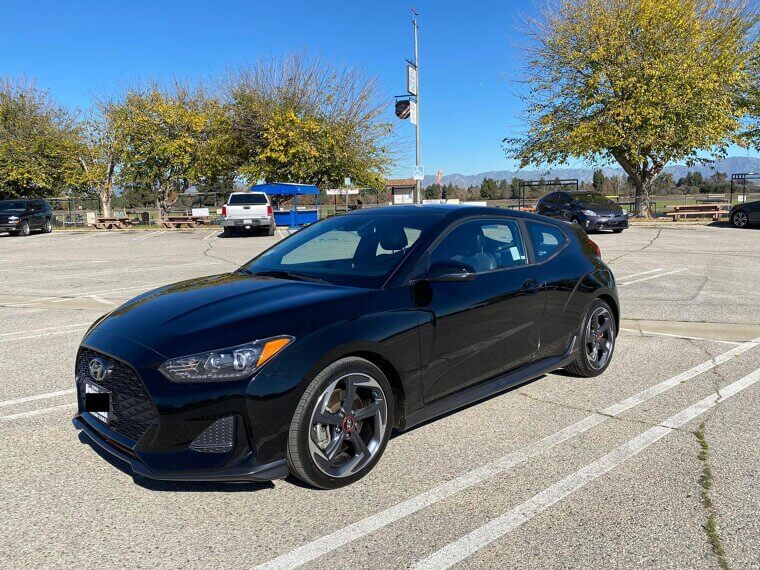
Hyundai Veloster (first Generation)
The Veloster was initially viewed as very different and cutting-edge within the automotive market when it was first released. It had a unique design with one door on one side of the vehicle and two doors on the opposite side. It is one of those automobiles with many bold design decisions made during its production. The design appeared innovative then, but now it seems like another gimmick. The asymmetrical nature of the vehicle's design gives it an unnatural appearance rather than a functional one. The novelty wore off quicker than the designers probably expected.
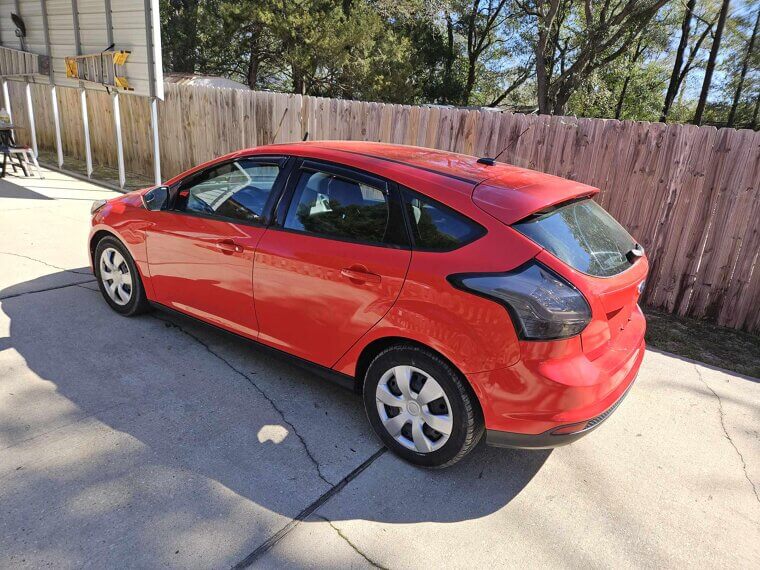
Ford Focus (2012 to 2018)
When it was first released, people considered the design of this car to be modern and sleek. It had that European styling and sporty appeal compared to its competitors. Fast forward several years, and the front end of the vehicle looks busy and awkward. The grill is small, and the headlamps appear unbalanced together, giving it a frail look. The dashboard feels cluttered and full of buttons, making it overwhelming now. The infotainment system has also lost a lot of its appeal. The Ford Focus aged badly because it tried to be futuristic with tech and design that did not have the staying power to last.
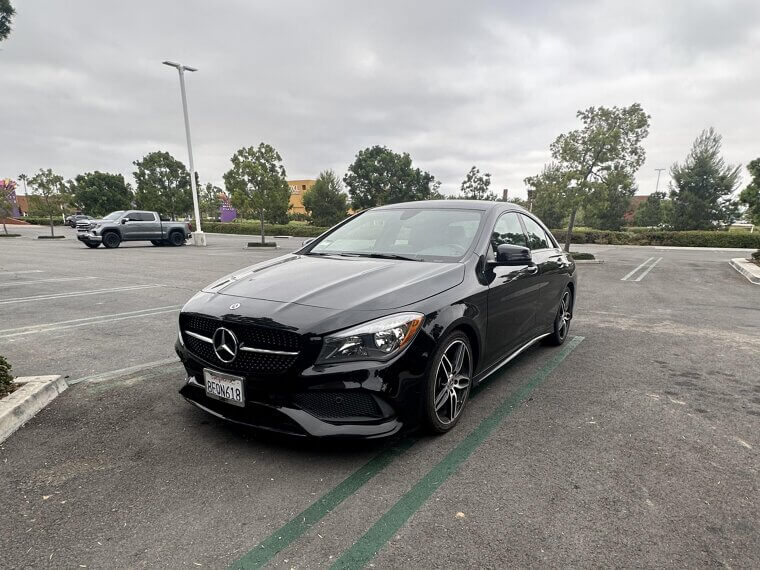
Mercedes Benz CLA (first Generation)
At the time of its release, this was an affordable Mercedes that everyone was clamouring for, with its very sleek, coupe-like design. Looking at it now, you’ll notice how odd the proportions are, with the roofline looking awkward, while the tiny windows make it feel cramped. The cabin feels cheap and unlike what we consider to be standard interior quality from Mercedes today. The tablet-style screen is outdated, and items that were once seen as premium features are now seen as being cost-cutting measures under the guise of luxury.
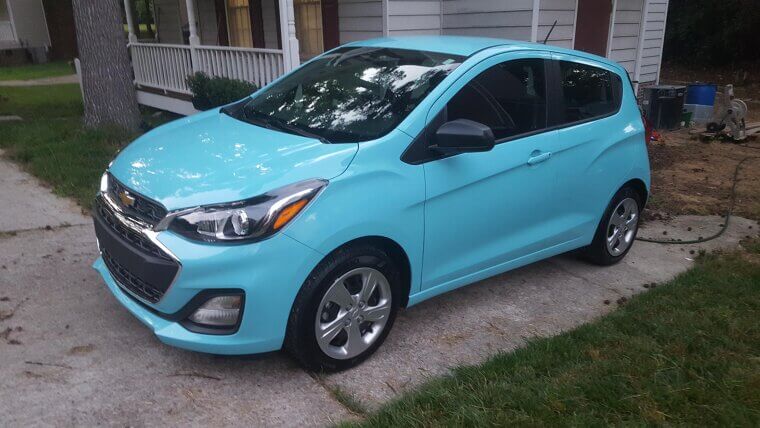
Chevrolet Spark
When this car hit the market, it felt cheerful and contemporary. It was small, colorful, and city-friendly. However, as time passed, many of the car's flaws became apparent. The vehicle's overall appearance evolved from being cute to awkward, like a toy that grew too big. The interior quality does not feel high-end, and the technology used in the vehicle became obsolete soon after it hit the market. Although the expectations of consumers for functionality and performance were met, this vehicle did not age with any dignity at all.