
Chevrolet Traverse
The 2013 model of the Chevrolet Traverse featured an outdated transmission that has not held up well over time. On average, it only lasted between 175,000 km and 225,000 km, which is nothing compared to other models. Many owners frequently report issues like severe gear slipping, delayed engagement when shifting, and a sudden loss of power while driving. These complications often stem from internal component failures or faulty shift solenoids within the automatic transmission system. When these parts wear down, they can release metal debris into the fluid lines, compounding the overall system damage. Drivers typically notice a harsh shaking, loud grinding noises, or a complete refusal to shift gears.
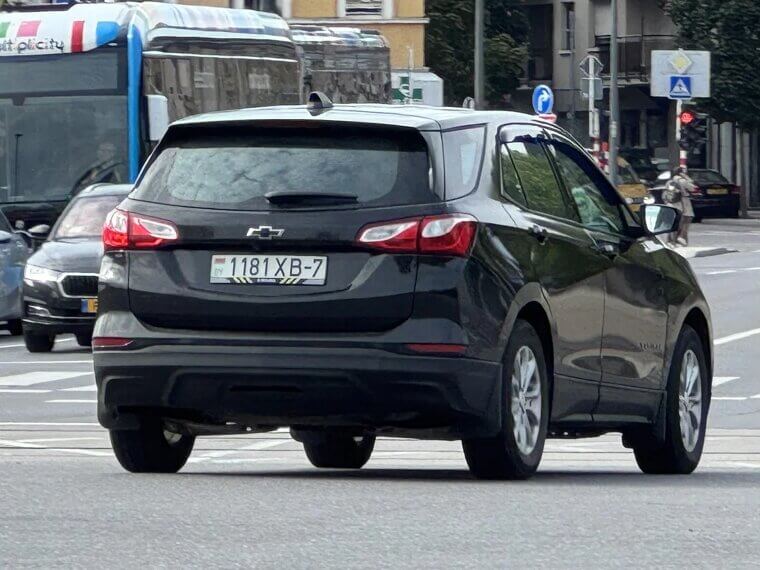
Resolving this problem usually demands an expensive rebuild or a full assembly replacement, transforming an otherwise practical family crossover into a costly maintenance headache for secondhand buyers.
Nissan Altima
Most people can only get between 65,000 km and 125,000 km out of their Nissan Altima, which is pretty dismal. While the Altima is a great-looking car, it simply isn’t very long-lasting or durable. The Toyota Camry, on the other hand, is similar in build and design, but has a much better transmission. Much of this bad reputation stems from its notorious Continuously Variable Transmission, or CVT. Owners frequently report severe shuddering, sudden hesitation during acceleration, and loud whining noises. In many cases, the system overheats, forcing the sedan into a restrictive "limp mode" on the highway to protect itself.
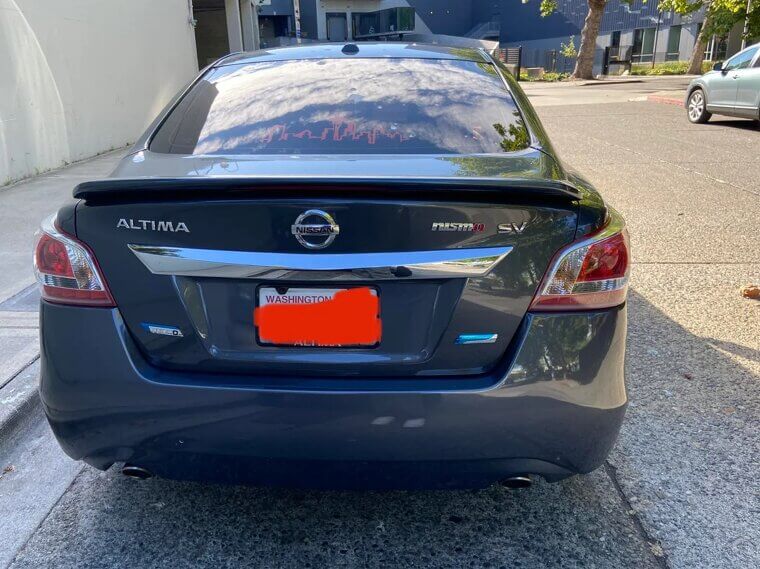
Because these units are highly prone to premature internal wear, complete catastrophic failure can occur without warning. Unfortunately, fixing a blown CVT typically requires a total replacement rather than a minor repair, leaving drivers with massive mechanic bills.
Nissan Rogue
To say that the 2013 Nissan Rogue left a lot to be desired in the transmission department would be an understatement. With an average mileage of 150,000 km to 240,000 km, the Rogue often requires frequent (and pricey) repairs. Much of the trouble circles back to Nissan's reliance on their early-generation Continuously Variable Transmission (CVT). Drivers frequently experience severe shuddering, delayed acceleration, and a distinct, high-pitched whining sound from under the hood, especially during longer highway trips. The system is highly prone to overheating, which triggers a protective "limp mode" that restricts vehicle speed unexpectedly.
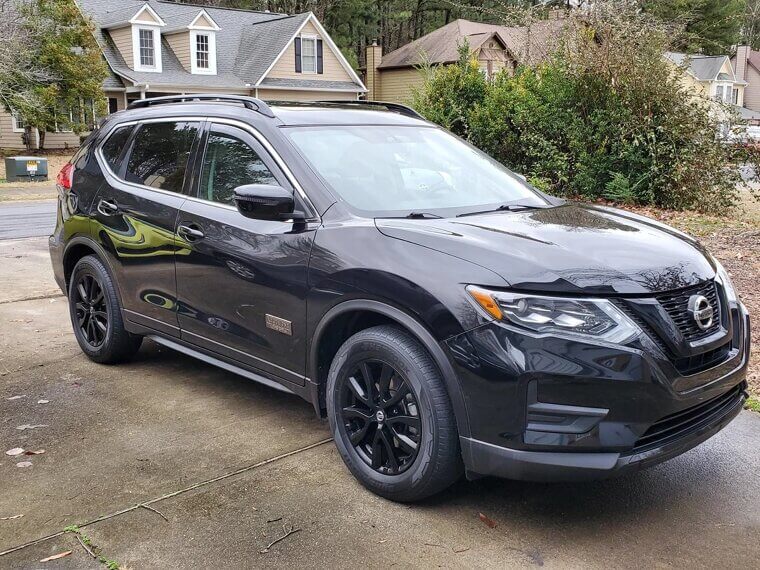
Because these units are tightly sealed and incredibly complex, standard mechanical fixes rarely work. Instead, owners are usually forced to opt for a complete transmission replacement, which can easily cost thousands of dollars and outvalue the vehicle itself.
Infiniti QX80
If you bought an Infiniti QX80, you shouldn’t expect to get more than 150,000 km out of it. While the car looked and felt great, it simply didn’t offer the longevity that most people look for in a car. As a result, it was outshone by similar models with a better transmission, such as the Lexus RX. The core of the issue frequently lies in the vehicle's 7-speed automatic system, which is prone to severe shuddering and harsh gear shifts. Many drivers experience a notable hesitation when accelerating, alongside overheating issues during heavy towing. Internal component wear, particularly within the torque converter, can lead to premature failure.

Once the transmission begins to slip, metal shavings often contaminate the fluid, causing widespread damage. Because rebuilding these complex luxury setups requires specialized labor, owners face staggering repair bills.
Ford Fiesta
Between 2011 and 2014, the Ford Fiesta range simply wasn’t very good. Even though these cars could reach up to 235,000 km in mileage, the transmission often required pricey repairs. The Honda Fit and Hyundai Accent were much more reliable options. This era of Fiestas suffered immensely from the notorious PowerShift dual-clutch transmission. Designed to provide the efficiency of a manual with the ease of an automatic, it unfortunately resulted in severe shuddering, hesitating, and violent jerking during acceleration. These rough transitions were usually caused by fluid leaking onto the dry clutch or a malfunctioning Transmission Control Module (TCM).
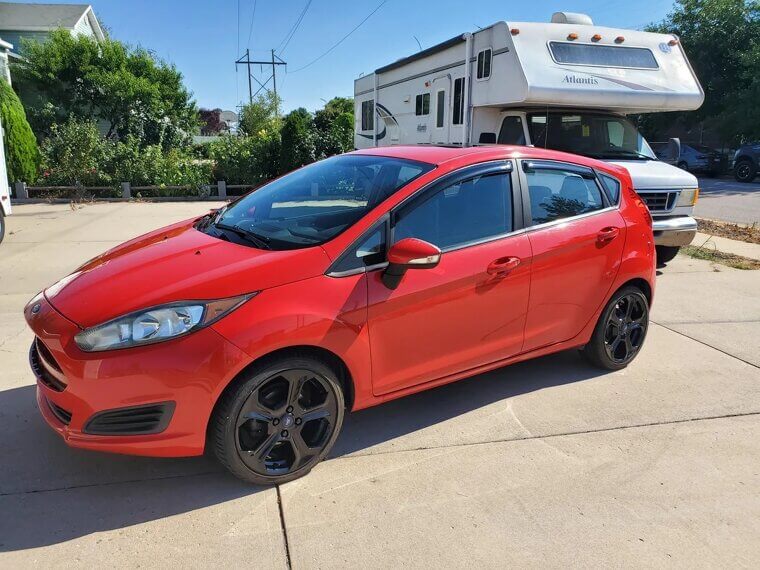
The frequent stalling and sudden loss of power forced Ford to face massive legal backlash and extended warranties. For unsuspecting buyers, a used Fiesta from these years can quickly become an absolute money pit due to recurring system overhauls.
Nissan Murano
The 2013 model of the Nissan Murano could only reach 190,000 km in mileage, which wasn’t very impressive. The car also required frequent repairs, leaving buyers incredibly frustrated. Much of this dissatisfaction comes down to the vehicle’s notorious Continuously Variable Transmission system, which is highly prone to premature internal wear. Drivers frequently report a sudden loss of acceleration while cruising at highway speeds, often preceded by a loud, high-pitched whining noise. The gearbox tends to overheat under normal driving conditions, forcing the crossover into a sluggish "limp mode" to prevent total destruction. Additionally, severe shuddering and violent jerking occur during routine city driving.

Since fixing individual internal components within these units is rarely an option, a complete transmission replacement is usually the only remedy. This leaves owners with massive repair bills that often eclipse the crossover's market value.
Kia Forte
Even though the Kia Forte was only released in 2019, many buyers only got between 20,000 km and 40,000 km out of the car! Obviously, this left them outraged, as the car wasn’t exactly cheap in the first place. The root of the trouble lies in Kia’s Intelligent Variable Transmission, or IVT. Intended to boost fuel economy, this variation of a CVT quickly gained a bad reputation for sudden, premature failures. Drivers commonly report severe engine revving without any acceleration, alongside a frustrating "rubber band" feeling when merging into traffic. Internally, the transmission's steel belt can slip across the pulleys, generating extreme heat and destructive metal debris.
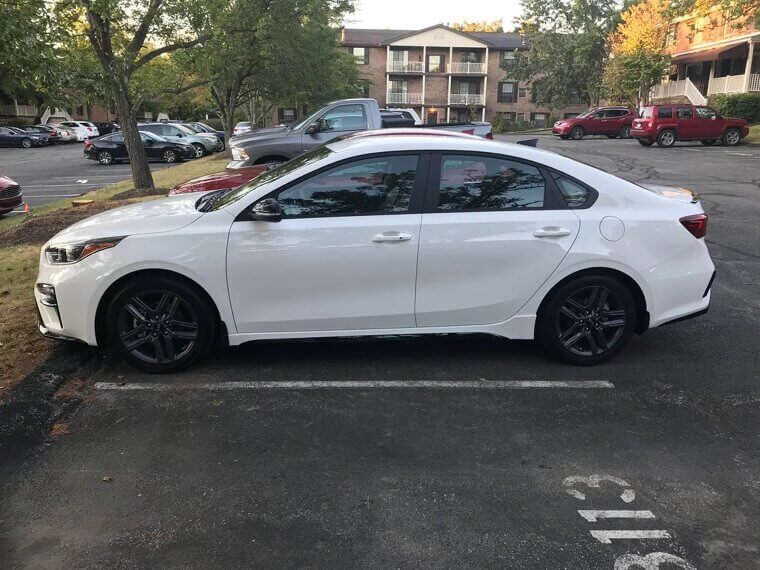
This defect often causes the car to lose power completely at highway speeds. Fixing these deeply flawed units usually requires a complete replacement rather than minor adjustments.
Ford Focus
The Ford Focus has definitely had its fair share of issues over the years. Models released between 2012 and 2017 were particularly problematic in the transmission department. Much of the outrage stemmed from the notorious PowerShift dual-clutch automatic transmission. Intended to combine manual fuel efficiency with automatic convenience, it instead delivered a jarring driving experience. Owners frequently complained about severe shuddering when accelerating from a complete stop, unexpected gear slipping, and moments of sudden power loss on the highway. These major flaws were usually caused by transmission fluid leaking onto the dry clutches or a glitchy Transmission Control Module.
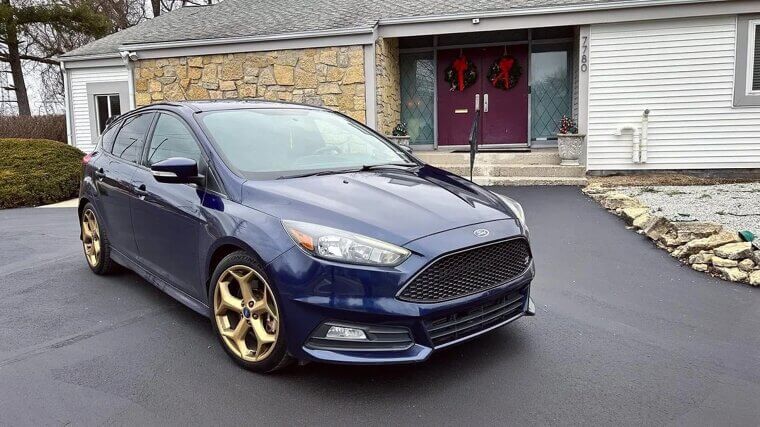
The widespread nature of these mechanical failures eventually sparked massive class-action lawsuits, forced extended factory warranties, and left countless buyers stuck with expensive, recurring repair bills for a system that couldn't be easily fixed.
Nissan Pathfinder
Nissan has released a fair few cars that have struggled with problematic transmissions. The Pathfinder was no different, as many buyers couldn’t get more than 90,000 km out of the car. Repairs were also incredibly pricey, which caused a lot of frustration. Much of this trouble stems from Nissan’s notorious Continuously Variable Transmission system. Owners frequently report a severe shaking or violent shuddering sensation when accelerating, a well-documented flaw commonly known as the "CVT judder." This frustrating performance issue is usually caused by internal belt slippage and premature wear on the metallic pulleys.

When the system degrades, it can trigger a sudden, dangerous loss of throttle response at highway speeds. Because these complex units are tightly sealed, mechanics can rarely repair individual internal parts, making a complete, expensive replacement the only real solution.
Nissan Sentra
The Nissan Sentra was yet another Nissan model that failed to impress. If you invested in one of these, get ready to become best friends with your local repair guy, as the car will inevitably give you repeated problems. A big chunk of these headaches stems directly from the vehicle's troublesome Continuously Variable Transmission. Owners frequently describe an unsettling sensation where the engine revs loudly but the compact car fails to accelerate properly. This lag is often accompanied by severe shaking, sudden jerking, or a distinct whining noise. The internal steel belt and pulleys suffer from premature wear and can overheat during standard commutes.
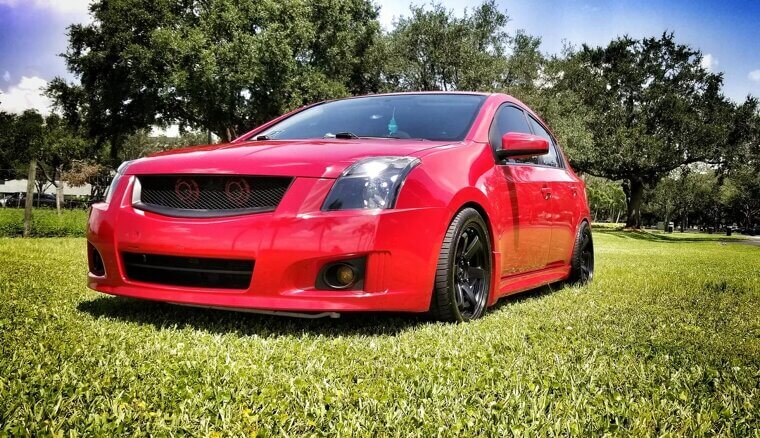
When the system fails, it often forces the sedan into a restrictive safety mode. Because individual internal parts are rarely serviced, fixing the issue usually means a complete, highly expensive transmission replacement.
Buick Enclave (2008–2012)
As a luxury sibling to the Chevrolet Traverse, the Buick Enclave shares the exact same mechanical platform and the same troublesome six-speed automatic transmission. Drivers who bought this upscale crossover for its quiet cabin and smooth ride were often disappointed when the transmission began to act up. Just like the Traverse, the Enclave suffered from premature failure of the internal wave plate, leading to harsh shifting, slipping gears, and a complete loss of reverse gear. This problem often happened without any advanced warning, transforming a pleasant drive into an immediate trip to the mechanic.
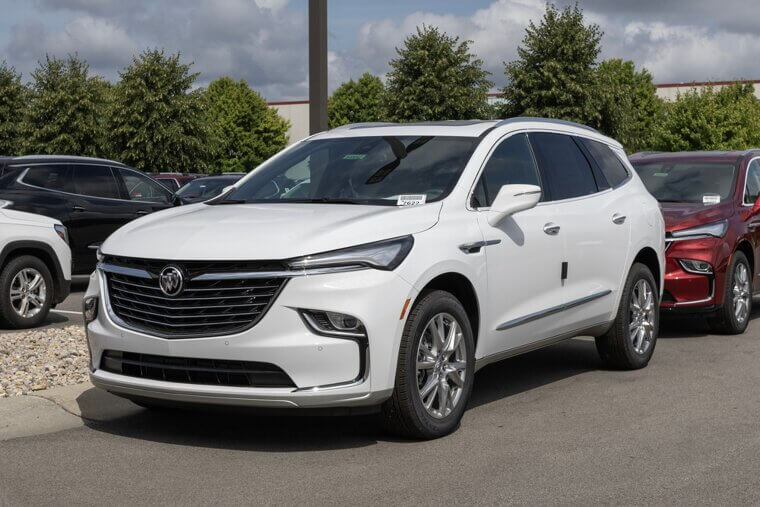
Repairing this defect typically requires a complete rebuild or a total transmission replacement, which can easily cost several thousand dollars for owners out of warranty.
GMC Acadia (2008–2012)
Completing the trio of General Motors crossovers from this era, the popular GMC Acadia is equally affected by the notorious 3-5-R wave plate failure. Owners who used their Acadia for towing small trailers or taking long family vacations often found themselves stranded when the transmission unexpectedly quit working. Common warning signs included erratic shifting, high engine revs without any increase in vehicle speed, and a sudden check engine light on the dashboard. Because these vehicles are heavy, the strain on a compromised transmission can cause total internal destruction very quickly.
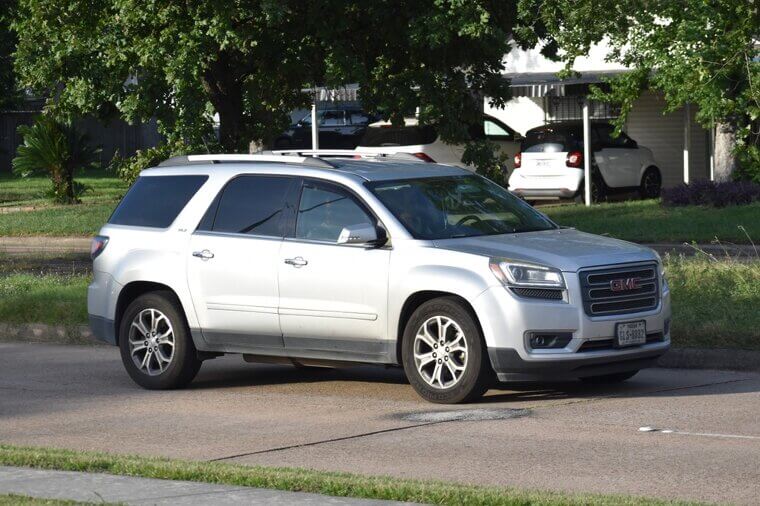
If you are looking at purchasing a pre-owned Acadia from these model years, it is absolutely essential to verify if the transmission has already been rebuilt with updated parts.
Jeep Cherokee (2014–2019)
When Jeep introduced the redesigned Cherokee, it came equipped with an advanced nine-speed automatic transmission built by ZF. While nine gears sound great for saving fuel on the highway, the software controlling this system proved to be a massive headache. Owners quickly flooded internet forums with complaints about incredibly harsh shifting, random gear drops, and unexpected hesitation when accelerating. The vehicle would reportedly shift so hard that it felt like being rear-ended by another car. Jeep issued numerous software updates over the years to fix the jerky performance.
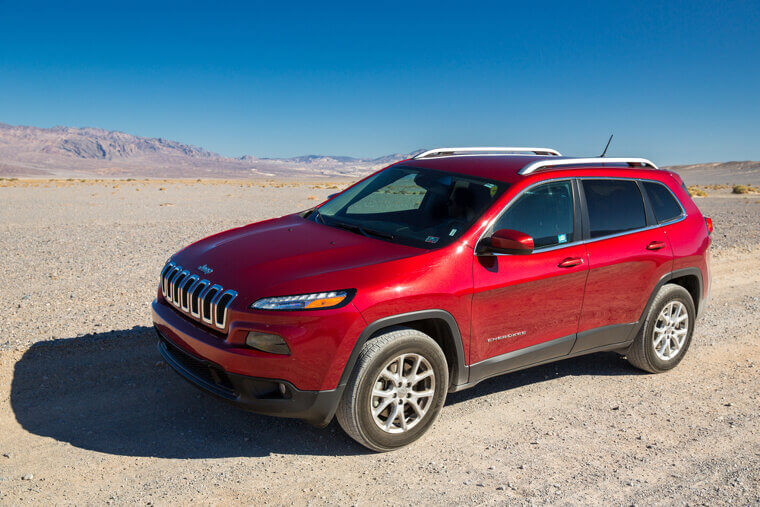
But many drivers found that the adjustments only provided temporary relief. The unpredictable nature of this nine-speed transmission has made it one of the most frustrating modern Jeeps to own.
Chrysler 200 (2015–2017)
The sleekly redesigned Chrysler 200 was intended to compete with major midsize sedans, but its life was cut short due to slow sales and mechanical complaints. A major culprit behind its poor reputation was the implementation of the same nine-speed automatic transmission used by Jeep. Owners frequently experienced rough shifts, slipping gears, and sudden shifts into neutral without any warning. This made driving the car feel like a constant guessing game. The National Highway Traffic Safety Administration received hundreds of complaints regarding this issue, leading to recalls to update the powertrain software.
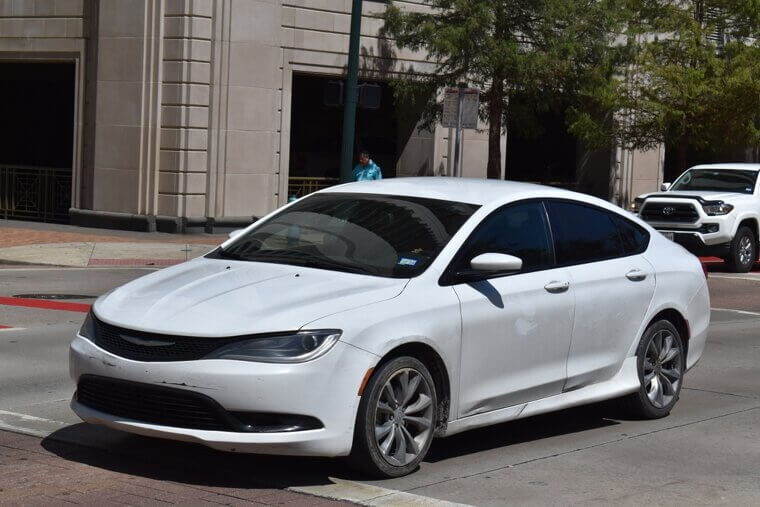
Unfortunately, the software fixes did not always resolve the underlying mechanical issues, making this a risky sedan to buy on the used market.
Honda Odyssey (1999–2005)
Honda is famous for building incredibly reliable vehicles, but the turn of the century was a very dark period for their popular Odyssey minivan. The V6 engine in these vans was incredibly strong, but the automatic transmissions simply could not handle the heavy weight and power of the vehicle. Internal components would overheat rapidly, causing the transmission fluid to break down and fail to lubricate the moving parts. This resulted in gears slipping, severe shuddering, and complete mechanical failure, sometimes at very low mileage. Many families found themselves stranded on road trips with a broken minivan.

Honda faced significant pressure from owners and eventually extended the warranty, but finding an early Odyssey with its original transmission intact is rare.
Acura TL (2000–2003)
Acura is the luxury division of Honda, and the early 2000s TL sedan was incredibly popular for its sporty performance and upscale features. Unfortunately, it inherited the exact same fragile automatic transmission as the Accord V6 and the Odyssey minivan. Owners of these entry-level luxury cars frequently dealt with gear slipping, harsh engagement, and sudden failure while driving at highway speeds. The issue was so widespread that it resulted in a major class-action lawsuit and a massive warranty extension from Acura.
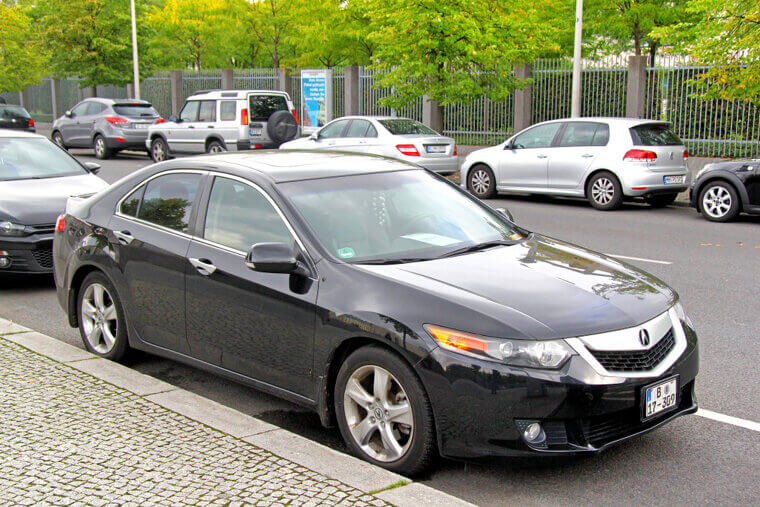
Many original owners had to have their transmissions replaced multiple times under warranty. If you are shopping for a classic used luxury sedan, avoiding these specific model years is highly recommended by automotive experts.
Ford Explorer (2002–2006)
The midsize Ford Explorer was a massive sales success, but this specific generation is legendary among mechanics for its severe transmission problems. The five-speed automatic transmission used in these SUVs featured internal aluminum bores that would wear out over time due to the constant pressure of the transmission fluid. Once these bores wore down, the transmission could no longer maintain proper hydraulic pressure, leading to slipping gears, delayed engagement, and a flashing "O/D Off" light on the dashboard.
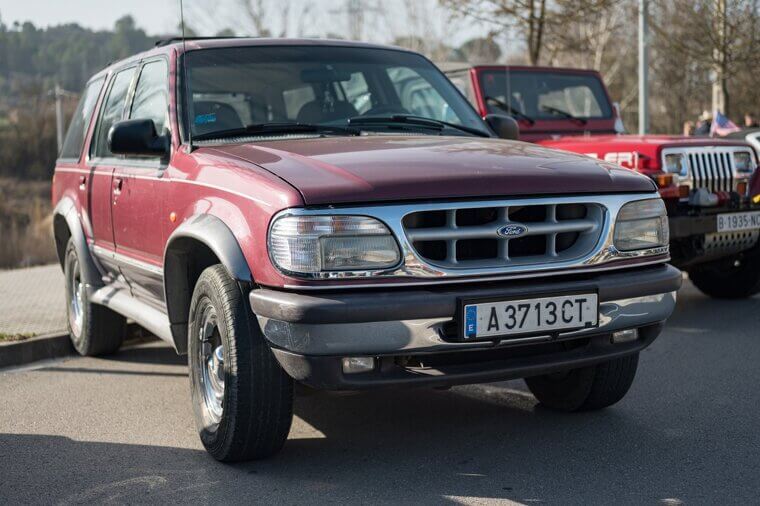
Drivers often reported a loud clunking noise when shifting from park into drive. Repairing this issue usually required a complete transmission rebuild with updated steel sleeves, which was a very expensive fix for owners.
Chevrolet Cruze (2011–2015)
The Chevrolet Cruze was a popular compact car designed to offer excellent fuel economy and a quiet ride for commuters. Sadly, its reliability record is heavily stained by issues with its six-speed automatic transmission. Drivers of these models frequently complain about erratic shifting behavior, where the transmission seems confused about which gear to select. It is also common for the transmission to slip out of gear while driving, causing the engine to rev loudly without accelerating the car.
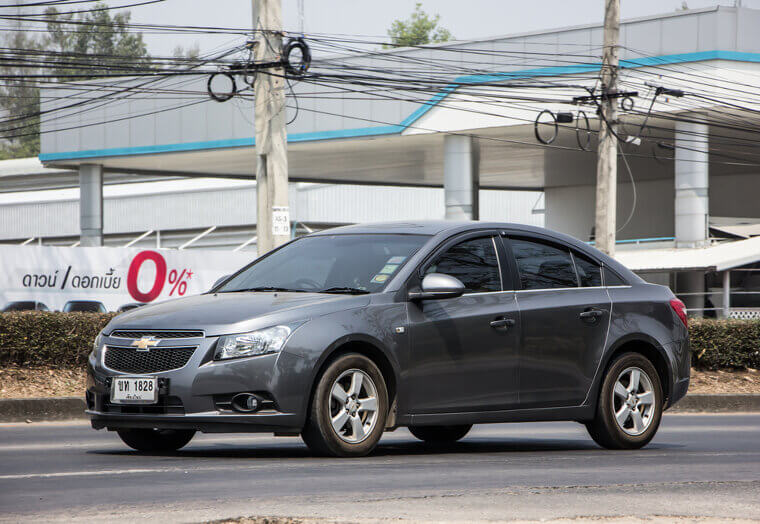
Many owners have reported that the transmission fluid leaks easily from the cooler lines, leading to low fluid levels that cause catastrophic internal damage. It remains a problematic model that requires careful inspection before buying.
GMC Sierra 1500 (2014–2019)
Because the GMC Sierra is the mechanical twin to the Chevrolet Silverado, it suffers from the exact same eight-speed automatic transmission defects. Drivers who purchased these premium trucks for towing boats or hauling heavy cargo were frustrated by rough shifting, delayed throttle response, and the infamous highway shudder. The transmission often slams hard into gear when accelerating from a dead stop, which can feel quite alarming to anyone inside the cabin. General Motors issued several technical service bulletins advising mechanics to flush the transmission fluid with a new synthetic formula.
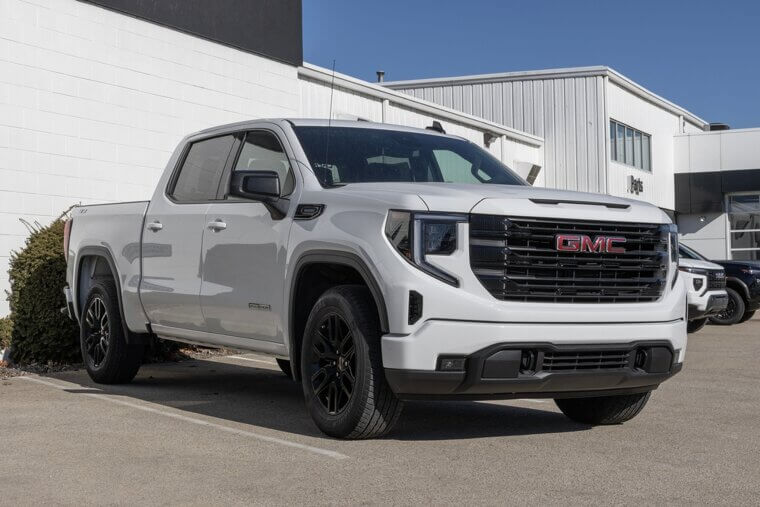
But for many owners, the damage to the internal clutches was already done, necessitating an expensive torque converter or total transmission replacement.
Subaru Outback (2010–2014)
The Subaru Outback is beloved by outdoor enthusiasts for its standard all-wheel drive and rugged dependability. However, this generation marked Subaru’s widespread transition to Lineartronic Continuously Variable Transmissions, which came with some growing pains. A very common issue for these model years involves a faulty torque converter clutch that refuses to release properly when the vehicle comes to a stop. This causes the engine to stall out unexpectedly, much like a manual transmission car if you forget to step on the clutch pedal.
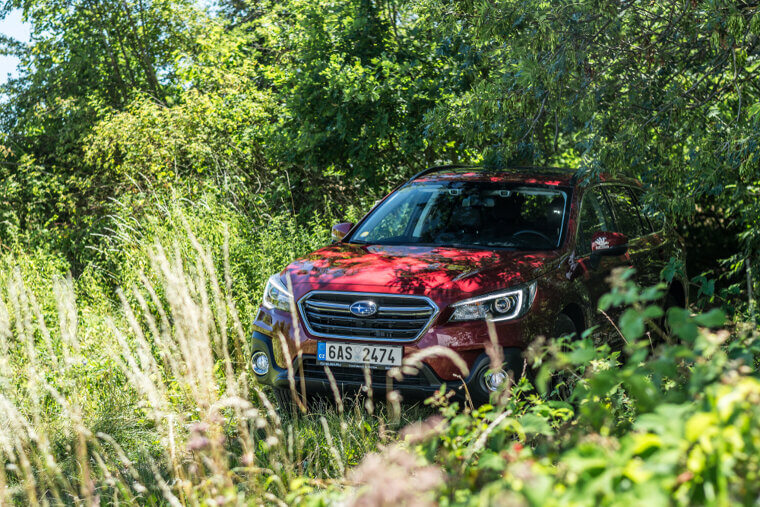
Being stuck with a stalling vehicle at a busy traffic light can be highly stressful. Subaru eventually extended the transmission warranty to ten years or one hundred thousand miles to address these concerns.
Mini Cooper (2002–2006)
The retro-styled Mini Cooper is incredibly fun to drive due to its go-kart-like handling and charming design, but the early automatic models are a massive financial risk. First-generation Mini Coopers equipped with the CVT are notorious for failing catastrophically at relatively low mileages, often before reaching sixty thousand miles. The internal components simply break apart under normal driving conditions, causing a complete loss of forward progress. Because these European transmissions are highly specialized and complex, repairing them is extremely difficult and expensive.
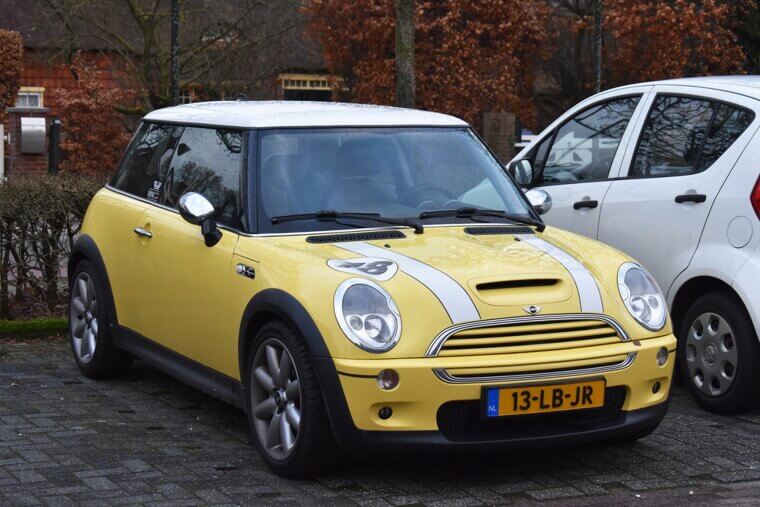
In many cases, the cost of a replacement transmission actually exceeds the entire market value of the car today, making an automatic early Mini a vehicle to avoid.
Kia Optima (2011–2014)
The midsize Kia Optima won praise for its sharp styling and excellent value, helping to transform Kia’s brand image. However, models from this era can develop significant issues with their traditional six-speed automatic transmission. Over time, internal temperature sensors are prone to failing, which tricks the car’s computer into thinking the transmission is overheating. This results in incredibly harsh shifting, random gear drops, and a sudden lack of acceleration. Drivers often describe a violent jerking sensation when the car shifts between second and third gear.
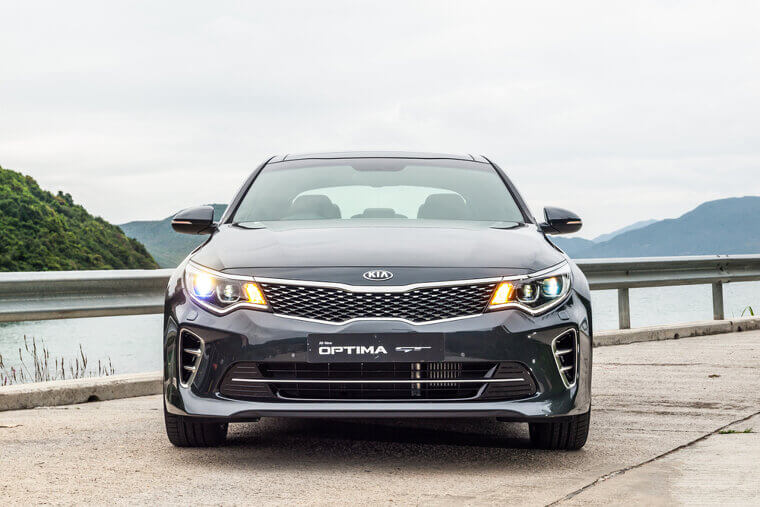
While replacing the sensor can sometimes fix the problem, neglecting the early warning signs can lead to permanent internal mechanical damage and a total failure.
Hyundai Elantra (2011–2016)
The Hyundai Elantra is a highly popular choice for budget-conscious buyers looking for a reliable commuter car. Unfortunately, models from this generation are known for developing frustrating transmission hesitations. The six-speed automatic transmission can become very slow to downshift when you need extra power, such as when merging onto a fast-moving highway or driving up a steep hill. Instead of shifting smoothly, the car may hesitate for several seconds before slamming aggressively into a lower gear.
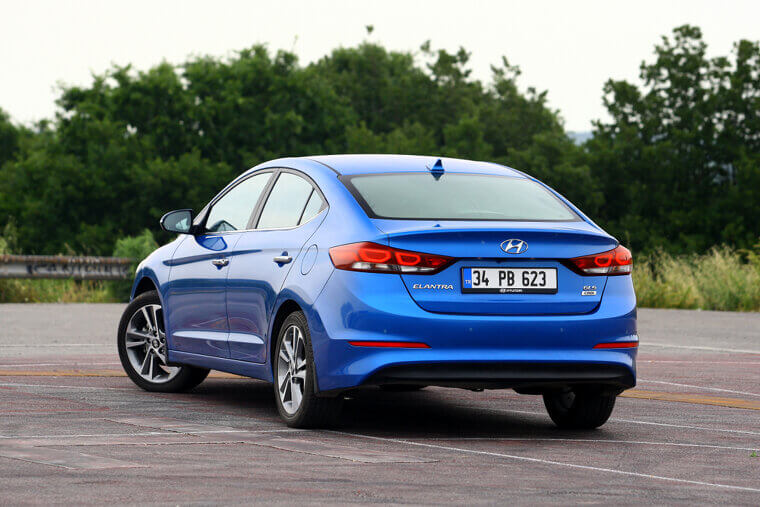
This jerky behavior makes for an uncomfortable ride and can cause premature wear on the internal clutches. Regular maintenance is key, but the design itself remains a common source of owner complaints.
Dodge Grand Caravan (2008–2012)
The Dodge Grand Caravan has been a staple of family life for decades, thanks to its clever Stow 'n Go seating and affordable price tag. Sadly, models from this era are equipped with a six-speed automatic transmission that has a reputation for being quite fragile. Owners frequently report rough shifting, loud clunking noises when changing gears, and complete transmission failure at around one hundred thousand miles. The internal solenoid packs and torque converters are common failure points that break down under the weight of a fully loaded minivan.
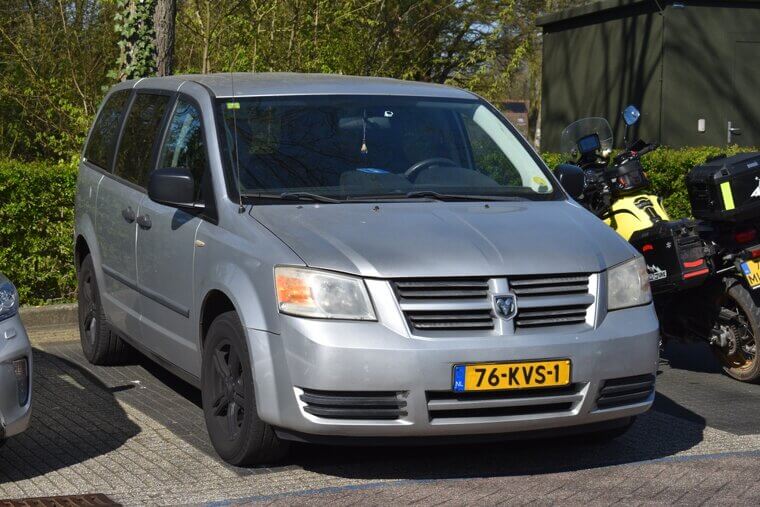
Dealing with a broken transmission is the last thing a busy parent needs, making this a risky choice for a cheap used family vehicle.
Chrysler Town & Country (2008–2012)
As the upscale sibling to the Dodge Grand Caravan, the Chrysler Town & Country features more leather and chrome, but it shares the exact same mechanical underpinnings. That means it is equally prone to the same severe six-speed automatic transmission failures. Drivers who purchased this minivan for luxurious family road trips often faced harsh shifting, slipping gears, and unexpected breakdowns. The internal components simply do not hold up well to long-term wear and tear, especially if the vehicle is used to carry heavy loads.

Many used models on the market today have already had their transmissions replaced at least once, so buyers must be highly vigilant when checking the vehicle's repair history.
Infiniti QX60 (2014–2015)
The Infiniti QX60 is a luxury three-row crossover that offers a plush interior and a smooth ride for families. However, because Infiniti is the luxury division of Nissan, this vehicle utilizes the same large CVT that caused so many headaches in the Nissan Pathfinder. Owners frequently report a severe shuddering or shaking sensation when accelerating between twenty and forty miles per hour. This shaking can be so intense that it makes the luxury vehicle feel completely broken.
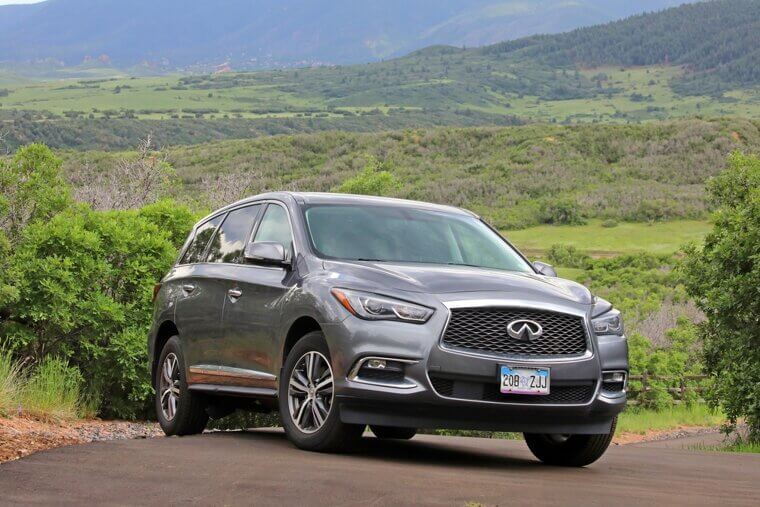
The internal belt system can slip and wear down prematurely, leading to total transmission failure. Repairing an Infiniti transmission is often even more expensive than a Nissan, causing massive financial stress for owners out of warranty.
Toyota Camry (2007–2009)
Toyota is world-renowned for bulletproof reliability, which makes the 2007 to 2009 Camry V6 a very surprising addition to this list. These models were equipped with a six-speed automatic transmission that suffered from a notorious software and mechanical defect known as "transmission flare." When shifting between third and fourth gear, the engine revs would suddenly spike dramatically before the transmission slammed hard into the next gear. This issue was caused by a faulty electronic control module and premature wear on the internal clutches.
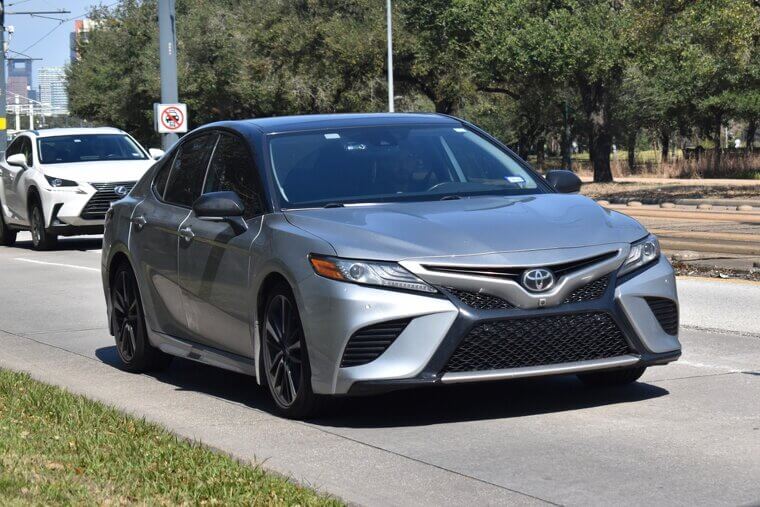
While Toyota issued software recalibrations to address the problem, many vehicles suffered long-term internal damage before the fix was applied, leading to early transmission failure for unsuspecting owners.
Cadillac SRX (2010–2013)
The Cadillac SRX is a sharp, angular luxury crossover that was a major sales success for the brand. Unfortunately, early models of this generation are prone to severe transmission problems that can quickly ruin the luxury ownership experience. The six-speed automatic transmission frequently suffers from rough shifting, delayed engagement, and internal fluid leaks. Owners report that the vehicle will sometimes hesitate to shift out of park, or it will slip out of gear while driving down the road.
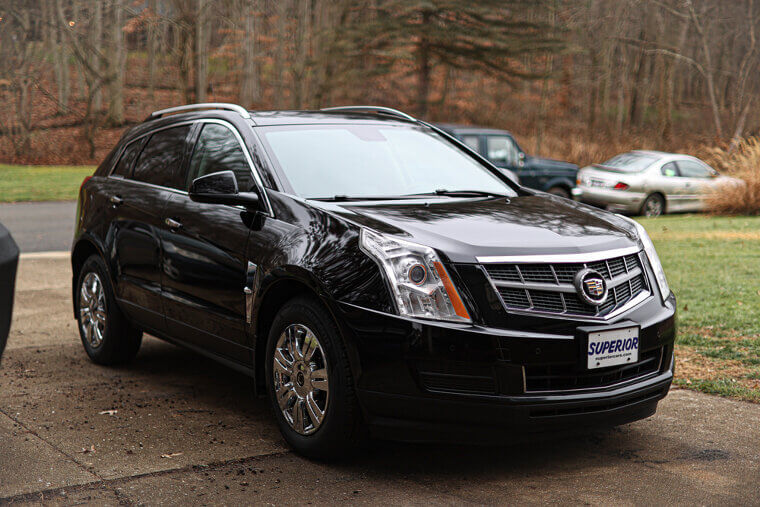
Internal component failures, such as faulty speed sensors and solenoids, often trigger the vehicle to enter a low-speed safety mode, requiring an expensive trip to a high-end Cadillac dealership for diagnosis and repair.
Jeep Renegade (2015–2018)
The subcompact Jeep Renegade features a cute, boxy design that appeals to drivers wanting a small vehicle with a bit of adventurous flair. Sadly, it shares the exact same complex nine-speed automatic transmission found in the larger Cherokee. In this smaller platform, the transmission struggles just as much with finding the right gear at the right time. Drivers frequently report that the vehicle hesitates to move forward from a dead stop, which can be dangerous when trying to pull out into a busy street.
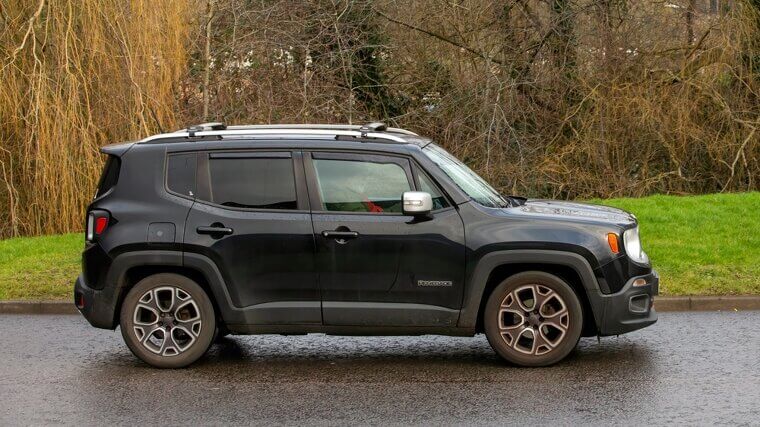
There are also reported instances of the vehicle shifting itself into neutral unexpectedly while driving on the highway. This erratic behavior has severely hurt the reliability rating of this otherwise charming little crossover SUV.
Honda Accord (2003–2004)
The Honda Accord is usually a safe bet for anyone needing a durable, long-lasting car, but the V6 models from 2003 and 2004 are a major exception. These specific cars shared a similar transmission design flaw with the Odyssey minivan of the same era. The automatic transmission had poor fluid circulation, which caused the high-gear clutches to overheat and wear out prematurely. Drivers would notice the engine revving high while the car struggled to change gears, or the transmission would slam violently into place.
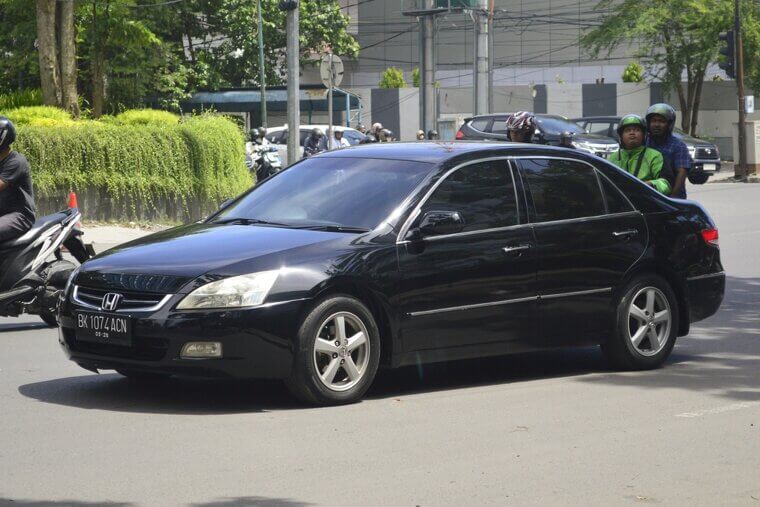
While the four-cylinder models from these years were perfectly fine, the V6 versions became a financial nightmare for many unsuspecting owners who had to replace their transmissions out of pocket.
Ford Escape (2009–2013)
The compact Ford Escape is a very common sight on roads everywhere, offering great visibility and all-weather capability in a sensible package. However, models from this era equipped with the six-speed automatic transmission are known for a high rate of premature failure. Owners often complain about harsh shifting between second and third gear, as well as an alarming hesitation when trying to accelerate from a stop. Internal components like the torque converter and solenoids are prone to wearing out early, sending metal debris throughout the system.
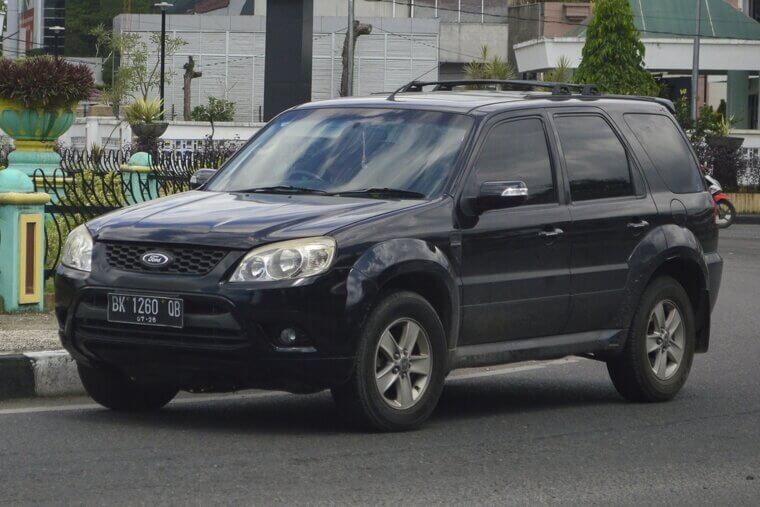
This debris can clog vital fluid passageways, completely destroying the transmission and leaving the driver with a sudden, massive repair bill that often exceeds the vehicle's value.
Chevrolet Silverado 1500 (2014–2019)
The Chevrolet Silverado is a legendary pickup truck built for hard work and heavy towing, but models equipped with the eight-speed automatic transmission have faced severe scrutiny. Owners frequently complain about a distinct problem that has been nicknamed the "Chevy shudder." While driving at highway speeds, the truck will suddenly begin to shake and vibrate so violently that it feels like driving over a series of rumble strips. This issue is reportedly caused by a faulty torque converter and low-quality transmission fluid from the factory.
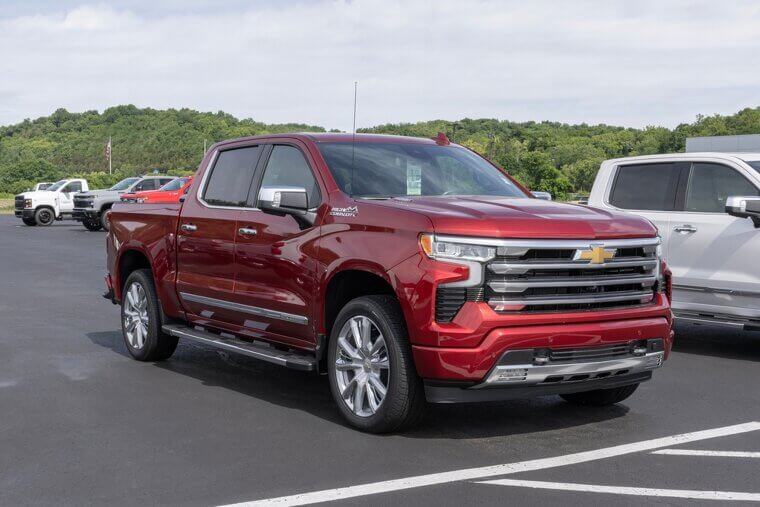
The problem became so widespread that it led to multiple class-action lawsuits against General Motors, with many owners expressing frustration over repeated, unsuccessful attempts to fix the issue.
Subaru Forester (2014–2015)
Like its larger stablemate, the compact Subaru Forester experienced significant CVT troubles when it adopted the technology for the 2014 redesign. Owners often report a severe shuddering or jerking sensation during light acceleration, making the vehicle feel highly unrefined. There are also numerous complaints about the transmission suddenly losing power while driving uphill or during highway passing maneuvers. Internal wear within the pulley system can cause the steel chain to slip and trigger a dashboard full of warning lights and forces the vehicle into a low-speed safety mode.
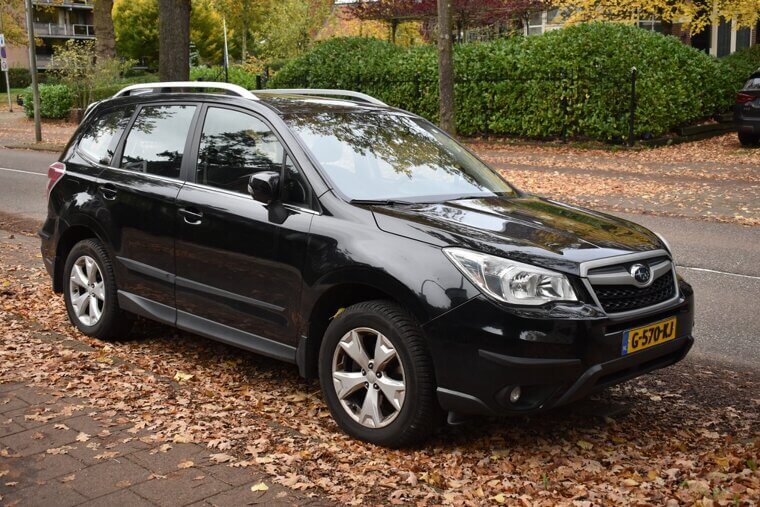
Due to the high volume of failures, pre-owned buyers should carefully check service records to see if the transmission has been replaced.
Subaru Ascent (2019–2020)
When Subaru introduced the large, three-row Ascent SUV, they equipped it with a heavy-duty version of their CVT designed to handle family hauling and towing. Unfortunately, the early models suffered from an immediate and severe transmission safety defect. The internal sensor harness was prone to failing, which could cause the onboard computer to miscalculate the position of the transmission chain. This error could result in the chain slipping and causing a sudden, total loss of drive power while moving at high speeds.
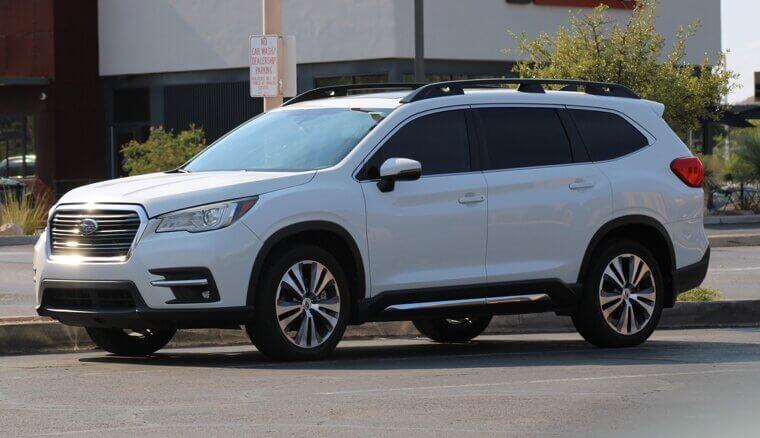
Subaru issued a major recall for these vehicles, requiring dealerships to inspect the transmission and replace the entire unit for free if any damage or slippage was detected.
Ford Expedition (2018–2021)
The massive Ford Expedition is a fantastic full-size SUV for towing large trailers and carrying big families in comfort. However, models from these years feature the 10R80 ten-speed automatic transmission, which has been the subject of significant driver complaints and lawsuits. Owners frequently report incredibly harsh shifting, erratic gear selection, and a loud clunking noise when the vehicle downshifts. The transmission can feel very unrefined, occasionally skipping multiple gears or hesitating when you need immediate power to merge.
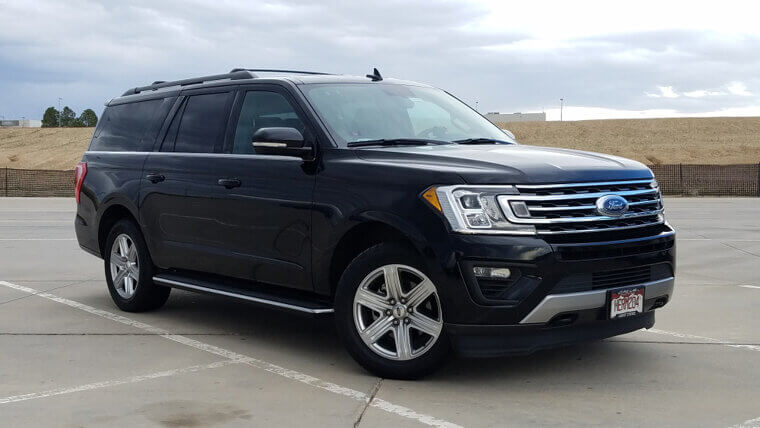
This erratic behavior is reportedly tied to a faulty internal valve body and software bugs, making this expensive luxury SUV a frustrating vehicle to drive for many disappointed owners.