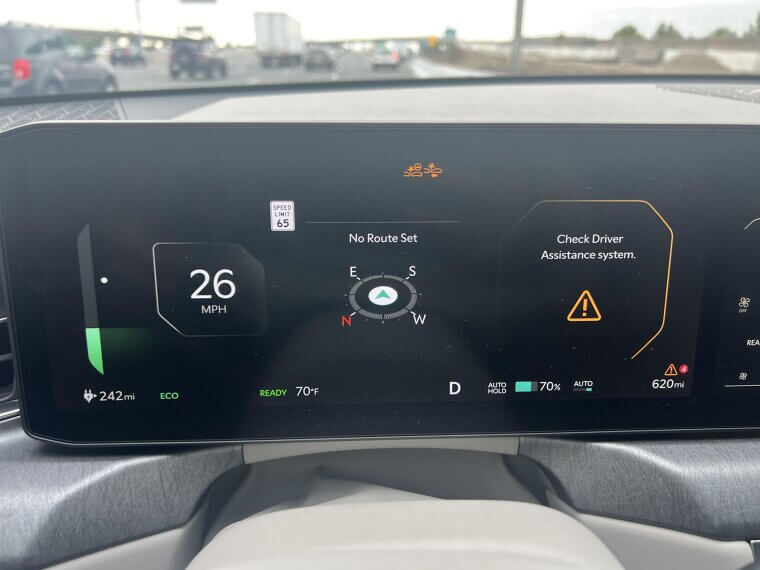
Prepare Your Car for Winter Weather
Winter driving isn’t just “more careful summer.” Cold air, early sunsets, and gritty slush change how your car grips, stops, and even breathes. A few smart prep moves turn white‑knuckle commutes into “I’ve got this.” Think of this checklist as your seasonal pit stop: dial in tires and fluids, test the battery before it ghosts you, and kit the cabin like you actually planned ahead. We’ll keep it practical, budget‑aware, and friendly, because most fixes are simple and the payoff is big: clearer windows, shorter stops, warmer hands, and fewer surprises. Start early, stack small wins, and let the weather do the worrying.
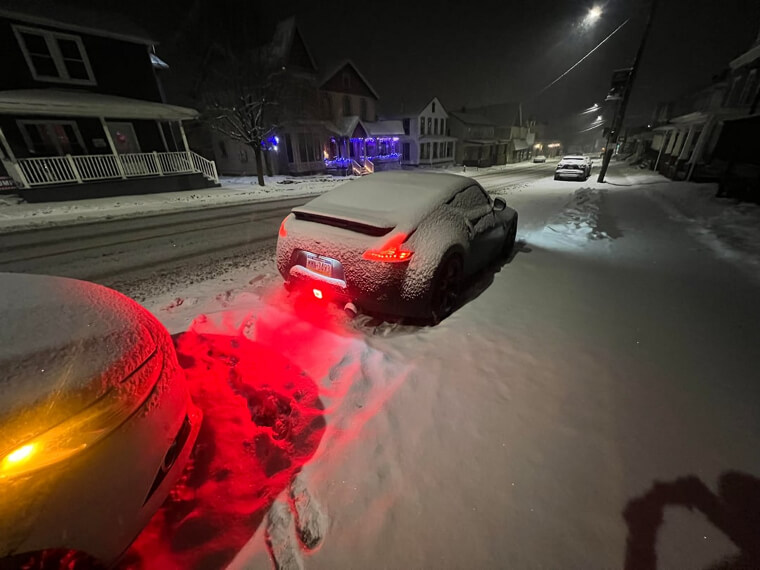
Fit Real Winter Tires (3PMSF)
All‑seasons are sneakers; real winter tires are snow boots with the three‑peak mountain snowflake stamp. Rubber stays flexible below freezing, sipes bite slush, and braking distances shrink. Consider a slightly narrower size for better bite, then rotate on schedule. Store the off‑season set cool, dark, and bagged, marking corner positions. Result: calmer launches, straighter stops, and fewer “why is it sliding?” moments when the commute turns into a snow globe.
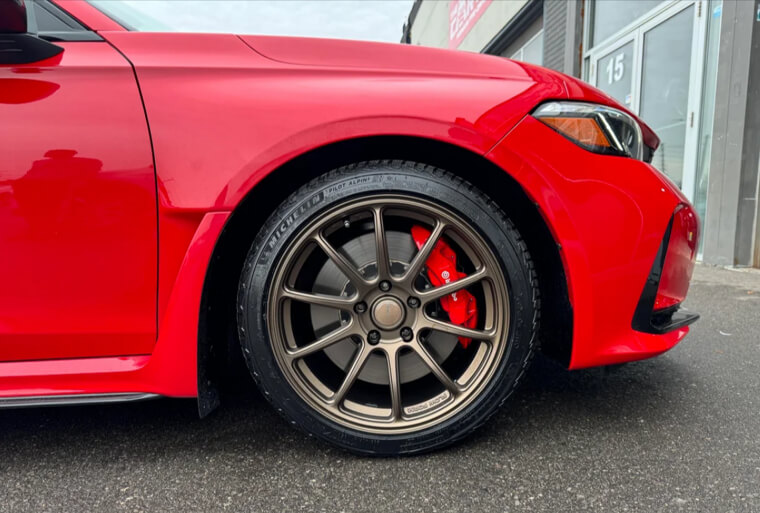
Set Tire Pressure for the Cold
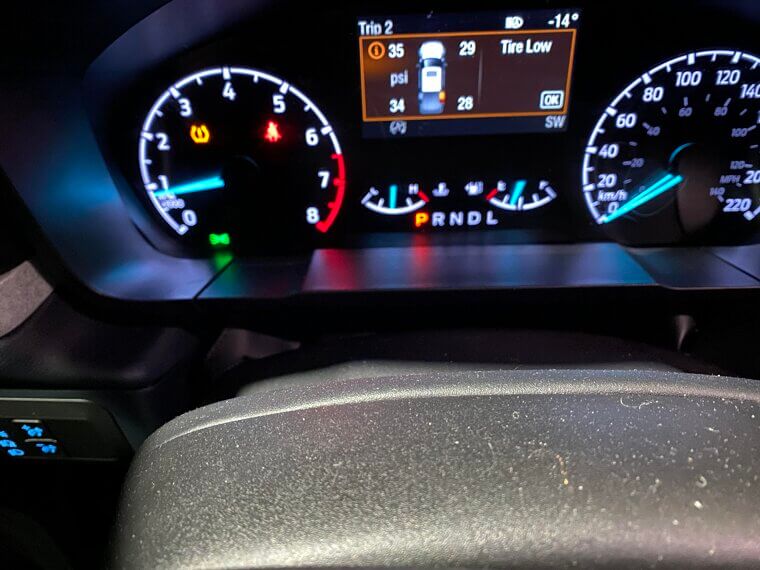
Cold air robs pressure- roughly one psi for every ten degrees Fahrenheit. Reset all four tires to the door‑jamb spec, and don’t forget the spare. Check monthly before long drives, and recalibrate your TPMS after corrections. Inspect tread depth; five‑thirty‑seconds or more keeps snow evacuation working. Underinflation shortens tread life and lengthens stopping distances. Small habit, payoff: better grip, predictable steering, and fewer low‑pressure chimes singing backup vocals on icy mornings.
Test Battery & Charging System
Cold kills weak batteries. Have yours load‑tested, especially past year five, and replace before the first polar tantrum. Clean terminals, check grounds, and confirm healthy alternator output. A decent jump pack or proper cables turns “stranded” into “two‑minute pause.” Corroded clamps and lazy belts mimic bad batteries, so inspect them together. Reliable cranking isn’t luck; it’s prep. Your future self will thank you at 6:30 a.m., when coffee meets frost.
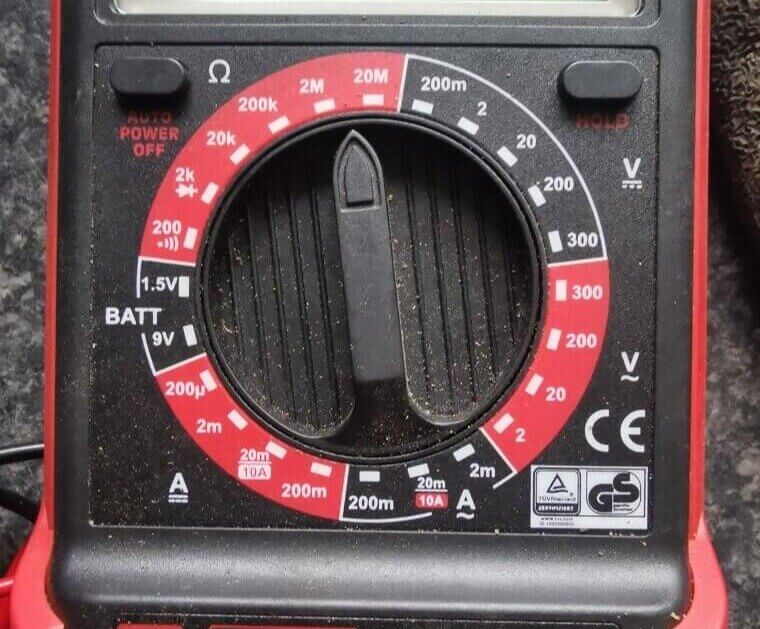
Coolant Mix & Freeze Protection
Coolant isn’t just anti‑freeze; it’s anti‑corrosion. Aim for a 50/50 mix unless your climate demands more protection, and verify with a tester. Top the overflow tank, inspect the radiator cap, and squeeze hoses for soft spots or seepage. Fresh coolant guards water pumps, heater cores, and aluminum passages from winter mischief. It’s cheap insurance against cracked blocks and lukewarm cabins. Think of it as a scarf for your engine’s internals.
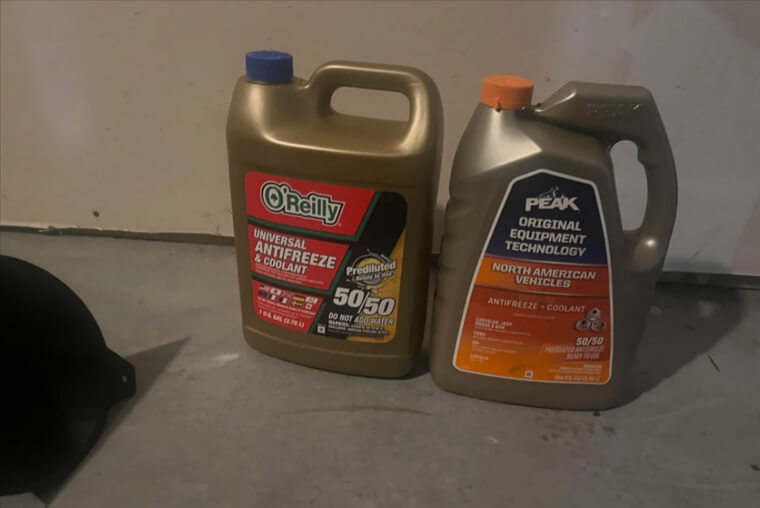
Choose Winter‑Friendly Engine Oil
Oil thickens when cold; engines prefer something that flows at dawn. Use the winter viscosity your manual recommends, and consider full synthetic for faster lubrication on frosty starts. Check the level after overnight parking- overfilling foams, underfilling starves. Wait to redline until the temp gauge wakes up. Quiet startups, happier bearings, and heat that arrives sooner are the rewards. It’s like swapping molasses for maple syrup where it truly, really counts.
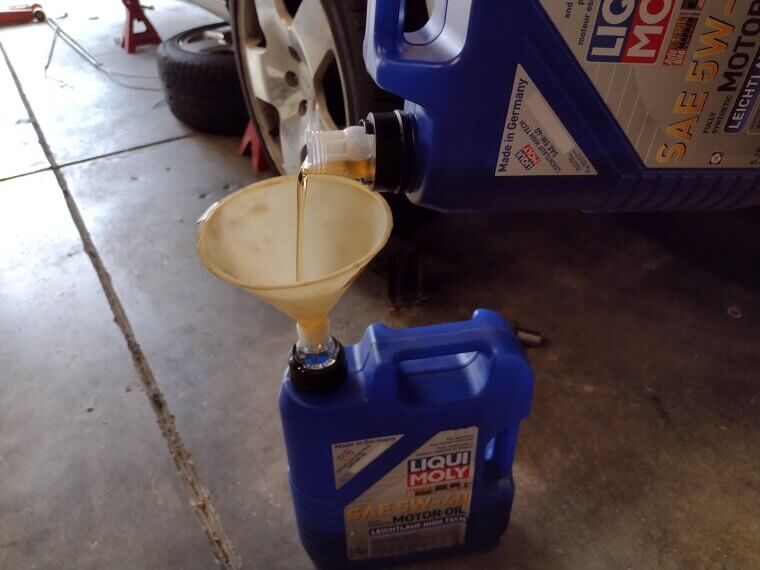
Wipers, Nozzles & Washer Fluid
Winter wipers are little snowplows. Install them before storm season, and clear cowl ice before flipping the switch. Fill the reservoir with de‑icing fluid rated to twenty below or lower; summer blue will freeze and sulk. Unclog nozzles with a pin, aim for the middle of the glass, and remember the rear window. Clean blades with alcohol occasionally. Your reward: instant clarity instead of scratchy, smeary abstract art and streaks.
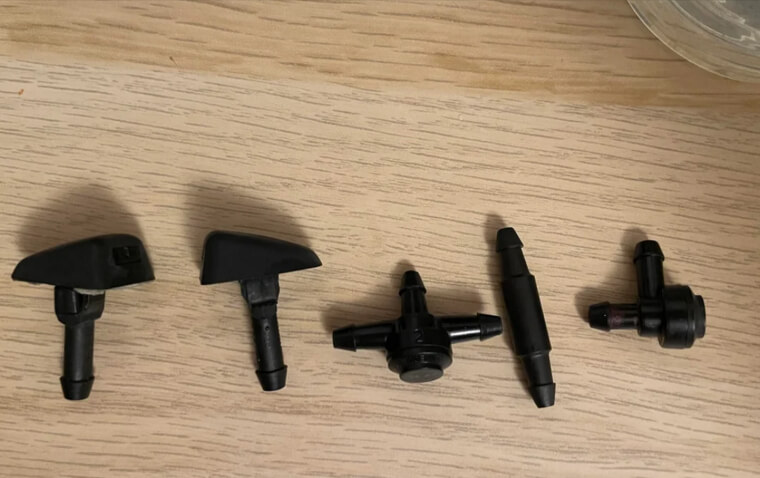
Brakes, ABS & Parking Brake
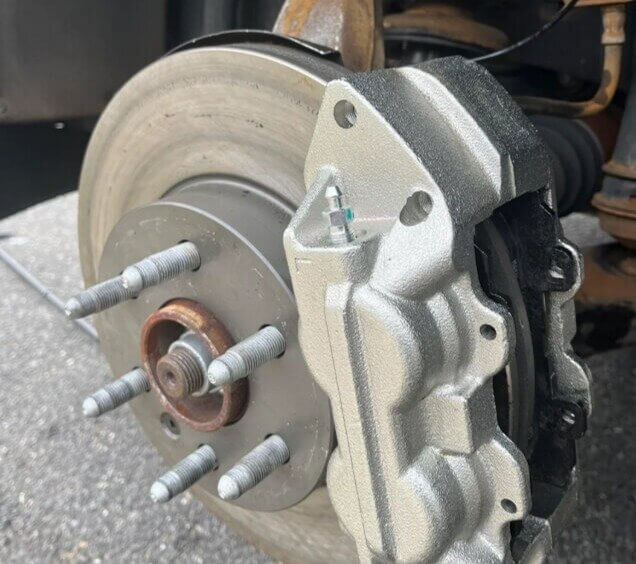
Brakes do their hardest work in winter. Inspect pads and rotors now, replacing tired parts before roads get slick. Test ABS light and function; a spongy pedal may often mean moisture‑laden fluid that needs a flush. In deep cold, avoid setting a wet parking brake—it can freeze to the shoes. Remember: stopping is a team sport involving tires, pads, and pavement chemistry. Prep the first two; the third stays moody.
Heat, Defrost & Cabin Air Filter
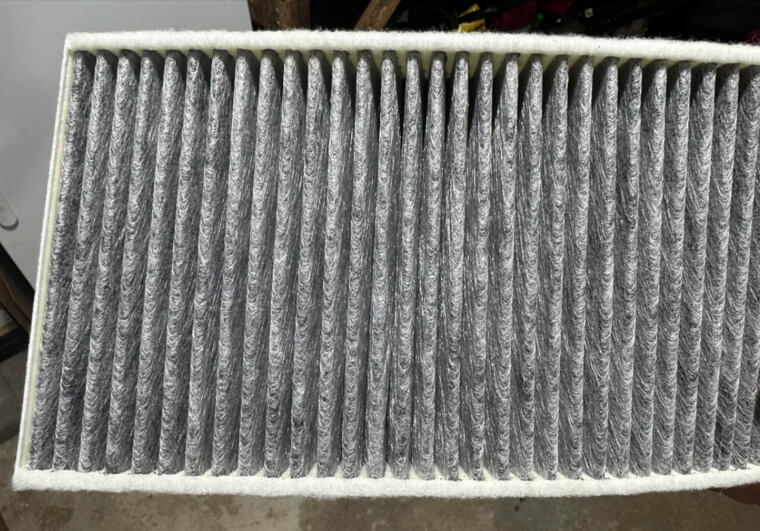
Fogged glass turns commutes into mystery novels. Verify strong heat and a defroster that clears quickly, front and rear. Swap a dirty cabin air filter—airflow matters. Use the A/C with heat to dry the cabin air; it’s really not just for summer. Repair blend‑door quirks before January. Clean the inside of the windshield with glass cleaner, not dashboard wipes. Clear glass, warm toes, calm driving—winter comfort is mostly airflow physics.
Lights, Aiming & Lens Clarity
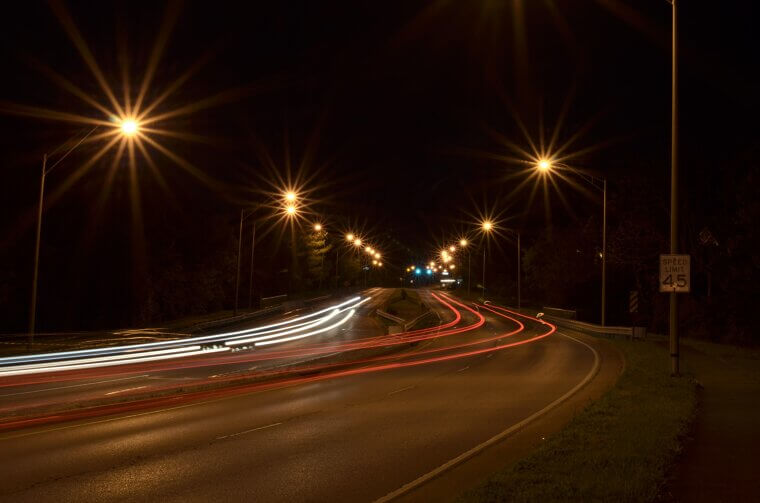
Short days expose lazy lighting. Test every bulb, including license and fog lights, and carry spares. Clean lenses; restore hazy plastic so lumens actually reach the road. Aim headlights properly—too low wastes light, too high creates glare. Keep a snow brush and scraper handy so lights aren’t buried in sugar‑snow. Seeing and being seen is ninety percent of winter confidence; the other ten percent is hot coffee on dark commutes.
Know Your Traction Tech (AWD/4WD/TC)
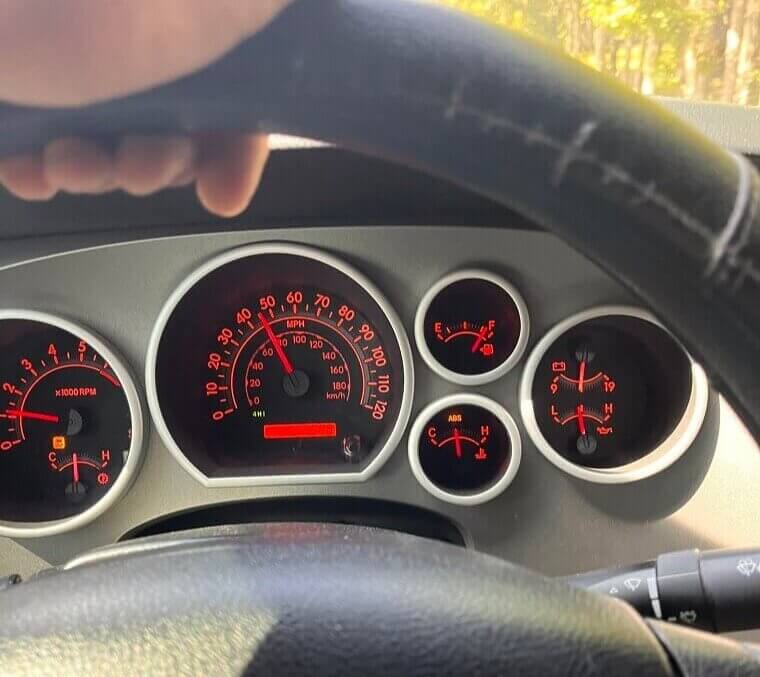
Traction tech is helpful only if you know its language. Practice engaging AWD, 4WD, or snow modes before the storm hits. Learn when traction control helps, and when briefly disabling it aids rocking free in deep snow. If you have lockers or limited‑slip, know their speed limits. These systems are teammates- not magic. The driver still sets pace, leaves space, and remembers that physics doesn’t negotiate with optimism in winter traffic.
Build a Real Winter Emergency Kit
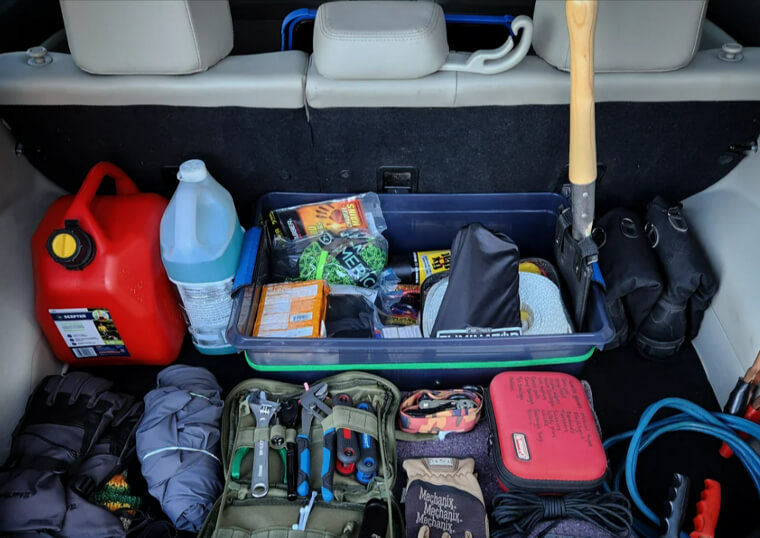
Build a winter kit you’re proud to forget about. Pack a warm blanket, hat, gloves, hand warmers, a folding shovel, and traction aids like sand, kitty litter, or boards. Add a jump pack, first‑aid kit, flashlight, snacks, water, tow strap, charger, and reflective triangles. Toss in medications and a spare power bank for long commutes. It’s not paranoia; it’s comfort insurance when weather picks the plot twist on lonely roads.
Glass Care & Weatherstrips
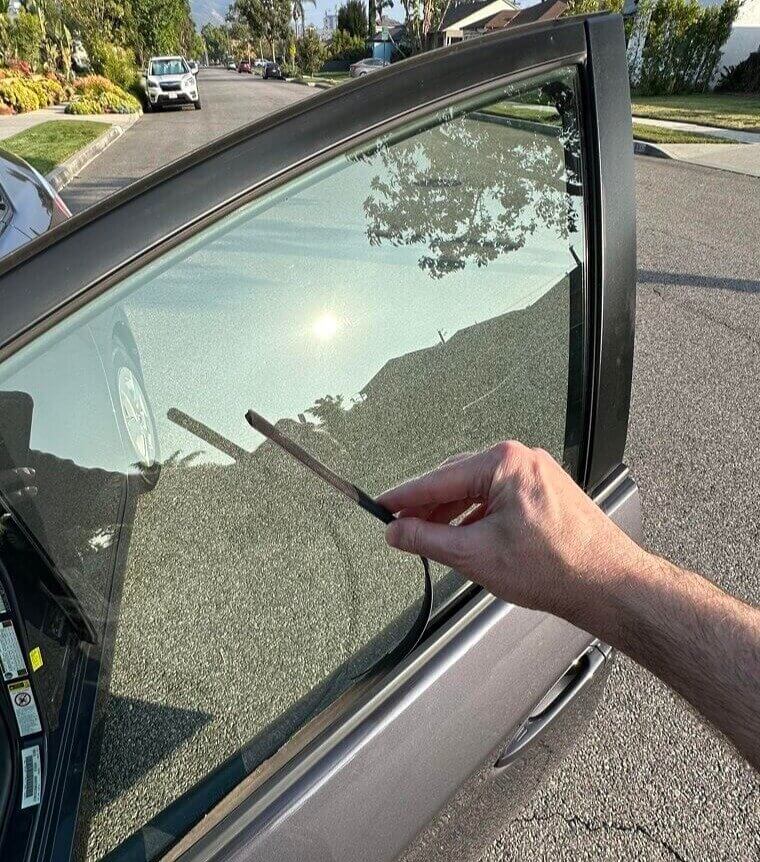
Water is sneaky; help your glass fight back. Apply a hydrophobic treatment so rain beads and wipers work less. Lubricate door weatherstrips with silicone to prevent frozen doors, and treat lock cylinders with graphite, not oil. Keep a spray de‑icer for locks and stuck wipers. Clean the inside of windows- film builds up faster in winter. Clear sightlines feel like confidence; you’ll notice shoulders, pedestrians, and deer sooner on dark commutes.
Fuel Strategy (Gas & Diesel)
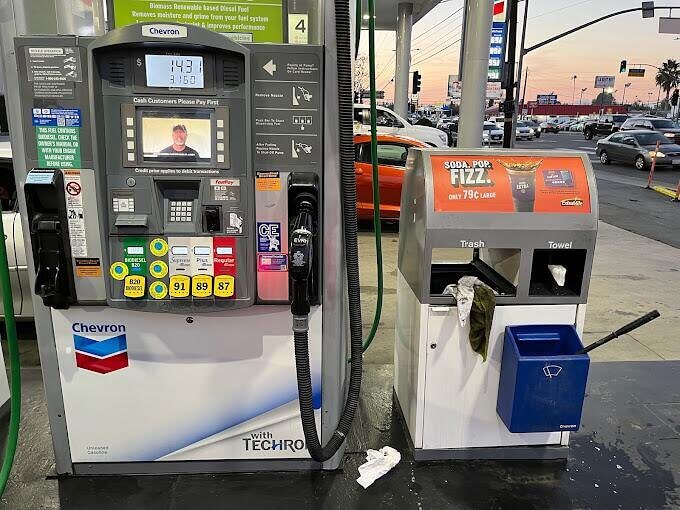
Cold tanks sweat; condensation becomes trouble. Keep the tank at least half full to limit moisture and unexpected detours when stations close early. Diesel drivers: use winterized fuel or anti‑gel, and drain the water separator. Consider carrying a spare fuel‑cap gasket to keep slush out. Fuel strategy sounds boring, but it’s just planning comfort. Warm starts, steady idle, and fewer “low range” chimes on the drive home on storm nights.
Salt, Slush & Rust Prevention
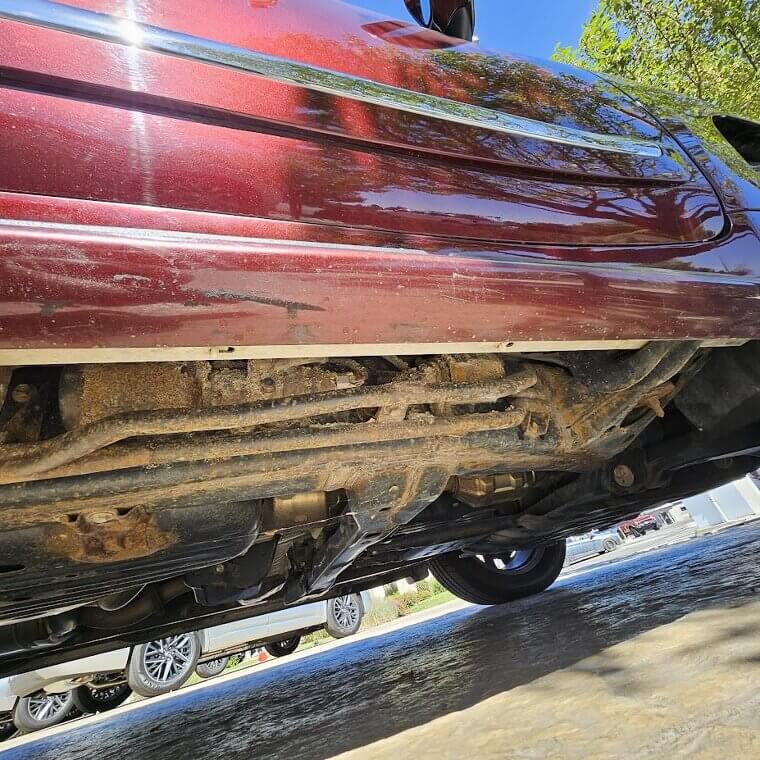
Salt and slush are winter’s glitter—everywhere, hard to remove. Wash and wax before the first brine trucks roll, paying attention to rocker panels, wheel arches, and hatch seams. Rinse the underbody often; a seasonal rust inhibitor helps in salty regions. Inside, deep‑tray mats trap meltwater and grit before it chews carpets. Rust prevention isn’t glamorous, but it saves money and keeps doors and hinges from gaining crunchy soundtracks come spring.
Belts, Hoses & Thermostat
Belts, hoses, and thermostats are small parts with big winter consequences. Inspect serpentine belts and tensioners for cracks or glazing, then squeeze coolant and heater hoses for softness or seepage. A lazy thermostat keeps heat lukewarm and engines really inefficient; replace if suspect. Fixing this trio means quicker warm‑ups, stronger defrost, and charging systems that don’t squeal at sunrise. It’s quiet reliability—right up there with warm gloves and spare scrapers.
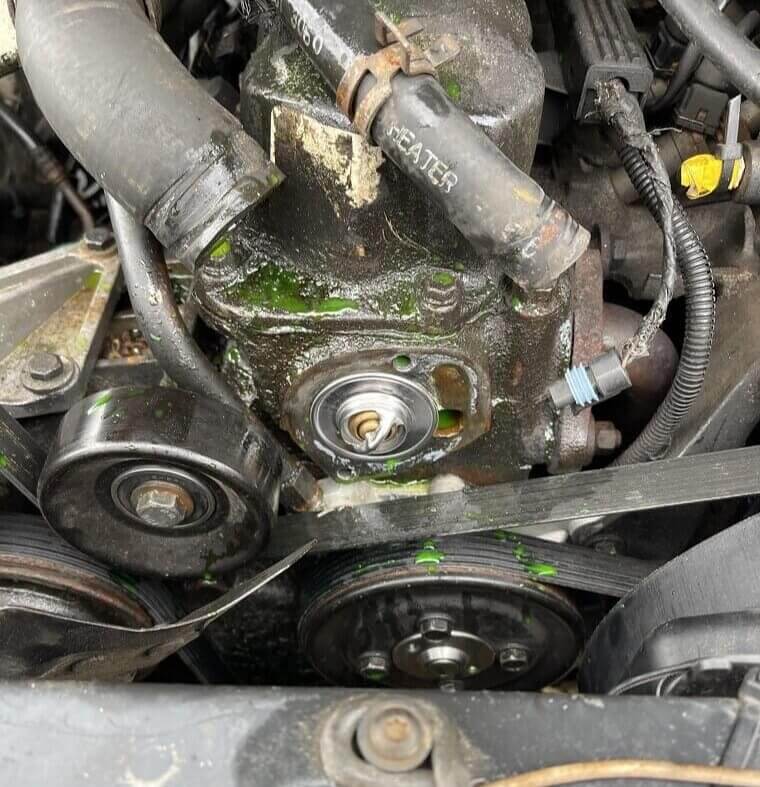
Suspension, Alignment & Sway Control
Winter roads are choppy; tired suspension makes cars skitter. Healthy shocks and struts keep tires planted, ABS calmer, and headlights steady. Verify alignment so rutted, icy lanes don’t drag you sideways. Listen for clunks from links and bushings; they can upset stability mid‑corner. An alignment and new components transform winter confidence. The car tracks straight, the steering wheel sits level, and your shoulders relax even when plows haven’t visited yet.
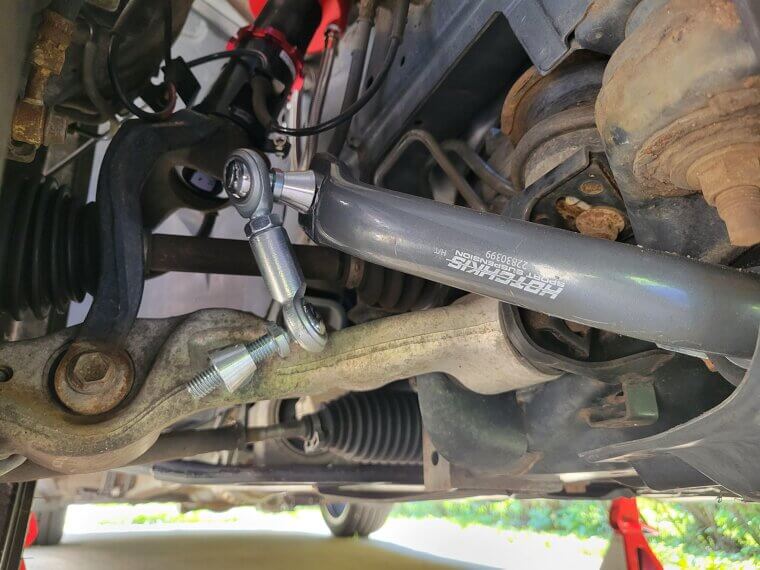
Weight, Cargo & Tie‑Downs
Extra weight changes physics. If you’re rear‑wheel drive, place sandbags directly over the axle for traction—not at the trunk tail. Secure cargo with tie‑downs; loose gear becomes projectiles during hard stops. Don’t overload; more mass lengthens braking on ice. Keep essentials accessible and heavy items low. Smart loading makes cars feel settled rather than floaty, and keeps your thermos from auditioning as a meteor during urgent braking on winter roads.
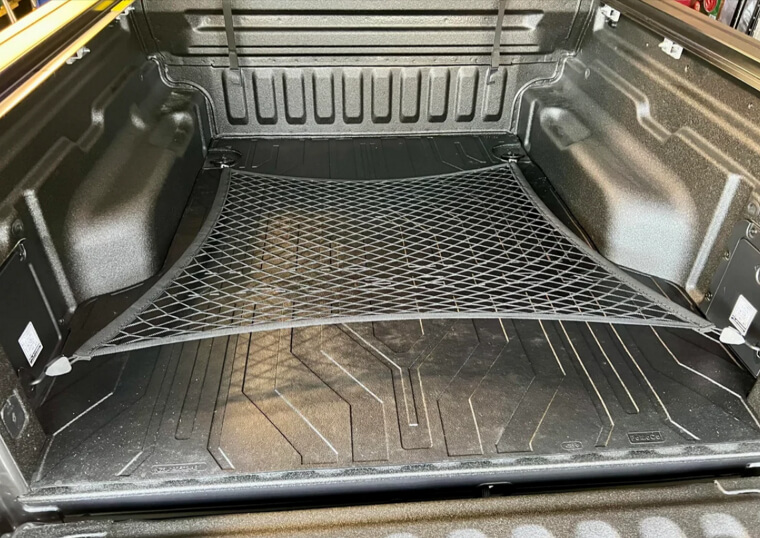
Snow Removal & Cold‑Start Routine
Snow left on the roof becomes a surprise parachute for the car behind you. Brush roof, hood, lights, and sensors before driving. Cold starts need only thirty to sixty seconds—then drive gently; the engine always warms faster under light load. Idling wastes fuel and invites frost. Never run the engine in a closed garage; crack a door with remote start. Ritual: clear, start, buckle, breathe, glide—less drama, warmer seats sooner.
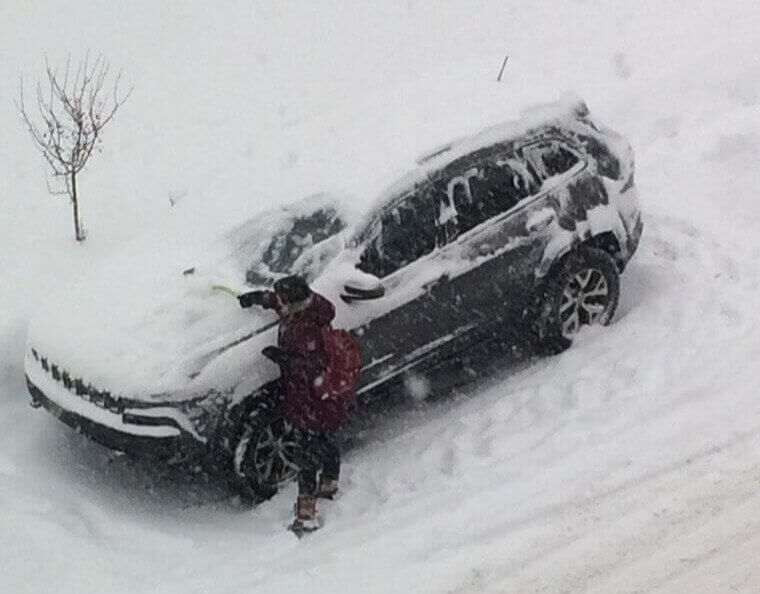
Chains, Cables or Snow Socks
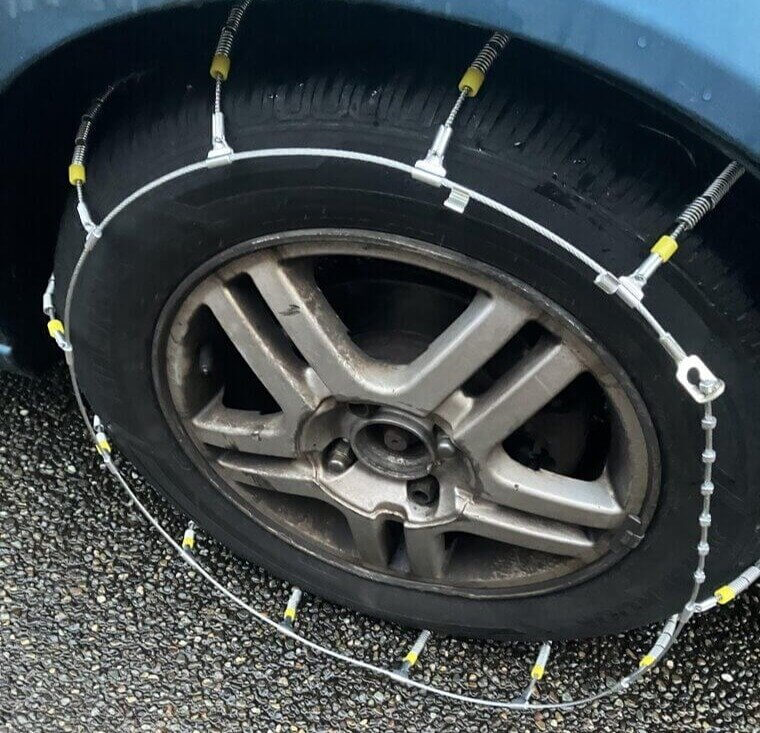
Chains, cables, or snow socks are the cheat codes for mountain passes. Know local laws and your exact tire size, then practice installing at home on a dry driveway. Keep gloves, a kneeling mat, and a headlamp with the kit. Observe speed limits to prevent fender dentistry. Properly fitted traction aids turn impassable into manageable; improperly fitted ones become modern art. Familiarity beats frostbite when the sign flashes CHAINS REQUIRED.
Plan Routes, Alerts & Assistance
Winter rewards planners. Load a reliable weather app and your state’s road‑conditions site, and save hotline numbers. On storm days, share your route, leave earlier, drive slower, and follow plow etiquette. Keep roadside‑assistance details handy, plus a backup power bank. If you’ve got a block‑heater, test the timer before the cold snap. Knowledge, patience, and warm coffee beat heroics; your timeline isn’t worth a ditch selfie on stormy winter nights.