It’s A Survivor
A car that’s made it to ten years has already shown its reliability. It passed the real-world test. You know it starts in cold mornings and handles daily driving. New cars look great, but they’re still unknown. Problems often show up later. Your car’s flaws are already out in the open. That honesty matters. You’re not guessing how it’ll age. You already know. And that predictability is a big reason it’s worth keeping. Add in lower insurance premiums, cheaper maintenance, and a lower carbon footprint, and you’ve got a car that you shouldn’t get rid of too quickly. Keeping your current vehicle on the road avoids the steep depreciation and long-term debt that usually come with signing a new lease or loan.
No Monthly Payments
By this stage, your 10-year-old car is probably paid off, and that is a beautiful thing on its own. No monthly payments means more cash in your pocket every single month. That money can go towards groceries, fuel, holidays, savings, or even fun things like dinner and a movie. New cars look shiny, but those payments add stress pretty fast. Keeping your old car also feels better because you own it outright. There’s no dealing with banks, deadlines, or worrying if next month’s budget can handle another big bill like a car payment.

Insurance That Doesn’t Hurt
It’s a well-known fact that older cars usually cost less to insure. That alone can save you a lot each year. Insurance companies care a lot about replacement value, and if your car is already old, the payout risk is lower. As a result, your premiums drop. New cars, on the other hand, need full coverage, extras, and way higher limits. Your 10-year-old car keeps things simple. There’s less coverage, less cost, and less arguing with your insurer over the tiny details.
Depreciation At Its Best
New cars lose value way faster than your old car. And, it happens the second you drive them off the lot. That drop can feel brutal when you think about it. Your older car has already survived that phase. Its value has leveled out, which means you’re no longer losing big money just by owning it. If you do sell it later, the loss will be much smaller. Keeping it makes more financial sense because the car isn’t quietly draining value every single day anymore. Keep your car and pay less in the long run.
Lower Registration Fees
Too many places charge lower registration or licensing fees for older cars. It’s a small detail people forget, but it really adds up over time. New cars come with higher fees, extra taxes, and a few surprise charges that are annoying and unnecessary. Your older car usually slides through with cheaper paperwork. Less money to the government, and more money for you at the end of the day. It’s not exciting by any means, but it’s practical. And it’s those practical choices that quietly make your life easier.
Cheaper, Easier Repairs
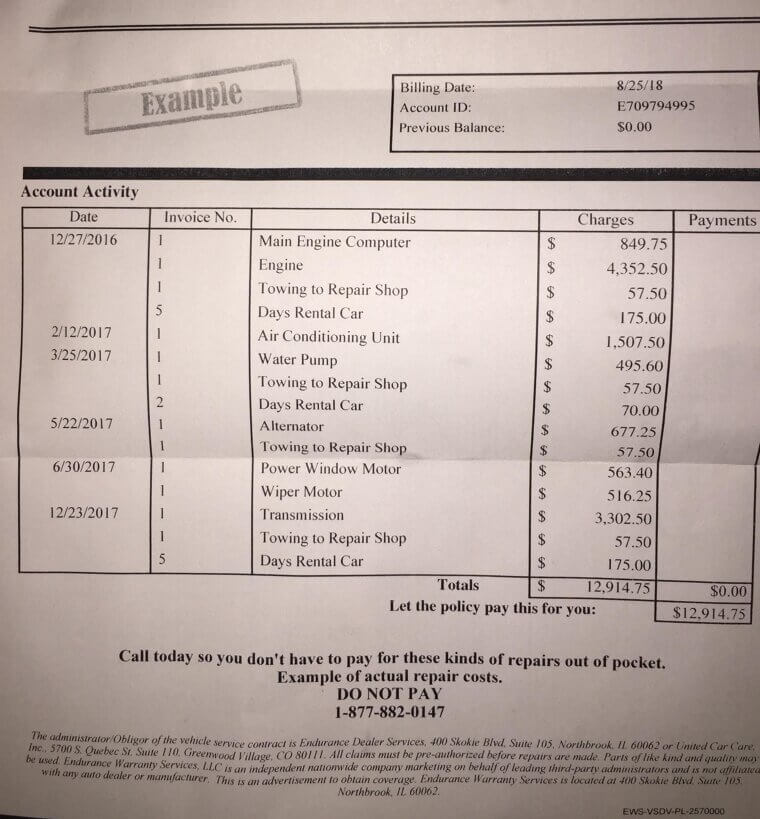
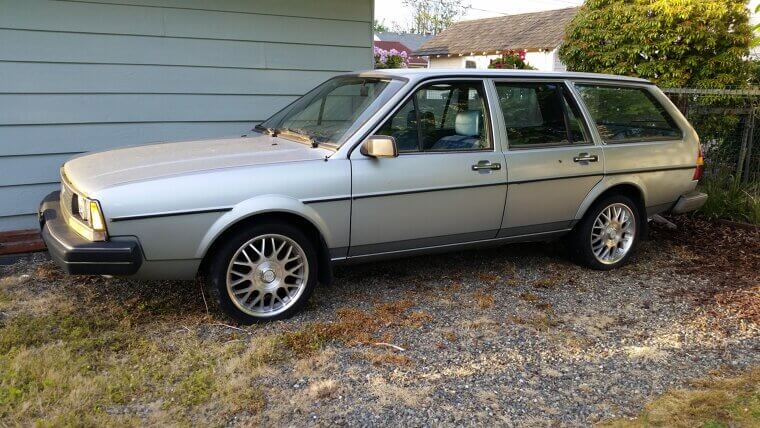
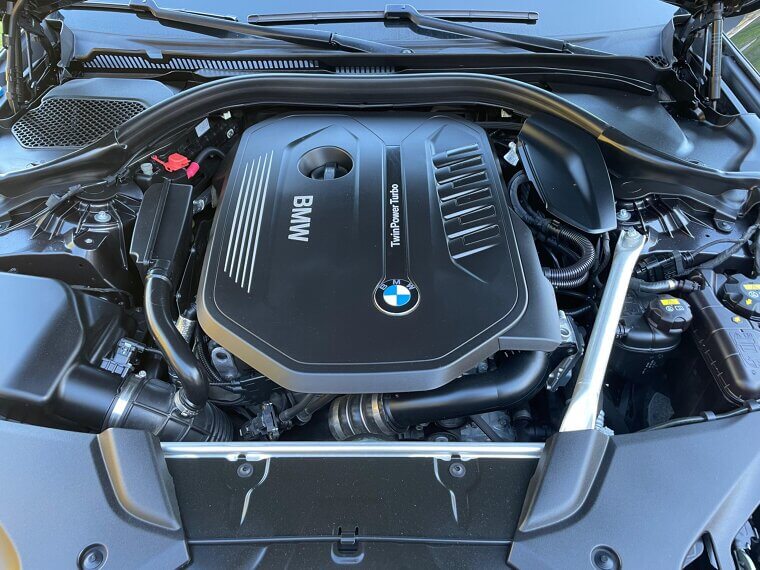
Fixing an older car is much cheaper than fixing a newer one that’s packed with tech like sensors and screens. Mechanical problems are usually straightforward, and the parts cost less. Labour is simpler, too. New cars have a tendency to turn small issues into massive bills because everything is connected to software. One simple warning light can mean a thousand things. But, with a 10-year-old car, repairs feel more predictable - you know what’s wrong, what it costs, and how long it’ll take. We don’t know about you, but that is oddly comforting.
Better for the Planet
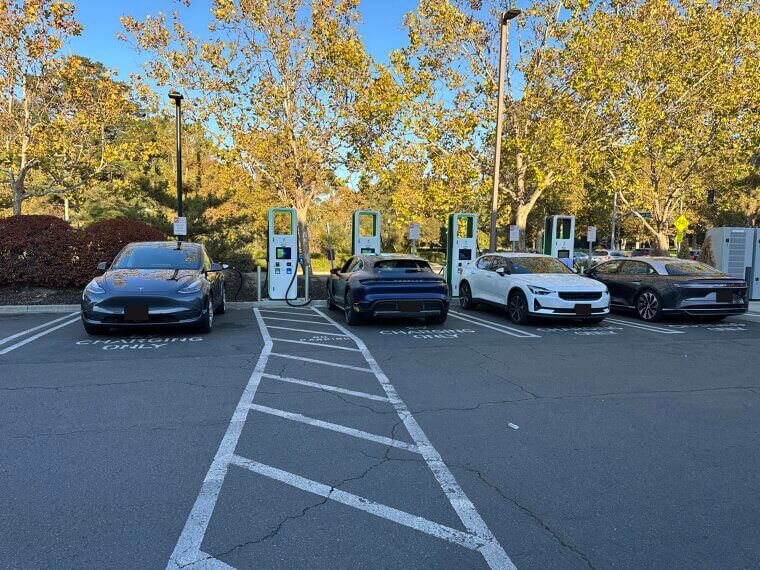
Keeping your current car is often greener than buying a new, more modern one. Building a car takes huge amounts of energy, materials, and shipping. By driving what you already own, you keep your carbon footprint low. Your car already exists. So using it longer spreads out and potentially lowers its environmental impact. New cars may burn less fuel, but manufacturing them creates a lot of emissions upfront. Holding onto your older car is the best way to reduce waste and help make the planet green without changing your lifestyle at all.
Fewer Gadgets = Fewer Meltdowns
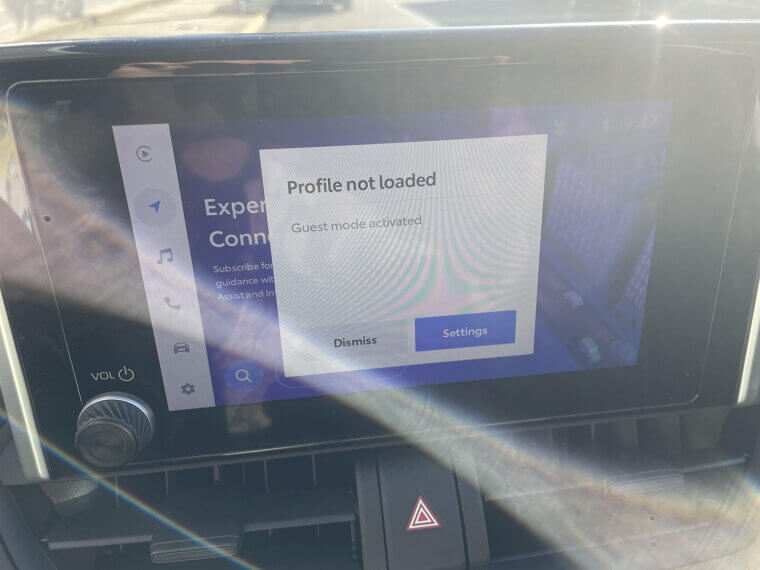
Older cars usually have fewer electronic systems waiting to fail. No giant screens, no complex sensors everywhere, no updates that randomly stop working - just simplicity. When something breaks in your 10-year-old car, it’s more likely to be mechanical and not digital. Mechanics also understand it better, and parts are easier to find. You don’t need special software just to diagnose a problem. Needless to say, driving feels more straightforward and there are less distractions. Sometimes fewer buttons and beeps actually make the whole driving experience better.
A DIY Fix
Most 10-year-old cars are still easy enough for a bit of DIY maintenance. You can check fluids, change filters, swap batteries, or even replace the brakes without needing any fancy equipment. Online guides are everywhere, and so are easy-to-follow tutorials that make maintenance a breeze. New cars often make it impossible for DIY work with sealed systems and warnings about the warranty. With your old car, even if you don’t do everything yourself, knowing you could if you have to saves you money. That feeling of control makes it all worth it.
Parts Are Everywhere
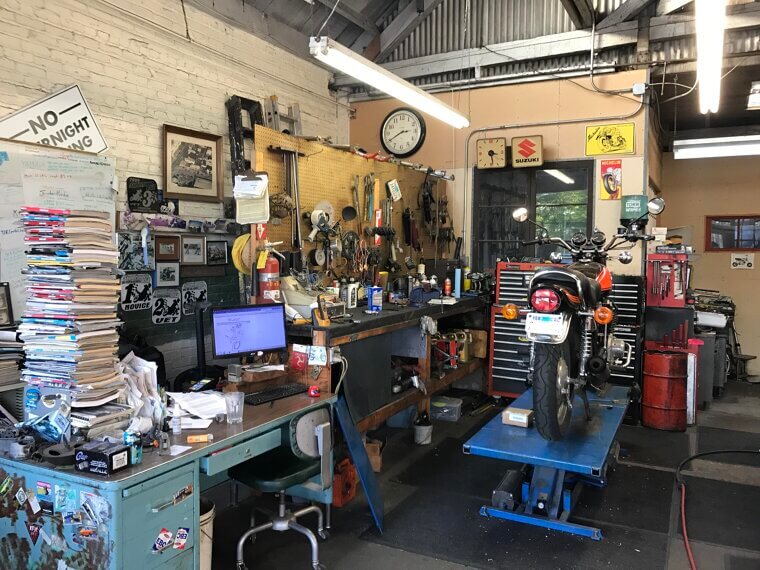
If your old car is common, spare parts are easy to find and reasonably priced. Wreckers, online shops, and local stores usually stock what you need. That keeps repair costs down and also shortens your waiting time. New cars, however, rely on specific parts that take weeks to arrive and cost a fortune. Yes, it’s older, but your car benefits from years of production and availability. When something breaks, and it usually does, fixing it doesn’t turn into a long, expensive scavenger hunt that sees you hunting for parts for your new car.
Your Old Car Is Your Old Friend
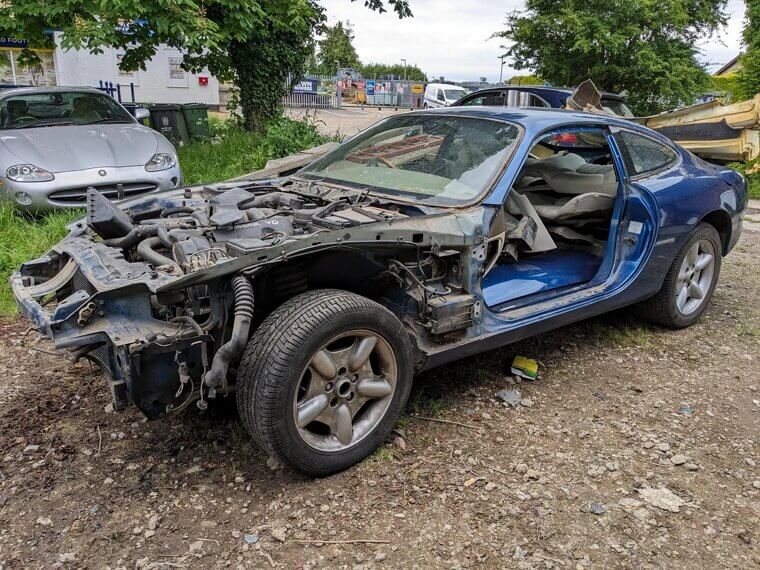
Your car feels familiar in the best possible way. You know exactly how it sounds when it’s happy, tired, or needs a bit of TLC. That little rattle? You already know it’s harmless. That vibration? Normal at this speed. You also know how it handles rain, traffic jams, bad roads, and long drives. Nothing catches you off guard. A new car means relearning everything from scratch, which takes time and mental energy. With your older car, driving feels automatic and comfortable. That familiarity lowers stress, especially on busy days.
Scratches Don’t Ruin Your Day
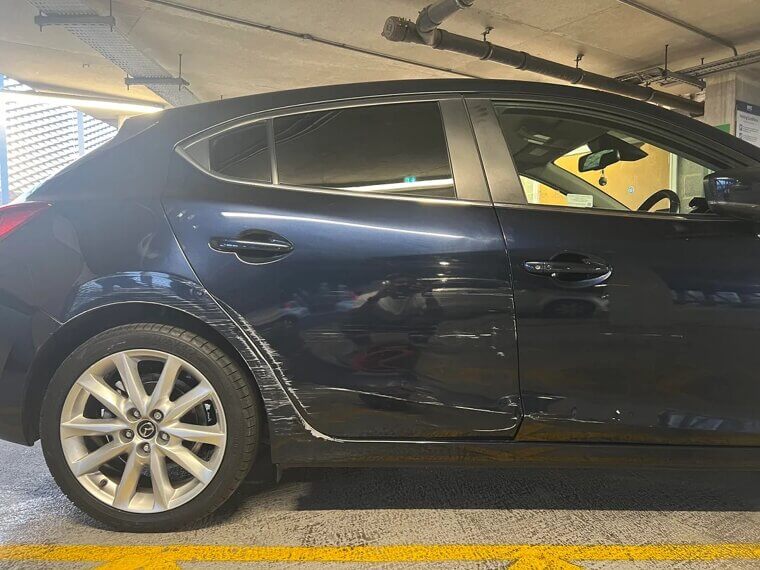
When your car is already a little worn in, scratches and dents lose their power over you. A shopping cart bump or a tight parking space doesn’t send your blood pressure through the roof. You shrug it off and move on. New cars turn tiny marks into emotional events. Every scratch feels personal and expensive. Your 10-year-old car already has some history, so one more mark just blends in with the rest and doesn’t make a big difference. You drive more freely, park with less fear, and enjoy the road instead of worrying about keeping everything perfect.
That Vintage Vibe
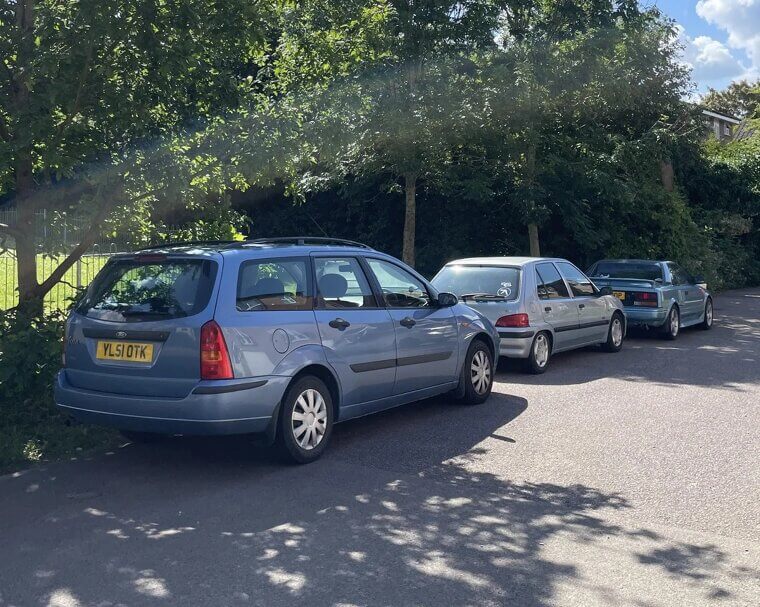
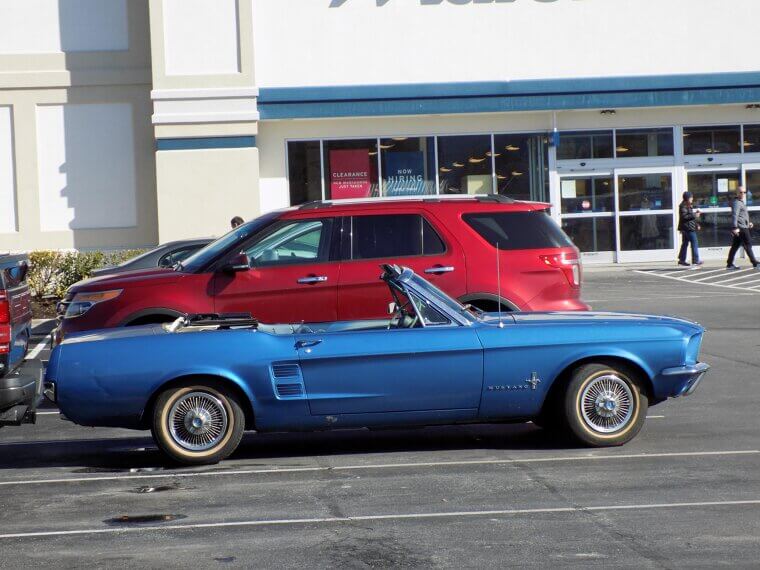
Funny enough, some older cars are starting to look better with age. Clean shapes, real buttons, and simple interiors are suddenly refreshing again. While new cars often blur together, your car stands out without trying. It doesn’t chase trends or overload you with features. It just does its job and looks honest doing it. People notice that, and over time your car starts to feel intentional instead of outdated. That slow shift into “modern classic” territory gives it personality and charm you can’t buy new. Who doesn’t love a vintage car?
No New-Car Learning Curve
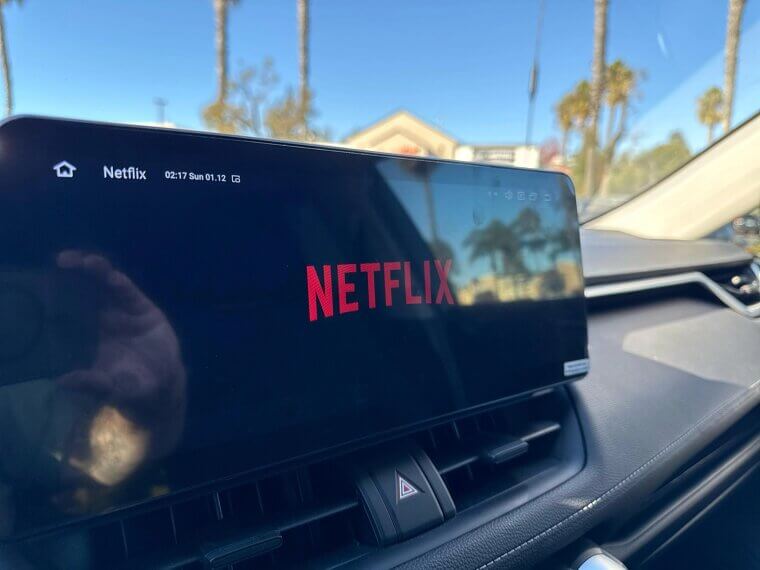
New things are nice, but not so much when it comes to cars. There’s new controls to learn, new warning lights to be aware of, and new quirks you don’t understand yet. Even simple things like adjusting mirrors, lights, or climate settings feels odd and annoying at first. With your older car, there’s no learning curve at all. Your hands move without thinking. You already know where everything is and how it responds. That saves time and energy every single day. When life is busy, not having to “figure out” your car feels like a small but meaningful win.
Ownership Matters
yOlder cars give you more freedom as an owner. You’re not tied to dealership-only servicing, software locks, or warranty fine print. You can choose your mechanic, shop around for parts, or even handle small jobs yourself. New cars often limit those options and quietly push you into expensive service plans. With your 10-year-old car, decisions stay in your hands. That control feels empowering. You decide what’s worth fixing, when to fix it, and how much to spend without having to follow any rules or manufacturer warranty obligations.