Plastic Exteriors
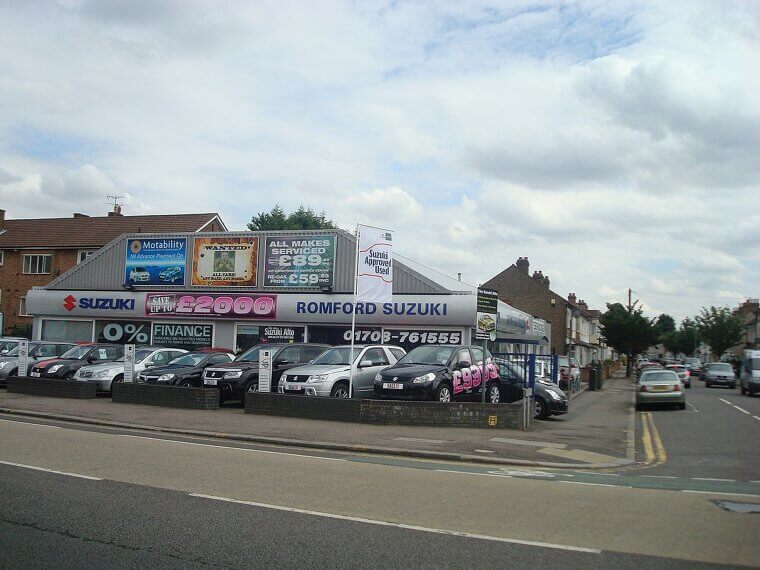
Older cars were built with thicker materials, such as steel, and generally stronger parts that resisted rust and damage for much longer. Modern cars, on the other hand, use lighter materials like plastic, aluminum and composites in order to save fuel and cut costs. While these materials may improve performance, they are also more likely to crack, warp and corrode over time. Plastic trim fades quickly, interior parts break more easily, and thin metal dents easily. Because of this, modern cars often look worn out much sooner than older ones. As a result, many drivers feel that the rugged reliability of the past has been replaced by a culture of disposable parts and temporary aesthetics.
Complex Electronics
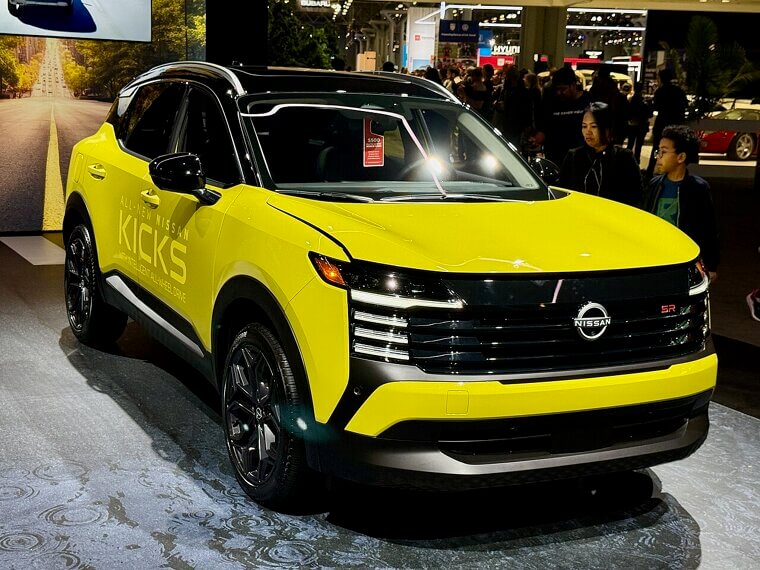
Classic cars used simple mechanical systems that could be fixed with basic tools. Today’s cars, however, have many electronic control units, sensors and entertainment systems. While these features do make cars safer and more convenient, they also add many things that can break. In fact, a single bad sensor can shut down important systems entirely. More so, repairs often cost a fortune. Unlike mechanical repairs, fixing electronics usually requires complex diagnostic tools - which basic mechanics may not have available. For this reason, drivers sometimes have to send their car in to a certified dealership, which costs a lot more.

Shorter Product Cycles
Nowdays, automakers design cars with shorter product cycles in order to encourage frequent upgrades. Features like proprietary software, unique parts and limited aftermarket support make older models harder to maintain. More so, manufacturers often stop producing replacement parts after a decade, forcing owners to scrap otherwise perfectly functional cars. This strategy maximizes profits but also reduces longevity. In contrast, older vehicles were designed with reliability and longevity in mind, meaning that they are likely to reach higher mileages, with a lower demand for repairs and maintenance.

Software Dependency
Modern cars depend on software for basic functions, such as engine control and entertainment. These programs are often unique to each brand. When companies stop updating them, important features can stop working entirely. Unlike mechanical parts, owners can’t easily fix or replace old software. So, even if the car’s hardware is perfectly fine, it becomes less useful as the software ages, which shortens how long the car can be used. Older vehicles don't have this problem, as advanced software simply isn't used as much.
Turbocharged Engines
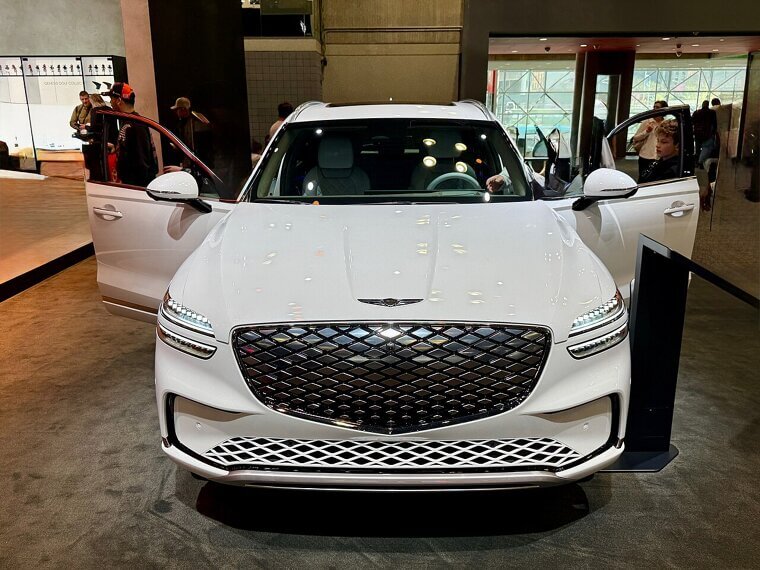
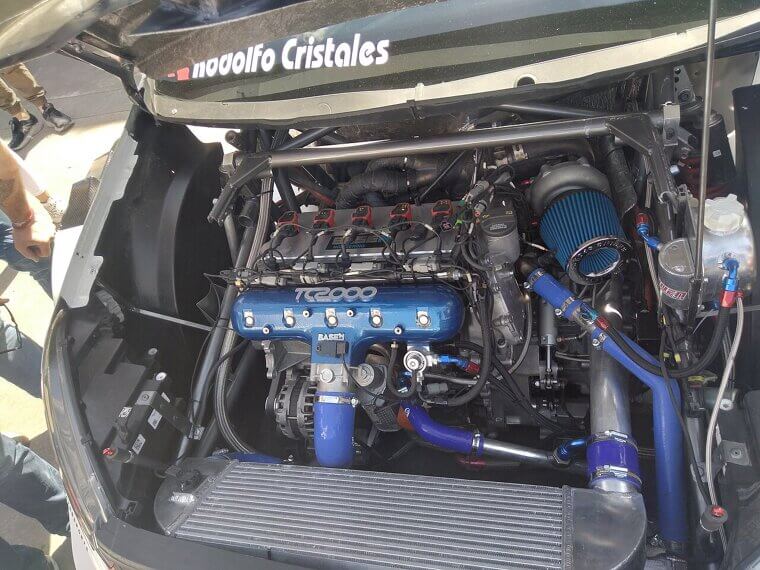
Many modern cars use smaller turbocharged engines in order to improve efficiency and performance. These engines are strong and save fuel, but they also work under more stress, heat and pressure. As a result, they are more prone to issues. Parts like turbos, intercoolers and seals wear out faster than those in older engines. More so, repairs for these components are not cheap. Older engines were less efficient, but featured a simpler and tougher design, often lasting hundreds of thousands of miles with very few issues.
Thin Paint and Coatings
Nowdays, automakers reduce costs by applying thinner paint layers and protective coatings. While this saves money and weight, it also leaves cars more vulnerable to scratches, chips and rust. Older cars, on the other hand, usually had thicker enamel finishes that resisted corrosion for much longer. Modern finishes may look glossy, but they actually degrade quickly when exposed to harsh weather conditions or road salt. Once the protective layer starts to fade, rust becomes a major problem, compromising the overall structural integrity of the vehicle. Not only does this shortcut accelerate aging, but it can also lead to electrical and mechanical faults down the line.
Disposable Batteries
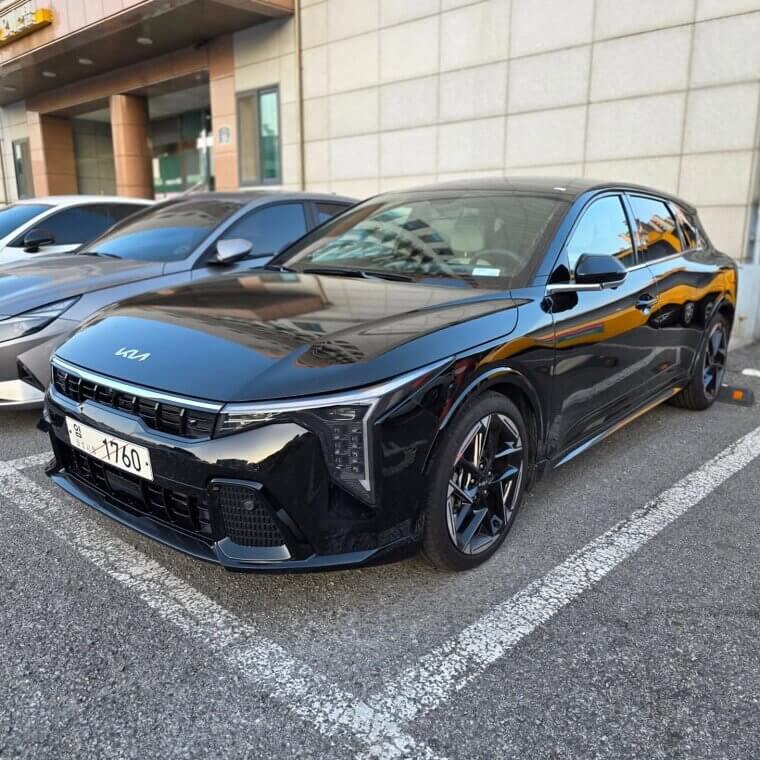
Hybrid and EVs use large lithium-ion batteries that wear out with time and use. These batteries generally last between 8 and 12 years, depending on how the car is used. Replacing them can cost thousands of dollars and repairs aren't cheap either. On the other hand, older gasoline cars used small lead-acid batteries that were inexpensive and simple to swap out. Nowdays, many owners simply trade-in their EV or hybrid vehicle once the battery starts to give in, as replacing it simply isn't worth the massive expense.
Complicated Transmissions
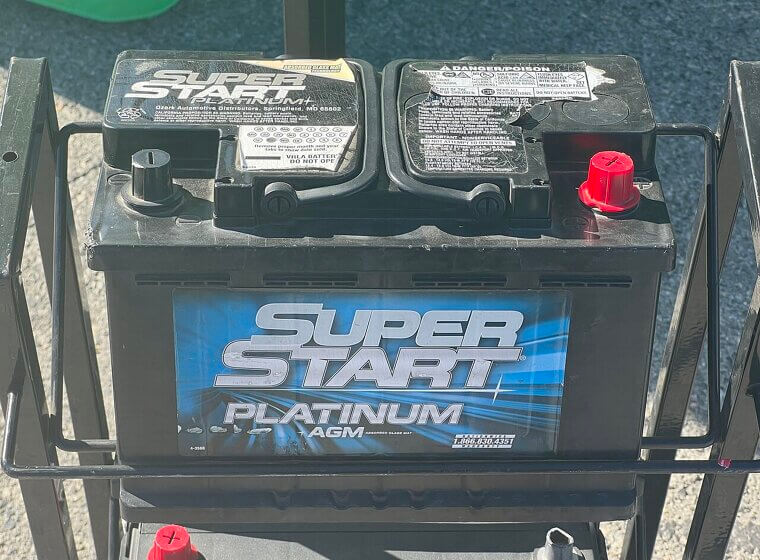
Many modern cars use continuously variable transmissions (CVTs) or dual-clutch systems. These newer designs are more efficient and improve overall performance, but they are also not as durable as traditional manual or automatic gearboxes. CVTs use belts and pulleys that can wear out quickly, while dual-clutch systems often have problems with overheating and part failures - both of which are expensive to repair. Fixing these transmissions usually means replacing the whole unit instead of making small repairs. As you can imagine, this isn't cheap, leading many owners to simply trade their car in for something entirely new.
Environmental Regulations
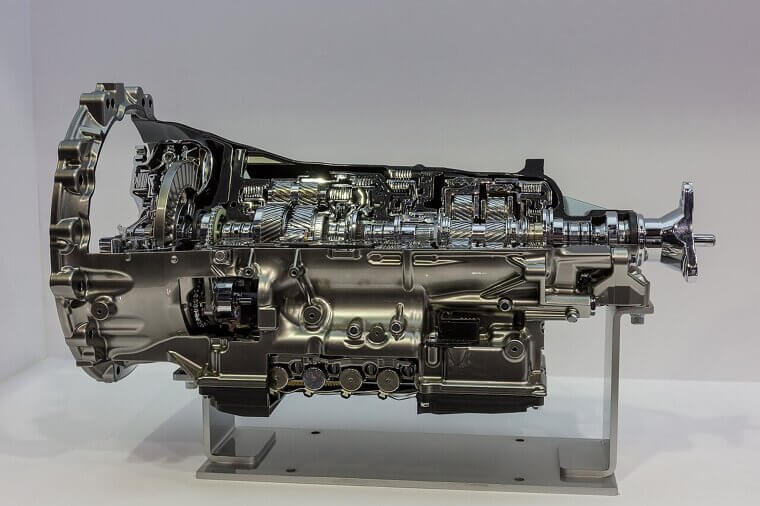
Strict emission standards have led to the development of complex systems, such as exhaust gas recirculation (EGR), diesel particulate filters (DPF) and catalytic converters. While these parts may help the environment, they also clog easily, break down often and need expensive replacements. If the emissions system fails, the car might stop working entirely, even if the engine is still in good condition. Older cars didn't have these systems, so they were much simpler to maintain and lasted a lot longer. More so, EVs and hybrid vehicles may save you money on fuel, but they also needs repairs often - which cost a fortune.
Repair Restrictions
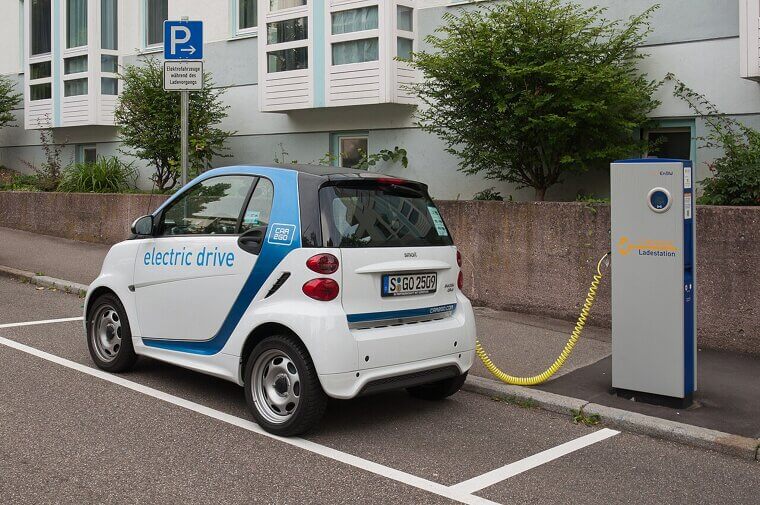
Automakers are making it harder and harder to repair modern cars by using special tools, locked software and requiring dealer-only service. This means that independent mechanics and car owners are no longer able to fix newer cars by themselves, as they just don't have the specialized equipment necessary. As a result, people are forced to visit dealerships, which costs a lot more. In the past, older cars were easier to fix, as parts and manuals were readily available. These new restrictions make repairs a bit of a nightmare, making it more likely for owners to simply trade in their car for something new.
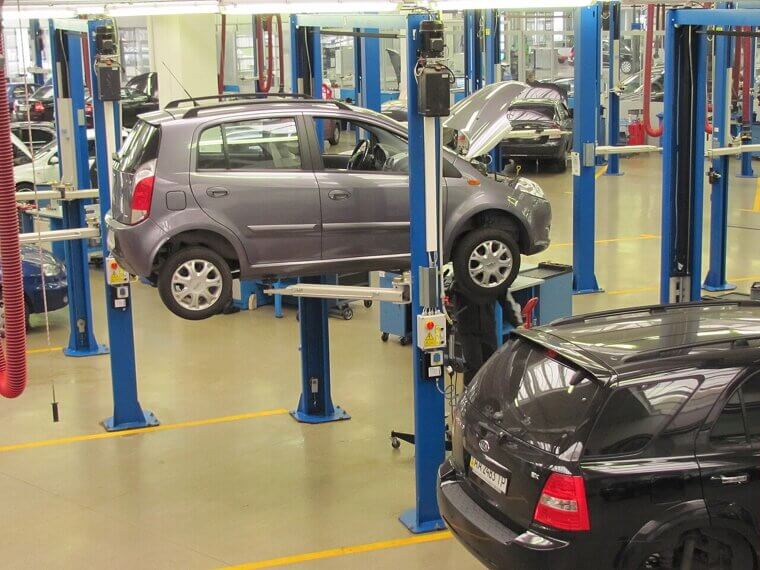
Lightweight and Flimsy Designs
Modern cars are made with lighter with thinner metals, plastics and aluminum in order to improve fuel efficiency. This also helps in lowering emissions and improving the overall performance of the car. However, it has a massive impact on the durability. Lightweight frames bend more easily in accidents and thinner panels are more likely to rust. Older cars were heavier and built to last. In fact, many owners could get hundreds of thousands of miles out of their vehicle without needing any major repair work. As the priority has shifted towards efficiency, modern cars simply don't stay roadworthy for as long, leading to more frequent trade ins.
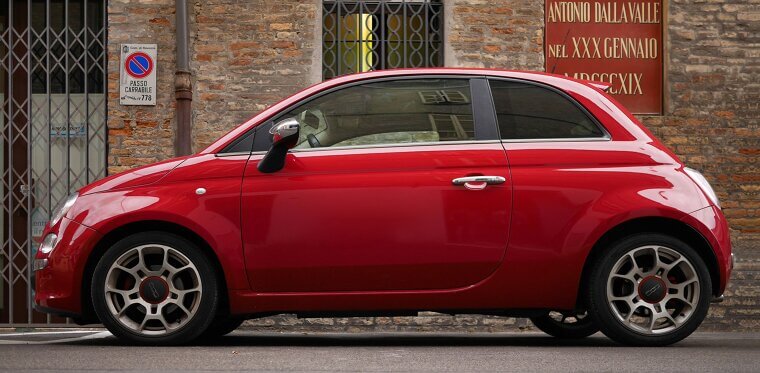
Costly Electronic Integration
Modern driver-assist features, such as lane-keeping and adaptive cruise control, make use of cameras, sensors and radar. These parts are extremely expensive and can fail pretty easily. If one breaks, it can shut down important safety functions. Unlike mechanical parts, these electronics are hard to fix and often require specialized diagnostic tools. Older cars were much simpler, so they had fewer things that could go wrong. Although new technology makes cars safer, it also creates weak points that make the car less durable.
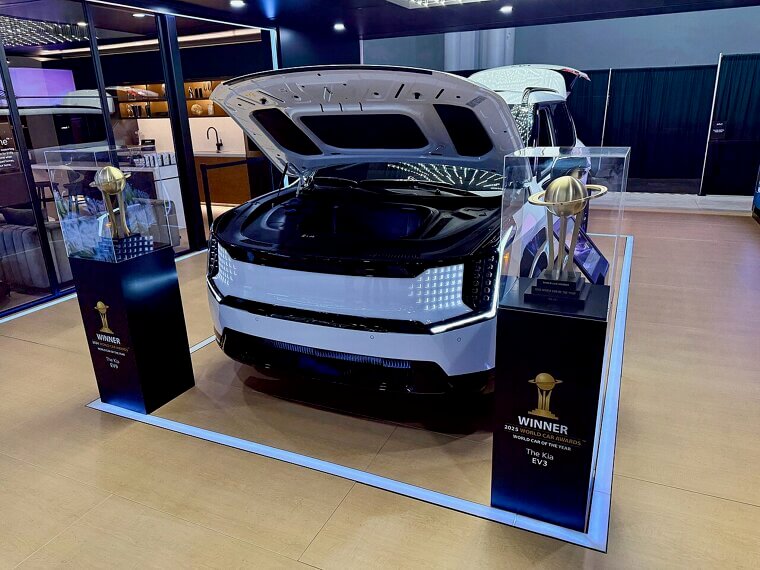
Shorter Component Lifespans
Today’s car parts are designed to be as efficient and affordable as possible, but they also don’t last as long as older ones. Plastic intake manifolds, lighter suspension parts and thinner brake rotors wear out faster than the sturdier parts used in the past. Manufacturers prioritize performance and meeting emissions standards over durability and longevity. Because of this, parts generally need to be replaced more often. Older cars, on the other hand, were made using heavier and more durable components that could last for decades.
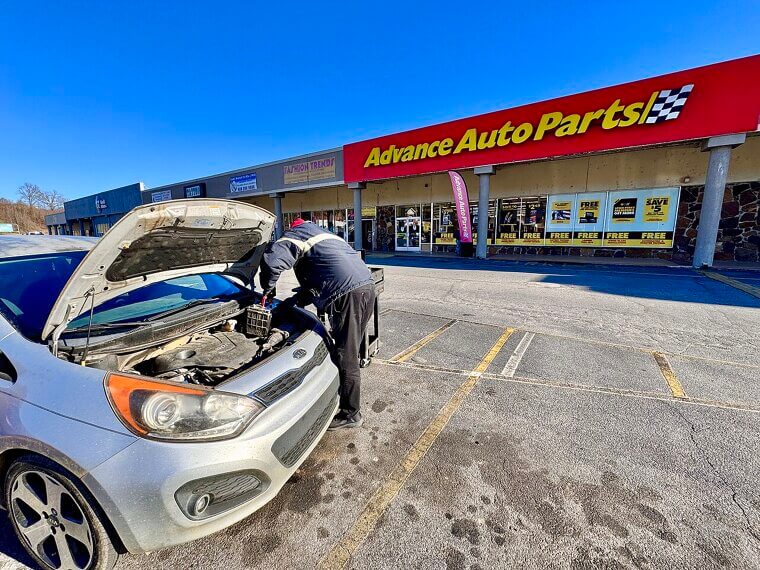
Heat Stress
Smaller engines with turbochargers produce more heat, which places additional strain on gaskets, seals and fluids. When engines reach higher temperatures, parts wear out faster, causing leaks, warping and early breakdowns. Although modern cooling systems are more advanced, they don't always fully handle the extra heat. In the past, engines ran cooler and were easier on their materials, meaning that they also lasted longer. While today's engines are moe efficient, they definitely aren't as durable, making repairs and maintenance essential.

Consumer Trends
Nowdays, leasing and trading in cars can shape vehicle ownership. Car makers now build cars with shorter lifespans, as owners are more likely to replace them every few years. This means long-term durability is less important than it once used to be. In the past, people wanted cars that would last for decades. Style, comfort and fuel efficiency are now the most important factors for most buyers. Because of this shift, manufacturers don't put as much effort into making their cars long-lasting.