Smaller Bodies That Actually Fit Workspaces
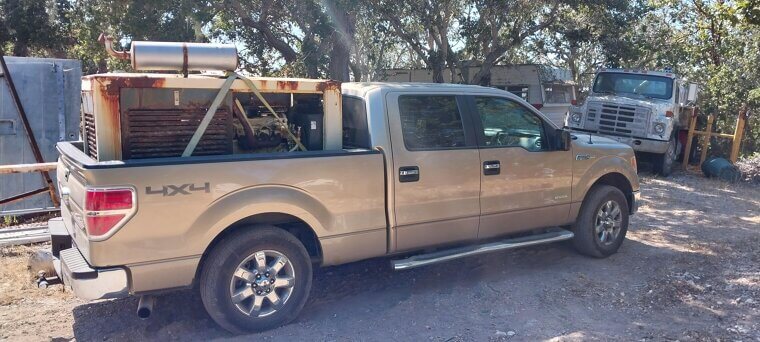
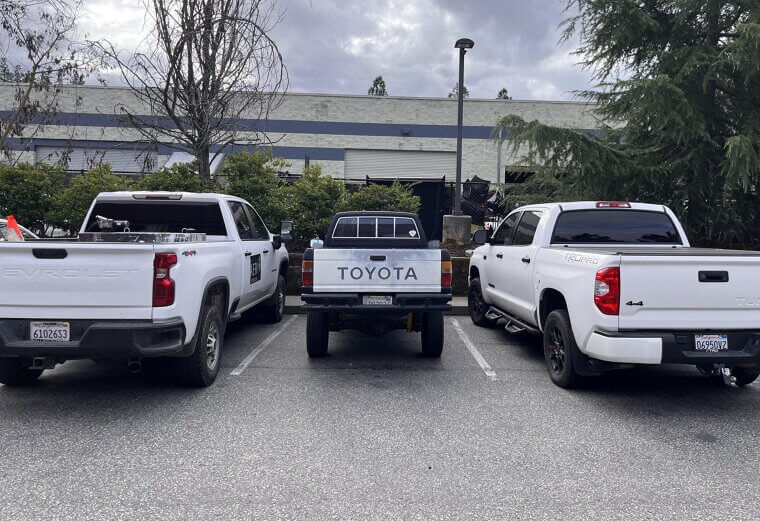
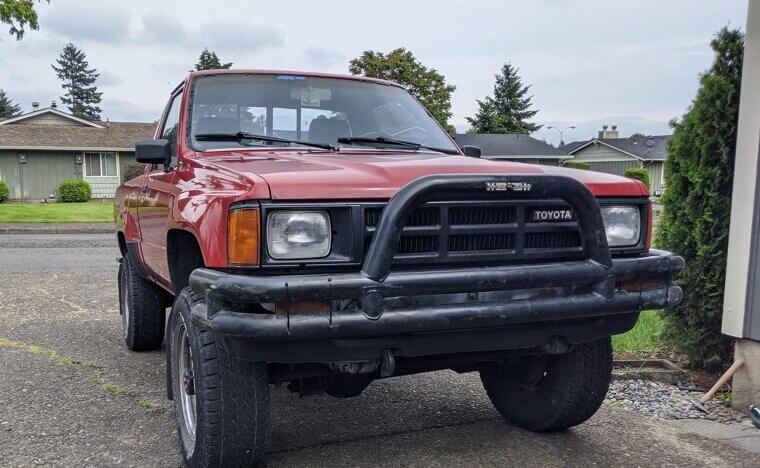
Trucks in the 1980s were narrower, lower, and easier to maneuver in real work environments. They fit garages, job sites, and urban streets without special planning. Modern trucks have grown wider and taller, often exceeding practical needs. Parking garages reject them. Tight work zones punish them. Size now serves the image more than the function. Older trucks focused on access and utility. Newer trucks prioritize road presence, even when that presence becomes a daily inconvenience for owners who actually use them.
Mechanical Simplicity Vs Software Dependence
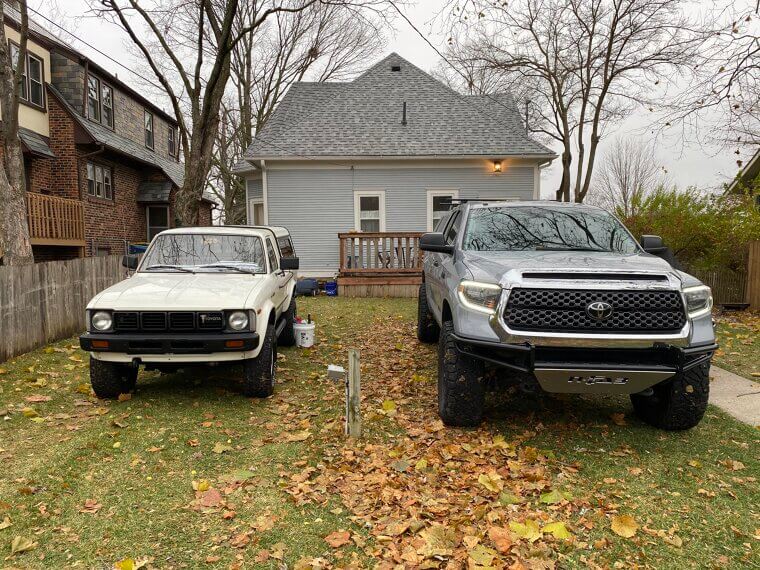
Trucks from the 1980s ran on mechanical systems that you could see, understand, and repair. Carburetors, basic wiring, and simple ignition meant problems were usually physical and obvious. Modern trucks depend on sensors, software, and control modules to function correctly. When one sensor fails, the truck can enter limp mode or shut down its entire system. In the 1980s, a rough idle still got you home. Today, a warning light can strand you. Complexity hasn’t improved reliability. Instead, it has moved problems from mechanical garages to electronic diagnostic screens, escalating minor failures into costly delays.
Better Visibility From the Driver’s Seat
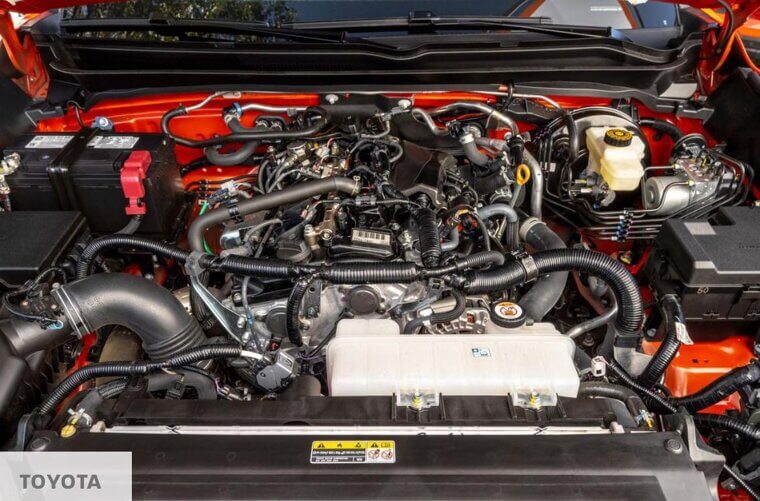
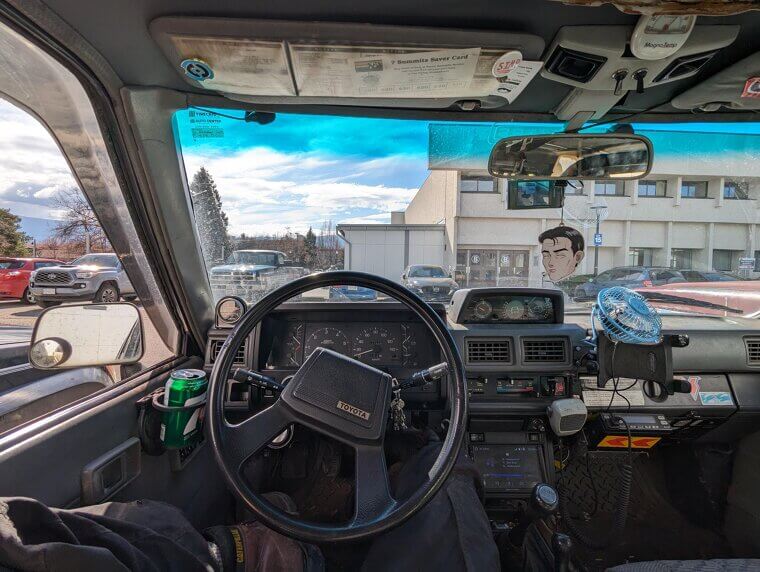
Older trucks had thinner pillars, flatter hoods, and larger windows. Drivers could see trailers, pedestrians, and obstacles clearly without electronic assistance. Modern trucks sacrifice visibility for styling, safety regulations, and aerodynamic shaping. Tall hoods and thick pillars create blind spots that require cameras to compensate. Cameras help, but they also fail. In the 1980s, your eyes handled the job. Today, drivers trust sensors that sometimes disagree with reality, especially in rain, snow, or low-light conditions.
Manual Controls Over Touchscreens
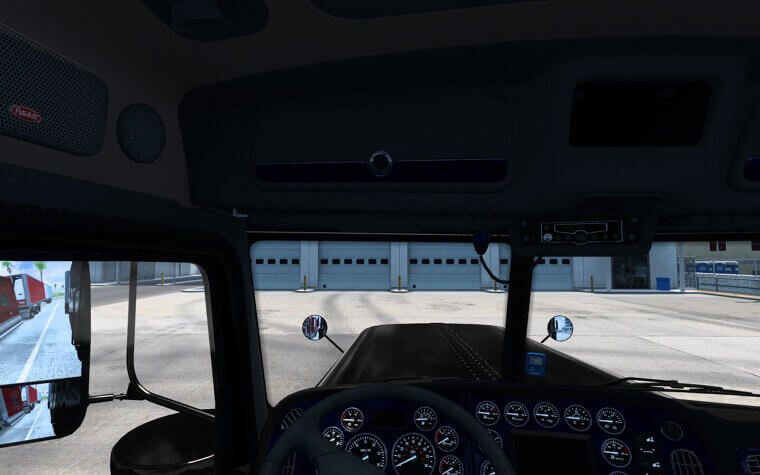
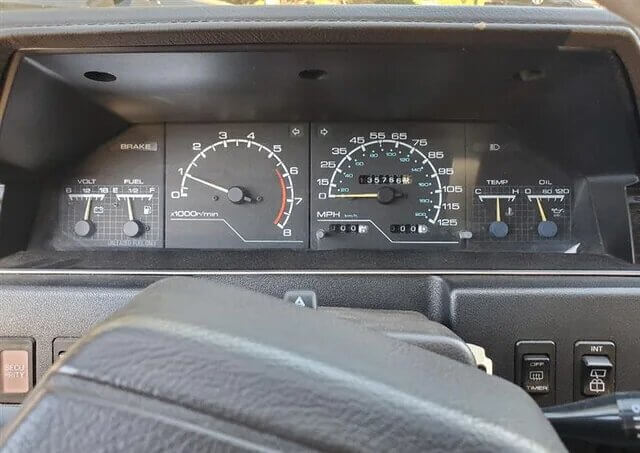
In an '80s truck, climate controls were knobs and sliders. Radio buttons clicked with certainty. Everything worked by feel. Modern trucks bury basic functions inside touchscreens. Adjusting the heat or defrost often requires navigating the menu. Touchscreens freeze, crack, and age poorly. It's nearly impossible to use them with gloves on. To top that, the sun glare exacerbates the situation. Physical controls aged gracefully and worked regardless of conditions. Modern truck design prioritizes appearance over practical usability. This trade-off is particularly detrimental in demanding work environments where speed and reliability are essential.
Lighter Weight With Real Payload Benefits
1980s trucks were lighter because they lacked excessive insulation, luxury trim, and electronic modules. Less weight meant better real-world payload efficiency. Modern trucks are heavier despite being made from advanced materials. Added technology, safety systems, and comfort features eat into usable capacity. Modern trucks are getting heavier much faster than their payload ratings are improving, even though those ratings look good on paper. Older trucks carried more relative to their size. Modern trucks carry expectations, features, and weight that reduce practical hauling efficiency.
Lower Repair Costs and Faster Fixes
Fixing an '80s truck often meant basic tools and commonly available parts. Repairs were fast and predictable. Modern trucks require diagnostics, proprietary software, and specialized labor. Simple issues can escalate into expensive service visits. A failed module today can cost more than a full engine rebuild once did. Downtime depends on parts availability and programming schedules. Older trucks broke less often, and when they did, repairs were straightforward and inexpensive by comparison.

Fewer Electronics to Fail Over Time
Electronics multiply failure points. Modern trucks include power seats, cameras, adaptive systems, sensors, and digital dashboards. Each adds long-term risk. In the 1980s, fewer electronics meant fewer surprises. Failures were usually mechanical and obvious. Today, intermittent electrical faults drain time and money chasing invisible issues. Sometimes it’s not a major failure at all, just one loose wire or confused sensor that leaves the truck useless. Older trucks lasted because there was less to go wrong. That basic reality still applies, even with all the modern tech layered on top.
Honest Engines Without Forced Complexity
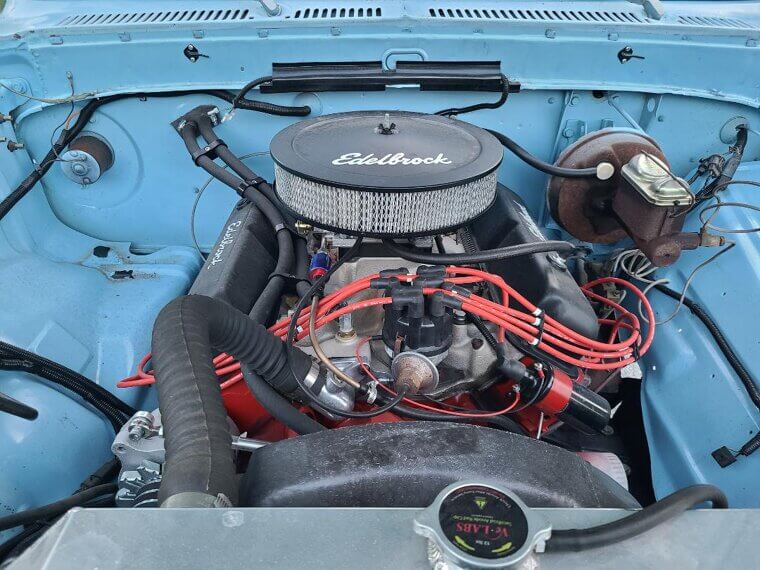
Back in the day, the engines in '80s trucks were simple, breathing easy without a ton of pressure. They weren't horsepower monsters, but man, they just kept going, ticking over for literally hundreds of thousands of miles. Now, trucks are all about being efficient, adding turbos, shutting down cylinders, and making everything as tight as possible. Sure, they look great on a spec sheet, but all that complexity just means more stuff can break. Turbo blowouts, excessive oil consumption, and timing chain issues all contribute to a maintenance nightmare. The old ones weren't trying to win a drag race! All they wanted was to get you and your gear where you needed to go, and they earned their reputation by just refusing to die.
Steel Bumpers That Actually Took Hits
In the 1980s, truck bumpers were made of thick steel and designed to take abuse. A low-speed collision usually meant a scuff, not a repair estimate. You could bump a loading dock or misjudge a parking space and keep driving. Modern trucks approach impact very differently. Plastic covers, sensors, painted panels, and camera systems turn even minor contact into a costly repair. What used to be shrugged off now triggers warning lights and insurance claims. Older trucks expected physical contact as part of work life. Modern trucks aren’t built to take hits, and owners pay the price when looks matter more than steel.
Interiors Built for Use, Not Image
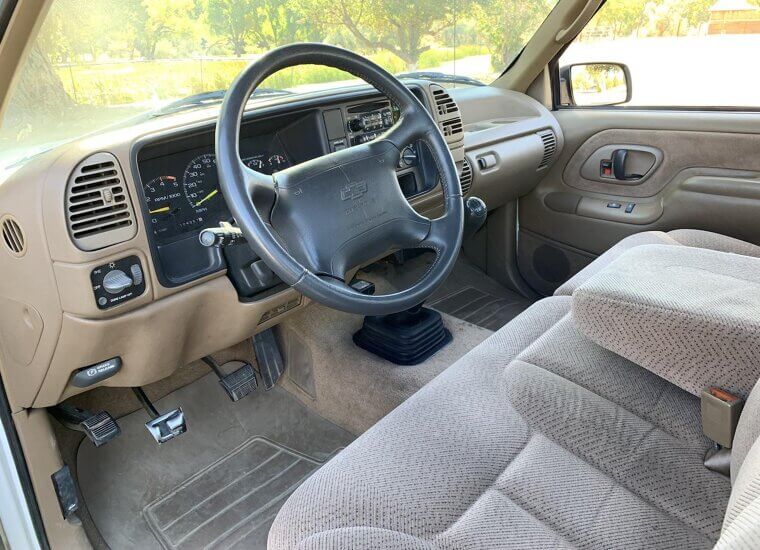
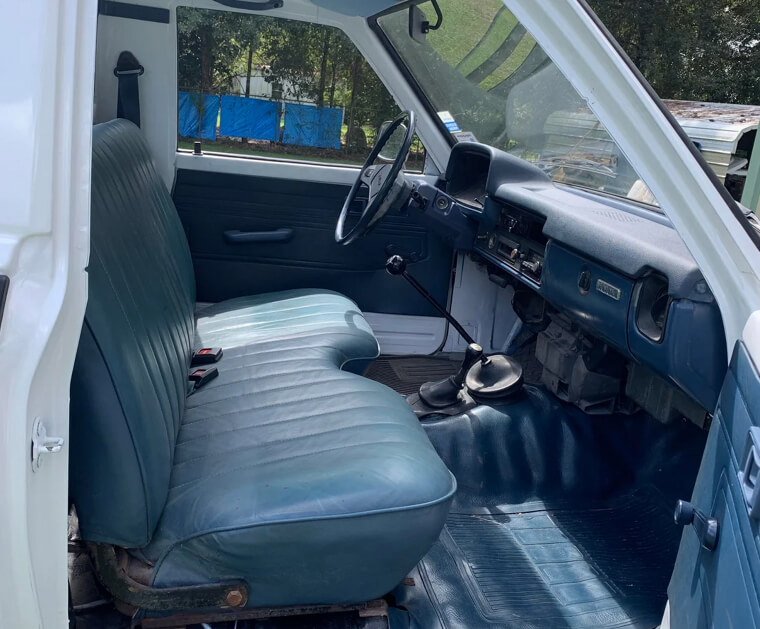
Truck interiors in the 1980s were made for getting dirty. Vinyl floors didn’t care about mud, spilled coffee, or greasy boots. Bench seats took abuse and kept going. You wiped things down and moved on. Today’s truck cabins aim to impress instead of endure. Leather cracks, glossy trim scratches, and giant screens age faster than the engines around them. One rough job site can make the interior feel worn overnight. What used to be a workspace now feels fragile. For people who actually use their trucks, modern interiors feel like an obstacle rather than a help.
Easier DIY Maintenance
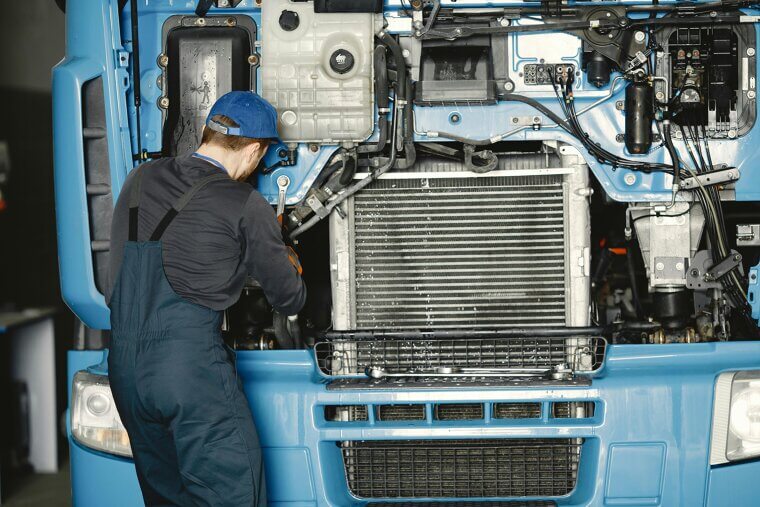
Open the hood of an old ’80s truck, and you could actually see what was going on. Belts were right there. Hoses made sense. If something broke, you usually knew what it was just by listening. People fixed these trucks in their driveways because they could. Modern trucks feel different. Everything is packed tight, buried under covers, and tied to software. A basic repair can turn into warning lights and system resets. Even changing a battery can cause drama. What used to be a hands-on job now feels like permission-based ownership. Trucks didn’t become easier to live with. They just became harder to touch.
Fewer Recalls and Software Fixes
Back in the 1980s, recalls were usually easy to understand. Something mechanical wore out, the fix was clear, and once it was done, that was the end of it. Today’s trucks are a different story. Software updates roll in often, sometimes fixing one issue while creating another. Warning lights pop up after updates that were meant to prevent problems. New service notices keep appearing. The truck might run fine one week and act strangely the next. It no longer feels finished when you buy it. Instead, ownership becomes a waiting game. You drive, update, hope nothing breaks, and repeat. Trucks used to feel complete. Now they often feel like works in progress.
Lower Purchase Prices Adjusted for Inflation
Buying a truck in the 1980s didn’t require a spreadsheet or a second mortgage. You picked a model, checked the engine, and knew exactly what you were getting. It was a basic, metal-built work truck meant to haul, tow, and survive abuse. Adjusted for inflation, those trucks were actually affordable for people who needed them. Today, that simplicity is gone. Modern trucks come loaded with luxury features, oversized screens, stitched leather, and tech packages most job sites don’t need. The price climbs fast, and none of that makes the truck stronger or longer-lasting. You are paying more for comfort and image than actual capability. For buyers who just need a reliable workhorse, the cost-benefit analysis doesn't make sense anymore.

Longer Service Life With Basic Care
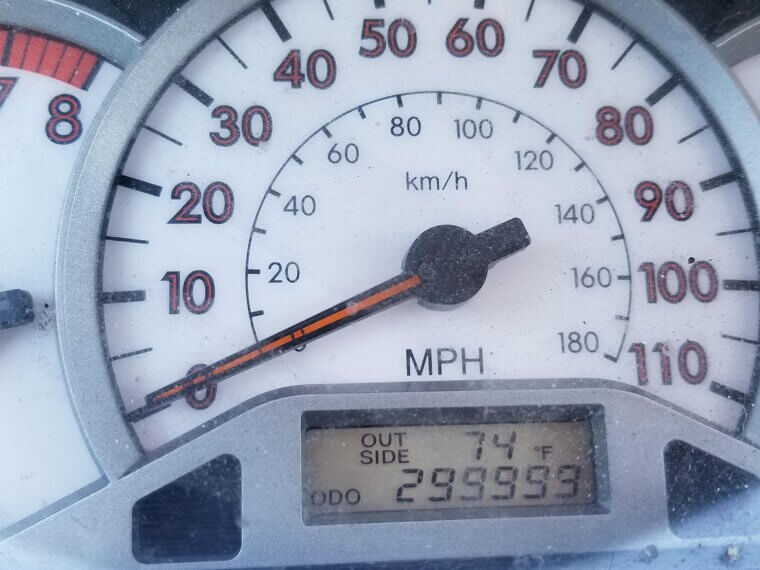
Many 1980s trucks regularly crossed 300,000 miles with basic maintenance and very little fuss. Engines were lightly stressed, systems stayed simple, and failure usually arrived slowly. Modern trucks can still reach high mileage, but the margin for mistakes is much thinner. If you miss one service interval or ignore a warning light, these problems stack up fast. Electronic failures, sensor issues, and software faults often shorten usable lifespan even when mechanical components remain healthy. Repair costs also discourage long-term ownership, pushing trucks off the road sooner. Older trucks aged gradually and predictably. Newer trucks just don't hold up as well. You get hit with these huge, surprise repair bills, usually because some complicated tech broke down, not because the engine or anything essential is actually worn out.
Designed to Work, Not Impress
Many trucks from the 1980s ran well past 300,000 miles without much drama. Engines were simple, not pushed to their limits, and problems showed up slowly. You usually had time to notice something was wrong. Modern trucks can still last, but they are far less forgiving. Miss a service or ignore a warning light, and trouble escalates fast. Sensors fail, software acts up, and electronics can sideline a truck that still runs fine mechanically. Repairs get expensive, owners lose patience, and trucks leave the road earlier. Older trucks wore out gradually. Newer ones often fail suddenly, and technology is usually the reason.