Trucks Are Way Bigger Than They Need to Be
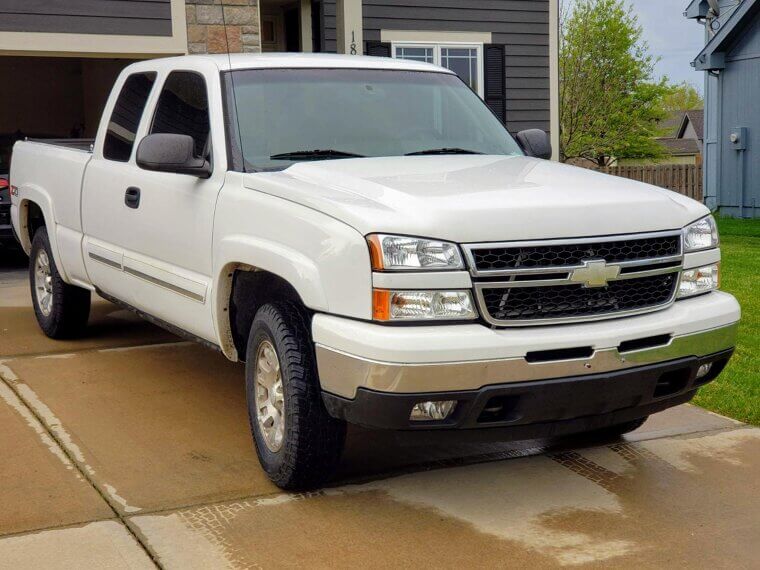
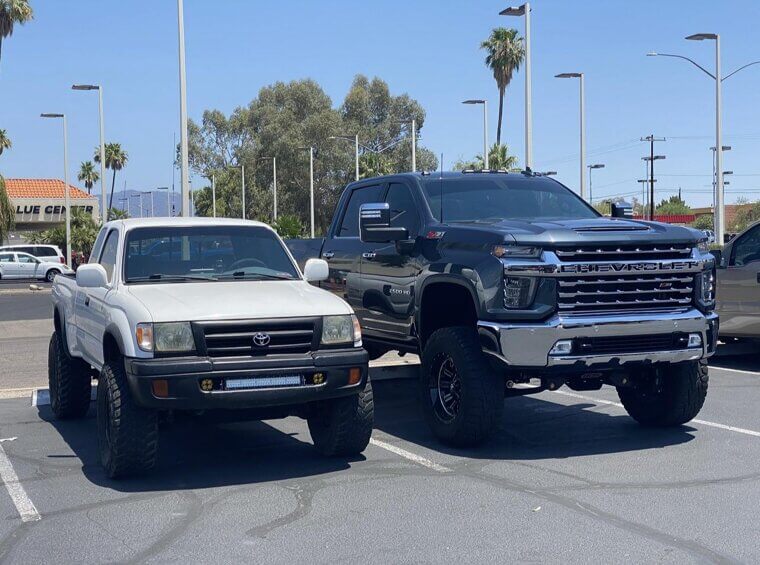
Older trucks were large, but they still easily fit in garages, parking spots, and driveways. However, the increase in size, height, width, and length of today’s trucks has resulted in it being more difficult to drive these trucks on a daily basis. Finding room in parking lots is difficult, drive-thrus feel risky, and navigating through a city can be awkward. Yes, size helps with capability, but most people are not towing massive loads every day. Many owners miss when trucks were big enough to work, but not so big that they felt like a chore. The massive hood lines and high beltlines of modern pickups have also created significant blind spots that simply didn't exist in the 1990s. As these vehicles continue to grow, the simple joy of a versatile, manageable work horse is being replaced by a driving experience that often feels more like operating heavy machinery than a personal vehicle.
They’re Way More Complicated Than They Need to Be
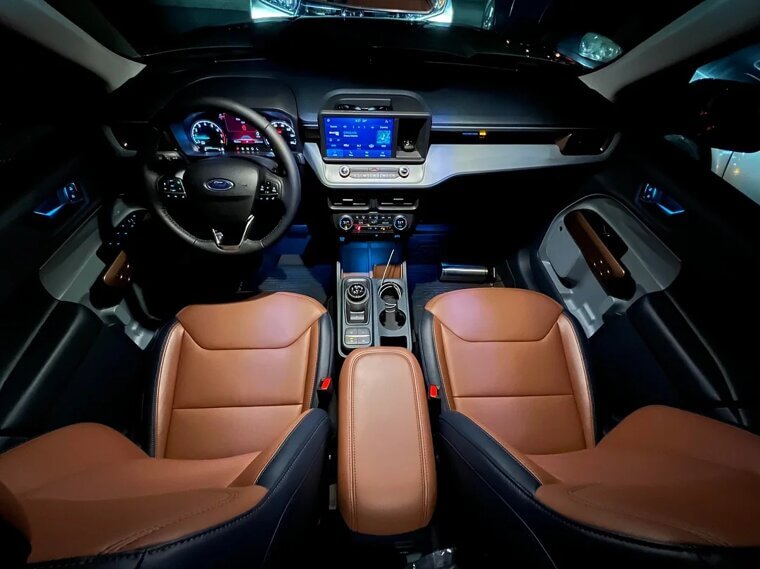
Trucks were quite simple back then. They mainly included engine, transmission, suspension, and that was pretty much it. Today’s trucks are full of sensors, computers, cameras, and software that have to work together for the truck to drive properly. If there is an issue, it is rarely simple. A common problem can sometimes turn into a major issue due to all the alerts and limp modes it can put the truck into. Instead of grabbing your wrench, you will have to use a scan tool and download updates. Due to this complexity, newer trucks take more time, cost more money, and are much more frustrating to repair compared to older trucks.
Repairs Cost Way More
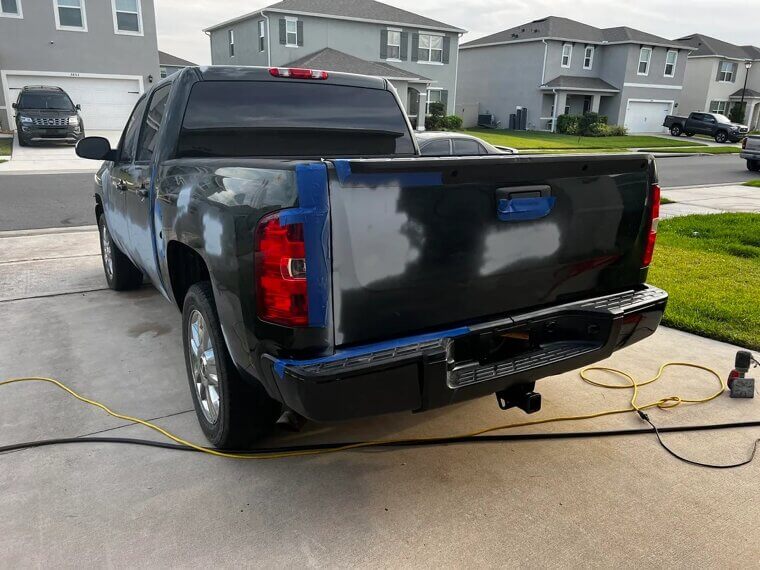
If a truck from 2006 broke down, the general process was to replace whatever part failed and keep driving. In 2026, one broken part can mean electronic issues, calibration, and labor costs that are often greater than the cost of the part. Headlights, bumpers, and even mirrors now have sensors. A mild accident could result in a major financial loss. Routine maintenance is also more expensive for newer trucks because parts are specialized and shops need extra equipment. Older trucks were more forgiving, but newer trucks punish your wallet for things that used to be minor inconveniences.
They Feel Less Honest
Older trucks communicated everything to you. You had a real connection to the engine, the load, the road. New trucks smooth everything out to the point that feedback disappears. Steering feels lighter, throttle response is filtered, and artificial engine sounds sometimes replace the real thing. It may feel comfortable, but there’s no connection. You don’t always know how hard the truck is working or how close you are to its limits. You don’t always know how much work your truck is doing or how close you are to exceeding its limits. Driving now feels more like a digital experience as opposed to the mechanical experience of older trucks.
Too Much Tech Becomes a Distraction
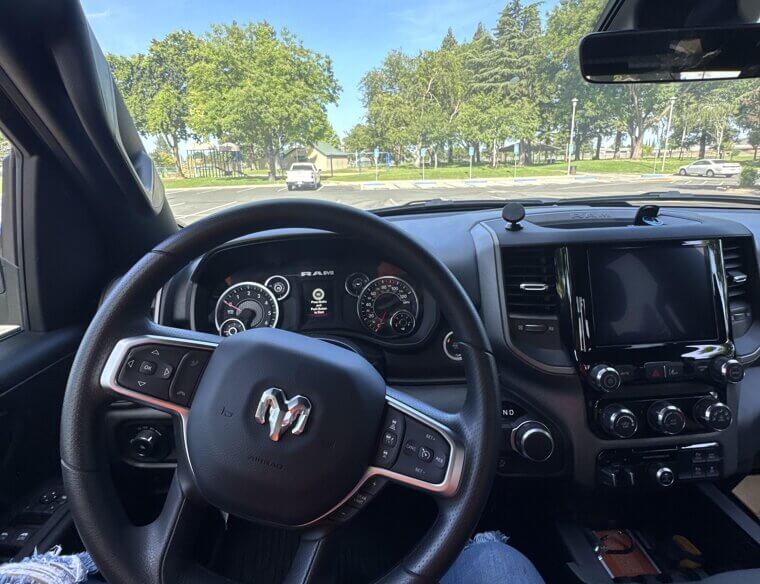
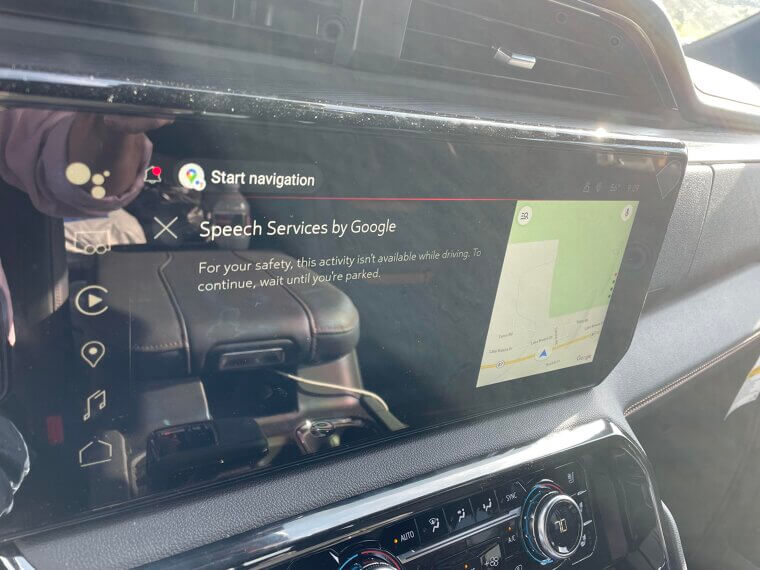
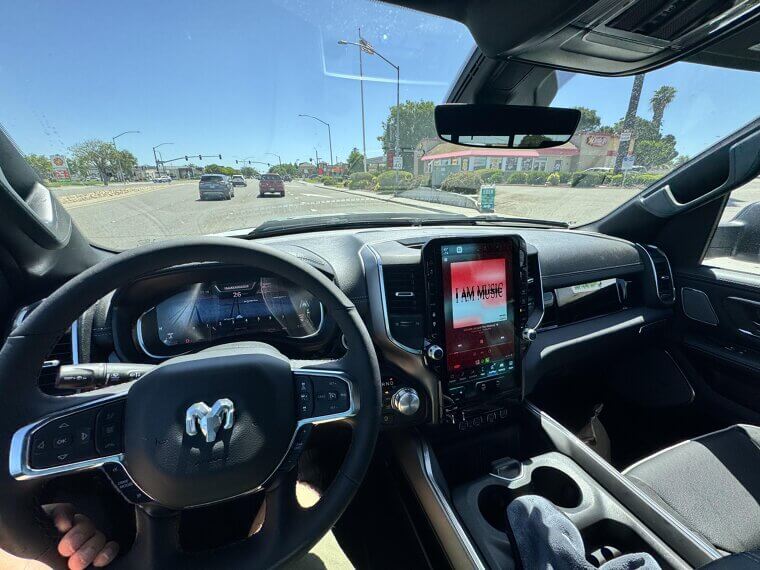
Currently, we see large screens, notifications, menus, and pop-ups. Trucks used to let you focus on driving and working, but now, you have screens that you have to tap multiple times just to change basic settings. Technology was supposed to make it easier for the driver while providing additional benefits. However, it now pulls the attention of drivers away from the road. For those who use their trucks primarily for work, today's trucks feel like rolling computers, and not everyone wants that.
They Cost Way More for the Same Job
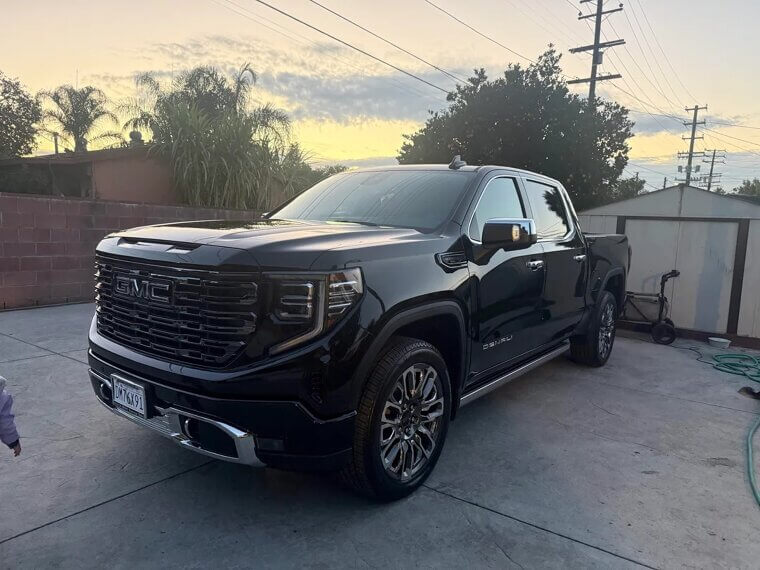
A 2006 truck was expensive, but it felt reasonable for what you got. However, the price of trucks has greatly increased. You have to pay for all the extras, even if you don’t want them, just to get basic capability. Even the lower-level trim trucks have tons of technology that adds to the price. Meanwhile, the improvements in towing and hauling are not as significant as they used to be. Many people feel like they’re paying luxury prices for a tool that used to be accessible. Older trucks felt like work vehicles first. New ones feel like status symbols with beds.
You Can’t See Out of Them as Well
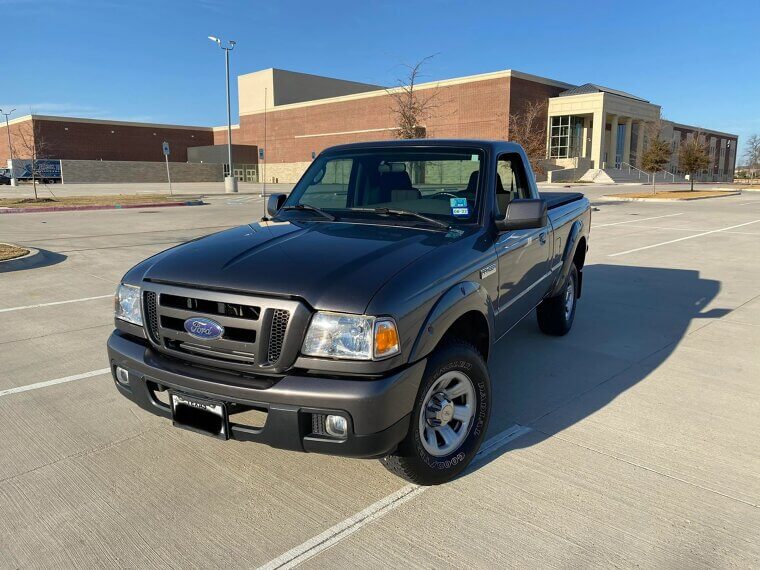
Trucks from 2006 had thinner pillars and simpler designs, so you could actually see what was around you. New trucks are taller, wider, and loaded with thick pillars for safety tech. That sounds good until you realize your visibility took a hit. Blind spots are bigger, hoods are massive, and parking feels like a guessing game. Yes, there are cameras now, but relying on screens instead of your eyes feels like a downgrade to some people.
Everything Is Locked Behind Software
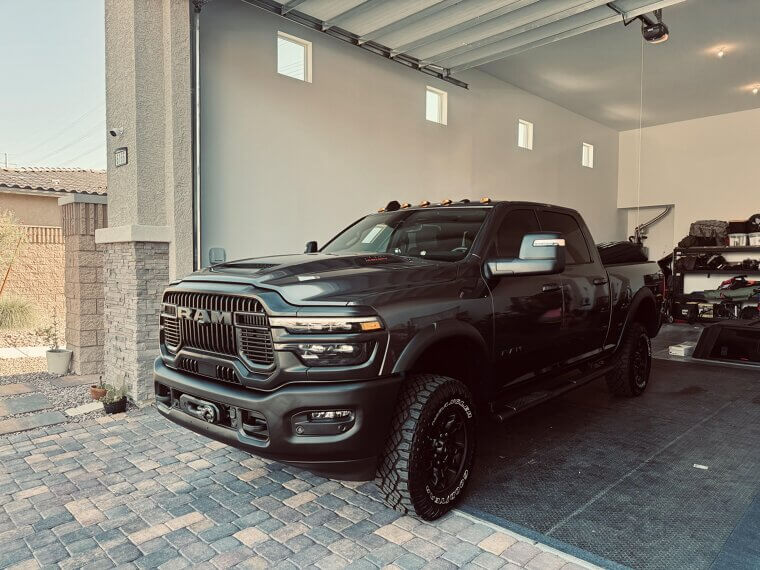
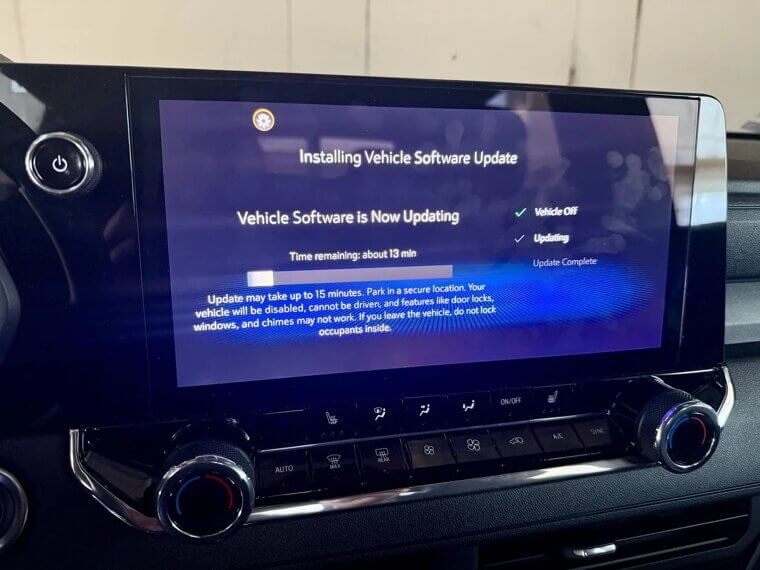
In 2006, if you wanted to change something, you grabbed tools and did it. In 2026, software decides what you can and can’t do. Features are locked behind menus, updates, and sometimes subscriptions. Even basic settings feel buried. Some repairs require dealer programming instead of simple adjustments. That loss of control bothers a lot of owners. Trucks used to feel like something you owned fully. Now they sometimes feel like something you’re borrowing from a computer system that’s always watching.
They’re Harder to Work on Yourself
Back then, plenty of owners did their own maintenance. Oil changes, brakes, belts, even bigger jobs felt doable with time and patience. New trucks pack everything tight and surround it with electronics. Simple jobs now require removing half the front end or resetting systems afterward. Consequently, many owners give up and head to the dealer. That’s not because they got lazier. It’s because the trucks stopped being friendly to hands-on owners.
Basic Options Are Harder to Find
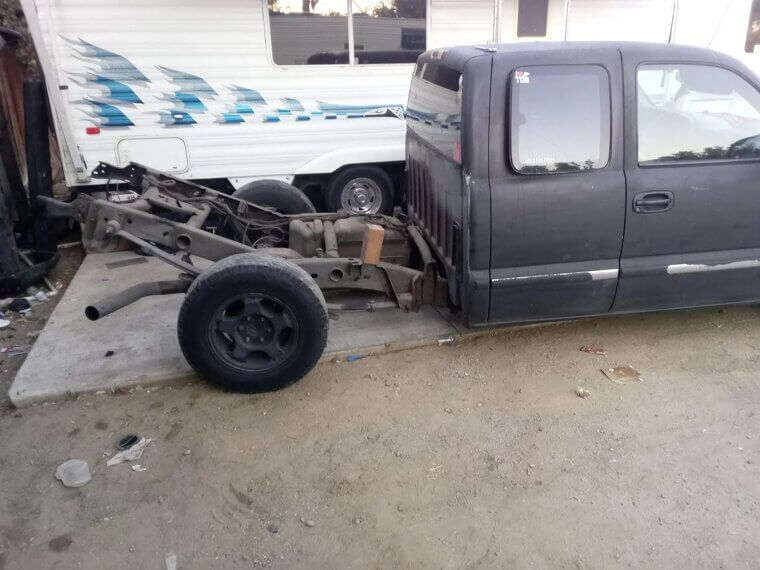
A truck with crank windows, cloth seats, and no additional features used to be easy to find back in 2006. Fast forward to 2026, and it is now nearly impossible to find a pickup truck that is actually basic. Even base models have many technological enhancements that aren't necessarily something that a consumer may want. This increases the cost of the truck and adds complexity. Many people simply want a dependable workhorse, not a rolling gadget. Older trucks let you choose simplicity, while new ones often decide for you, which is frustrating for consumers looking for a dependable, no-frills option.
Long-Term Ownership Feels Riskier
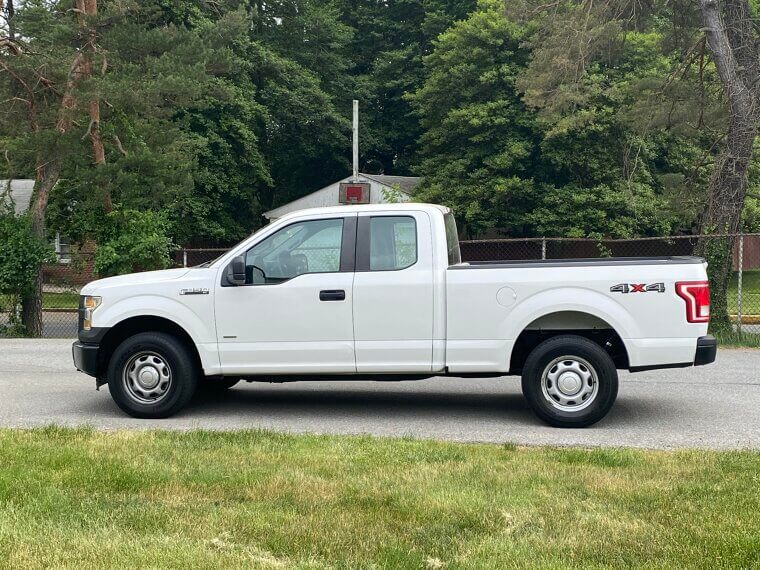
With proper maintenance, a 2006 truck seemed like something you could keep forever. However, when looking at 2026 trucks, you worry about what happens ten years down the road. Will software still be supported? Will you be able to afford the parts? Will screens and sensors still work? That uncertainty changes how people view ownership. Instead of planning to keep their trucks for an extended period, a majority of buyers now plan on trading their trucks in much sooner. That mindset alone makes newer trucks feel less satisfying as long-term tools.
More Rules Get in the Way
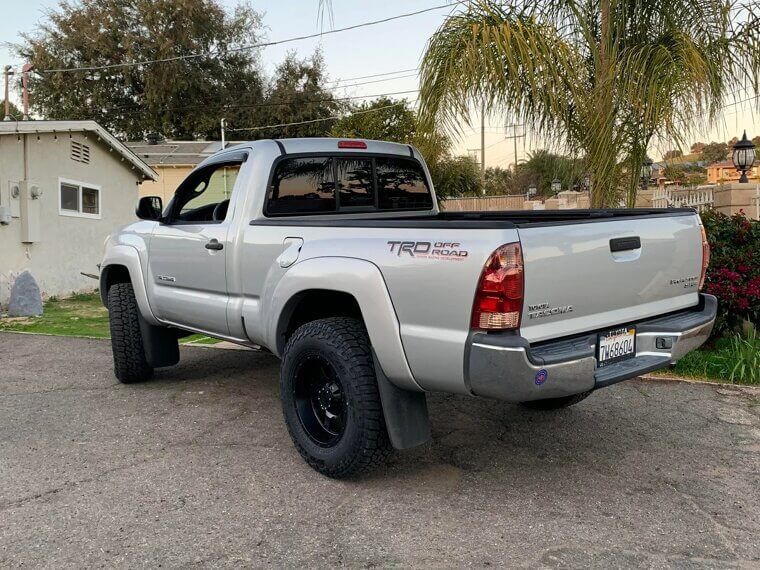
Today’s trucks come equipped with many alerts regarding compliance with laws and regulations. There are seatbelt alerts, driver warnings, shutdown timers, and safety prompts. Some of these alerts provide a positive benefit to the drivers, while others feel somewhat over-the-top and intrusive. Older trucks trusted the driver more, and you were responsible for how you used them. New trucks sometimes feel like they are monitoring you instead of working for you. That can get annoying, especially for experienced drivers who know what they are doing.
They Feel Less Durable Long-Term
Older trucks aged in a predictable way. Paint faded, seats wore out, but they kept running. You can drive a new truck and have fun in the beginning, but most people are usually worried about how the technology will age. Screen problems, sensor malfunctions, and wiring problems can all develop over time. It’s not always catastrophic, but it’s annoying.
They’re Built More for Comfort Than Work
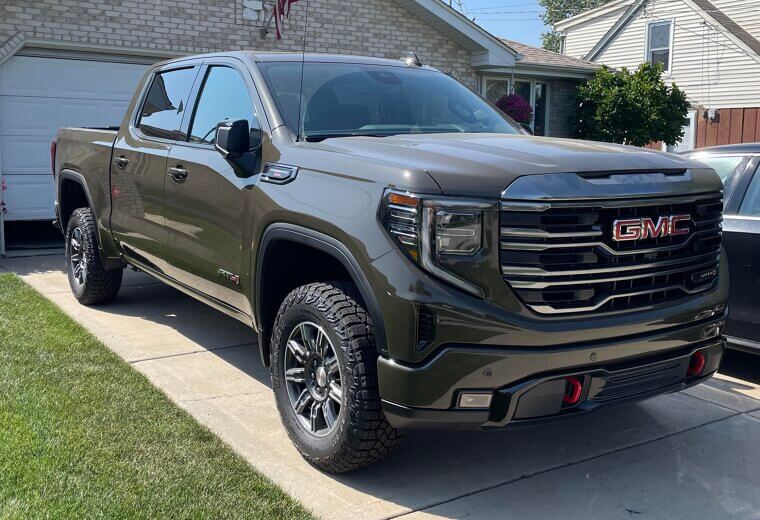
Modern trucks are incredibly comfortable. Quiet cabins, soft rides, luxury interiors. That’s nice, but some people feel the focus shifted too far. Older trucks felt tougher and felt like they were built with purpose. New ones sometimes feel like SUVs with beds. The comfort is great until you’re actually working the truck hard and worrying about scratching screens or damaging sensors. For people who use trucks as tools, not toys, that shift in priorities feels like a step backward.
They Feel Less Personal
Older trucks developed personality over time. Those scratches, dents, and wear marks all had a story to tell. You worked them, fixed them, and made them yours. In contrast, new trucks appear delicate and are almost identical to one another. Owners of newer trucks are concerned about damaging high-tech features or losing some of the resale value. As a result, customizing a new truck appears riskier. For many, owning a truck goes beyond merely having a mode of transportation; It’s part of their life. Older trucks earned that role more easily than modern ones.