Mismatched Paint
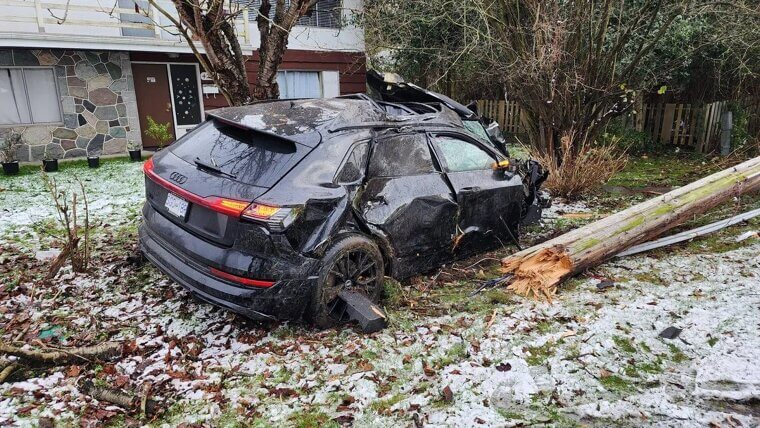
Mismatched paint might seem like something minor with no deeper meaning, but it’s rarely a coincidence on an SUV. Different shades of textures usually mean body panels have been damaged and since repainted, but not necessarily repaired correctly.
With SUVs, accidents can be more serious due to their size, so the damage may not be just cosmetic. Poor repainting may also be the previous owner's way of hiding rust, filler, or frame issues. Even if it looks fine at first, mismatched paint can be a sign of bigger problems underneath, and the contrast will also compromise the look of your SUV.
With SUVs, accidents can be more serious due to their size, so the damage may not be just cosmetic. Poor repainting may also be the previous owner's way of hiding rust, filler, or frame issues. Even if it looks fine at first, mismatched paint can be a sign of bigger problems underneath, and the contrast will also compromise the look of your SUV.
Structural Rust
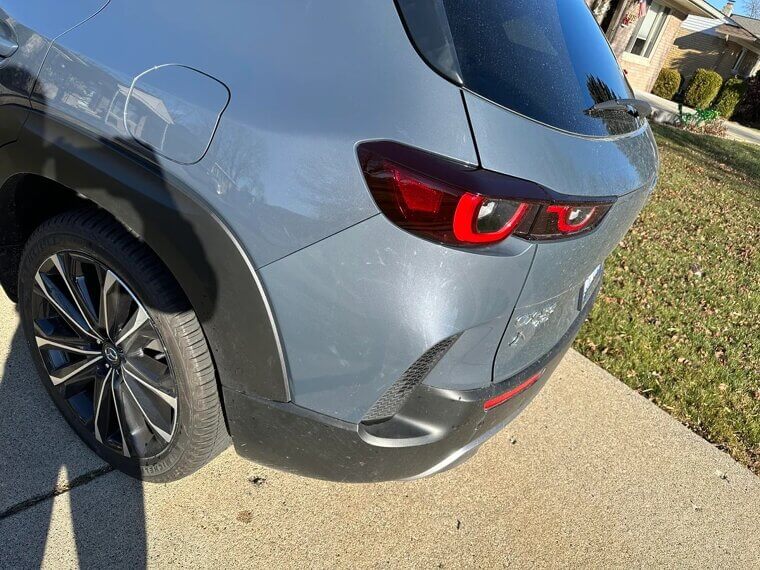
Surface rust on an older SUV isn’t unusual, but structural rust is a major red flag to look out for. SUVs are perfect for driving in snow and heavy rain, on off-road trails, and for towing, all of which accelerate corrosion. Rust on the frame, suspension mounts, or undercarriage weakens the vehicle’s strength and safety.
When buying a used SUV, it’s vital to thoroughly check all of those crucial structural parts to protect passengers and cargo during transit. Bad structural rust is expensive to repair and sometimes impossible to fix properly, making it a huge dealbreaker when you’re still at the “just looking” stage.
When buying a used SUV, it’s vital to thoroughly check all of those crucial structural parts to protect passengers and cargo during transit. Bad structural rust is expensive to repair and sometimes impossible to fix properly, making it a huge dealbreaker when you’re still at the “just looking” stage.
Worn Tires
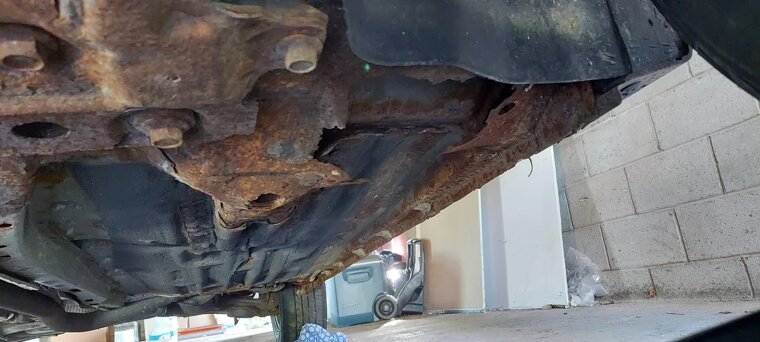
In most cases, worn tires are a sign that you’ll need to get replacements soon, but on a used SUV, they actually reveal deeper issues. Uneven wear on an SUV is usually a sign of alignment problems, worn suspension parts, or poor maintenance over the years.
SUVs are heavier than sedans and sports cars, so tire issues generally show up faster and cost more to fix. Bald or cupped tires can also affect handling and braking, making the car extremely dangerous to drive. If you notice any neglected tires when buying, chances are other maintenance issues were also ignored.
SUVs are heavier than sedans and sports cars, so tire issues generally show up faster and cost more to fix. Bald or cupped tires can also affect handling and braking, making the car extremely dangerous to drive. If you notice any neglected tires when buying, chances are other maintenance issues were also ignored.
Grinding Brakes
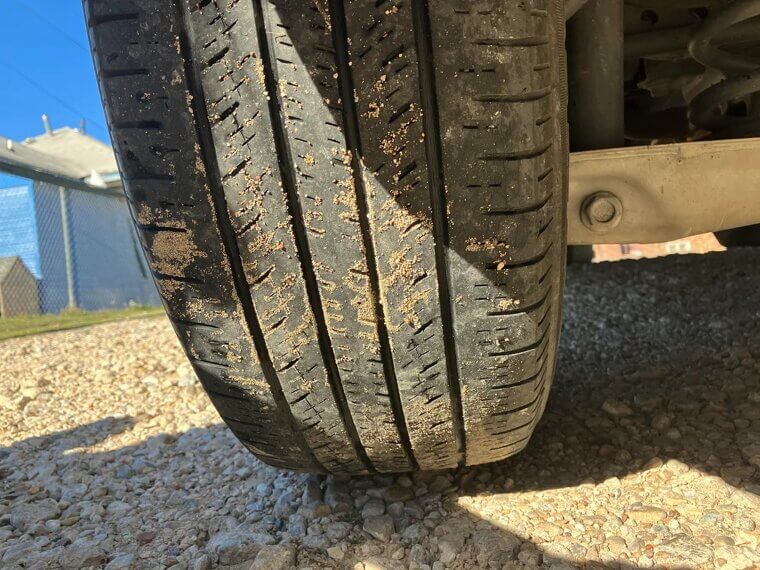
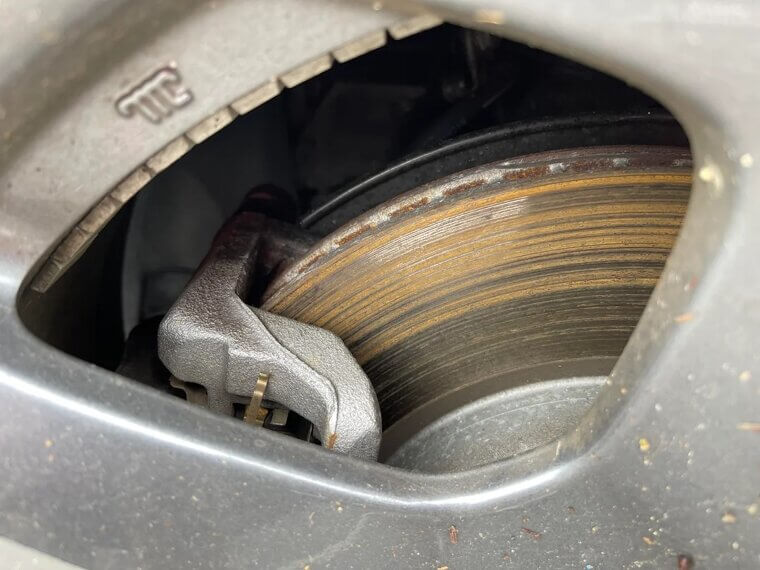
Grinding brakes are more than just annoying background noise while driving; they’re your SUV literally screaming for attention. That harsh sound usually means the brake pads are completely worn down, or the mechanisms have rusted. On a heavy vehicle like an SUV, brake grinding becomes a serious safety concern due to increased stopping distances.
Many drivers ignore the issue because they think it isn’t serious, but those unseen damaged rotors and calipers cost a lot to repair. Never turn down the opportunity to test drive a used SUV because you may miss the brakes grinding, which will eat into your budget later on.
Many drivers ignore the issue because they think it isn’t serious, but those unseen damaged rotors and calipers cost a lot to repair. Never turn down the opportunity to test drive a used SUV because you may miss the brakes grinding, which will eat into your budget later on.
Transmission Failures
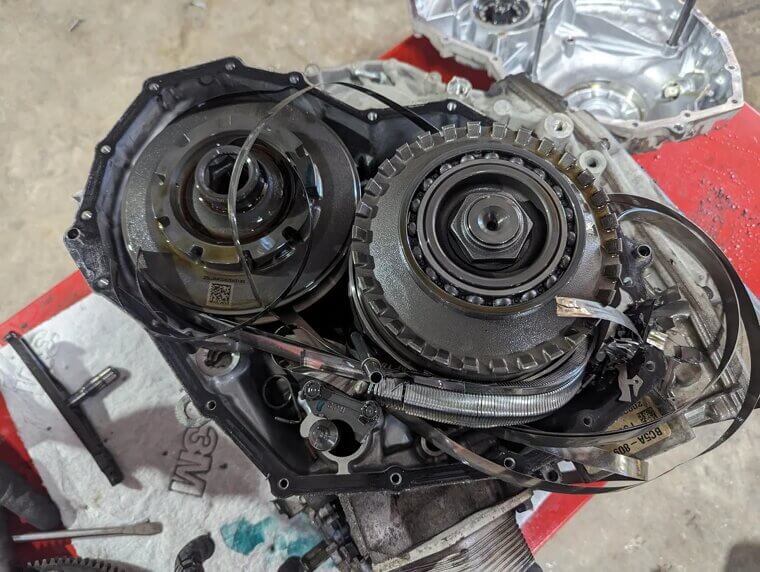
Transmission problems are one of the most expensive red flags that you won’t want to miss when buying a secondhand SUV. Whether it’s hard shifts, slipping gears, hesitant movement, or an all-round lack of engagement, there are endless warning signs to be aware of.
SUVs that are used for towing, hauling, or carrying heavy loads, which puts extra strain on the transmission over time. Even minor symptoms can lead to major repairs, or be the cause of a potential accident. If the transmission doesn’t feel smooth when you test drive the car, it’s probably best to walk away.
SUVs that are used for towing, hauling, or carrying heavy loads, which puts extra strain on the transmission over time. Even minor symptoms can lead to major repairs, or be the cause of a potential accident. If the transmission doesn’t feel smooth when you test drive the car, it’s probably best to walk away.
Oil Leaks
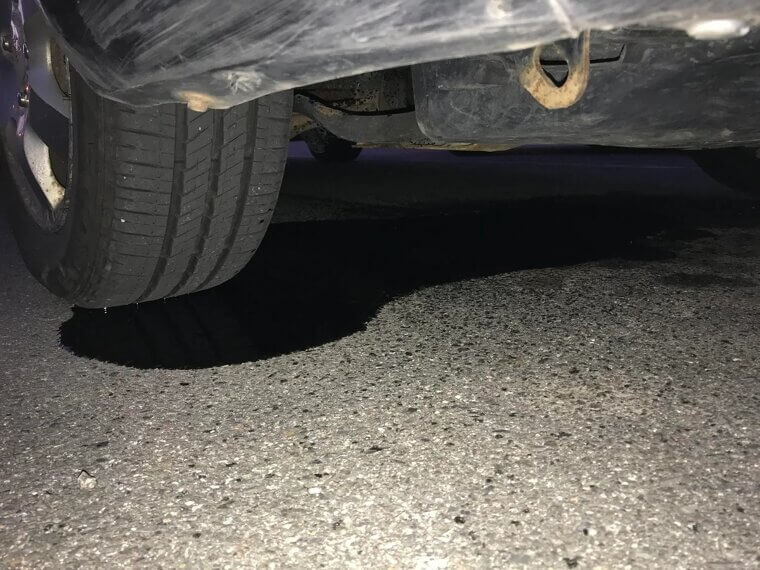
Big or small, an oil leak is a problem that’s easy to ignore, until it totally writes off your SUV! As they sit higher off the ground than other types of cars, oil leaks can go unnoticed in SUVs for a long time. By the time you notice the problem, it’s become twice as tricky and expensive to fix.
Leaks may be caused by worn gaskets, seals, or other cracked components, and long-term oil loss can lead to an overheated engine. You may notice a burning smell when testing the SUV, and that’s a huge sign that you need to look under the hood before agreeing to pay.
Leaks may be caused by worn gaskets, seals, or other cracked components, and long-term oil loss can lead to an overheated engine. You may notice a burning smell when testing the SUV, and that’s a huge sign that you need to look under the hood before agreeing to pay.
Steering Vibrations
Sometimes, it’s almost unnoticeable, but if the steering wheel shakes or vibrates while driving, something isn’t right. In SUVs, steering vibrations can come from unbalanced tires, warped rotors, a worn suspension system, or a general steering system issue.
SUVs are also wider, taller, and heavier, so any problem with the steering can seriously compromise its stability in comparison to a smaller car. Vibrations at highway speeds are an even bigger red flag. Your used SUV should drive just as steadily as a new one, so always question every imperfection.
SUVs are also wider, taller, and heavier, so any problem with the steering can seriously compromise its stability in comparison to a smaller car. Vibrations at highway speeds are an even bigger red flag. Your used SUV should drive just as steadily as a new one, so always question every imperfection.

Musty Odors
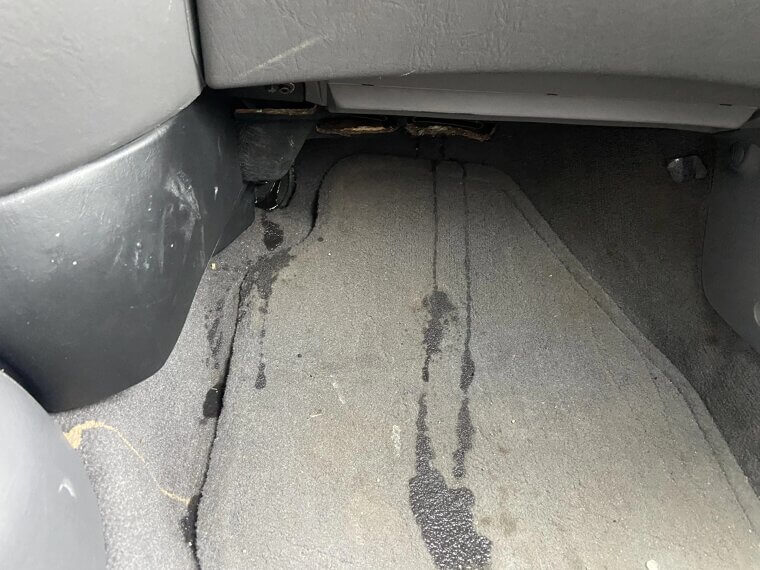
Is it a lack of ventilation, an old spilled drink, or something more serious? That’s the question you should be asking when you’re inspecting a used SUV with a musty odor. It’s most likely that moisture has gotten in where it shouldn’t, perhaps through a leaky door seal or clogged sunroof.
SUVs aren’t strangers to muddy trails or flooded roads, which increases the risk of unwanted water intrusion. That moisture quickly becomes mold or mildew, or, even worse, compromises the electrical components of the car. Most modern SUVs are high-tech, so a damp odor could be a huge sign of damage.
SUVs aren’t strangers to muddy trails or flooded roads, which increases the risk of unwanted water intrusion. That moisture quickly becomes mold or mildew, or, even worse, compromises the electrical components of the car. Most modern SUVs are high-tech, so a damp odor could be a huge sign of damage.
Misaligned Panels
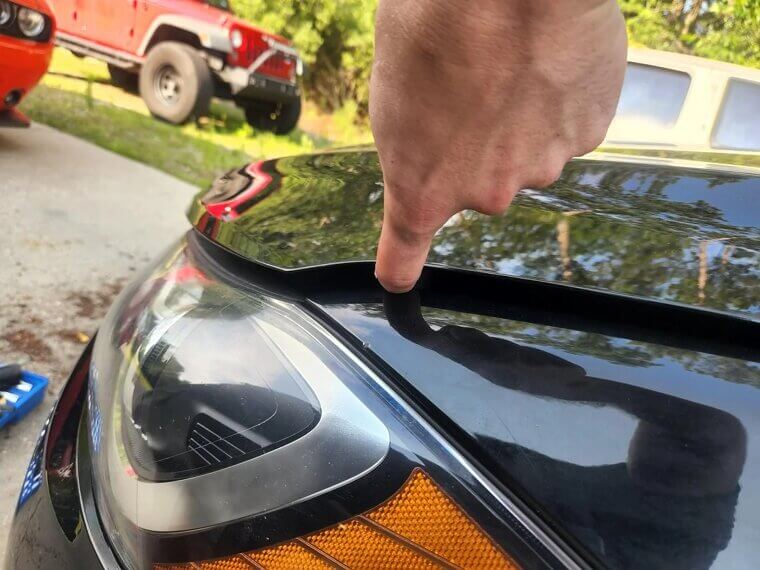
We don’t expect secondhand SUVs to be in pristine condition, but misaligned panels aren’t a lovable sign of a good life on the road. Uneven doors, drooping tailgates, or off-center hoods are actually signs that the vehicle has been damaged in an accident in the past.
SUVs are tough, but they also frequently experience rear-end and side impacts, whether it’s a driver mistake or damage inflicted by another car. Poor repairs can leave panels out of alignment, ruining both their look and function. Unless you want to deal with potential water leaks, wind creeping in, or worn hinges, you may want to pass on the SUV.
SUVs are tough, but they also frequently experience rear-end and side impacts, whether it’s a driver mistake or damage inflicted by another car. Poor repairs can leave panels out of alignment, ruining both their look and function. Unless you want to deal with potential water leaks, wind creeping in, or worn hinges, you may want to pass on the SUV.
Discolored Exhaust Smoke
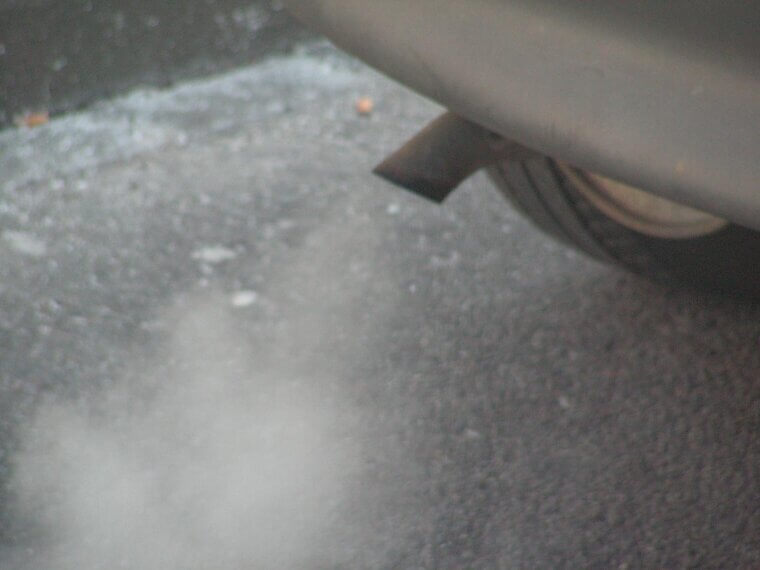
Did you know that there’s more than one type of exhaust smoke? What you see coming out of your prospective new SUV can reveal a lot about its engine health. Black smoke, naturally, points to an engine issue, whereas blue smoke usually means oil is burning, and white smoke indicates a coolant leak.
Larger SUVs may not pump out discolored smoke straightaway, but the problems can fester unnoticed for a long time. If you notice it during startup or acceleration, you can bet the repair job won’t be cheap. You might be tempted to ignore it, but discolored smoke is a sign that costly engine work is in your future.
Larger SUVs may not pump out discolored smoke straightaway, but the problems can fester unnoticed for a long time. If you notice it during startup or acceleration, you can bet the repair job won’t be cheap. You might be tempted to ignore it, but discolored smoke is a sign that costly engine work is in your future.
Swaying
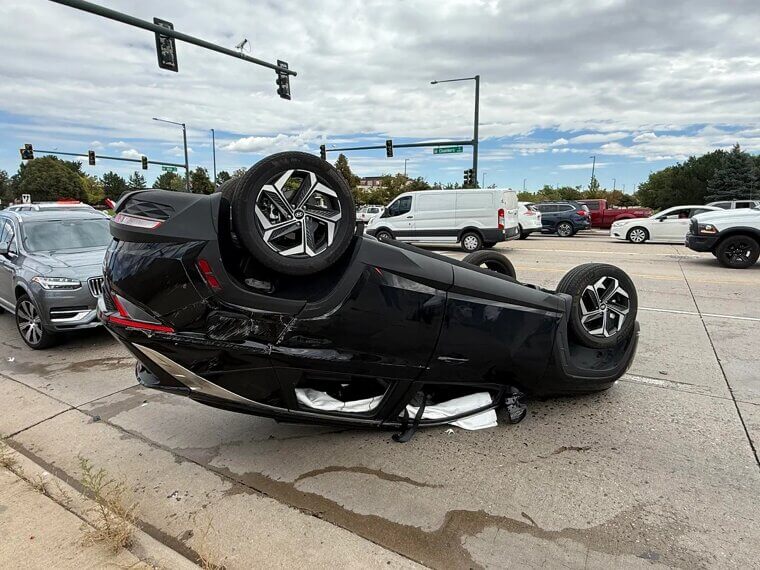
A little sway when you slam an SUV door isn’t a big deal, but repeated swaying when moving, turning, or changing lanes absolutely is! It could be caused by worn-out shocks, struts, or suspension components. Whatever the cause, it’s crucial not to ignore this red flag.
SUVs have a higher center of gravity, so swaying is a major sign of rollover potential. A well-maintained used SUV should feel stable and controlled, not flimsy or top-heavy. If it leans too much one way or rocks back and forth, you’re not just dealing with a comfort issue; you could end up with a flipped SUV.
SUVs have a higher center of gravity, so swaying is a major sign of rollover potential. A well-maintained used SUV should feel stable and controlled, not flimsy or top-heavy. If it leans too much one way or rocks back and forth, you’re not just dealing with a comfort issue; you could end up with a flipped SUV.
Engine Stalling
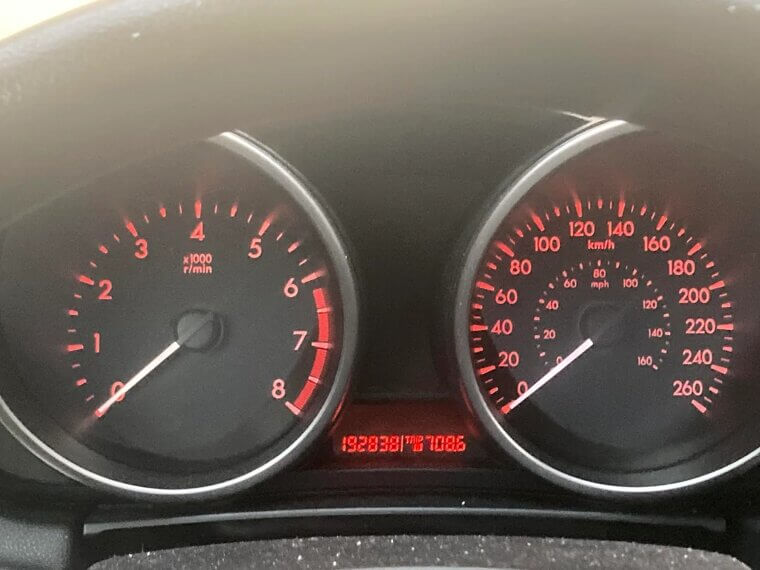
Engine stalling is annoying once or twice, but it’s not supposed to happen routinely, especially in a vehicle built for reliability and utility purposes. If an SUV randomly stalls while idling, stopping, or speeding up, it may have underlying fuel system issues, or electrical problems.
Stalling isn’t just frustrating; it’s dangerous, especially in heavy traffic and while driving such a large vehicle. It’s also a sign that the vehicle may have unresolved mechanical issues that the previous owner didn’t fix. Even if they claim stalling is “occasional”, you should always take it seriously.
Stalling isn’t just frustrating; it’s dangerous, especially in heavy traffic and while driving such a large vehicle. It’s also a sign that the vehicle may have unresolved mechanical issues that the previous owner didn’t fix. Even if they claim stalling is “occasional”, you should always take it seriously.
Loose Trim
Loose bits of interior or exterior trim might seem like a cheap cosmetic problem, but they’re often hints at previous rough use or poor maintenance. SUVs are designed for tougher, longer and more frequent journeys, which can take a toll on the vehicle’s quality.
The seller may not disclose past accidents, botched repairs, or general negligence, but loose trim is one of the telltale signs that there’s more to the SUV’s history. Trim pieces are usually inexpensive, but the reason they’re loose could end up costing a lot more if you buy the car.
The seller may not disclose past accidents, botched repairs, or general negligence, but loose trim is one of the telltale signs that there’s more to the SUV’s history. Trim pieces are usually inexpensive, but the reason they’re loose could end up costing a lot more if you buy the car.
Missing Service Records
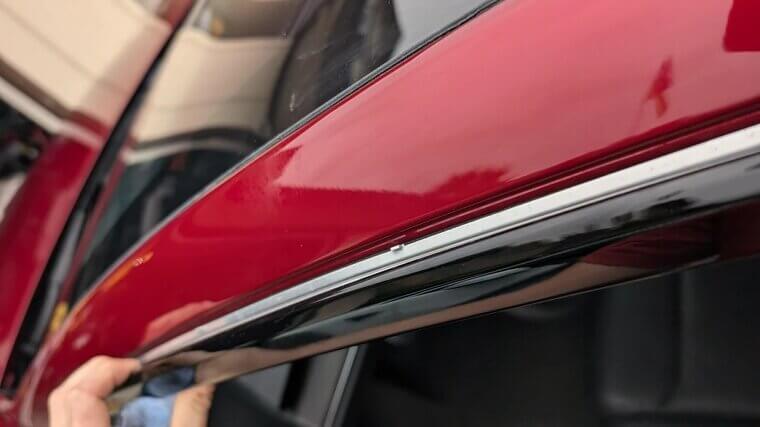
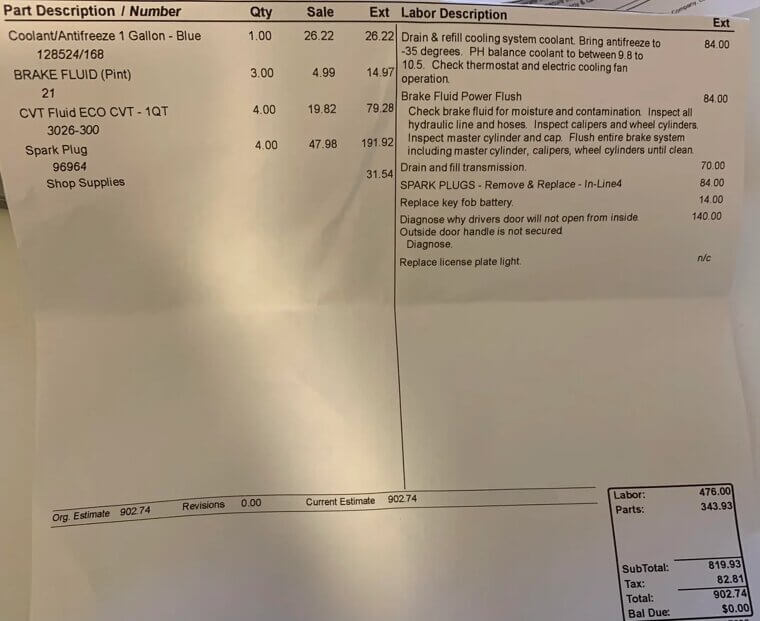
Service records are important for any car, but especially for used SUVs because they require more maintenance than smaller vehicles. Without records, you don’t know if fluid top-ups, tire and brake inspections, oil changes, or transmission services were done on time. The previous owner may not have done them at all.
SUVs that carry heavy loads or need to be used frequently for errands, work, and family transport need consistent care to keep their condition (and value!) up. Missing records often mean that maintenance was skipped. You won’t know if the SUV has any underlying issues, and may pay a hefty price for it.
SUVs that carry heavy loads or need to be used frequently for errands, work, and family transport need consistent care to keep their condition (and value!) up. Missing records often mean that maintenance was skipped. You won’t know if the SUV has any underlying issues, and may pay a hefty price for it.
A "Salvaged" Title
We won’t deny that lots of cars can be beautifully restored, but a salvaged title means that your used SUV was once declared a total loss due to major damage from fire, flooding, mishandling, or theft. Unfortunately, not all salvaged SUVs are repaired well enough.
They’re complex vehicles with specific safety systems, sensors, and structural features that must be restored with extreme care and precision. Poor repairs can compromise safety if the vehicle is resold. Salvaged SUVs also have lower value and can be harder to insure, so in most cases, the risk outweighs the saving.
They’re complex vehicles with specific safety systems, sensors, and structural features that must be restored with extreme care and precision. Poor repairs can compromise safety if the vehicle is resold. Salvaged SUVs also have lower value and can be harder to insure, so in most cases, the risk outweighs the saving.