Turn Signals Are Not Optional, Even in Light Traffic
Many older drivers learned to drive when there were fewer vehicles on the road, and signaling didn’t seem so important. If no one was around, you just turned. Today, there is almost always someone around, even if you don’t see them right away.
Pedestrians, cyclists, and cars in blind spots all depend on your signals for safety. Modern traffic moves faster and closer together. Using your signal every time is less about courtesy now and more about safety. It gives everyone else time to react rather than guess what you are about to do. Skipping it in light traffic still creates confusion and increases the chance of close calls.
Pedestrians, cyclists, and cars in blind spots all depend on your signals for safety. Modern traffic moves faster and closer together. Using your signal every time is less about courtesy now and more about safety. It gives everyone else time to react rather than guess what you are about to do. Skipping it in light traffic still creates confusion and increases the chance of close calls.
Right on Red Is Allowed, But Not Required
Some drivers treat right on red like a command instead of an option. If it’s clear, go. If it’s not, wait. Many older drivers feel pressured by honking behind them and move when they shouldn’t.
It’s completely legal to stop if visibility is poor or traffic feels unsafe. Modern intersections are bigger, busier, and filled with distractions. Taking an extra moment is not rude. It’s smart driving, and the law is on your side here.
It’s completely legal to stop if visibility is poor or traffic feels unsafe. Modern intersections are bigger, busier, and filled with distractions. Taking an extra moment is not rude. It’s smart driving, and the law is on your side here.
The Left Lane Is for Passing, Not Cruising
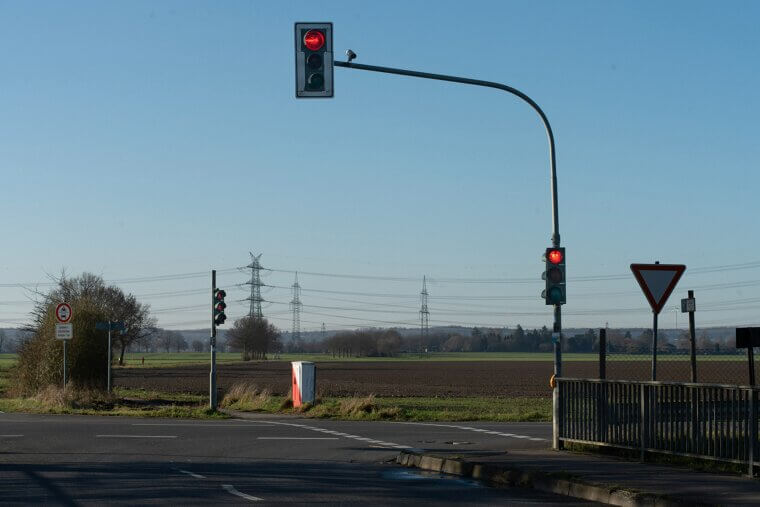
This rule has gotten stricter over time, but not everyone got the memo. The left lane is meant for passing, even if you are already going the speed limit. Hanging out there slows traffic and creates frustration.
Faster drivers will stack up behind you, which increases aggressive behavior and unsafe lane changes. Moving back to the right after passing keeps traffic flowing smoothly. It is not about speeding. It is about predictability, which makes roads safer for everyone.
Faster drivers will stack up behind you, which increases aggressive behavior and unsafe lane changes. Moving back to the right after passing keeps traffic flowing smoothly. It is not about speeding. It is about predictability, which makes roads safer for everyone.
You Must Yield to Pedestrians More Often Than You Think
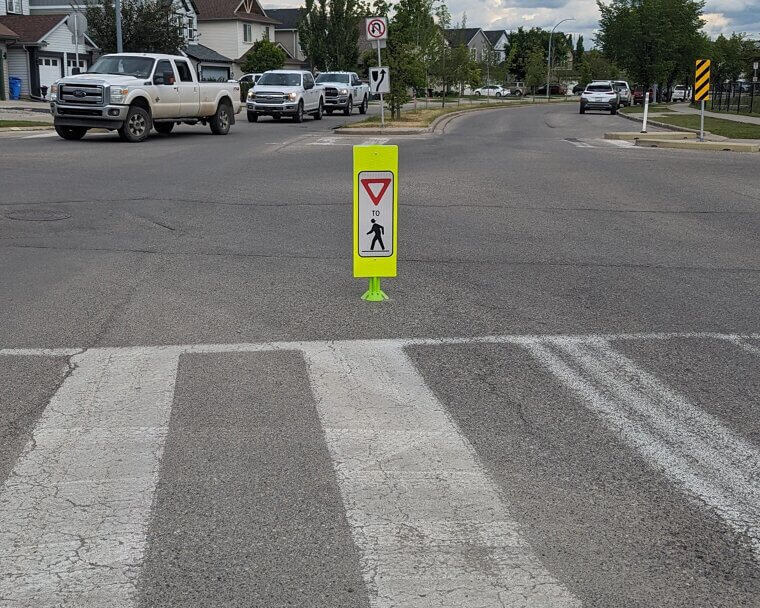
Crosswalk rules have expanded in many places, and a lot of drivers never realized it. If a pedestrian is in the crosswalk or clearly entering it, you are required to stop. This applies even if there is no stop sign.
Modern cities prioritize pedestrian safety more than they used to. People walk with strollers, dogs, and kids who move unpredictably. Yielding feels slower, but it prevents serious accidents and hefty fines. When in doubt, stop and let them go.
Modern cities prioritize pedestrian safety more than they used to. People walk with strollers, dogs, and kids who move unpredictably. Yielding feels slower, but it prevents serious accidents and hefty fines. When in doubt, stop and let them go.
Headlights Are About Being Seen, Not Just Seeing
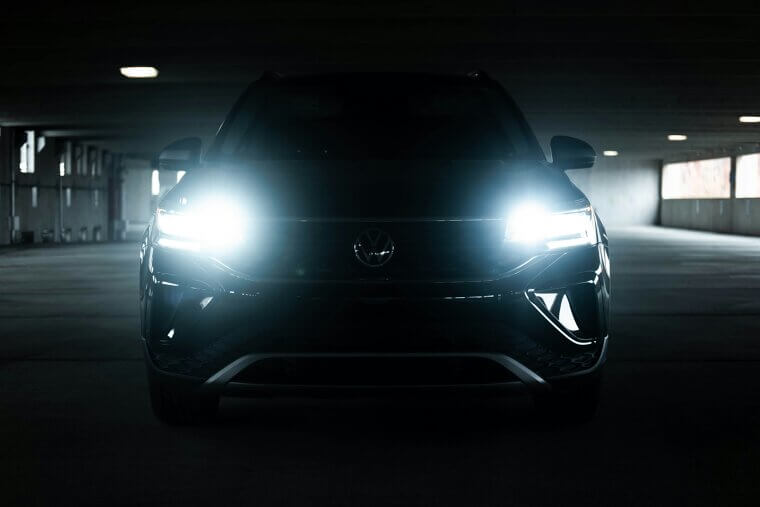
Many older drivers wait until it’s fully dark to turn on their headlights. Modern rules often require headlights at dusk, during rain, or when visibility drops. Headlights help others see you, not just the road.
Daytime running lights do not always turn on taillights, which can make your car nearly invisible from behind. If the weather is bad or the sky looks dim, turn them on. It is a simple habit that dramatically improves safety.
Daytime running lights do not always turn on taillights, which can make your car nearly invisible from behind. If the weather is bad or the sky looks dim, turn them on. It is a simple habit that dramatically improves safety.
Stop Signs Mean a Full Stop, Not a Slow Roll
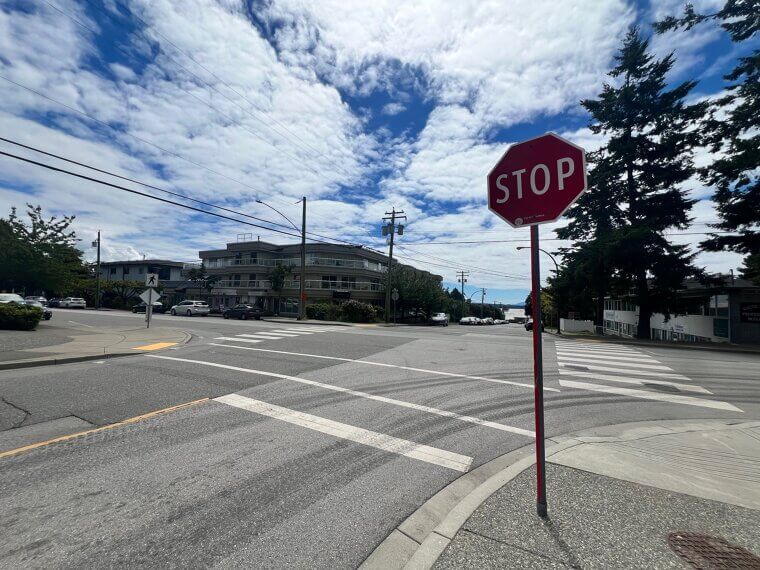
Rolling through stop signs used to be common on quiet streets. Today, it’s both illegal and risky. A full stop means the wheels completely stop moving, even if the intersection looks empty.
Modern neighborhoods have more pedestrians, bikes, and cars parked close to corners. Rolling stops make it harder to see cross traffic clearly. Pausing fully gives you time to actually check all directions. It might feel overly cautious, but it’s the safest way to handle intersections now.
Modern neighborhoods have more pedestrians, bikes, and cars parked close to corners. Rolling stops make it harder to see cross traffic clearly. Pausing fully gives you time to actually check all directions. It might feel overly cautious, but it’s the safest way to handle intersections now.
You Can Turn Left on a Green Arrow Only When It’s Lit
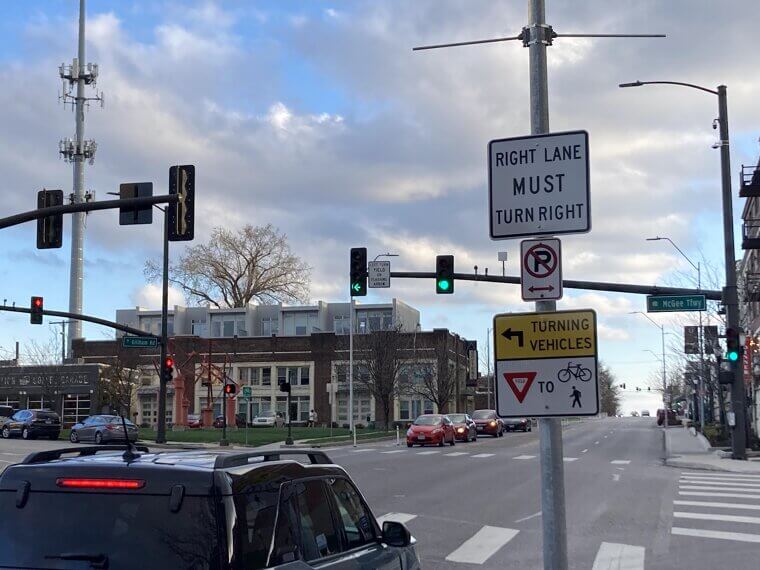
Some drivers treat a green arrow like a suggestion rather than a rule. If the arrow is not lit and you just have a green light, you must yield to oncoming traffic when turning left.
Intersections are more complex than they used to be, with protected and unprotected turns changing by time of day. Waiting for the arrow prevents confusion and accidents. If there’s no arrow, treat it like a yield. Assuming protection when it’s not there leads to close calls.
Intersections are more complex than they used to be, with protected and unprotected turns changing by time of day. Waiting for the arrow prevents confusion and accidents. If there’s no arrow, treat it like a yield. Assuming protection when it’s not there leads to close calls.
Following Distance Needs to Be Longer Than It Used to Be
Cars stop faster now, but traffic is also denser and more unpredictable. Many older drivers follow at distances that worked decades ago but feel too close today.
The general rule is at least three seconds behind the car ahead, more in bad weather. Extra space gives you time to react to sudden braking or debris. Tailgating increases stress for everyone and leaves no margin for error. Space is your safety cushion. Use it generously.
The general rule is at least three seconds behind the car ahead, more in bad weather. Extra space gives you time to react to sudden braking or debris. Tailgating increases stress for everyone and leaves no margin for error. Space is your safety cushion. Use it generously.
Roundabouts Have Specific Right-Of-Way Rules
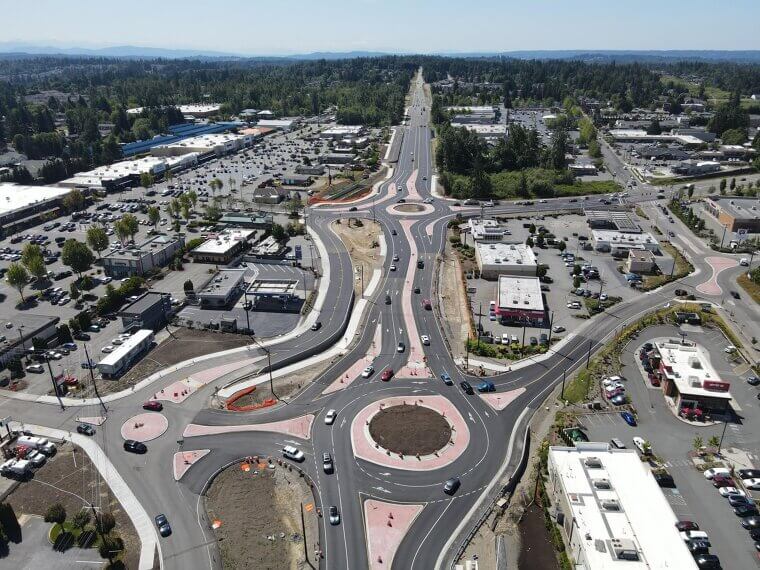
Roundabouts were rare years ago, so a lot of drivers never learned the rules properly. Cars already in the circle have the right of way. You yield before entering, not once you’re inside.
Stopping in the middle of a roundabout or yielding to incoming cars causes confusion and near misses. Pick your gap, commit, and keep moving. They are designed to reduce crashes and keep traffic flowing. Once you trust the rules, they’re actually easier than four-way stops.
Stopping in the middle of a roundabout or yielding to incoming cars causes confusion and near misses. Pick your gap, commit, and keep moving. They are designed to reduce crashes and keep traffic flowing. Once you trust the rules, they’re actually easier than four-way stops.
You Can Be Ticketed for Driving Too Slowly
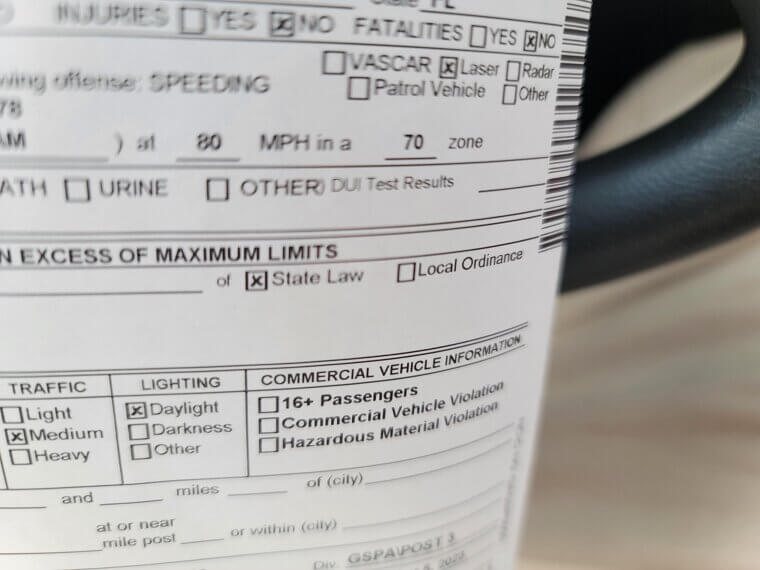
Driving slow feels safe, but going well under the speed limit can be dangerous. It disrupts traffic flow and forces other drivers to make risky passes.
Speed limits are set for ideal conditions. If you’re uncomfortable driving at that speed, it may be better to use a slower route. Staying predictable matters more than going slow. Being significantly under the limit is just as unsafe as speeding in many situations.
Speed limits are set for ideal conditions. If you’re uncomfortable driving at that speed, it may be better to use a slower route. Staying predictable matters more than going slow. Being significantly under the limit is just as unsafe as speeding in many situations.
Merging Means Matching Speed, Not Stopping
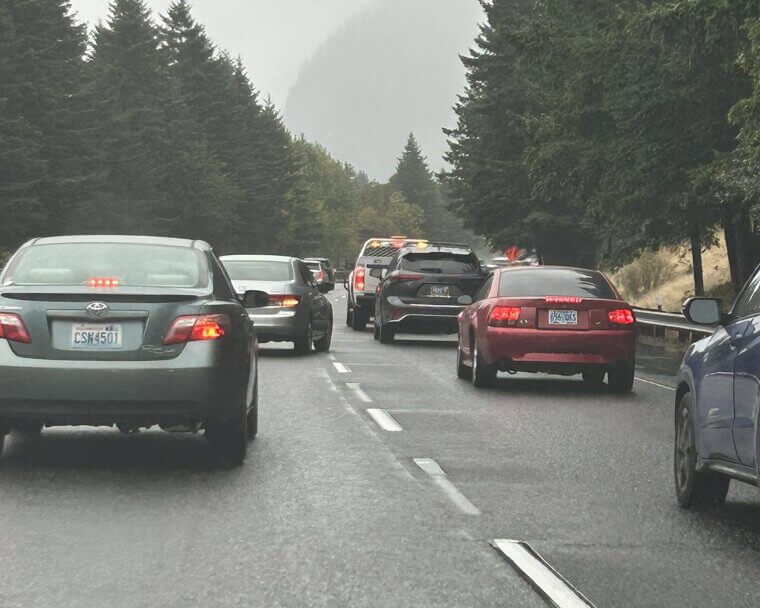
Older drivers often slow way down or even stop at the end of an on ramp. That used to be more acceptable when highways were quieter. Today, it’s dangerous. The goal is to match the speed of traffic before merging.
Other drivers expect you to enter smoothly, not hesitate. Stopping forces everyone to react suddenly. Use the full length of the ramp to accelerate. It feels counterintuitive at first, but matching speed actually makes merging calmer and much safer.
Other drivers expect you to enter smoothly, not hesitate. Stopping forces everyone to react suddenly. Use the full length of the ramp to accelerate. It feels counterintuitive at first, but matching speed actually makes merging calmer and much safer.
School Bus Laws Are Stricter Than They Used to Be
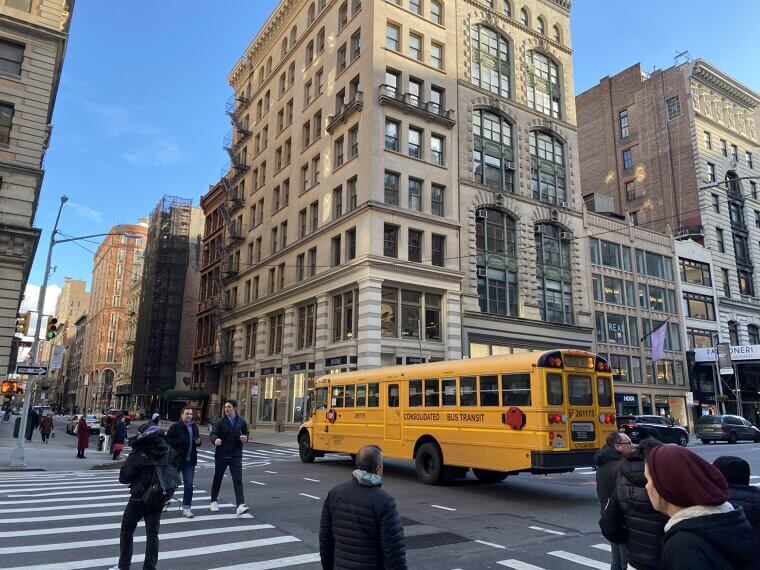
Stopping for school buses isn’t new, but enforcement and rules have expanded. In many areas, you must stop even on multi-lane roads unless there is a physical median.
Cameras now catch violations automatically. Fines are steep, and points add up fast. If a bus has its lights flashing and stop arm out, stop and wait. Guessing wrong here is expensive and dangerous. When in doubt, stop. No one ever regrets being too cautious around kids.
Cameras now catch violations automatically. Fines are steep, and points add up fast. If a bus has its lights flashing and stop arm out, stop and wait. Guessing wrong here is expensive and dangerous. When in doubt, stop. No one ever regrets being too cautious around kids.
Hands-Free Laws Apply at Stoplights Too
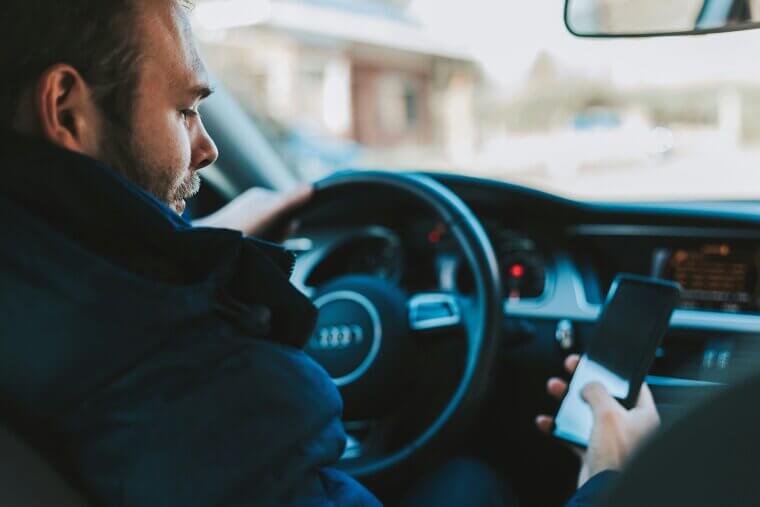
Drivers often think it's acceptable to check their phones at a red light. However, many states still consider it illegal. Hands-free laws remain in effect even when your vehicle is not moving. Police consider you in control of the vehicle as long as you’re in the lane.
Besides getting tickets when you use your phone, checking your phone keeps you distracted, ultimately delaying reaction time when the light turns green. This ends up causing traffic delays and adding to the level of frustration and stress for other drivers. Remaining completely hands-free while driving makes driving smoother and less stressful for everyone around you.
Besides getting tickets when you use your phone, checking your phone keeps you distracted, ultimately delaying reaction time when the light turns green. This ends up causing traffic delays and adding to the level of frustration and stress for other drivers. Remaining completely hands-free while driving makes driving smoother and less stressful for everyone around you.
Lane Lines Matter More Than They Used To
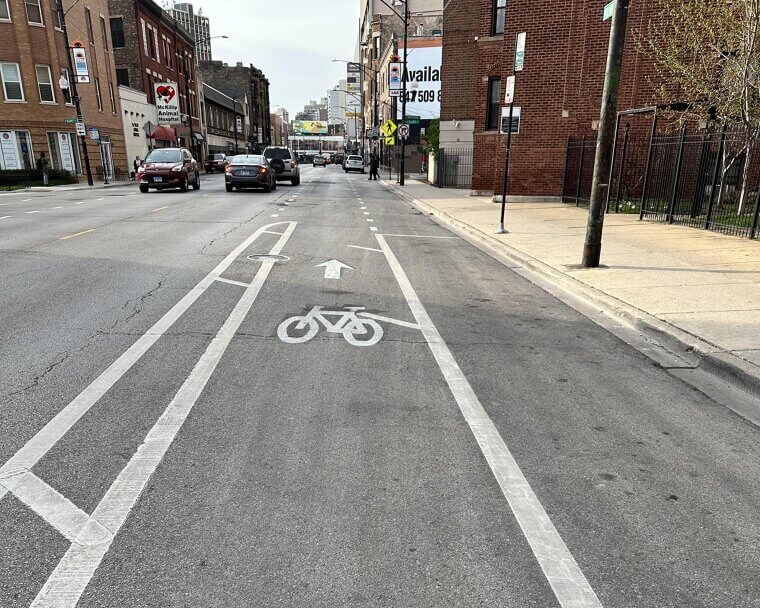
Lane markings are now considered legal boundaries instead of just suggestions. If you cross over a solid line, you can receive a citation for that, even if it was just for a moment. This applies to all lane types, including bike lanes and painted medians.
Most new roads are made with specific traffic flows in mind. Drifting across lines confuses other drivers and endangers cyclists. Staying centered in your lane is more important now than it was years ago. Consider painted lane markings as walls instead of guidelines.
Most new roads are made with specific traffic flows in mind. Drifting across lines confuses other drivers and endangers cyclists. Staying centered in your lane is more important now than it was years ago. Consider painted lane markings as walls instead of guidelines.
New Cars Can Report Dangerous Driving Automatically
Most people are surprised to learn this, but many modern vehicles have advanced technology that allows vehicle owners to review data on things such as how fast they drive, hard braking, and collisions. Some share it with insurance companies or emergency services after a crash.
You don’t have to opt in for all of it. Your driving habits are not as private as they used to be. Knowing this may change the way you view aggressive driving. Safe driving protects more than just your safety.
You don’t have to opt in for all of it. Your driving habits are not as private as they used to be. Knowing this may change the way you view aggressive driving. Safe driving protects more than just your safety.