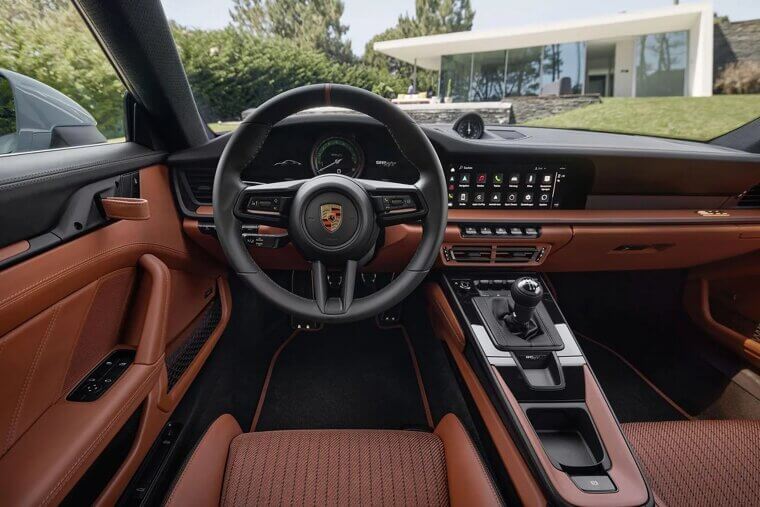
Lane Keep Assist
Lane Keeping Assist is a helpful feature, but in some ways, it can cause complacency and make some drivers lazy. Once an LKA-equipped vehicle provides steering assistance by nudging the wheel for you, your brain starts checking out. You tend to stop actively controlling the vehicle in the lane and begin trusting the LKA system rather than what you see with your own eyes. There’s an issue with this because the system does not always accurately read faded lane markings, construction zone conditions, or severe weather conditions. When the LKA system disengages, the driver may be slower to react because they were relying on the system to control the steering for them and were not fully driving anymore.
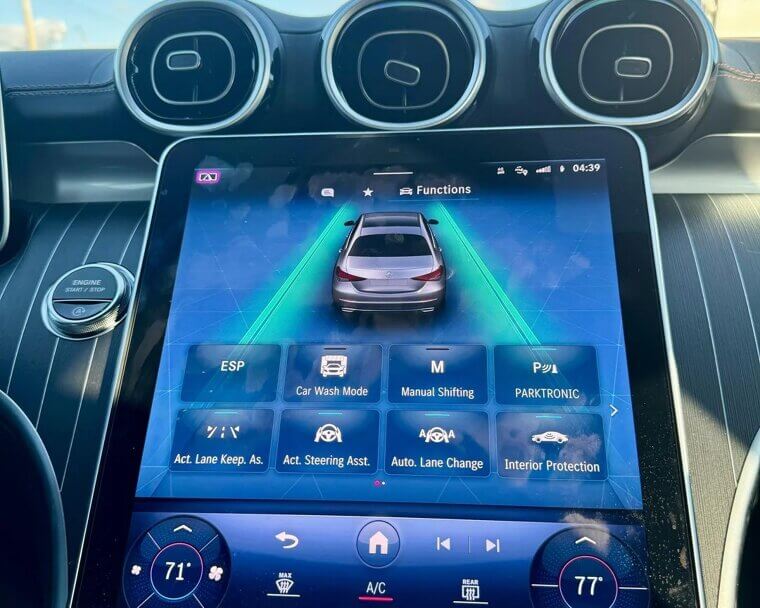
Blind Spot Monitoring
Blind spot warning systems are beneficial when you’re not relying on the light, instead of actually looking. Many drivers no longer perform proper shoulder checks because they trust the little icon on the mirror. One problem with this technology is that it fails to capture some objects, like motorcycles and fast cars. When the icon does not light up, drivers frequently believe the area is clear based solely on the fact that they did not see an indication of something being in their path. The system should confirm what you already checked, not replace it. Over time, drivers forget how much awareness they used to have before the car started watching for them.
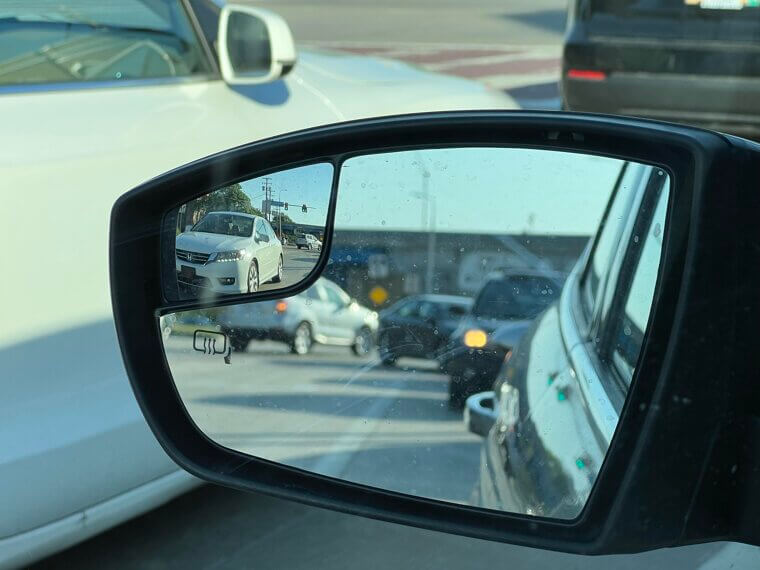
Adaptive Cruise Control
Although this is a nice feature to have on long-distance trips, it causes you to lose some of your driving instincts. The car manages not only the speed, but also the distance it maintains behind the vehicle ahead of it. This causes you to stop being actively aware of the flow of traffic. You end up having a slower reaction time when something happens unexpectedly, such as construction, debris, or vehicles suddenly braking. Some drivers also follow too closely because the system allows it. Instead of staying mentally engaged, people relax too much. Driving becomes passive, and passive drivers are never as sharp as they think they are.
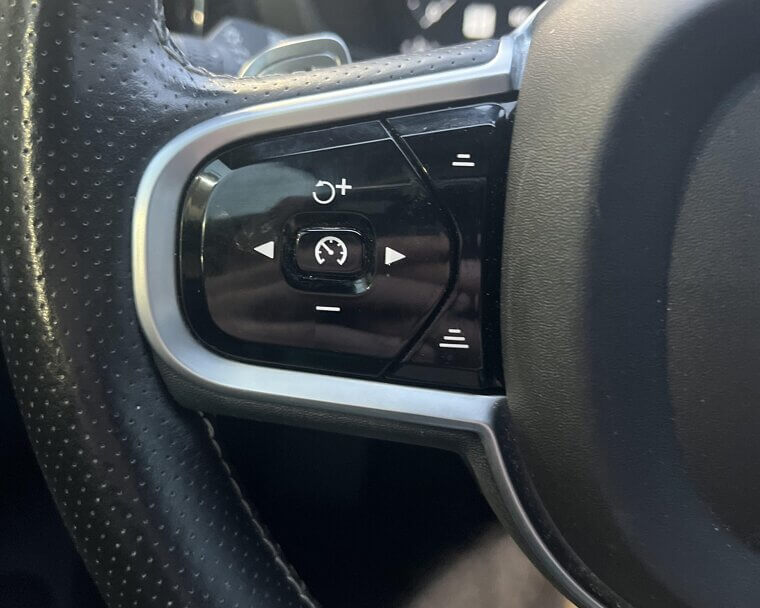
Parking Sensors
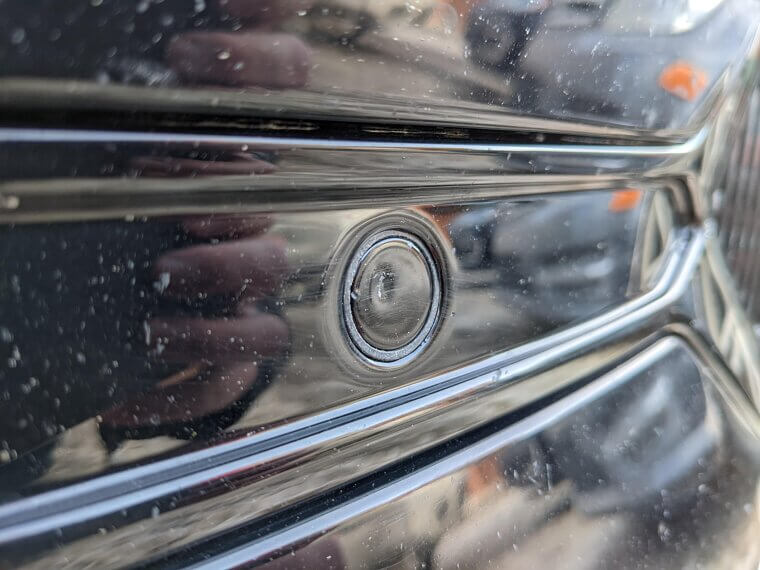
While parking sensors offer assistance for parking in tight places, they tend to diminish one’s sense of space. Drivers cease to judge their surroundings using their eyes and ears, instead waiting for the beep signals from the parking sensors to alert them. When the sensors misread something or fail entirely, drivers panic or misjudge space badly. Drivers who are dependent on using parking sensors usually have serious issues when driving older vehicles or when parking in an area they are not familiar with. You end up trusting noise over judgment. The beeping becomes the decision maker. The previously learned spatial skills fade, and it feels more difficult to park without assistance.
Backup Cameras
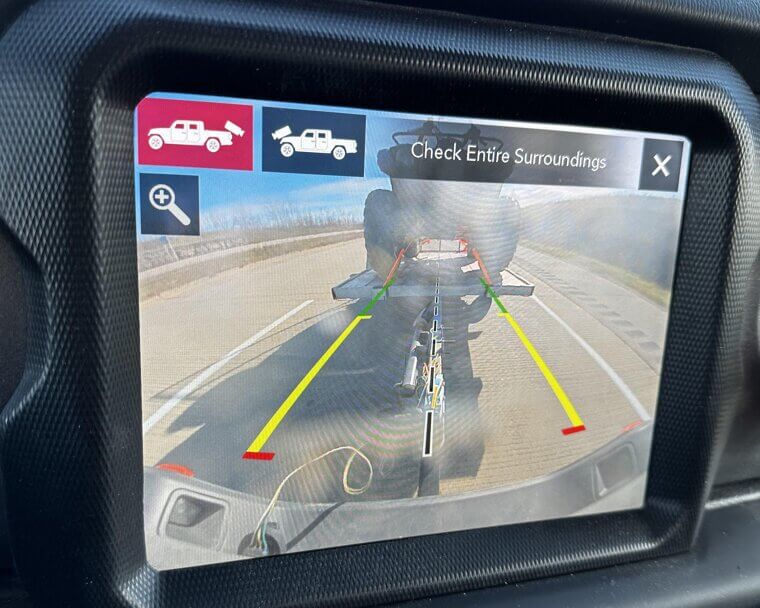
Backup cameras are incredibly useful, but they also change how people move their heads. Many drivers stop looking over their shoulders completely and stare only at the screen. The camera has blind spots, depth distortion, and limited angles. It does not show fast-moving objects or everything happening around you. When drivers trust the screen alone, they miss context. The habit sticks too. You get so used to reversing with a camera that doing it without one feels uncomfortable. That dependency can make simple maneuvers riskier.
Automatic Emergency Braking
While the concept behind this feature is appealing, it ultimately impacts how drivers follow the vehicle in front of them. Some tend to drive so close because they trust the car to stop for them, which is a risky mental shift. The technology has limitations and delays in response to sudden braking situations. At higher speeds or during adverse weather conditions, the technology may not stop the vehicle in time. When it does activate unexpectedly, it can create panic and increase the risk of a rear-end collision. Rather than encouraging a greater distance between vehicles, drivers using this feature often feel invincible, which is the opposite of what you want on the road.
Auto High Beams
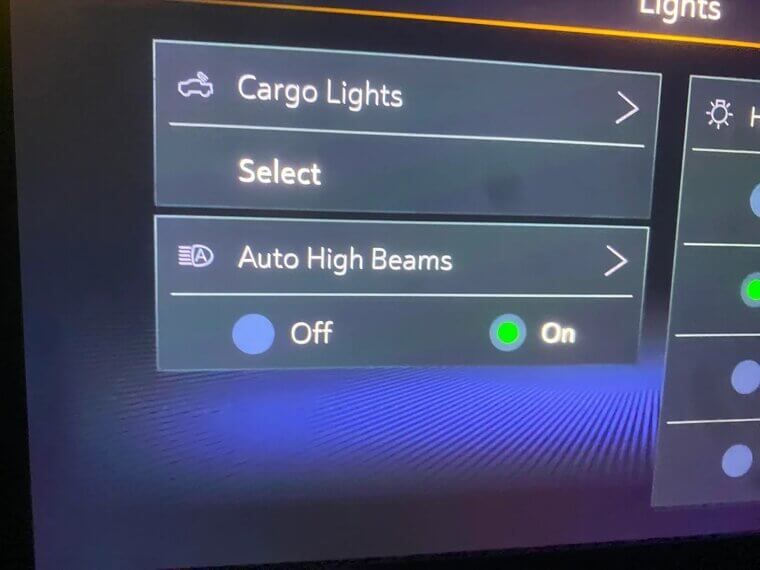
Although auto high beams can appear harmless, they prevent drivers from actively thinking about their lighting conditions. The system often reacts late or gets confused by curves, reflections, or streetlights. Drivers stop noticing when they should manually adjust the lights. You either blind someone for too long or don’t have enough light when you need it. With the vehicle now controlling the headlight settings, drivers become less involved in the headlight setting process. What was once a conscious decision is now an automated afterthought, and that reduces attentiveness.
Traffic Sign Recognition
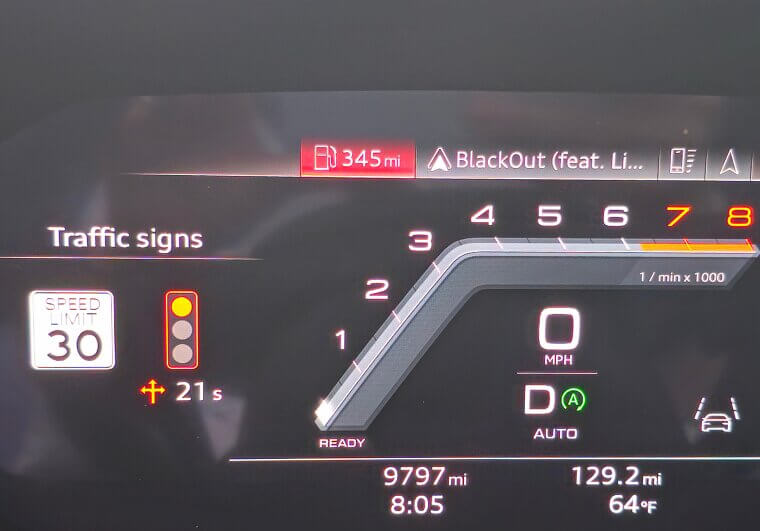
Seeing speed limits pop up on the dashboard feels helpful, but it can make drivers stop reading actual signs. The system does not always catch temporary limits, construction changes, or faded signs. When the display shows the wrong speed, people trust it anyway. That’s how tickets and unsafe driving happen. Instead of scanning the road, drivers start scanning the screen. Your eyes drift inside the car instead of staying outside. Over time, situational awareness drops because you expect the car to tell you what you should already know.
Cross Traffic Alert
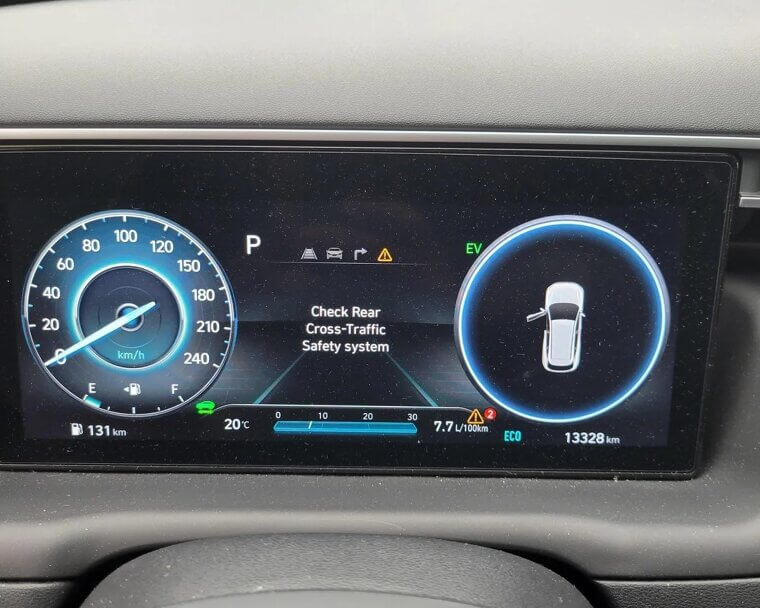
This feature beeps to indicate when vehicles are approaching from the sides while your car is in reverse. While it’s beneficial, it promotes hurrying. Instead of inching out slowly and checking to make sure everything is clear, drivers wait for a beep. If there’s no beep, they assume it’s okay to back out. Unfortunately, the system does not see everything; as such, pedestrians, bicycles, and fast vehicles can sometimes escape detection. When the driver depends on the alerting sound rather than being careful, reaction time drops, which sometimes results in close calls.
Driver Attention Monitoring
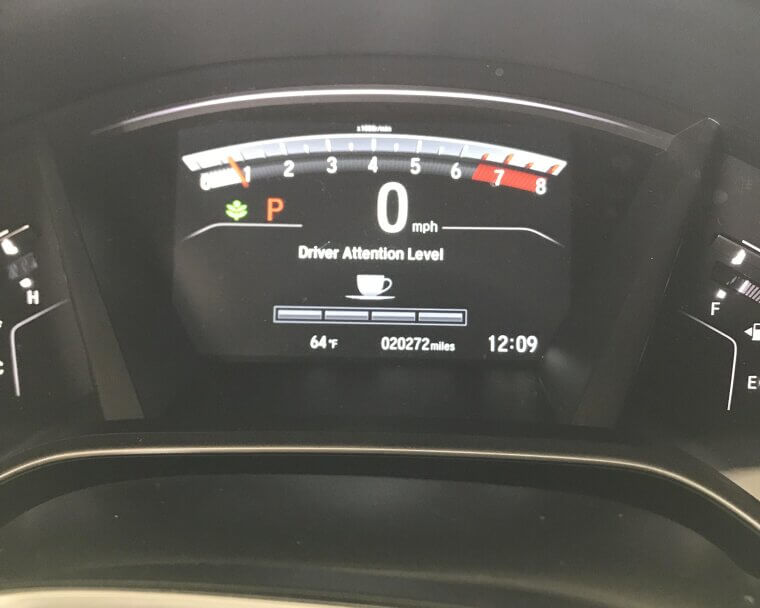
The benefit of this feature is to reduce distractions, but it actually creates new distractions. Drivers start gaming the system. They learn what causes a warning to be triggered and think that as long as there is no warning signal present, they are probably paying enough attention. This really shifts the responsibility of driving from the driver to the vehicle. Drivers only have to take actions to prevent warnings rather than drive attentively. The level of attention ultimately drops, and people only consider passing a system check as their measure of attention, not actually being present behind the wheel.
Steering Wheel Vibration Warnings
When the wheel vibrates to warn you, it feels helpful at first. Over time, drivers start waiting for the vibration instead of staying centered on their own. Lane position becomes reactive instead of intentional. If the vibration comes late or not at all, you drift more than you should. It turns driving into a feedback loop where the car corrects you instead of you correcting yourself. That subtle shift weakens your natural feel for the road, especially in situations where the system does not activate properly.
Automatic Parking Systems
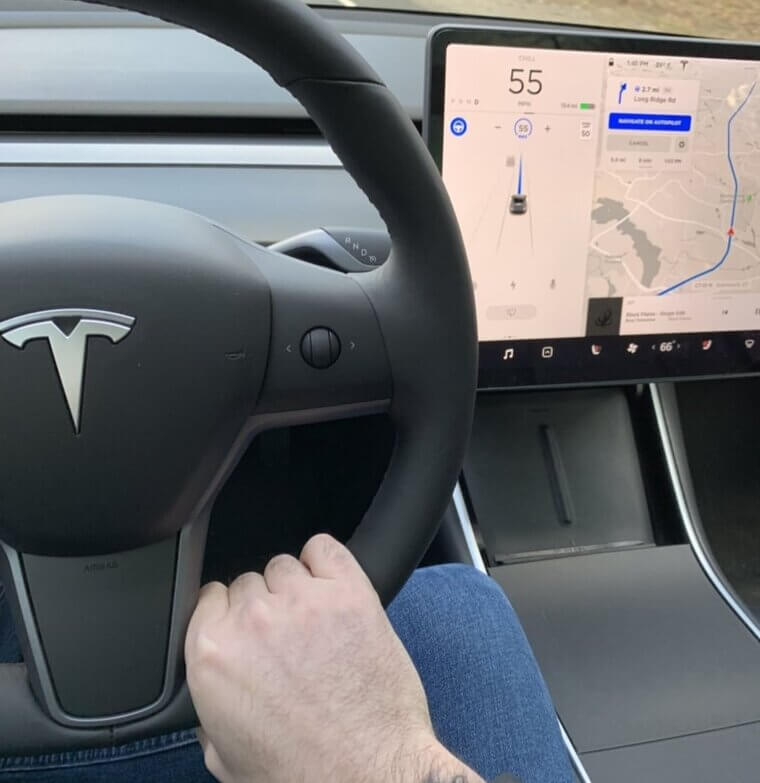
Watching an automatic car park itself is very cool, but this takes away from the need for drivers to continue practicing their parking skills. This causes many drivers to lose confidence in their ability to judge angles, space, and timing. When the automatic parking system fails, or you drive a car without it, parking becomes stressful. Some are even reluctant to park in spots that are not favourable for the automatic parking system, even though they can easily park in these spots themselves. The car slowly takes ownership of a basic skill, and you quietly hand it over without realizing what you’re losing.
Heads-Up Displays
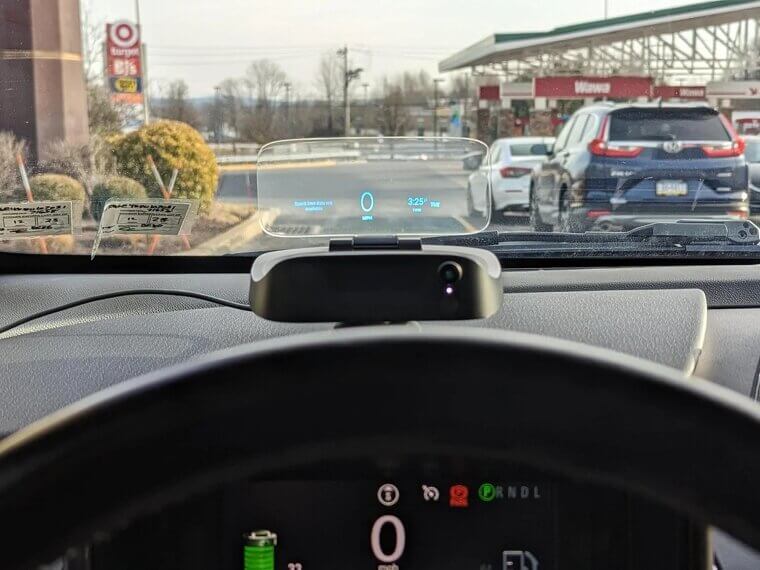
While head-up displays appear to help maintain a driver's attention on the road, they can overload your attention, with speed, navigation, and warnings all floating in front of you. With so many things to think about at once, you may become distracted by the overwhelming numbers and messages displayed before you and, therefore, miss what is actually going on around you while driving. Head-up displays may look high-tech and cutting-edge, but for those who have difficulty focusing while driving, they can cause even more distraction and make driving dangerous.
Keyless Entry and Push Button Start
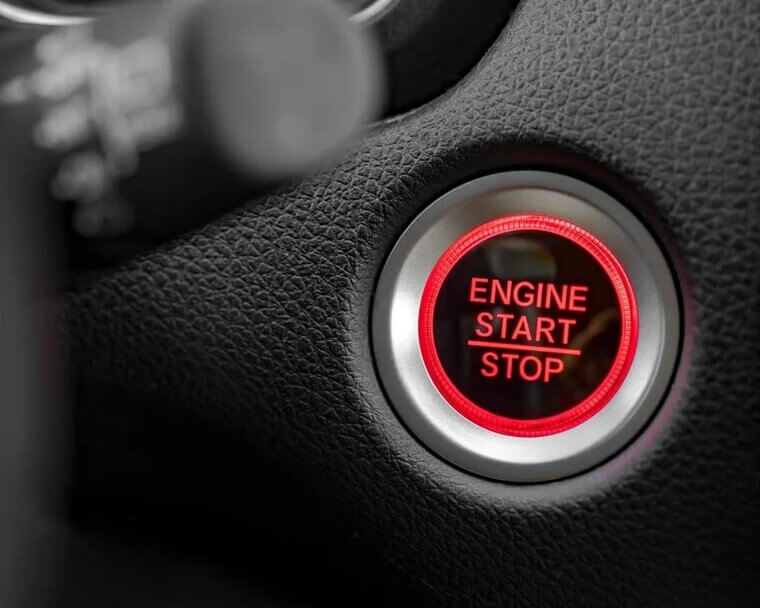
This one seems unrelated to driving, but it changes behavior. People stop consciously thinking about starting and stopping the car. That leads to more rollaways, cars left running, and simple awareness mistakes. The ritual of turning a key used to force a pause. Now it’s just a button press and go. That mental shortcut carries into driving habits. Less deliberate action means more autopilot behavior, and autopilot is where attention slips without you noticing it.
Overly Quiet Cabins
These days, vehicles are incredibly quiet, and that comfort dulls awareness. You hear less road noise, less engine feedback, and fewer cues about speed and conditions. The result is that many drivers often aren’t aware of how much they are speeding up. You lose auditory signals that used to help judge traction, acceleration, and environment. The car feels calm even when things are not. That calm can trick you into pushing limits. Quiet cabins feel luxurious, but they limit the number of sensory inputs that a driver receives, which causes incorrect decisions to be made.