
Unforgiving Dashboards Caused Hard Bumps
Back in the 1960s, car interiors featured heavy materials that offered zero cushion during a sudden stop. Solid steel dashboards were standard, reportedly causing unexpected bumps because they lacked soft padding. Passengers sliding forward would allegedly hit the rigid metal, which was painted but unforgiving. The sleek aesthetics clearly overshadowed basic passenger safety features. It was definitely a remarkably different time for motorists. Many drivers remained completely unaware of this specific detail. It remains a completely fascinating era in automotive history.

Today, modern dashboards are covered in specialized foam and energy-absorbing materials. These thoughtful improvements ensure a softer environment for all passengers, making commutes more relaxing.
Missing Seatbelts Left Passengers Sliding Around
It is hard to believe today, but factory-installed seatbelts were completely optional or non-existent in many vintage vehicles. Families would pile into wide bench seats and cruise down the highway with nothing holding them. Occupants would reportedly slide around during sharp turns. Driving was often considered a wildly adventurous daily experience. People simply adapted to these truly unique driving situations. People simply adapted to these truly unique driving situations. Driving was often considered a wildly adventurous daily experience.
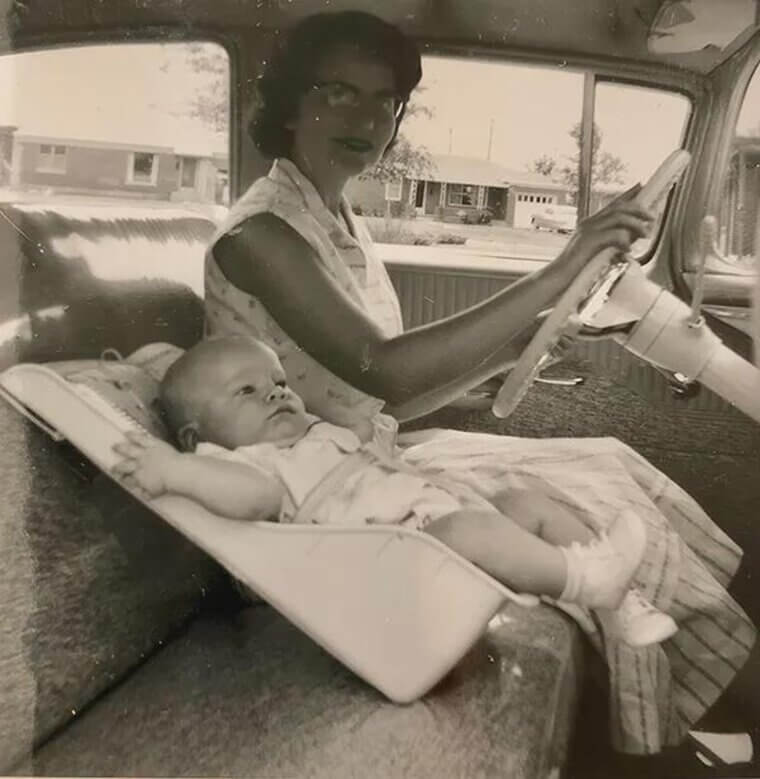
Eventually, lawmakers mandated standard seatbelts in all new cars to protect citizens. This singular change has saved countless lives and remains a foundational safety feature.
Flimsy Lap Belts Lacked Upper Body Support
Even when seatbelts were installed, they were often just simple lap belts without any shoulder support. In a sudden stop, a passenger's upper body would reportedly fold forward completely unrestrained. This design allegedly offered very limited protection during serious driving incidents. Classic car collectors still marvel at these vintage designs. The sleek aesthetics clearly overshadowed basic passenger safety features. People simply adapted to these truly unique driving situations. It was definitely a remarkably different time for motorists.
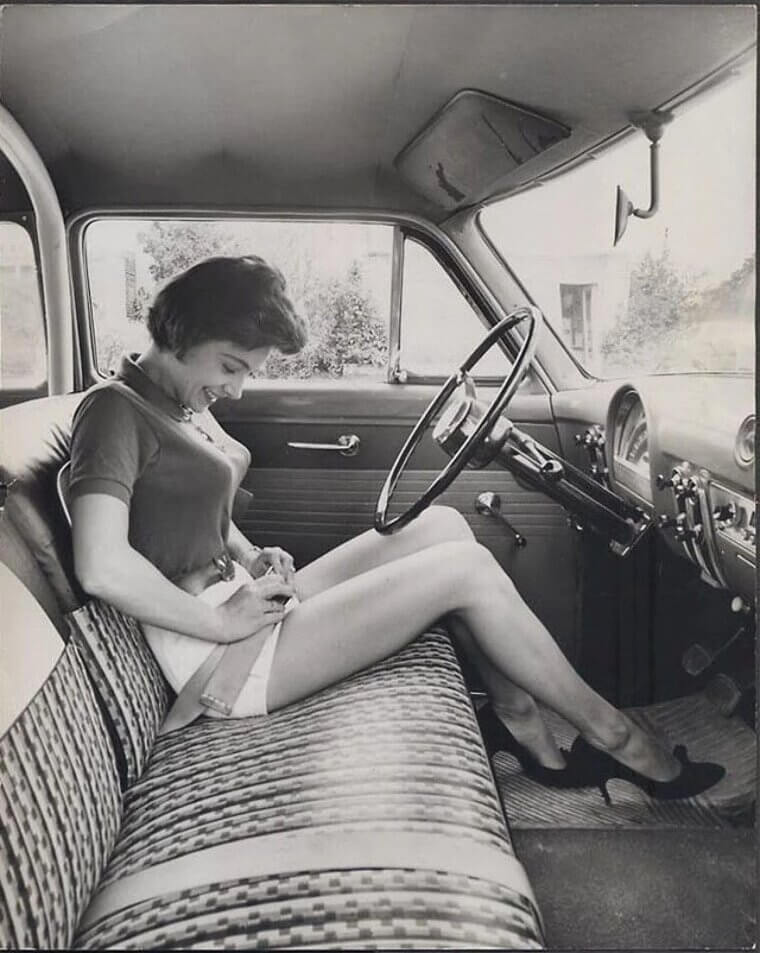
Automakers eventually introduced the three-point harness to properly secure the chest and shoulders. Modern vehicles now feature advanced tensioners that provide incredibly reliable passenger support.
Missing Headrests Increased Risk Of Neck Strain
Vintage car seats usually ended right at the shoulder blades, completely lacking any head support. Without headrests, a sudden rear impact would reportedly cause the passenger's head to snap backward. This lack of support allegedly contributed to numerous neck strains. Classic car collectors still marvel at these vintage designs. Driving was often considered a wildly adventurous daily experience. Driving was often considered a wildly adventurous daily experience. Many drivers remained completely unaware of this specific detail. People simply adapted to these truly unique driving situations.
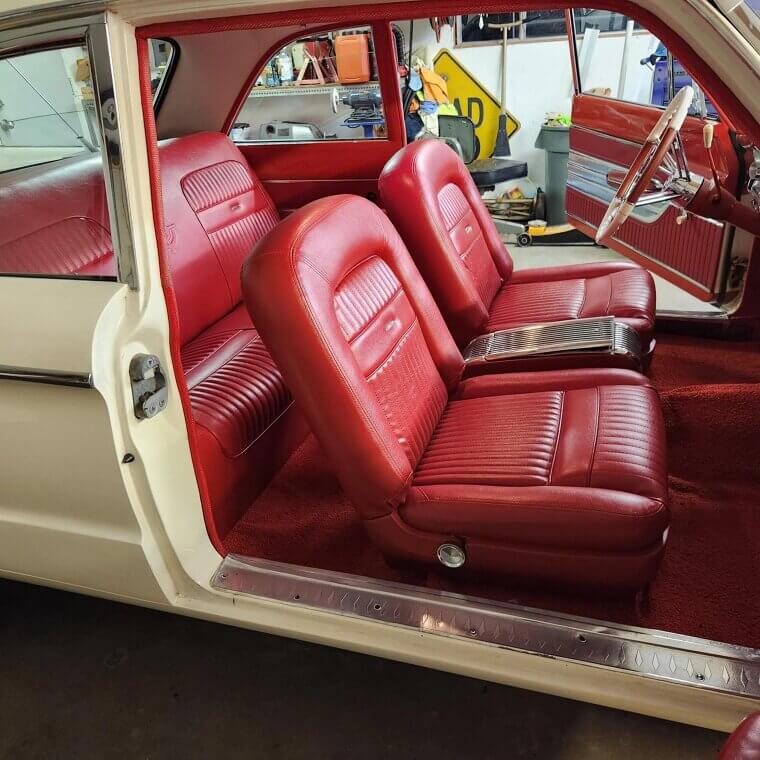
Regulatory changes later required tall seatbacks and adjustable head restraints in all vehicles. These additions are now crucial for preventing whiplash and ensuring proper posture.
Fading Drum Brakes Lost Essential Stopping Power
Most classic cars relied on standard drum brakes on all four wheels instead of modern discs. These brakes would reportedly fade quickly and lose their stopping power when they got hot. Drivers allegedly had to pump the pedal forcefully to stop. Families simply accepted this as normal highway travel behavior. It remains a completely fascinating era in automotive history. Classic car collectors still marvel at these vintage designs. It remains a completely fascinating era in automotive history.
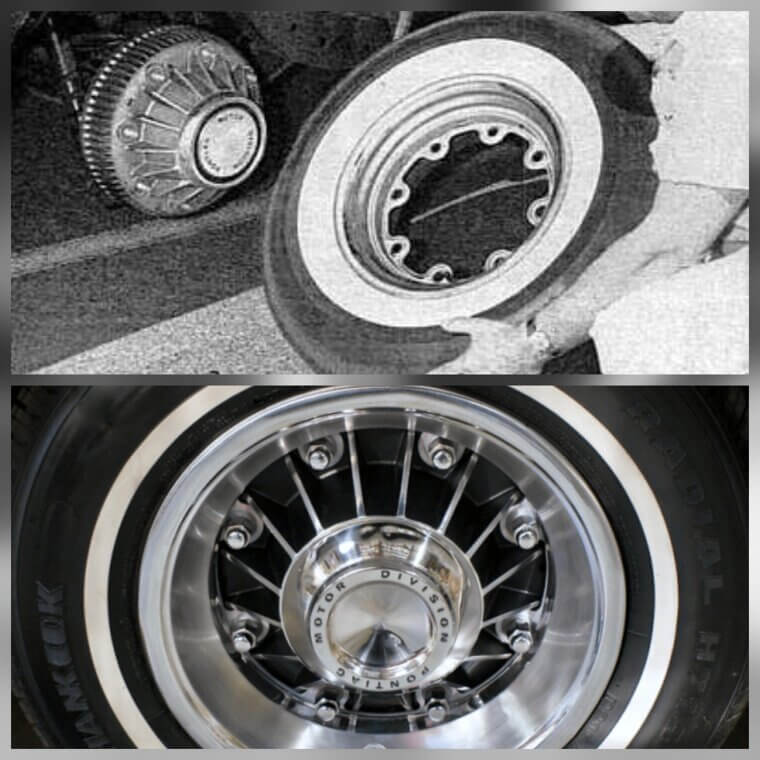
The automotive industry gradually transitioned to highly efficient disc brakes for better reliability. Today's braking systems offer incredibly responsive stopping power in all weather conditions.
The Problem With Chrome Steering Wheels: Rigid Exploding Hubs Shattered And Punched Drivers Chests
In the 1960s, steering wheel centers featured heavy, solid decorative metal caps often colloquially dubbed exploding hubs. During a violent front-end collision, these rigid protrusions offered absolutely no forgiving cushion for the driver. Instead, the solid metal caps frequently acted like sharp, blunt projectiles that punched directly into the motorist's chest with immense force or shattered into jagged interior shards.","Fortunately, modern automotive safety engineering completely replaced these dangerous designs with deeply recessed hubs enclosed in energy-absorbing padding.
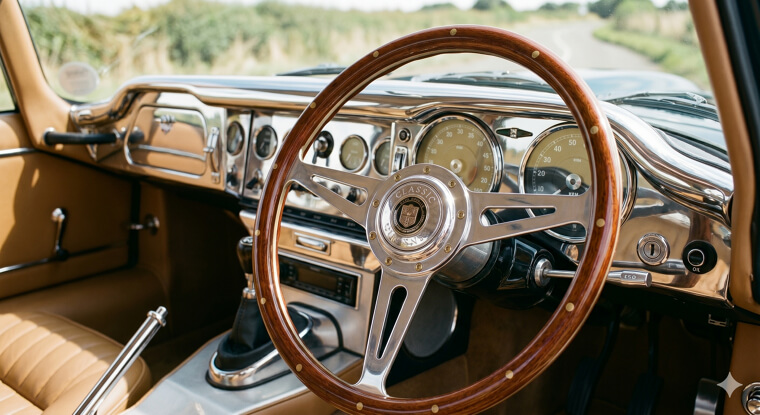
This contemporary layout entirely conceals mechanical components while safely housing smart supplemental restraint airbags. These advanced systems deploy instantly during impacts to protect occupants perfectly, making daily highway commutes incredibly secure.
Wandering Bias-Ply Tires Reduced Crucial Road Grip
Before radial tires became standard, most vehicles rolled on traditional bias-ply tires. These tires reportedly offered significantly less traction and were highly prone to wandering on uneven roads. Drivers allegedly had to constantly wrestle the steering wheel to stay straight. Engineers clearly prioritized pure style over protective function then. It remains a completely fascinating era in automotive history. Driving was often considered a wildly adventurous daily experience. It remains a completely fascinating era in automotive history.
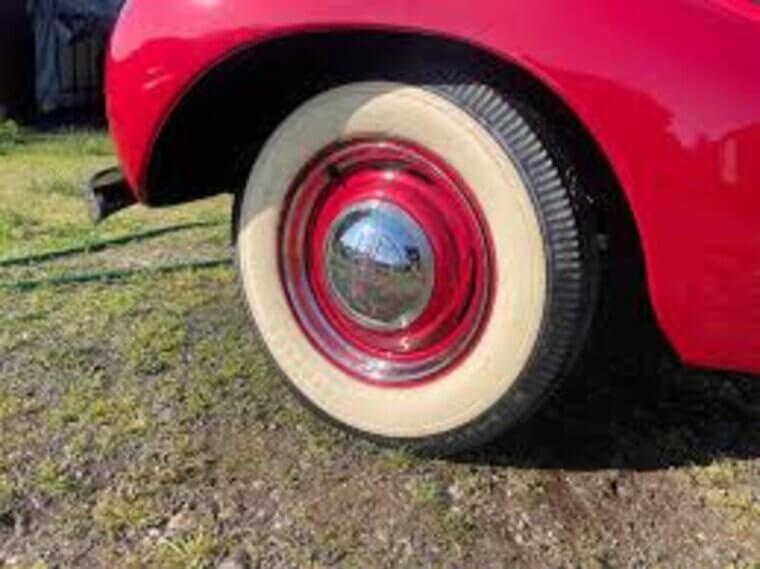
The widespread adoption of radial tires completely revolutionized vehicle handling and stability. Modern tire technology now provides exceptionally smooth rides and incredible road grip. It makes modern highway driving significantly better and smoother.
Shiny Chrome Dashboards Blinded Drivers With Intense Sun Glare
Mid-century automotive styling heavily favored highly polished chrome accents generously plastered across steering wheels, horn rings, and dashboard panels. While this shiny trim looked incredibly futuristic, it created a severe hazard on sunny days. The mirror-like finishes cast blinding reflections directly into the eyes of motorists, severely obscuring their vision of the road.","Contemporary vehicle interiors completely eliminate this dangerous glare by utilizing carefully engineered matte, anti-reflective surfaces. Dashboards are now finished with dark, textured soft-touch materials, matte plastics, or high-quality leathers that absorb sunlight.
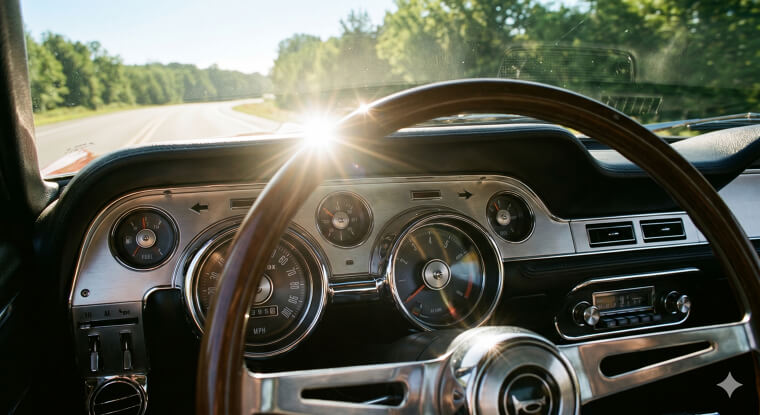
This brilliant design transition ensures crystal-clear driver visibility during bright daytime travel, dramatically improving highway safety for everyone everywhere.
Shattering Rigid Windshields Posed Serious Cut Hazards
Early 1960s windshields were often made from rigid glass that did not behave like modern safety glass. During a severe impact, the glass would reportedly shatter into sharp, dangerous pieces. Occupants were allegedly at high risk of unexpected cuts. People simply adapted to these truly unique driving situations. Families simply accepted this as normal highway travel behavior. People simply adapted to these truly unique driving situations. Engineers clearly prioritized pure style over protective function then. Many drivers remained completely unaware of this specific detail.
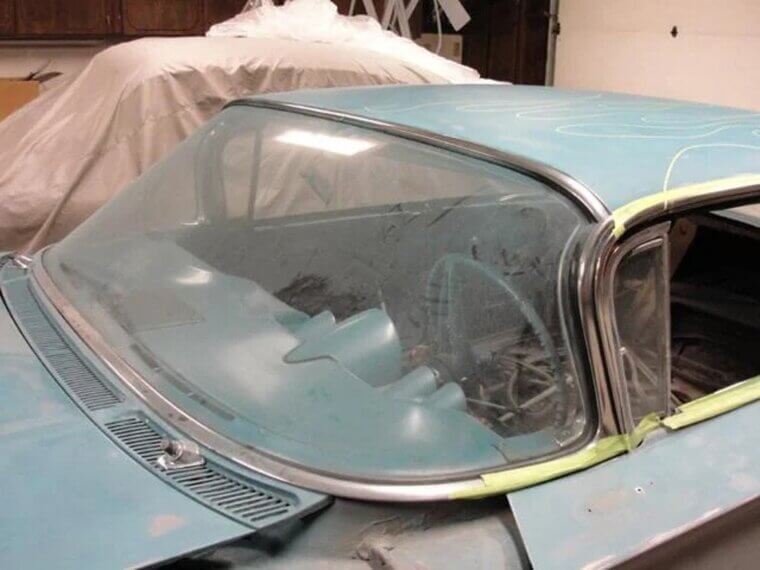
Modern regulations require laminated safety glass that holds together even when heavily cracked. This brilliant innovation dramatically reduces interior hazards and keeps passengers perfectly secure.
Sliding Bench Seats Pushed Drivers Too Close
The massive front bench seats in classic cars were incredibly spacious but often poorly secured to the floor. During a sudden halt, the entire seat mechanism would reportedly slide forward. This allegedly pushed the driver dangerously close to the dashboard. It remains a completely fascinating era in automotive history. This specific approach to manufacturing seems completely unbelievable today. People simply adapted to these truly unique driving situations. Many drivers remained completely unaware of this specific detail. Many drivers remained completely unaware of this specific detail.
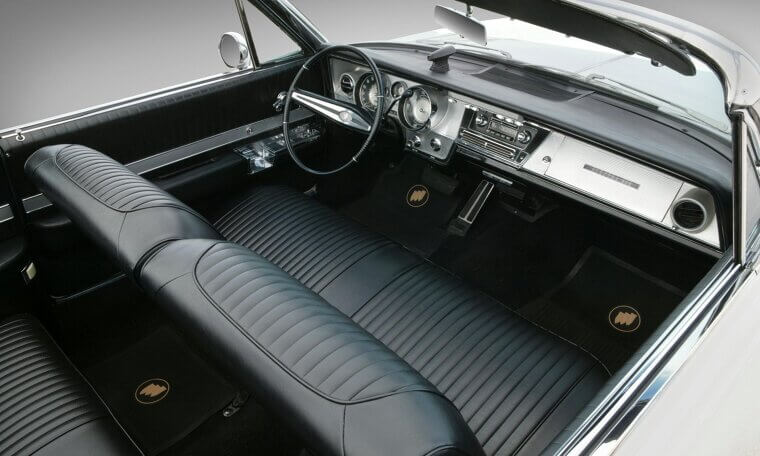
Engineers eventually developed reinforced seat tracks and individual bucket seats for superior stability. These modern designs firmly hold occupants in place regardless of sudden momentum.
Rigid Frames Transferred Full Impact Force Inside
Vintage vehicles were built with ultra-rigid frames that simply did not bend or fold upon impact. Instead of absorbing the energy, the heavy metal reportedly transferred the shock directly to the cabin. Passengers allegedly absorbed the full force of bumps. This specific approach to manufacturing seems completely unbelievable today. Driving was often considered a wildly adventurous daily experience. This specific approach to manufacturing seems completely unbelievable today. Driving was often considered a wildly adventurous daily experience. The sleek aesthetics clearly overshadowed basic passenger safety features.
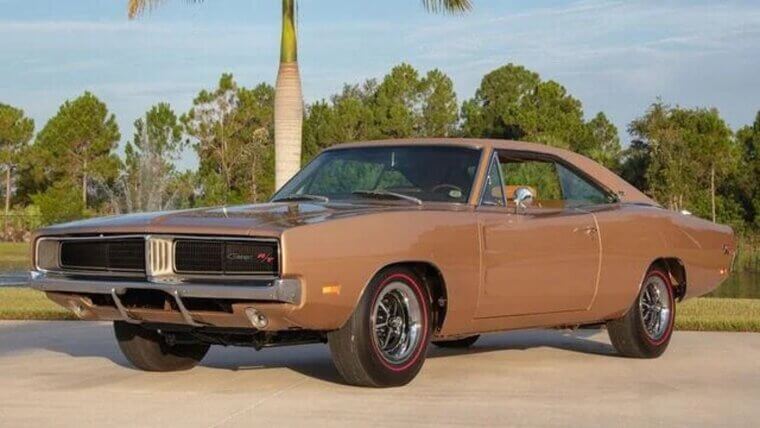
Today's cars are engineered with brilliant crumple zones that carefully absorb impact energy. These sacrificial areas deliberately crush to keep the main passenger cabin intact.
Sharp Metal Dash Knobs Created Puncture Hazards
The elegant dashboards of the era were covered in beautiful but protruding metal knobs and switches. During a sudden stop, these sharp controls reportedly posed a significant puncture hazard to passengers. Occupants allegedly had to brace themselves away from panels. Classic car collectors still marvel at these vintage designs. Families simply accepted this as normal highway travel behavior. People simply adapted to these truly unique driving situations. Families simply accepted this as normal highway travel behavior. People simply adapted to these truly unique driving situations.
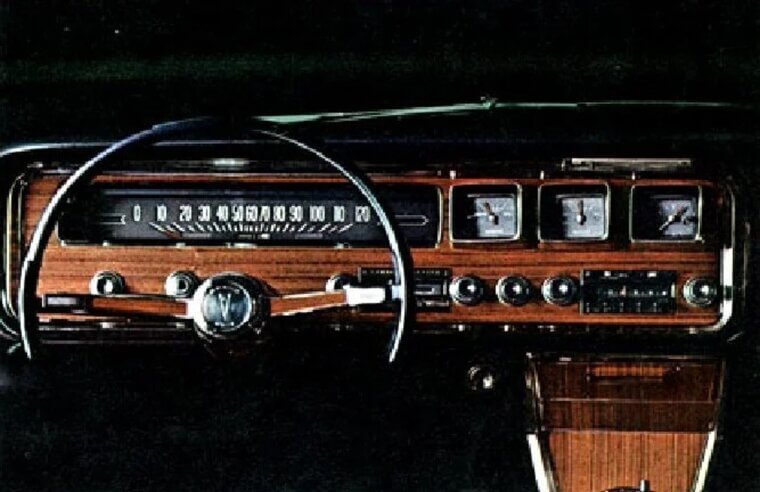
Modern interiors exclusively utilize recessed dials, smooth buttons, and soft-touch digital screens. These thoughtful design choices entirely eliminate protruding hazards from the front cabin area.
Unrestrained Children Lacked Essential Travel Support
Dedicated safety seats for young children were practically unheard of during this adventurous motoring era. Kids would reportedly roam freely in the back seat or stand on the floorboards while driving. Parents allegedly relied entirely on their own arms for restraint. Families simply accepted this as normal highway travel behavior. It remains a completely fascinating era in automotive history. It was definitely a remarkably different time for motorists. This specific approach to manufacturing seems completely unbelievable today.
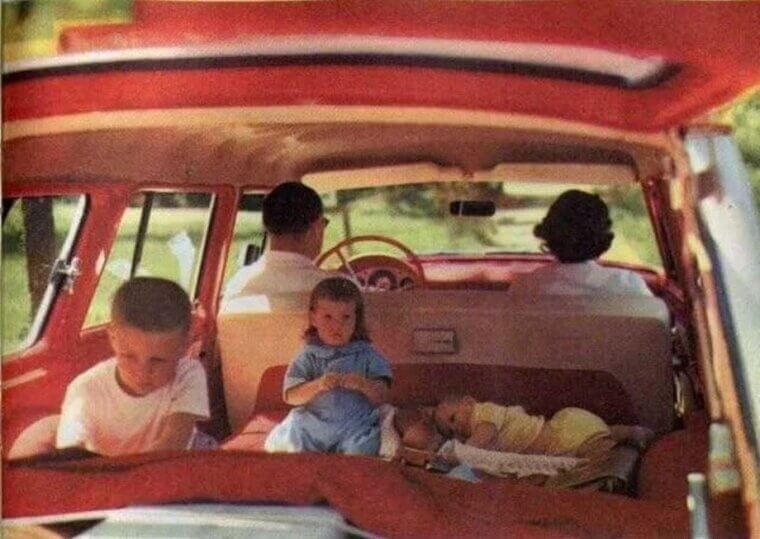
Strict child passenger safety laws eventually transformed how families travel with their little ones. Today's highly engineered car seats provide unparalleled protection for children everywhere.
Weak Door Latches Unexpectedly Popped Open Mid-Ride
The door latch mechanisms on many early 1960s vehicles were notoriously weak and poorly designed. During sharp turns or bumpy rides, the heavy metal doors would reportedly pop open unexpectedly. Passengers allegedly had to hold the armrests tightly to stay inside. Classic car collectors still marvel at these vintage designs. It was definitely a remarkably different time for motorists. Families simply accepted this as normal highway travel behavior. This specific approach to manufacturing seems completely unbelievable today.
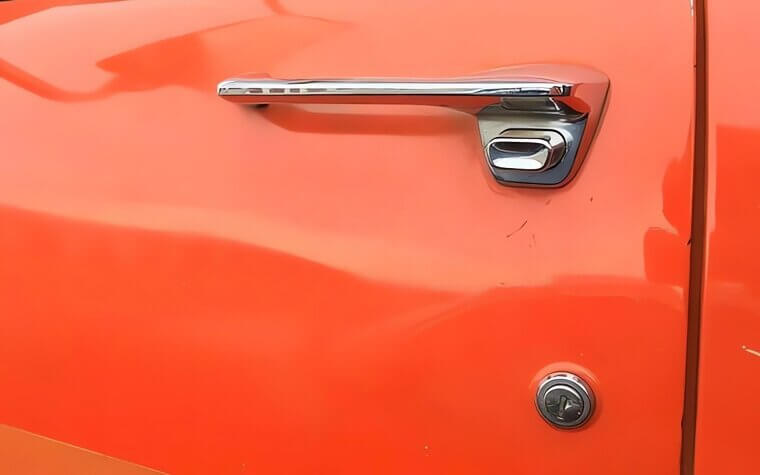
Automakers completely redesigned locking mechanisms to ensure doors remain securely shut under pressure. Modern latches provide incredible structural integrity and absolute peace of mind for everyone.
Exposed Rear Gas Tanks Posed Fire Hazards
Some popular models featured fuel tanks mounted precariously behind the rear axle or near the bumper. In a rear-end collision, these exposed tanks reportedly became a significant fire hazard. The placement allegedly prioritized trunk space over basic passenger protection. Engineers clearly prioritized pure style over protective function then. Engineers clearly prioritized pure style over protective function then. It remains a completely fascinating era in automotive history. Families simply accepted this as normal highway travel behavior. Engineers clearly prioritized pure style over protective function then.
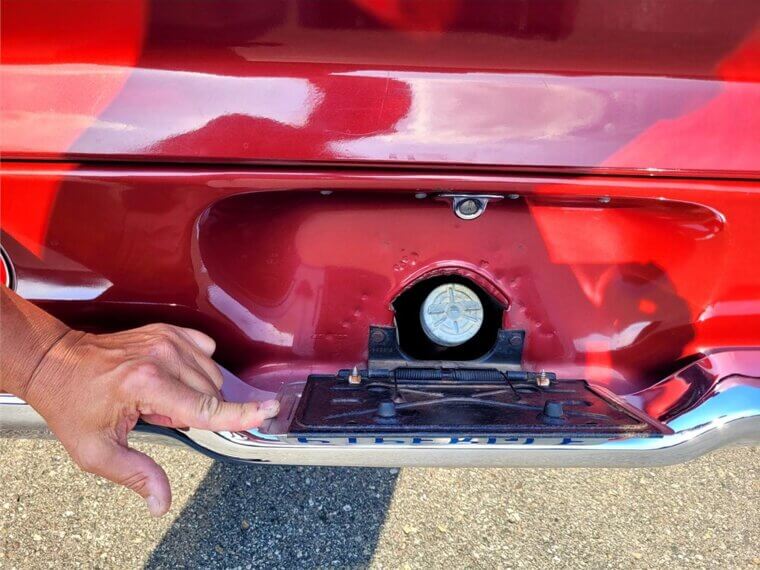
Current engineering standards require fuel tanks to be securely placed well within the frame. This crucial adjustment effectively neutralizes the risk of unexpected combustion during impacts.
Locking Brakes Caused Uncontrollable Vehicle Skidding
Stomping on the brake pedal in a classic car usually caused the wheels to lock up entirely. The vehicle would reportedly skid uncontrollably, completely removing the driver's ability to steer. Drivers allegedly had to master manual cadence braking for control. This specific approach to manufacturing seems completely unbelievable today. Classic car collectors still marvel at these vintage designs. Engineers clearly prioritized pure style over protective function then. Driving was often considered a wildly adventurous daily experience. This specific approach to manufacturing seems completely unbelievable today.
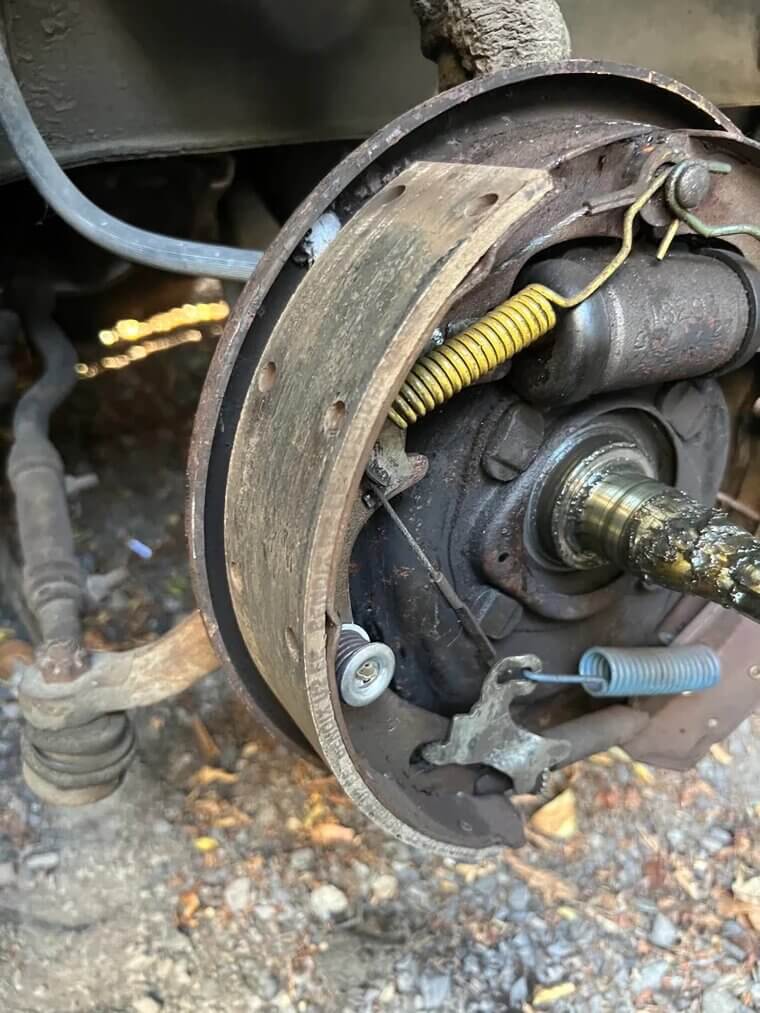
The invention of anti-lock braking systems fundamentally changed how vehicles handle sudden stops. Sensors now pulse the brakes automatically, allowing drivers to steer around obstacles.
Single-Circuit Brakes Risked Total Stopping Failure
Many older cars utilized a single-circuit hydraulic braking system for all four wheels simultaneously. If a single line leaked, the entire vehicle would reportedly lose all its stopping power instantly. Drivers allegedly experienced terrifying moments when the pedal went soft. Many drivers remained completely unaware of this specific detail. Classic car collectors still marvel at these vintage designs. Families simply accepted this as normal highway travel behavior. People simply adapted to these truly unique driving situations. Many drivers remained completely unaware of this specific detail.
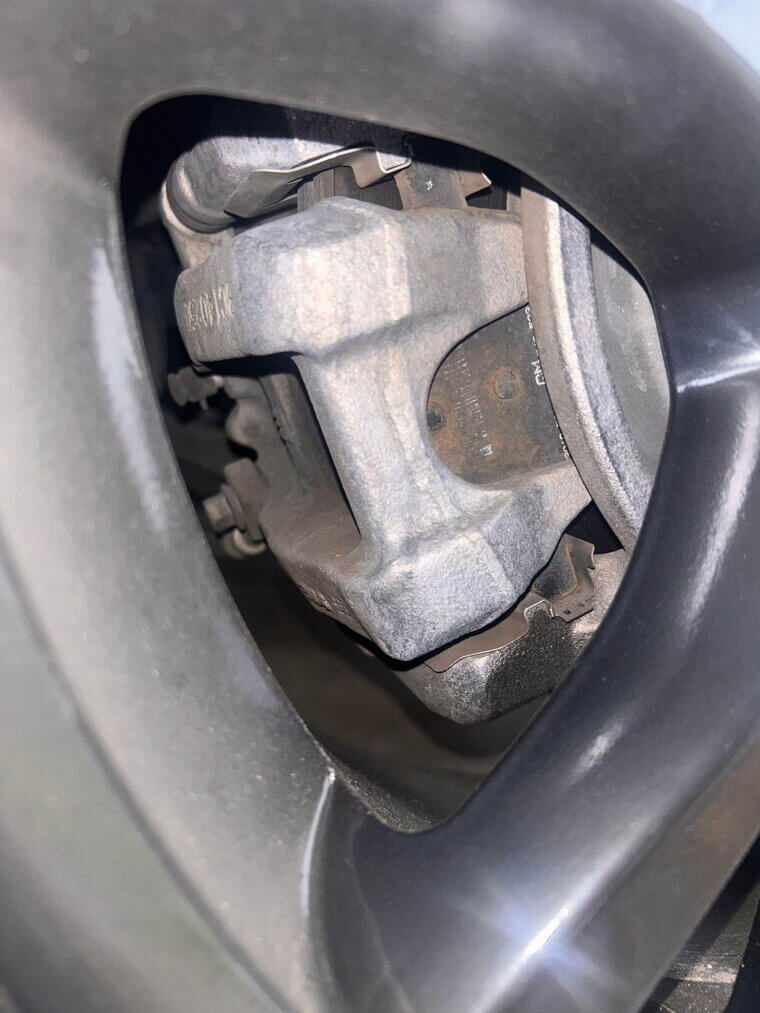
Modern dual-circuit systems ensure that if one half fails, the other half operates smoothly. This fantastic redundancy guarantees that drivers can always stop their vehicles.
Sharp Pointy Tailfins Posed Hazards To Pedestrians
The iconic exterior tailfins of classic cars looked incredibly futuristic but presented completely unexpected risks. These sharp metal protrusions reportedly posed a serious hazard to pedestrians walking nearby. Bystanders allegedly caught their clothing or scraped themselves on the dramatic edges. Classic car collectors still marvel at these vintage designs. Families simply accepted this as normal highway travel behavior. Many drivers remained completely unaware of this specific detail. People simply adapted to these truly unique driving situations.
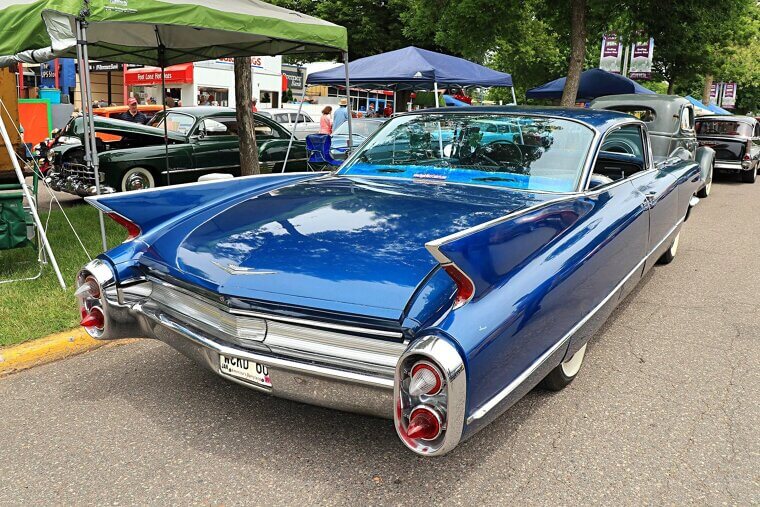
Automotive styling eventually shifted toward smooth curves and beautifully rounded rear quarter panels. These aerodynamic adjustments completely removed exterior sharp edges while maintaining incredible visual appeal.
Hollow Doors Collapsed Easily In Side Impacts
Classic car doors were basically hollow metal shells with absolutely no internal reinforcement structure. During a side collision, the thin metal doors reportedly caved inward with almost zero resistance. Passengers allegedly had minimal physical shielding from adjacent lane traffic. The sleek aesthetics clearly overshadowed basic passenger safety features. Classic car collectors still marvel at these vintage designs. Families simply accepted this as normal highway travel behavior. Engineers clearly prioritized pure style over protective function then. People simply adapted to these truly unique driving situations.
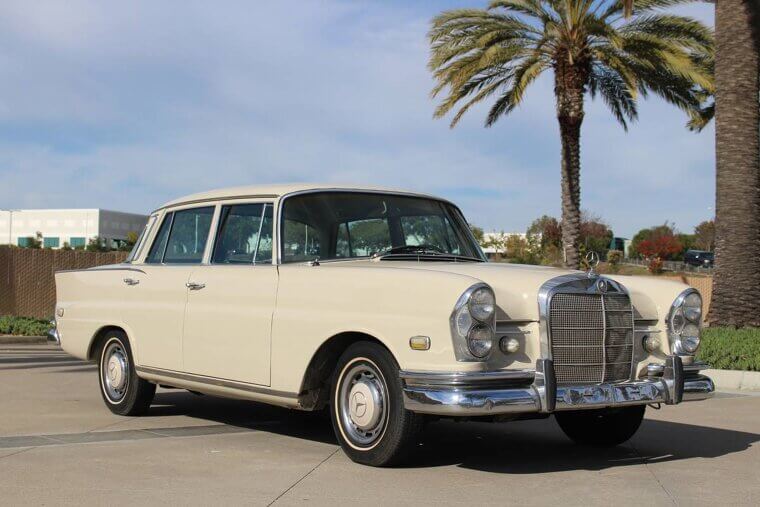
Modern vehicles are rigorously equipped with heavy-duty steel side intrusion beams inside doors. These robust barriers effectively distribute impact energy and maintain a safe interior.
Delicate Roof Structures Crushed Flat During Rollovers
The stylishly thin roof pillars on mid-century sedans offered incredible visibility but very little strength. If a vehicle rolled over, the delicate roof would reportedly crush flat almost immediately. Occupants allegedly had virtually no overhead structural protection in these situations. Many drivers remained completely unaware of this specific detail. People simply adapted to these truly unique driving situations. Classic car collectors still marvel at these vintage designs. It remains a completely fascinating era in automotive history. It remains a completely fascinating era in automotive history.
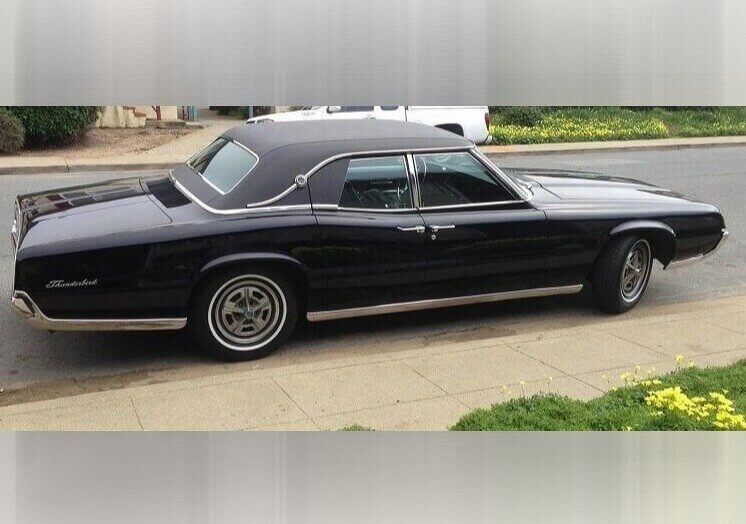
Automotive manufacturers now incorporate high-strength steel pillars and heavily reinforced roof architectures. These incredibly strong canopies easily support the vehicle's entire weight during a rollover.
Stiff Steel Bumpers Transferred Jolts Directly Inside
Vintage cars featured massive chrome-plated steel bumpers bolted directly to the heavy chassis frame. Instead of cushioning a blow, they reportedly transferred the entire jolt straight to the occupants. Passengers allegedly felt every ounce of the sudden jarring momentum. Driving was often considered a wildly adventurous daily experience. This specific approach to manufacturing seems completely unbelievable today. Engineers clearly prioritized pure style over protective function then. Classic car collectors still marvel at these vintage designs. People simply adapted to these truly unique driving situations.

Contemporary vehicles utilize flexible plastic bumper covers backed by dense energy-absorbing foam layers. This lightweight combination beautifully dissipates low-speed impacts and prevents major chassis damage.
Pivoting Vent Windows Acted Like Sharp Blades
Those charming little triangular vent windows provided excellent breeze circulation before air conditioning became standard. However, the pivoting glass edges reportedly acted like sharp blades during an unexpected collision. Occupants allegedly suffered extra cuts from these seemingly harmless convenience features. It was definitely a remarkably different time for motorists. It was definitely a remarkably different time for motorists. It remains a completely fascinating era in automotive history. Driving was often considered a wildly adventurous daily experience.
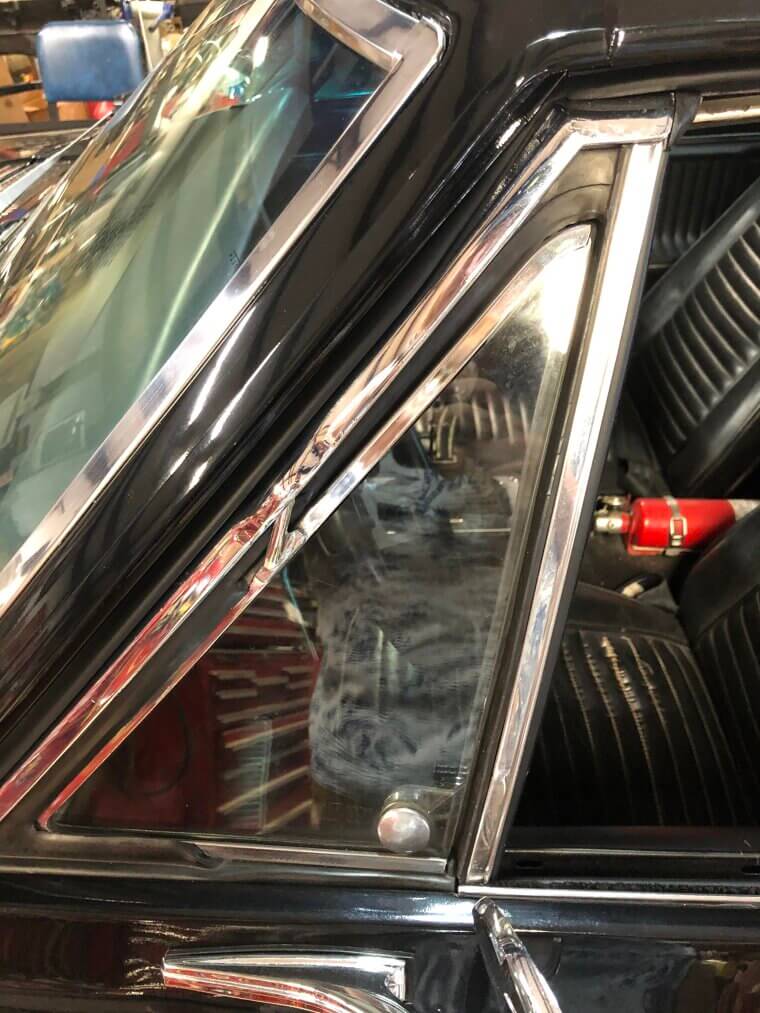
Modern climate control systems completely eliminated the practical need for pivoting vent windows. Solid window panes now offer a much safer and remarkably quieter driving experience.
Protruding Metal Horn Rings Threatened Drivers Chests
Classic steering wheels often featured a decorative semi-circular metal ring used to sound the horn. In a sudden stop, this protruding chrome accent reportedly became a severe chest hazard. Drivers allegedly faced unnecessary bruising from simply operating their own vehicles. Many drivers remained completely unaware of this specific detail. It was definitely a remarkably different time for motorists. It remains a completely fascinating era in automotive history. Classic car collectors still marvel at these vintage designs. The sleek aesthetics clearly overshadowed basic passenger safety features.
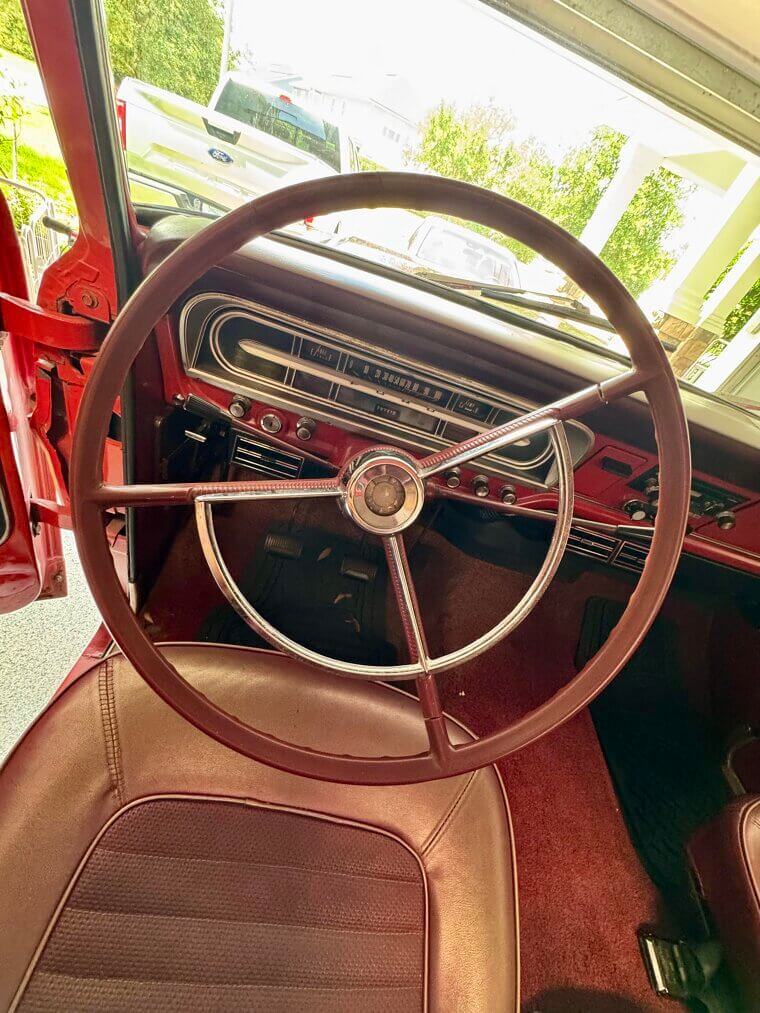
Today's steering wheels conceal the horn mechanism safely beneath a smooth padded center. This seamless integration provides easy access without introducing any dangerous protruding materials.
Confusing Push-Button Gears Caused Accidental Shifting
Some innovative models replaced the traditional gear shifter with a neat row of dashboard buttons. Drivers reportedly found it incredibly easy to hit the wrong gear purely by mistake. These accidental shifts allegedly caused sudden stalls or unexpected backward movement. It was definitely a remarkably different time for motorists. The sleek aesthetics clearly overshadowed basic passenger safety features. Engineers clearly prioritized pure style over protective function then. Classic car collectors still marvel at these vintage designs.
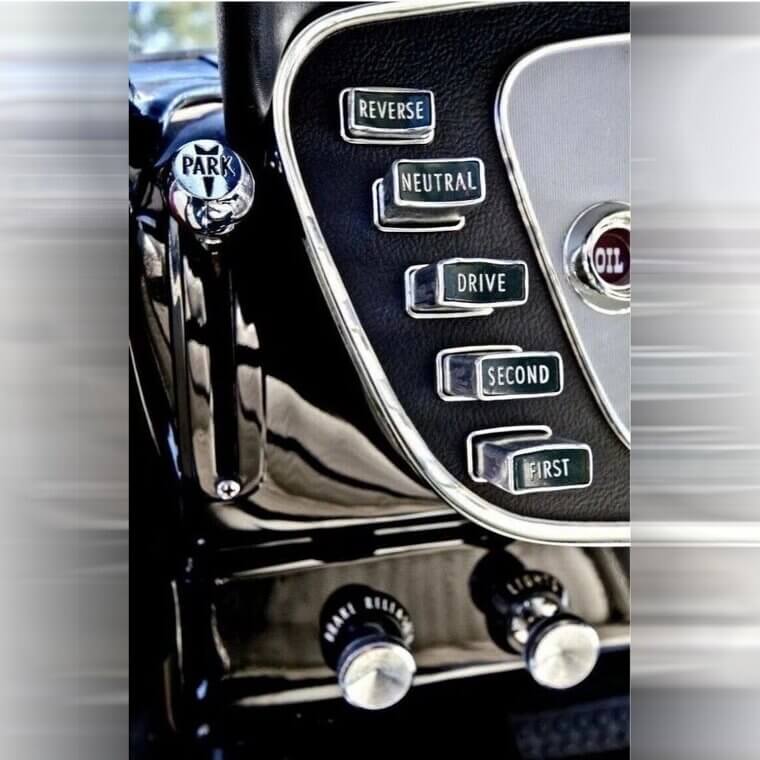
Automakers eventually standardized the familiar PRNDL shift pattern to prevent any dangerous confusion. Clear mechanical or electronic shifters now ensure precise and highly intentional gear selection.
Missing Hazard Lights Left Stranded Drivers Unseen
Early models lacked the simple ability to flash all four turn signals simultaneously during emergencies. Stranded drivers reportedly had absolutely no built-in way to warn approaching highway traffic. They allegedly relied on waving flashlights or simply hoping others saw them. It was definitely a remarkably different time for motorists. Engineers clearly prioritized pure style over protective function then. Many drivers remained completely unaware of this specific detail. Families simply accepted this as normal highway travel behavior.

Universal hazard light switches are now a strictly required feature on every single vehicle. This simple blinking system provides an instantly recognizable warning to all motorists.
Tiny Rearview Mirrors Created Massive Blind Spots
The interior rearview mirrors mounted on classic windshields were often remarkably small and poorly placed. They reportedly provided a ridiculously narrow field of vision for the navigating driver. Motorists allegedly dealt with massive blind spots right behind their own cars. Classic car collectors still marvel at these vintage designs. The sleek aesthetics clearly overshadowed basic passenger safety features. This specific approach to manufacturing seems completely unbelievable today. Driving was often considered a wildly adventurous daily experience.

Today's wide-angle rearview mirrors offer expansive and incredibly clear visibility of the rear surroundings. Many even feature auto-dimming technology to completely eliminate distracting headlight glare at night.
Lacking Side Mirrors Required Risky Physical Turning
It is surprising to learn that passenger-side exterior mirrors were frequently considered optional luxury add-ons. Drivers reportedly had to physically turn their entire bodies to check the right lane. Lane changes allegedly required immense concentration and a bit of luck. It was definitely a remarkably different time for motorists. The sleek aesthetics clearly overshadowed basic passenger safety features. Driving was often considered a wildly adventurous daily experience. Classic car collectors still marvel at these vintage designs.

Dual exterior mirrors are now universally standard equipment for optimal all-around driver awareness. Advanced blind-spot monitoring systems also provide an extra layer of highly reliable security.
Missing Buzzers Let Drivers Forget Basic Procedures
Classic cars completely lacked the gentle electronic reminders we heavily rely on in modern times. Drivers reportedly drove away with doors slightly ajar or keys completely left behind. Occupants allegedly forgot to secure themselves without a helpful automated audio cue. Families simply accepted this as normal highway travel behavior. This specific approach to manufacturing seems completely unbelievable today. The sleek aesthetics clearly overshadowed basic passenger safety features. Engineers clearly prioritized pure style over protective function then.

Sophisticated sensors now chime politely to remind occupants about seatbelts, doors, and headlights. These incredibly helpful audible alerts ensure that basic procedures are never accidentally ignored.
Slick Vinyl Seats Left Passengers Sliding Sideways
The gorgeous vinyl upholstery found in many vintage cars was notoriously slick and unsupportive. During a brisk turn, passengers reportedly slid horizontally across the massive wide bench seats. Drivers allegedly had to brace their knees against the door panels constantly. Many drivers remained completely unaware of this specific detail. The sleek aesthetics clearly overshadowed basic passenger safety features. It remains a completely fascinating era in automotive history. Classic car collectors still marvel at these vintage designs.
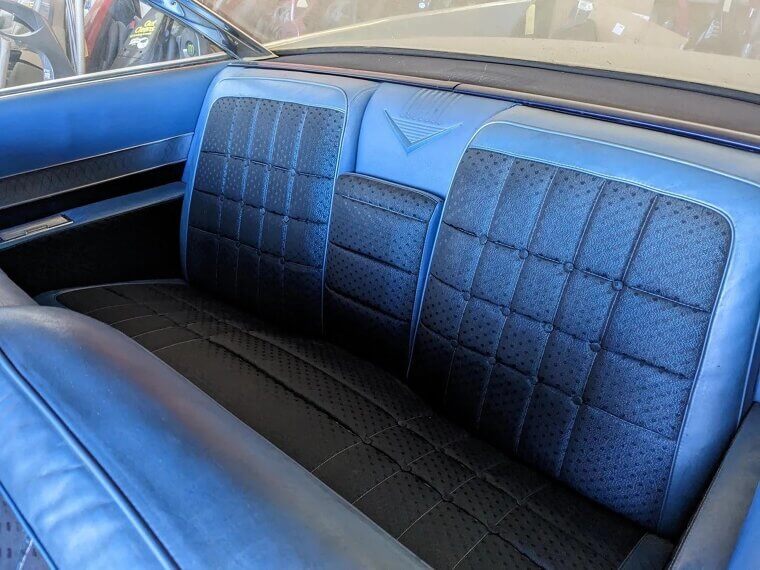
Modern automotive upholstery utilizes textured fabrics, perforated leathers, and highly contoured seat bolstering. These incredible materials keep everyone comfortably planted exactly where they belong during transit.
Bare Interior Metal Caused Hard Bumps Daily
The beautiful painted metal of the exterior often extended seamlessly straight into the cabin area. Window frames and dashboard components were reportedly bare, unforgiving steel without any padding. Occupants allegedly bumped their heads against incredibly hard surfaces during bumpy rides. The sleek aesthetics clearly overshadowed basic passenger safety features. It remains a completely fascinating era in automotive history. Families simply accepted this as normal highway travel behavior. This specific approach to manufacturing seems completely unbelievable today.
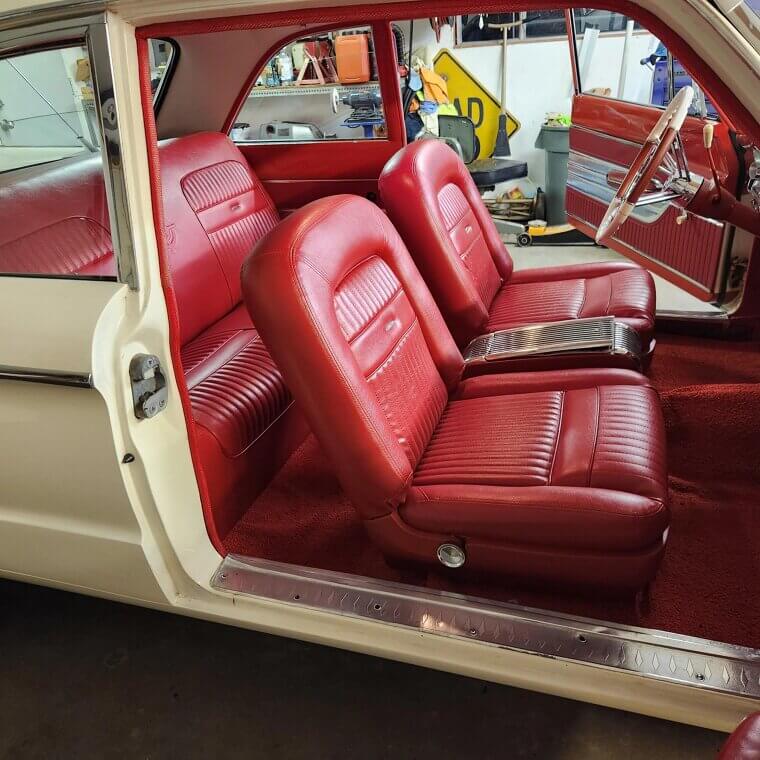
Contemporary vehicle interiors are fully lined with soft-touch plastics, padded fabrics, and thick carpets. This comprehensive cushioning drastically reduces minor injuries while providing superb sound insulation.
Shiny Dashboard Chrome Blinded Drivers In Sunlight
Vintage interiors were generously heavily decorated with highly reflective chrome trim along the dashboard. In direct sunlight, these shiny surfaces reportedly cast blinding glare directly into the driver's eyes. Motorists allegedly had to squint heavily just to see the road ahead. People simply adapted to these truly unique driving situations. The sleek aesthetics clearly overshadowed basic passenger safety features. Classic car collectors still marvel at these vintage designs. People simply adapted to these truly unique driving situations.
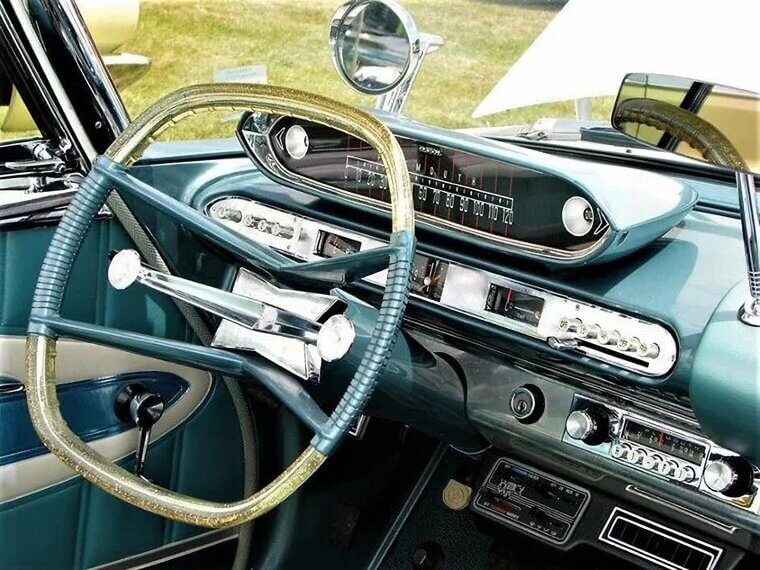
Automotive designers now utilize matte finishes and dark textured materials across the dashboard area. This thoughtful reduction in glare ensures beautifully clear visibility throughout the entire day.
Dim Taillights Gave Following Cars Zero Warning
Classic cars often featured tiny, single-bulb taillights that blended into the heavy chrome styling. During heavy rain or dense fog, these dim lights were reportedly almost invisible. Following drivers allegedly had incredibly little warning when the classic car was braking. Engineers clearly prioritized pure style over protective function then. It remains a completely fascinating era in automotive history. It remains a completely fascinating era in automotive history. Classic car collectors still marvel at these vintage designs.
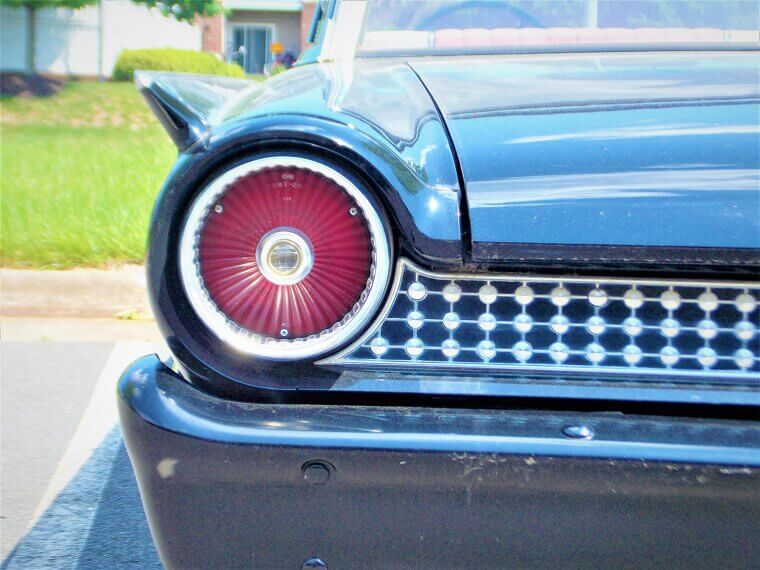
Modern vehicles boast brilliantly bright LED taillight arrays that are instantly visible from afar. These ultra-bright illuminations ensure that trailing vehicles always have plenty of stopping notice.
Dangling Keys On Dashboards Bruised Drivers Knees
The ignition switch was frequently mounted directly on the lower metal dashboard panel facing occupants. Dangling metal keys reportedly swung freely and struck the driver's right knee during travel. This placement allegedly caused uncomfortable bruising during perfectly normal daily driving routines. Classic car collectors still marvel at these vintage designs. Families simply accepted this as normal highway travel behavior. The sleek aesthetics clearly overshadowed basic passenger safety features. It was definitely a remarkably different time for motorists.

Ignition systems eventually migrated securely to the steering column or advanced push-button dashboard spots. This refined placement keeps keys completely out of the way of moving legs.
Heavy Pop-Up Headlights Threatened Pedestrians Upon Impact
Hidden pop-up headlights looked incredibly sleek but introduced a completely unique set of unexpected problems. The heavy metal covers reportedly posed a severe injury risk to pedestrians upon impact. The complex mechanical motors allegedly failed frequently, leaving drivers completely in the dark. It remains a completely fascinating era in automotive history. It remains a completely fascinating era in automotive history. Many drivers remained completely unaware of this specific detail. Families simply accepted this as normal highway travel behavior.

Aerodynamic fixed headlights covered with durable flush polycarbonate lenses eventually replaced these complex mechanisms. This brilliant transition improved pedestrian protection while vastly increasing overall illumination reliability.
Rigid Suspensions Caused Jarring And Bouncy Rides
Many classic vehicles utilized incredibly rigid leaf-spring suspensions derived directly from heavy-duty commercial trucks. These rudimentary systems reportedly caused the car to bounce wildly over standard road imperfections. Passengers allegedly experienced incredibly jarring rides that practically rattled their sensitive teeth. This specific approach to manufacturing seems completely unbelievable today. The sleek aesthetics clearly overshadowed basic passenger safety features. Engineers clearly prioritized pure style over protective function then. People simply adapted to these truly unique driving situations.
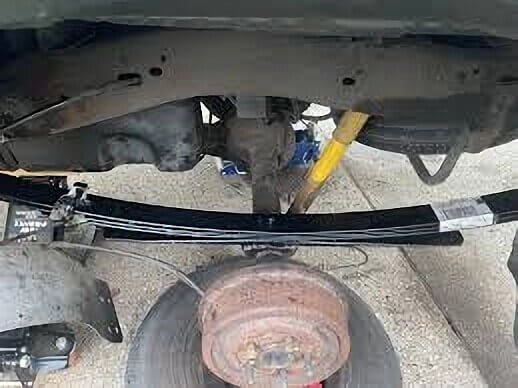
Modern independent suspension systems elegantly absorb bumps while keeping the tires firmly planted. These highly engineered setups deliver an incredibly smooth and beautifully refined highway ride.
Narrow Wheelbases Made Cars Prone To Tipping
Several economical models from the era featured exceptionally tall bodies resting on very narrow wheelbases. This top-heavy design reportedly made the vehicles incredibly prone to tipping over easily. Drivers allegedly had to navigate sharp curves at frustratingly slow and cautious speeds. Many drivers remained completely unaware of this specific detail. Classic car collectors still marvel at these vintage designs. Driving was often considered a wildly adventurous daily experience. Families simply accepted this as normal highway travel behavior.
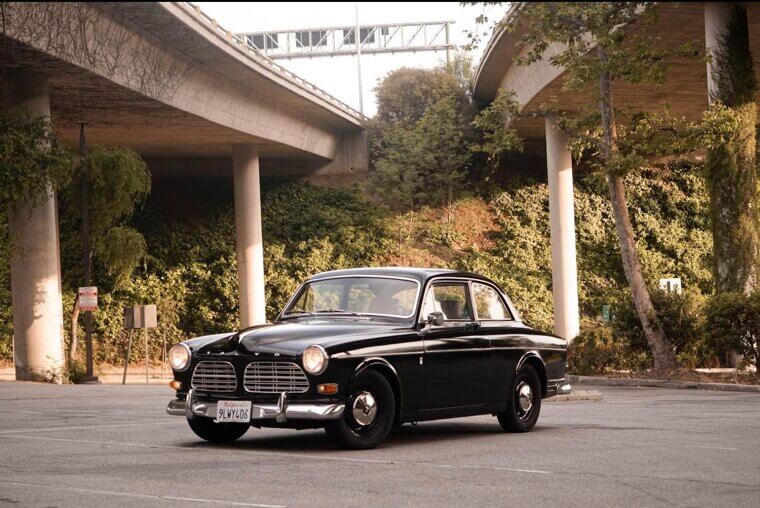
Automakers have since widened vehicle tracks and significantly lowered the overall center of gravity. These foundational geometric changes provide exceptional cornering stability and amazing driver confidence.
Heavy Manual Steering Exhausted Drivers During Parking
Power steering was an expensive luxury option that most standard classic car buyers completely skipped. Maneuvering a heavy steel vehicle reportedly required massive physical upper body strength from drivers. Motorists allegedly became physically exhausted just trying to parallel park their own cars. Families simply accepted this as normal highway travel behavior. It was definitely a remarkably different time for motorists. This specific approach to manufacturing seems completely unbelievable today. This specific approach to manufacturing seems completely unbelievable today.
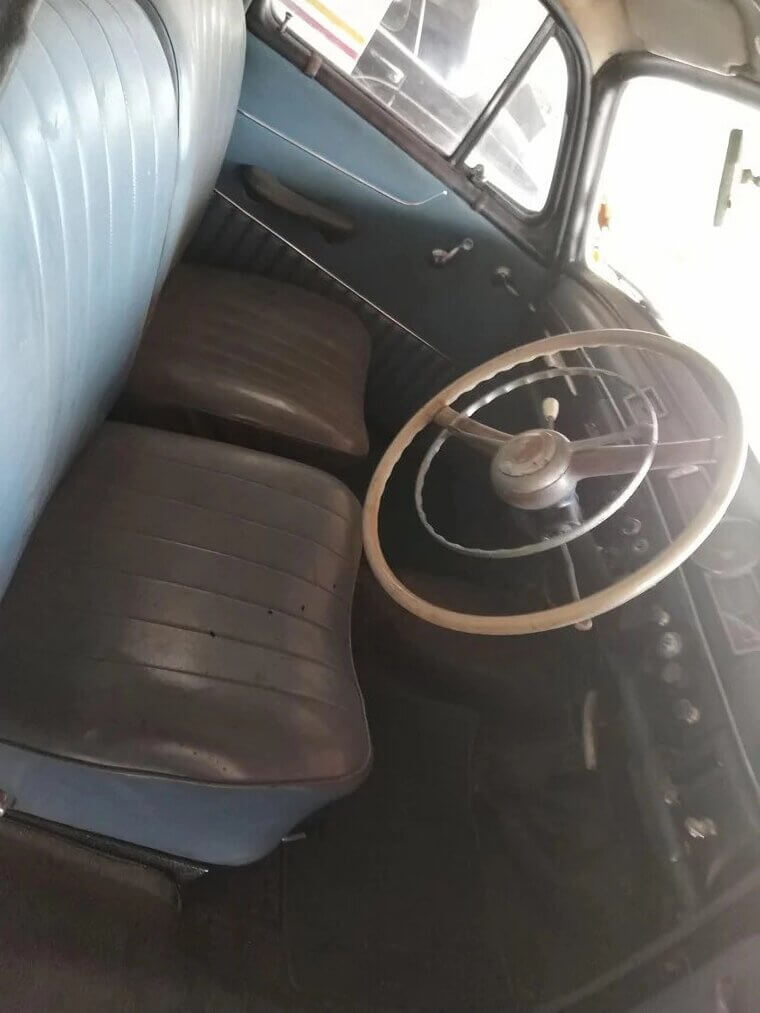
Electric and hydraulic power steering systems are now universally standard across the entire market. This amazing technology allows for effortless maneuvering and beautifully precise road control everywhere.