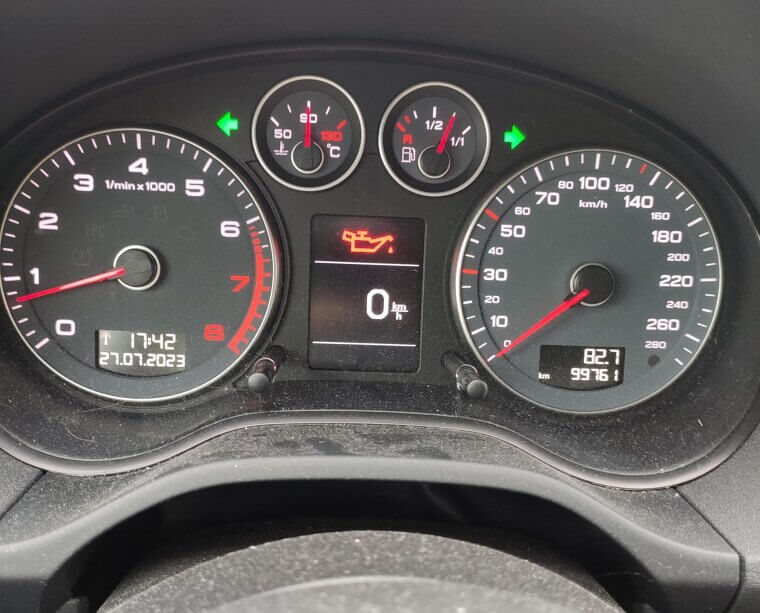
The Oil Warning Light Turns on and Stays on
That little oil can icon glowing on your dash isn't just a suggestion. Modern cars are pretty good at monitoring oil levels and pressure, so when that light refuses to turn off, you're either dangerously low on oil or you have pushed way past your last oil change. Ignoring this warning for even a few miles can lead to metal-on-metal friction that effectively welds your engine components together. You might start hearing a faint ticking or knocking sound, which is the literal sound of your motor starving for lubrication. Once the engine seizes up, the repair bill will likely be more than the car is actually worth. It is always cheaper to pull over and add a quart of oil than it is to replace an entire power plant.
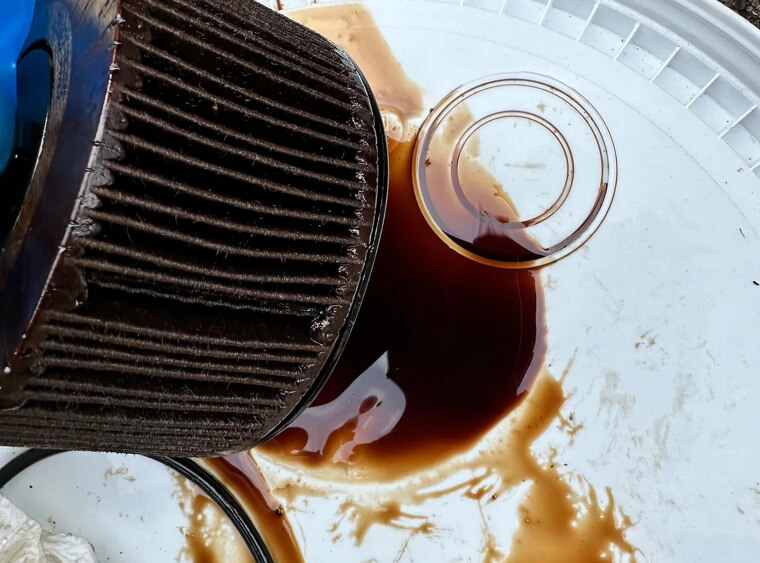
Engine Oil Looks Dark, Gritty, or Smells Burnt
Pull your dipstick and take a look. Fresh oil has this nice amber color, almost like honey. But if what you're seeing looks like thick black sludge or feels gritty between your fingers, congratulations, you've turned your oil into liquid sandpaper. That burnt smell is your oil breaking down because it's been working overtime without a replacement.
The Engine Makes Ticking, Knocking, or Tapping Sounds
Engines should purr, not sound like a tap dancer having a breakdown under your hood. Those ticking or knocking noises usually indicate that your oil level is low or the oil you have is so old that it's no longer lubricating properly. It could also be your spark plugs begging to be changed. Either way, metal parts are starting to make contact with each other in ways they definitely shouldn't.
Reduced Engine Power
Remember when your car actually responded when you pressed the gas? If it now feels like you're driving through molasses, something's choking your engine's performance. Dirty air filters are usually the first culprit. Old spark plugs or a dirty fuel system should be your second guess.

Rough Idling or the Engine Shaking
Sitting at a red light shouldn't feel like you're getting a free massage from your steering wheel. Smooth idling is what distinguishes a well-maintained car from one that's been neglected. If your car is vibrating like a paint mixer at every stoplight, it’s time to pay a visit to the auto shop.
The Car Struggles to Start
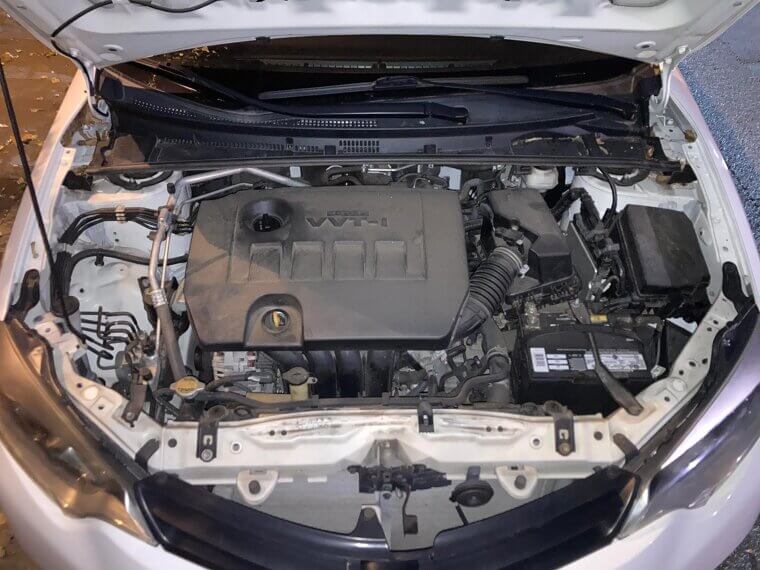
That moment when you turn the key and... nothing. Then click-click-click. And then maybe it turns on the third time. This means that either the battery is on its last legs, the spark plugs are worn out, or you've missed several service appointments. A healthy car starts on the first try, every time, whether it's summer or winter.

Battery Terminals Show White or Green Corrosion
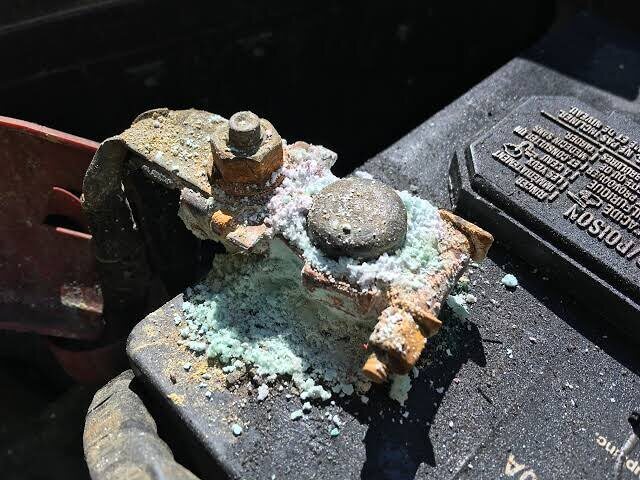
Pop your hood and check those battery terminals. If they have crusty white or blue-green buildup everywhere, it’s corrosion from acid and moisture. It happens to every battery eventually, but it shouldn't look like a coral reef up there. This buildup interferes with electrical connections and is a dead giveaway that nobody's opened your hood for an inspection in way too long.
Headlights or Interior Lights Look Dimmer Than Usual
If your headlights appear to be powered by AA batteries or your dome light barely illuminates the cabin anymore, your battery or alternator is struggling. These components need regular health checks. What you don't want is to discover your alternator died while you're three lanes deep on the highway at night.

Squealing or Chirping Noises When You Start the Car
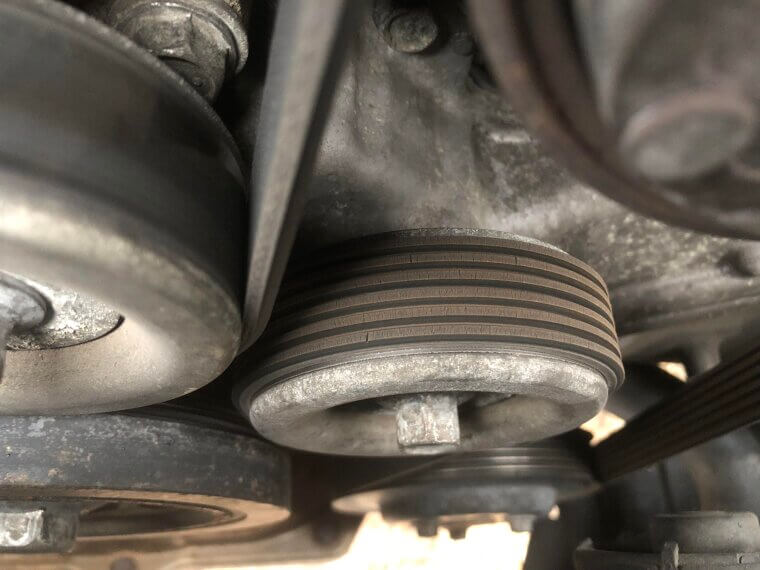
That high-pitched squeal when you fire up the engine isn't a feature… It's your serpentine belt or accessory belts crying out for some much-needed maintenance. Belts get dry, lose tension, and start slipping over time. What begins as an annoying chirp in the morning will eventually become a belt failure that will leave you stranded.
Belts Look Cracked, Shiny, or Frayed
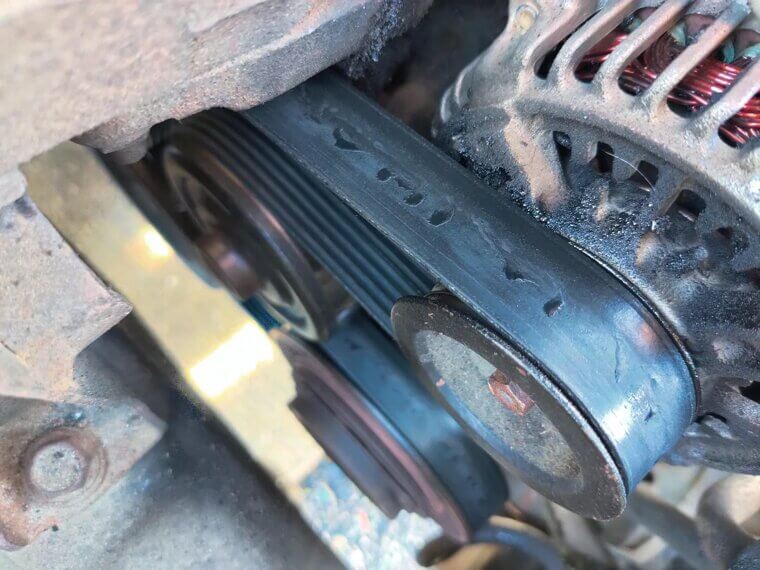
Even if your belt isn't squealing yet, take a look at it. Does it have cracks running across it? Is the underside glazed and shiny, or is it grippy? Can you see threads or fraying along the edges? These are all your car’s way of advertising, "I'm about to snap at the worst possible moment." Get it fixed before that happens.
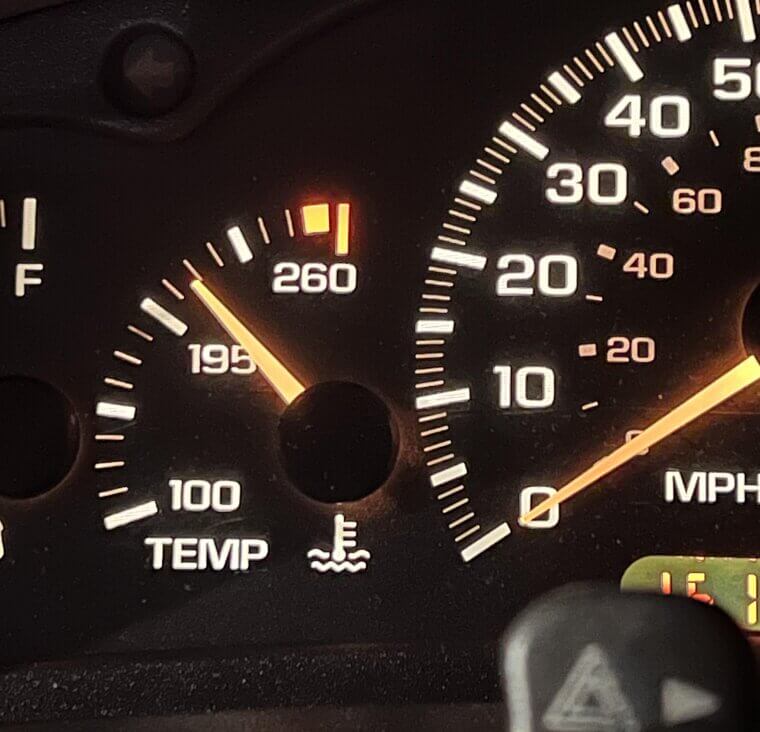
Temperature Gauge Runs Hotter Than Normal
Your temp gauge should sit comfortably in the middle range, boring and predictable. When it starts creeping toward the hot zone (even if it's not quite in the red yet), pay attention. Low coolant, degraded coolant, or a cooling system full of neglected hoses and connections will cause your engine’s temperature to rise.
Sweet, Burning, or Fuel-Like Smells While Driving
Does your car smell like a pancake breakfast, a campfire, or a gas station? Sweet smells usually mean coolant is leaking and burning off somewhere hot. Burning odors indicate that oil is dripping onto exhaust components. Gasoline smells indicate a fuel leak, which is both expensive and potentially dangerous.
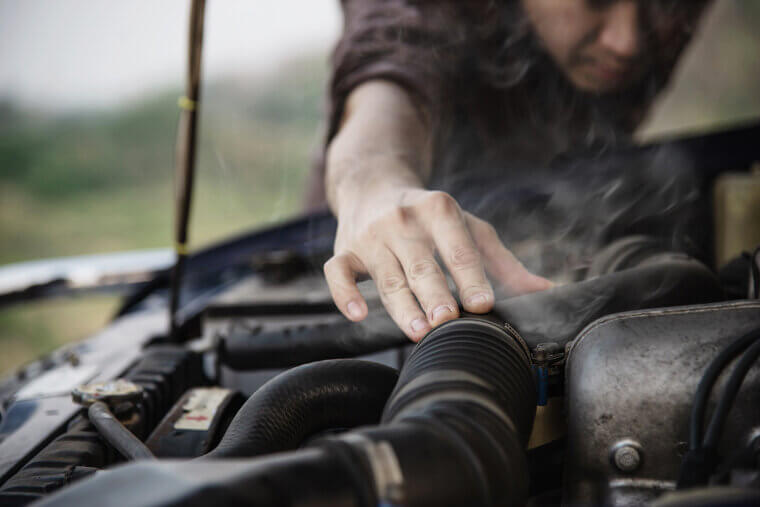
Smoke or Steam Coming From Under the Hood
Nothing says "I've been ignoring maintenance" quite like your hood turning into a steam engine. White steam typically indicates that the coolant is escaping and hitting a hot surface. Blue smoke points to burning oil. Black smoke means you're running too rich and wasting fuel.
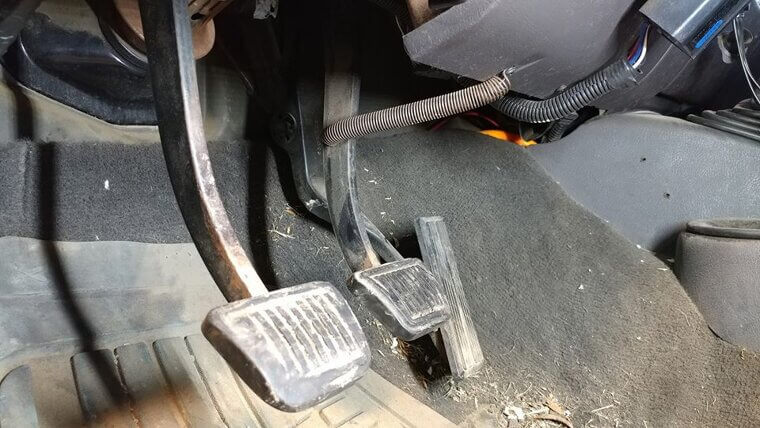
Brake Pedal Feels Soft or Spongy
Your brake pedal should be firm and responsive; when you press it, the car stops, and that’s the end of the story. When it starts feeling mushy, or you have to push it closer to the floor to get the same stopping power, that's trouble. Brake fluid flushes are one of the most commonly overlooked yet important maintenance items.
Grinding or Squeaking Noises When Braking
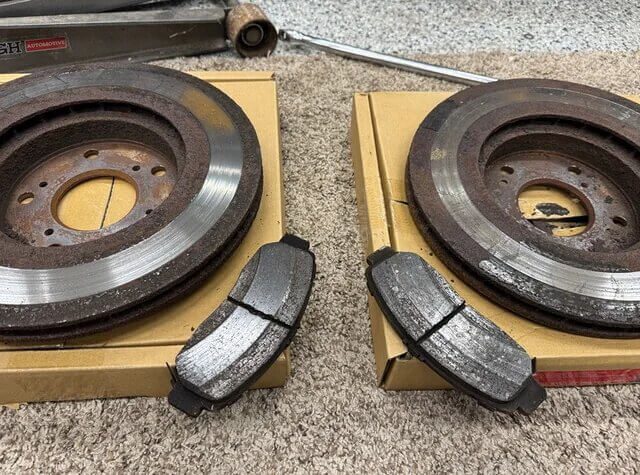
If your brakes sound like you're dragging a shopping cart full of rocks every time you slow down, those are your brake pads telling you they died about 2,000 miles ago. That grinding is the result of metal-on-metal contact, the pad material is completely gone, and now you're destroying your rotors with every stop. Yay.
Steering Pulls Left or Right on a Straight Road
Do you find yourself driving on a straight road but constantly correcting the wheel to keep from drifting? That's not normal, and it's not the road; it's your alignment being completely out of whack. Alignments can become misaligned due to potholes, curbs, and general wear, and ideally should be checked every year or so.

Longer Stopping Distances
Here's a sneaky one that happens so gradually you might not notice: your car takes longer to stop than it used to. Maybe you're leaving more space at stoplights without realizing it, or you've had a couple of close calls in traffic. If it takes more pedal pressure or a greater distance to stop than it used to, it’s time to get those brakes inspected.

The Steering Wheel Vibrates at Certain Speeds
That steering wheel shake around 60 mph isn't adding character to your drive. It's usually your wheels that need balancing or your tires showing the effects of skipped rotations, or sometimes, it can be worn suspension components or warped brake rotors. The point is, steering wheels aren't supposed to have a mind of their own.

Uneven Tire Wear
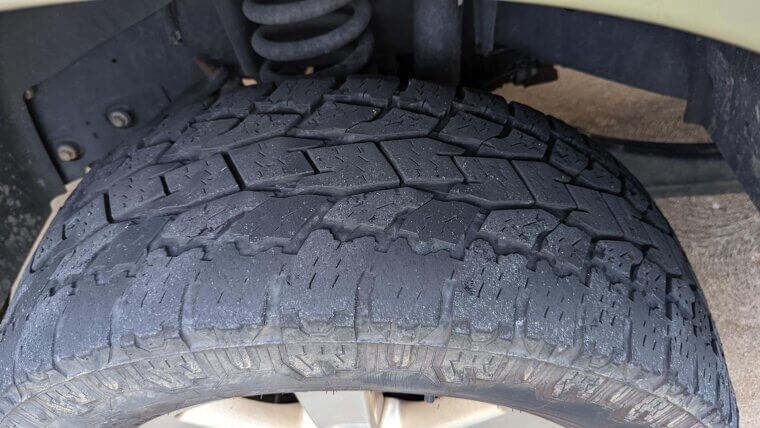
Take a walk around your car and inspect your tires. If the edges are bald but the center looks fine, you've likely been driving on underinflated tires. If the center is worn but the edges are good, you've been overinflating. If one shoulder is destroyed, your alignment has been wack for ages.
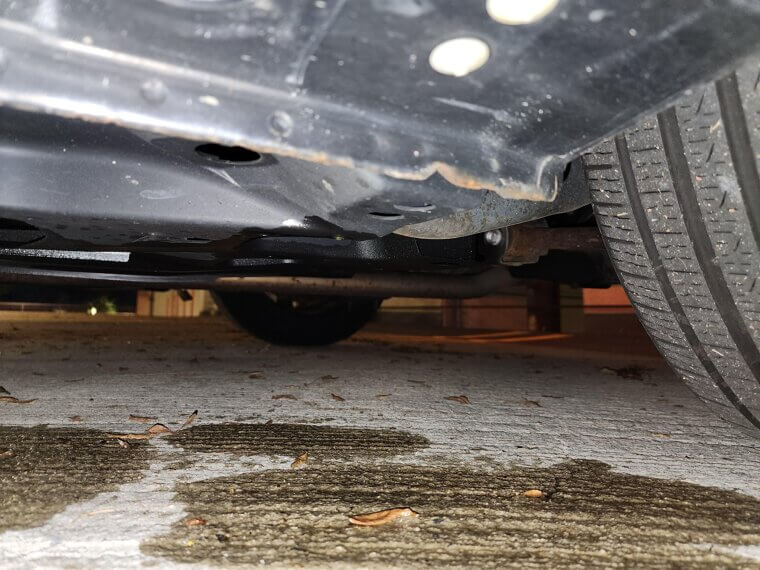
Fluid Puddles Under the Car
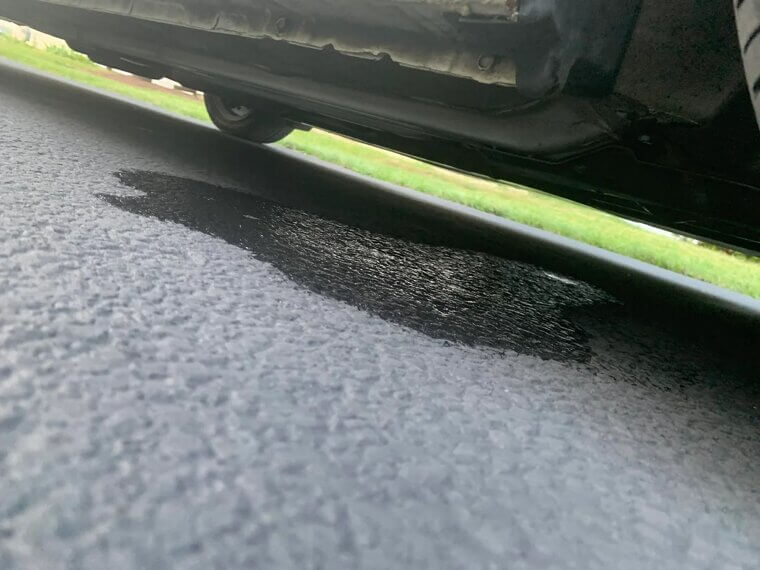
Check under your ride after it's been parked overnight. See any puddles or spots? That's your car literally bleeding out fluids that should be staying inside. Dark brown or black is oil. Bright green, orange, or pink is a coolant. Reddish fluid is for transmission or power steering.