They Insist on Replacing Parts Without Showing You the Old Ones
A mechanic who replaces parts but never produces the worn-out originals is asking you to fund a magic trick: now you see your money, now you don’t! Reputable shops keep replaced components because they expect questions and welcome proof. It’s not nosy to ask; it’s just good financial practice.
When the old parts mysteriously vanish, so does your ability to verify whether anything actually needed replacing. The phrase “We already tossed it” often translates to “Please don’t look behind the curtain.” If a part was truly cracked, corroded, or cooked, there should be no hesitation in showing it off like a trophy of victory.
When the old parts mysteriously vanish, so does your ability to verify whether anything actually needed replacing. The phrase “We already tossed it” often translates to “Please don’t look behind the curtain.” If a part was truly cracked, corroded, or cooked, there should be no hesitation in showing it off like a trophy of victory.
No Pre-Work Written Estimate
If a mechanic dives under the hood without offering a written estimate first, that’s not just forgetfulness; that’s a strategic fog machine. A clear estimate pins down parts, labor and expectations, and shops that avoid it keep things conveniently “fluid,” especially when the final tally appears.
Verbal promises melt like ice on a hot dashboard and are nearly impossible to challenge later. When the answer to “How much?” is “We’ll see,” you’re being invited onto a roller coaster without brakes. A reputable shop is happy to put numbers on paper, because transparency is not their enemy.
Verbal promises melt like ice on a hot dashboard and are nearly impossible to challenge later. When the answer to “How much?” is “We’ll see,” you’re being invited onto a roller coaster without brakes. A reputable shop is happy to put numbers on paper, because transparency is not their enemy.

The Final Bill Is Much Higher Than the Original Estimate
Surprises are fun at birthday parties, but less so at the checkout counter of an auto shop. When your final bill balloons far past the estimate without clear, documented authorization, you’re not witnessing “mechanical destiny” - you’re witnessing upsell acrobatics. Estimates are supposed to be anchors, not suggestions written in disappearing ink.
If extra work was truly necessary, you should be called before the wrench turns - not after the card is swiped! A sudden price jump followed by a shrug and a story about “unexpected complications” is a classic dance move. There’s a difference between reasonable adjustments and sticker shock.
If extra work was truly necessary, you should be called before the wrench turns - not after the card is swiped! A sudden price jump followed by a shrug and a story about “unexpected complications” is a classic dance move. There’s a difference between reasonable adjustments and sticker shock.

You’re Told Your Car “needs” Repairs You Didn’t Ask About
You came in for an oil change and somehow your car developed a tragic backstory requiring three new systems and a small loan. Interesting coincidence. While genuine issues do sometimes reveal themselves during inspections, a sudden chorus of “urgent” add-ons can be a sales pitch wearing greasy overalls.
The word “need” is powerful; it nudges you toward panic rather than patience. A trustworthy mechanic explains priority, risk, and timing - what’s critical now versus what can wait without turning your vehicle into modern art on the roadside. When every suggestion arrives siren-loud and time-sensitive, you’re not being protected; you’re being primed.
The word “need” is powerful; it nudges you toward panic rather than patience. A trustworthy mechanic explains priority, risk, and timing - what’s critical now versus what can wait without turning your vehicle into modern art on the roadside. When every suggestion arrives siren-loud and time-sensitive, you’re not being protected; you’re being primed.
You Feel Rushed or Pressured to Approve Work Immediately
Pressure is for tires, not customers! If a mechanic leans hard on urgency (“decide now,” “prices change today,” “your car may not survive the trip home”) they’re not just fixing vehicles; they’re playing psychological chess. Real professionals give you space to think, compare, and call a friend, because informed consent doesn’t scare them.
High-pressure tactics are designed to bypass your common sense and go straight for your wallet. A legitimate repair can stand up to a second opinion and a deep breath. If they won’t allow either, that’s your flashing warning light.
High-pressure tactics are designed to bypass your common sense and go straight for your wallet. A legitimate repair can stand up to a second opinion and a deep breath. If they won’t allow either, that’s your flashing warning light.

They Refuse to Explain What the Repair Actually Involves
Is your mechanic treating basic questions like classified intelligence? That’s a sign the mystery benefits them more than you. “It’s complicated” can be true, but it can also be a convenient wall between you and your money. A reputable shop will translate car-speak into plain language without sighing dramatically or acting like you’ve insulted the sacred art of wrenches.
You don’t need a degree in automotive engineering to deserve clarity. If every inquiry is waved away with vague jargon or theatrical weariness, it’s not about time; it’s about control. Clear explanations make overcharging harder, which is exactly why some shops avoid them.
You don’t need a degree in automotive engineering to deserve clarity. If every inquiry is waved away with vague jargon or theatrical weariness, it’s not about time; it’s about control. Clear explanations make overcharging harder, which is exactly why some shops avoid them.

The Shop Won’t Break Down Labor and Parts on the Invoice
A bill that arrives as one giant, mysterious lump sum is less an invoice and more a financial fog bank. Itemization matters because it separates reality from creative writing. Parts have prices, labor has hours; both should sit neatly on paper where you can actually see them. When a shop resists breaking things down, it’s often because the numbers don’t enjoy daylight.
A single undifferentiated total invites padding and rounding. Transparent shops are almost proud of their breakdowns, because they know they’ll hold up under scrutiny. If your receipt reads like a magician’s flourish instead of a ledger, be wary.
A single undifferentiated total invites padding and rounding. Transparent shops are almost proud of their breakdowns, because they know they’ll hold up under scrutiny. If your receipt reads like a magician’s flourish instead of a ledger, be wary.

You’re Told the Issue Is “mysterious” or Hard to Explain
Sometimes cars do develop symptoms that stump even seasoned pros (machines can be moody). However, when every issue you have is treated like an unsolvable riddle from an ancient temple, you may be paying extra for theatrics.
Real mechanics love puzzles; they document, test, and walk you through their reasoning, even if the diagnosis took detective work. If all you ever get is mystical hand-waving and a swollen bill, the mystery isn’t in your engine; it’s in the pricing. Confusion shouldn’t be a line item.
Real mechanics love puzzles; they document, test, and walk you through their reasoning, even if the diagnosis took detective work. If all you ever get is mystical hand-waving and a swollen bill, the mystery isn’t in your engine; it’s in the pricing. Confusion shouldn’t be a line item.

You’re Discouraged From Getting a Second Opinion
Professionals who are confident in their work don't fear comparison. When a mechanic reacts to the phrase “second opinion” as though you’ve proposed treason, alarm bells should sing. Warnings that other shops will “only confuse you” or that leaving is “too risky” are less about safety and more about keeping the sale contained.
Good shops know that outside confirmation can actually build trust; bad ones treat it like sunlight to a vampire. If you’re told that quotes elsewhere are meaningless or that your car is somehow too fragile to leave the premises, the pressure is to prevent you from discovering cheaper, saner options.
Good shops know that outside confirmation can actually build trust; bad ones treat it like sunlight to a vampire. If you’re told that quotes elsewhere are meaningless or that your car is somehow too fragile to leave the premises, the pressure is to prevent you from discovering cheaper, saner options.
Basic Services Are Bundled With Unnecessary Add-Ons
You asked for something simple, and suddenly it arrived wearing accessories it never needed (an oil change with a side of exotic, premium, who-asked-for-this treatments, for example). Bundling can sound efficient, but it often hides the quiet inflation of your bill. Framing extras as “standard packages” makes declining them feel like rejecting civilization itself.
A trustworthy mechanic separates optional services clearly and doesn’t act offended when you say no. Add-ons expanding faster than your patience? You're not being offered value; you’re being steered. If basic maintenance keeps arriving dressed up like a luxury vacation, it’s time to take your business somewhere less theatrical.
A trustworthy mechanic separates optional services clearly and doesn’t act offended when you say no. Add-ons expanding faster than your patience? You're not being offered value; you’re being steered. If basic maintenance keeps arriving dressed up like a luxury vacation, it’s time to take your business somewhere less theatrical.
Prices Are Dramatically Higher Than Other Local Shops
Does your quote tower above every other shop in town like a lonely skyscraper? It’s probably not because they use gold-plated wrenches! Regional pricing varies, but wild outliers usually signal profit hunting rather than premium craftsmanship.
When one estimate is twice everyone else’s, you’re looking at a shop testing the elasticity of your wallet. Comparing prices is not disloyalty; it’s due diligence. Honest mechanics expect you to shop around and typically land in the same neighborhood as their peers. When the numbers leave the neighborhood entirely, you’ve likely discovered a scenic route to overcharging.
When one estimate is twice everyone else’s, you’re looking at a shop testing the elasticity of your wallet. Comparing prices is not disloyalty; it’s due diligence. Honest mechanics expect you to shop around and typically land in the same neighborhood as their peers. When the numbers leave the neighborhood entirely, you’ve likely discovered a scenic route to overcharging.

They Claim Your Warranty Requires Certain Overpriced Services
Invoking the word “warranty” has a magical effect - it can turn a maybe into a must. Some shops exploit that spell, insisting you need expensive services or your warranty will vanish like a ghost if you refuse.
In reality, most warranties are far more flexible than the horror stories imply. Reputable shops happily point to the page and explain your options. Ominous warnings and big-ticket recommendations are less about protection and more about persuasion with a price tag.
In reality, most warranties are far more flexible than the horror stories imply. Reputable shops happily point to the page and explain your options. Ominous warnings and big-ticket recommendations are less about protection and more about persuasion with a price tag.

You’re Charged Diagnostic Fees That Seem Excessive or Repeated
Diagnostics do cost money (expertise and equipment aren’t powered by fairy dust). However, when the fee starts looking like a mortgage payment or shows up multiple times for the same problem, your wallet is doing more work than your car is.
Competent shops often apply diagnostic costs toward the actual repair, because the goal is fixing the problem, not endlessly naming it. When the meter keeps running while answers stand perfectly still, it’s not troubleshooting; it’s toll collecting.
Competent shops often apply diagnostic costs toward the actual repair, because the goal is fixing the problem, not endlessly naming it. When the meter keeps running while answers stand perfectly still, it’s not troubleshooting; it’s toll collecting.
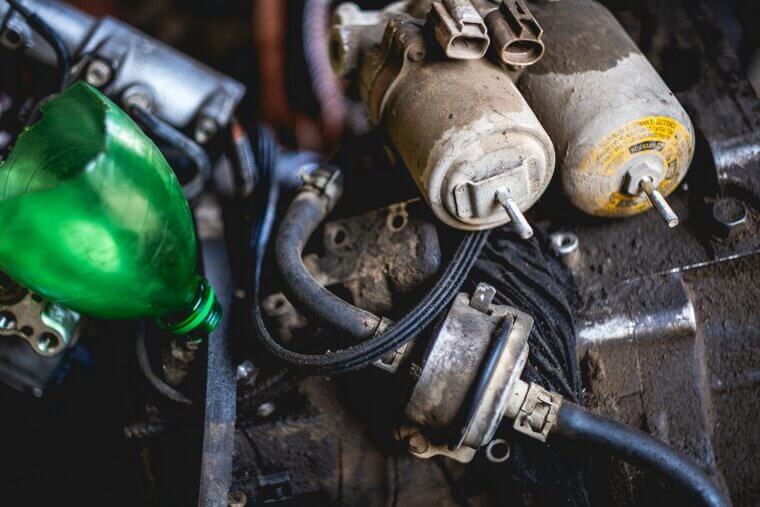
They Recommend Replacing Parts That Commonly Last Much Longer
When you’re told that long-life components have suddenly become fragile creatures begging for retirement, pause before signing anything. Some parts - like certain belts, plugs, or filters - do have predictable lifespans, and mechanics know them the way chefs know cooking times.
A trustworthy shop will reference mileage, age, symptoms, and manufacturer guidelines rather than leaning on vague doom. If items typically known for longevity are suddenly treated like fruit with a two-day shelf life, question the recommendation. You might discover that the only thing wearing out rapidly is your patience.
A trustworthy shop will reference mileage, age, symptoms, and manufacturer guidelines rather than leaning on vague doom. If items typically known for longevity are suddenly treated like fruit with a two-day shelf life, question the recommendation. You might discover that the only thing wearing out rapidly is your patience.
The Repair Timeline Keeps Extending Along With the Cost
Repairs can take longer than expected - rust, stubborn bolts, and surprise complications are real. But when every delay arrives hand-in-hand with another price hike, you’re not just in the waiting room; you’re on a financial treadmill.
Reputable mechanics communicate early, document findings and don’t treat your budget like an expandable cargo area. When your car seems trapped in “almost done” limbo and the bill grows like a well-watered plant, the issue may no longer be mechanical.
Reputable mechanics communicate early, document findings and don’t treat your budget like an expandable cargo area. When your car seems trapped in “almost done” limbo and the bill grows like a well-watered plant, the issue may no longer be mechanical.