Checking Tire Pressure
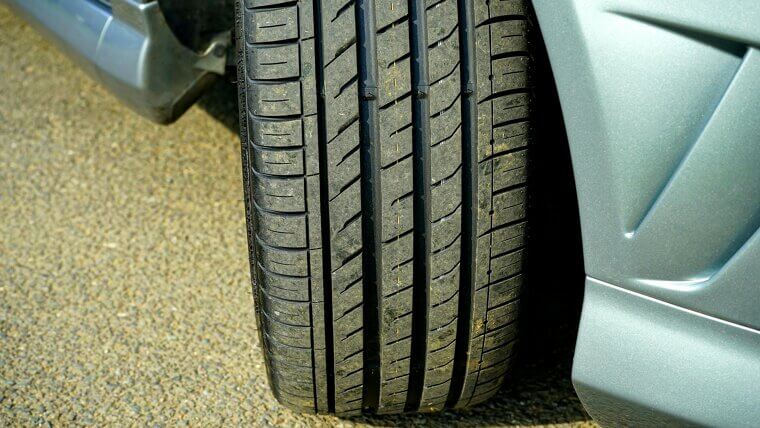
Before sensors and warning chimes, there was the ancient art of the tire kick. It wasn’t accurate, but it was confident. If something felt off, out came the pressure gauge - small, metal, and trustworthy. Tires mattered because roads were rougher, suspensions were simpler, and flats were personal insults.
He knew underinflated tires drank gas and chewed rubber like bad habits. A few quick checks, a hiss of air, and the caps were screwed back on. Done. The reward? Better handling, longer tire life, and the quiet satisfaction of knowing the car would track straight without complaint.
He knew underinflated tires drank gas and chewed rubber like bad habits. A few quick checks, a hiss of air, and the caps were screwed back on. Done. The reward? Better handling, longer tire life, and the quiet satisfaction of knowing the car would track straight without complaint.
Changing the Air Filter
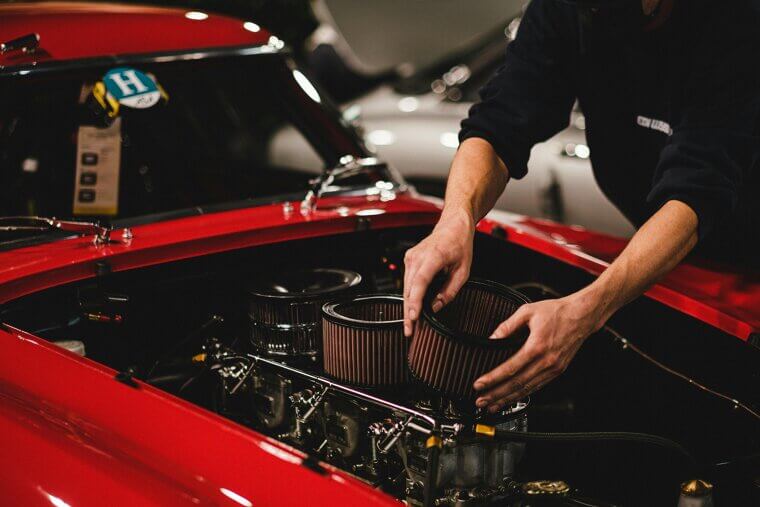
The air filter was the car’s lungs, and your grandfather believed in letting things breathe. Changing it took about as long as sneezing - pop the housing, lift out something that looked like it had survived a dust storm and drop in a clean one. No drama, no tools, no YouTube.
He knew a fresh filter meant better mileage, smoother acceleration and fewer coughs from the engine. Holding the old one up to the light was optional but satisfying, a quiet “yep” moment. Close the lid, snap it shut and the car inhaled deeply, ready to get back to work!
He knew a fresh filter meant better mileage, smoother acceleration and fewer coughs from the engine. Holding the old one up to the light was optional but satisfying, a quiet “yep” moment. Close the lid, snap it shut and the car inhaled deeply, ready to get back to work!
Checking the Engine Oil
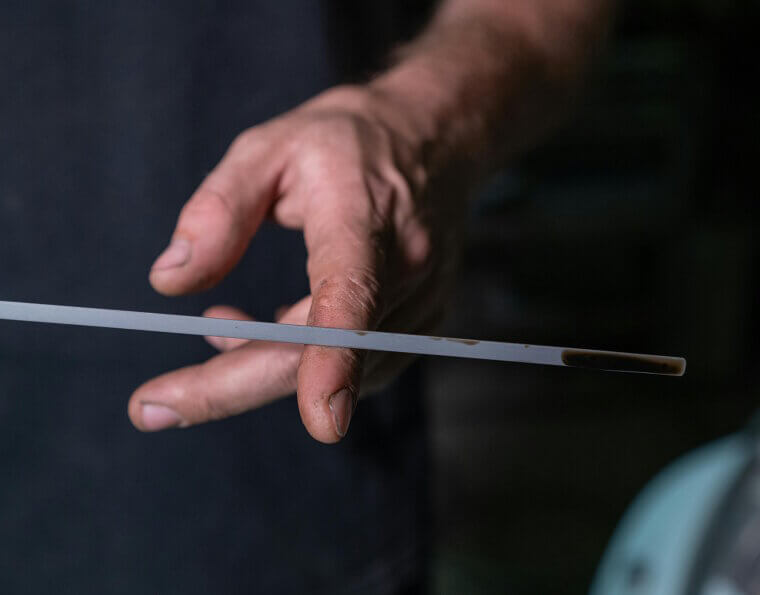
Your grandfather didn’t consult a dashboard warning light - he listened to the car like it was clearing its throat. Checking engine oil meant pulling the dipstick, wiping it on a rag that had already lived a full life, and squinting like a jeweler inspecting a diamond. Too low? Add some. Too dark? Make a mental note.
Oil wasn’t mystical; it was blood, plain and simple. He knew that clean oil meant quieter mornings, smoother pulls, and fewer muttered curses on cold starts. It took less time than brewing coffee, yet it carried a sense of ritual, a moment of respect between man and machine before the day began.
Oil wasn’t mystical; it was blood, plain and simple. He knew that clean oil meant quieter mornings, smoother pulls, and fewer muttered curses on cold starts. It took less time than brewing coffee, yet it carried a sense of ritual, a moment of respect between man and machine before the day began.
Changing the Oil and Filter
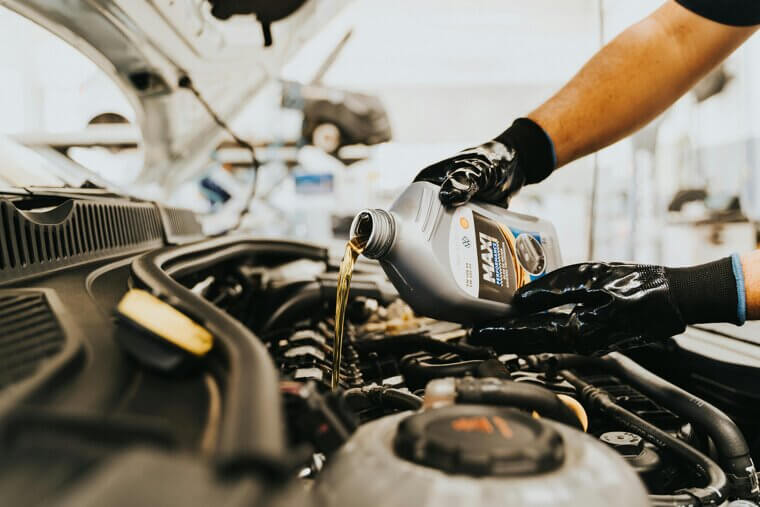
Oil changes were not appointments, they were errands. Jack up the car, slide underneath on a flattened piece of cardboard, and crack the drain plug loose with a satisfying thunk. The oil poured out like yesterday’s mistakes, dark and unapologetic. Filters were spun off by hand or with a tool older than the house itself.
No gloves, no torque specs… just feel and experience. New oil went in slowly and carefully, like seasoning a stew. When it was done, there was pride in the job (and probably oil on one elbow). The engine purred, and the driveway bore witness.
No gloves, no torque specs… just feel and experience. New oil went in slowly and carefully, like seasoning a stew. When it was done, there was pride in the job (and probably oil on one elbow). The engine purred, and the driveway bore witness.
Rotating the Tires
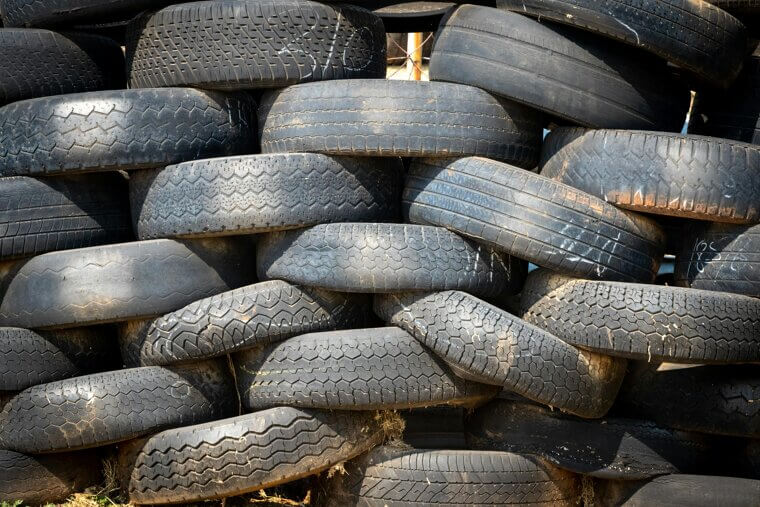
Tire rotation wasn’t preventative maintenance; it was fairness. Every tire deserved its turn up front, shouldering the burden of steering and braking. The car was jacked up, lug nuts loosened in a practiced rhythm and wheels swapped with minimal conversation.
No diagrams taped to the wall - the pattern lived in his head. This simple shuffle stretched tire life and kept the ride honest. It was practical, economical and slightly stubborn, much like the man doing it. When finished, the car sat level again, ready for thousands more miles without favoring one corner over another.
No diagrams taped to the wall - the pattern lived in his head. This simple shuffle stretched tire life and kept the ride honest. It was practical, economical and slightly stubborn, much like the man doing it. When finished, the car sat level again, ready for thousands more miles without favoring one corner over another.
Replacing Spark Plugs
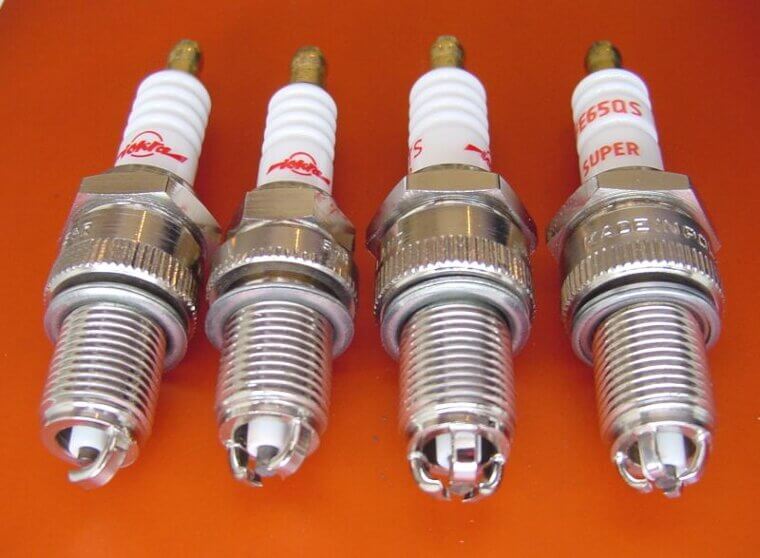
Spark plugs were small, cheap, and absolutely essential - a perfect metaphor, really. He replaced them before they failed, not after the engine protested. One wire at a time, always, because chaos was optional. The old plugs told stories: carbon buildup, worn tips, clues to how the engine had been living.
New plugs went in snug, not strangled. The result was immediate: smoother idle, better starts, and an engine that sounded awake instead of annoyed. It was a quick job with outsized rewards, finished with hands smelling faintly of metal and victory.
New plugs went in snug, not strangled. The result was immediate: smoother idle, better starts, and an engine that sounded awake instead of annoyed. It was a quick job with outsized rewards, finished with hands smelling faintly of metal and victory.
Checking Coolant Level
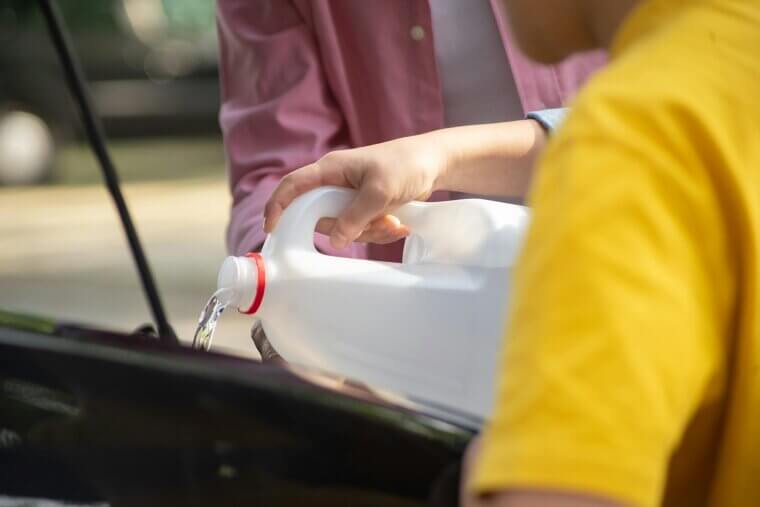
Coolant checks happened before overheating taught a lesson the hard way. He waited for the engine to cool (patience was part of the process( then twisted the radiator cap like he meant it. The coolant level told a story: steady meant healthy, low meant attention.
There were no bright warning lights, just experience and a wary eye. A splash of antifreeze went in - green or orange, depending on loyalty. He understood that engines hated surprises and loved consistency. Ten minutes now saved an afternoon on the shoulder later, steam hissing like a scolding voice.
There were no bright warning lights, just experience and a wary eye. A splash of antifreeze went in - green or orange, depending on loyalty. He understood that engines hated surprises and loved consistency. Ten minutes now saved an afternoon on the shoulder later, steam hissing like a scolding voice.
Topping Off Brake Fluid
Brakes weren’t something you experimented with. Topping off brake fluid was quiet, deliberate work. The reservoir cap came off carefully, like opening something important. He checked the level, added just enough, and wiped the rim clean - no spills, no sloppiness.
Brake fluid absorbed moisture - he knew that, even if he never said it out loud. The pedal told him everything he needed to know. Firm was good, soft was suspicious. When done, the cap went back on snug, and the car regained its most sacred promise: stopping when asked.
Brake fluid absorbed moisture - he knew that, even if he never said it out loud. The pedal told him everything he needed to know. Firm was good, soft was suspicious. When done, the cap went back on snug, and the car regained its most sacred promise: stopping when asked.
Replacing Windshield Wiper Blades
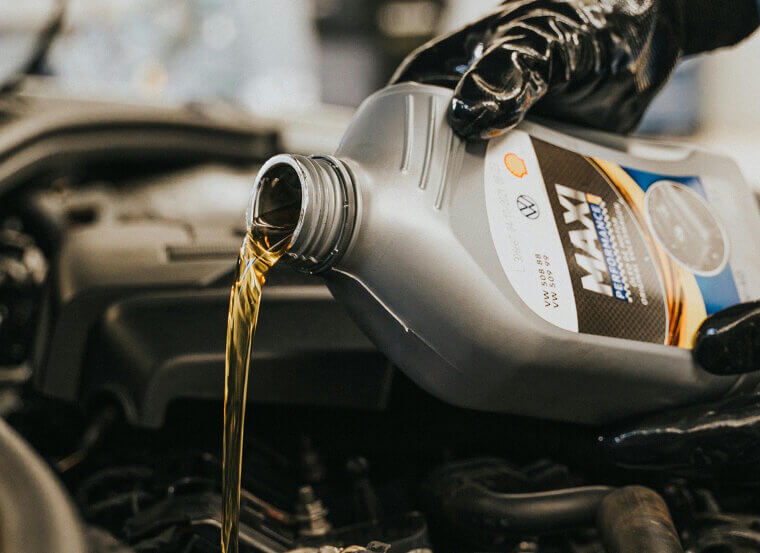
Wiper blades were replaced the moment they started smearing instead of wiping - there was no tolerance for guesswork when rain hit sideways. He flipped the arms up, pinched the old blades loose and snapped new ones in place with a clean click. No instructions needed; the design made sense.
A quick test swipe followed, even if the windshield was dry. Clear vision wasn’t optional - it was basic decency. Fresh blades meant less squinting, fewer surprises, and a windshield that behaved itself. It was a tiny upgrade that made every drive feel calmer.
A quick test swipe followed, even if the windshield was dry. Clear vision wasn’t optional - it was basic decency. Fresh blades meant less squinting, fewer surprises, and a windshield that behaved itself. It was a tiny upgrade that made every drive feel calmer.
Checking Battery Terminals
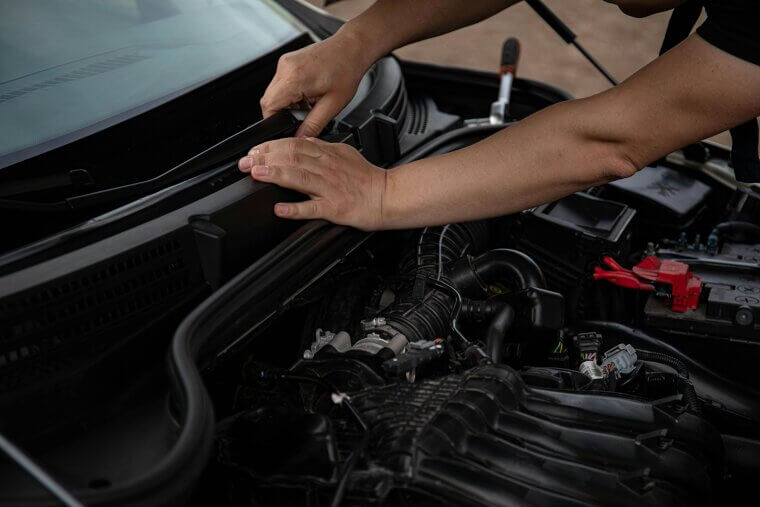
Battery terminals got checked whenever the car hesitated, like it was thinking too hard. Grandad popped the hood, gave the cables a wiggle and looked for that fuzzy green nonsense. Corrosion meant resistance, and resistance meant trouble.
Sometimes all it took was tightening a clamp or brushing away buildup with whatever was handy. He knew electricity didn’t care about excuses; clean connections meant confident starts, especially in cold weather. When the engine fired up strong, there was a nod of approval - problem solved, no replacement parts required.
Sometimes all it took was tightening a clamp or brushing away buildup with whatever was handy. He knew electricity didn’t care about excuses; clean connections meant confident starts, especially in cold weather. When the engine fired up strong, there was a nod of approval - problem solved, no replacement parts required.
Cleaning Battery Corrosion
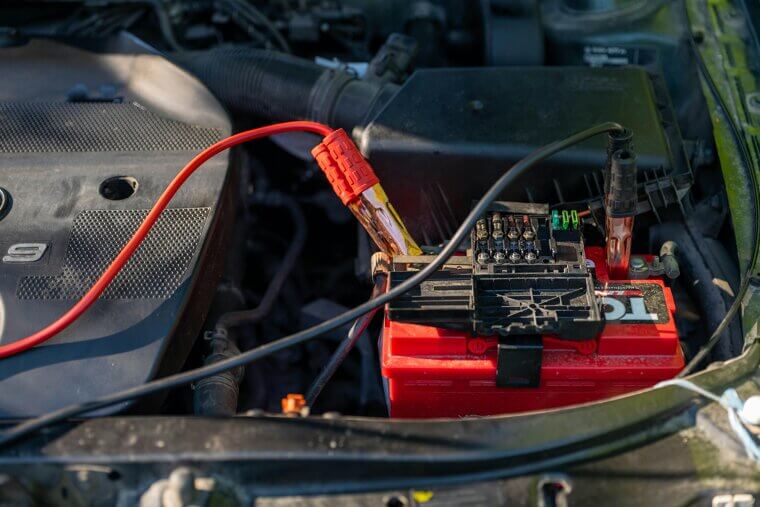
Battery corrosion was never a mystery, just a mild annoyance that demanded respect. Your grandfather spotted it immediately - that powdery buildup creeping over the terminals like neglect trying to get comfortable. He disconnected the cables with calm precision, knowing which one came off first and why.
A wire brush, an old toothbrush or whatever was nearby did the job just fine. Baking soda and water bubbled away the problem like quiet chemistry magic. Clean terminals meant reliable starts, fewer muttered words, and a car that didn’t hesitate when asked to wake up. When everything was tightened back down, the engine usually rewarded the effort with an eager, confident turn-over.
A wire brush, an old toothbrush or whatever was nearby did the job just fine. Baking soda and water bubbled away the problem like quiet chemistry magic. Clean terminals meant reliable starts, fewer muttered words, and a car that didn’t hesitate when asked to wake up. When everything was tightened back down, the engine usually rewarded the effort with an eager, confident turn-over.
Checking Fan Belts
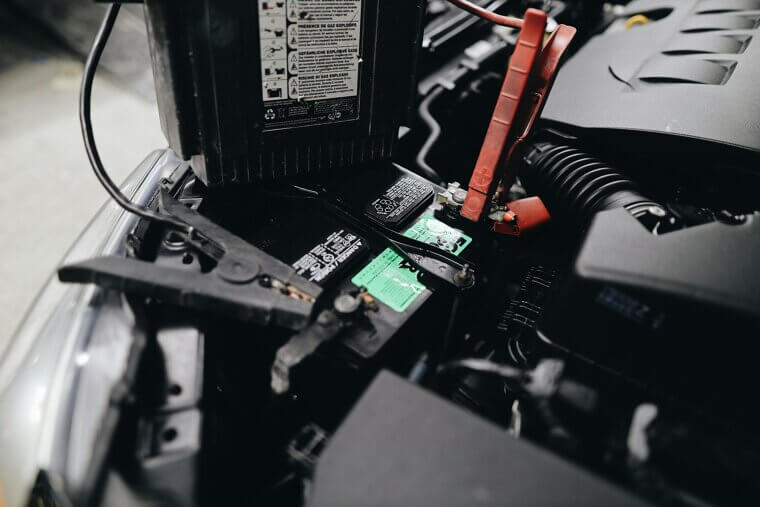
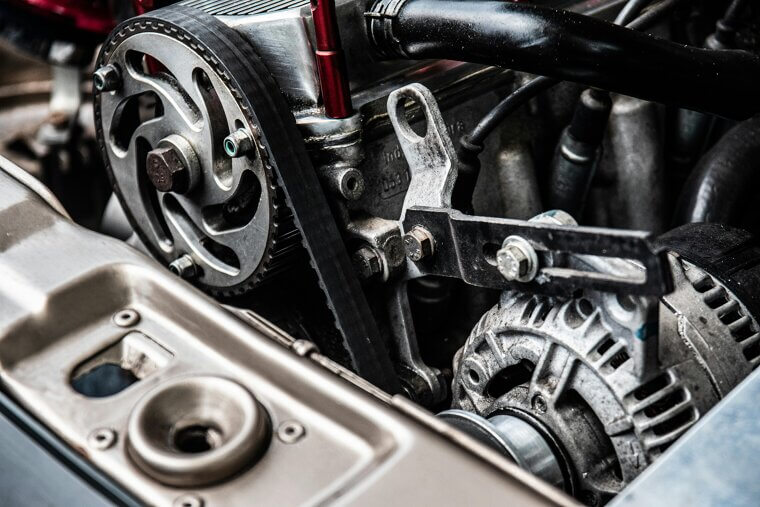
Fan belts were checked the way bread dough was tested: by touch, not theory. Grandad pressed down with his thumb, feeling for the right balance between slack and strain. Too loose meant squealing embarrassment at stoplights. Too tight meant future trouble, the kind that arrived unannounced.
He scanned for cracks, fraying or shine, all subtle signs that a belt was nearing retirement. These belts powered the essentials: cooling, charging and keeping everything civilized under the hood. It took moments to inspect, but skipping it could cost hours later. When the engine ran smoothly without complaint, he knew the belt was doing its quiet, thankless job.
He scanned for cracks, fraying or shine, all subtle signs that a belt was nearing retirement. These belts powered the essentials: cooling, charging and keeping everything civilized under the hood. It took moments to inspect, but skipping it could cost hours later. When the engine ran smoothly without complaint, he knew the belt was doing its quiet, thankless job.
Replacing a Serpentine Belt
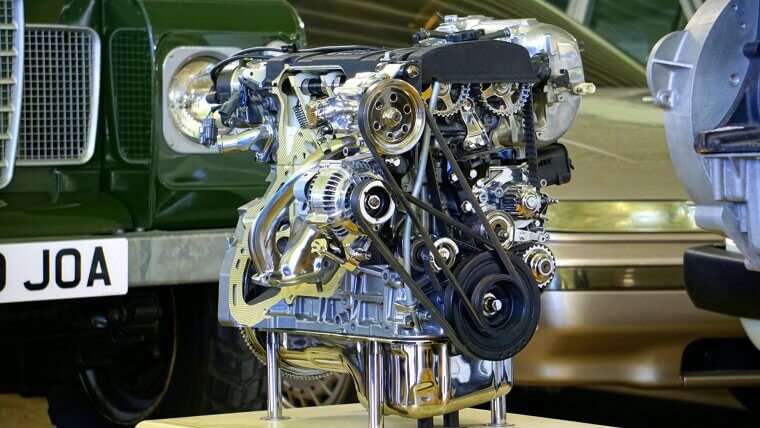
Replacing a serpentine belt looked intimidating to outsiders, but to your grandpa it was just a matter of patience and memory. He traced the belt’s path with his eyes first, sometimes sketching it out before loosening anything. The tensioner was released carefully - never rushed, because rushing punished impatience.
Off came the old belt, glazed and tired, replaced by a new one threaded cleanly through pulleys like it belonged there all along. This single loop powered half the car’s systems, and he treated it accordingly. When finished, the engine started without squeal or protest. Silence, in this case, was proof of success.
Off came the old belt, glazed and tired, replaced by a new one threaded cleanly through pulleys like it belonged there all along. This single loop powered half the car’s systems, and he treated it accordingly. When finished, the engine started without squeal or protest. Silence, in this case, was proof of success.
Checking Brake Pads
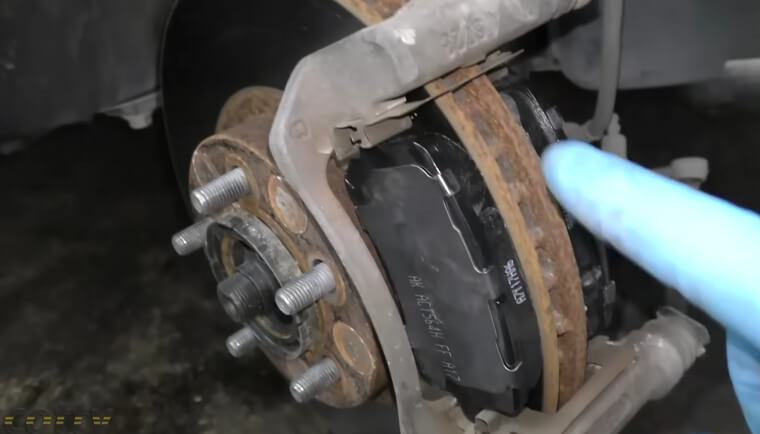
Brake pads were checked long before they screamed for attention. Grandpops listened while driving, felt the pedal and trusted subtle changes that others ignored. Sometimes he peeked through the wheel or pulled it off entirely, because certainty mattered. Thin pads weren’t a debate - they were a decision already made.
Brakes wore down because they worked hard, and he respected that labor. Catching pad wear early saved rotors, money, and long explanations later. There was a deep comfort in knowing the car could stop decisively when asked. It wasn’t glamorous work, but it was responsible, adult maintenance - the kind that kept small, quiet problems from becoming louder ones.
Brakes wore down because they worked hard, and he respected that labor. Catching pad wear early saved rotors, money, and long explanations later. There was a deep comfort in knowing the car could stop decisively when asked. It wasn’t glamorous work, but it was responsible, adult maintenance - the kind that kept small, quiet problems from becoming louder ones.
Lubricating Door Hinges and Latches
Squeaky doors were unacceptable; not because they were dangerous, but because they were sloppy. A car should move with confidence, not complaint. Your granddad oiled hinges, latches, and catches with deliberate care, opening and closing each door until the sound disappeared completely. The hood got attention. The trunk too.
Every moving part deserved to move smoothly. This small ritual reduced wear, prevented rust, and made the entire vehicle feel younger than it was. It took minutes, cost almost nothing and improved daily life in subtle ways. Quiet doors weren’t flashy, but they spoke volumes about pride, upkeep and doing things properly the first time.
Every moving part deserved to move smoothly. This small ritual reduced wear, prevented rust, and made the entire vehicle feel younger than it was. It took minutes, cost almost nothing and improved daily life in subtle ways. Quiet doors weren’t flashy, but they spoke volumes about pride, upkeep and doing things properly the first time.