Pop-Up Headlights Were Everywhere
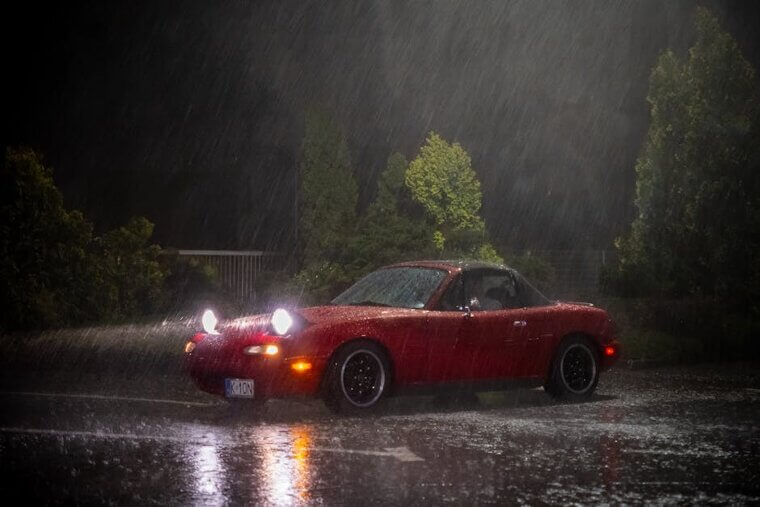
You couldn't drive through a parking lot in the 90s without spotting at least a few cars with pop-up headlights. Mazda Miatas, Corvettes, Toyota MR2s, even the Honda Prelude had them. They weren't just cool looking — they served a real purpose back when aerodynamics started to matter for fuel economy. When the lights were down, the car's front end stayed smooth and sleek. Flip a switch, and up they came, ready for night driving. Kids loved watching them pop up like something out of a sci-fi movie. But regulations changed, and safety standards made pop-ups impractical. Modern cars need lights that stay visible all the time, and pop-up mechanisms added weight and complexity. By the early 2000s, they were gone. That little bit of mechanical theater disappeared, and cars got a whole lot more boring to look at.
No Touchscreens, Just Buttons and Knobs
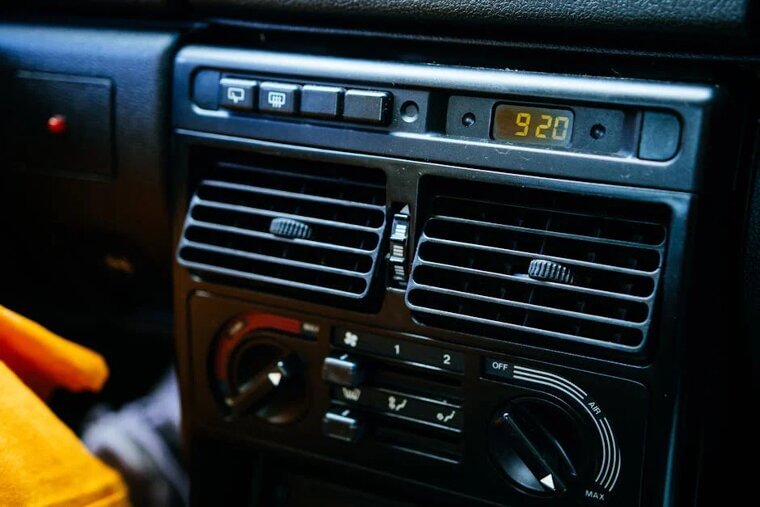
You didn't need a manual to adjust the heat in a 90s car. Everything you needed was right there on the dashboard — a knob for temperature, another for fan speed, and buttons you could hit without looking. Your fingers learned where everything was after a week of driving. Cold morning? Twist the heat knob to the right. Too much air? Dial it back. No menus to scroll through, no waiting for a screen to boot up while you're freezing. These controls worked instantly, every time, even with gloves on. And when something broke, you could replace a single switch for ten bucks instead of a thousand-dollar touchscreen. The simplicity wasn't a limitation. It was the whole point.
Manual Transmissions Were Still Standard
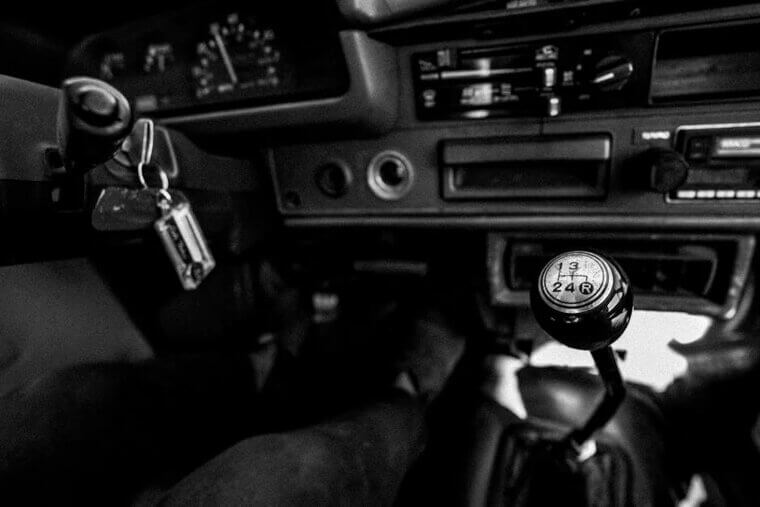
Back in the 90s, you didn't have to special-order a manual transmission or hunt through dealer lots to find one. Most cars came with a stick shift as the base option, and that was perfectly normal. You learned to drive on three pedals, and shifting gears yourself was just part of the experience. There was something satisfying about feeling connected to the car through that shifter. You controlled when to shift, how to shift, and you could hear exactly what the engine was doing. Automatics were available, sure, but they cost extra and many people saw them as unnecessary. These days, finding a new car with a manual is like searching for a needle in a haystack. Most drivers under 30 have never even learned how to use a clutch. That direct connection between driver and machine? It's almost gone.
Simple Key and Ignition Systems
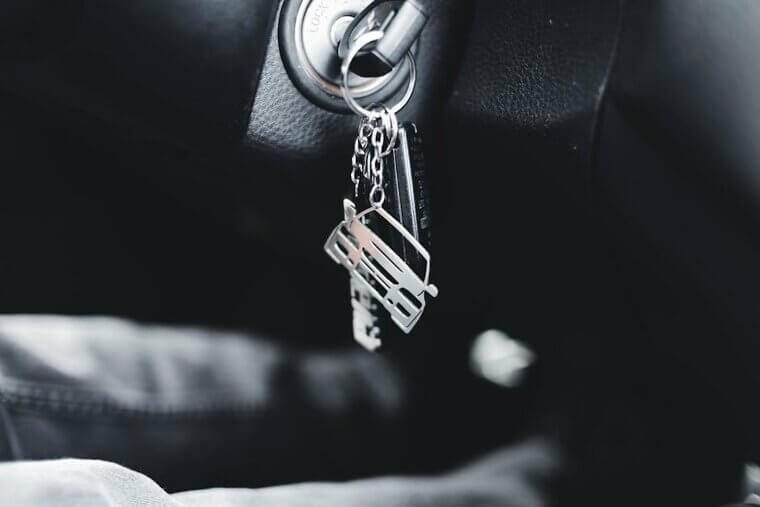
You put the key in, turned it, and the car started. That was it. No proximity sensors, no push-button ignitions, no waiting for the computer to wake up and verify your identity. If your battery died, you could pop the hood and jump-start it without worrying about frying some electronic module. Lost your key? A locksmith could cut you a new one for twenty bucks while you waited. The metal key worked the doors, trunk, and ignition—same key for everything. You didn't need a backup battery in your key fob or a special procedure to program a replacement. The whole system was mechanical, straightforward, and nearly impossible to mess up. When something did go wrong, it was usually the ignition cylinder wearing out after 200,000 miles, and any decent mechanic could replace it in an afternoon.
You Could Actually See Out
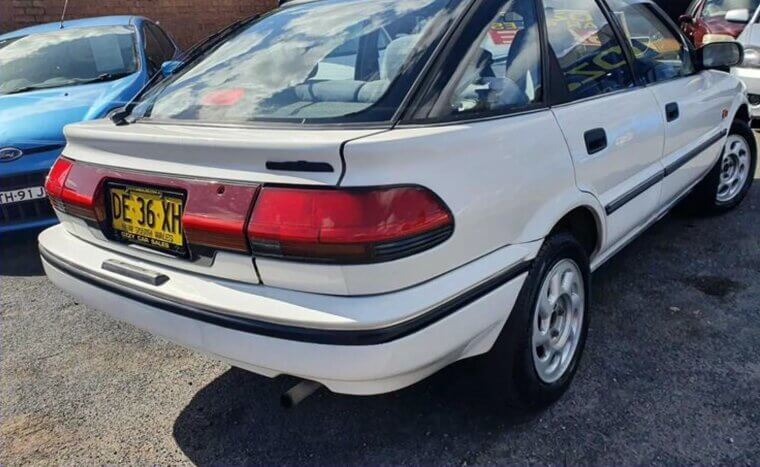
Remember when you could actually rest your arm on a car's windowsill while driving? Visibility in 90s cars was outstanding compared to today's models. The pillars between windows were thin, the glass areas were huge, and you didn't need a backup camera to see what was behind you. You could glance over your shoulder and actually see the road. Modern cars have thick roof pillars for rollover protection and smaller windows for structural strength, which makes them safer in a crash but way harder to see out of. Parking a 90s sedan or coupe was easy because you could judge distances naturally. Today's cars feel like driving from inside a bunker. You're relying on sensors and cameras to tell you what your own eyes used to handle just fine.
No Computer Required for Oil Changes
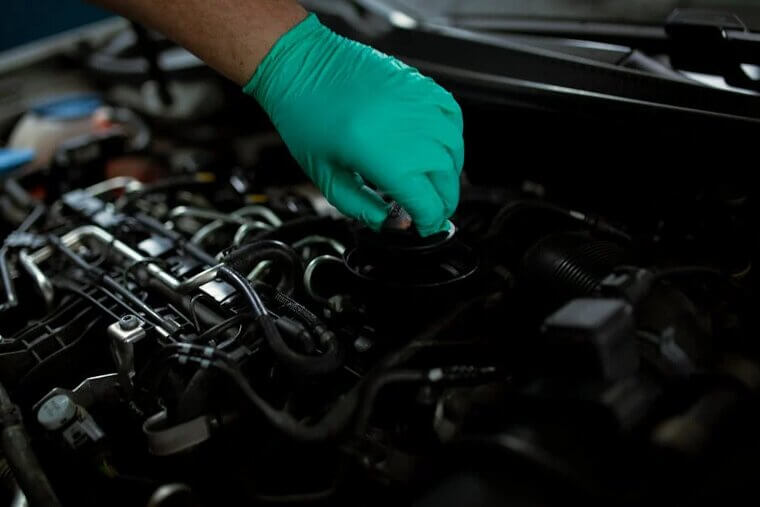
Back in the 90s, you could change your own oil without a computer telling you it was okay. You'd slide under the car, drain the old stuff, swap the filter, and pour in fresh oil. No warning lights, no reset codes, no trip to the dealer to clear an error message. Today's cars track oil life electronically and won't stop nagging until you reset the system with special equipment. Some models even lock you out of basic maintenance reminders unless a certified shop punches in the right code. Your 1995 Civic didn't care who changed the oil as long as you did it. You saved money, learned how your car worked, and felt good about taking care of it yourself. That kind of independence is harder to find under modern hoods.
Lightweight Design Meant Better Performance
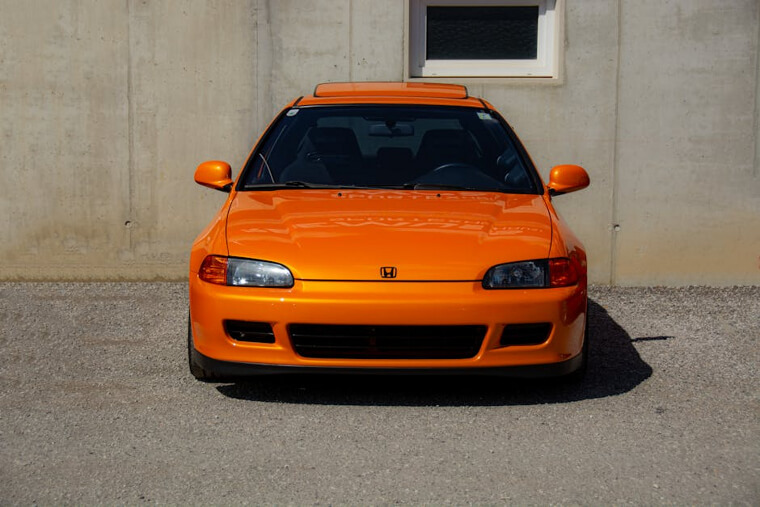
Cars in the 90s didn't carry around the same weight as today's models. A Honda Civic from 1995 weighed about 2,400 pounds. The current Civic? Close to 3,100 pounds. That extra 700 pounds makes a real difference when you press the gas pedal. Lighter cars accelerated faster, stopped quicker, and handled corners with more confidence. You didn't need a massive engine to have fun driving. A basic four-cylinder could make a lightweight car feel quick and responsive. Modern cars gained weight from safety features, sound insulation, and tech systems. All good things, sure, but they changed how a car feels on the road. Back then, you could feel the connection between the steering wheel and the pavement. The car responded instantly to what you did. That direct, nimble feeling is harder to find now.
Naturally Aspirated Engines Ruled the Road
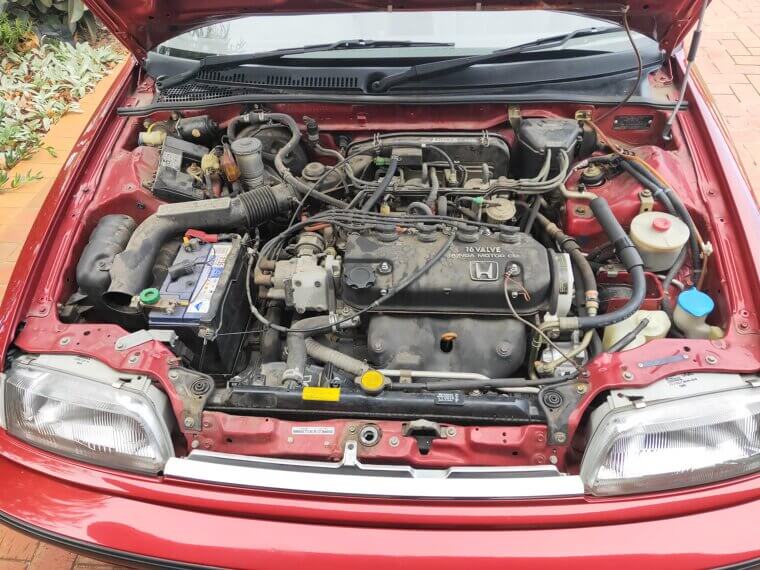
Back in the 90s, most engines ran on good old-fashioned air and fuel without needing a turbocharger or supercharger to make power. You popped the hood and saw an engine you could actually work on yourself. A Honda Civic, Ford Mustang, or Chevy Silverado made its power the straightforward way—through displacement and smart engineering. These naturally aspirated engines were reliable, predictable, and easy to maintain. You didn't need a computer science degree to change your spark plugs or adjust your timing. Today's turbocharged engines make impressive numbers on paper, but they're complicated and expensive to fix when something goes wrong. That 90s V6 or inline-four just kept running year after year with basic maintenance. No intercoolers, no wastegates, no boost controllers. Just an engine that breathed naturally and lasted forever.
Affordable Sports Cars for Everyone
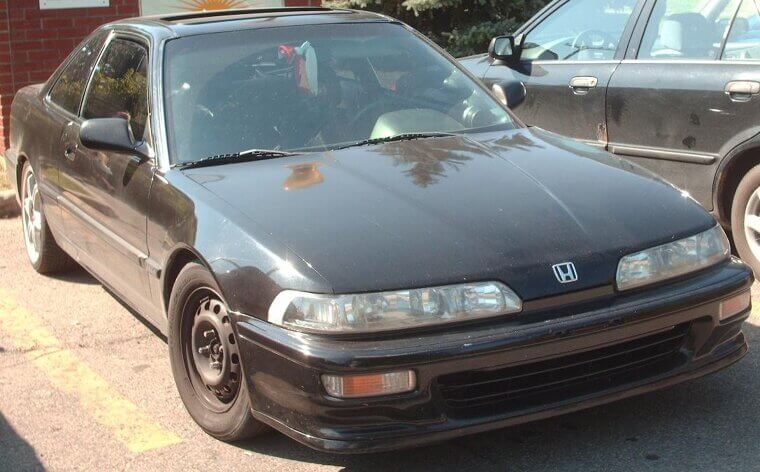
The 1990s gave us something magical: sports cars that normal people could actually afford. A brand-new Mazda Miata started around $14,000 in 1990. The Honda Prelude, Acura Integra, and Toyota MR2 all came in under $20,000. These weren't stripped-down econoboxes pretending to be fun. They had real handling, responsive engines, and that pure driving feel you just don't find anymore. You could walk into a dealership, test drive a sporty two-door, and drive it home without taking out a second mortgage. Today's "affordable" sports cars start closer to $30,000, and that's before dealer markups. Back then, being a car enthusiast didn't mean being rich. It just meant you appreciated a good drive and had decent credit.
Hydraulic Power Steering Had Real Feel
You could actually feel the road through the steering wheel in a 90s car. Hydraulic power steering used fluid pressure to help you turn, but it still kept that direct connection between your hands and the tires. You knew when you hit a pothole or crossed over gravel. Modern electric power steering cuts out all that feedback. It's lighter and more efficient, sure, but it feels like you're playing a video game instead of driving a real car. The wheel turns with almost no resistance, and you lose that sense of what's happening down at the road surface. Back then, parking took a little more muscle, but you always knew exactly where your front wheels were pointed. That made you a better driver.

No Subscription Services or Paywalls
You bought a car in the 90s and everything came with it. The radio worked. The air conditioning blew cold. The heated seats turned on with a switch. There were no monthly fees to unlock features that were already installed in your vehicle. Today, some manufacturers want you to pay a subscription just to use remote start or advanced safety features. BMW tried charging drivers for heated seats they already owned. It's hard to wrap your head around paying rent on parts of your own car. Back then, if it was built into the vehicle, it was yours to use. No apps, no renewals, no wondering if your car will still work next month because you forgot to update your payment method.
Mechanical Throttle Cables Gave Direct Response
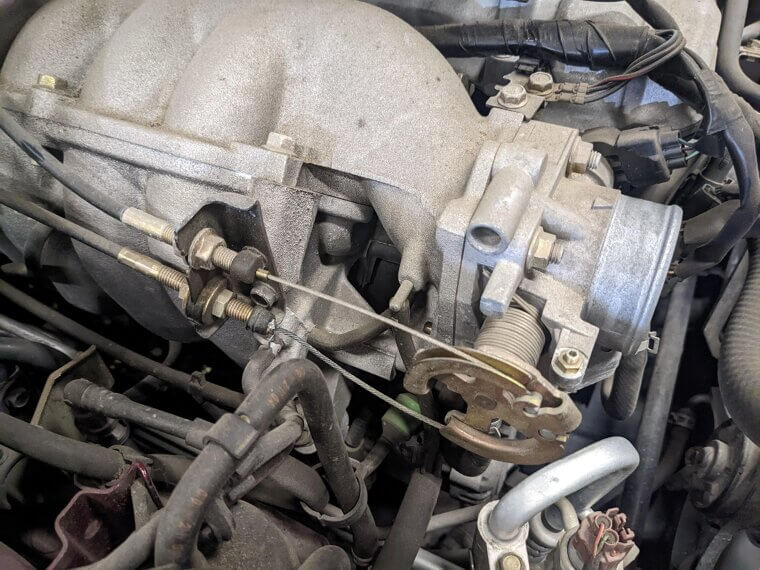
Before drive-by-wire systems took over, your right foot connected directly to the throttle through a simple steel cable. When you pressed the gas pedal, you physically pulled that cable, which opened the throttle body and let more air into the engine. The response was instant and predictable. You could feel exactly what the engine was doing through your foot. Modern cars use electronic throttle control, where a sensor reads your pedal position and a computer decides how much to open the throttle. There's a tiny lag, and the computer sometimes smooths out your inputs for emissions or fuel economy. That direct mechanical connection is gone now. You don't control the throttle anymore. You make a request, and the computer handles it. Back then, the car did exactly what your foot told it to do.
Windows You Could Roll Down Manually
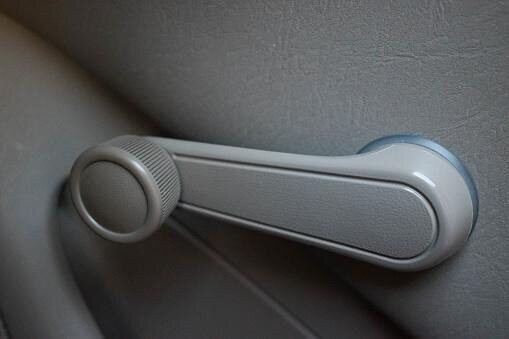
Remember the satisfying crank of a manual window handle? You'd grip it and roll it around in circles until the glass dropped just where you wanted it. No waiting for the engine to be running. No worrying about a motor burning out. If your battery died in a parking lot, you could still crack a window for air. Kids in the backseat couldn't accidentally hit a button and trap their fingers. The mechanism was dead simple — a gear, a handle, and a track. When something went wrong, you could usually fix it yourself with basic tools. These days, power windows are standard on almost everything, and when they fail, you're looking at a trip to the dealer and a couple hundred bucks minimum. Back then, a window was just a window.
No Lane Assist or Nanny Controls
You turned the wheel, you controlled the car. That was the deal in the 90s. There was no computer second-guessing your steering or yanking you back into your lane. If you drifted, that was on you to notice and fix. Modern lane-keeping systems can be helpful on long highway drives, but they also take away that direct connection between driver and road. You had to pay attention every second back then. The car didn't beep at you or vibrate the wheel. It just went where you pointed it. Some people miss that simplicity. You were fully in charge, for better or worse, and that made driving feel more like an active skill than a supervised activity.
Analog Gauges Showed Everything You Needed
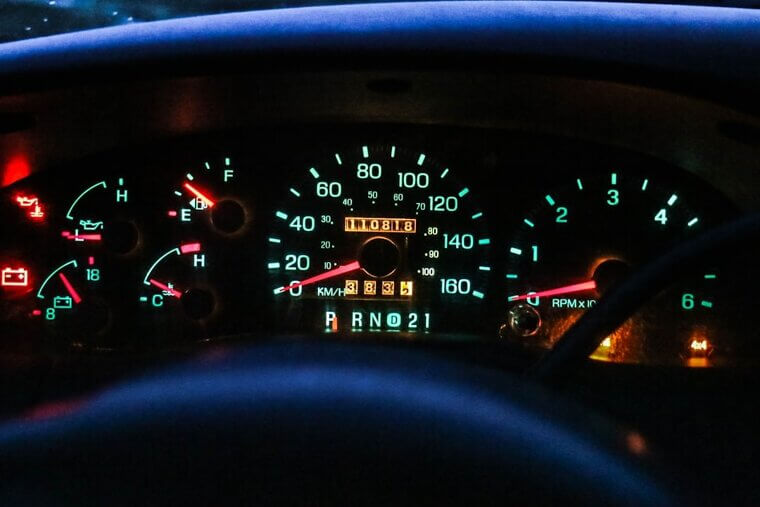
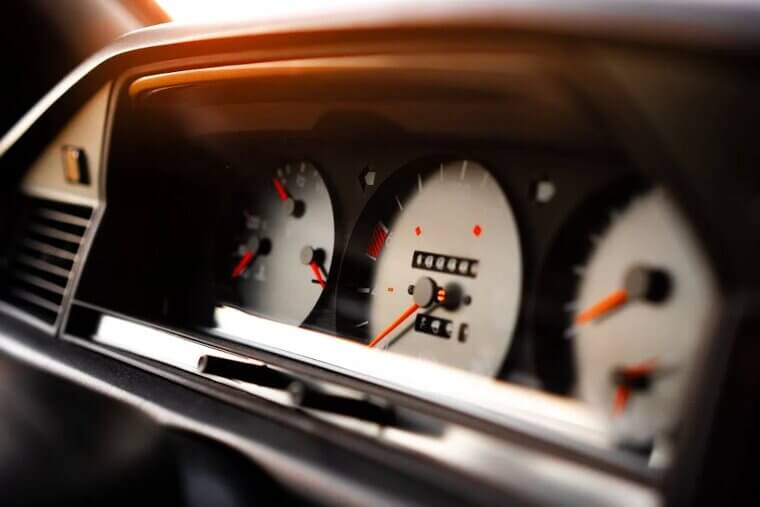
You could glance at your dashboard and instantly know what was happening. The speedometer, tachometer, fuel gauge, and temperature gauge were right there in front of you, clear as day. No scrolling through digital menus or waiting for a screen to boot up. If your engine was running hot, that needle climbed into the red zone and you knew to pull over. If you were low on gas, the gauge told you exactly how much was left. These analog dials were simple, reliable, and didn't require a computer science degree to understand. They worked even when the car's electrical system was acting up. Modern digital displays might look sleeker, but there's something reassuring about watching a physical needle move across a dial. You knew your car's condition at a glance, and that peace of mind was worth more than any fancy touchscreen.
Real Spare Tires, Not Fix-a-Flat
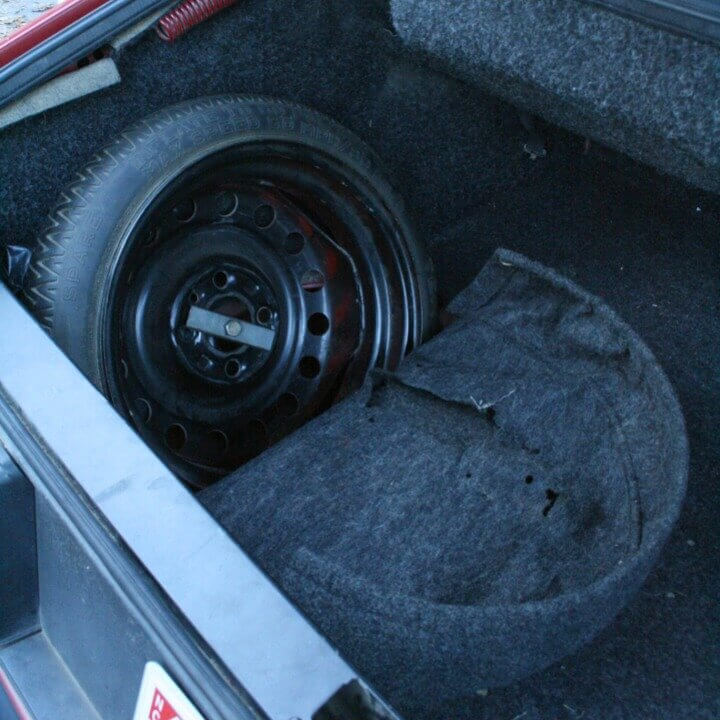
Open the trunk of a 90s car and you'd find an actual spare tire mounted on a real wheel, ready to go. It wasn't some skinny temporary donut either. Many cars came with a full-size spare that matched the other four tires perfectly. You could swap it out, tighten the lug nuts, and drive home like nothing happened. Today's cars often skip the spare entirely. Instead, you get a can of tire sealant and an air compressor tucked in a foam compartment. That's fine for a small puncture, but useless if you blow out a sidewall or rip the tire on a pothole. The 90s approach was heavier and took up trunk space, sure, but it meant you weren't stranded waiting for a tow truck on a dark highway at night.
Affordable Parts at Any Auto Store
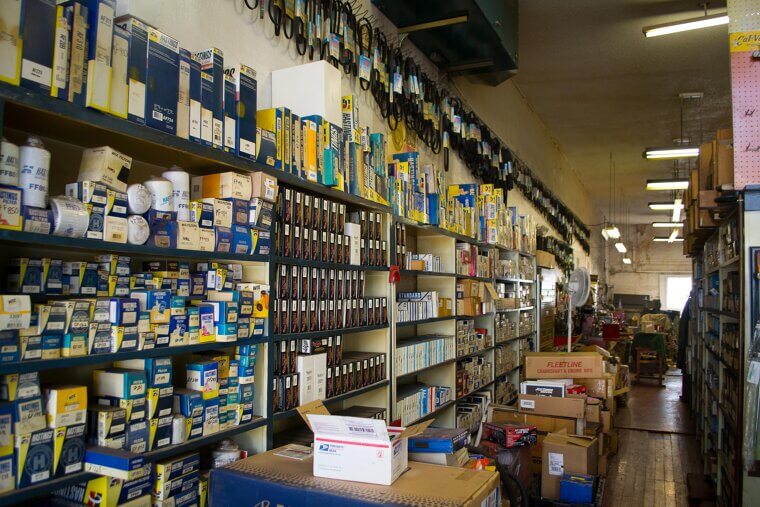
Walk into any auto parts store in the 90s and you could find what you needed without a computer lookup or special order. Brake pads, alternators, spark plugs, filters—they were all sitting on the shelf, ready to go. Parts were standardized across different models, so even if the store didn't have your exact year, something close would usually work. You didn't need to wait three days for shipping or pay premium prices for dealer-only components. A starter motor cost $50, not $300. Oil filters were a few bucks. You could fix most problems with parts you bought that same afternoon. Today's cars need specialized sensors, modules, and electronics that only come from the manufacturer. Back then, keeping a car running didn't mean emptying your wallet every time something broke.