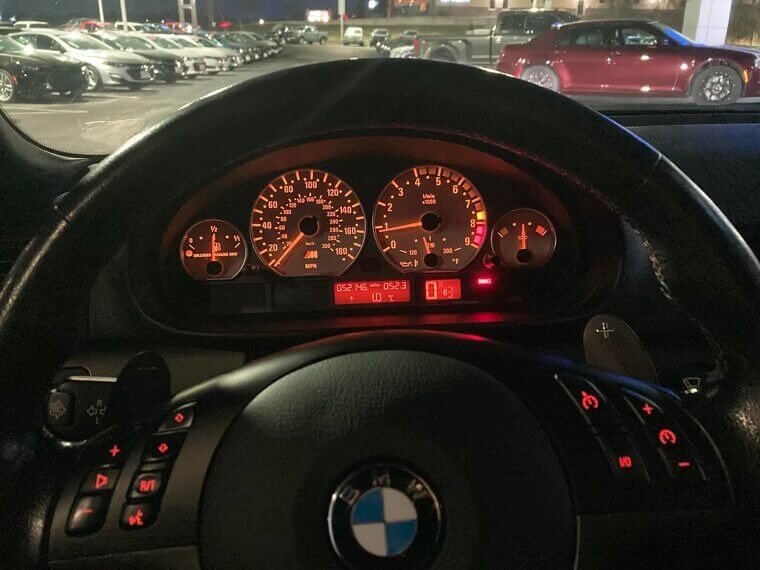
Drifting Between Lanes
Sometimes, cutting over other lanes is necessary, but you shouldn’t be cutting other drivers off or forcing them to yield without good reason. Lane drifters fall into the same category as lane hoggers, and it’s a much bigger safety hazard than most people realize. It’s all about being careful and considerate.
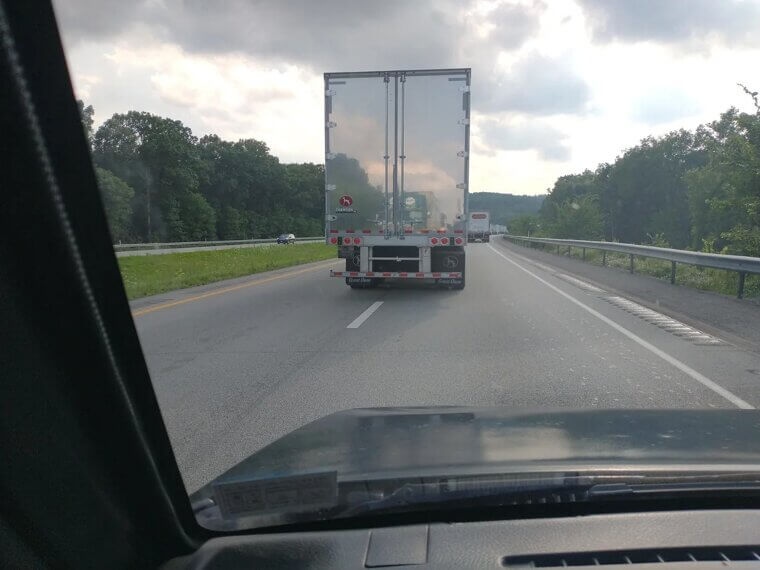
Driving Too Close
Most people try not to tailgate on purpose, but it’s scarily easy to underestimate how close you are to the car in front. Many drivers feel intimidated by a very close car, even if you don’t intend it, and driving too close also reduces your stopping time. To be safe and courteous behind the wheel, don’t tailgate.
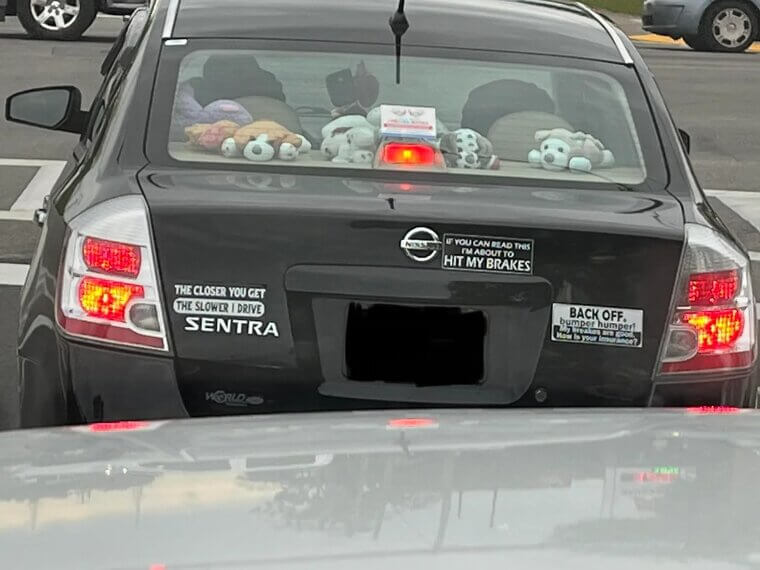
Excessive High Beam Use
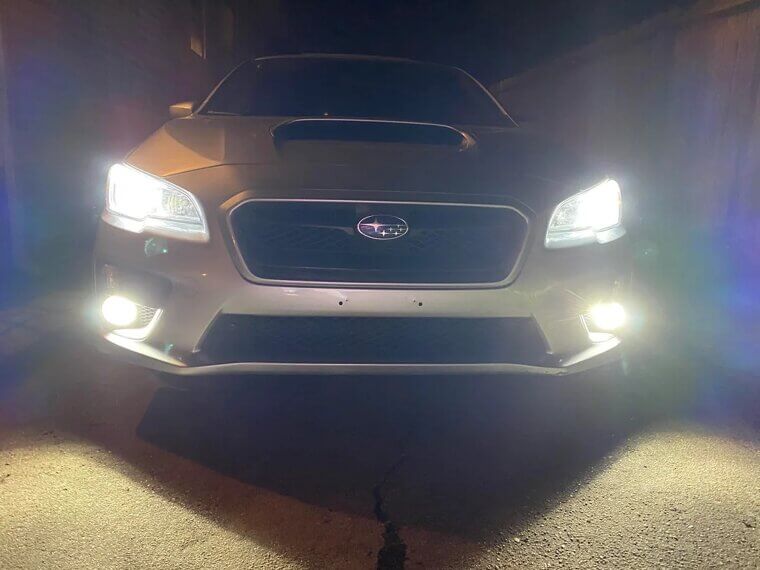
There are times on the road when you need to use high beams, but it’s dangerous and distracting to use them too often. Some people use them excessively to signal to other cars or illuminate dark areas, which blinds drivers and makes it harder for them to navigate the road. It’s a thoughtless but significant misstep.
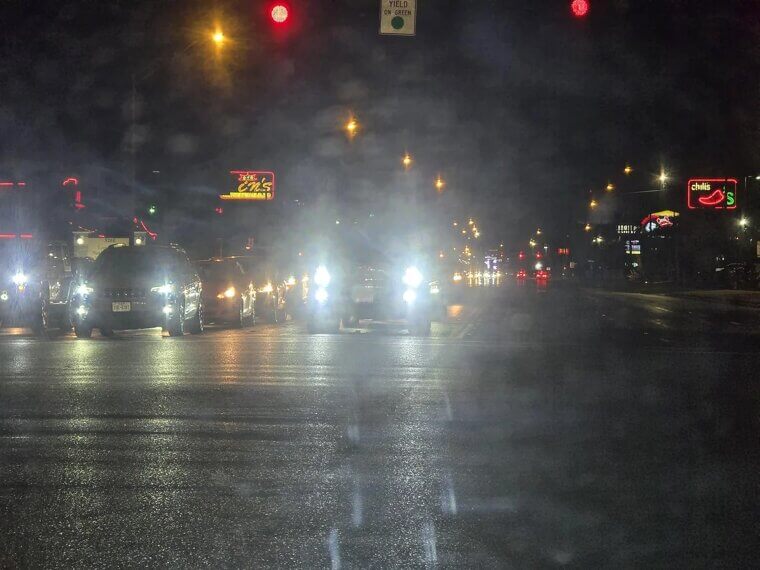
Merging Too Late
We’ve all done it, but last-minute merging is one thing that seriously irritates other drivers. It holds up traffic and sometimes causes the drivers behind to become aggressive in response. If you carry out a zipper merge, it works well, but too many people don’t know how to merge safely and in good time.
Blocking Intersections
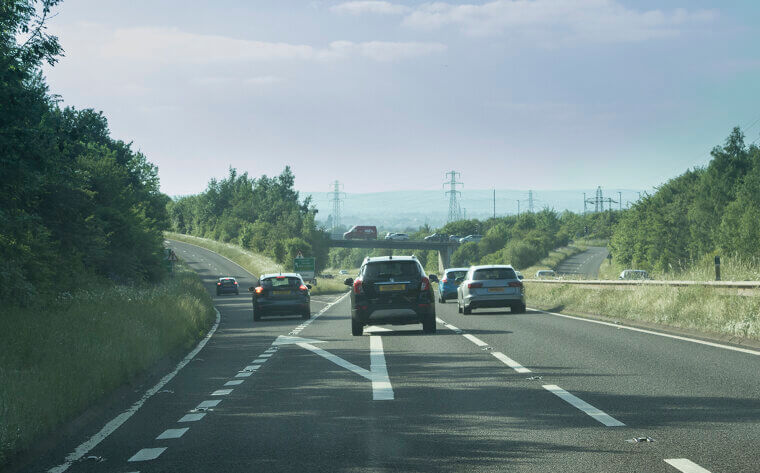
Blocking intersections is illegal in most US cities, but people still do it. Often, it’s not on purpose, but it frustrates every other driver waiting to turn, creating a gridlock that may cause other cars to make dangerous moves. At best, people will honk you for doing this, and at worst, you’ll get a ticket.
Forgetting Turn Signals
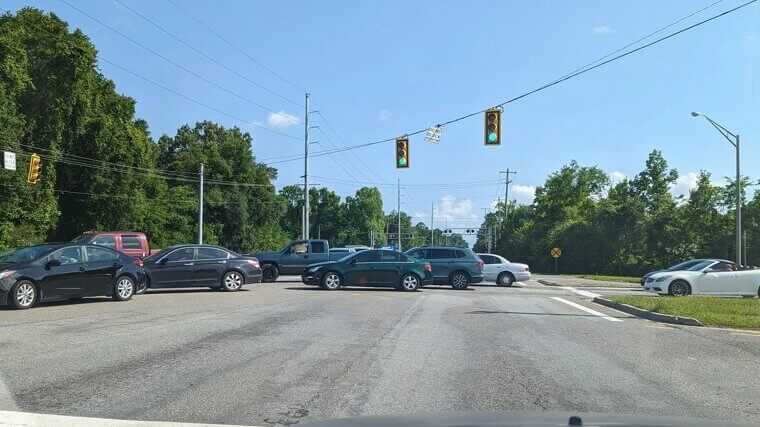
It’s easy to forget turn signals now and again, but don’t let it become a habit! It’s a huge miscommunication that confuses other drivers and increases the risk of a collision. Driving is all about making your intentions clear to other people, and turn signals are the most universal way to do that.
Sudden Braking
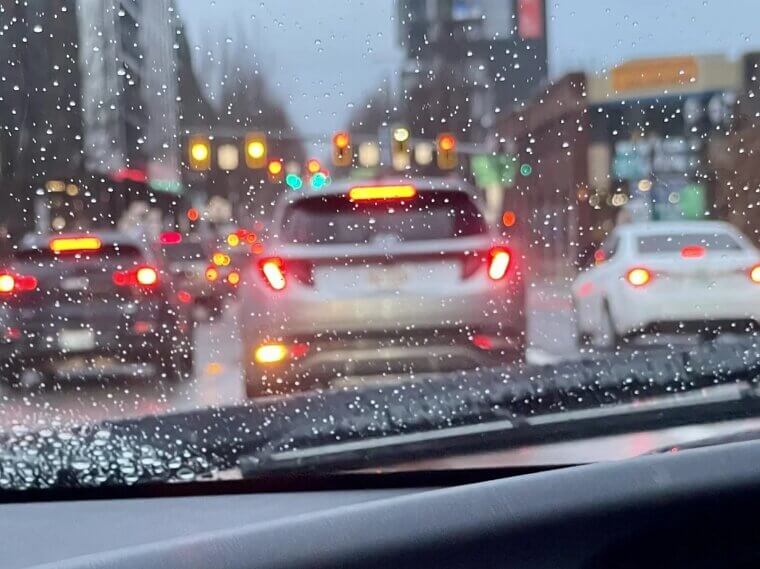
Sometimes, slamming on the brakes can save your life, but it’s always risky. On busy roads, it sets off a chain reaction of brake-slamming, and can dazzle other drivers at night. If you’ve got a clear road and keep stopping and starting unnecessarily, you’ll frustrate the people behind you and cause avoidable congestion.
Accelerating on Yellow
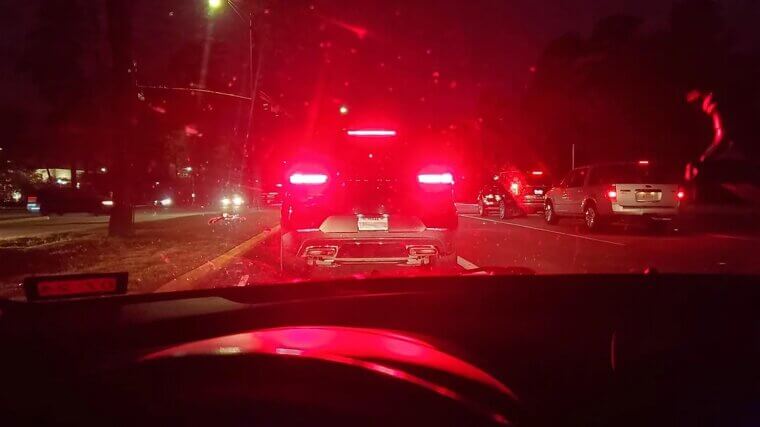
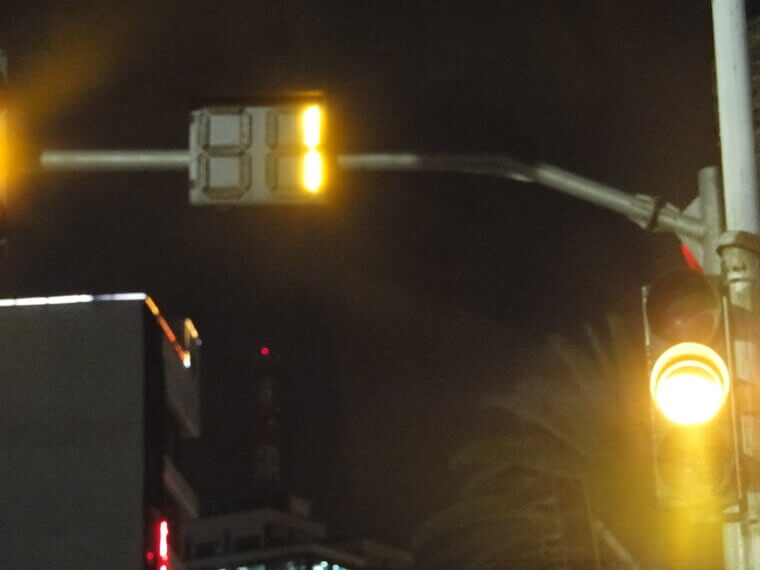
It’s something we’ve all done in a rush, but there’s a reason drivers are told to slow down and stop on yellow. If you accelerate through the light instead, you’ll cut off other drivers, reduce their reaction times, and potentially cause a crash. And even if you make it through safely, you’ll still have annoyed everyone.
Rubbernecking
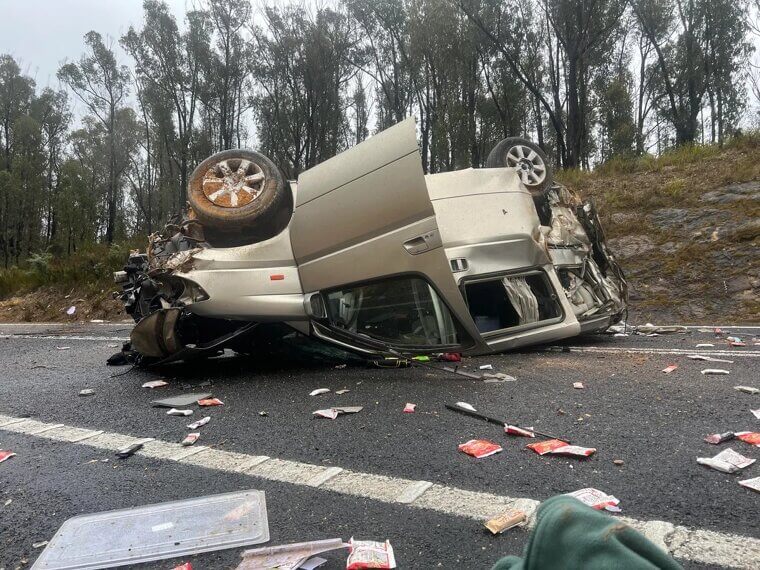
It feels inappropriate, but it’s almost impossible not to rubberneck when you see something happening on the side of the road. Whether it’s a broken-down car, an argument, or a previous collision, drivers who slow down and distract themselves just hold up other people and increase the likelihood of a dangerous overtake.
Giving Way Unnecessarily
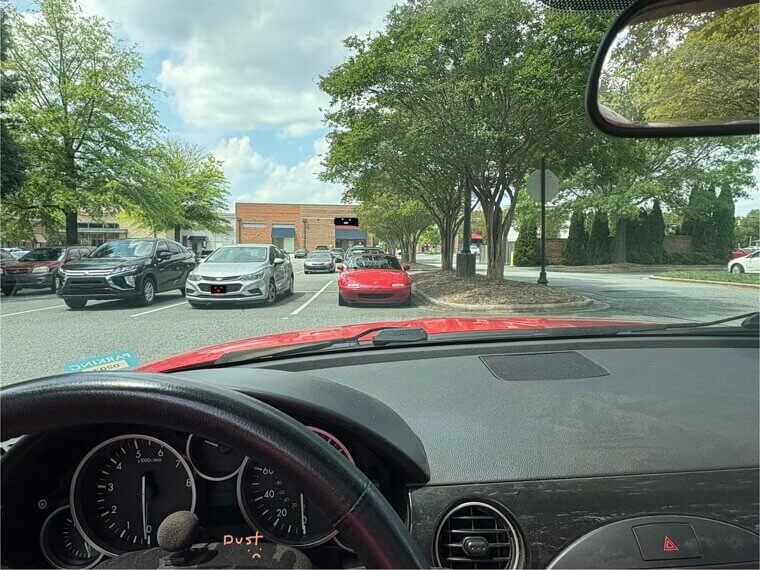
Driving is all about knowing when to yield and when to go, without misleading other drivers or creating congestion. If you choose to yield when you don’t have to, it breaks the flow of traffic and may cause collisions as other drivers don’t anticipate needing to stop. If you give way unnecessarily, you’ll likely be yelled or honked at.
Flashing Lights
In traffic speak, flashing your lights at another car means “thank you”. However, it can also mean “you can go”, “I’m here”, or “get out of my way”. Imagine how confusing it would be if everything we verbally said had multiple meanings, then you'll understand why other drivers find flashing lights so irritating.
Signalling the Wrong Way
Mistakes happen, but signalling the wrong way can have disastrous consequences. If you signal right but turn left, you’ll cut off traffic, surprise other drivers, and potentially cause chaos on the road. If you ever catch yourself doing this, don’t be surprised if other drivers get mad.
Lane Hogging
It’s one of the cardinal sins of driving, so lane hoggers receive plenty of ire. Many drivers forget basic highway rules and etiquette, so they undertake, sit in the middle lane and prevent merging, or fail to overtake in the outside lane. Hogging one lane the whole way is a massive driving faux pas.
Cutting in Line
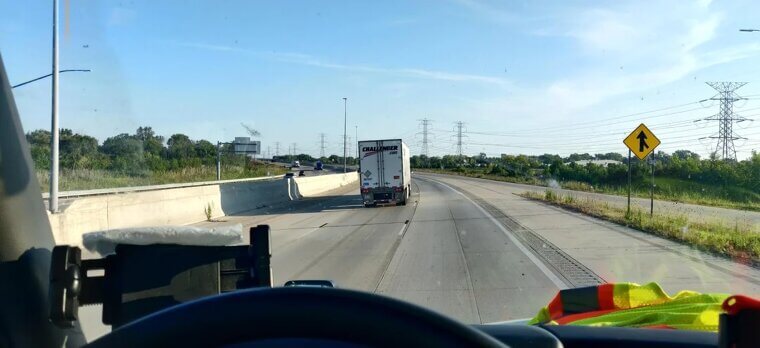
We know it’s cheeky, but we’ve all cut in line on the road. Even so, most of us hate when someone does it to us, and many drivers become overly hostile in response. It also implies that you chose not to merge on time, causing a hold-up, which will only frustrate road-rage drivers further, making the road more dangerous.
Forgetting Headlights in Fog
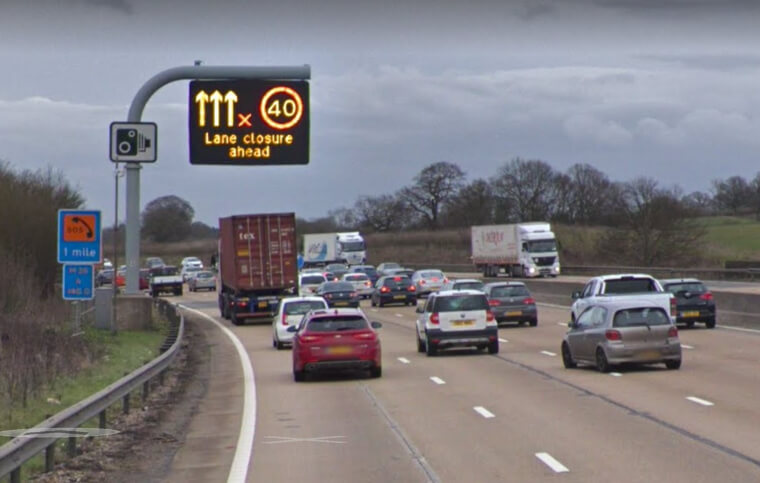
Fog is one of the worst weather conditions to drive in, and due to our modern over-reliance on automatic lights, many drivers forget to turn their headlights on when it’s foggy. As a result, they’re hard to spot and risk being driven into. It’s also almost impossible to see where you’re going, which puts everyone else at risk.
Excessive Honking
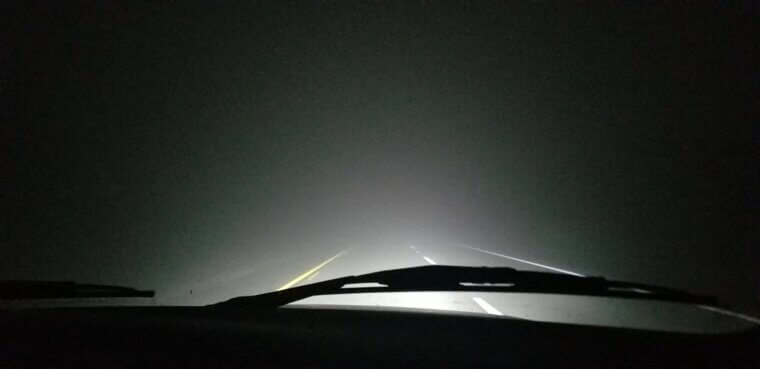
Would you believe us if we told you that the horn is supposed to be used to warn other drivers? Nowadays, most drivers use it to signal their annoyance, or to force other drivers to move or yield. Excessive honking is annoying, misleading, and distracting, so avoid laying on the horn even if it’s tempting.
Stopping Too Far Back
With so many cars on the road, it gets old quickly when people stop too far back at lights or junctions. It impedes traffic flow and stops other drivers from being able to make turns, so they’ll get irritated and may honk or gesture at you. The stopping line is there for a reason, so always use it.
Not Meeting Speed Limits
There are several instances when not meeting speed limits is safer and more sensible, but if you’re regularly driving too slowly for no reason, the drivers behind will get impatient. It can actually be dangerous to dodge the speed limit when road conditions are clear, and people won’t thank you for the congestion!
Leaving Hazards On
Unless there’s an emergency or an accident ahead, turn the hazard lights off! Many people use them to thank drivers behind them, or to warn them of something upcoming, then leave them on, causing unnecessary confusion. Misusing hazards reduces their importance and means people are less likely to recognize an actual hazard.
Unpredictable Driving
We always say that if you can be one thing on the road, be predictable. Drivers who change their mind at the last minute, slow down and hesitate when they’re lost, or ride the brakes make it difficult to anticipate their actions. In many cases, unpredictability causes collisions as often as it causes annoyance.