Check the SUV’s Service History
It is important to request the service records, as they tell you how the SUV was treated. You want to see regular oil changes, brake checks, and any major repairs. If the history is well-documented, then the vehicle is more likely to have been well-cared for. A seller who is unwilling to provide the paperwork is a red flag.
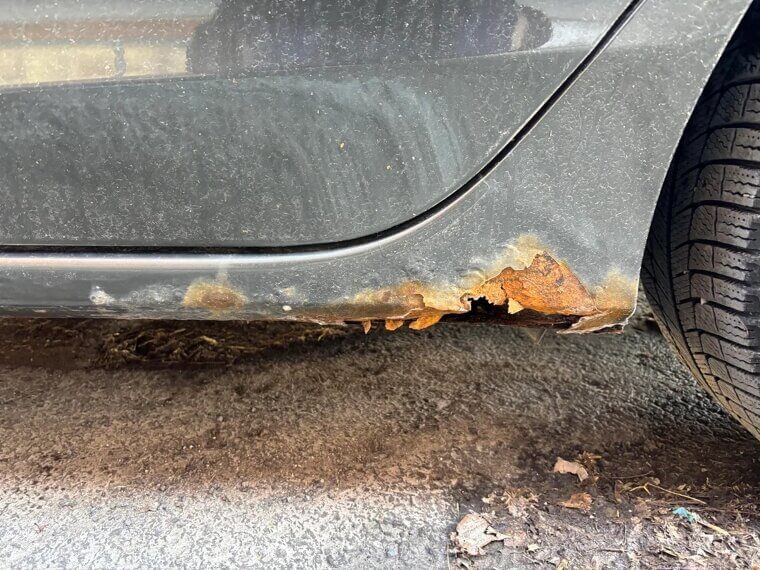
Inspect for Rust and Body Damage
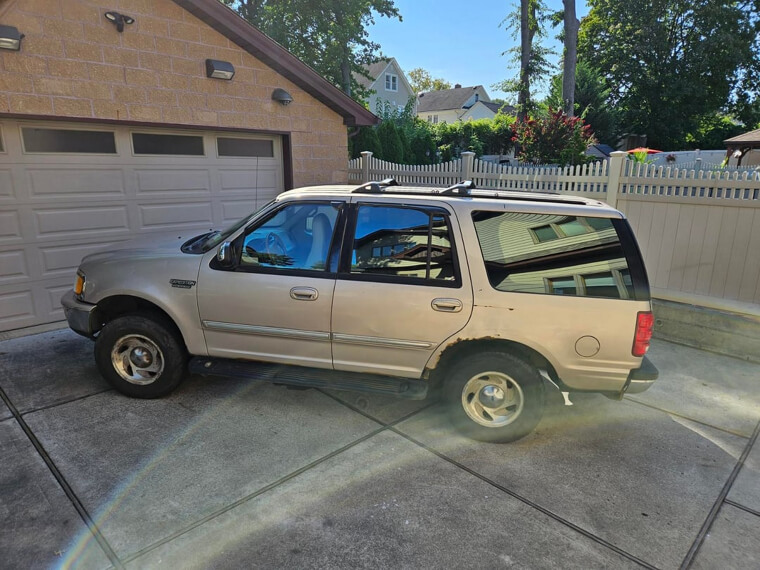
Take the time to survey the SUV carefully. Rust around the wheel wells, under the doors, or on the frame can become costly repairs later on. Minor scratches are not a major concern, but bubbling paint and soft spots are. Trust what you see. What you see now will not magically improve after buying.
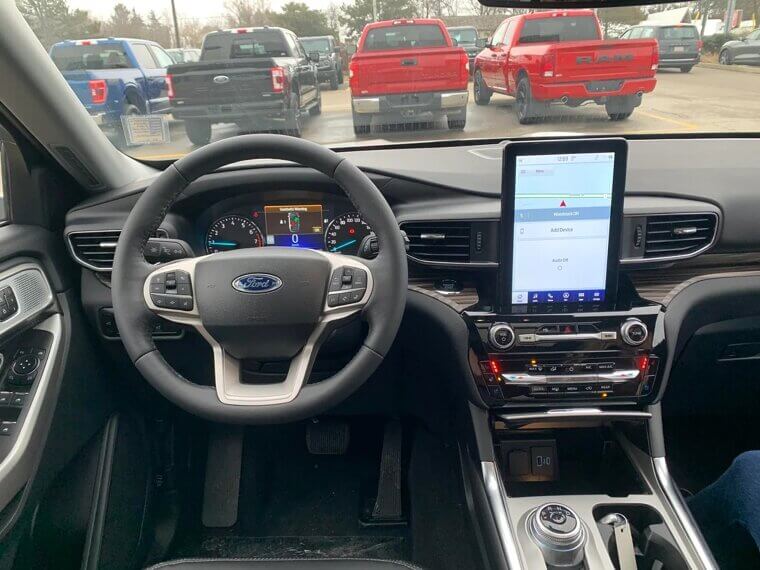
Test All Interior Features
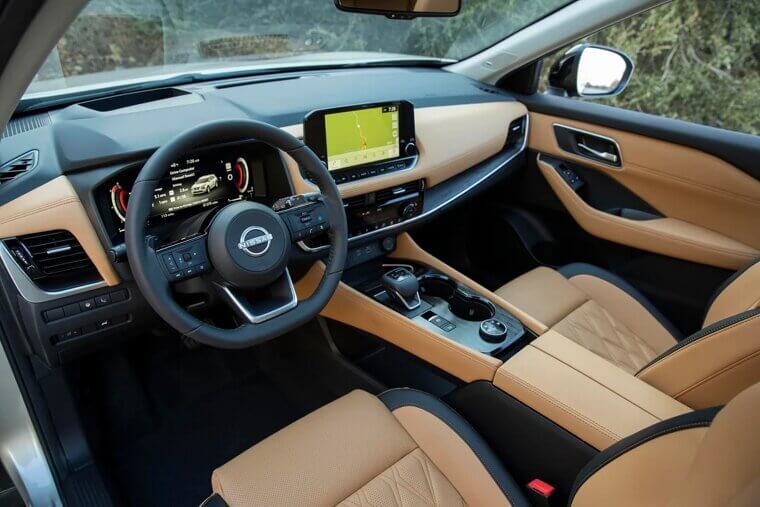
Sit inside and play with everything like you already own the car. Check the windows, locks, infotainment system, air conditioning, and every button you can find. Many forget to do this, and it leads to annoying surprises later.
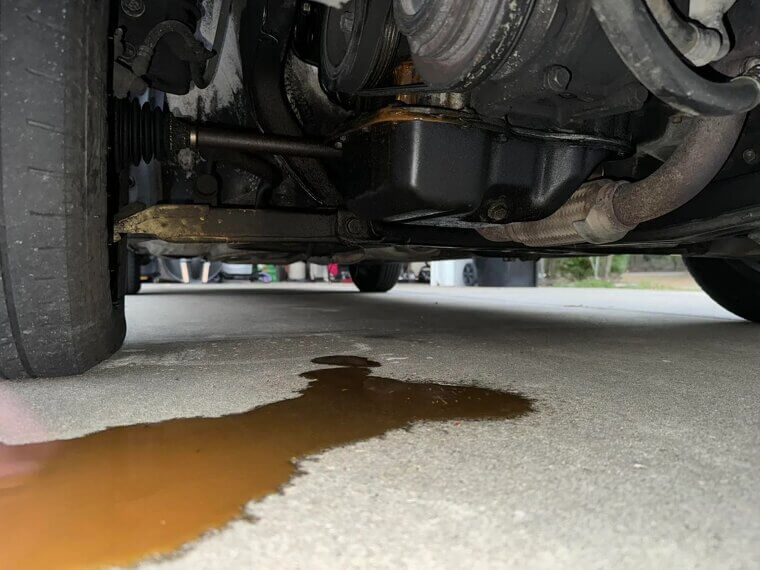
Look Under the SUV for Leaks
Check the ground under the engine and transmission for any leaks. Even small leaks can become costly repairs. Generally, a clean undercarriage is an indicator that the vehicle has been properly maintained. It will take you thirty seconds to check, and you could avoid a huge headache in the future.
Take a Long Test Drive
Don't just take it for a quick spin around the block. Take it on the highway, take a few turns, and listen for any clunks or vibrations. See how the brakes feel and whether the steering is smooth. A long test drive will tell you more about the SUV than any sales pitch could.
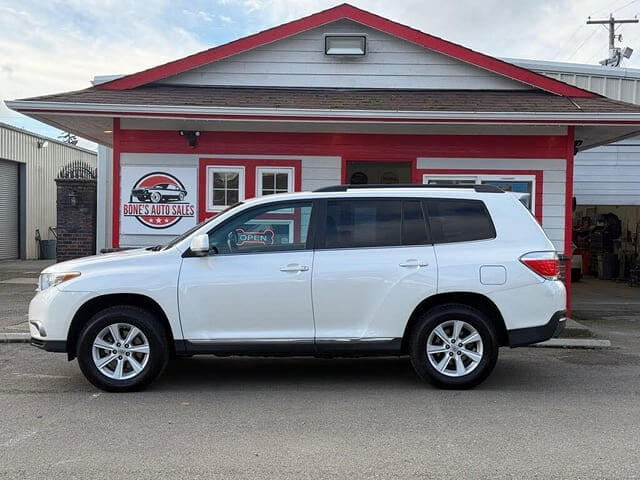
Check the Tire Condition
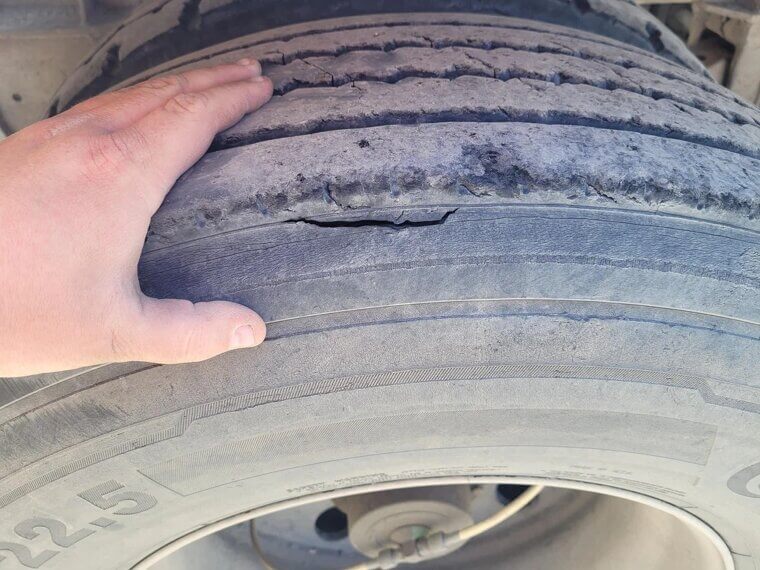
Examine the tires carefully. Uneven wear can indicate alignment problems or suspension issues. Worn-out tread means you'll be shopping for new tires soon, and that can be expensive. Good tires with even wear patterns generally indicate the SUV has been properly cared for.
Test the Four-Wheel Drive System
If the SUV has four-wheel drive, you should confirm that it works. Engage it, drive a little, and listen for anything strange. Some people never use it, and when you finally try, it doesn’t work.
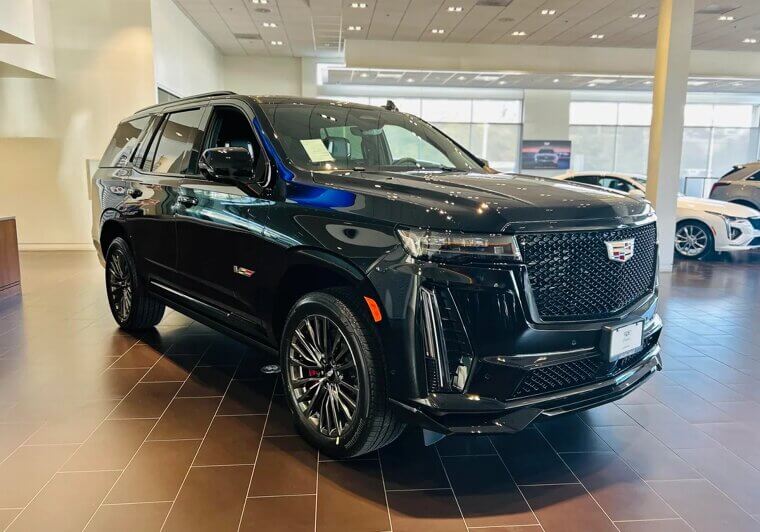
Verify the Mileage Matches the Wear
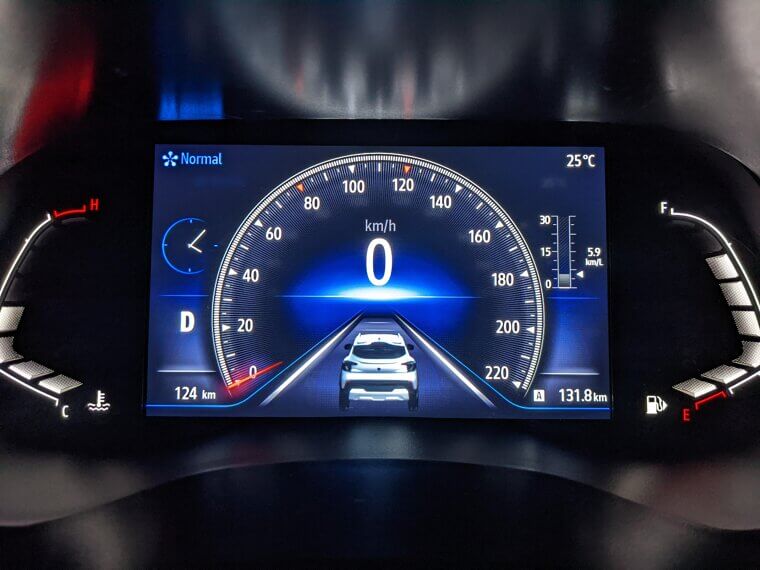
A “low-mileage” SUV with worn seats or a shiny dashboard but scratched door handles might have been used harder than advertised. Trust the overall condition of the vehicle, not just the odometer. It helps you spot red flags early.
Check the Suspension Feel
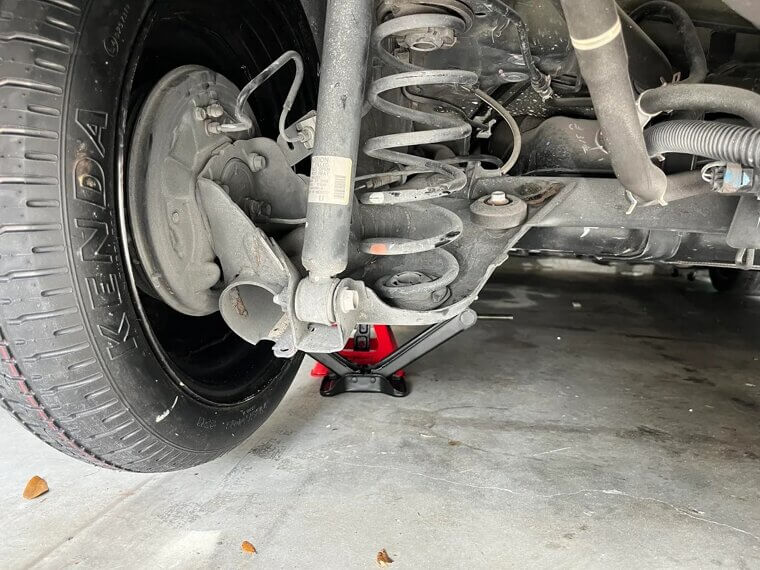
During the test drive, pay attention to how the SUV handles bumps. If it bounces excessively, pulls to one side, or feels loose, it may have suspension issues. A healthy suspension should feel steady, not wobbly.
Listen to the Engine at Idle
Allow the engine to idle for a minute with the radio turned off. A smooth, consistent note is precisely what you are looking for. Knocking, rattling, or inconsistent revs typically indicate a bigger issue. The idle test is simple but incredibly revealing. Engines always tell the truth if you give them a quiet moment.
Ask About Previous Accidents
Don't hesitate to ask if the SUV has been in an accident. An accident that has been repaired isn't always a deal breaker, but it is good to know all the details. An honest seller discloses this information up front. If they hide it, it may be best to walk away.
Check for Flood Damage Signs
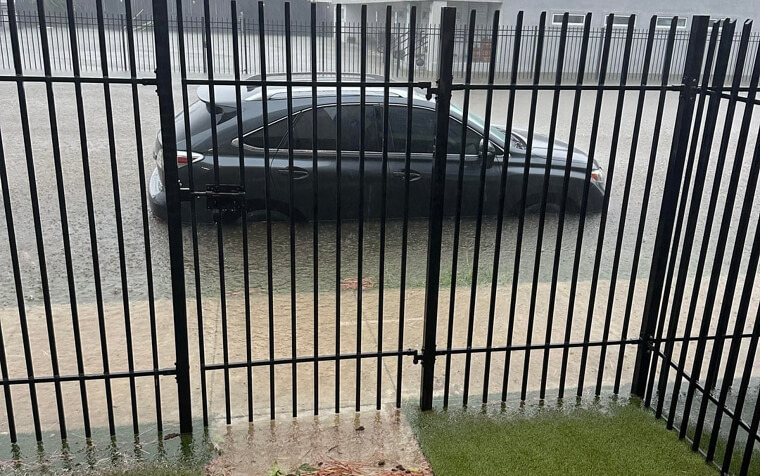
Some sellers will try to conceal flood damage from you. Pay attention to musty odors, water stains under the seats, rust on bolts, or dirt settled in unusual places. These are all significant clues. Flood cars may look and drive fine at first, but will become nightmares later.
Make Sure the Electronics Are Working
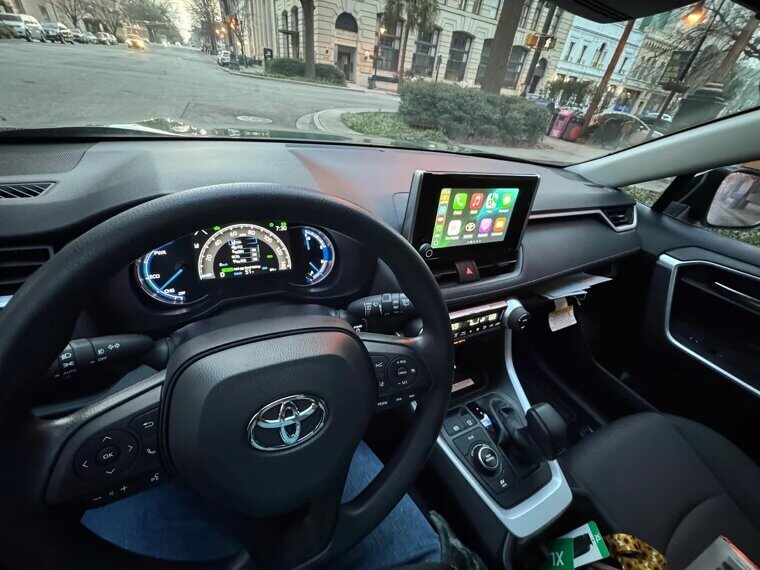
Modern SUVs come equipped with technology and sensors, so test them all. This includes backup cameras, touchscreen, Bluetooth, heated seats, and parking sensors. If something lags or freezes, you may be dealing with a software problem or a failing module. Either way, repairs are not cheap, so it is better to learn about it before you purchase it.
Check the Exhaust Smoke
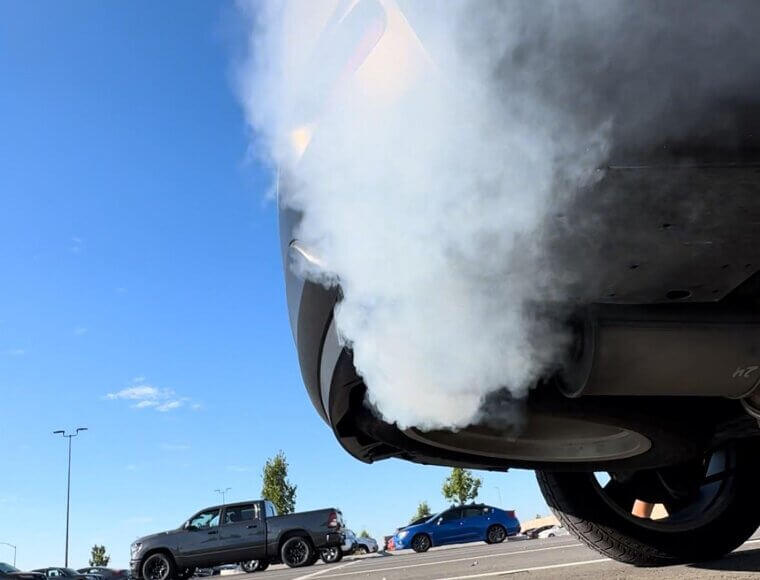
Look at the exhaust when you start the SUV. If blue smoke comes out of the exhaust, the engine is burning oil. White smoke coming out may mean coolant issues, while black smoke typically means too much fuel is being injected into the engine. A little puff of smoke when you first crank it on a cold morning is fine, but any continuous smoke means you should be concerned.
Look at the VIN Report
A VIN check gives you the SUV’s history in black and white. You can see previous owners, accidents, title issues, and even odometer rollbacks. This is one of the simplest ways to avoid unexpected surprises. A clean report does not guarantee perfection, but a messy one is enough to make you think twice.
Inspect the Brakes for Wear
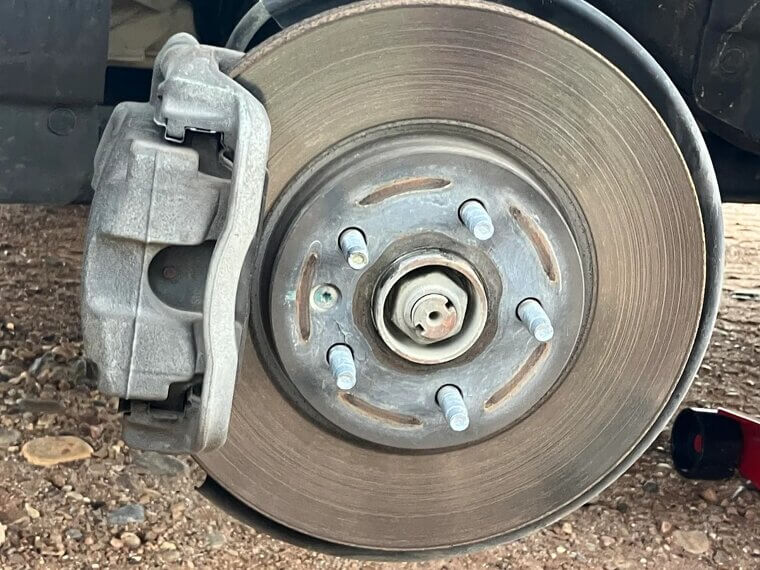
The brakes of an SUV say a lot about how the car was treated. Listen for any squeaking, grinding, or other vibration as you come to a stop. Brakes can be quite costly to replace, so it’s essential to know what you are getting into. If you come to a stop quietly and smoothly, it is usually an indicator of everything being in good shape.
Check the Coolant’s Condition
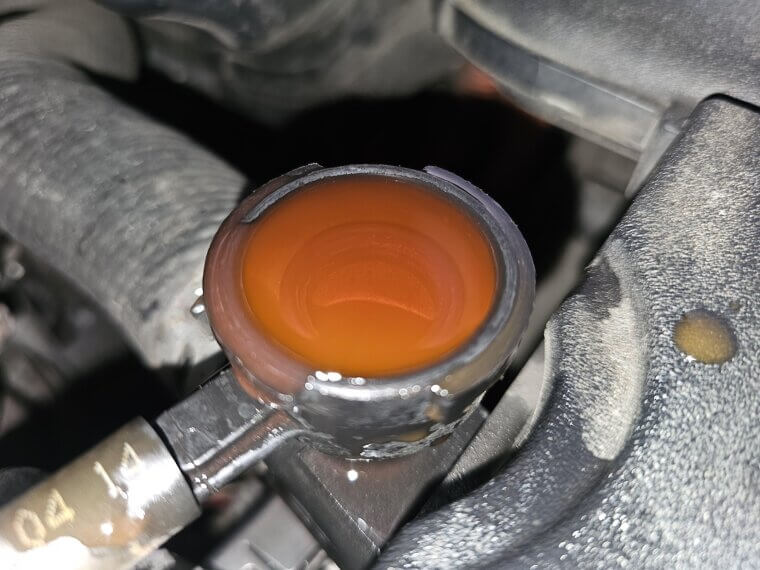
The coolant should be clean and the right color, not brown or sludgy. If the coolant is bad, it may mean the car was poorly maintained or there’s potential engine trouble. This simple check can save you from costly overheating issues later. It takes only a moment but tells you a great deal about the previous owner's maintenance habits.
Test All Exterior Lights Properly
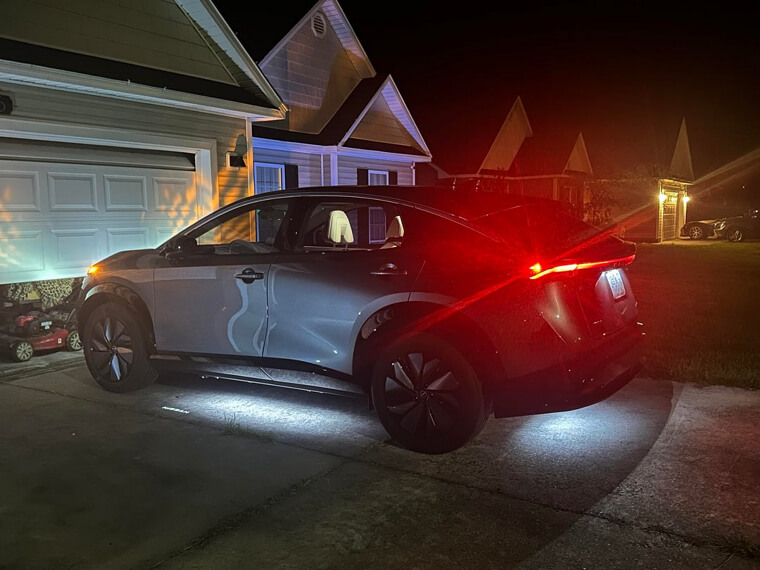
Turn on the headlights, brake lights, turn signals, and reverse lights. Make sure everything responds quickly and looks bright. Dim or flickering lights can point to wiring or battery problems you do not want to inherit. It sounds simple, but plenty of buyers skip this step and regret it later. Bright lights mean fewer surprises.
Look for Cracked Engine Mounts
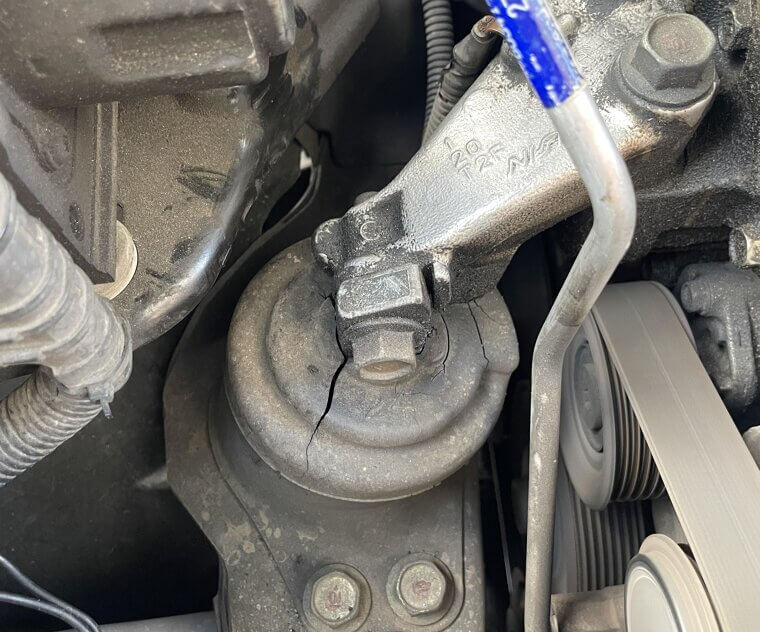
Engine mounts keep things steady, so cracks or wear can cause strange vibrations or thumps during driving. You might notice the engine shifting when you accelerate. Fixing mounts can be a hassle, so it is worth checking early. A stable, smooth engine bay is a good sign the SUV has not been pushed too hard.
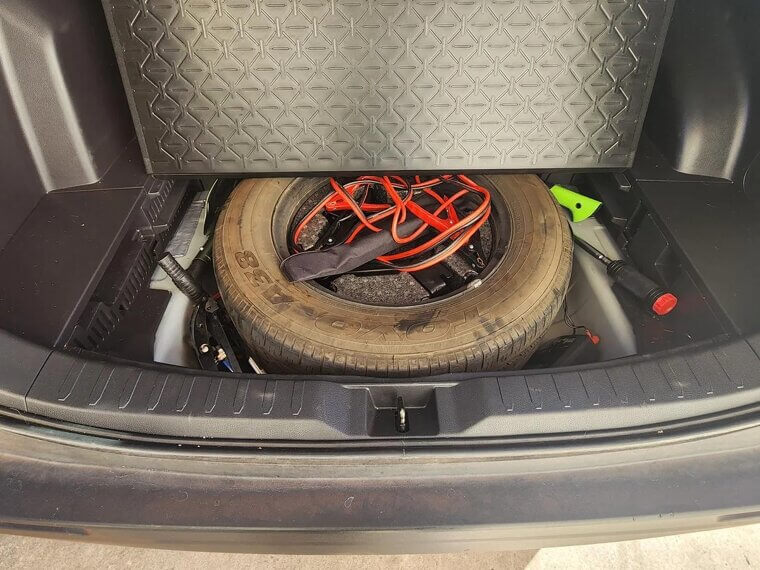
Confirm the Spare Tire Is Ready
It is easy to forget the spare tire, but you will be thankful you checked. Make sure it is inflated, not dry-rotted, and actually the right size for the SUV. A useless spare becomes a headache the moment you need it most. This quick check can save you from an expensive roadside surprise.