Allowing Pets to Damage the Interior
Pets add joy to life… and claw marks to door panels, permanent fur to upholstery, and mysterious smells to fabrics. While some buyers are pet lovers, many are not interested in inheriting someone else’s Labrador legacy. Scratched leather, chewed trim, embedded hair, and lingering odors all suggest deep cleaning at best and interior repair at worst. Worse still, pet damage often isn’t fully reversible.

Skipping Regular Oil Changes
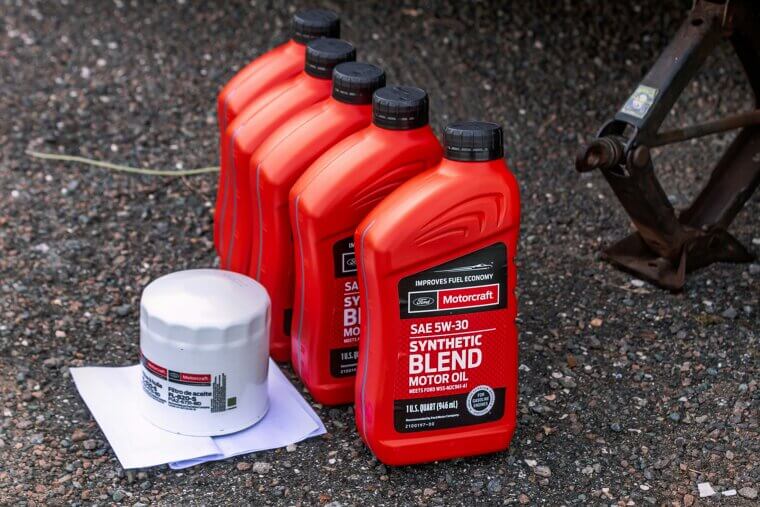
Skipping oil changes is the automotive equivalent of “I’ll just eat fast food forever and see what happens.” Sure, the car may run fine for a while, but deep inside the engine, chaos is quietly organizing a coup. Old oil turns gritty, nasty, and about as lubricating as sandpaper. By the time a buyer checks the service records (or worse, hears the engine complain) the damage is done.
Letting Warning Lights Go Unchecked
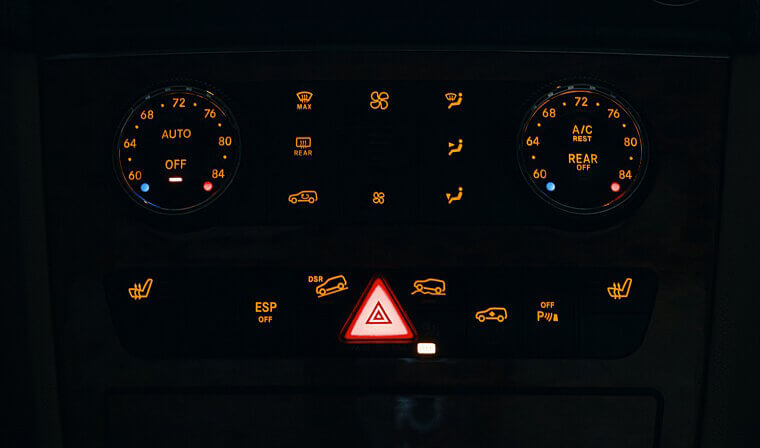
That glowing little dashboard icon isn’t ambient lighting; it’s your car actively begging for attention, usually with impressive politeness. Ignoring it doesn’t make you brave; it makes you someone who sells a vehicle with unanswered questions baked in. Even if the problem turns out to be minor, buyers see warning lights as mystery boxes of potential expense. No one enjoys rolling the dice on brakes, airbags, or engines.
Smoking Inside the Vehicle
Smoke doesn’t just leave a smell - it leaves a lifestyle. It seeps into fabric, vents, headliners, and places no vacuum will ever reach. Even professional detailing often can’t fully exorcise it. For many buyers, the scent alone is an instant deal-breaker, no matter how mechanically perfect the car may be. Worse still, smoke damage suggests neglect, health risks, and a long battle with air fresheners that nobody wants to fight. The car might be solid, but its reputation is not.

Poor Interior Cleaning Habits
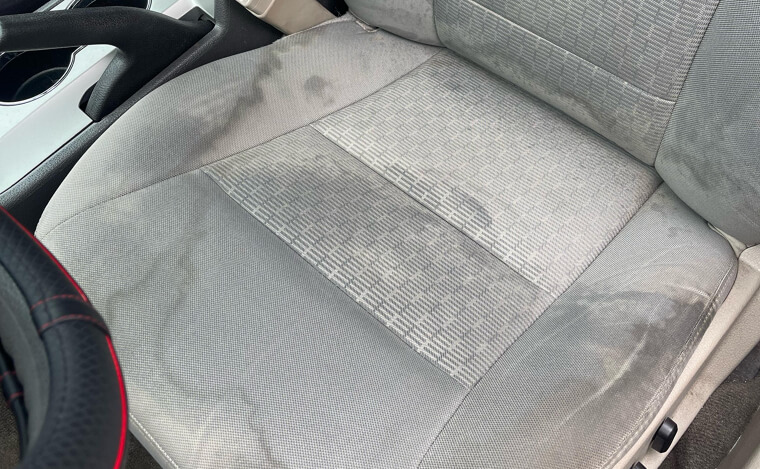
An interior tells the story of how a vehicle was truly treated, and crumbs are excellent historians. Stains, sticky surfaces, ground-in dirt, and mystery odors quietly announce years of neglect before the engine ever starts. Buyers don’t just inspect; they imagine themselves living in the space. If they’re already grossed out, the sale is emotionally over. Even worse, grime accelerates wear on fabrics, plastics, and controls. Dirt doesn’t just look bad - it actively helps your resale value decay faster.
Ignoring Minor Body Damage
Small dents and scratches feel harmless at first - barely more than cosmetic freckles. But to a potential buyer, they suggest a pattern. If the exterior went unloved, what happened under the hood when nobody was looking? Minor damage also tends to age like fresh veg. That tiny chip becomes rust. That shallow dent becomes paint failure. Suddenly the whole car looks tired. Resale value is deeply emotional, and appearance is the first handshake; unfortunately, yours just offered a limp grip.

Using the Wrong Fuel Type
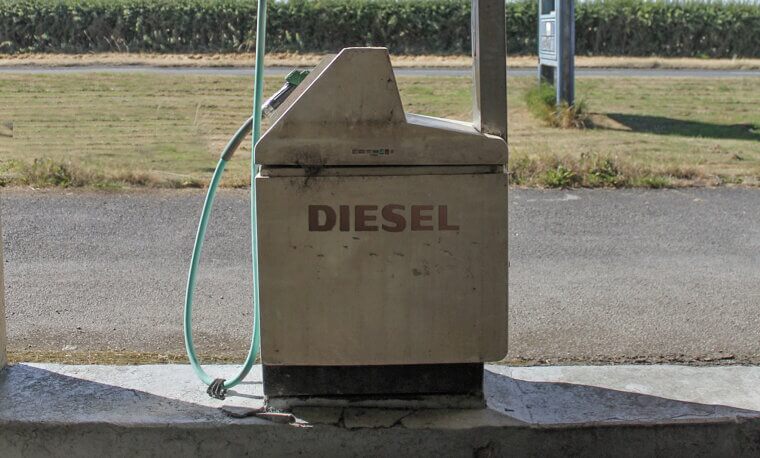
Putting the wrong fuel in your car is akin to feeding a cat a cheeseburger and acting surprised when things go sideways. Modern engines are precise, fussy little machines with very specific dietary needs. Consistently running low-octane fuel in a car that demands premium can cause knocking, reduced performance, and long-term engine wear. Buyers may never see the damage directly, but they’ll feel it in sluggish acceleration and hear it in strange sounds.
Delaying Brake Maintenance
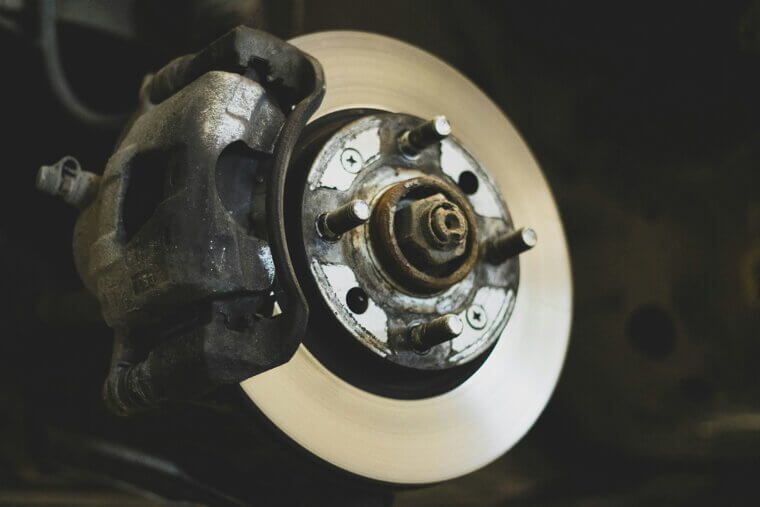
Brakes wear out. That’s not a surprise; that’s their entire purpose. What ruins resale value is pretending the screaming, grinding, and vibrating are just “fun new driving features.” Delayed brake service doesn’t just damage pads - it chews up rotors, calipers, and sometimes your credibility as a responsible owner. A buyer who feels the steering wheel shudder at a stop instantly starts calculating repair costs. And in resale math, fear multiplies faster than any repair invoice ever could.
Driving on Underinflated Tires
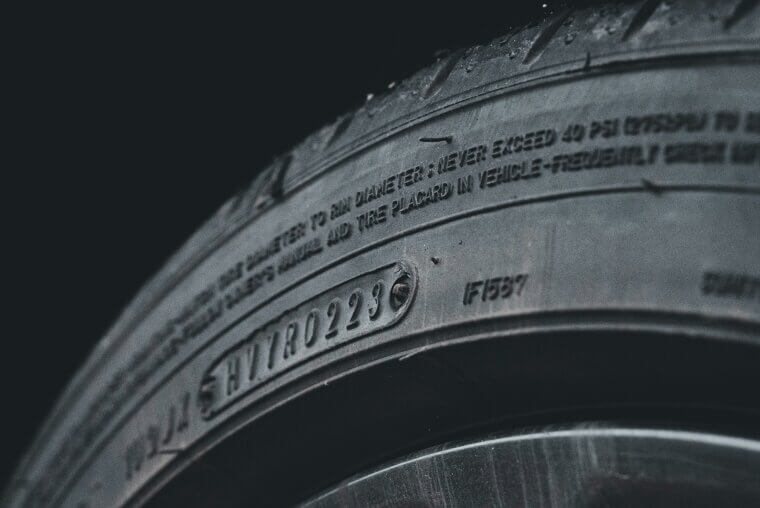
Underinflated tires quietly sabotage your car on multiple fronts. They wear unevenly, reduce fuel economy, worsen handling, and make the whole vehicle feel tired and sloppy. To a buyer, poor tire condition suggests a broader pattern of neglect - if tire pressure was forgotten, what else slipped through the cracks? Worse still, uneven wear can hint at alignment or suspension problems, even when none exist. Suddenly a simple maintenance oversight becomes a potentially expensive mechanical mystery.
Neglecting Scheduled Services
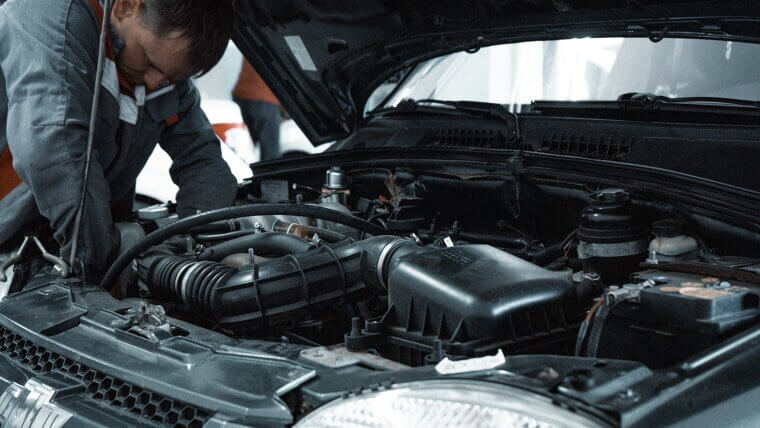
Manufacturers don’t create service schedules for their health - those intervals are carefully engineered to prevent expensive disasters from ambushing owners later. Skip them, and you’re gambling with timing belts, fluids, filters, and components that fail spectacularly when ignored. Buyers love paperwork almost as much as they hate uncertainty. Missing service records don’t just raise eyebrows; they raise imagined repair bills in the buyer’s mind. A well-documented maintenance history adds dollars. A spotty one subtracts trust by the handful.
Installing Cheap Aftermarket Mods
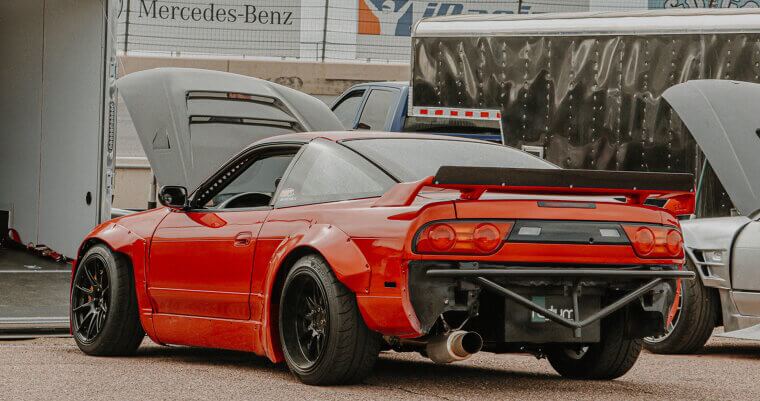
Aftermarket modifications are a gamble even at the best of times, and cheap ones stack the deck against you. Budget spoilers, bargain exhausts, cut springs, and questionable electronics often scream “hard driving” to buyers (even if the car lived a gentle life). Worse, poor-quality installs can introduce rattles, electrical gremlins, and fitment issues that make the vehicle feel slapped together. Customization narrows your buyer pool fast. What feels “personalized” to you might be “future problems” to everyone else.
Riding the Clutch
This is one of those habits that feels harmless in the moment and financially devastating in the long run. Keeping your foot perched on the pedal, slipping it at every light, and using it as a hill-holding crutch slowly burns away friction material like a very expensive campfire. By the time a buyer tests the car and feels that telltale slip or odd engagement point, they’re already mentally pricing a clutch replacement.
Overloading the Vehicle Repeatedly
Cars are engineered with limits for a reason, and treating the payload rating like a fun suggestion pushes every stressed component closer to an early retirement. Chronic overloading strains the suspension, shocks, brakes, wheel bearings, and even the frame. The damage is subtle but cumulative, which is exactly what makes it dangerous for resale. Buyers may not see the strain immediately, but they will feel it in sagging ride height, soft handling, and suspension noises.

Treating the Engine Gently Only When Selling
Nothing delights a buyer like an engine that has suddenly discovered manners two days before the listing goes live. Years of cold starts, hard revs, and delayed maintenance don’t vanish because the oil was changed yesterday and the driving suddenly became polite. Engines remember. Compression, seals, timing components, and bearings reflect long-term habits, not last-minute kindness. A pre-sale glow-up can clean the surface, but it rarely conceals the mechanical biography written over thousands of careless miles.
Poor Paint Care and Protection
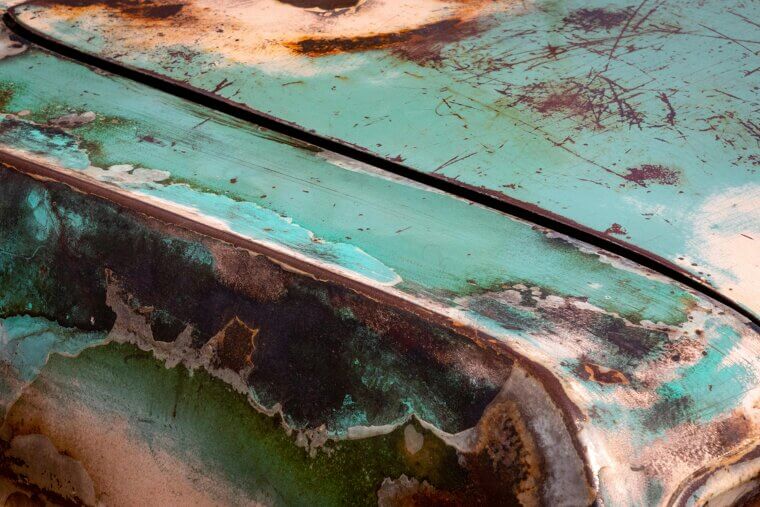
Paint is both your car’s armor and its calling card, yet it’s often treated like a decorative afterthought. Years of unwashed road salt, baked-on bird droppings, sap, and harsh sun quietly oxidize a clear coat into a dull, chalky memory of its former gloss. Faded, peeling, or scarred paint instantly signals age and neglect, no matter how solid the mechanicals are. Repainting is expensive, and buyers know it.
Letting Rust Spread Unchecked
Rust never sleeps, never apologizes, and never gets cheaper with time. Small bubbles along a wheel arch or under a door may seem cosmetic, but they are the visible tip of a slow, structural crime scene. Once corrosion establishes a foothold, it spreads inward with impressive determination. Buyers know rust doesn’t negotiate; even surface corrosion sparks fears of frame and suspension damage, and those fears crush resale value fast.

Inconsistent Service Records
Buyers don’t just shop for cars, they shop for stories - and nothing makes a story suspicious faster than missing chapters. Inconsistent or incomplete service records suggest a vehicle that lived a life of mystery maintenance, where important work may or may not have happened depending on vibes. Even if the car runs perfectly today, buyers worry about what was skipped yesterday. Fluids, belts, inspections… without proof, every unseen task becomes a looming expense in the buyer’s imagination.

Using Mismatched or Worn Tires
Few things quietly scream “I stopped caring” like a mismatched set of bald tires. Different brands, uneven tread depths, or obvious wear patterns make a car feel unsettled before it even leaves the driveway. Buyers immediately start wondering about alignment issues, suspension damage, or cost-cutting maintenance habits. Tires are a buyer’s first physical point of contact with the road, so they carry emotional weight as well as mechanical importance.
Ignoring Recalls and Software Updates
Recalls and software updates exist to fix problems before they grow teeth. Ignoring them doesn’t just risk safety - it broadcasts neglect to educated buyers. An unresolved recall tells buyers the vehicle may be operating with known defects, while skipped software updates can mean outdated safety systems, glitchy infotainment, or reduced efficiency. Modern cars are rolling computers, and outdated systems feel like buying a phone stuck three generations behind. Buyers see untended updates as ticking liabilities, not harmless oversights.

Storing the Vehicle Improperly Long-Term
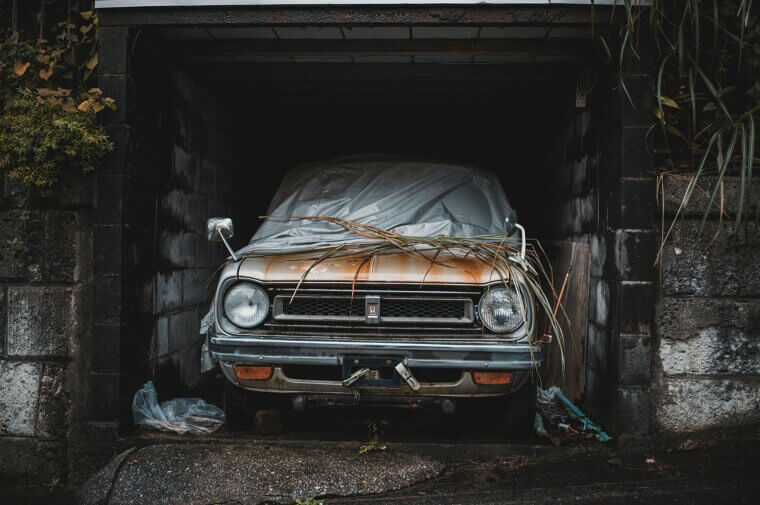
Long-term storage is either preservation or slow-motion destruction, depending entirely on how it’s done. Left outside under a tree, snowdrift, or blazing sun, a stationary car quietly deteriorates. Seals dry out, batteries die, fluids degrade, tires flat-spot, and rodents consider the wiring an all-you-can-eat buffet. By the time the car reappears on the market, it may look “low mileage” but feel strangely unhealthy. Time doesn’t pause for machines; it collects interest in corrosion and decay.