
Nature Damage
Did you know that most warranties don’t cover damage caused by floods, hail, fires, or storms? That kind of damage usually falls under insurance and not the manufacturer. If your car is flooded, your warranty coverage can end. Water damage causes long-term electrical problems that only show up later. Once environmental damage is involved, manufacturers step away completely, and even future issues may not be covered. It’s frustrating, yes, but that’s just how warranties work. Nature damage changes everything, even if the car still drives as it should. Because corrosion and hidden wiring failures can emerge months after a storm, most brands simply view the vehicle as a total liability. Consequently, your primary protection against "acts of God" remains your comprehensive insurance policy, not the fine print of your factory service agreement.

Service? What Service?
Skipping scheduled services is one of the fastest ways to interfere with your warranty. These service intervals aren’t just for fun, and are for oil changes, inspections, and checks at specific times. When you miss them, the manufacturer can say you didn’t care for the car properly. And if something breaks later, they could blame your skipped maintenance visit instead of a faulty part. Yes, your car might seem fine, but missing services actually breaks the agreement you signed when you bought the car. Your warranty depends on you showing up for scheduled services.

The DIY Oil Change Trap
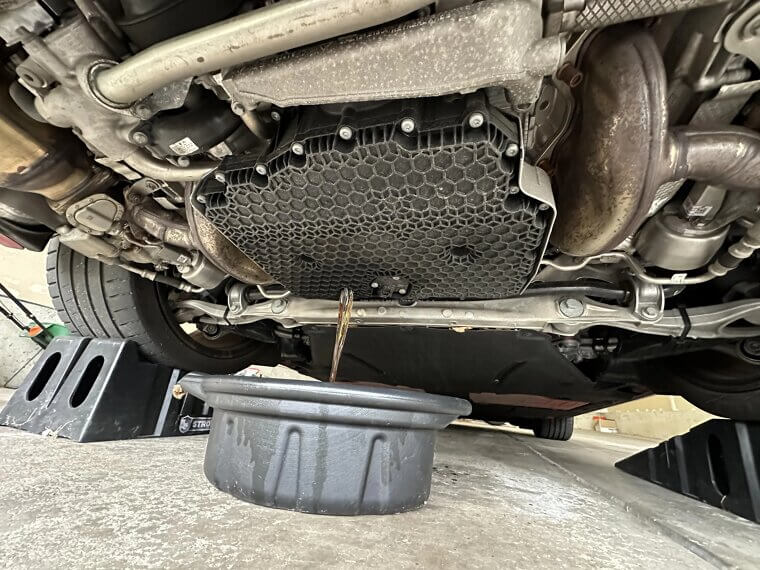
Doing your own oil change might be cheaper, but it can backfire quickly if you use the wrong oil, the wrong filter, or forget to log it. As a result, your warranty can disappear fast. Manufacturers want proof that approved and recommended oil and parts went in at the right time. Without receipts and records, they’ll assume it wasn’t done correctly. Just one simple mistake can lead to a host of other problems, like denied engine claims. DIY work isn’t bad, but poor records and not using the right products or parts make it super risky.
Aftermarket Parts and Problems
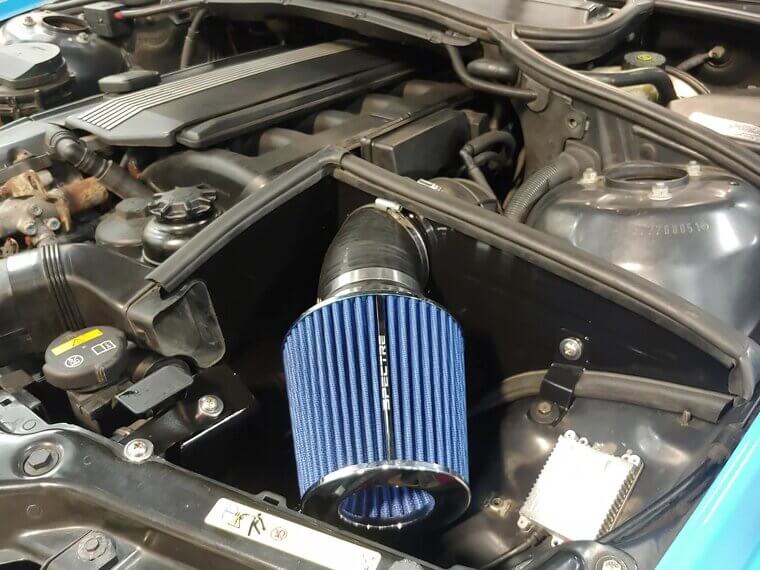
It’s no secret that aftermarket parts are cheaper. But they can cause big warranty headaches. Manufacturers only stand behind and recommend original parts designed for your specific car and model. If a non-approved part damages another system, they can refuse to repair the car under warranty. Even something small, like a sensor or air intake, affects performance. And when problems appear, the blame often lands on those aftermarket parts. Saving money upfront seems like a good idea, but not when it costs you thousands later when your warranty expires.
Big Wheels = Big Trouble
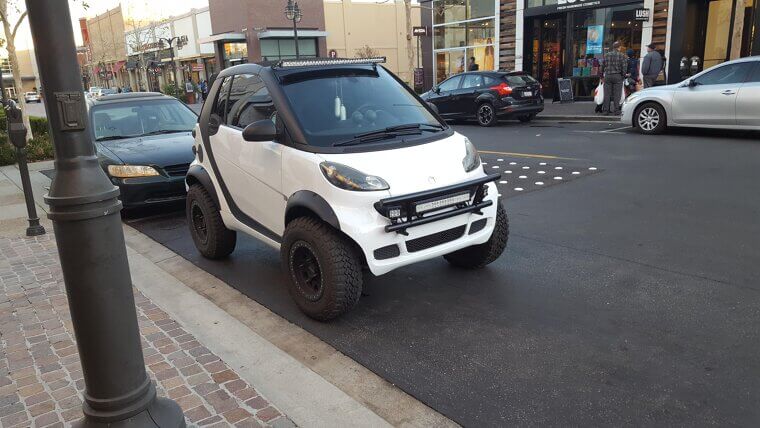
Some people like big wheels on their car - and that’s okay. But, here’s a secret: those oversized wheels and tires might void parts of your warranty. Why, you ask? Well, it’s simple. Bigger wheels change how your suspension, steering, and drivetrain work. All that extra stress adds wear that the car wasn’t designed for, and if something breaks, the manufacturer can say your wheel choice caused it. Even alignment and bearing issues may be denied. Manufacturers are “fussy” about sizes for a reason. So if you want bigger wheels, just know that your warranty might not be happy.
Fluids Aren’t Optional
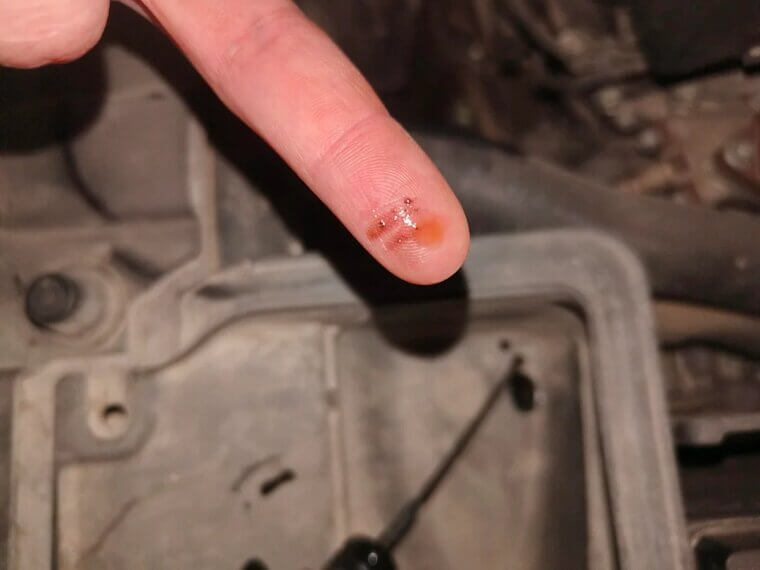
Ignoring fluid changes is one of the biggest mistakes you can make. Transmission fluid, brake fluid, and coolant all break down over time. And when they get dirty or low, parts overheat and fail. That’s why manufacturers expect you to follow fluid service schedules to a T. If you skip them and something breaks, they won’t cover it. Instead, they’ll say the damage came from neglect and not a defect. Yes, it may sound like something small and rather ridiculous to worry about, but fluids protect some of the most important and expensive parts of your car.
Fuel Matters
Your car needs the right fuel to run properly. When the manual says premium, it really means premium. Using lower-octane fuel can cause knocking and engine damage over time. Some cars also can’t handle biodiesel or special fuel blends. If the wrong fuel causes problems, the warranty won’t help you. The manufacturer will say the damage came from your fuel choice, not the car. Saving a little money at the pump can lead to big repair bills later. And, you run the risk of your warranty being voided. It’s not a risk you want to take, right?
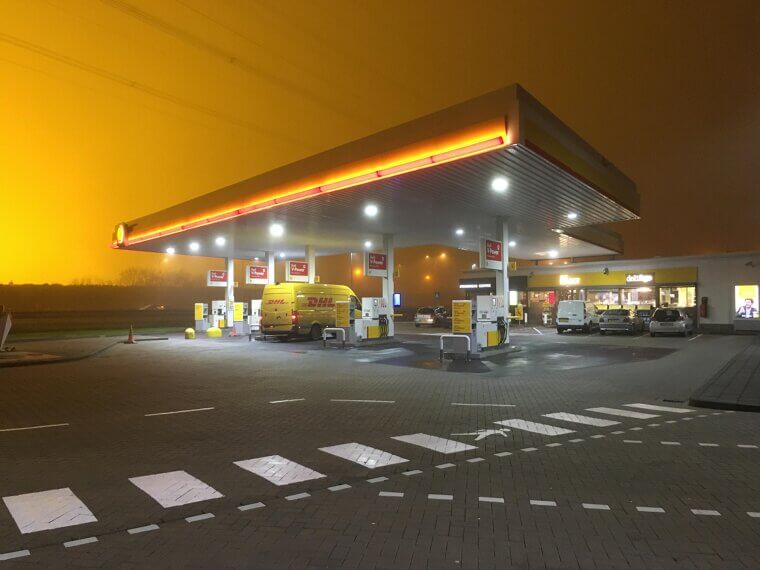
No Proof and No Protection
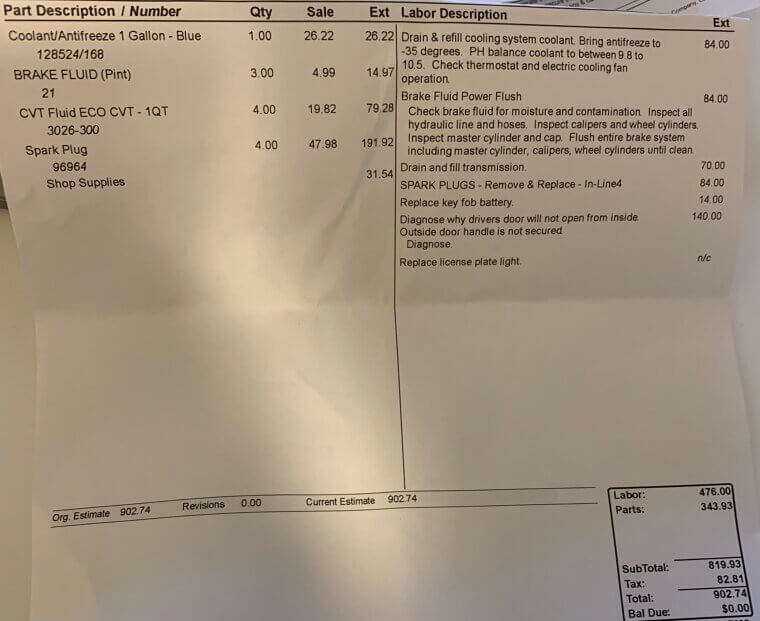
Your car warranty depends on proof. If you can’t show that you serviced your car properly, the manufacturer usually won’t believe you did. They want receipts, invoices, or service records that show dates, mileage, and work done. Without those, warranty claims become very hard to win. Even if you know you took care of the car, it doesn’t matter without paperwork. Think of records as your backup. A few missing receipts can cost you thousands in denied repairs later. It’s simple: keep records of everything!
Engine Tuning Fumbles
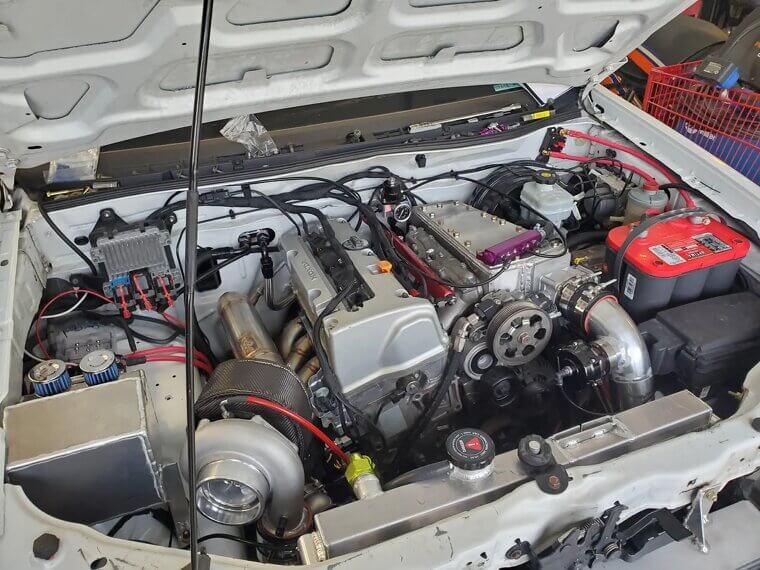
Engine tuning might make your car faster or more fun, but it’s bad news for your warranty. ECU remaps, performance chips, turbo upgrades, and tuning software all change how the car runs. Manufacturers design engines to stay within certain limits. When you push beyond those limits, they step away. Even if the tuning didn’t directly cause the problem, they may still deny coverage. Modern cars can easily detect tuning changes. Once they do, your warranty usually disappears, and you’re left having to pay for any maintenance out of your own pocket.
Driving Like the Rules Don’t Apply
Your warranty expects normal, everyday driving. Racing, aggressive off-roading, burnouts, and reckless behavior count as abuse. If a part breaks after that kind of driving, the manufacturer can refuse to pay. Many modern cars store driving data, including speed, stress, and engine load. If that data shows misuse, your claim can be denied. Cars are meant to be enjoyed, but not punished. Driving like every road is a racetrack can cost you your warranty fast. It’s really not rocket science: drive normally, and you won’t need to pay for expensive repairs.
Ignoring Warning Lights
Warning lights are not just annoying little icons that light up to ruin your day. They’re your car telling you something is wrong with it, and it needs a bit of help. Ignoring them allows small issues to turn into expensive damage. If you keep driving with a warning light on, the manufacturer may deny warranty coverage. They’ll say the damage got worse because you didn’t act. Even if the original problem was covered, the extra damage won’t be. Fixing issues early protects your car, your wallet, and your warranty.
Touching the Odometer
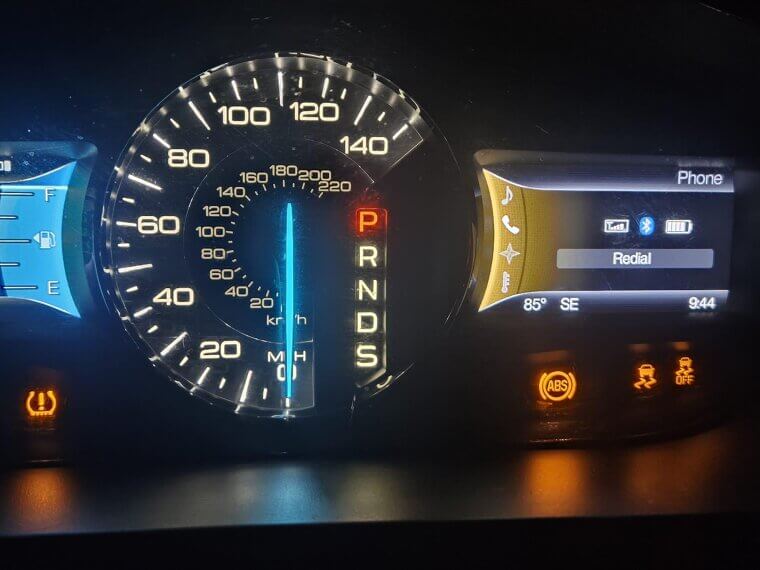
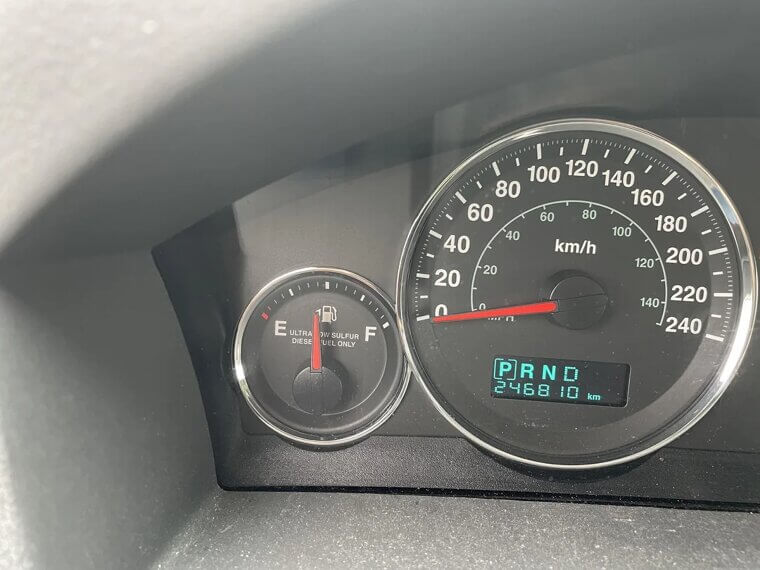
Here’s something you probably didn’t know: tampering with your car's odometer instantly voids your warranty. Now, it may sound harsh, but manufacturers rely on mileage to track wear, service schedules, and expected failures. If mileage can’t be trusted, they won’t cover anything. Even if someone else did it before you owned the car, the warranty can still be cancelled. Odometer tampering is also illegal in many places. There’s no fixing this once it happens. When mileage records are altered, manufacturers walk away completely and permanently. It’s simple: don’t touch the odometer!
Towing More Than Your Car Can Handle
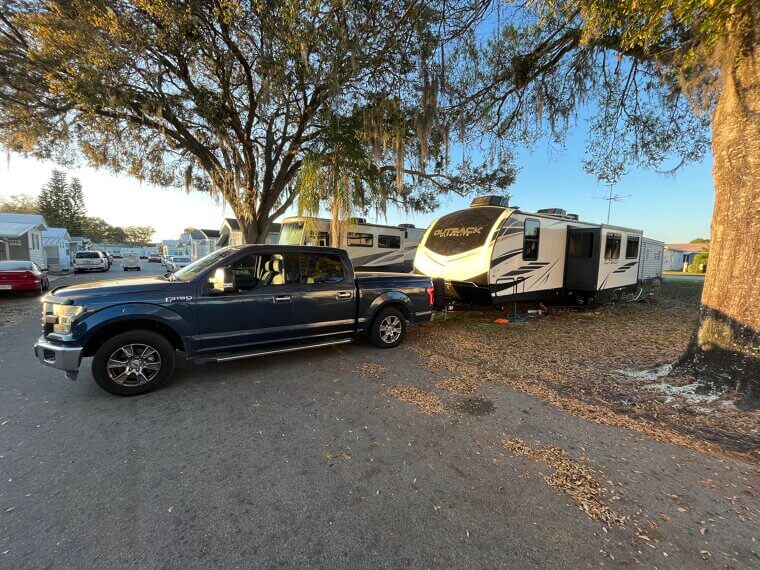
Every car has a maximum towing limit, and it’s there for a very good reason. Pulling too much weight puts unnecessary extra heavy stress on the engine, transmission, suspension, and brakes. If something fails, and it might, the manufacturer can deny warranty coverage immediately. They’ll say the damage came from overload and not a defect. Some vehicles even record towing-related stress, so there’s no lying about it either. Always check towing limits before hooking up a trailer. One overloaded trip can erase years of warranty protection and result in you paying for damages out of your own pocket.
Unapproved Repairs
Not all repair shops and mechanics meet manufacturer standards. Manufacturers set very specific rules for how repairs must be done and what parts must be used. If a shop uses non-approved parts or skips certain procedures, it can affect your warranty. Even a small mistake can cause problems later. When something breaks, the manufacturer may blame earlier repairs and deny coverage. Before any major work, it’s smart to check if the shop meets manufacturer standards. Choosing convenience now can cancel important warranty protection that your car needs when something goes wrong.
When a Car Is Written Off
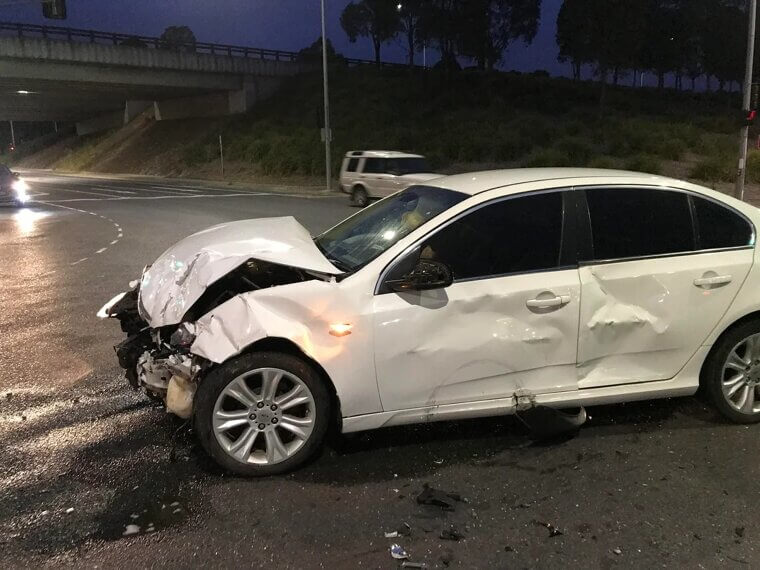
When a car is declared a total loss by insurance, the warranty ends right away. It doesn’t matter if the car gets repaired and looks perfect afterward. Manufacturers won’t stand behind a car that has been written off because hidden damage is always possible. Frame issues, electrical problems, and safety concerns can show up later. From that point on, every repair becomes your responsibility. Insurance decisions override warranty agreements completely. Once the car is written off, the warranty chapter is closed for good, no matter how well the car seems to run afterward.
