Manual Cars Were Everywhere
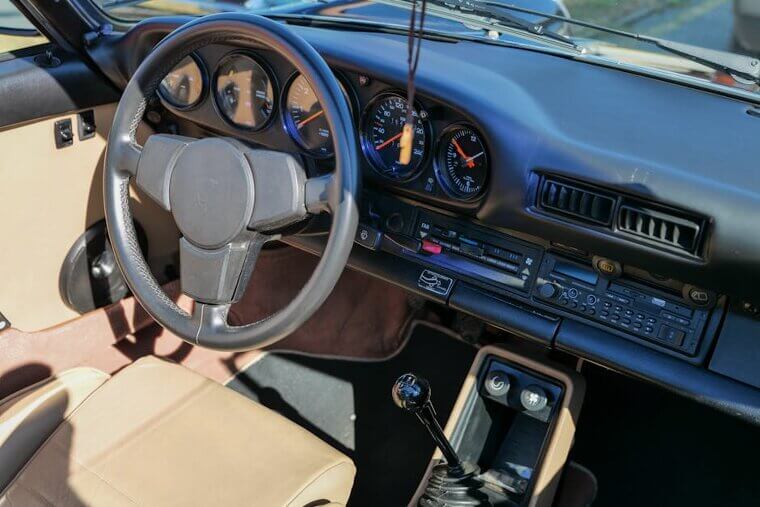
Back in the 1980s, learning to drive usually meant figuring out how to use a manual transmission. Automatics did exist, but not many people used them, and most driving schools made learning to drive stick compulsory. The clutch pedal was both a blessing and a curse. Stalling at intersections was something everyone did at least once and not rolling backwards on a hill made everyone nervous. However, once you got the hang of balancing the clutch and the gas, driving actually became pretty fun.
Bench Seats Were the Norm
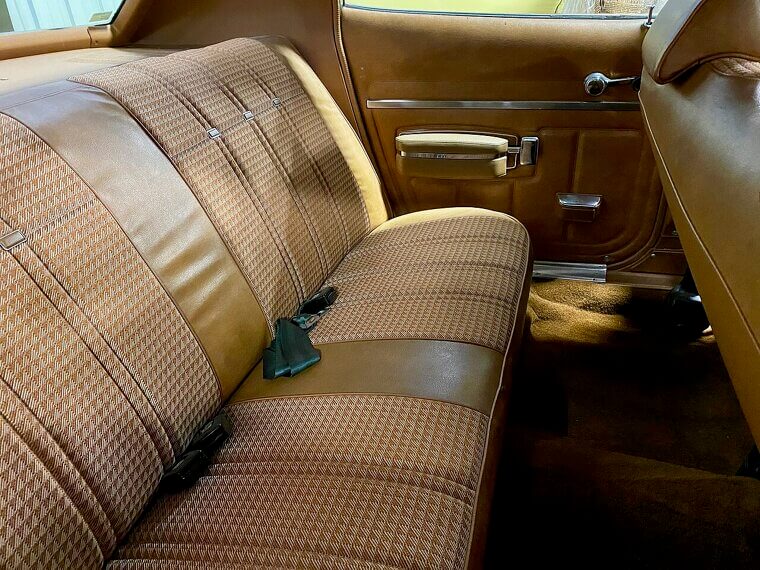
In the 1980s, many cars had wide front bench seats instead of separate bucket seats. Because of this, it was easy to slide across from one seat to another. On the other hand, for people learning to drive, it sometimes made it difficult to find the right seating position and many drivers ended up too far from the pedals. However, the bench seat ultimately made cars feel more spacious and relaxed. After all, driving wasn't only about getting from one destination to another - it was about the joy of the journey.
Cassette Mixtapes Were Your Driving Playlist
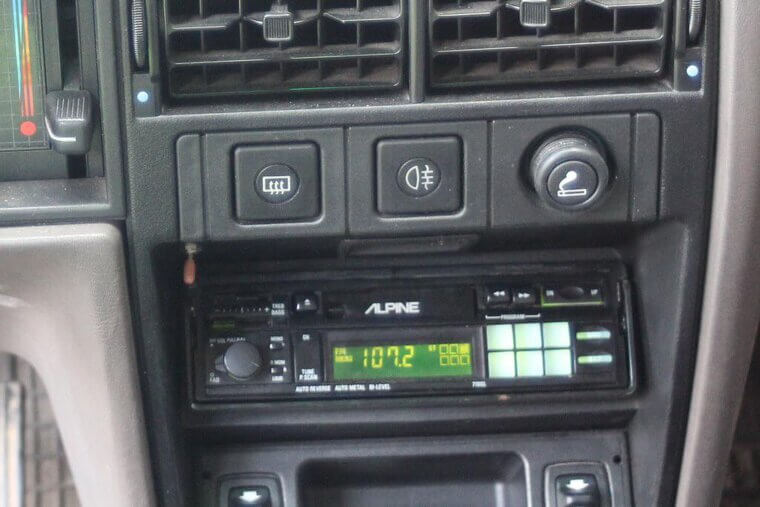
Back in the day, there was no streaming or Bluetooth. If you wanted to listen to music when you drove, it came from cassette tapes. Learners often drove with homemade mixtapes, using a pencil to rewind when the tape got chewed up. Like today, music played an integral part in many people's daily routines. It filled the silence on long drives and even served as a mood booster when making the daily commute to work in the morning.
Parallel Parking Was an Important Skill
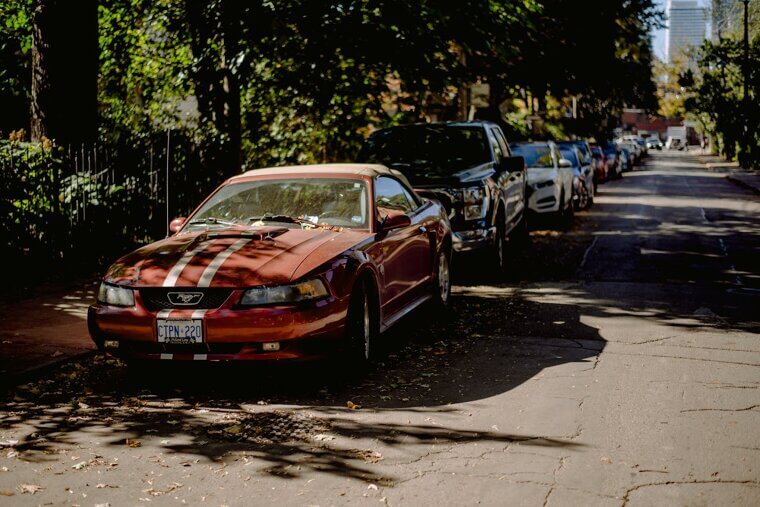
Back in the 80s, learning to parallel park meant that you had to depend on your mirrors, your instincts and a whole lot of practice. Backup cameras and parking sensors didn't exist yet, making the maneuver that much more difficult. You had to judge the distance by eye, usually while a strict instructor looked on. Scraping the curb or leaving too much space was common, which made getting it right that much more rewarding. Instructors taught specific techniques - turn the wheel twice to the right, straighten out, then reverse while watching both mirrors. Every driver developed their own system through trial and error. The satisfaction of nailing a tight parallel park without assistance built real confidence behind the wheel.
Cold Starts Meant Using the Choke
On cold mornings in older cars, starting the car took more than simply turning the key. Many cars had a choke knob to adjust the fuel and air mix. Drivers had to learn how far to pull it. If you pulled too much, the engine flooded. If you pulled too little, it stalled. This careful process often included pumping the gas pedal. Getting it right felt like solving a puzzle, but it was an important part of driving - especially in winter. Nowadays, starting your car is a much simpler and more straight-forward process.
Learner Cars Wore Giant “L” Plates
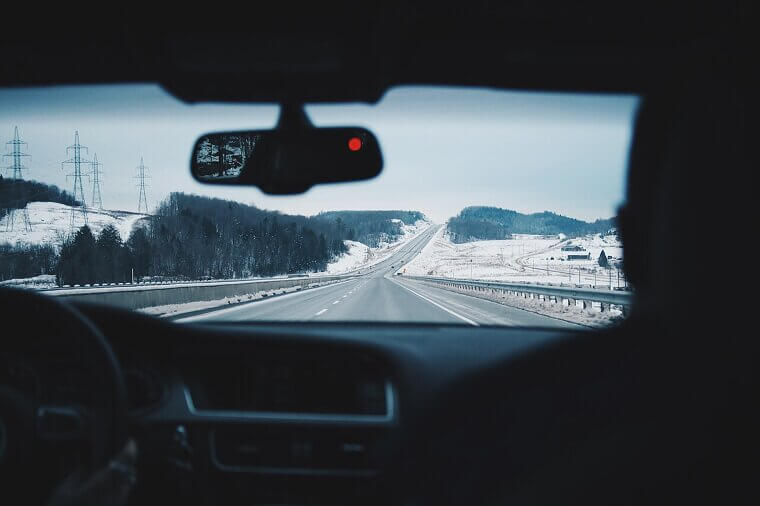
Back in the 80s, it was pretty easy to identify learner drivers. Cars had big “L” plates that made it obvious that you were new to driving. However, this didn't necessarily mean that other road users were any more patient with you. For learners, driving with these plates often felt embarrassing, even though everyone experienced it at one point or another. While getting your license is obviously still a major milestone today, there was something incredibly satisfying about having this "L" plate removed back in the day.
Paper Maps Were Your GPS
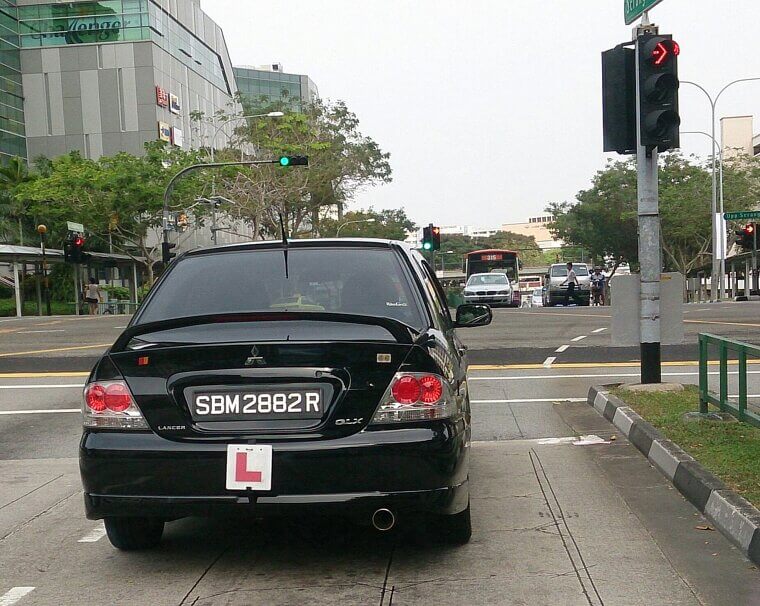
Back in the day, before Google Maps and smartphones became a part of everyday life, paper maps were used to navigate. New drivers had to remember their routes or ask someone in the passenger seat for help. Folding the map the right way was another challenge on its own, so it often ended up spread out across the dashboard as you drove. It was incredibly easy to get lost, but this also made driving more like an adventure. If you took a wrong turn, you would have to put your problem-solving skills to the test.
Car Phones Were Luxury Items
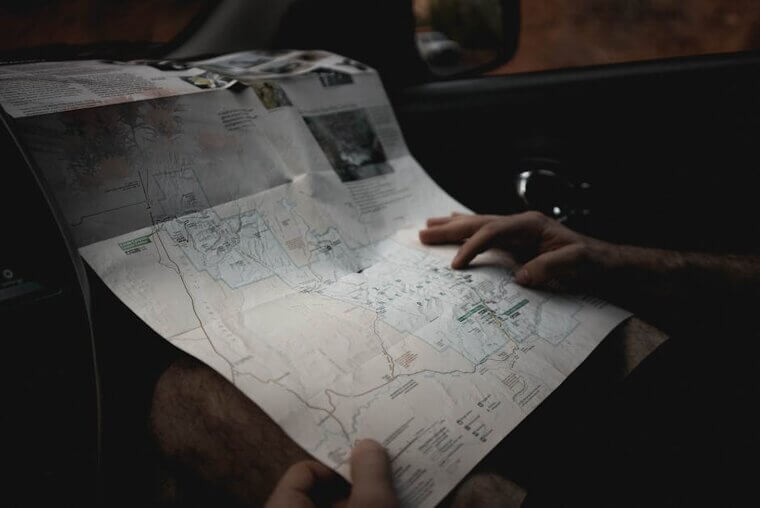
In the 80s, many people believed that car phones were futuristic and incredibly high-tech. They were big, costly and rare, usually owned by executives or other wealthy folk. Most learners never had one, but many drivers wondered what it would be like to own such an advanced piece of technology. Instead, people had to stop at payphones or plan their calls ahead of time. Talking on the phone while driving was a luxury that also happened to be pretty dangerous. For most learners, the closest experience was simply tuning the radio.
Driving Big, Heavy Cars
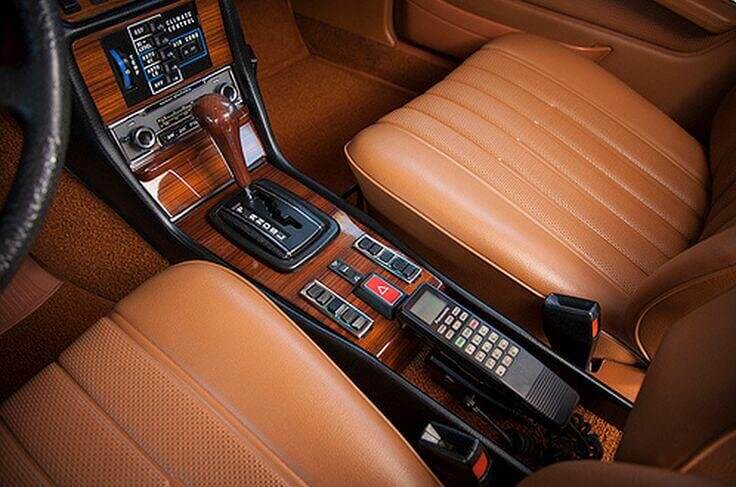
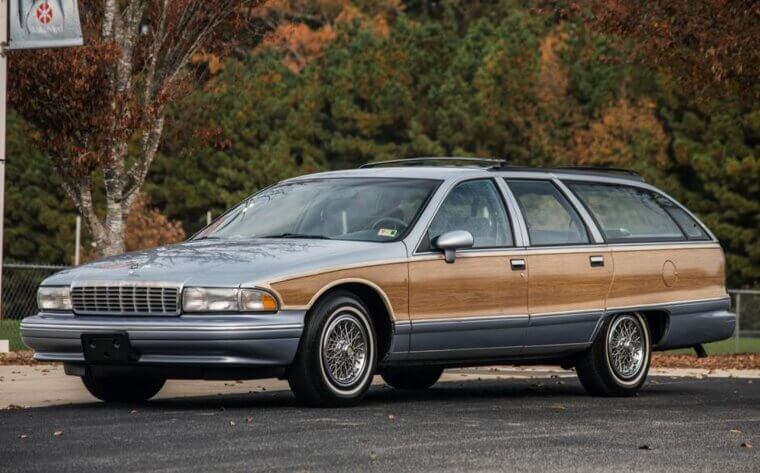
People often learned to drive in big sedans, such as the Chevy Caprice or Ford LTD. These cars felt huge, with long hoods and wide turns. With that being said, you needed good spatial awareness and confidence to handle them. Parking was tricky and it took time to judge distances. However, once you figured it out, you felt ready for just about anything. Learning to drive in such heavy cars made drivers feel resilient. It's safe to say that the smaller cars of today are no challenge for 80s drivers.
Crank Windows Were Standard
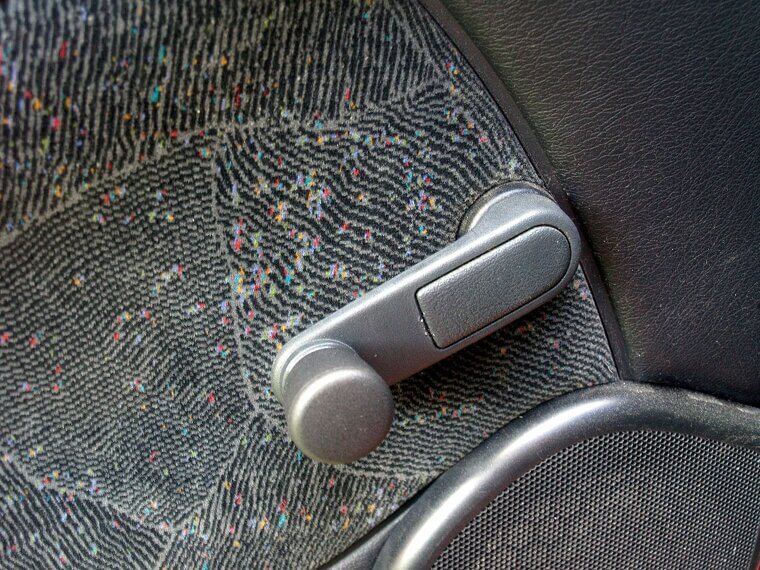
Back in the day, rolling down the window really did mean turning a crank handle. Power windows were a rare commodity, so most people had to physically roll down their window before they got going. With crank windows, you couldn't quickly adjust them while paying attention to the road. It was a bit clumsy, but it also gave cars some character. Learners had to reach across to crank the passenger window, and opening all four windows in summer heat felt like an arm workout. Drive-throughs required pre-planning which window to use since reaching across wasn't always practical. Despite the effort, there was something satisfying about the mechanical click and smooth rotation compared to today's electric switches that feel disconnected from the actual movement.
Locking the Car Was a Leap of Faith
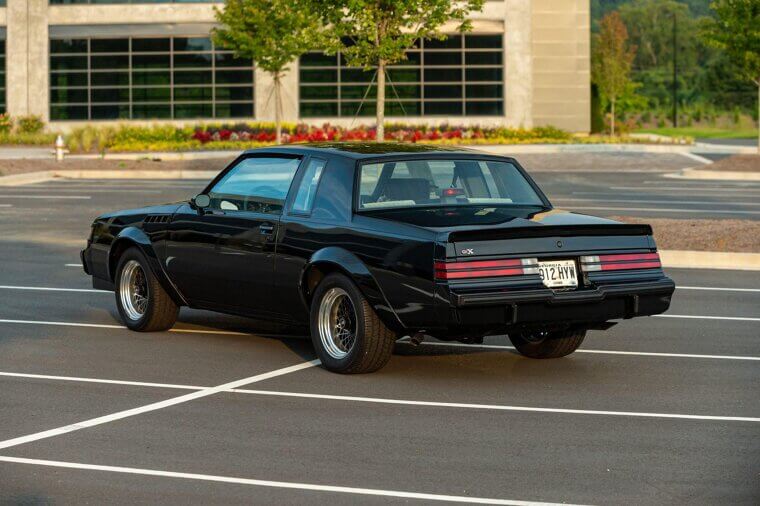
In the 80s, central locking was rare and car alarms were hardly ever installed. Learners had to lock each door of their car by hand. As you can imagine, this meant that they often forgot. There was no beep or flashing light to let you know the car was locked - only the sound of the lock clicking. This meant that leaving your car felt risky and many drivers just hoped that it would be there when they got back. For learners, locking up was just one more thing to remember, as cars back then didn't feature as many convenient additions as they do now.
Gas Was Cheap Enough to Cruise
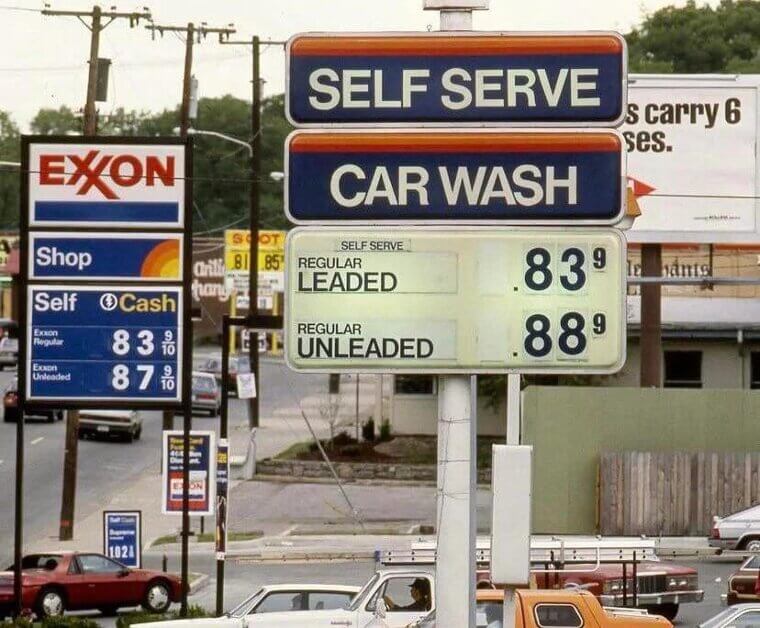
Back in the 80s, fuel was cheap enough that learner drivers could practice as much as possible without stressing over the cost. Gas cost around a dollar per gallon, meaning five bucks could keep you cruising for an entire weekend. Weekend drives were commonplace, as driving simply wasn't that much of a financial burden - even for students. Even though cars used more gas, filling up was still affordable. This made it easy for learners to spend hours on the road and gain valuable confidence. Simply put, driving in the 1980s was all about enjoying the freedom of the open road.
Driving Tests Were Old-School
In the 1980s, taking a driving test was simple. There were no cameras or sensors - just an examiner with a clipboard. Learners were judged on their skill, confidence and how well they followed the rules. Parallel parking, signaling and lane discipline were three key sections. Mistakes weren’t tracked on a computer. Instead, the examiner simply wrote them down. While the test was obviously still stressful, it matched the more laid-back attitude of the time.