
They Know if Your Alignment Is off
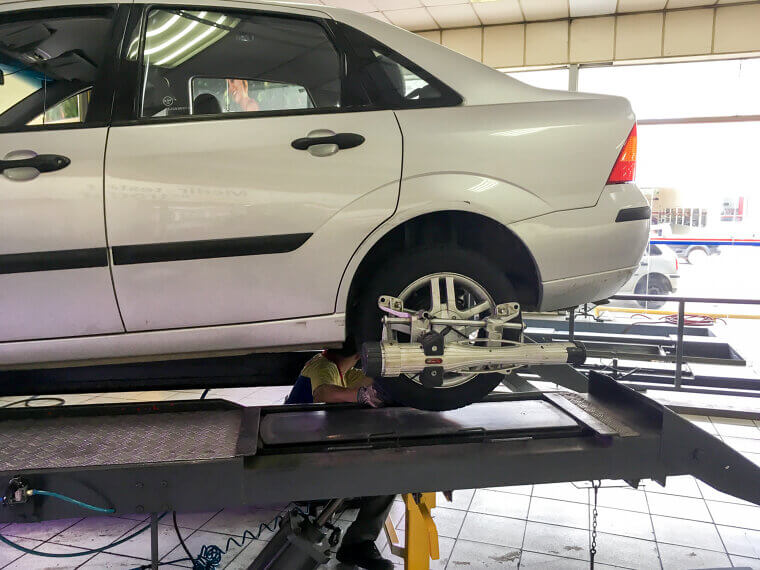
Alignment issues reveal themselves quickly to a trained eye. A mechanic will spot a steering wheel that doesn’t sit perfectly centered, tires wearing unevenly, or suspension components that look slightly stressed. Even the way your car sits on the lift can hint at alignment drift. You might only notice a gentle pull on the highway, but they see the mechanical reasons behind it. Misalignment doesn’t always come from dramatic impacts; sometimes it’s just the result of everyday bumps and potholes. Over time, these small shifts can lead to costly repairs if they are not caught during a routine inspection. Keeping your wheels straight is essential for both your safety and the longevity of your tires.
They Can Spot Overdue Maintenance Instantly
A seasoned mechanic doesn’t need a checklist to know when your car has been coasting on borrowed time. The moment they pop the hood, they’re scanning for clues: darkened fluids, dusty filters, tired belts, and the general “feel” of a vehicle that hasn’t had recent attention. Even the way components sit or sound can reveal how long it’s been since your last service. Don’t worry, they’re not judging you; they’ve simply seen thousands of cars in every stage of neglect.
They Know if You Skip Oil Changes
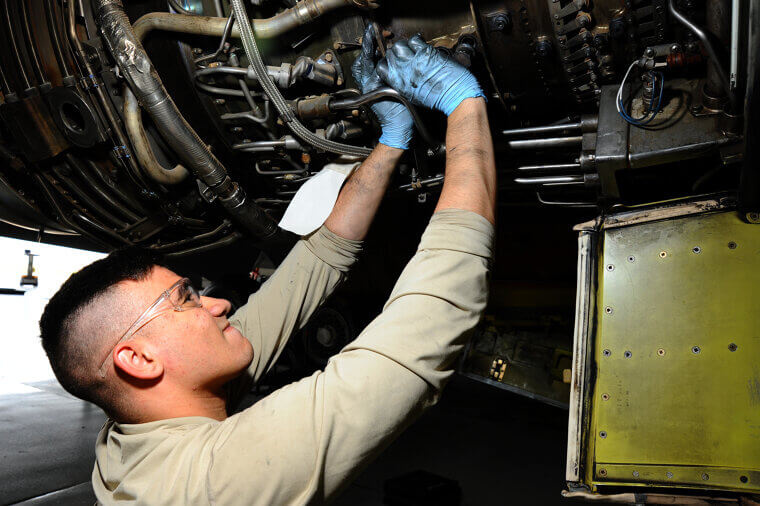
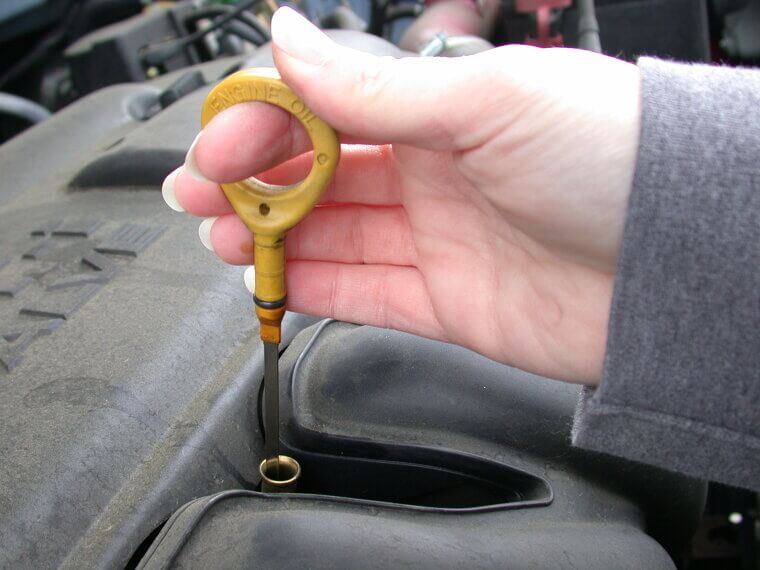
Mechanics can tell when oil changes haven’t been happening on schedule because engines leave unmistakable evidence. Like thick, sludgy oil clings to parts that should be clean. They’ll notice varnish on metal surfaces, sticky residue around the cap, or even a faint burnt smell that hints at oil that’s been pushed far past its prime. These aren’t mysteries to them - they’re everyday indicators. While you might hope the engine keeps your secret, it rarely does.

They Can Tell How You Drive
Your driving habits leave fingerprints all over your car, and mechanics read them like a diary. Hard braking, quick acceleration, and aggressive cornering all create patterns of wear that stand out immediately. They’ll notice uneven tire edges, stressed suspension components, or brake pads that look like they’ve lived a very intense life. Even the condition of your transmission fluid can hint at how gently - or not - you treat your vehicle. You might think your driving style is a private matter, but your car tells the story with surprising honesty!

They See Signs of Hidden Leaks
A mechanic doesn’t need a puddle on the ground to know something is seeping where it shouldn’t; they look for damp edges, stained housings, or residue collecting in places the average driver never notices. Even a faint smell can reveal whether coolant, oil, or power‑steering fluid is escaping. Leaks often start small, but mechanics are trained to spot the earliest hints before they become dramatic drips. To you, everything may look perfectly dry, but to them, the evidence is clear.
They Notice Uneven Tire Wear
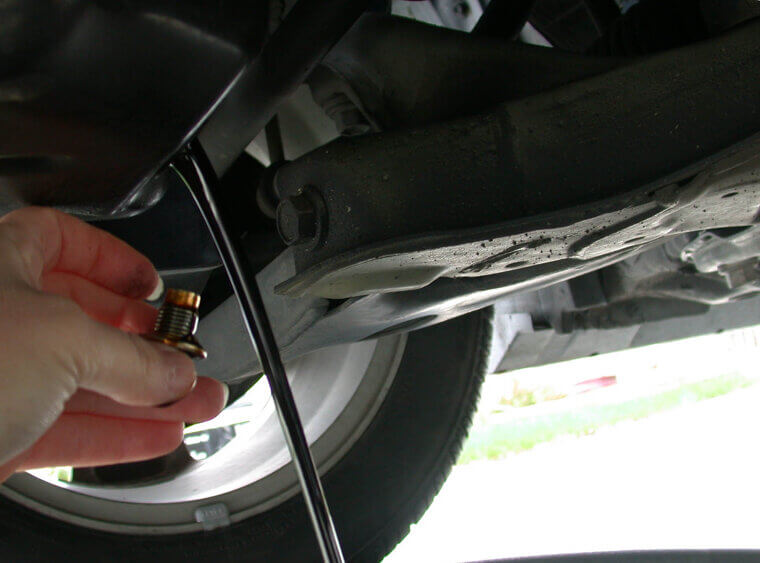
Tires tell a story, and mechanics read them like seasoned detectives. When they glance at your tread, they’re looking for patterns - feathering, cupping, bald shoulders, or center wear - each pointing to a different hidden issue. Maybe your alignment is off, your suspension is tired, or your tire pressure habits are inconsistent. Whatever the cause, they can spot it instantly! Uneven wear isn’t just a cosmetic problem; it reveals how your car has been behaving on the road. While you might only see “worn tires,” they see a full report card on your driving, maintenance, and alignment history.
They Can Tell if Your Brakes Are Fading
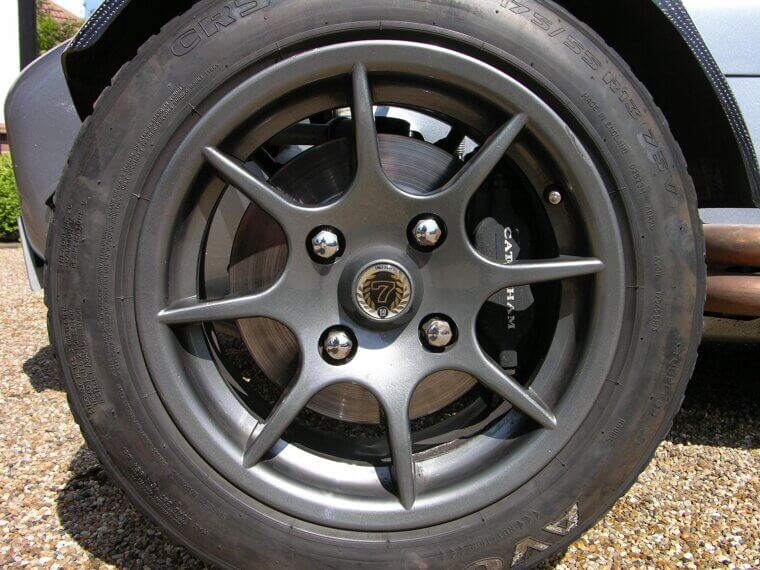
Mechanics can sense brake trouble long before you hear squealing or feel vibration. They’ll notice thinning pads, heat‑stressed rotors, or calipers that aren’t moving as freely as they should. Even the color and smell of brake dust can hint at components working harder than they’re designed to. Fading brakes don’t hide well, and mechanics know exactly what early wear looks like. You’ll likely think everything feels normal from the driver’s seat, but they can see when your stopping power has quietly slipped below its best.
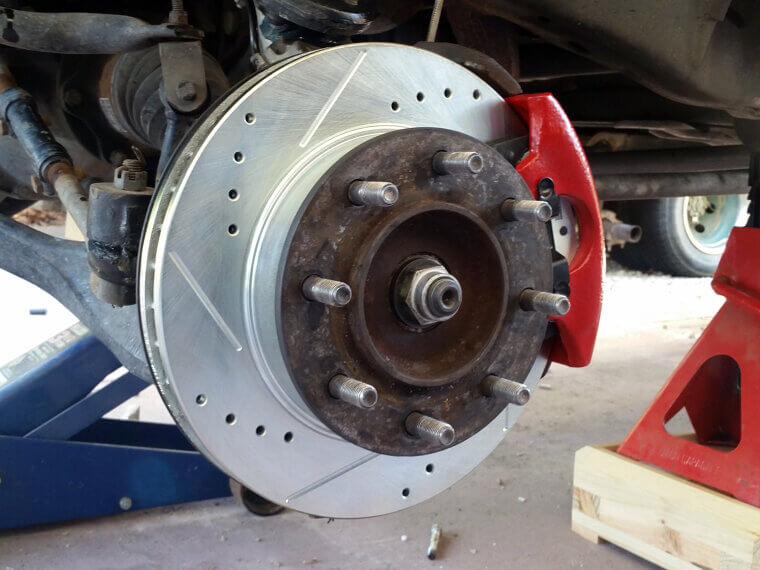
They Know When Suspension Parts Are Tired
Suspension wear shows up in subtle ways that mechanics spot in the blink of an eye. Bushings start to crack, shocks develop a light mist of oil, and components no longer sit as firmly as they once did. Even the stance of the car can reveal sagging springs or uneven load distribution. When they push down on a corner and watch how it rebounds, they’re gathering information you’d never think to look for. A tired suspension doesn’t always announce itself with dramatic clunks; sometimes it’s a collection of small hints that only an experienced eye recognizes.

They Can Spot Battery Trouble Early
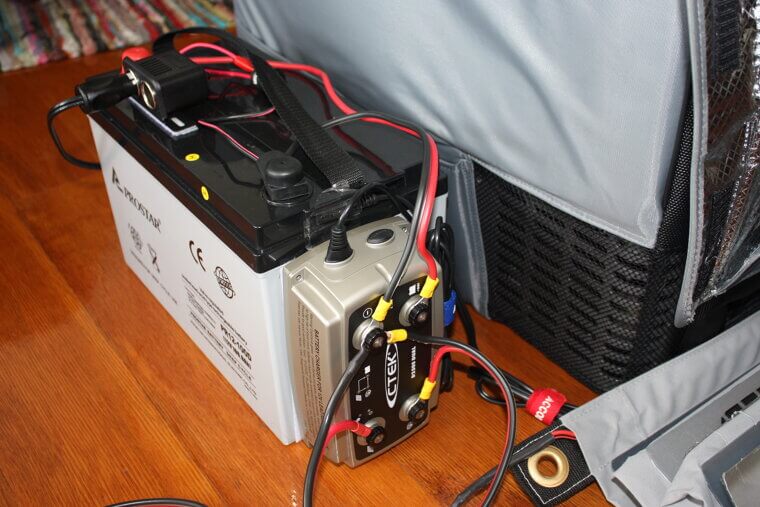
A mechanic can often predict battery issues before you ever experience a slow crank; corrosion around the terminals, swelling in the casing, or a faint acid smell all point to a battery nearing the end of its useful life. They’ll also notice if the cables are loose or if the charging system seems strained - even the age sticker gives them a quick sense of how much life is left. They’ve seen countless batteries fail in predictable ways, and your car’s electrical system rarely hides the truth from them.
They See Signs of Past Accidents
Even if a car has been repaired well, mechanics can usually spot evidence of previous damage. They’ll notice mismatched paint textures, uneven panel gaps, or fasteners that aren’t factory originals. Underneath, they may find bent brackets, replaced components, or welds that don’t match the manufacturer’s style. These clues aren’t always obvious to the average driver, but they stand out to someone who works with vehicles every day. So, past accidents leave subtle footprints, and mechanics are trained to recognize them without hassle.
They Can Tell if Cheap Parts Were Used
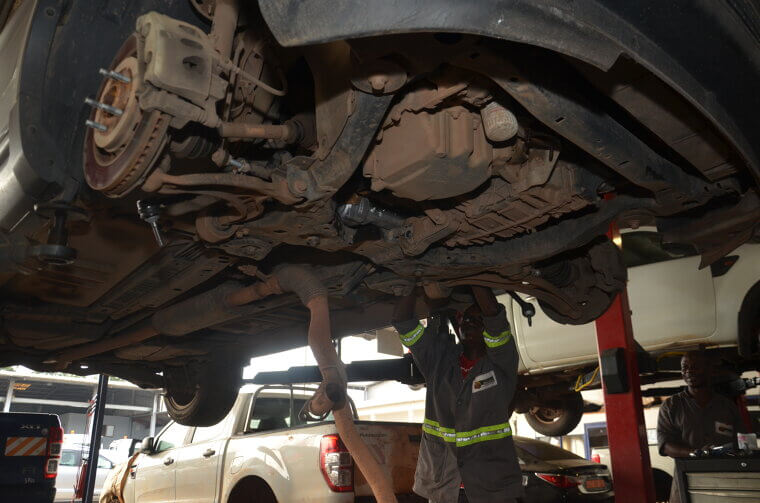
Mechanics can identify low‑quality parts instantly. They’ll notice off‑brand components, mismatched hardware, or materials that don’t look as durable as factory originals. Sometimes the fit isn’t quite right, or the finish looks rougher than it should. Even the packaging residue or markings on the part can reveal its origin. While budget replacements can work fine, they often age differently, and mechanics can see when something was chosen for price over longevity. They’re not judging your choices; they simply see the difference between premium and bargain‑bin components.

They Notice Electrical Issues Right Away
Electrical problems leave subtle clues to mechanics - they’ll see frayed wiring, loose connectors, or aftermarket add‑ons that weren’t installed cleanly. Even a slightly dim bulb or flickering accessory can point to deeper issues. When they open a fuse box, they’re looking for signs of overheating, corrosion, or mismatched fuses. Electrical systems rarely fail without warning, and mechanics know how to read the early indicators. You might only notice something acting “a little weird,” but they can trace the source with impressive accuracy.

They Can Tell if Your Fluids Are Neglected
Fluids reveal a lot about a car’s health, and mechanics pay close attention to their condition. They’ll check the color, smell, and consistency of coolant, brake fluid, transmission fluid, and power‑steering fluid. Each one has a normal range, so deviations stand out immediately. Even residue around caps or reservoirs can hint at slow leaks or evaporation. While you might assume everything is fine as long as the car runs, mechanics know that neglected fluids quietly shorten the life of major components.
They Know When Your Engine Is Struggling
Engines communicate their condition through sound, vibration, and visual cues, and mechanics are fluent in that language. They’ll notice rough idling, inconsistent revs, or components that look more stressed than they should - even the smell of the exhaust can hint at underlying issues. When they inspect under the hood, they’re looking for worn hoses, tired mounts, or buildup that suggests the engine isn’t operating at its best. You might think everything feels normal, but they can sense when performance has dipped or efficiency is slipping.
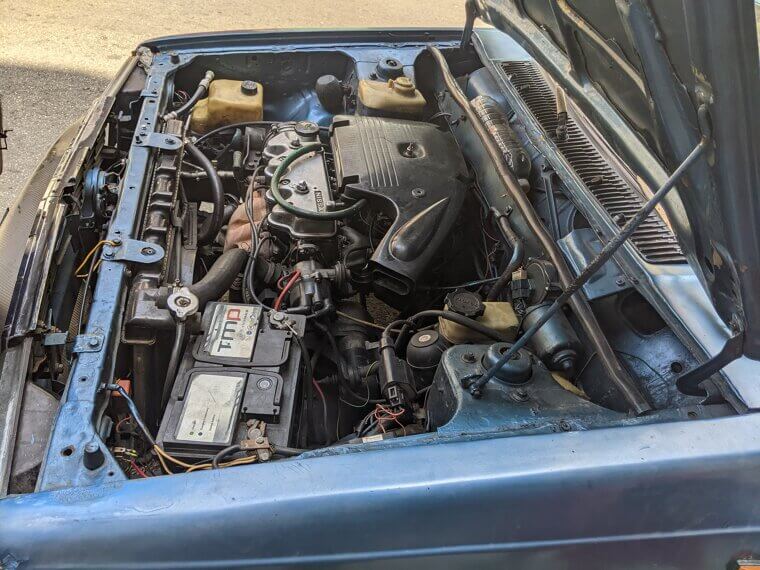
They Can Spot DIY Fixes Gone Wrong
Mechanics can swiftly tell when a well‑meaning owner has attempted a repair that didn’t quite land. They’ll notice mismatched screws, improvised brackets, or sealant used in places it doesn’t belong. Sometimes the part is installed slightly off‑center, or the wiring looks more “creative” than correct. They’ve seen every kind of home‑grown solution, from clever to chaotic, and they can identify them with a glance. While they appreciate the effort, they also know when a DIY fix is causing more harm than good. Your car wears these attempts proudly, but mechanics can always tell when a repair wasn’t done by a professional.
