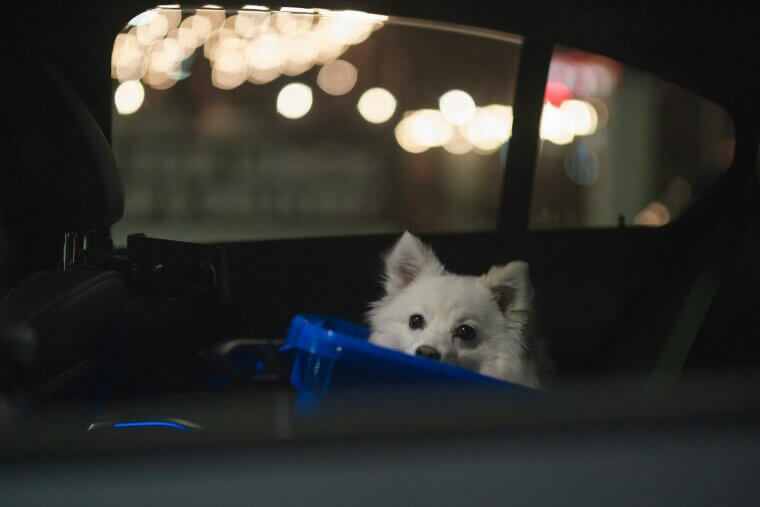
Bottled and Canned Drinks
Leaving bottled and canned drinks in your car on a freezing night is basically handing physics a ‘Go wild!’ invitation. Liquids expand as they freeze, and sealed containers don’t handle that gracefully. They crack, burst, or leak in sticky little tantrums that will haunt your upholstery until spring. Even if they don’t explode, the flavor might go weird once thawed. Better to bring them indoors, where they can chill at a respectable, non-destructive temperature.
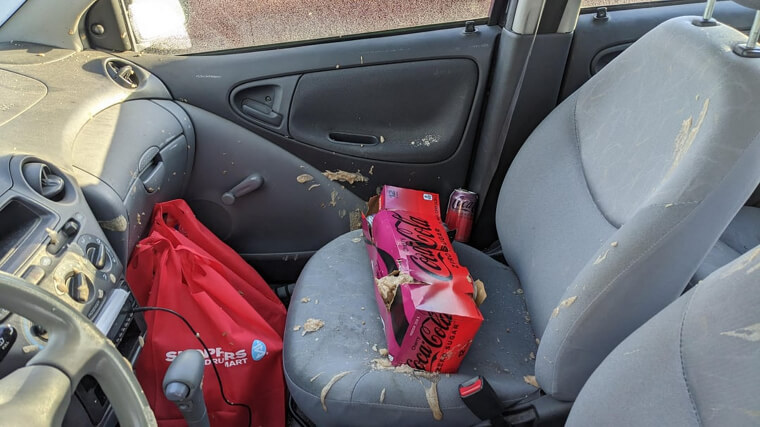
Electronics
Cold weather treats electronics the way a cat treats a bath: pure betrayal! Batteries drain faster, screens get sluggish, and internal components can crack under sudden temperature swings. Leave your phone, laptop, or tablet in the freeze too long and you might return to a very expensive paperweight. Bring them inside where it’s warm, cozy, and free of frosty surprises. Your wallet will send you heartfelt thank-you notes.
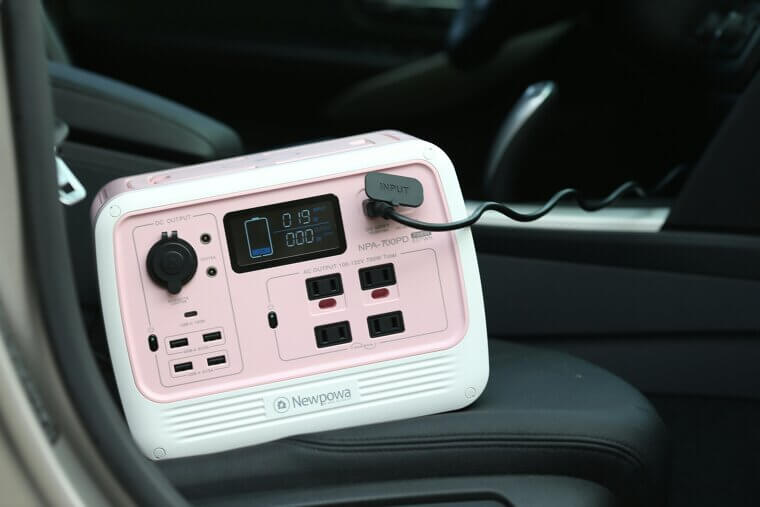
Medications
Most medicines like stability, not the emotional rollercoaster of freezing overnight and thawing in the morning commute. Low temperatures can change how they work, making them less effective or, even worse, unpredictable. Even over-the-counter staples can lose their punch after a night in subzero limbo. Keep prescriptions tucked safely indoors, where the cold can’t scramble their good intentions. Your health will appreciate the consistency, even if the weather refuses to cooperate.

Aerosol Cans
Aerosol cans and cold weather have a dramatic relationship worthy of a daytime soap. When temperatures drop, pressure inside the can shifts, and that metal cylinder becomes a tiny, unpredictable diva. Worst case? It can burst, leaving you with an unexpected explosion of hairspray or deodorant. Best case? It simply stops working until warmed. Neither outcome is fun; let these cans experience winter indoors where they can remain calm, collected, and non-explosive.
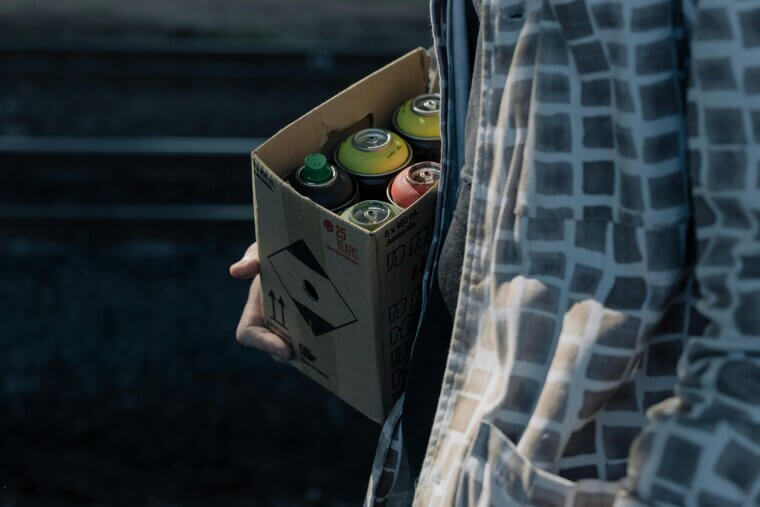
Lighters
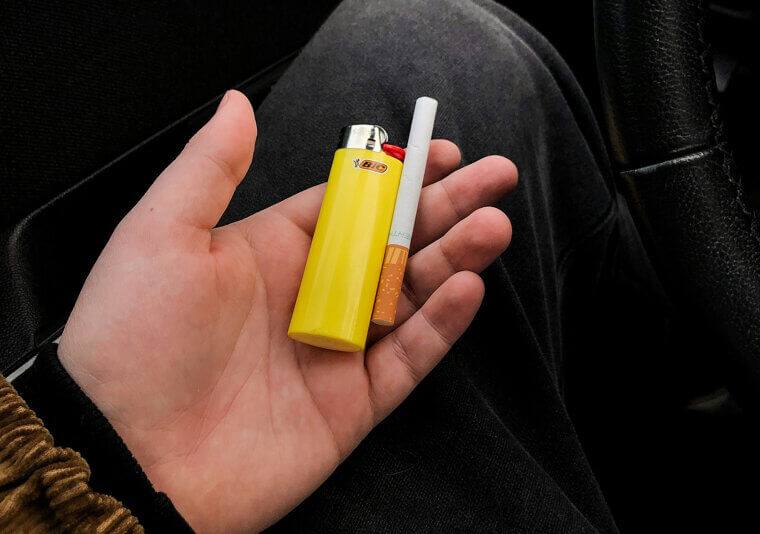
Your trusty lighter may be a loyal travel buddy, but cold weather turns it into the world’s tiniest drama queen. Fuel doesn’t vaporize well in low temperatures, which means your lighter may refuse to spark when you need it most (the metal can also shrink just enough to make the mechanism fussy). Keep it out of the chilly glove box, and it will pay you back with flame on demand instead of stubborn silence.
Canned Food
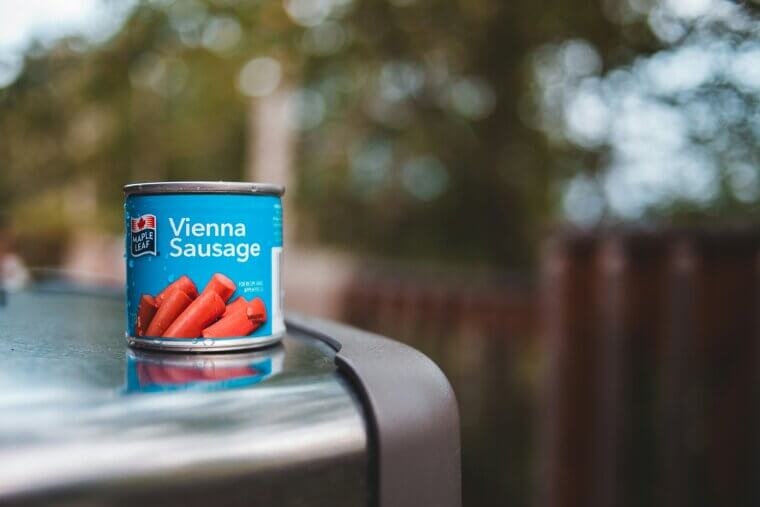
Canned food seems rugged enough to survive anything, but cold weather exposes its soft side. When the contents freeze they expand, crumpling the can or breaking the seal. That tiny breach invites bacteria to move in like unwanted winter houseguests. Even if the can stays intact, freezing can mess with texture and taste. Keep your soups, beans, and pasta sauces indoors where they can maintain their dignity (and their safety).
Batteries
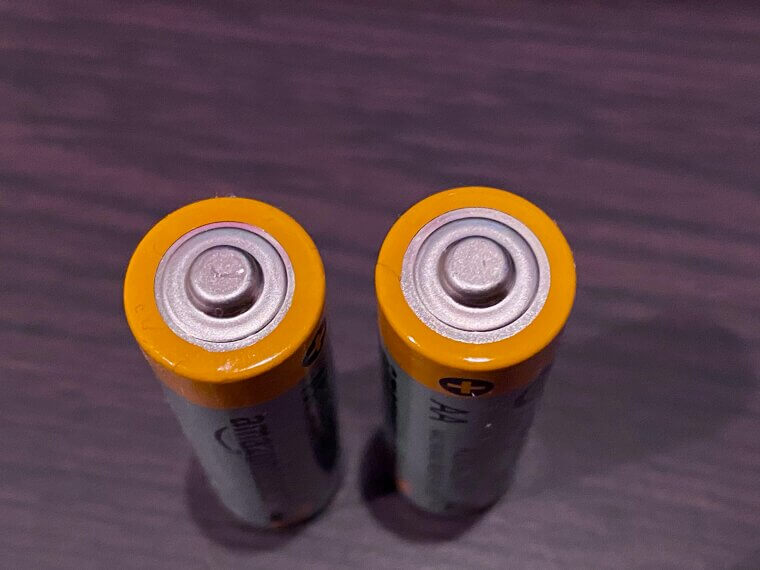
Batteries have one major flaw in winter: they simply give up. Cold weather slows the chemical reactions inside, causing dramatic drops in performance. That flashlight you left in the console? It’ll glow like it’s having an existential crisis. Rechargeables suffer too, losing capacity faster than you can say “frostbite.” Store spare batteries inside where the temperature won’t sabotage their spirit. A warm battery is a reliable battery, especially when you actually need it.
Baby Formula
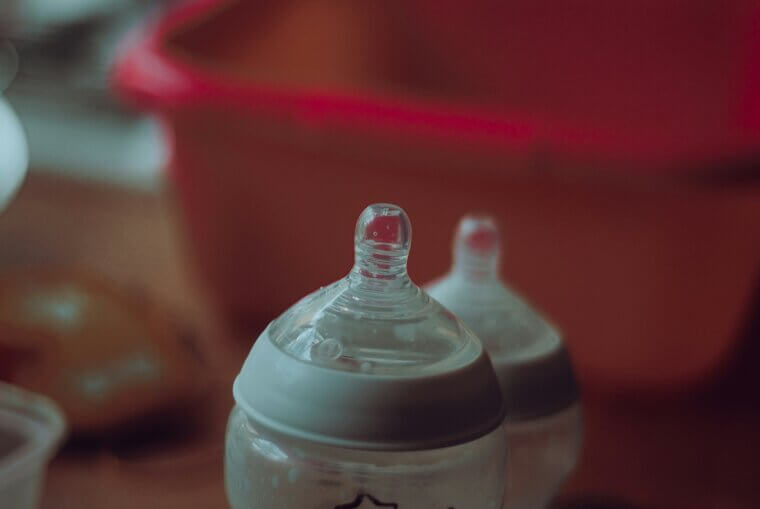
Baby formula does not appreciate being treated like a popsicle. Freezing can cause the ingredients to separate in ways no amount of shaking will fix. Worse, thawing can alter the consistency and safety of the mixture. Since infants rely on formula for consistent nutrition, the cold is one gamble you don’t want to take. For safety’s sake keep formula snug and stable, far away from winter’s mischief.
Makeup
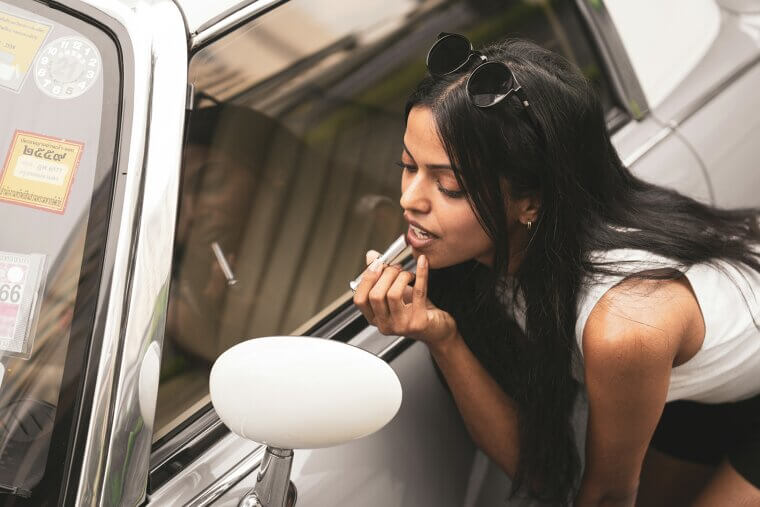
Makeup in the cold becomes a tragic little science experiment. Foundations separate, lipsticks crack, mascaras clump; it’s like winter is auditioning to ruin your entire routine. Even powder products can behave strangely after dramatic temperature swings. Indoors your beauty bag will keep formulas smooth, colors true, and no product turns on you in your moment of need. Your face deserves warmth, not chaos.
Paint
Cold weather is paint’s arch-nemesis. As temperatures drop, pigments can separate, textures turn lumpy, and liquids thicken like molasses in a freezer. Even unopened cans aren’t immune - expanding contents can warp lids or burst seals, leaving a mess that makes you question every DIY decision you’ve ever made. If you must transport or store it, allow it to acclimate gradually, and consider using insulated carriers or blankets. With a little foresight, your colors stay vivid, smooth, and ready for brilliance when the brush finally hits the wall.

Cleaning Sprays
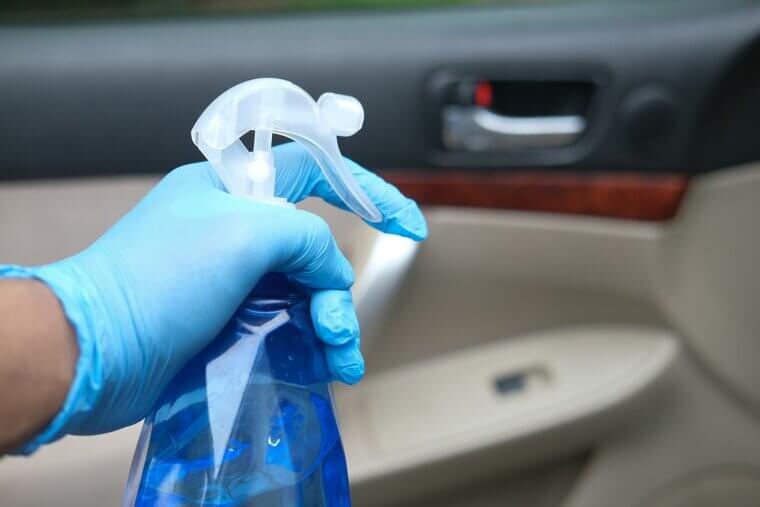
Cold weather transforms cleaning sprays into unpredictable little potions. Ingredients separate into sad, ineffective layers, while bottles may warp or crack under frost’s subtle tyranny. The result? A minor cleaning mission can spiral into a sticky, streak-filled disaster worthy of a slow-motion gag reel. Instead of leaving sprays to suffer in the car, consider portable insulated pouches or store them in a garage with a stable temperature. That way, your next mop, sponge, or spray session doesn’t turn into a winter comedy of errors.
Plants
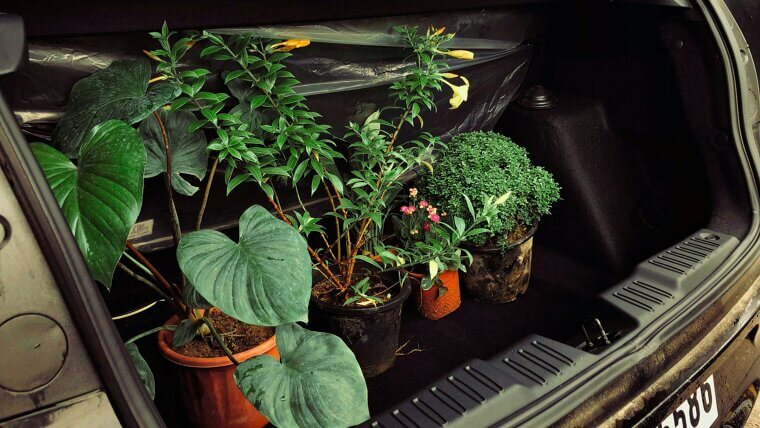
Plants left in a cold car overnight go on a one-way spiritual journey… and not the inspiring kind! Many species experience cell damage when exposed to freezing temperatures, leading to drooping, browning, and permanent decline. Even hardy plants can suffer shock. If you’re transporting a little leafy friend, treat it like royalty: bring it in when you get home and shield it from the icy air like a botanical bodyguard.
Perishable Groceries
Your car might seem like a makeshift fridge, but fluctuating temperatures transform dairy into curdled sadness, meat into icy mystery, and produce into soggy disappointment. Even hardy fruits can suffer cell damage that turns them into unrecognizable mush. When the world outside is freezing, think ahead: plan grocery pickups closer to home, use thermal bags, or make quick dashes indoors. That way, your food retains its flavor, freshness, and dignity, and your fridge isn’t left with a pile of frostbitten casualties.

Musical Instruments
Cold weather and musical instruments have a complicated relationship; think star-crossed lovers, but with more cracking wood and snapped strings. Wood contracts, warps, and can even split, while metal parts shrink unpredictably, throwing off tuning and harmony. Strings rebel, snapping with dramatic flair, and electronics inside digital instruments can sulk or fail entirely. Leaving your cherished gear in a freezing car is like asking a violin to ice skate - chaos is inevitable. Keep instruments warm, safe, and melodious indoors, where frost can’t stage a coup.

Contact Lenses
Contact lenses left in the cold can stiffen into fragile little discs that feel about as comfortable as wearing potato chips on your eyeballs. Freezing can also affect the solution they’re stored in, undermining its sterilizing power. Even when warmed the lenses might not return to their original flexibility! Keep them inside where both lenses and solution can remain supple, safe, and ready for clear vision without the crunch.

Camera Gear
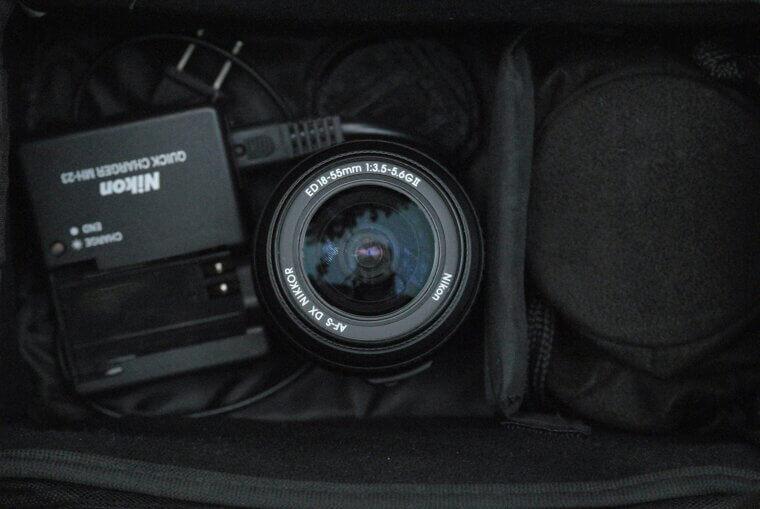
Cold weather turns camera gear into divas on strike. Lenses fog, batteries falter, and delicate electronics shiver under frost, risking condensation that can sabotage your shots. Sudden temperature swings can warp precision parts or blur optics, leaving your prized equipment frozen in protest. Traveling with gear? Layer it in padded bags, keep it close to your body, or plan shoots during warmer parts of the day. That way, your camera captures crisp, vivid images rather than winter’s icy chaos.
Power Banks
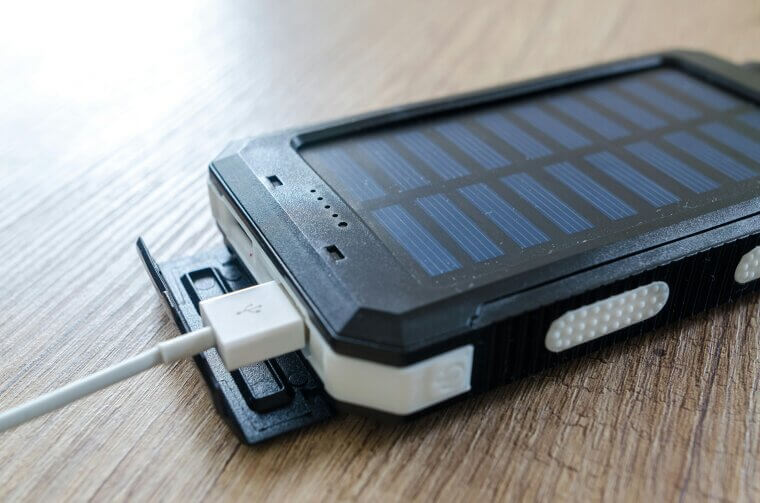
Power banks left in the cold are like sleepy teens: they refuse to cooperate when you actually need them. Low temperatures slow the chemical reactions inside, dramatically reducing their charge and leaving your devices high and dry. Freeze them overnight and circuitry can suffer permanent damage, turning a lifesaver into a paperweight. Keep them somewhere warm and accessible, and they’ll stay reliable, ready to juice up your device without a sulky, frostbitten tantrum.
Shampoo / Conditioner
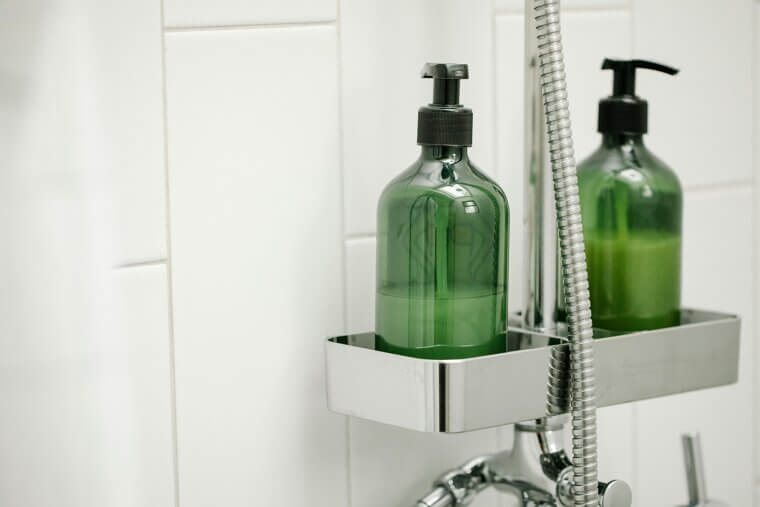
Shampoo and conditioner are surprisingly fragile in cold weather. Formulas separate, textures go gloopy, and bottles can crack, leaving hair care in peril. That silky lather you rely on might turn into sticky chaos, frustrating every morning routine. Travel with insulated toiletry bags, or simply avoid leaving them in the car overnight. With a little foresight, your hair stays glossy and manageable, and winter’s icy grip can’t sabotage your style or turn shower time into a mini disaster scene.
Hand Sanitizer
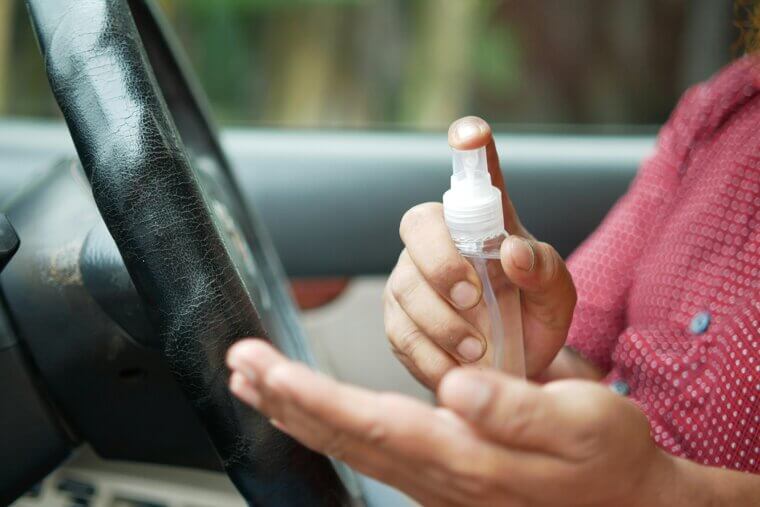
It looks invincible but if you keep hand sanitizer in cold weather, winter takes that as a challenge. Alcohol-based gels thicken, partially solidify, or slow down, turning your trusty hygiene hero into a sticky, frustrating blob. Sudden temperature swings may even compromise its germ-fighting power, leaving hands less clean than expected. Carry a small travel-sized bottle in an insulated pocket or layer it among warmer items during winter outings to keep your sanitizer ready for action. It’ll be smooth, effective, and drama-free when germs appear.
Pet Food
Cold weather can turn pet food into a frosty gamble. Wet food freezes into icy bricks, while dry kibble attracts moisture, risking mold or spoilage. Your furry companions aren’t fans of icy or stale meals, and a shivering stomach can quickly become a cranky one. Plan ahead with insulated containers, quick indoor storage, or smaller portions that won’t sit too long in the cold. With a little strategy, your pets enjoy every bite safely, and happily wag or purr through winter.