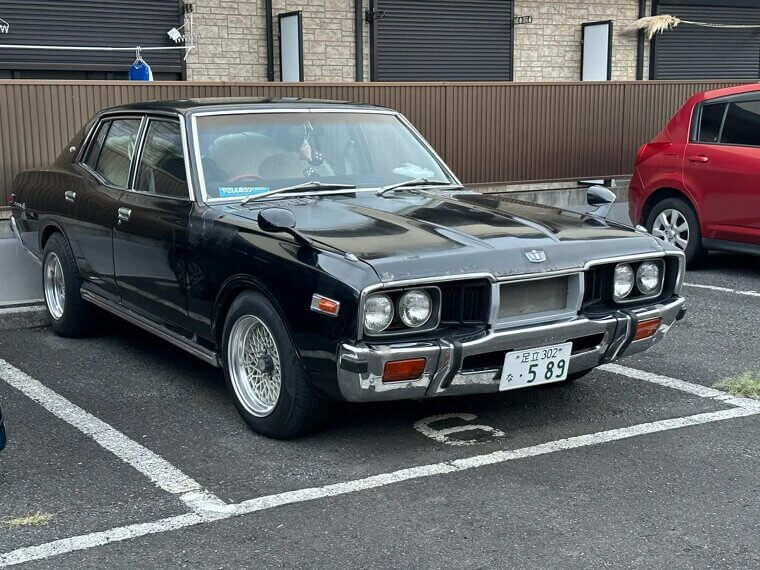
Distinct Styling
There’s something special about old cars that can’t be replicated now, even with modern materials and systems. They had personality because they weren’t chained to the same designs, and each era presented its own distinct styling features. From muscular ‘60s bodywork to ‘70s vinyl roofs to ‘80s wedge builds, manufacturers weren’t afraid to take risks.
Decades ago, you could identify a car’s make and model from down the street. Styling was about functionality and aesthetic, allowing people to choose cars that looked just as good as they drove. Unlike many modern cars, they didn’t rely on gimmicks or futuristic visions.
Decades ago, you could identify a car’s make and model from down the street. Styling was about functionality and aesthetic, allowing people to choose cars that looked just as good as they drove. Unlike many modern cars, they didn’t rely on gimmicks or futuristic visions.
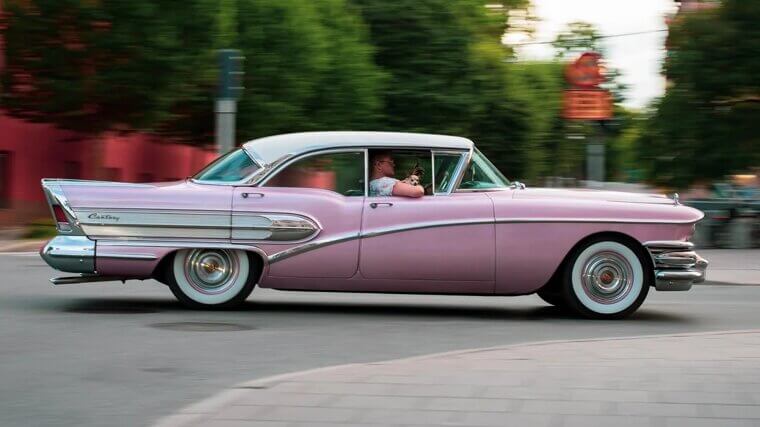
Mechanical Simplicity
Older cars may not have been as intricately-built as modern cars, but they were refreshingly honest machines. What you saw was what you got: an engine, a transmission system, and basic mechanics that did their jobs perfectly. They didn’t have complicated electronics that made decisions for you, allowing drivers to really bond with their cars.
All of the inputs went straight to the physical components, and you could really feel the car’s response to every motion. When something broke, it was obvious why, and it could be fairly easily rectified. Old cars talked, and owners understood them.
All of the inputs went straight to the physical components, and you could really feel the car’s response to every motion. When something broke, it was obvious why, and it could be fairly easily rectified. Old cars talked, and owners understood them.
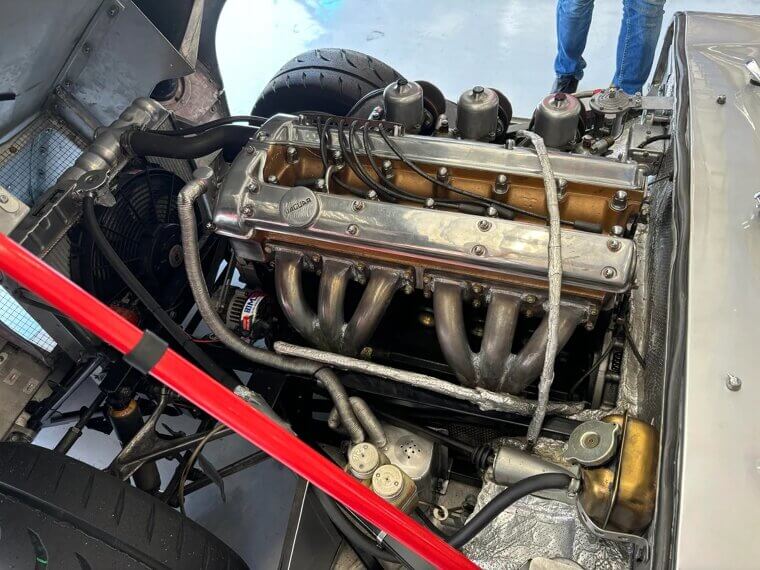
Responsive Engines
You don’t even need to see an old car to identify its roaring engine! Older engines responded instantly because there was nothing between your foot and the throttle plate. Each pump of the gas pedal sent rumbles through the car, with carburetors and fuel injections delivered raw power that brought the vehicle to life.
Modern engines may be more efficient in several ways, but you can’t beat old cars when it comes to response. Even the most modest engines felt engaging because you could directly control airflow and fuel, turning simple daily drives into fun performances.
Modern engines may be more efficient in several ways, but you can’t beat old cars when it comes to response. Even the most modest engines felt engaging because you could directly control airflow and fuel, turning simple daily drives into fun performances.
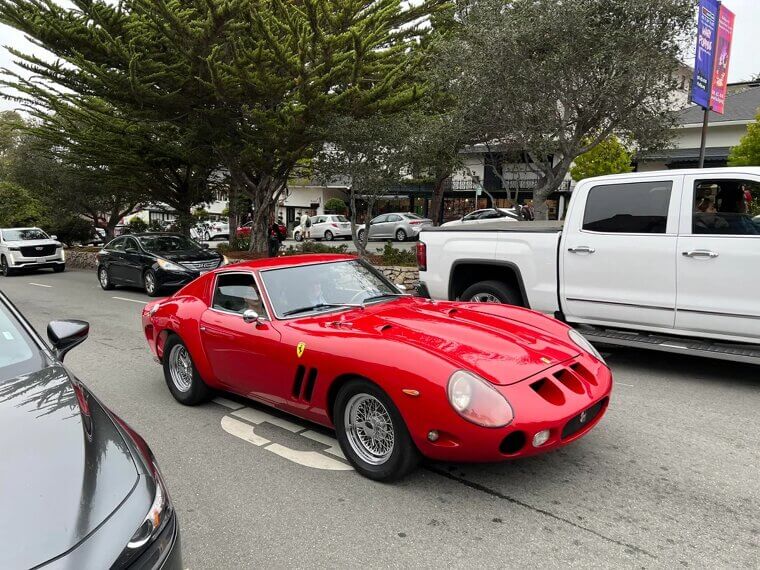
Durable Builds
Older cars are sometimes kept as collectibles now, but they were built to be used, repaired, and run as far as they’d go. Heavy-duty bodywork, overbuilt components, and conservative engineering meant they could handle themselves on the road and remain reliable for a long time. They weren’t built to go out of fashion and be replaced by the latest new machine.
Today’s cars are impressive, but fragile in different ways, especially electronically. All old cars needed to worry about was maintaining their builds and engines. Scratches and dents were well-earned war wounds that signified durability.
Today’s cars are impressive, but fragile in different ways, especially electronically. All old cars needed to worry about was maintaining their builds and engines. Scratches and dents were well-earned war wounds that signified durability.
Basic Repairs
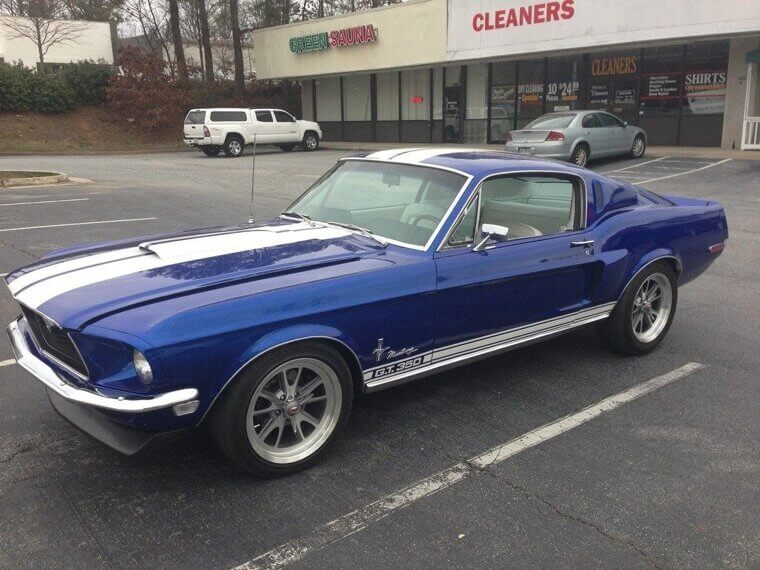
Repair jobs have improved over the years, but fixing current cars often feels like hacking a locked device. Most repairs were straightforward, mechanical, and simple, with parts that could be mended rather than totally replaced. This helped drivers easily trace problems and save money at the same time.
Nowadays, cars have complex parts that are harder to source and have more weaknesses due to their complexity. All you needed to fix most old cars was a weekend, a good mechanic, and patience. Cars felt less disposable because they could be repaired repeatedly, rather than written off at the first sign of trouble.
Nowadays, cars have complex parts that are harder to source and have more weaknesses due to their complexity. All you needed to fix most old cars was a weekend, a good mechanic, and patience. Cars felt less disposable because they could be repaired repeatedly, rather than written off at the first sign of trouble.
Community Support
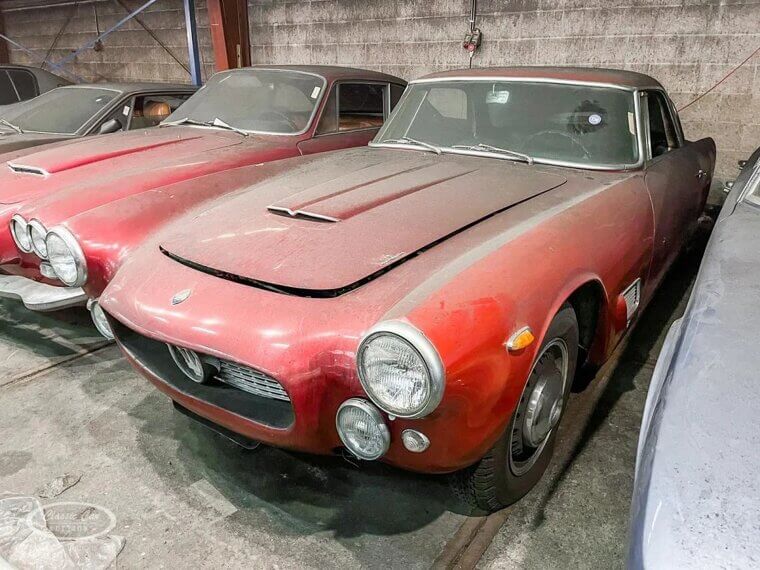
If you collect cars, you’ll know all about network groups that allow drivers to meet up, make connections, and share tips about their cars. Classic Porsches, Jeeps, and Ford Mustangs all have strong communities, and the sense of support is truly special. As old cars have been around longer, knowledge is carried across decades, instead of becoming obsolete every few years.
Forums, clubs, and local meetups exist specifically to keep these cars alive. As the modern automotive industry constantly evolves, old cars continue to benefit from ongoing community support networks that make ownership feel collaborative.
Forums, clubs, and local meetups exist specifically to keep these cars alive. As the modern automotive industry constantly evolves, old cars continue to benefit from ongoing community support networks that make ownership feel collaborative.

Visibility
One of the best things about driving is getting to explore the big wide world. Older cars had thinner windshield pillars, lower dashboards, and larger windows that allowed drivers to see the world around them. You didn’t need cameras or sensors to manoeuvre the vehicle because your eyes were enough.
Modern cars sacrifice visibility in favor of more structured interiors and aggressive styling elements, then compensate with cameras and alerts. In old cars, drivers feel more relaxed and confident, and much of that is because they’re able to see.
Modern cars sacrifice visibility in favor of more structured interiors and aggressive styling elements, then compensate with cameras and alerts. In old cars, drivers feel more relaxed and confident, and much of that is because they’re able to see.
Lower Ownership Costs
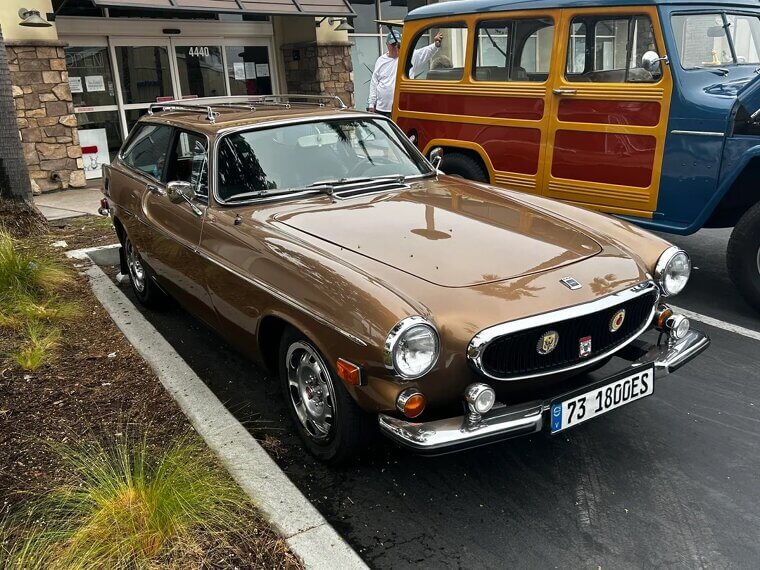
Older cars may need more attention, but the costs involved are usually smaller and more predictable. Parts are cheaper, labor is simpler, and you don’t need to pay repair shops for complicated diagnostics. You also don’t need to pay extra for subscription services, software updates, or expensive accessories.
On the whole, modern cars may be more reliable, but when something fails, it fails badly. Older cars spread costs over longer periods of time instead of hitting you with steep repair bills out of the blue. Ownership costs are more manageable, which makes the entire experience more enjoyable.
On the whole, modern cars may be more reliable, but when something fails, it fails badly. Older cars spread costs over longer periods of time instead of hitting you with steep repair bills out of the blue. Ownership costs are more manageable, which makes the entire experience more enjoyable.
Steering Feel
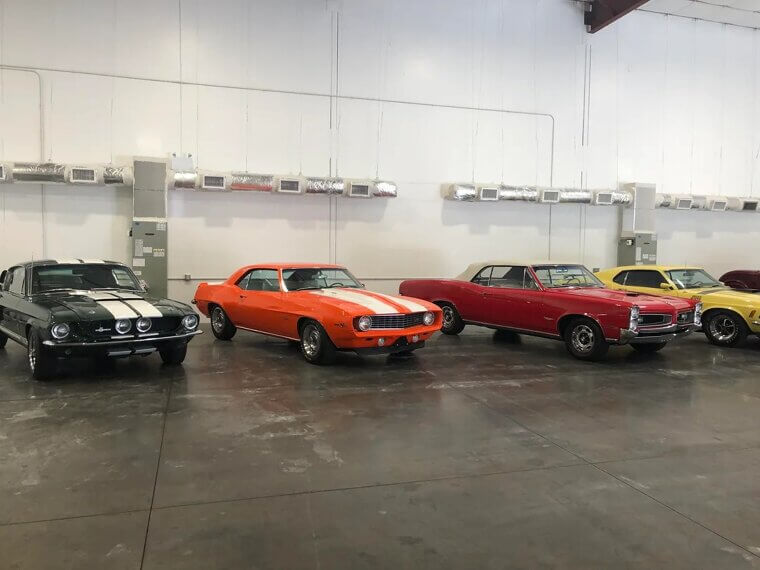
Nowadays, we don’t see steering wheels as anything more than necessary components, but back in the day, they were the mouthpiece of the car. Older vehicles didn’t have electric assist features filtering everything out, so drivers could feel the road surface, tire grip, and weight transfer with their hands. That feedback made driving more engaging.
Modern steering systems are high-tech and precise, but numb by comparison. They’re designed to isolate drivers and make everything smooth and peaceful, rather than connect them with the car’s performance. In old cars, the wheel elevated steering from a background task to an experience.
Modern steering systems are high-tech and precise, but numb by comparison. They’re designed to isolate drivers and make everything smooth and peaceful, rather than connect them with the car’s performance. In old cars, the wheel elevated steering from a background task to an experience.
Tactile Controls
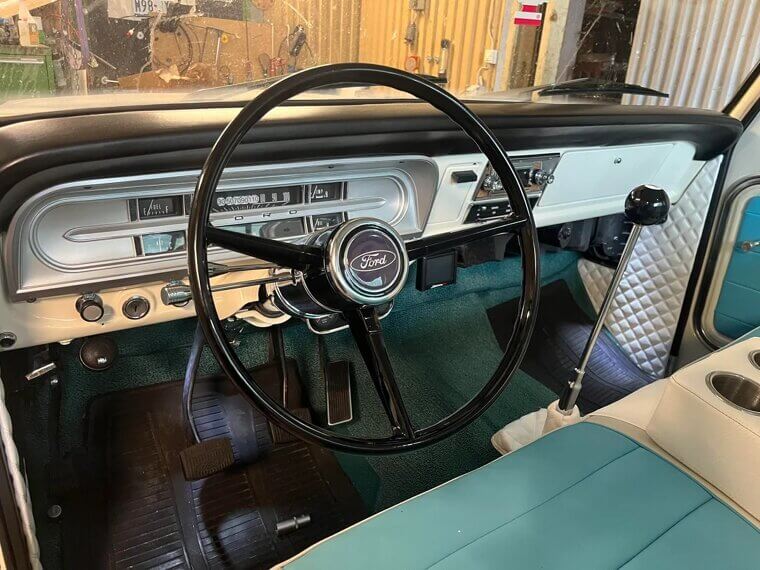
Sleek, modern controls look nice, but do you really want to control a car with an oversized iPad? Buttons, knobs, and switches worked because you could operate them without distracting yourself, and they were designed with human interaction in mind. Now, basic functions are buried inside touchscreen menus, turning simple actions into chores.
The physical control clusters found in older cars provided instant feedback, allowing people to learn their cars by touch. They also lasted longer and didn’t require remote updates or connections to work. This tactile simplicity made driving feel calmer, safer, and more intuitive.
The physical control clusters found in older cars provided instant feedback, allowing people to learn their cars by touch. They also lasted longer and didn’t require remote updates or connections to work. This tactile simplicity made driving feel calmer, safer, and more intuitive.
Privacy
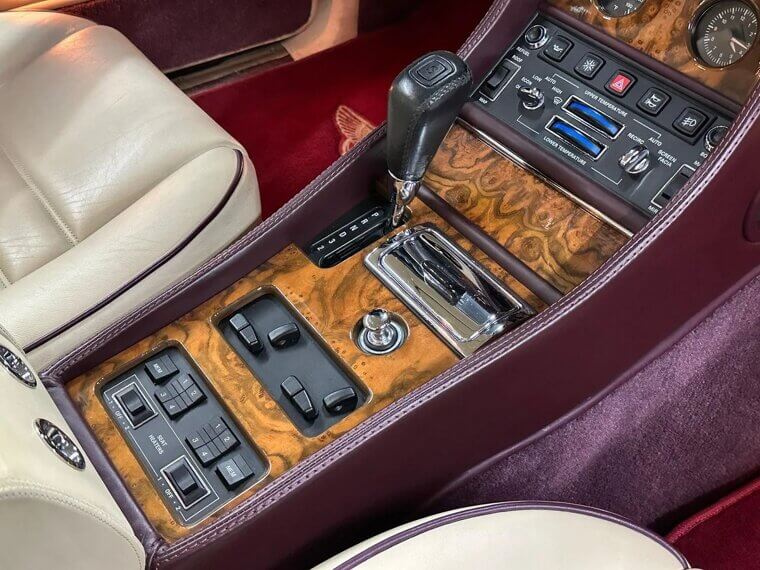
Thanks to modern technology, privacy breaches are everywhere, including inside our cars. Data connections, usage trackers, and communication hardware all record data without your knowledge and often share it with manufacturers or third parties. Older cars, on the other hand, were safe havens that you could be sure weren’t spying on you.
That’s because they were designed like vehicles, not devices, and didn’t need any complicated surveillance features to run properly. There were no terms of service to accept, just four wheels and a roaring engine ready to hit the road.
That’s because they were designed like vehicles, not devices, and didn’t need any complicated surveillance features to run properly. There were no terms of service to accept, just four wheels and a roaring engine ready to hit the road.
Easier Part Replacements
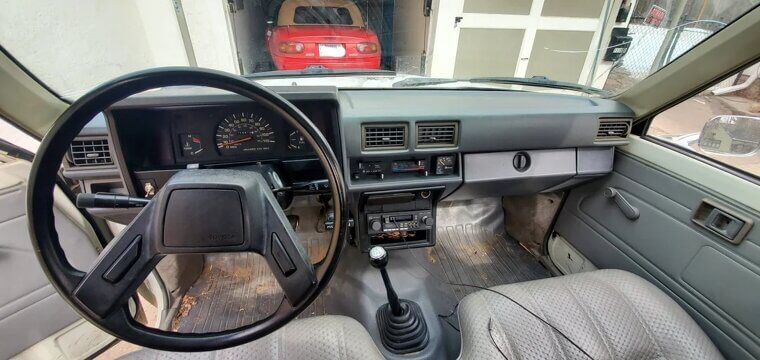
Repairs may be preferable, but replacing parts in older cars is usually more straightforward and standardized, even decades after they first hit the market. Automotive components were designed to be removed and replaced individually, not integrated into massive, complicated assemblies. Today, something as small as a broken sensor may require a tricky replacement.
Older manufacturers understood that parts would wear out over time, so they designed them to be as accessible and methodical as possible. Repairs were quicker and less intimidating, keeping cars on the road for longer.
Older manufacturers understood that parts would wear out over time, so they designed them to be as accessible and methodical as possible. Repairs were quicker and less intimidating, keeping cars on the road for longer.
Interior Character
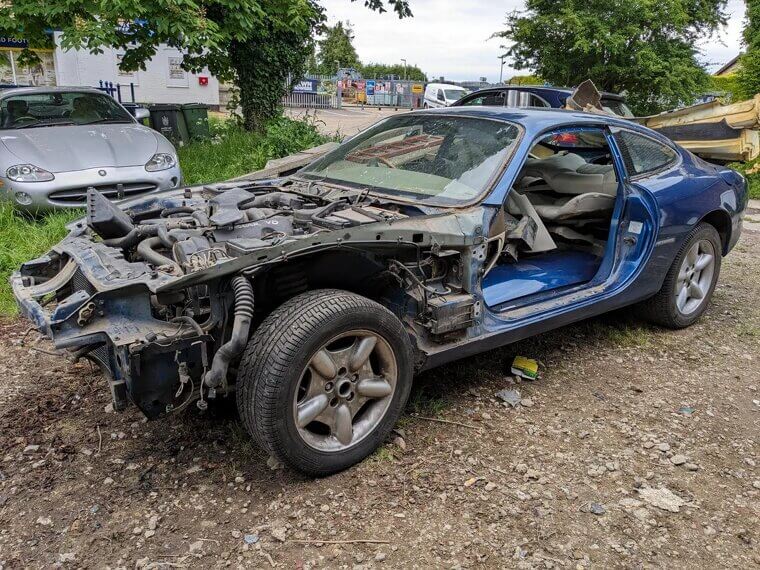
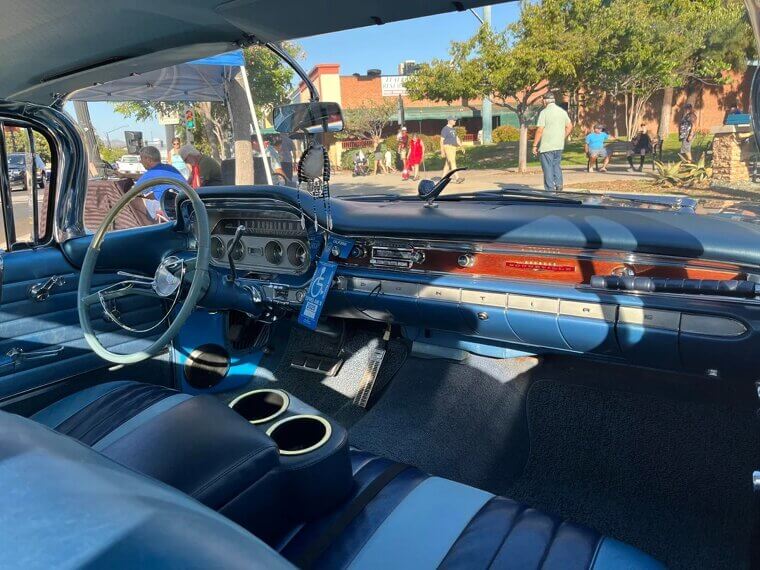
If there’s one thing old cars have in spades, it’s character. But many people forget that their interiors were just as gorgeous as their bodywork, with materials, layouts, and designs that reflected the car’s era and brand identity at that time. You didn’t need to see a badge to know that you were inside a Cadillac, a Ford, or a Chevy.
Modern interiors tend to prioritize minimalism to achieve a tidier look, but the messier old look feels more expressive. Even dodgy design choices had their own retro charm. They weren’t designed with aging in mind, but many maintain their classic character today.
Modern interiors tend to prioritize minimalism to achieve a tidier look, but the messier old look feels more expressive. Even dodgy design choices had their own retro charm. They weren’t designed with aging in mind, but many maintain their classic character today.
DIY Possibilities
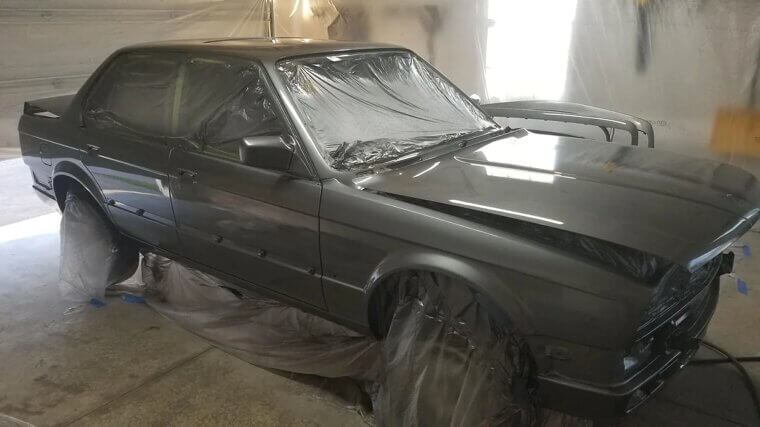
New cars often look too “perfect”, and while that may be what some drivers want, others would prefer greater flexibility. Older cars invited you to get your hands dirty and put your own mark on them. Drivers could learn as they went, make mistakes, and create their own unique vehicles. DIY was actively encouraged.
This hands-on approach to owning vehicles empowered drivers and taught people more about maintenance than modern cars do. Now, cars are things to be owned or collected, rather than invested in and properly used, and much of that is down to diminished DIY.
This hands-on approach to owning vehicles empowered drivers and taught people more about maintenance than modern cars do. Now, cars are things to be owned or collected, rather than invested in and properly used, and much of that is down to diminished DIY.
Value Retention
One thing that collectors truly value in their cars is just that: their value. Many modern cars also hold their value well, but there are several factors that make older cars more desirable. There aren’t as many of them around, they have sought-after classic designs, and they’ve gained cultural significance that outweighs their physical states.
Technology plays a huge role in the depreciation of modern cars because it ages fast, but old cars don’t have that problem. They rely on their reputations and decades of maintenance, with emotional durability that maintains prices to this day.
Technology plays a huge role in the depreciation of modern cars because it ages fast, but old cars don’t have that problem. They rely on their reputations and decades of maintenance, with emotional durability that maintains prices to this day.