Jeep
Jeep’s problem in 2026 isn’t strength or capability rather it’s consistency. Many recent models develop recurring electrical issues, unpredictable transmissions, and interior wear long before they should. Owners often describe frozen infotainment screens, random warning lights, and small faults that never fully go away. These aren’t isolated failures; they stack up over time. Some Jeep engines hold up well, which only highlights how often the supporting systems let them down. If you are buying a used model in 2026, many Jeeps sit right in the danger zone where these issues start appearing and repair visits become routine.
Volkswagen
Volkswagens tend to feel solid at first touch, which is why problems often catch buyers off guard later. One of the most frequent owner complaints involves infotainment systems, particularly in recent model years. Screens freeze, lag, reboot, or lose connectivity without warning, sometimes repeatedly. These issues rarely appear during short test drives but surface with daily use. As mileage climbs, electrical glitches and sensor warnings become more common. Maintenance tolerance is low, and skipped service tends to show quickly. Repairs are rarely cheap, and small faults don’t stay isolated for long. Volkswagen ownership rewards disciplined care. Buyers expecting a relaxed, low-effort experience often learn that complexity always sends a bill.

Cadillac
Cadillac is risky buy in 2026 because too many recent models age poorly once the warranty ends. Owners consistently report infotainment failures, malfunctioning driver-assist systems, and sensor warnings that appear without a clear fix. These problems aren’t catastrophic, but they are persistent and expensive to chase down. Cadillac’s rapid rollout of new tech means early versions often feel half-baked by year three or four. Repairs involving control modules add up fast. If you are thinking about grabbing a used Cadillac this year, just be careful. Many of them are hitting that age where their common problems start cropping up and they are still new enough that fixing them is going to cost you an arm and a leg.
Nissan
Nissan’s reliability story is uneven, which is exactly why buyers get burned. It’s that the gap between the good years and the bad ones is uncomfortably wide. Some models run quietly for years, while others develop drivability issues that creep in slowly and refuse to leave. Owners often describe hesitation, shuddering, or odd responses at low speeds that worsen over time instead of stabilizing. These issues rarely show up during a quick test drive. Nissan’s pricing makes it tempting to skip deep research, but that’s where buyers get caught. Without exact year checks and solid service history, reliability becomes a coin toss rather than a calculation.
Mitsubishi
Mitsubishi looks like a smart choice at first glance. The price is friendly, and the warranty sounds comforting. Then time passes. Interior plastics start looking tired, road noise creeps in, and the drivetrain never quite feels confident. Nothing usually breaks in a dramatic way, which is almost worse. Small annoyances just stack up. By the time resale value enters the conversation, the story is already written. Mitsubishi works fine for short-term, low-stress use. In 2026, if you want a car that still feels solid years later, this brand rarely delivers the landing.

Mercedes-Benz
Sometimes it only takes one small sensor acting up to turn a Mercedes dashboard into a Christmas tree. The underlying issue may be small, but tracking it down rarely is. Diagnostics can stretch on, and what begins as a minor warning often grows into a repair bill that feels out of proportion. That’s usually when owners start testing their patience. On the road, Mercedes delivers exactly what people expect: smooth power, quiet cabins, and refined handling. The catch is commitment. These cars respond poorly to skipped services or delayed fixes. Once warranty coverage ends, ownership costs rise quickly, and casual maintenance habits tend to get punished. Mercedes rewards discipline, but it does not tolerate neglect.
Audi
Audi does a great job pulling people in with sharp handling and interiors that feel a step above the ordinary. The trouble usually shows up later. As these cars age, owners often deal with electrical oddities, sensitive sensors, and drivetrain components that don’t tolerate neglect well. Audi vehicles tend to be less forgiving if maintenance slips even slightly. A skipped service can surface quickly as a warning light that refuses to stay minor. Repairs also lean expensive, thanks to specialized parts and labor. Many buyers underestimate this phase of ownership. The car still drives beautifully, but once warranty coverage fades, Audi ownership becomes a commitment rather than a convenience.

Chrysler
Chrysler’s biggest weakness is unpredictability, and owners tend to discover that slowly. With such a small lineup, one problematic model year can drag down the brand fast. Electrical glitches, touchscreens that freeze at the wrong moment, and uneven build quality show up often enough to wear people down. These aren’t dramatic breakdowns. They are the kind of small problems that keep coming back. Many Chrysler vehicles feel fine early on, then develop little annoyances that chip away at confidence. That’s usually when frustration sets in. Choosing a car isn't just about the badge! The specific year, trim level, and how well the previous owner looked after it make all the difference. Get it wrong, and owning a car can feel less like a safe bet and more like crossing your fingers every time you turn the key.
Mini
The main concern with Mini in 2026 isn’t its charm but its aging complexity. Many recent Minis rely on turbocharged engines and tightly packed components that make even routine repairs expensive. Owner reports consistently point to early suspension wear, oil leaks, and electrical faults showing up as mileage climbs. Parts and labor costs stay high because access is difficult and components are shared with BMW. Minis don’t collapse overnight, but they demand frequent attention. In 2026, that combination of repair frequency and premium service pricing makes ownership risky for anyone expecting low-stress reliability.
GMC
When it comes to buying a GMC in 2026, you are rolling the dice. The problem is that the newer models rely too heavily on complex transmissions and the software that controls the engine. They just haven't held up well over time. Many of the trucks and SUVs from the last few years start getting clunky. Once they have some miles on them, brace yourself for rough shifting, hesitation, and just general weird behavior, especially if you spend a lot of time in traffic. This isn't stuff you would notice on a quick test drive; it's the kind of problem that pops up later when your warranty is almost useless. Seriously, buying a recently used GMC right now means you are likely inheriting headaches that are only just beginning to appear.
Tesla
Tesla’s reliability issues have less to do with the battery or motors and more to do with how the rest of the car is put together. Owners commonly report uneven build quality, premature suspension wear, door handle failures, and sensor-related glitches. When a physical component decides to take an unplanned holiday, getting it fixed is highly dependent on where you can get service and if the necessary parts are in stock. Even minor problems can mean long waits. Owning a Tesla feels smooth when everything is functioning correctly. When it's not, you will need a lot of patience. The car's performance is thrilling, but its dependability often relies more on where you live and the quality of local service available.
Rivian
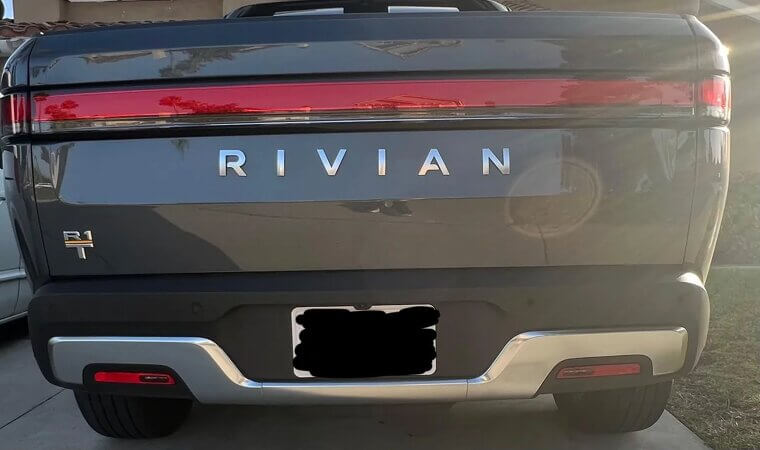
Rivian is clearly still getting its act together, and early owners are essentially along for the bumpy ride. The initial quality reports highlight frustrating software glitches, body panels that don't quite line up, and interior finishes that just feel a little underwhelming for the price. While updates do arrive to fix things, the annoyances usually pop up long before the patch does. Waiting for parts is common, and finding a trained mechanic isn't always easy. None of this means Rivian is a lost cause, but it definitely makes owning one a gamble right now. It might be smarter to lease or simply hold off for a few years. Buying it in 2026 means you have to be ready to embrace its growing pains with a heavy dose of patience.
Land Rover
Land Rover is a risky buy in 2026 because its aging platforms and tech-heavy systems are colliding with rising repair costs and tighter parts availability. Many models on the used market are now past warranty, right when air suspension failures, electrical faults, and drivetrain issues tend to appear. These problems are expensive to diagnose and slow to fix, especially as labor rates climb. Deferred maintenance is common and costly. In today’s repair environment, even minor issues can sideline the vehicle for weeks. In 2026, ownership demands patience, money, and very low expectations for downtime.

Alfa Romeo
When an Alfa Romeo rolls by, it instantly grabs your eye, and you will likely grin the whole time you are driving one. But let's be real: dependability has never been their strongest point. The repair records still flag those nagging electrical glitches, sensor headaches, and a build quality that can just feel hit-or-miss over time. Finding parts and a mechanic who truly knows these cars also gets tough fast once you leave the big cities. These machines demand respect. Skip a tune-up or put off a necessary fix, and they won't hesitate to let you know about it. Sure, the newer models have smoothed out the worst of the old legends, but the gamble remains. Owning an Alfa really shines for enthusiasts who are happy to stay hands-on and ready for anything. For the average, casual driver, though, the shine tends to fade quickly.

Fiat
Fiat’s biggest problem in 2026 is long-term ownership viability. Many recent models rely on aging platforms and electronics that have seen few meaningful updates. As these vehicles move further from factory support, routine repairs become slower and more expensive. Parts availability is inconsistent, and even simple fixes can turn into waiting games. Build durability also lags behind competitors, which compounds frustration over time. What starts as a budget-friendly purchase often becomes inconvenient to live with. In 2026, Fiat feels less like reliable transportation and more like a car you have to work around rather than depend on.