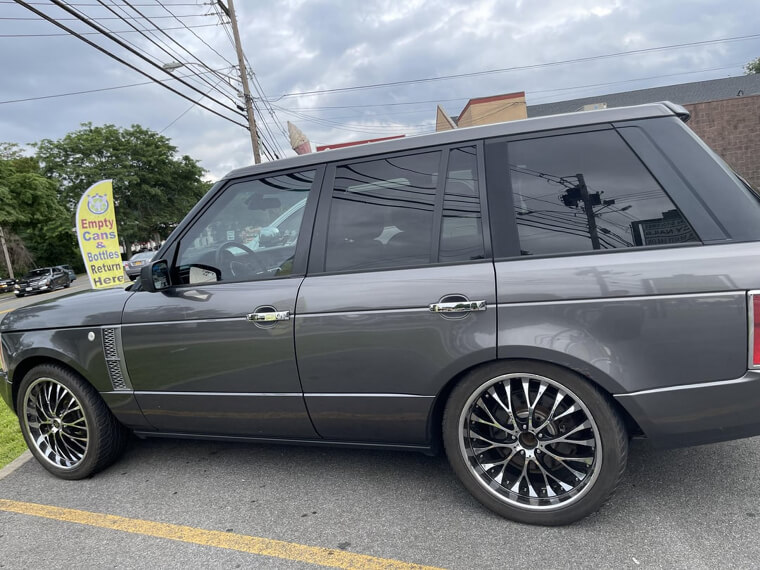
Range Rover L322 (2002–2012)
Few cars combine prestige and financial peril as elegantly as the L322 Range Rover - it combines supreme comfort and commanding road presence with an almost poetic relationship with warning lights. Air suspension failures, electrical faults and drivetrain gremlins mean second owners quickly learn the difference between purchase price and ownership cost. When it works, it’s sublime; when it doesn’t, it behaves like a very polite bankruptcy filing. The terrain response system excels at navigating everything except long-term reliability. Repairs arrive often and savings disappear faster than expected.
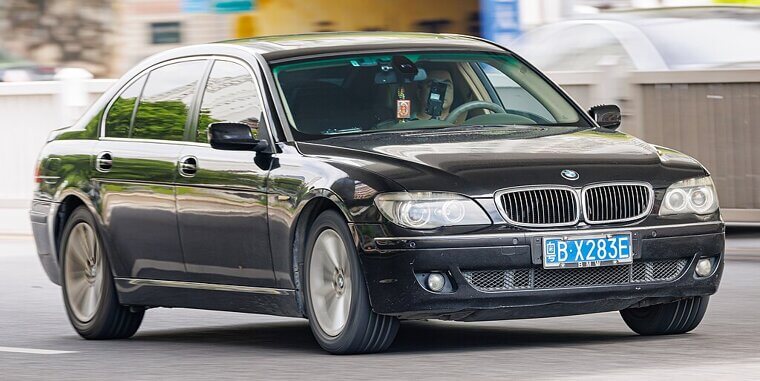
BMW 7 Series (E65/E66) (2001–2008)
The E65 7 Series is what happens when BMW decided buttons were optional and software bugs were a lifestyle choice. As a second owner, you inherit a luxury flagship whose depreciation curve resembles a ski jump. Air suspension, iDrive gremlins, and electrical issues lurk beneath the leather like unpaid bar tabs. It’s magnificent when it works, and financially ruinous when it doesn’t (which is often) leaving you with a pain in the wallet.
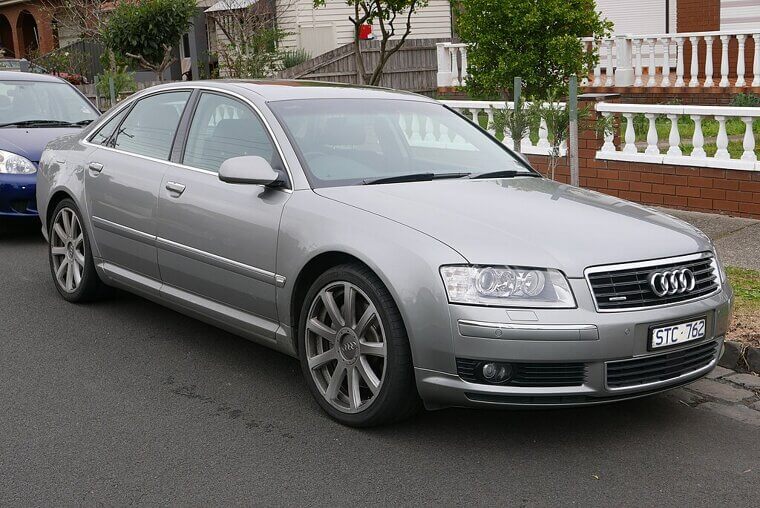
Audi A8 (D3) (2002–2009)
Audi’s D3 A8 seduces second owners with aluminum spaceframe brilliance and quiet, vault-like refinement… until maintenance begins. Quattro complexity, adaptive air suspension, and electronics that age badly turn ownership into a recurring expense subscription. Parts prices assume you’re still on the first-owner salary, and labor often involves removing half the car to reach anything important. It’s not unreliable so much as relentlessly expensive, which is arguably worse when the purchase price was “a bargain.”
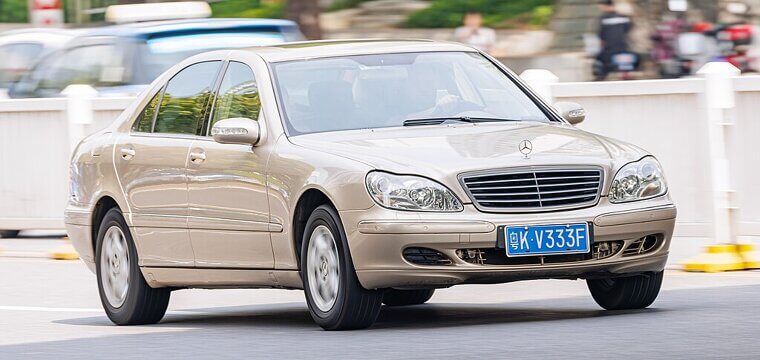
Mercedes-Benz S-Class (W220) (1998–2005)
The W220 S-Class delivers world-class comfort, elegance, and the creeping realization that you are now financing Stuttgart’s retirement fund. AirMatic suspension failures, fragile electronics, and build-quality compromises make this generation infamous among second owners. When new it was a technological marvel; when used, it’s a rolling reminder that innovation ages poorly without warranty coverage. Every warning light feels personal - like the car is disappointed you thought you could afford it forever.
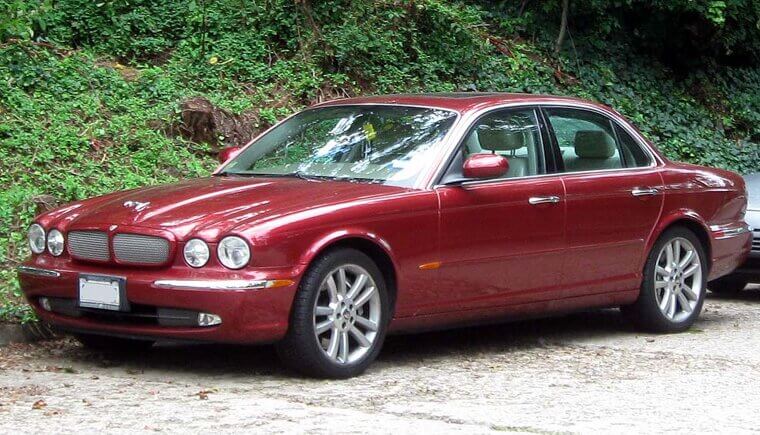
Jaguar XJ (X350/X358) (2003–2009)
The aluminum-bodied XJ is lighter, quicker and more modern than its reputation suggests - which is precisely how it lures you in! Beneath the British charm lies air suspension woes, finicky electronics, and maintenance costs that ignore the car’s current market value entirely. It’s not unreliable in a dramatic sense; it’s unreliable in a quiet, dignified way, so you don’t break down so much as slowly hemorrhage money while enjoying walnut trim and denial.
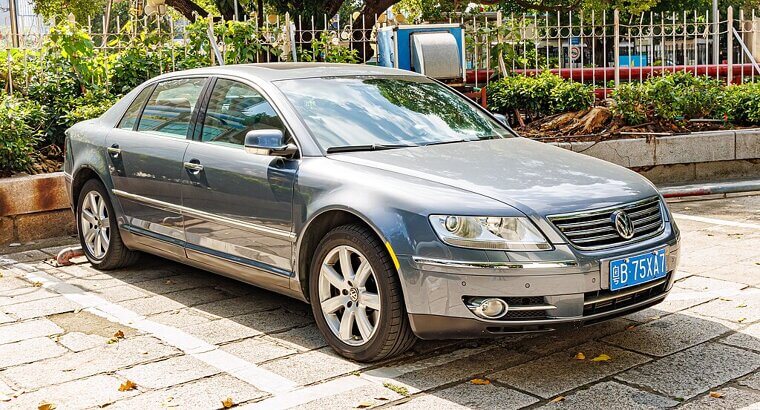
Volkswagen Phaeton (2002–2016)
The Phaeton is the automotive equivalent of a stealth wealth trap. It looks like a Passat but carries Bentley-adjacent engineering and repair bills to match. Multiple climate zones, adaptive suspension and overbuilt systems create a maintenance nightmare once warranties vanish. Second owners discover that “hand-built luxury” means specialists, rare parts and invoices that make the purchase price feel like a clerical error. It’s brilliantly engineered, impressively comfortable… and utterly indifferent to your bank balance.
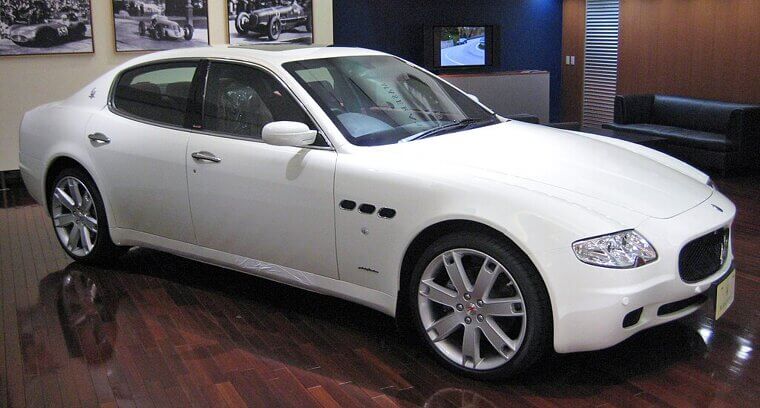
Maserati Quattroporte (V) (2003–2012)
The fifth-generation Quattroporte offers Italian glamour, a Ferrari-derived engine and the kind of depreciation that makes used buyers feel clever. That feeling passes quickly; the DuoSelect transmission behaves like it resents being in traffic and electrical gremlins arrive unannounced while routine servicing carries supercar-adjacent pricing. It’s not so much unreliable as temperamental. Owning one is a romance fueled by sound and sustained by irrational hope (and your decreasing bank balance).
Porsche Cayenne (955/957) (2003–2010)
Early Cayennes tempt second owners with Porsche badges at family-sedan prices, which should immediately trigger suspicion. Complex drivetrains, cooling system failures, suspension issues and V8 maintenance costs ensure that ownership never feels “SUV normal.” Parts prices remain resolutely Porsche even when resale values do not. It’s a vehicle that drives wonderfully and drains quietly, converting perceived savings into shop visits. You don’t buy a cheap Cayenne; you simply prepay less of the suffering.
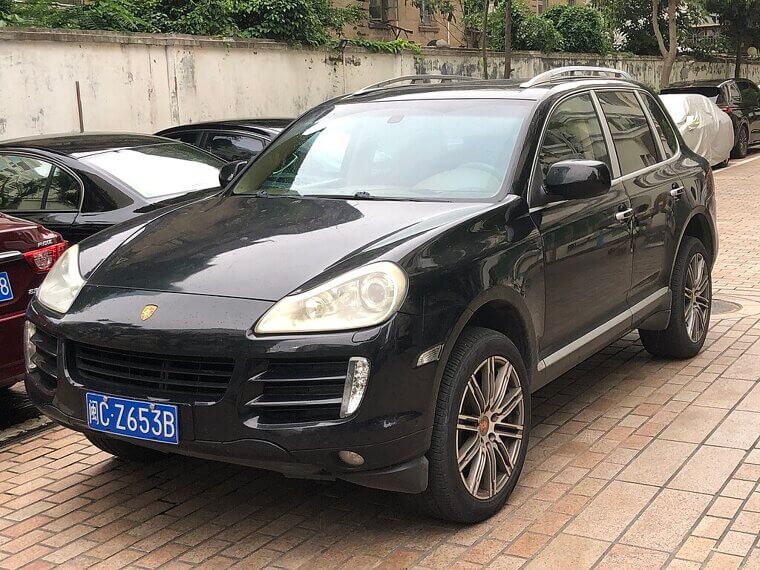
BMW X5 (E70) (2007–2013)
The E70 X5 feels like a sensible luxury SUV… until you realize it’s just a 7 Series in cosplay. Turbo issues, electronic failures and suspension wear turn second ownership into a steady drip-feed of expenses. Diesel models bring their own collection of emissions-related nightmares, while V8s enjoy consuming both fuel and wallets. It drives beautifully, which almost makes you forgive it - right up until the next repair estimate arrives with unsettling menace.
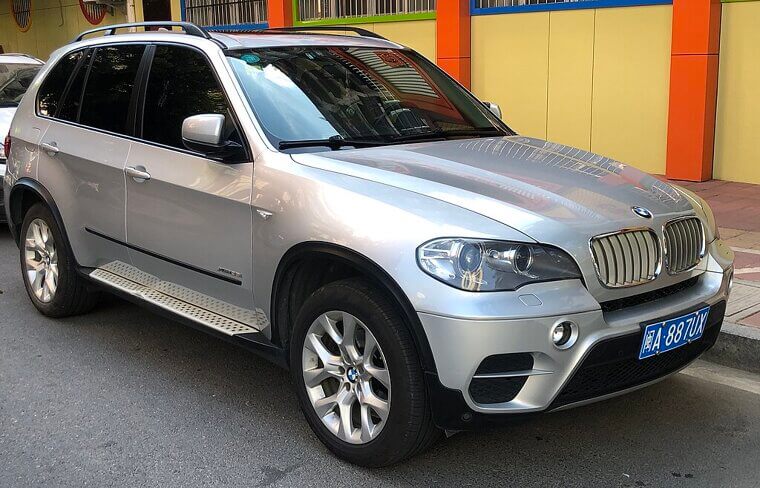
Audi Q7 (4L) (2005–2015)
The first-generation Q7 offers size, presence and technology that was impressive in its day and punishing afterward. Heavy weight accelerates suspension and brake wear, while complex electronics and drivetrain components age expensively. Second owners find that “premium SUV” also means premium labor times and parts pricing. It’s not dramatically unreliable, it simply demands constant investment to remain civil. Think of it as a luxury apartment with a very aggressive maintenance association.
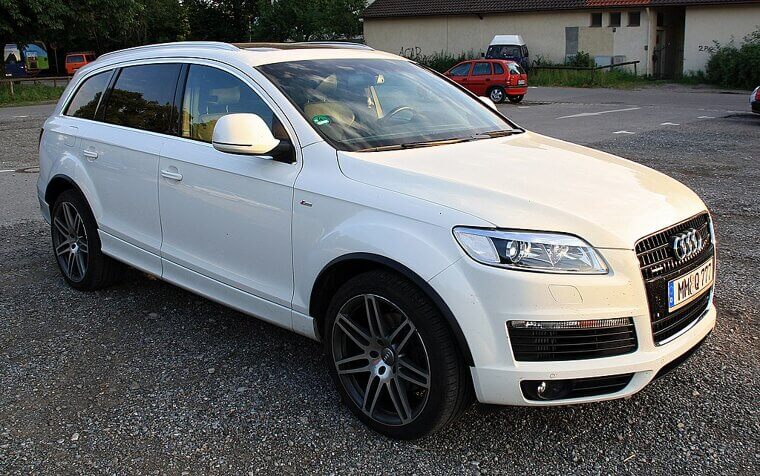
Alfa Romeo 159 (2005–2011)
The Alfa 159 is heartbreak wrapped in sharp tailoring. It looks sensational, drives with genuine character and convinces second owners they’re smarter than internet warnings until reality checks in. Its heavy curb weight strains suspension and brakes, electrical quirks appear with operatic timing and parts availability can feel more “pen pal” than “retail.” Maintenance costs rarely match the car’s modest used value, creating a slow-burn financial trap.
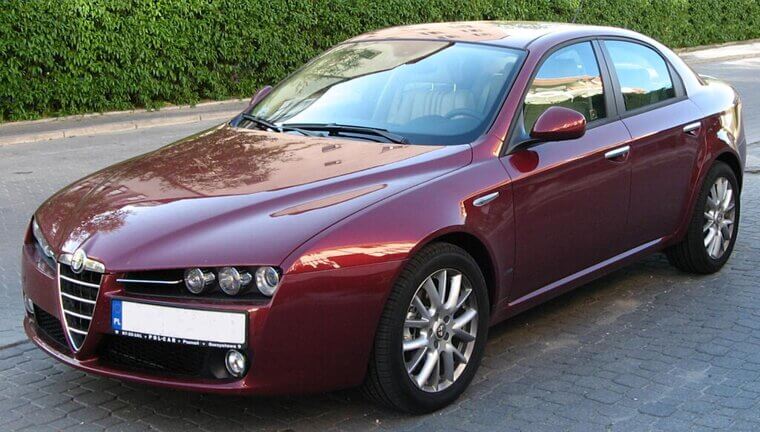
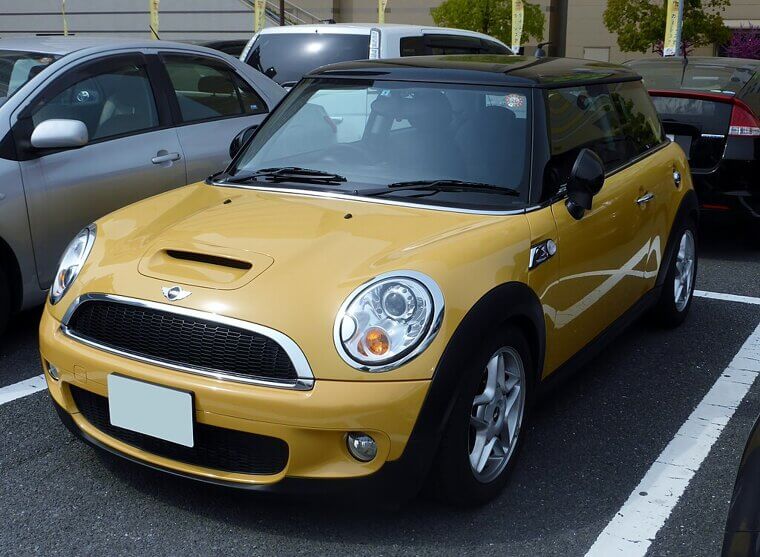
Mini Cooper S (R56) (2006–2013)
The R56 Mini Cooper S promises go-kart fun in a compact, fashionable package. Second owners, however, inherit its timing chain issues, high-pressure fuel pump failures and turbo problems that arrive like uninvited houseguests. Repairs are frequent, fiddly, and surprisingly expensive for something so small. It’s joyful to drive and deeply irritating to maintain - a combination that keeps owners emotionally invested while their savings quietly exit stage left. Small car, big commitment, tiny mercy!
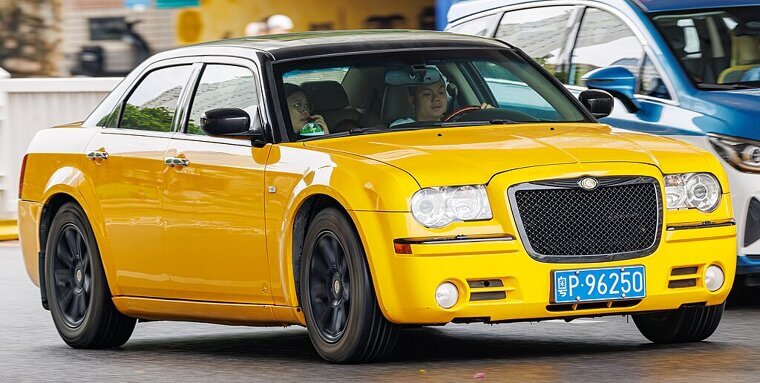
Chrysler 300C (2005–2010)
The 300C offers bold styling, a big presence and used prices that feel suspiciously generous. That generosity exists for a reason; build quality inconsistencies, electrical faults and aging interiors turn second ownership into a game of diminishing returns. HEMI models add thrilling performance with equally thrilling fuel and maintenance costs. It looks like a luxury sedan and drives like a muscle car that learned table manners, but it ages like neither particularly well.
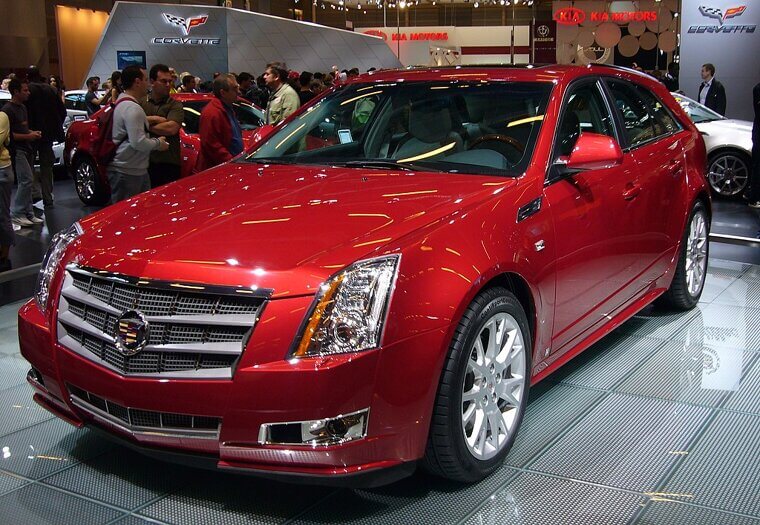
Cadillac CTS (First Generation) (2002–2007)
Early CTS models aimed to take on Europe and succeeded mainly in creating unique problems. Interior materials age poorly while electrical gremlins creep in and drivetrain issues become more common as mileage climbs. Second owners find themselves chasing fixes that never quite stick, all while resale values remain stubbornly low. It’s enjoyable to drive and refreshingly different, but ownership can feel like maintaining a concept car that accidentally went into production.
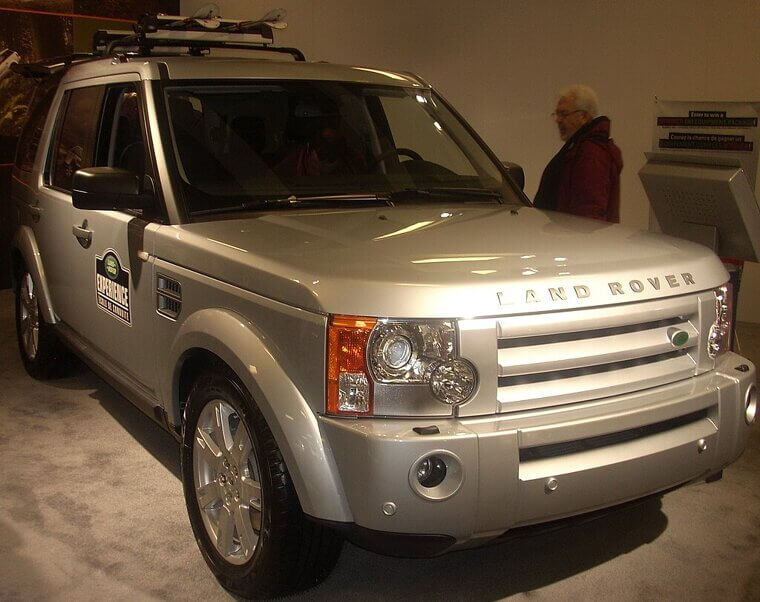
Land Rover Discovery 3 (LR3) (2004–2009)
The astonishingly capable off-road Discovery 3 is alarmingly fragile everywhere else. Air suspension failures, electronic issues and drivetrain woes transform second ownership into a trust exercise (mostly testing how much trust you place in your mechanic). Maintenance costs remain lofty regardless of depreciation while small problems rarely stay small. It’s a brilliant adventure vehicle that seems offended by routine commuting, preferring instead to break dramatically - and expensively - preferably without warning.
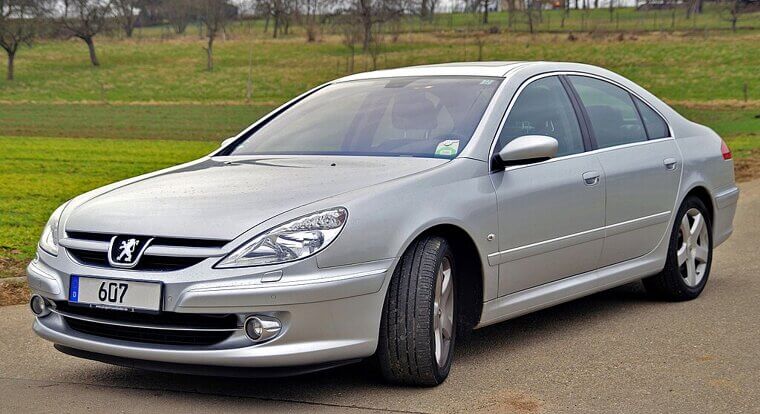
Peugeot 607 (2000–2010)
The Peugeot 607 feels like a sophisticated executive sedan until you realize it’s quietly plotting against you. Its electrical systems behave with French artistic freedom and suspension components wear enthusiastically while diagnostics can resemble interpretive dance. Second owners are drawn in by low prices and understated comfort, then stay because selling it feels impolite. Parts availability and specialist labor ensure even minor fixes feel oddly ceremonial. It’s deeply committed to depreciating hard.
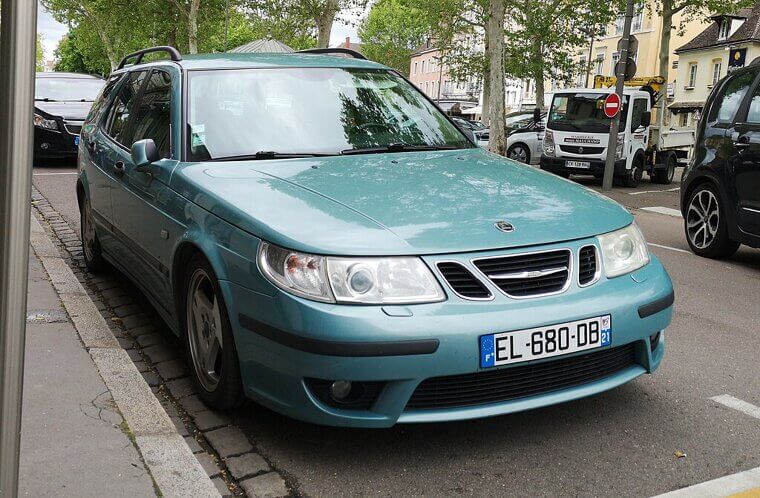
Saab 9-5 (First Generation) (1997–2009)
The Saab 9-5 attracts thoughtful buyers who value safety, turbo torque and individuality. Unfortunately, second ownership also includes sludge-prone engines, failing electronics and the existential dread of owning a brand that no longer exists. Repairs become more frequent as mileage climbs, while parts sourcing ranges from “manageable” to “international scavenger hunt.” It’s a clever, charismatic car that rewards loyalty with personality… and punishes with maintenance costs that slowly erode the romance.
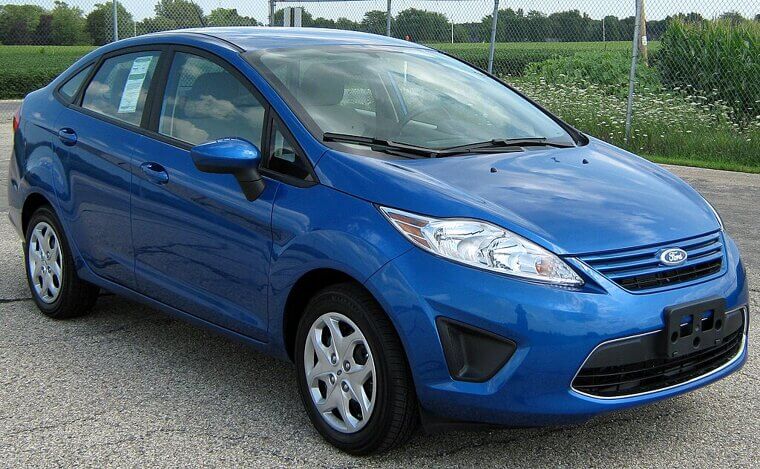
Ford Powershift-Equipped Models (Fiesta/Focus) (2011–2016)
On paper, these cars look like sensible, economical choices. In practice, the Powershift dual-clutch transmission turns second ownership into a masterclass in frustration. Shuddering, hesitation, repeated software updates and premature failures are common - often recurring even after repair! Warranty coverage rarely extends far enough to help used buyers. The cars themselves are fine; the gearbox is not. It’s a financial trap disguised as responsible transportation, quietly draining time, patience, and resale value.
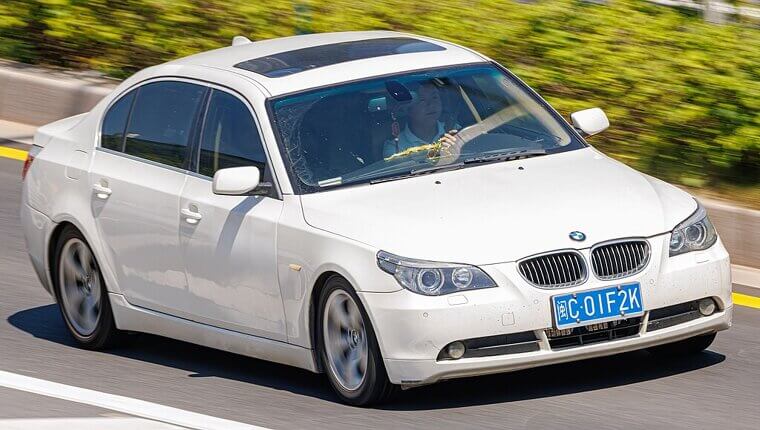
BMW 5 Series (E60/E61) (2003–2010)
The E60 5 Series blends sharp handling, luxury, and technology that was ambitious to a fault. Second owners inherit complex electronics, suspension wear and engine-specific issues that vary from “manageable” to “why is the subframe involved?” Maintenance costs remain resolutely premium despite plummeting values, and since it drives beautifully, that’s part of the problem - you keep fixing it because you remember how good it feels! Rational decisions slowly lose ground to muscle memory.
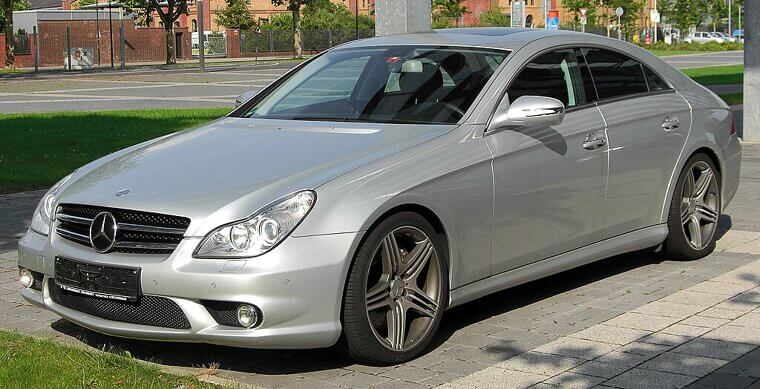
Mercedes-Benz CLS (C219) (2004–2010)
The first CLS pioneered the four-door coupe and still looks elegant today, which is how it gets you. Underneath the style live air suspension issues, aging electronics and drivetrain problems that become increasingly confident with age that plague second owners. That sleek design does not reduce repair complexity or cost, so although it’s glamorous and comfortable, it’s quietly expensive to keep that way. The CLS doesn’t fail dramatically; it invoices you into submission, one elegant repair at a time.