
Phase 1: The "Paper Trail" Detective Work
The VIN History Deep Dive: Why a Digital Paper Trail Is Your Best Shield
Imagine the car has a diary, but the owner ripped out the pages. The Vehicle Identification Number (VIN) is your way of reading what was deleted. By running a report, you are looking for the "ghosts" of the past: structural damage from a 2018 pile-up or a title that was branded "Salvage" in another state. If the digital history shows a gap of three years with no registrations, the car likely sat rotting.
Or it was involved in a major, off-the-books repair. Never let a clean wax job distract you from a dirty digital history.
The Service Record Treasure Map: Why a Folder of Receipts Is Worth a Fortune
When a seller hands you a thick, organized folder of receipts, they aren't just giving you paper; they are giving you peace of mind. These records tell the story of a well-loved machine. You want to see "the basics" performed religiously—oil changes every 5,000 miles and transmission flushes at 60,000. If the folder is empty, the car’s internal components have likely been fighting friction for years.
A car with documented maintenance is almost always a better buy than a lower-mileage car that has been neglected and ignored since its first lease ended.
The "Cold Start" Request: Why You Should Always Arrive Early to Listen to the Engine
There is a specific kind of "mechanical honesty" that only happens at 7:00 AM on a cold morning. Metal expands as it heats up, meaning a warm engine can easily hide a piston slap, a rattling timing chain, or a puff of blue smoke from worn valve seals. By insisting the car is "ice cold" when you arrive, you are forcing the engine to reveal its deepest secrets.
If the seller "accidentally" warmed it up before you got there, they might be trying to mask a noise that would otherwise warn you to walk away immediately.
The Title "Red Pen" Check: Why You Must Verify the Seller's True Identity
Meeting a seller in a grocery store parking lot feels convenient until you realize the name on the title doesn't match their ID. This is called "title jumping," and it’s a massive red flag. It means the seller is a middleman who never registered the car to avoid taxes or to hide the fact that they are a "curb-stoner" flipping junk cars. If you buy a jumped title, you may find it impossible to register the car in your name.
And that leaves you with a multi-thousand-dollar lawn ornament you can’t legally drive. Now that's like throwing your money in the trash.
The Recall Audit: Why You Should Check for "Ghost" Safety Issues
Manufacturers frequently discover life-threatening flaws—like exploding airbags or fire-prone wiring—long after the car leaves the showroom. While these repairs are free, many owners ignore the "Notice of Recall" letters. Before you buy, enter the VIN into the NHTSA database. If the car has five open recalls, it tells a story of an owner who prioritized convenience over safety. Buying a car with outstanding recalls is a gamble with your life.
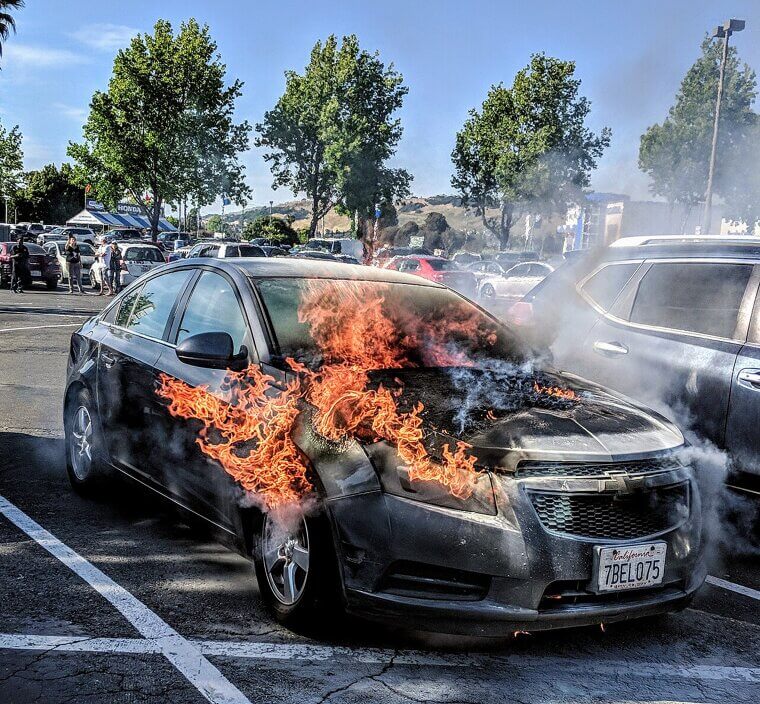
Make sure the previous owner took the time to let the dealership fix these factory-born "monsters" for free.
Phase 2: Under the Hood Secrets
The Fluid Color Code: What the Oil and Coolant Are Trying to Say
The fluids are the "blood" of the car, and their color is a diagnostic health report. Engine oil should be honey-colored or black; if it looks like a frothy chocolate milkshake, coolant is leaking into the oil, usually meaning a blown head gasket. Check the transmission fluid next—it should be bright red. If it’s dark brown and smells like burnt toast, the transmission has been overheated and is likely on its last legs.
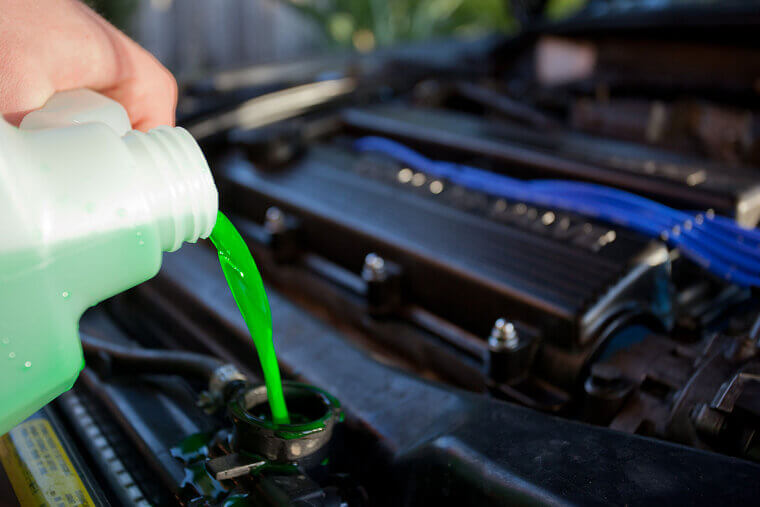
Ignoring the "language" of fluids is the fastest way to buy a car that needs a $4,000 heart transplant.
The "Milky" Oil Cap Test: Why You Should Look for Hidden Sludge
Don't just look at the dipstick; unscrew the oil filler cap and look at the underside. If you see a thick, white, or yellowish "mayonnaise" gunk, it's a sign of a serious internal struggle. This residue forms when moisture mixes with oil. In the best-case scenario, the car was only driven on very short trips and never got hot enough to evaporate condensation. In the worst case, it’s a cracked engine block.
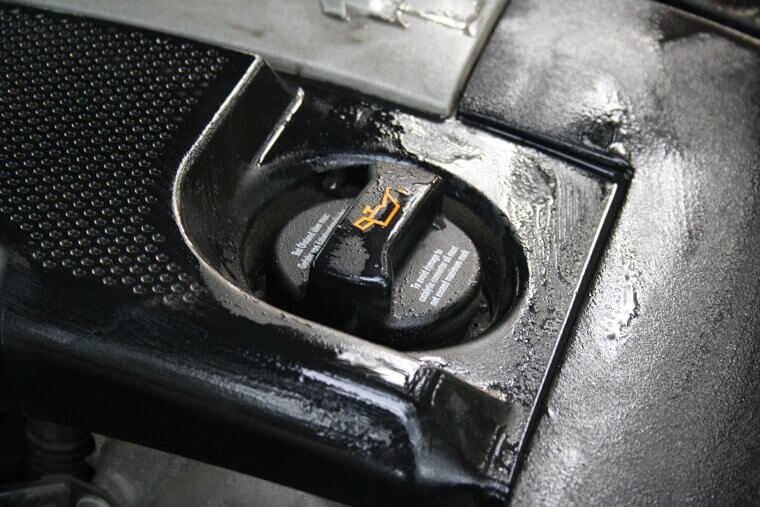
Or it could also be a failing head gasket. Either way, it’s a sign that the engine's internal environment is currently toxic.
The Belt Tension and Cracking Scan: How to Spot an Imminent Breakdown
The serpentine belt is the "linchpin" that keeps your alternator, water pump, and power steering running. Peer closely at the ribbed side of the belt with a flashlight. If you see deep cracks, fraying edges, or a "glazed" shiny appearance, that belt is a ticking time bomb. If it snaps while you’re driving, you lose your steering and your engine will overheat within minutes. Replacing a belt is cheap.
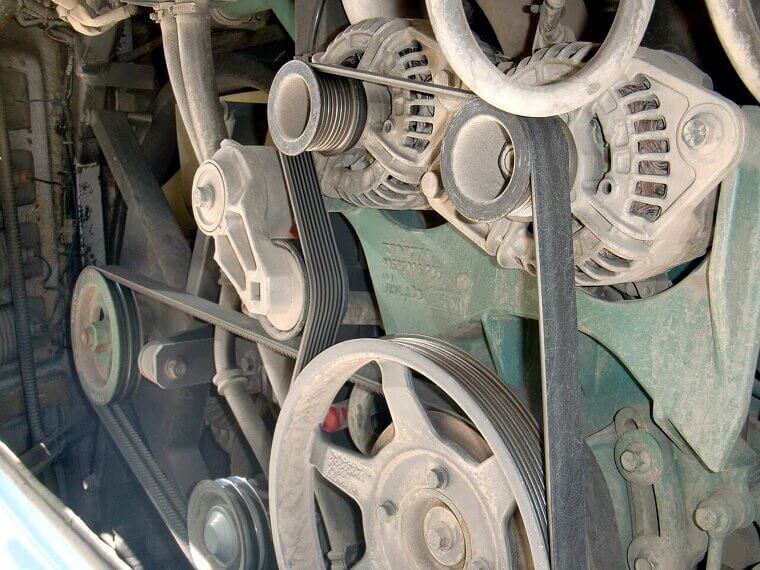
But a belt that looks like it’s from 2005 is a clear sign the owner ignored the "small stuff" for way too long.
The Battery Terminal Crust Check: What White Powder Says About Upkeep
When you see a battery covered in white or blue "cauliflower" crust, you’re looking at a neglected electrical system. Acid leaks and corrosion at the terminals create resistance, forcing the alternator to work harder and eventually shortening its life. While you can clean it with baking soda, the presence of heavy corrosion suggests the owner hasn't looked under the hood in years.
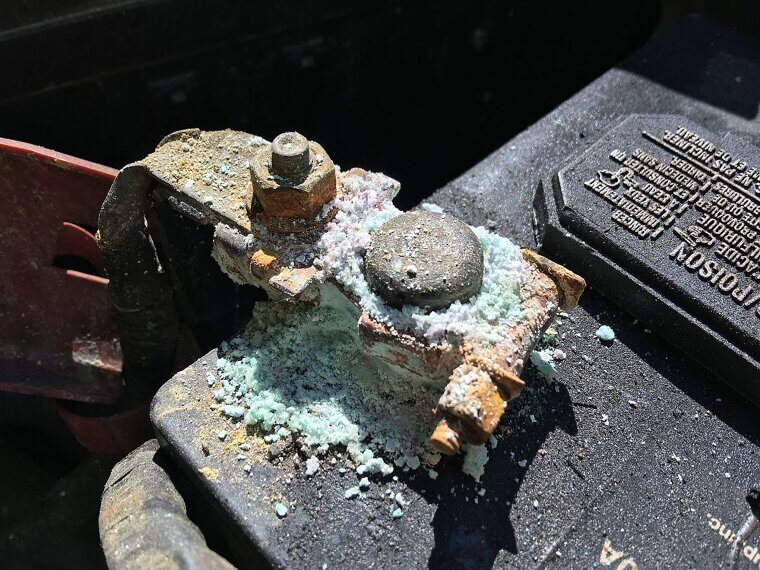
A clean battery with a recent date sticker is a "social cue" that the owner cared about the car’s ability to start reliably every single morning without fail or drama.
The Cooling Fan Cycle: How to Make Sure the Car Won't Melt in Traffic
An engine can stay cool while moving, but the real test happens when you’re standing still. After your test drive, let the car idle in the driveway for ten minutes. Watch the temperature gauge and listen for the electric radiator fans to kick on. If the needle starts creeping toward the red and the fans remain silent, the fan motor or relay is dead.
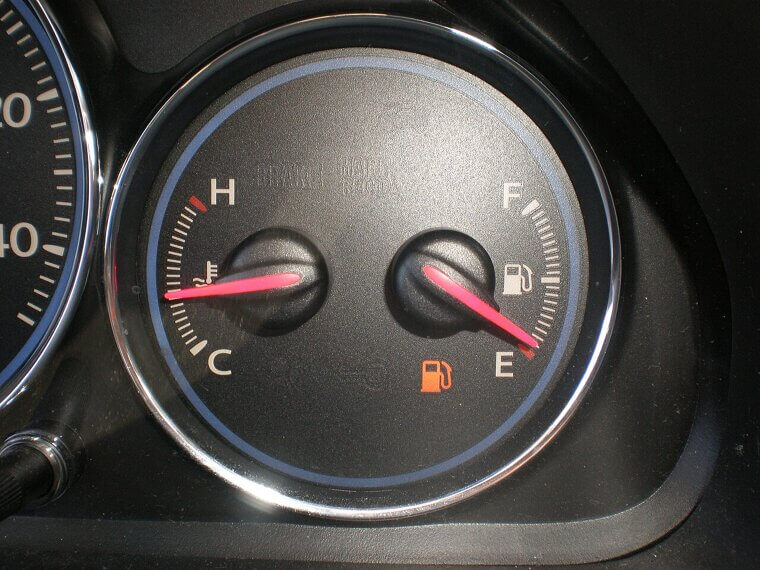
In a high-mileage car, one instance of overheating can warp the cylinder head instantly. If the cooling system can't handle a driveway, it won't handle a commute.
The Brake Fluid Moisture Check: Why Clear Fluid Is a Sign of Mastery
Brake fluid is hygroscopic, meaning it greedily pulls moisture out of the air over time. New fluid is clear or light amber; old, dangerous fluid is dark like soy sauce. This moisture causes the fluid to boil under heavy braking, leading to "brake fade" where the pedal goes to the floor. More importantly, it corrodes the expensive ABS pumps and calipers from the inside out. If the brake fluid is pitch black, run.
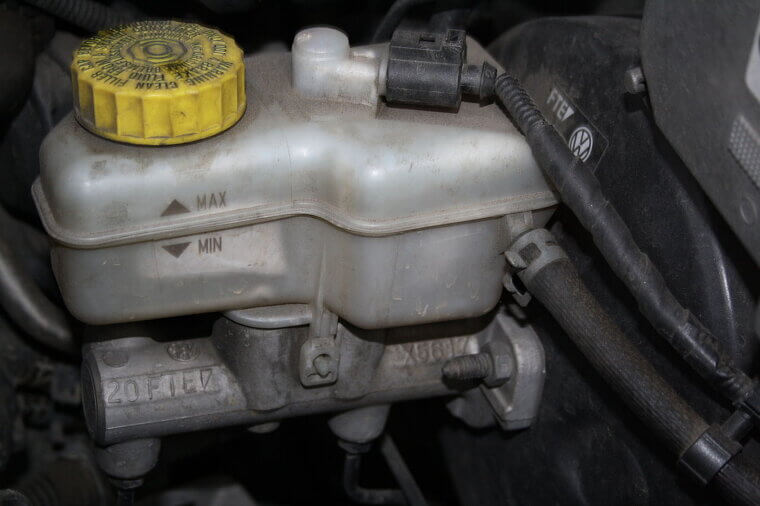
Pitch black fluid tells you the owner hasn't performed a "flush and fill" in nearly a decade, risking your total stopping power.
The "Hose Squeeze" Test: Why You Should Check for "Rubber Rot"
The rubber hoses carrying scalding coolant are under constant pressure. With the engine cool, give the major hoses a firm squeeze. They should feel firm but pliable, like a garden hose. If they feel "crunchy" inside, the rubber is disintegrating and will eventually clog the radiator. If they feel overly soft and "gummy," they are saturated with oil and about to burst. Replacing all the hoses is a $300 job.
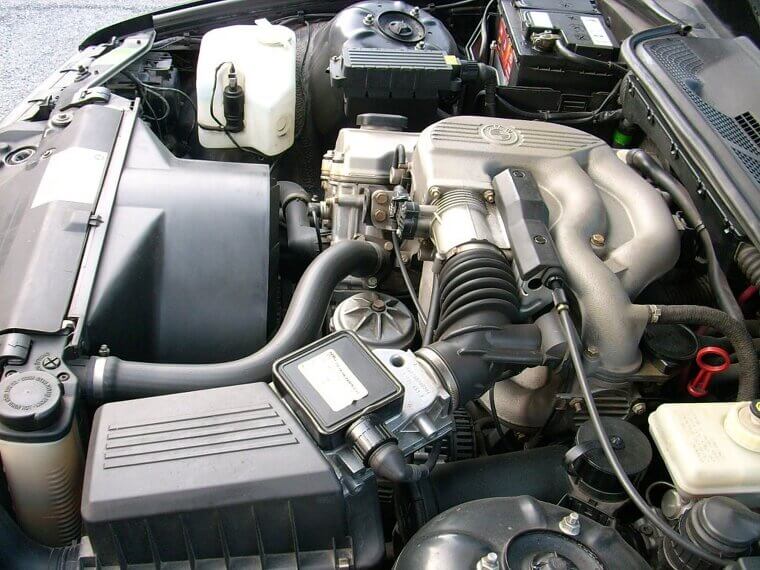
But a single burst hose on the highway can lead to a total engine meltdown before you can pull over safely.
Phase 3: The Exterior "Body Language"
The Door Alignment Gap: How to Spot a "Hidden" Accident With Your Fingers
Factories use robots to ensure every gap between the doors, hood, and trunk is perfectly parallel and uniform. If you notice a gap that starts wide at the top and narrows at the bottom, the car’s "skeleton" has been bent. This is a classic sign of a past collision that was repaired by a "budget" body shop rather than a professional. Even if the car looks shiny, don't be fooled.
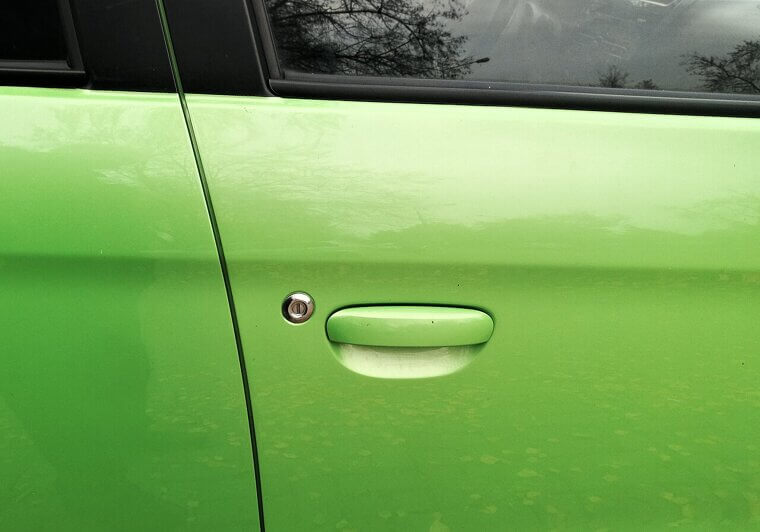
A misaligned frame can lead to weird tire wear, wind noise, and doors that refuse to latch properly in a secondary accident.
The Magnet "Bondo" Hunt: Why You Should Check for Plastic Surgery
Sellers love to use "Bondo" (plastic body filler) to hide rust holes or deep dents. Take a small magnet wrapped in a soft cloth and run it along the lower wheel arches and doors. If the magnet falls off or feels "weak" in a specific spot, you’ve found the plastic. Metal doesn't lose its magnetism, so a weak spot means there is a thick layer of filler underneath the paint. This is a major warning.
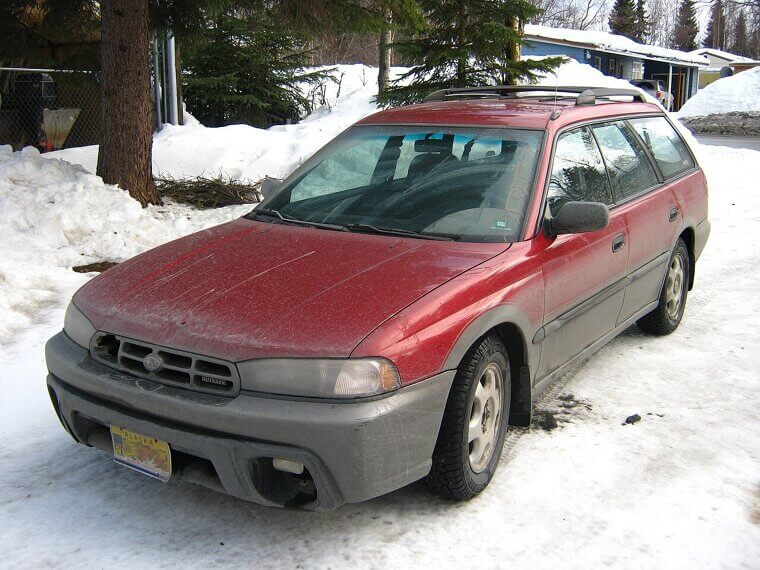
Beneath that smooth surface, the metal is likely rotting away, and the paint will bubble within a year.
The Underbody Rust Scan: Why You Need to See the Car’s Skeletal Integrity
Surface rust on a 15-year-old car is normal, but "scaling" rust is a death sentence. Get on your hands and knees with a flashlight and look at the frame rails. If the metal looks like flaky pie crust or if you can poke a screwdriver through it, the car is a total loss. Rust in the suspension mounting points can cause a wheel to literally fall off while driving.
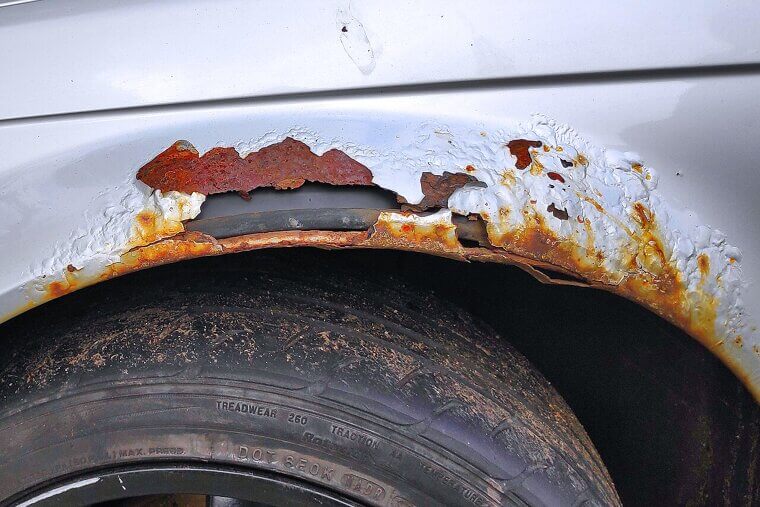
If the car spent its life in the "Salt Belt," this is the single most important check you will perform to ensure the car stays in one piece.
The Tire Tread "Penny Trick": How Tires Reveal Suspension Secrets
Tires aren't just rubber; they are "witnesses" to the car's alignment. If the tread is worn down on only the inside or outside edge, the suspension is bent or the alignment is dangerously out of spec. If the tread has "cupping" (wavy dips), the struts are blown and the tire is bouncing like a basketball down the road. Unevenly worn tires on a "reliable" car suggest the owner ignored the suspension for years.
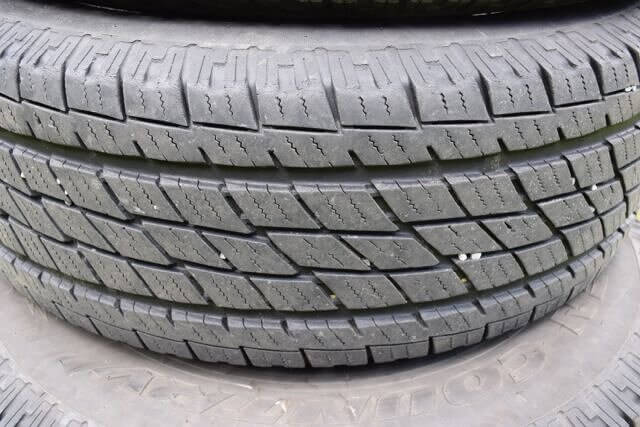
Buying this car means you’ll immediately be spending $1,000 on new tires and a complete suspension overhaul.
The Exhaust Smoke Spectrogram: What the Tailpipe Is Screaming
The color of the smoke exiting the tailpipe is the engine’s way of "talking" to you. Blue smoke means the engine is "drinking" its own oil, usually due to worn piston rings. Thick, sweet-smelling white smoke is the sign of a head gasket leak, as the engine "steams" the coolant. Black smoke means the engine is "choking" on too much fuel. On a cold morning, some steam is normal.
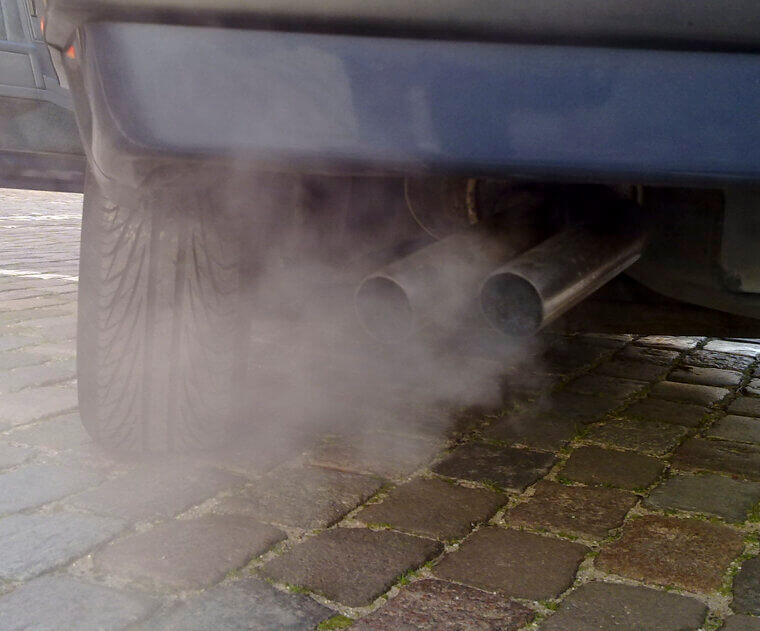
But if the smoke persists after the car is warm, the engine is suffering from a chronic internal illness that will be very expensive to cure.
The Headlight Clarity Check: Why Foggy Lenses Are a Sign of Neglect
UV rays from the sun turn clear plastic headlights into a yellow, foggy mess. While you can polish them, this fogging is a "proxy" for how much sun the car has seen. Excessive UV exposure doesn't just hurt the lights; it dries out the rubber seals around the windows, cracks the dashboard, and degrades the paint's clear coat. A car with crystal-clear headlights likely lived in a garage, protected from the elements.
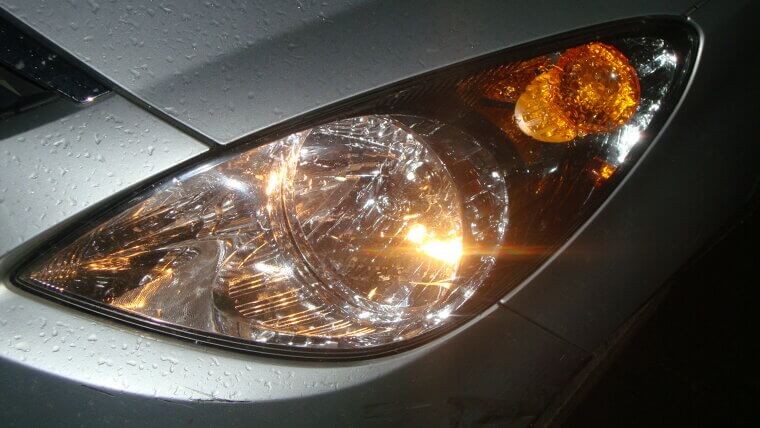
A car with "blind" yellow eyes has lived a hard life in the sun, and the interior plastics are likely just as brittle.
The CV Boot Grease Leak: Why You Should Peer Behind the Front Wheels
Behind your front wheels are rubber "accordions" called CV boots that protect the axles. If you see a thick, black, sticky grease splattered all over the inside of the wheel or the suspension, the boot has torn. Once the grease leaks out, dirt gets in and destroys the axle joint. If you hear a "clicking" sound when you turn, the axle is already dead. This is a common high-mileage failure.
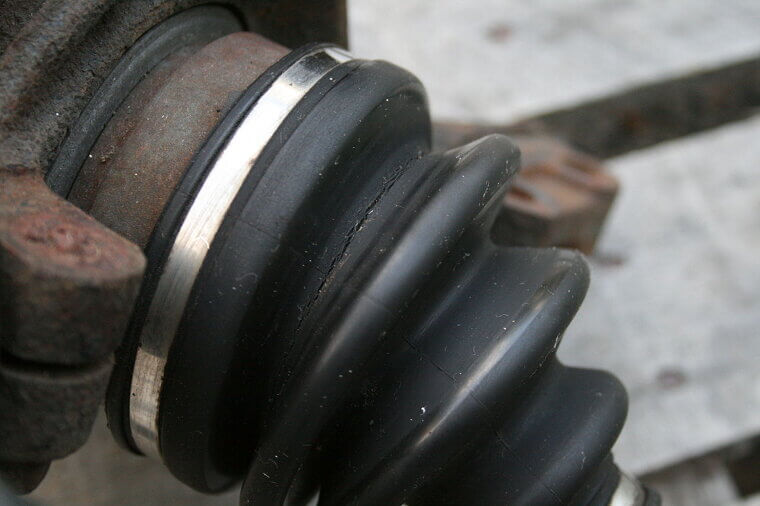
But catching a torn boot early can save you from a $500 repair bill. If it's already clicking, the damage is done.
Phase 4: Interior & Electrical "Nervous System"
The Carpet Moisture Sniff Test: Why a Damp Floor Is a Flood Warning
Stick your nose near the floorboards and take a deep breath. A musty, "wet dog" smell is a major red flag. Lift the floor mats and feel the carpet; if it's damp, the car has a leak. Clogged sunroof drains can send water down into the electrical systems in the dashboard, but a soaked floor could also mean the car was caught in a flood. Flood cars are "zombies"—they look fine now...
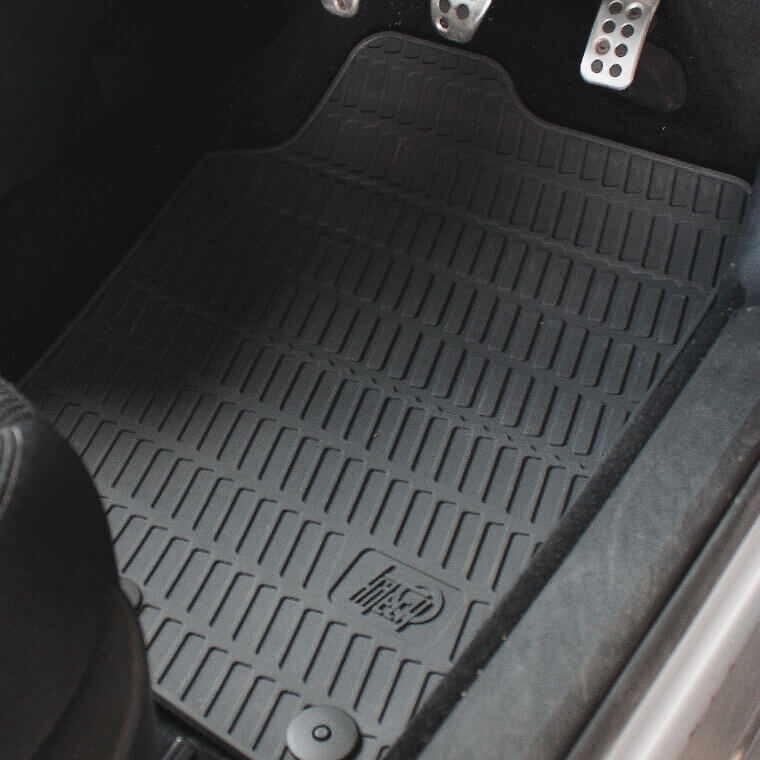
But their wiring will slowly corrode over the next year, leading to electrical failures that are impossible to trace or fix.
The Dashboard Warning Light Dance: How to Spot a "Silenced" Check Engine Light
When you turn the key to the "ON" position (without starting the engine), every single warning light on the dash should illuminate for a few seconds. This is the car’s self-test. If the "Check Engine" or "ABS" light doesn't glow, the seller may have physically removed the bulb or cut the wire to hide a permanent, expensive fault. If the light stays off during the test, it's a deceptive tactic.
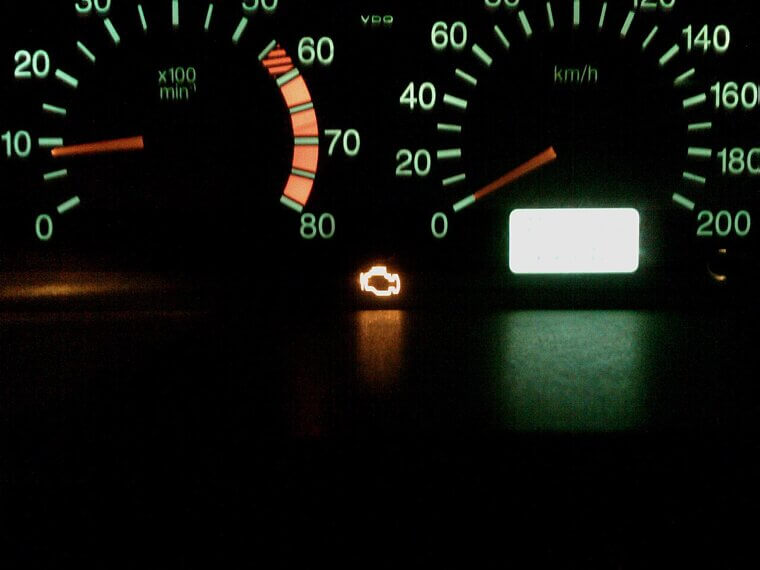
You want to see the light come on, and then—more importantly—you want to see it disappear as soon as the engine fires up.
The AC "Ice-Cold" Challenge: Why You Should Never Believe "It Just Needs a Charge"
If the air conditioning isn't blowing freezing cold, the seller will almost always say, "It just needs a $20 recharge from the auto parts store." If that were true, they would have done it themselves to sell the car faster. A weak AC usually means a leaking evaporator (buried deep in the dash) or a dying compressor. Both are $1,000+ repairs that require professional equipment.
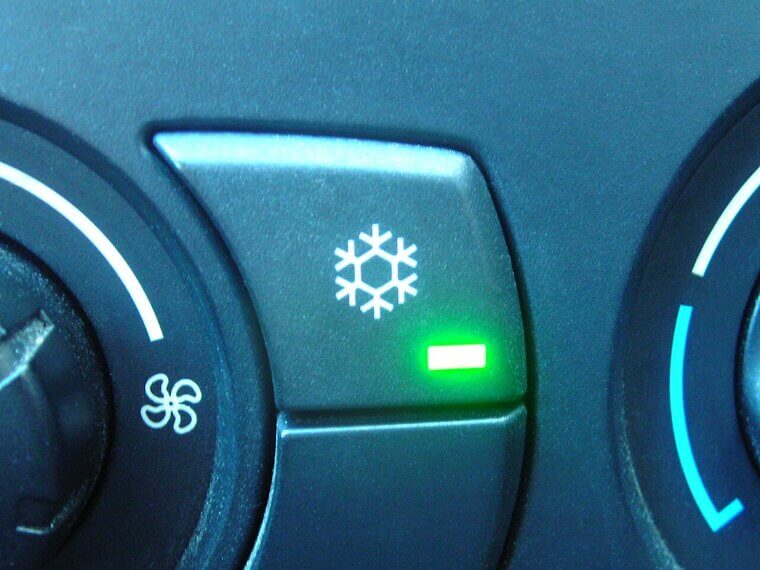
If the AC isn't cold during the test drive, assume the system is broken and negotiate the price down by the full cost of a professional replacement.
The Window and Lock Marathon: Why Every Switch Needs a Workout
Don't just check the driver's window; test every single power window, door lock, and seat adjustment in the car. Electrical "gremlins" in older cars are notoriously difficult to fix because the problem could be a broken wire hidden inside the door hinge. If the rear window moves "glacially" slow, the motor is dying. If one door won't lock, the actuator is burnt out. Individually, these are small issues.

But a car with five broken switches tells a story of an owner who gave up on the car's "quality of life" long ago.
The Seat Bolster Wear Pattern: Why Interior Wear Must Match the Odometer
The driver’s seat is a "polygraph test" for the odometer. If a car claims to have only 60,000 miles but the outer seat bolster is shredded and the steering wheel is worn smooth, the car likely has double the mileage. This is a common sign of "odometer tampering" or a car that was used for high-frequency "stop and start" delivery work, which is much harder on an engine than highway miles.

The wear and tear on the pedals and seats should always "tell the same story" as the numbers on the digital dashboard.
The Spare Tire and Jack Audit: Why You Should Hunt for Missing Survival Gear
Open the trunk and lift the floor to inspect the spare tire well. Is there a spare? Is it inflated? Is the jack and lug wrench actually there? Many people "borrow" these tools for other cars and never put them back. If the spare tire well is filled with water, you’ve also found a trunk seal leak. A car that is missing its basic emergency gear is a sign of a "scattered" owner.
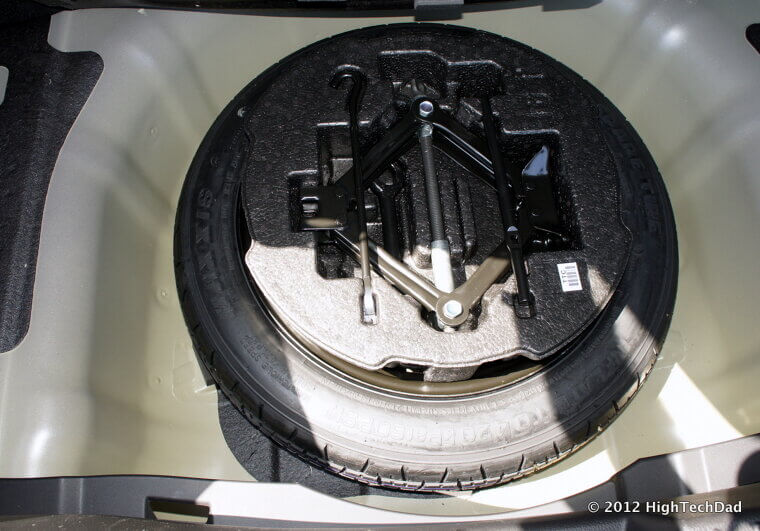
More importantly, it ensures you won't be stranded on the side of the road an hour after buying your new car.
The OBD-II Scanner Handshake: Why You Should Plug Into the Car’s Digital Brain
Modern cars (post-1996) have a computer port under the dash. Plug in a cheap Bluetooth OBD-II scanner and look for "Readiness Monitors." If the monitors are "Not Ready," it means the seller recently cleared the error codes to turn off a "Check Engine" light right before you arrived. The scanner can also find "pending" codes—issues the computer has noticed but hasn't decided to alert the driver about yet.
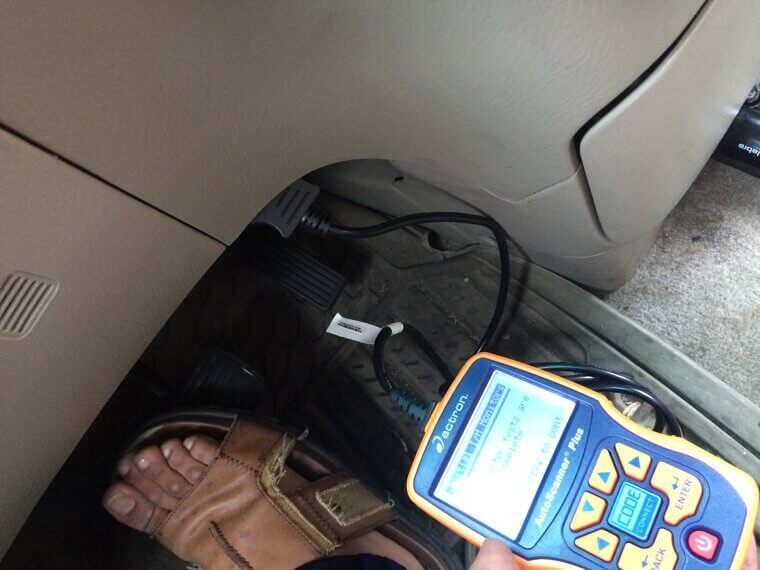
It’s like a lie-detector test for the engine, revealing hidden misfires or failing sensors that the dashboard is still keeping quiet about.
Phase 5: The Test Drive (The Truth Teller)
The "No-Radio" Soundtrack: Why Silence Is the Best Diagnostic Tool
Turn off the music, turn off the AC, and tell the seller you need a moment of silence. Your ears are your best sensors. Listen for a "whining" sound that changes with engine speed (alternator or power steering pump), a "clunk" when you hit a bump (bushings or struts), or a "humming" that gets louder the faster you go (wheel bearings). A car that sounds like a "bucket of bolts" over a speed bump is a car that has been neglected.
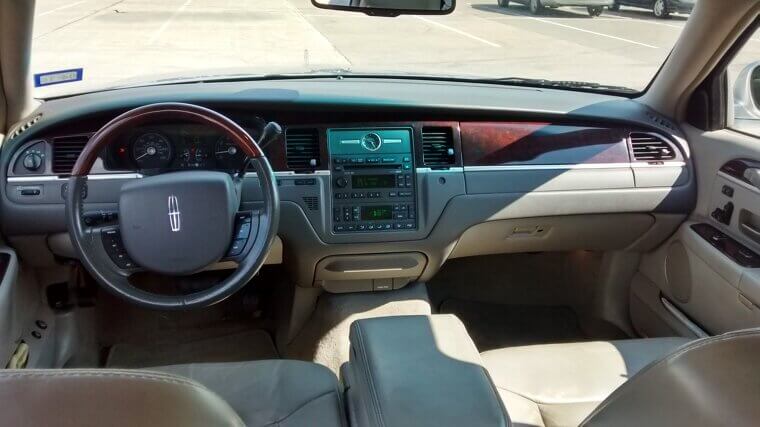
No matter how old it is, a 300,000-mile car should still feel "solid" and quiet if it was maintained.
The Transmission "Handshake": Why You Need to Feel the Shift
With your foot on the brake, shift from Park to Drive, and then Drive to Reverse. The "handshake" between the engine and the wheels should be smooth and immediate. If there is a two-second delay followed by a violent "thud," the transmission is internalizing a lot of damage. During the drive, ensure the car doesn't "flare" (engine revs up between gears) or "hunt" for the right gear.
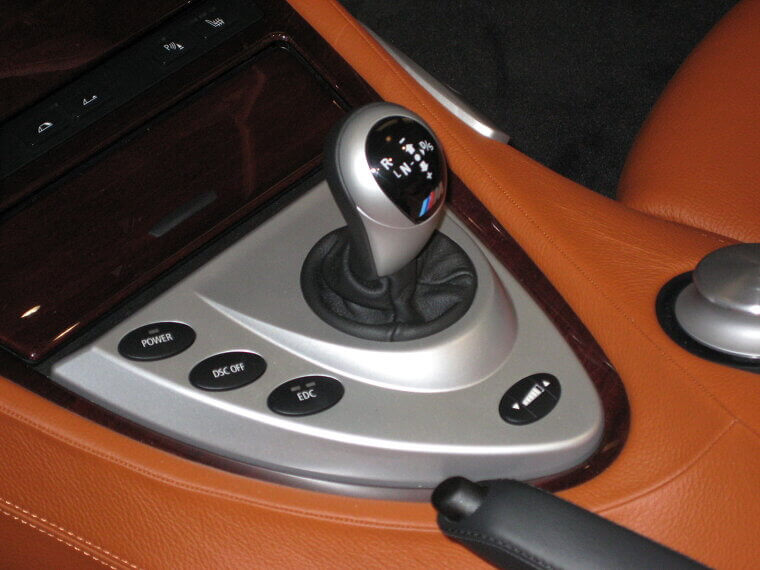
A failing transmission is the most common reason people sell high-mileage cars, so pay extreme attention to how the car moves through its gears.
The Brake Pedal Pulse: How Your Foot Detects Warped Rotors
Find a safe, open stretch of road and apply the brakes firmly from 40 MPH. If you feel a "pulsing" or "vibrating" sensation in the brake pedal or the steering wheel, the brake rotors are warped. If the car "pulls" to one side, a brake caliper is likely sticking or a suspension component is bent. Brakes are a wear item, so warped rotors aren't a dealbreaker, but they are a great "negotiation point."
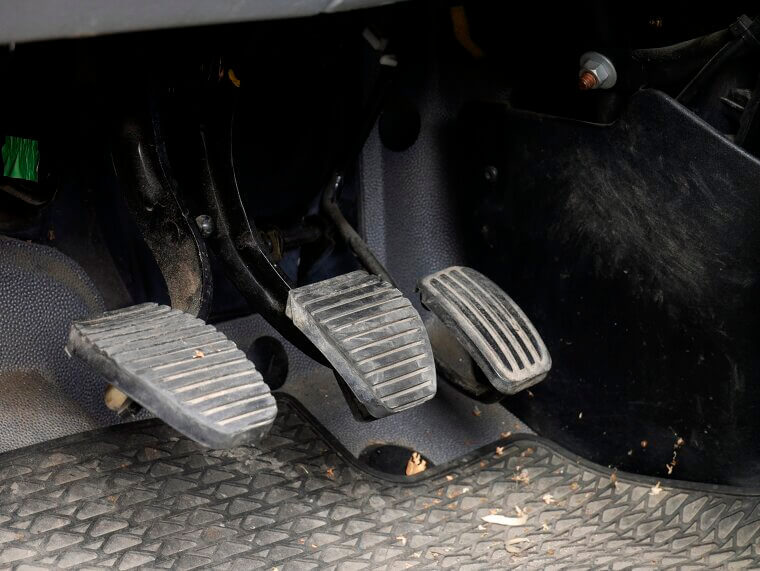
A car that stops straight and smooth is a car that has been serviced with high-quality parts and careful attention.
The Steering Wheel "Dead Zone": Why You Should Wiggle the Wheel at a Stop
With the car running but parked, wiggle the steering wheel back and forth. You should feel the tires react almost instantly. If there is a "dead zone" where you can turn the wheel an inch in either direction before the tires move, the steering linkage or "rack and pinion" is worn out. This makes the car feel "looser" on the highway and requires constant corrections to stay in your lane.

Tight steering is essential for safety, and a "loose" car is often a sign of worn tie-rods that could eventually snap.
The Highway Speed Shake: Why 65 MPH Is the True Test of Balance
Some of the most expensive problems only show up at high speeds. Take the car on the highway and bring it up to 65 MPH. If the steering wheel starts shaking, the front wheels are out of balance or the suspension is failing. If you feel a vibration in your seat, the rear wheels or the driveshaft is the culprit. A "shake" at high speed is often the sign of a car that hasn't seen a tire shop in years.

It could be a simple $50 balance, or it could be a $1,200 driveshaft replacement—don't guess.
The "Tight Circle" Click Test: How to Hear a Dying Axle
Find an empty parking lot, turn the steering wheel all the way to one side, and drive in a slow circle. Then, do the same in the other direction. If you hear a repetitive "click-click-click" sound, the CV axle joint is bone-dry and failing. This is a common high-mileage issue, but it’s an important one to catch. If the axle snaps while you’re driving, the car will lose all power to the wheels.
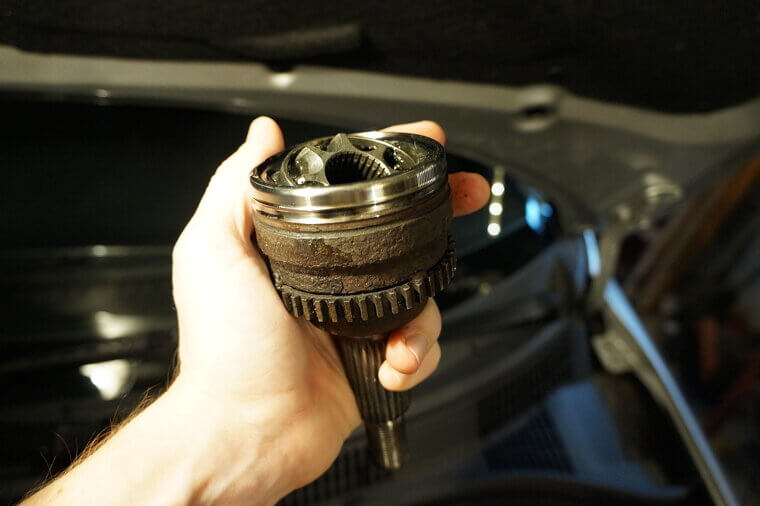
And you’ll be calling a tow truck. Use this sound to negotiate $400 off the price for the upcoming repair.
The Reverse Camera and Sensor Scan: Why You Should Test the "Safety Net"
If the car is a newer model (2012–2015) equipped with a backup camera or parking sensors, make sure they actually work. Put the car in reverse and check the screen for "static" or a black image. Walk behind the car to see if the sensors "beep" as you get close. These systems are often the first thing to fail after a minor "fender bender" that didn't leave a visible dent.
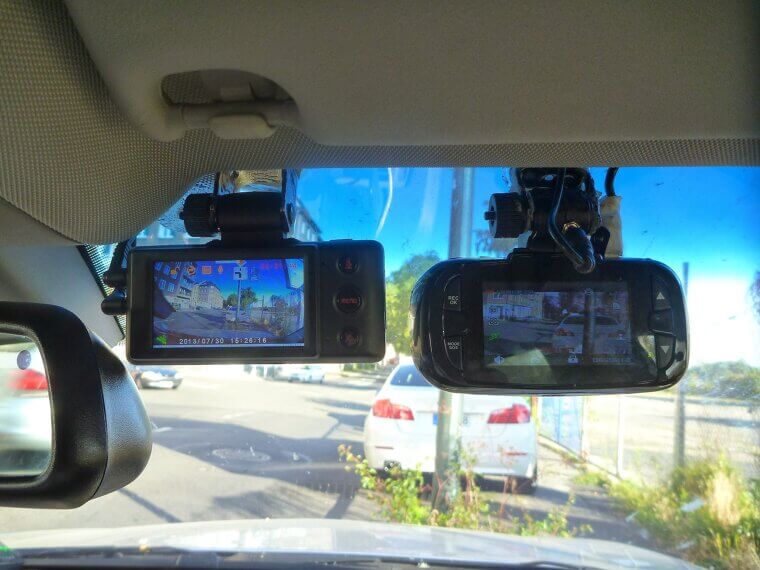
Because they are integrated into the car’s computer, they can be surprisingly expensive to fix, often requiring specialized sensors and professional programming.
The Professional PPI: Why Paying a Mechanic $150 Is the Best "Insurance"
No matter how much you know, you can't see through metal. A professional Pre-Purchase Inspection (PPI) puts the car on a hydraulic lift, allowing a mechanic to see the "underside" story. They will look for fresh oil leaks that were wiped away, hidden frame damage, and worn-out bushings that you missed during your walkaround. A mechanic's report is the ultimate "negotiation tool." If they find $800 worth of necessary repairs, you can show that report to the seller.

When you present the report, ask them to drop the price by exactly $800. It pays for itself immediately.
The Glovebox Manual Hunt: Why Original Literature Is the Final Clue
As a final check, open the glovebox. Does it still have the original owner's manual? Does it have the tire pressure guide and the radio security code? A car that still has all its original "paperwork" usually belonged to a "fastidious" owner—someone who kept the car organized and treated it with respect. People who lose their manuals and spare keys are usually the same people who "forget" to change their oil.
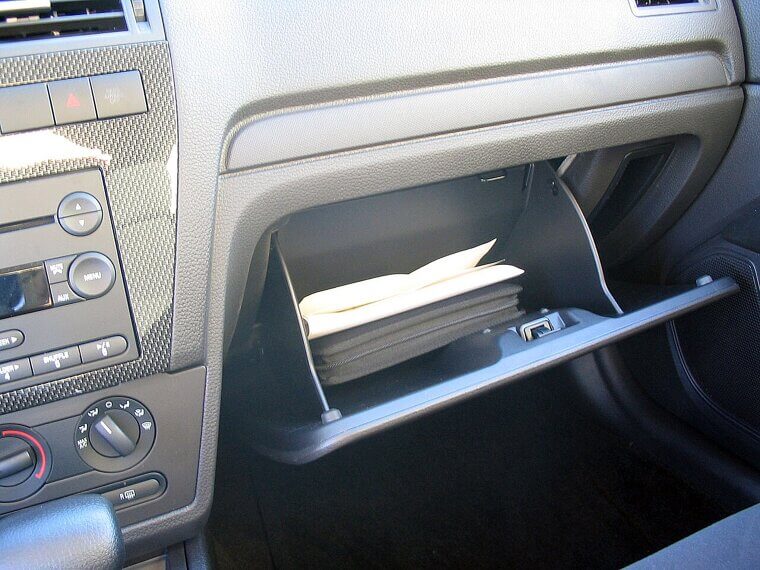
Finding the original literature is the final "social proof" that this car was a member of the family, not just a disposable appliance.