Never Say You're Clueless
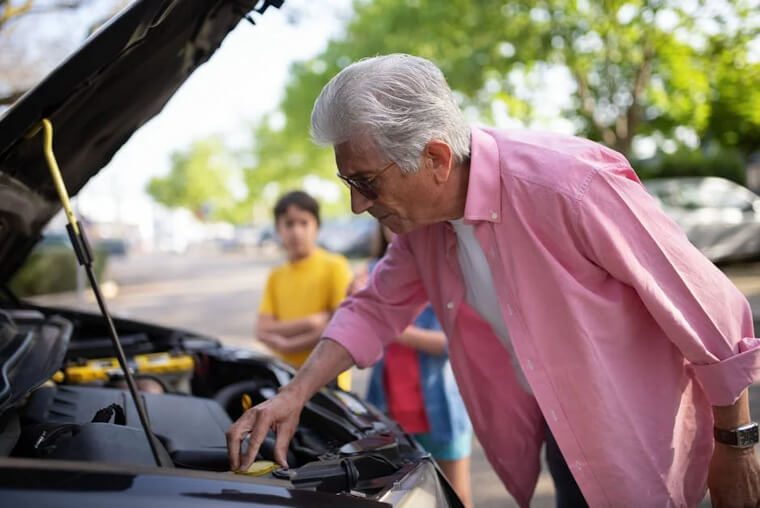
Even if you're not a car expert, admitting complete ignorance at an auto repair shop can make you vulnerable to unnecessary repairs and inflated bills. While peering under the hood of your vehicle, you might feel overwhelmed by the complexity of modern engines, but it's important to project some basic knowledge and confidence. Instead of saying "I don't know anything about cars," try asking specific questions about what you're hearing, feeling, or smelling that seems unusual. Before visiting the shop, take a moment to research your car's common issues online or consult your owner's manual. Simple familiarity with terms like timing belt, alternator, or brake pads can help you navigate conversations more effectively. Remember those weekend afternoons watching your father or grandfather tinker with the family car? Channel that experience – you probably picked up more knowledge than you realize. If you're truly uncertain, bring along a trusted friend or family member who's more car-savvy to help evaluate the situation.
Don't Mention Your Budget
When discussing repairs at an auto shop, revealing your maximum budget upfront is like showing all your cards in a poker game. Just as you wouldn't want to fill out a blank check before knowing the details, keep your financial limits close to the vest when reviewing repair estimates. Some less scrupulous mechanics might conveniently find enough problems to match exactly what you're willing to spend. Instead of stating your budget, ask for an itemized estimate with parts and labor clearly broken down. Take time to review each line item carefully, just as you would scrutinize any important invoice. This approach allows you to make informed decisions about which repairs are truly necessary and which can wait. If you're working with a tight budget, simply ask about prioritizing the most critical repairs first. Remember those days when a trustworthy mechanic would help you stretch your dollar? They're still out there – you just need to be smart about how you negotiate.

Avoid Rush Job Requests
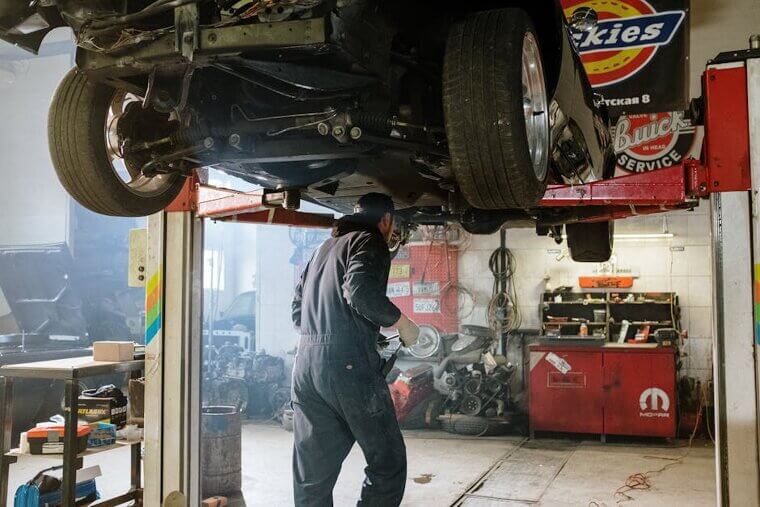
When you walk into an auto repair shop and immediately demand a rush job, you're setting yourself up for potential overcharging and corner-cutting. Just as a mechanic needs proper time to thoroughly inspect a vehicle on the lift, rushing complex repairs rarely ends well for anyone involved. Those vintage Buick Service signs on the wall remind us of a time when repairs were done methodically and with care - a tradition that good mechanics still honor today. Instead of insisting on same-day service, give your mechanic reasonable time to properly diagnose and fix the issue. Quality work requires careful attention to detail, proper parts ordering, and thorough testing. When you push for rushed service, you're more likely to face inflated "emergency" fees and might end up with temporary fixes rather than lasting repairs. Remember, a well-maintained car is like a trusted old friend - it deserves patience and proper care to keep running smoothly for years to come.
Skip the Car Problems List
When you visit an auto repair shop, resist the urge to rattle off a laundry list of every quirk and noise your car has ever made. While it might seem helpful to share your vehicle's complete history, presenting mechanics with a scattered list of issues can lead to unnecessary diagnostic time and inflated bills. Instead, prioritize the most pressing problem that brought you in today. Think of it like a home renovation – you wouldn't tackle everything at once. By staying focused on the immediate concern, you'll likely save money on diagnostic fees and get more accurate repairs. If you see them reviewing paperwork or diagnostic reports, that's exactly what they should be doing – concentrating on solving your car's current problem, not chasing down every ping and rattle from the past six months. Remember, you can always schedule another visit for secondary issues after the primary problem is resolved.

Don't Say Just Fix Everything
Handing over your car keys with a vague "just fix everything" is like giving someone a blank check - it rarely ends well for your wallet. When you bring your vehicle to the shop, being specific about the problems you're experiencing helps protect you from unnecessary repairs and inflated bills. Instead of giving carte blanche, describe what's actually happening: the rattling noise when you turn left, the sluggish acceleration, or that warning light that recently appeared on your dashboard. Keep notes about when problems occur, what sounds you hear, and how the car behaves differently from normal. This focused communication helps mechanics target real issues rather than suggesting a laundry list of "preventive" repairs you might not need. Remember those simpler times when repairs were straightforward and you knew exactly what you were paying for? That same clarity is still possible today when you communicate effectively.

Never Admit Previous Bad Work
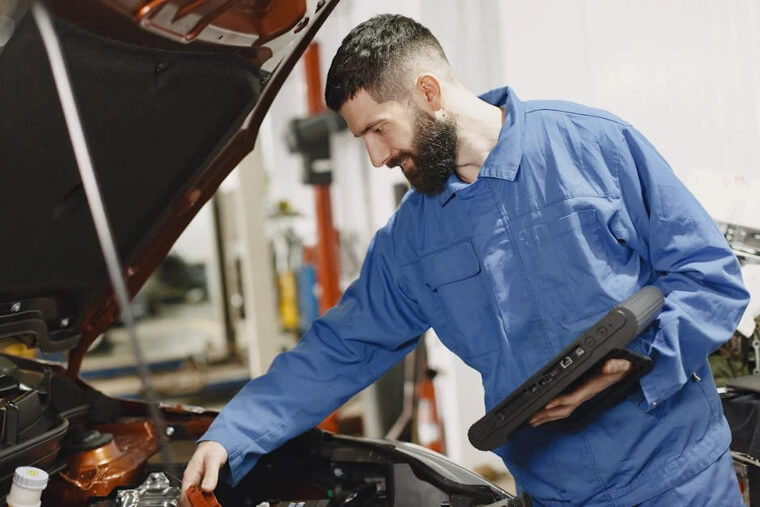
When you bring your vehicle in for service, resist the urge to mention any questionable previous repairs, even if you're worried about them. Modern diagnostic equipment, like the scanner being used to check your vehicle's systems, will reveal any existing issues without you having to point fingers at past mechanics. Being too quick to criticize previous work can make current mechanics defensive or lead them to charge more to "fix" others' mistakes. Instead of dwelling on past problems, focus on what's happening with your car right now and let the professional do their diagnostic work. If they discover evidence of poor previous repairs, they'll let you know. This approach keeps the conversation productive and focused on solutions rather than blame. Remember, a good mechanic will document their findings and explain exactly what needs attention, helping you make informed decisions about necessary repairs.
Avoid Mentioning Other Quotes
While it might seem smart to mention lower quotes you've received from other shops, this negotiation tactic often backfires in the repair bay. When you're having that friendly conversation with your mechanic, bringing up another shop's prices can immediately create tension and distrust. Instead of fostering the kind of honest, collaborative relationship you want with your repair professional, it can put them on the defensive. If you've done your homework and gotten multiple quotes, that's excellent - keep that information in your back pocket. But rather than comparing prices directly, ask detailed questions about the specific repairs needed and the parts being used. This approach keeps the conversation focused on the value you're receiving and the quality of work being performed. Remember, a good mechanic takes pride in their expertise and craftsmanship - they're more likely to work with you on price when treated as a trusted professional rather than a competitor to be bargained with.

Don't Ask for Cheapest Option
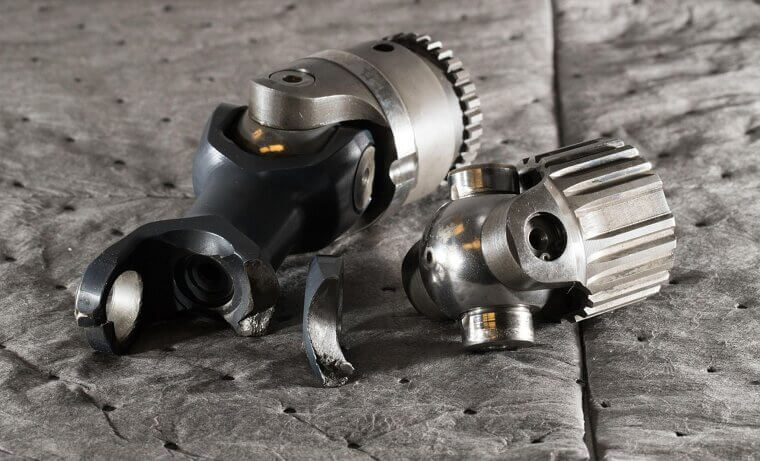
When it comes to car repairs, asking for "the cheapest option" can lead to costly consequences down the road. Just like those precision-engineered universal joints lying on the workbench, quality auto parts are manufactured to exact specifications for optimal performance and durability. Opting for the lowest-price alternative often means getting parts made with inferior materials that wear out faster or, worse, could damage other components of your vehicle. Instead of requesting the cheapest solution, ask your mechanic to explain the available options and their long-term value. A quality part might cost more upfront but could last twice as long as its budget counterpart. Remember how cars from the '60s and '70s seemed to run forever? That's because they were built with quality components. The same principle applies today – investing in proper repairs with reliable parts will keep your car running smoothly and safely, potentially saving you hundreds or even thousands in repeat repairs.
Skip the Insurance Claims Talk
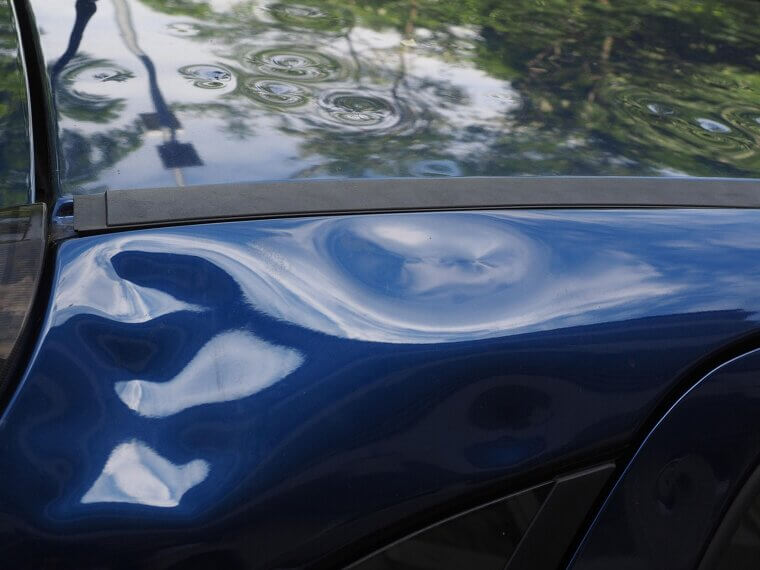
When you spot those telltale dents and dings in your car's sleek finish, your first instinct might be to mention you'll be filing an insurance claim. That seemingly innocent comment could lead to inflated repair costs faster than raindrops on your windshield. Body shops and repair facilities often have different pricing structures for insurance work versus customer-pay jobs, and mentioning insurance upfront might automatically bump you into the higher-price category. Instead, approach the situation like a savvy consumer from the good old days when a handshake meant something. Ask for an estimate first, just as you would for any other service. Get the details in writing, including parts and labor costs. Only after you have a fair quote in hand should you decide whether to involve your insurance company. This straightforward approach often results in more reasonable repair costs and helps you maintain control over the entire process.
Never Say Money's No Object
Nothing makes a mechanic's eyes light up quite like hearing "money's no object." Those words might as well be an invitation to pad your repair bill with unnecessary work and inflated prices. Just like that shocking receipt in front of you, letting a repair shop know you're not concerned about cost can lead to some jaw-dropping moments when it's time to settle up. Instead, always communicate that you're budget-conscious and need to know exact costs upfront. Ask for detailed estimates in writing, and make it clear you'll need to approve any additional work before it's performed. Remember those days when a simple oil change didn't cost as much as a fancy dinner? While auto repair costs have certainly increased since then, you can still maintain control of your expenses by being firm about your budget limitations. A reputable shop will respect your financial boundaries and work with you to prioritize necessary repairs.

Avoid Questioning Their Expertise
While it's good to be an informed consumer, challenging a professional mechanic's expertise can quickly put you on the wrong foot. Today's vehicles are far more complex than the cars many of us tinkered with in our driveways back in the 1960s and '70s. Modern mechanics invest thousands of hours in training and certification to understand the intricate computer systems and engineering that power contemporary engines. When you bring your car in for service, resist the urge to say things like "Are you sure that's the problem?" or "My neighbor said it was something else." Instead, ask questions that show you're interested in understanding the issue, such as "Could you help me understand what's causing this?" This collaborative approach, rather than a confrontational one, often leads to better service and can even help you learn something new about your vehicle's maintenance needs. Remember, a good mechanic takes pride in their diagnostic skills and explaining their work clearly to customers.
Don't Mention YouTube Repairs
While it's tempting to watch automotive repair videos on your smartphone and feel like you've become an expert, mentioning your YouTube research at the repair shop might backfire. Mechanics have spent years honing their craft through hands-on experience, formal training, and countless hours under the hood. When you casually mention "Well, I saw on YouTube that this is an easy fix," it can come across as dismissive of their expertise. Instead of referencing online tutorials, talk about what you've observed happening with your car. Be prepared to explain when the problem occurs, what warning lights you're seeing, or any changes in how the vehicle drives. This approach shows you're an observant vehicle owner without suggesting you're second-guessing the mechanic's professional knowledge. Remember, while online videos can be informative, they can't replace the nuanced understanding that comes from years of practical experience working with various makes and models.

Skip the Friend's Advice Stories
When discussing repairs with your mechanic, resist the urge to start with "Well, my friend says..." Even if your buddy is a weekend warrior who loves tinkering with engines, leading with second-hand advice can immediately put a professional mechanic on the defensive. Just as you wouldn't want someone telling a skilled craftsman how to do their job, mechanics prefer to assess and diagnose issues firsthand rather than work from someone else's amateur diagnosis. Instead of sharing what your friend thinks might be wrong, tell your mechanic exactly what you've experienced. Detail when the problem happens, under what conditions, and how long it's been occurring. This gives the mechanic clear, factual information to work with rather than having to untangle potentially misguided theories. Remember, while your friend's garage projects might be impressive, professional mechanics have years of training and experience diagnosing complex modern vehicles.
Never Say You'll Pay Later
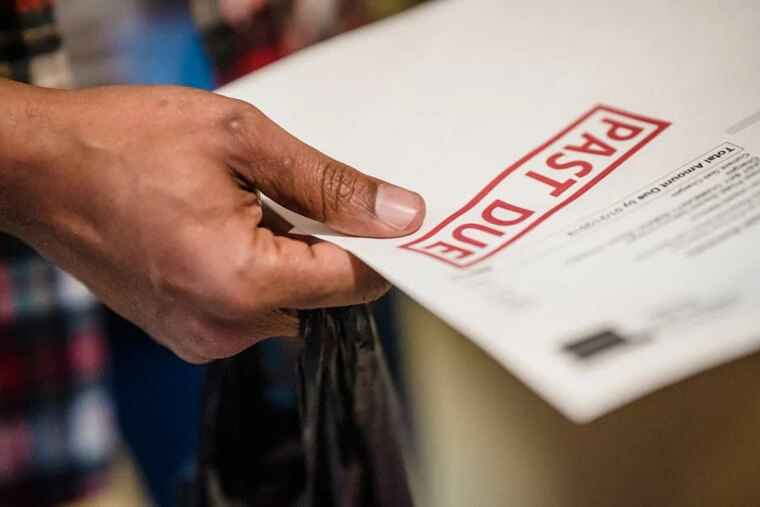
When that "Past Due" stamp hits your repair bill, it's already too late. Promising to "pay later" at an auto repair shop can lead to strained relationships, hefty late fees, and even legal complications. Many shops have been burned before by unpaid bills, so suggesting delayed payment might cause them to inflate prices or add unnecessary services to protect themselves against potential losses. Instead, have an upfront conversation about payment options before work begins. Most reputable shops now accept multiple payment methods, including major credit cards, financing plans, and even specialized auto repair credit cards. If you're concerned about costs, ask about payment plans or see if they work with services like Care Credit. Remember those days when a handshake and "I'm good for it" were enough? While that small-town trust still exists in some places, today's repair shops are businesses that need to protect their bottom line. Being clear about payment terms from the start helps ensure you'll get fair treatment and honest service.