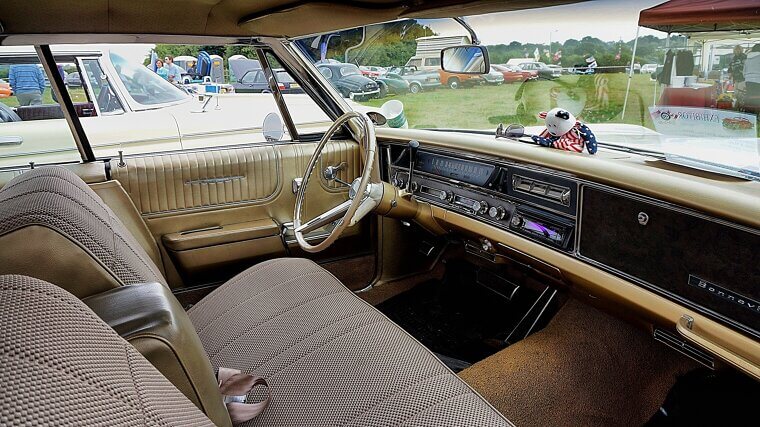
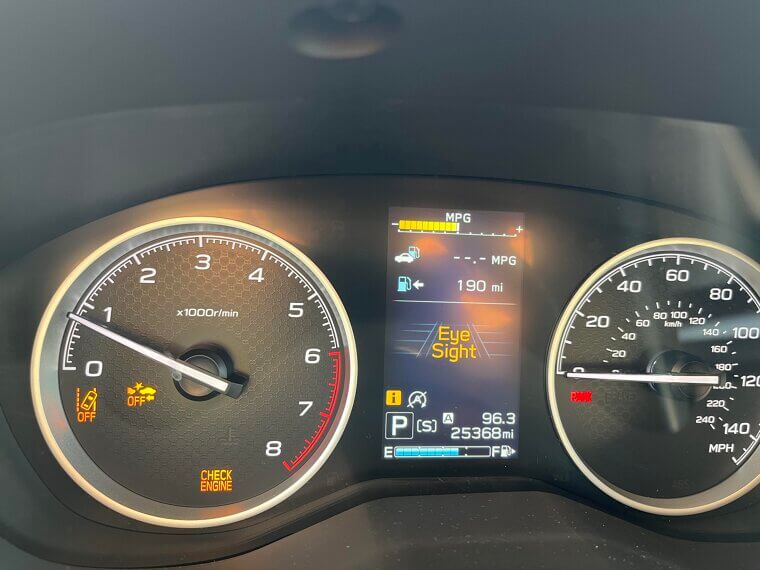
Dashboard Warning Lights Stay Illuminated
When that check engine light pops on and stays on, your car is trying to tell you something important. Back in the day, cars gave you plenty of warning before they broke down completely. You'd hear a weird noise, feel a vibration, or notice the engine running rough. Modern cars are different. They're packed with sensors that catch problems early, and those dashboard lights are your first line of defense. Ignoring a persistent warning light is like ignoring a smoke detector in your house. Sure, it might be a false alarm, but it could also mean serious trouble is brewing under the hood. The longer you wait, the more expensive the fix usually becomes. A simple sensor issue today could turn into a complete engine rebuild tomorrow if you keep driving without getting it checked.
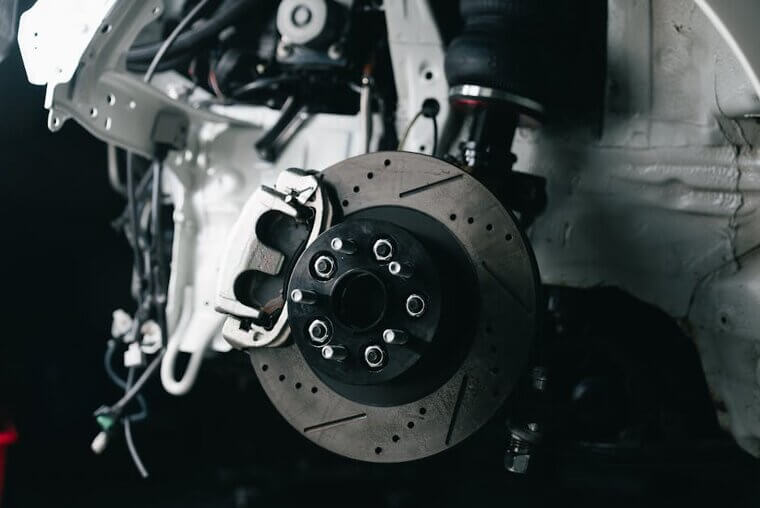
Strange Grinding Noise When Braking
That metal-on-metal grinding sound when you press the brake pedal isn't something you can ignore. It's your brake pads telling you they're completely worn down, and now the metal backing is scraping directly against your rotors. Back in the day, you might have gotten away with driving on thin pads for a while, but today's cars stop from much higher speeds and need every bit of braking power they can get. If you keep driving with grinding brakes, you'll turn a $150 brake pad replacement into a $600 rotor and pad job. Plus, your stopping distance gets longer every mile you drive. That grinding noise is your car's way of saying "pull over and call a mechanic today."
Steering Wheel Vibrates at Highway Speed
When your steering wheel starts shaking like a paint mixer once you hit 60 mph, you've got a problem that won't fix itself. This vibration usually means your wheels are out of balance or your tires are wearing unevenly. Maybe you hit a nasty pothole last month, or your tires just need rotating. Either way, that shake is your car's way of telling you something's wrong up front. The faster you go, the worse it gets, and ignoring it will cost you more down the road. Unbalanced wheels wear out tires faster and put extra stress on your suspension. A simple wheel balance at your local shop usually runs about $50 to $100 and takes less than an hour. That's a lot cheaper than replacing tires early or dealing with suspension damage later.

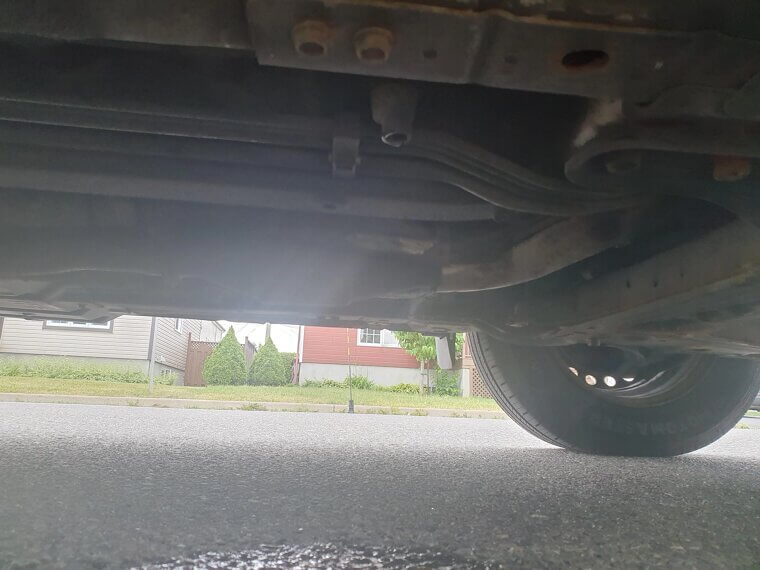
Puddles of Fluid Under Your Vehicle
Finding a puddle under your car when you back out of the driveway is never a good sign. Different colored fluids tell different stories about what's going wrong under the hood. Dark brown or black spots usually mean engine oil is leaking, while bright green, orange, or pink puddles point to coolant problems. Red fluid often indicates transmission or power steering issues. Clear water is usually just condensation from your air conditioning, especially on hot days. But any colored fluid means something needs attention fast. Even small leaks can turn into expensive repairs if you ignore them. Check the fluid levels in your car regularly and get any mysterious puddles investigated by a mechanic before they become major headaches.
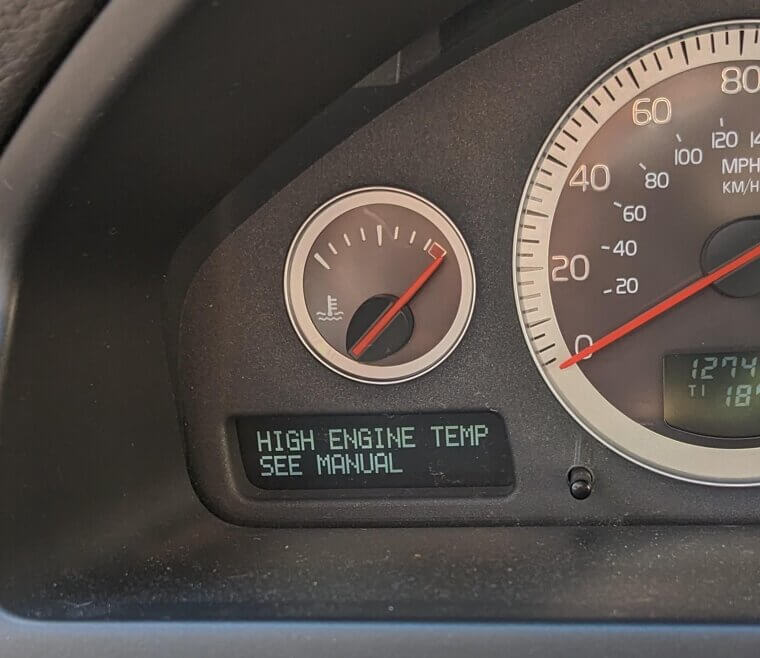
Engine Temperature Gauge Runs Hot
When your temperature gauge starts creeping toward the red zone, that's your car's way of screaming for help. Back in the day, cars had simple gauges that told you exactly what was happening under the hood. If you see that needle climbing past the halfway mark, pull over immediately. Driving with an overheated engine can crack your cylinder head or blow a gasket, turning a $50 coolant leak into a $3,000 repair bill. Check your coolant level first, but remember it might be low because of a leak somewhere in the system. Your radiator, water pump, or thermostat could be failing. Don't ignore this warning – an overheated engine can seize up completely, leaving you stranded and facing a total engine replacement.
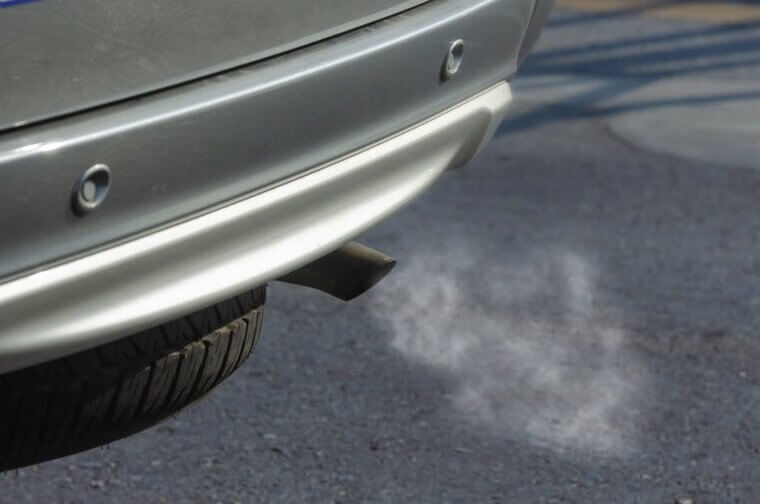
Unusual Smoke Coming From Exhaust
Your exhaust should produce mostly invisible vapor, especially on cold mornings. But if you're seeing thick, colored smoke rolling out of your tailpipe, that's your car waving a red flag. Blue smoke usually means oil is burning where it shouldn't be, often from worn piston rings or valve seals. White smoke that doesn't clear up after a few minutes could signal coolant leaking into the combustion chamber. Black smoke typically points to your engine running too rich, burning too much fuel. Back in the day, cars were smokier in general, but today's engines are designed to run clean. If your neighbors can see a cloud behind your car, it's time to get under the hood and figure out what's going wrong before it gets expensive.
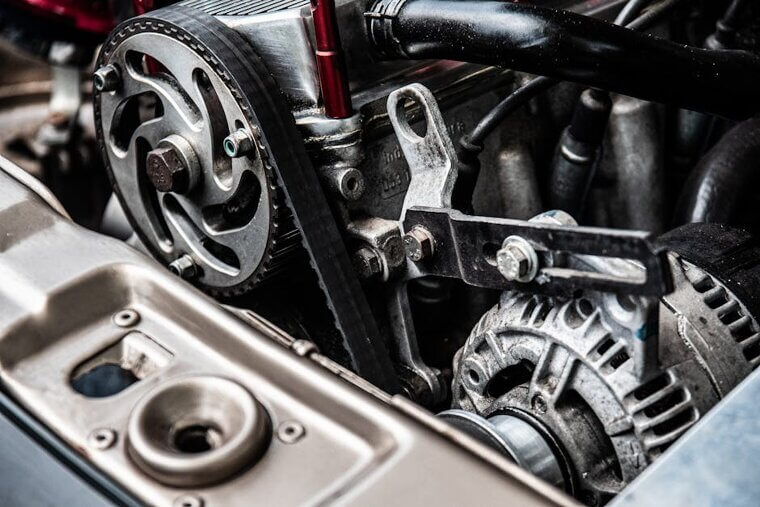
Squealing Belt Sounds Under Hood
That high-pitched squealing sound coming from under your hood isn't just annoying – it's your car crying for help. Most of the time, it's a serpentine belt that's either worn out, loose, or glazed over from heat and age. This belt powers your alternator, power steering pump, air conditioning compressor, and sometimes your water pump. When it starts slipping, you'll hear that telltale squeal, especially when you first start the car or turn the steering wheel. Don't ignore it and hope it goes away. A snapped belt can leave you stranded with no power steering, a dead battery, or an overheated engine. Pop the hood and take a look – if the belt looks cracked, frayed, or shiny, it's time for a replacement.
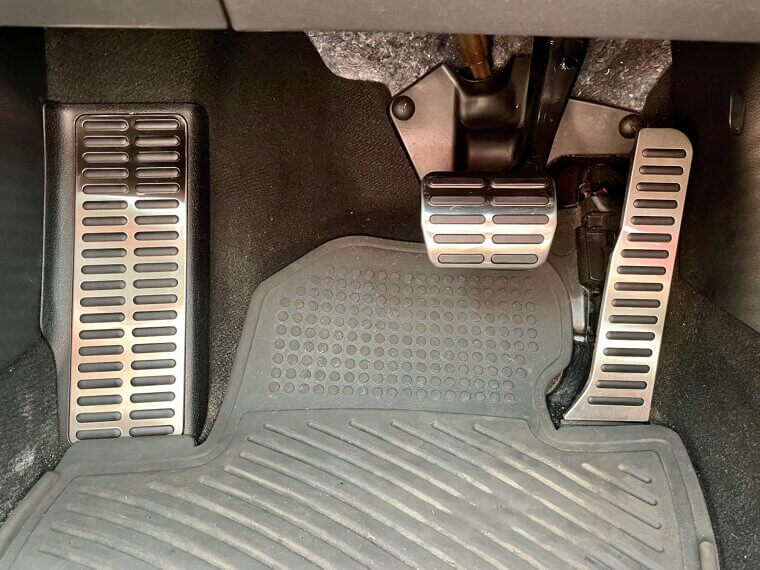
Brake Pedal Feels Spongy or Soft
When you press your brake pedal and it feels mushy or sinks toward the floor, that's your car telling you something's seriously wrong. A healthy brake pedal should feel firm and responsive, giving you confidence every time you need to stop. That spongy feeling usually means air has gotten into your brake lines, or worse, you're losing brake fluid somewhere in the system. Back in the day, mechanics would tell you to pump the brakes to see if they'd firm up, but that was just a temporary fix. Don't mess around with brake problems or try to nurse them along until payday. Your brakes are the most important safety feature on your car, and when they start feeling soft, it's time to get to a shop immediately.
Strong Burning Smell While Driving
A burning smell coming through your vents or windows isn't something to ignore, especially if it's getting stronger as you drive. This could mean your brake pads are worn down to the metal and grinding against the rotors, or your clutch is slipping and overheating. Sometimes it's an oil leak dripping onto hot engine parts, which creates that acrid smell that makes you wrinkle your nose. Back in the day, you'd pull over immediately when you smelled something burning because cars were simpler and the problem was usually obvious. Today's cars have more complex systems, but that burning smell still means the same thing: something is getting too hot and needs attention before it fails completely.
Car Pulls to One Side
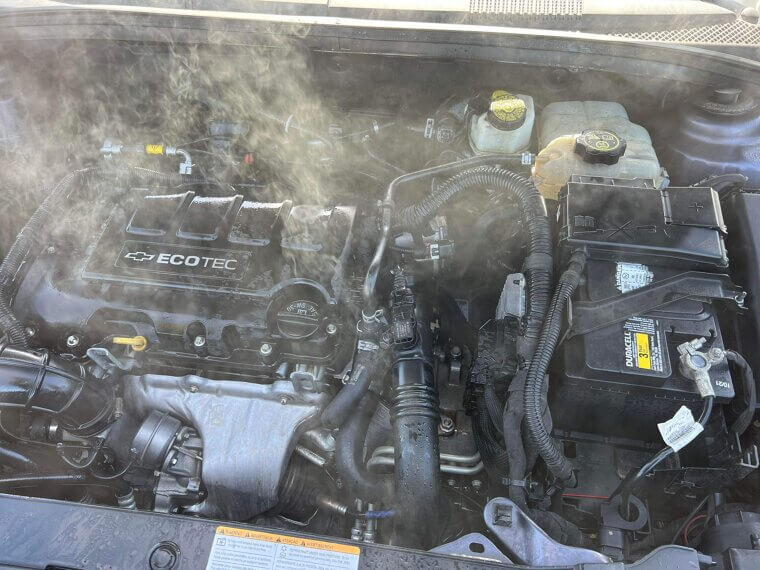
When you're driving straight but your car keeps drifting left or right, that's your vehicle telling you something's wrong. This pulling usually means your tires have uneven wear, your alignment is off, or there's a brake issue on one side. Back in the day, you might have just gripped the steering wheel tighter and kept going. But ignoring this problem will wear out your tires faster and make driving dangerous, especially in bad weather or emergency situations. The fix might be as simple as rotating your tires or getting an alignment, but it could also mean brake work. Either way, you don't want to find out the hard way when you're trying to stop quickly or navigate a curve.
Difficulty Starting the Engine
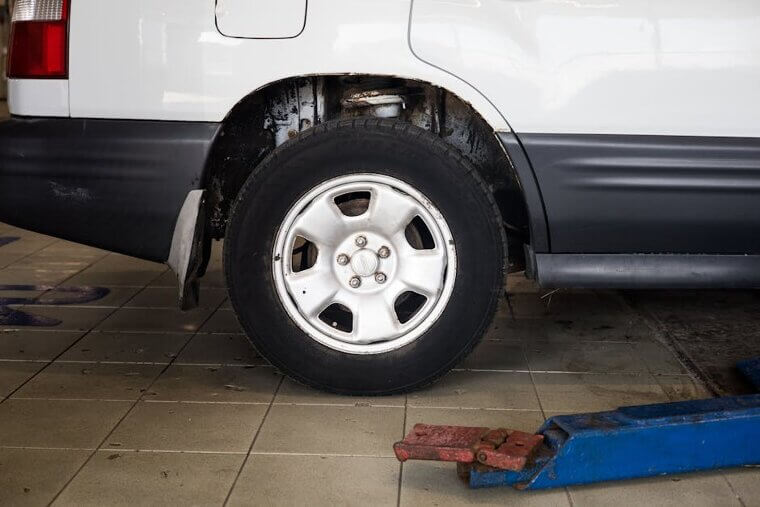
You turn the key and nothing happens. Or maybe the engine cranks and cranks but won't catch. Cold mornings used to be the only time your car acted finicky, but now it's happening more often. This kind of starting trouble usually points to your battery getting weak, corroded connections, or a starter motor that's on its way out. Sometimes it's as simple as dirty battery terminals that need a good cleaning with baking soda and water. Other times, your alternator isn't charging the battery properly while you drive. Don't wait until you're stranded in a parking lot somewhere. A quick battery test at most auto parts stores takes five minutes and they'll usually do it for free. Better to know now than find out the hard way.

Excessive Engine Oil Consumption
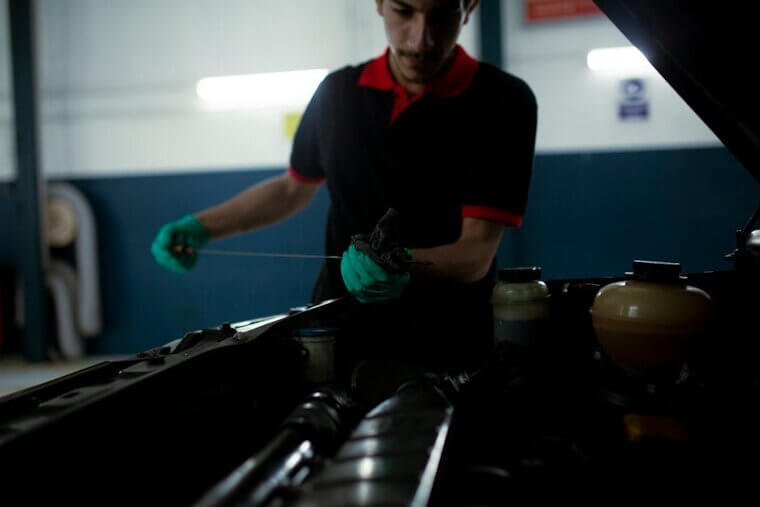
If you're constantly adding oil between changes, your engine is trying to tell you something important. A healthy engine might use a quart of oil every 3,000 to 5,000 miles, but if you're topping off every few weeks, that's a red flag. The oil could be leaking onto your driveway, burning off through worn piston rings, or escaping through a failing valve seal. You might notice blue smoke from your exhaust pipe when you start up in the morning or accelerate hard. Check your dipstick regularly and keep track of how often you're adding oil. Ignoring this problem can lead to catastrophic engine damage that'll cost thousands more than fixing the root cause now.
Tires Show Uneven Wear Patterns
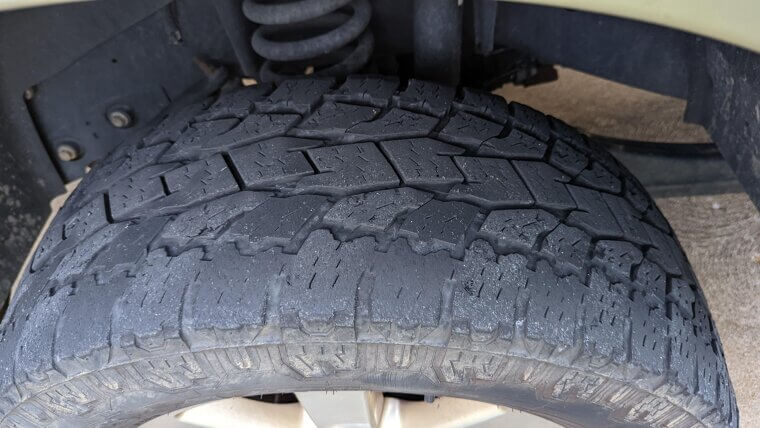
When you walk around your car, take a close look at how your tires are wearing down. If the inside edges are bald but the outside looks fine, or if one tire is way more worn than the others, something's wrong with your alignment or suspension. You might notice the tread wearing in patches or strange diagonal patterns across the rubber. This kind of uneven wear doesn't just mean you'll need new tires sooner than expected. It's telling you that your wheels aren't hitting the road properly, which affects how your car handles and stops. Driving on tires with uneven wear can be dangerous, especially in wet weather when you need every bit of traction you can get.
Fuel Economy Suddenly Decreases
When your car starts guzzling gas like it's going out of style, that's your wallet sending up a distress signal. You know your usual driving routine and roughly how often you fill up. If you're suddenly hitting the gas station twice as often for the same commute, something's wrong under the hood. Dirty air filters, worn spark plugs, or a failing oxygen sensor can all tank your fuel economy fast. Even something as simple as underinflated tires will make your engine work harder than it should. Don't ignore this one and hope it goes away. Poor fuel economy usually gets worse, not better, and the underlying problem might leave you stranded. Track your mileage for a week and get it checked if you're burning significantly more fuel than normal.
Windshield Wipers Leave Streaks
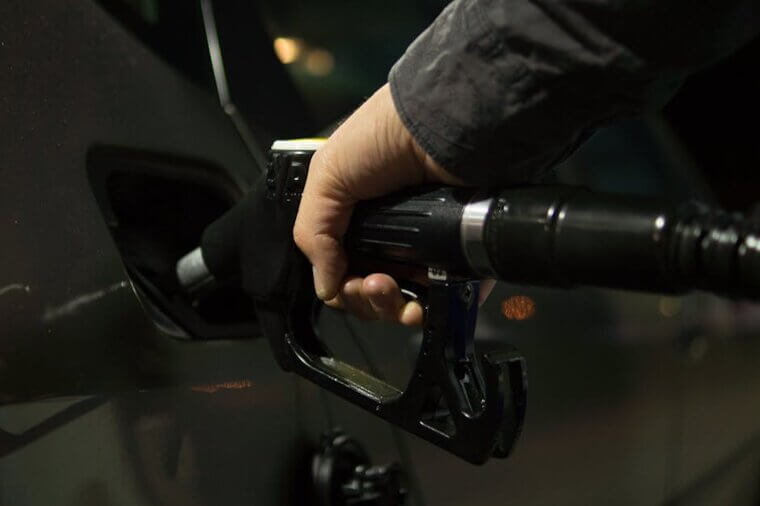
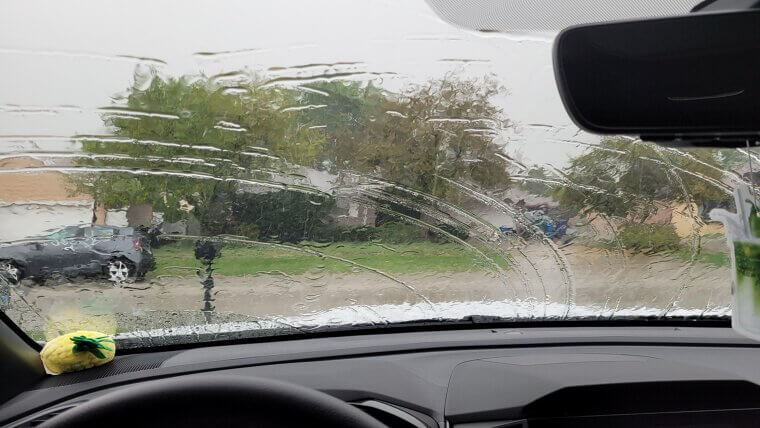
When your wipers start leaving streaks across the windshield, they're telling you it's time for a change. Those rubber blades take a beating from sun, rain, and road grime, and they don't last forever. You'll notice the streaks most during light rain when you really need clear vision. Old wiper blades can also start chattering or skipping across the glass, making that annoying squeaking sound that drives you crazy. The rubber gets hard and cracked, or picks up tiny bits of dirt that scratch your windshield every time you use them. Fresh wipers are cheap insurance for safe driving, especially during those sudden downpours. Don't wait until you can barely see through the mess they're making.
Power Steering Becomes Stiff
When your steering wheel suddenly feels like you're wrestling a truck from the 1950s, your power steering system is crying for help. You'll notice it most when parking or making tight turns at low speeds. The wheel might feel heavy and require real muscle to move, nothing like the effortless driving you're used to. This usually means your power steering fluid is low, leaking, or the pump is starting to fail. Don't ignore this one and keep driving with a death grip on the wheel. Low power steering fluid can damage the pump permanently, turning a simple fluid top-off into an expensive repair. Check the reservoir under your hood first, but if it keeps happening, get it looked at before you're stuck somewhere trying to parallel park without any assist.

Strange Odors Inside the Cabin
If you're smelling something unusual inside your car, don't ignore it. A sweet smell often means coolant is leaking, possibly from a cracked hose or failing heater core. Burning oil smells like something's frying under the hood, which could point to an oil leak dripping onto hot engine parts. A rotten egg odor usually signals a problem with the catalytic converter not processing exhaust gases properly. Musty or moldy smells might just mean your cabin air filter needs replacing, but they could also indicate water leaking into the car. Even a faint gas smell deserves attention since fuel leaks are serious safety hazards. Your nose knows when something's off. Trust it, and get your car checked out before a small issue turns into a big repair bill.