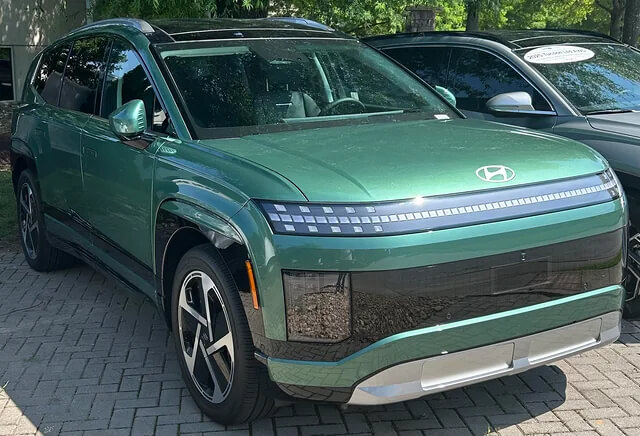
Hyundai Ioniq 9
Hyundai clearly wanted the Ioniq 9 to feel like the future, but somehow it overshot the mark and landed in a timeline where everything is shaped like a refrigerator. The oversized body tries to project confidence, yet it mostly looks like it’s apologizing for taking up so much space. Inside, the cabin is packed with tech that insists on being helpful but mostly nags you like a well meaning relative who won’t stop adjusting your collar. The ride is soft enough, though the steering feels like an unwanted work out. This massive electric vehicle tries to do everything at once but ends up feeling like a collection of gadgets rather than a cohesive machine. It is a bold swing for the brand that might be a bit too heavy for the daily commute. Driving it feels like navigating a luxury apartment through a narrow alleyway, leaving the driver wondering if the future really needs to be this complicated and large for no clear reason.
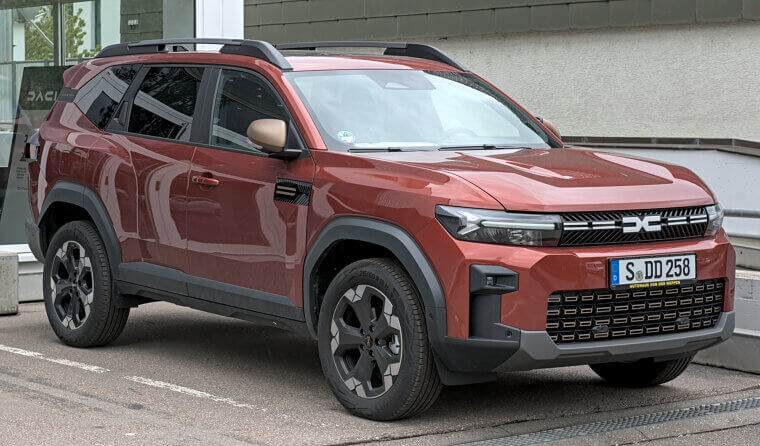
Dacia Bigster
The Bigster arrives with a name that promises presence, but the reality is more “budget‑friendly shoebox with aspirations.” Dacia clearly wanted to prove it could build something rugged, yet the result feels like a crossover that wandered into an off‑road class by mistake. The interior plastics are durable in the same way cafeteria trays are durable, and the driving experience is best described as “fine, if you’re not in a hurry.” It’s honest transportation, but the Bigster’s attempt at boldness ends up more endearing than impressive. Even still, you can’t help rooting for it, even while acknowledging it’s not exactly a standout.
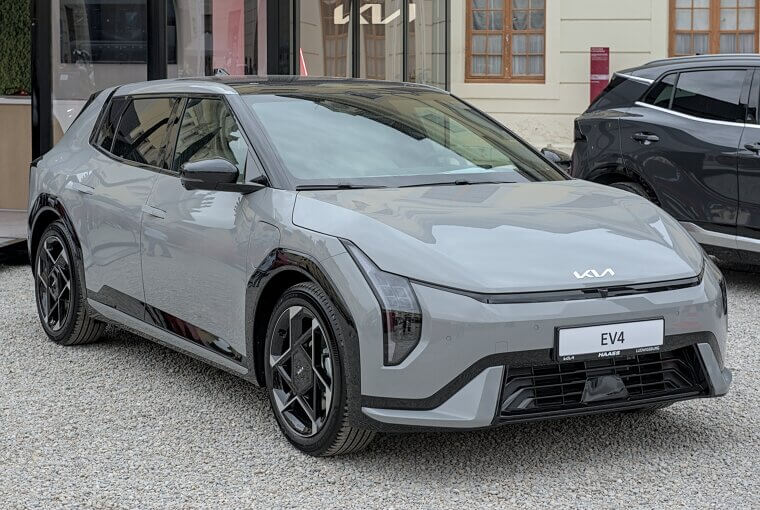
Kia EV4
Kia’s EV4 tries so hard to be the quirky electric alternative that it ends up feeling like a concept car someone accidentally approved for production. The angular styling is bold, though not always in ways that flatter the proportions. Inside, the minimalist cabin borders on austere, as if Kia feared giving drivers too much personality. With this, the powertrain is competent but lacks the spark that made earlier Kia EVs so compelling - it’s the kind of car you respect more than enjoy. So, the EV4 isn’t banishable - it’s just oddly forgettable!
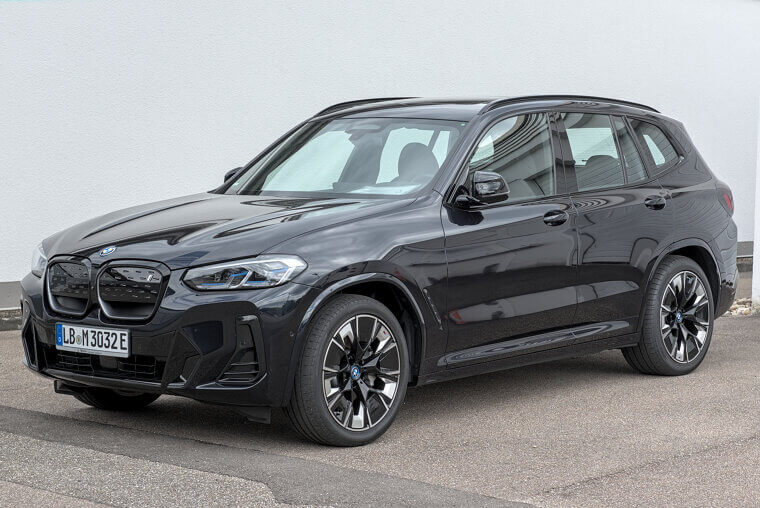
BMW IX3 (2025)
BMW’s refreshed iX3 continues the brand’s electric journey, though this chapter feels more like the filler episode no one wants! The exterior tweaks are subtle enough that most people won’t notice, and the interior updates seem designed to remind you that BMW still loves screens more than buttons. The driving dynamics are competent, but the excitement that once defined the brand is noticeably absent. It’s smooth, quiet, and perfectly reasonable - which is exactly the problem; the iX3 behaves like it’s afraid to offend anyone, resulting in a crossover that never quite reaches the spotlight.
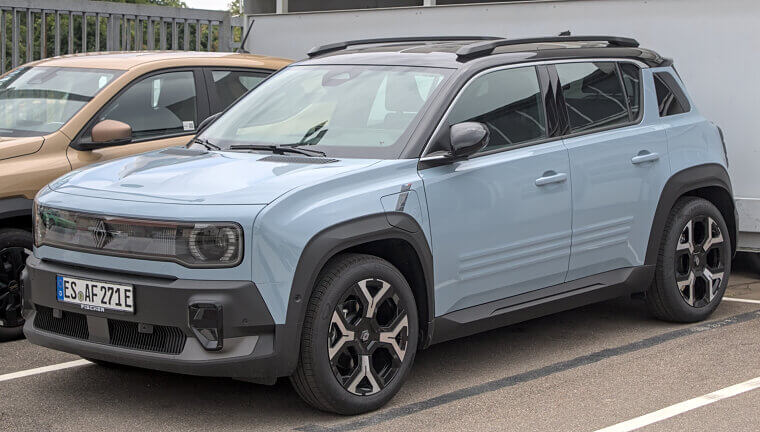
Renault 4
Reviving the Renault 4 was a bold move, but the 2025 version feels like a reboot that misunderstood what made the original appealing. The retro cues are there, yet the proportions give it a slightly awkward stance, like it’s wearing shoes a size too big. The electric powertrain is adequate, though hardly inspiring, and the interior tries for nostalgia but lands closer to “quirky rental.” Still, you can appreciate the effort, but the execution leaves you wishing Renault had embraced the past with more finesse.
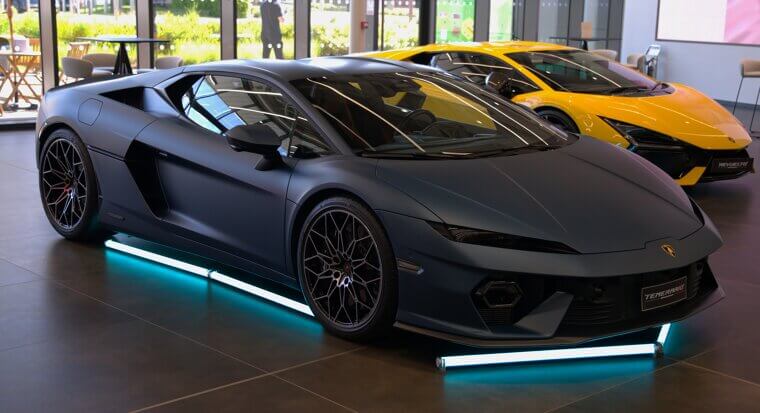
Lamborghini Temerario
The Temerario is loud, dramatic, and unmistakably Lamborghini - yet somehow it feels like the brand’s midlife crisis car. The styling is aggressive to the point of parody, as if every designer insisted on adding one more vent just to win an internal competition. The hybrid powertrain is undeniably powerful, but the experience lacks the raw, unhinged charm that made older Lambos so intoxicating. Instead, it feels calculated, almost restrained. It’s still a spectacle, but one that tries a little too hard to prove it hasn’t mellowed. Enthralling, yes - but not as iconic as its famous siblings.
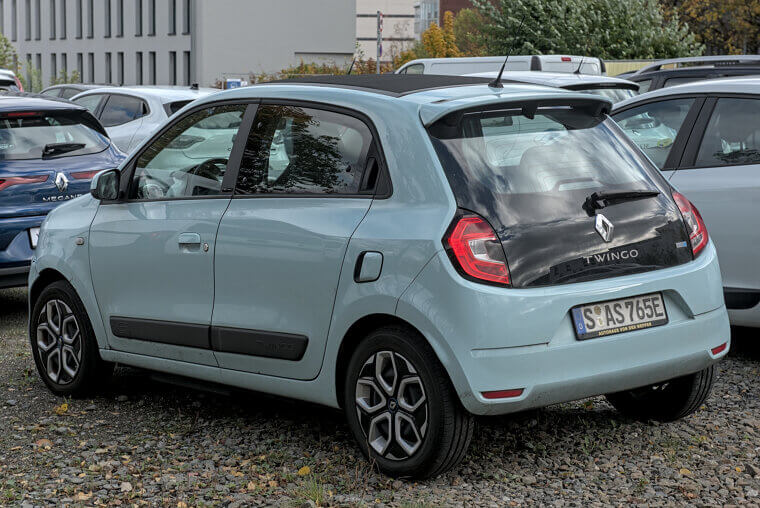
Renault Twingo (2025)
The new Twingo returns as an affordable EV, but its cheerful personality seems to have been misplaced somewhere between the design studio and the production line. The exterior is cute enough, though the rounded shapes feel more generic than playful. Inside, the simplicity borders on spartan, giving the impression of a car built entirely from leftover parts. But still, this car is practical, inexpensive, and easy to park (all admirable traits) yet the magic that once defined the Twingo is frustratingly absent.
Fiat Grande Panda
Fiat’s Grande Panda aims to scale up the appeal of the OG model, but the result feels like a cartoon character stretched into widescreen. The boxy silhouette is intentionally retro, though it leans so heavily into nostalgia that it borders on self‑parody. Inside, the materials are cheerful but undeniably cheap, and the driving experience is more about enduring than enjoying. The electric range is modest, and the acceleration is best described as “eventually.” It’s a car you want to like - truly - but its earnestness can’t hide the fact that it feels rushed into production.
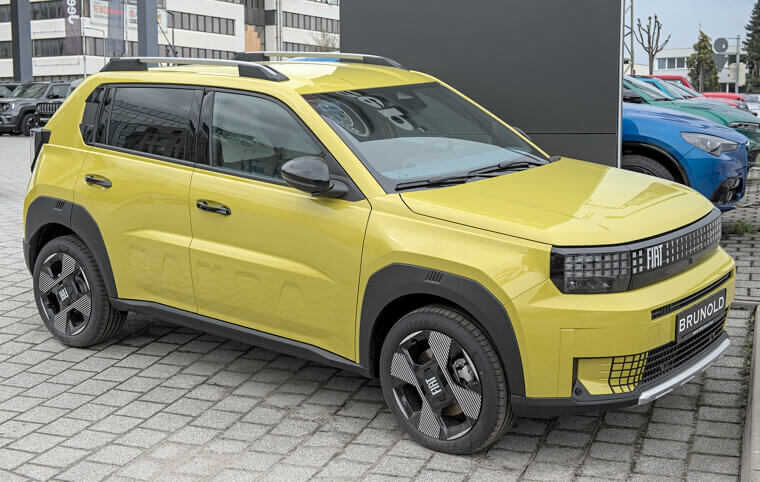
Alpine A290
The Alpine A290 promises hot‑hatch excitement, yet the final product feels like it’s constantly holding something back. The styling is sharp-looking, sure, but the stance lacks the confidence you expect from a performance‑oriented EV. Inside, the sporty touches feel more decorative than functional, and the driving dynamics never fully deliver the adrenaline rush the badge suggests. It’s quick, but not thrilling; agile, but not playful. It’s competent, but competence isn’t what Alpine fans were hoping for! This is especially painful when you look at the success of older models.
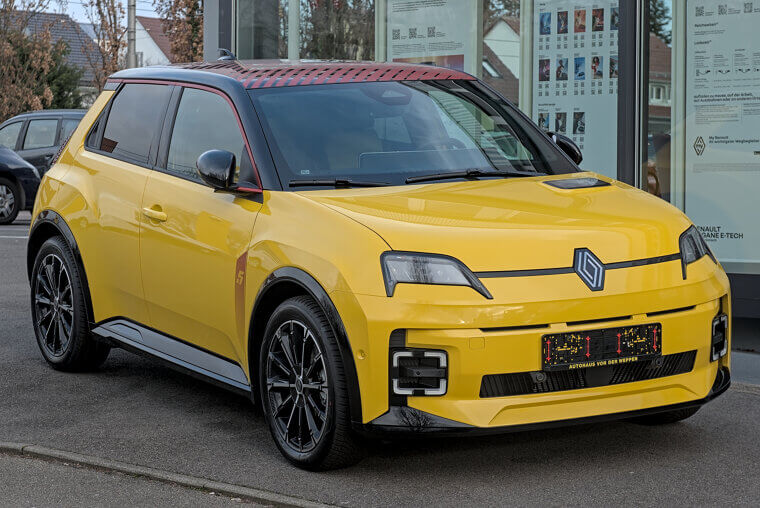
Range Rover Electric
Range Rover’s first full EV arrives with enormous expectations, yet the experience feels strangely muted. The design is elegant, though almost too restrained, as if the brand feared making a statement (oddly enough). Inside, the luxury is undeniable, but the interface leans heavily on touch controls that seem determined to ignore your inputs. The ride is smooth, but the weight of the battery pack is impossible to hide, giving the SUV a slightly lumbering quality. You get refinement, certainly - just not the effortless majesty the name implies.

Citroën C5 Aircross (2025)
Citroën’s updated C5 Aircross continues the brand’s tradition of quirky comfort, though this iteration feels more confused than charismatic. The exterior tweaks add sharpness but also dilute the softness that once made it distinctive. Inside, the seats remain plush, yet the cabin layout feels cluttered, as if every department insisted on adding its own design flourish. The hybrid system is efficient but lacks enthusiasm, and the handling is so relaxed it borders on sleepy. So, it’s a car that tries to please everyone and ends up pleasing no one in particular.
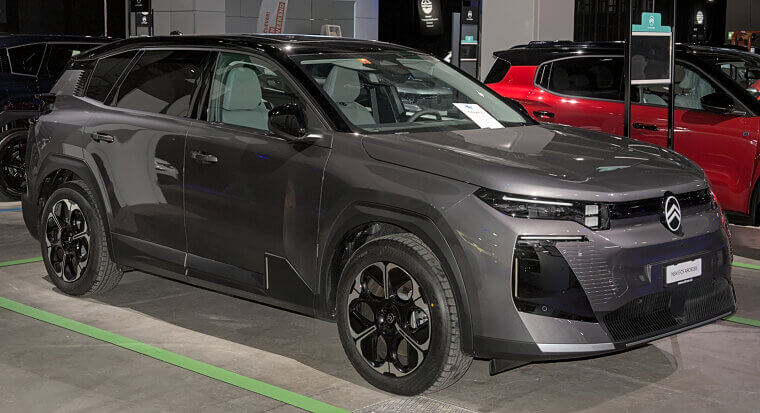
Cupra Raval
The Cupra Raval wants to be the rebellious electric city car, but its attitude feels more curated than authentic; the angular styling is eye‑catching, yes, though it occasionally veers into “trying too hard” territory. Inside, the sporty accents feel slightly mismatched with the modest performance, and the driving experience never quite lives up to the visual drama. It’s quick enough around town, but the steering lacks the precision that would make it genuinely fun. With this, the Raval is stylish, youthful, and full of energy - yet somehow still a little hollow.
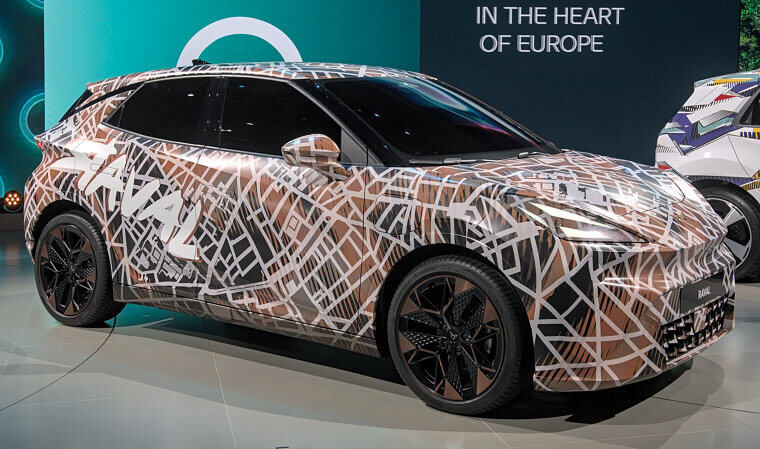
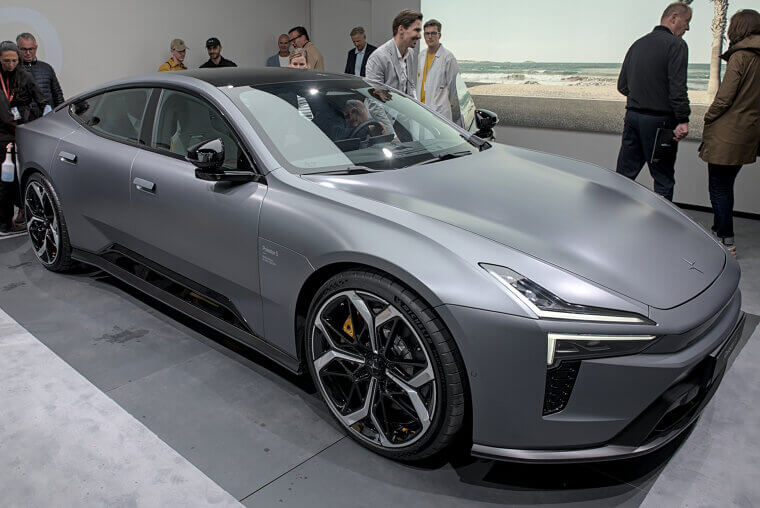
Polestar 5
The Polestar 5 positions itself as a clean, Scandinavian grand tourer, but the final execution feels more clinical than captivating. The minimalist design is undeniably elegant, though it borders on sterile, like a luxury appliance with wheels. Inside, the materials are premium, yet the atmosphere lacks warmth, and the interface feels determined to remind you it’s smarter than you. The performance is strong, but the emotional engagement is minimal, leaving the driving experience oddly detached. Beautiful, efficient, and impeccably engineered - but missing that spark that makes a flagship memorable.
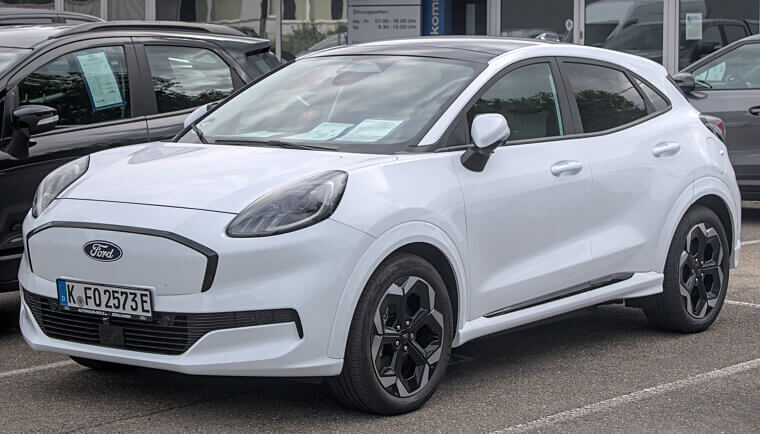
Ford Puma Gen‑E
Ford’s electric Puma tries to modernize a popular crossover, but the transformation feels more obligatory than inspired. Sure, the interior cabin is functional, but lacks the personality Ford usually sneaks into its smaller cars. The electric motor delivers adequate performance, yet the overall experience feels strangely flat, as if the car is constantly conserving energy - emotionally, not electrically. It’s practical and sensible, but not particularly engaging, which makes the Gen‑E fine for daily use, but it won’t leave anyone rushing to recommend it!
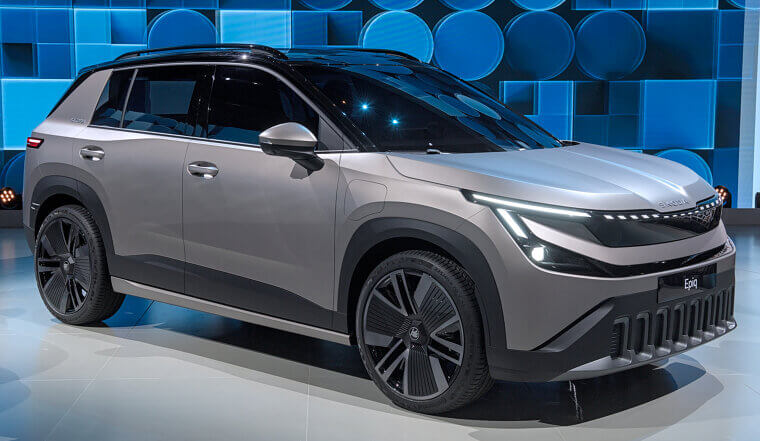
Škoda Epiq
The Škoda Epiq enters the EV market with a name that promises grandeur, but the reality is far more modest. The compact crossover shape is practical, though the design feels like it was assembled from leftover sketches of other Škoda models. Inside, the cabin is spacious but unremarkable, and the materials lean heavily toward “cost‑effective.” The driving experience is predictable, bordering on dull, with a powertrain that seems reluctant to do anything quickly. It’s sensible, efficient, and easy to live with - all sought-after qualities - yet the Epiq lacks the spark that would make it truly memorable. Functional, yes; epic, not quite!