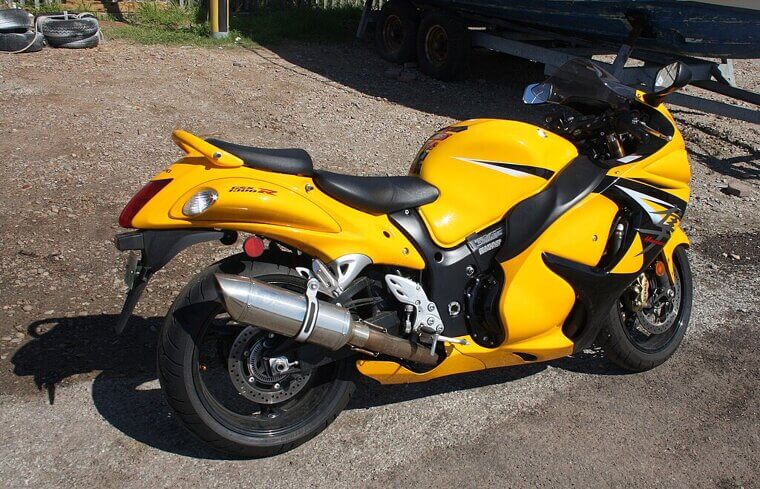
Suzuki Hayabusa GSX1300R (1999-Present)
The Hayabusa is a ballistic missile wearing turn signals. It’s engineered for terrifying straight-line speed, not gentle skill development. Weighing well over 500 pounds with eye-watering torque, it overwhelms novices with sheer physical presence. Low-speed maneuvering is awkward, quick mistakes become very big problems, and self-control becomes your most important safety feature. It’s comfortable, but that’s no substitute for manageability when it feels like your right wrist controls reality itself.
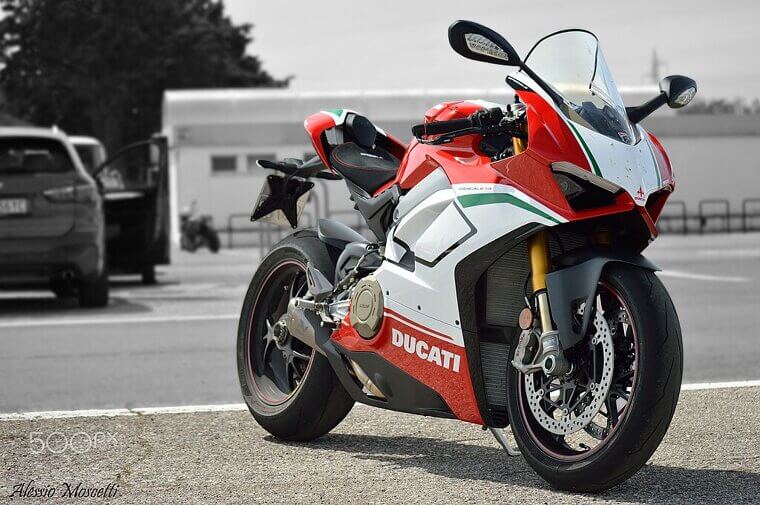
Ducati Panigale V4 (2018-Present)
The Panigale V4 is less “starter bike” and more a fighter jet with mirrors. Featuring absurd horsepower, razor-sharp race geometry and electronics that assume you already know what traction control actually does, it punishes hesitation and rewards recklessness. The heat alone can roast new riders like a convection oven in traffic. Maintenance is expensive, repairs are worse, and the riding position actively resents your spine. It’s breathtakingly beautiful, but comes with teeth.
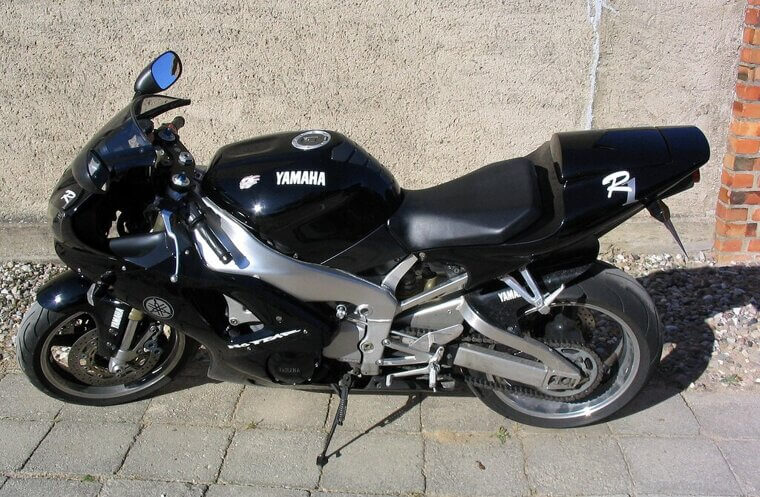
Yamaha YZF-R1 (1998-Present)
The R1 is a legend for a reason, and that reason is not “forgiving.” Its explosive power delivery, aggressive ergonomics, and track-focused suspension make everyday riding feel like an exam you didn’t study for. Beginners often struggle with throttle control, and the R1 treats clumsy inputs like a personal insult. Insurance companies also view new R1 owners the way meteorologists view hurricanes: with quiet dread and a stack of paperwork.
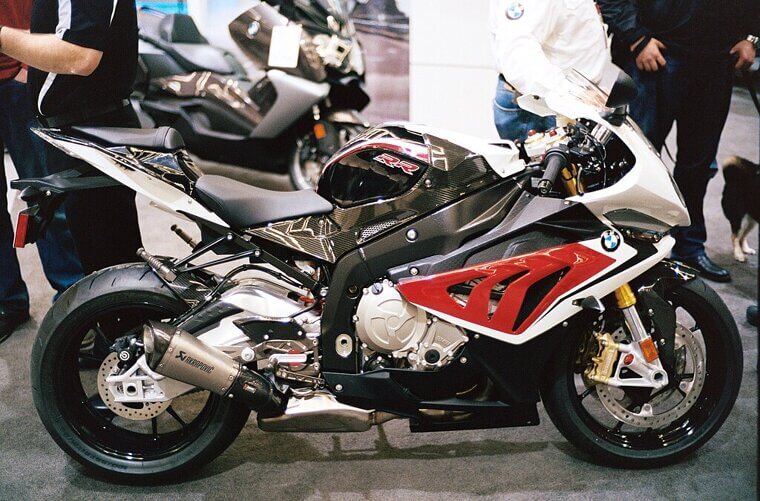
BMW S1000RR (2009-Present)
The S1000RR is a surgical instrument designed for professional chaos. It offers brutal acceleration, ultra-responsive handling, and deeply layered electronics that take time to actually understand. New riders often assume rider aids will save them… until physics shows up uninvited. The power arrives instantly, the riding position demands commitment, and repair costs appear with German efficiency. It’s a masterpiece of engineering, but beginners rarely need a masterpiece that can outpace their own reflexes.
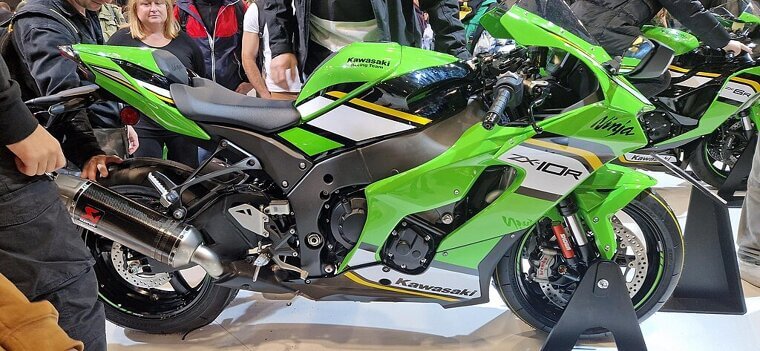
Kawasaki Ninja ZX-10R (2004-Present)
The ZX-10R is built for domination, not education. With race-derived aerodynamics, ferocious top-end power, and lightning-fast throttle response, it demands precision from minute one. New riders tend to fight the bike instead of learning from it, which ends predictably. The stiff suspension is punishing on real roads, and the insurance rates often resemble ransom demands. It’s thrilling, no doubt - just not in the “learning foundational skills” sort of way.
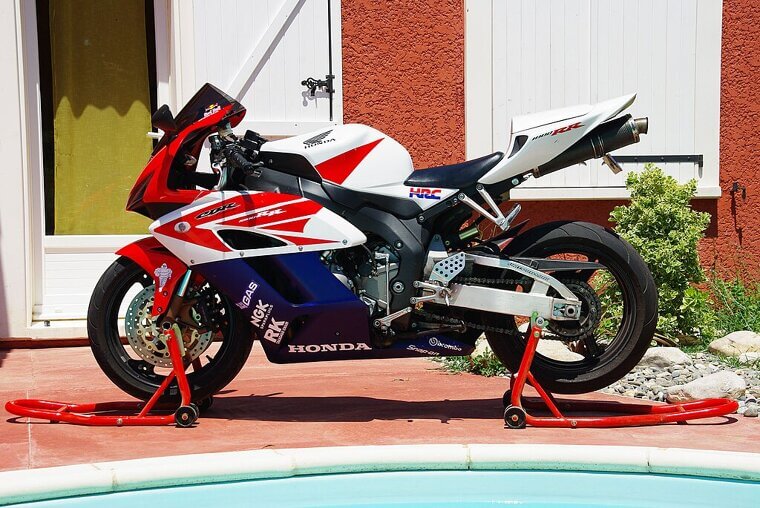
Honda CBR1000RR Fireblade (2004–2019, CBR1000RR-R From 2020)
The Fireblade has a reputation for precision and refinement… which makes it even more dangerous for beginners! It’s smooth enough to lull you into confidence right before it introduces you to serious acceleration. The power builds fast and clean, masking just how quickly you’re exceeding your own limits. Add in aggressive ergonomics and racetrack DNA, and you’ve got a motorcycle that feels polite right up until it’s suddenly not. Subtlety is not always kindness.
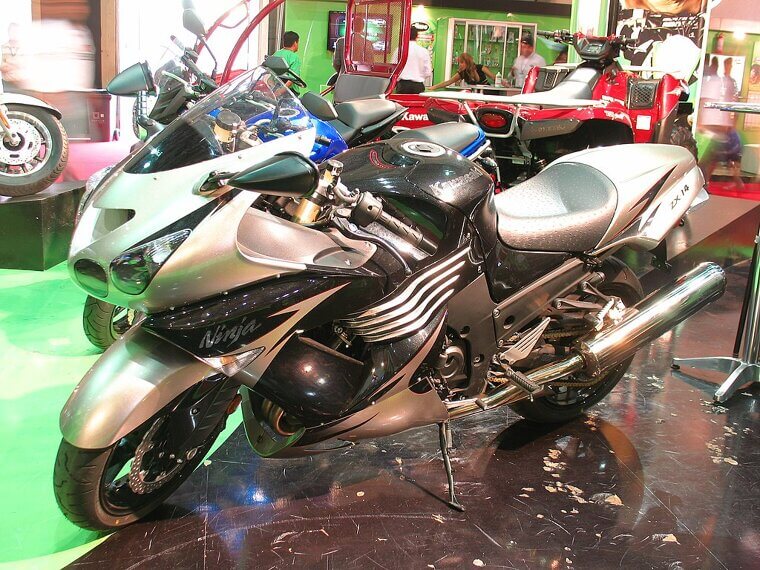
Kawasaki Ninja ZX-14 / ZZR1400 (2006-Present)
This machine is what happens when engineers say, “What if we made the Hayabusa even more unreasonably fast?” It’s immense, brutally powerful, and astonishingly easy to get into trouble on without meaning to. The weight makes low-speed handling a chore, parking lots become tactical challenges, and sudden acceleration feels like being fired from office furniture. It’s stable at terrifying speeds but clumsy at beginner speeds (which is exactly the wrong combination for learning)!
Yamaha VMAX (1985-2020)
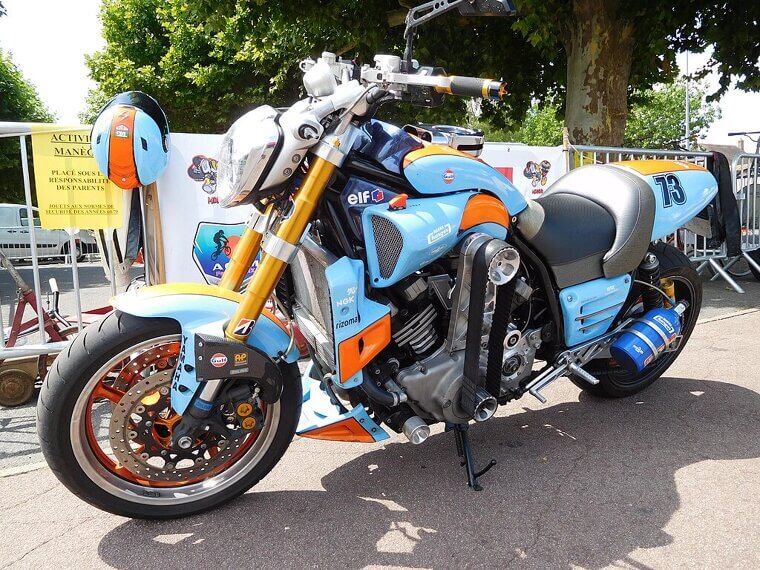
The VMAX is muscle-bound excess on two wheels, a street brawler disguised as a motorcycle. Built for savage straight-line acceleration, it delivers torque in a way that startles even experienced riders. For beginners, that power is less “thrilling” and more “unexpected physics lesson.” It’s also extremely heavy, handles like it’s negotiating with the pavement rather than cooperating, and drinks fuel enthusiastically. It’s iconic, but finesse has never been part of its personality.
Triumph Rocket III (2004-2017)
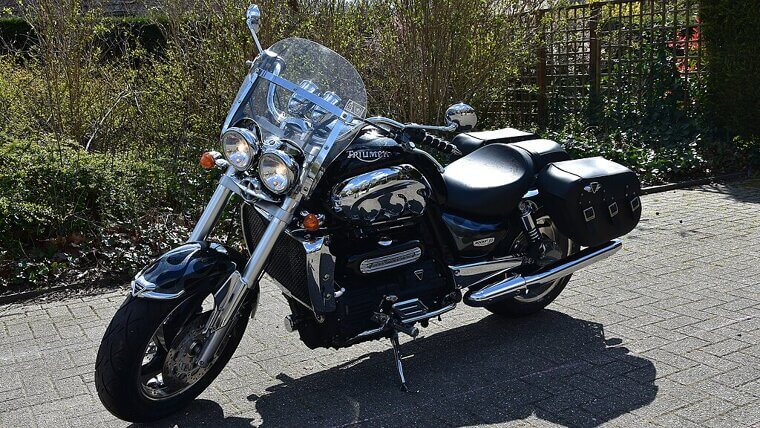
With a massive 2.3-2.5 liter engine, the Rocket III isn’t so much a motorcycle as a two-wheeled declaration of dominance. The torque is overwhelming, the bulk is intimidating, and every slow maneuver feels like wrestling a confident refrigerator. Beginners often underestimate how tiring constant mass management can be. It’s supremely stable at speed but punishing in tight spaces, and learning clutch control on this feels like being taught calligraphy with a sledgehammer.
Honda Gold Wing (1974-Present)
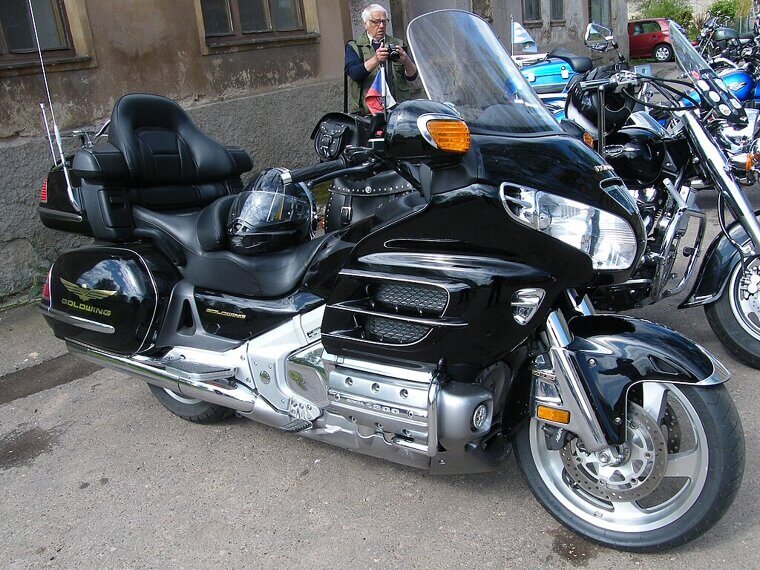
The Gold Wing isn’t dangerous because it’s fast - it’s dangerous because it’s enormous. This luxury touring leviathan weighs as much as two beginner bikes taped together and politely asks you not to drop it under any circumstances. Low-speed turning, sudden stops, and uneven ground are all high-stress events for new riders. It’s mechanically brilliant and wonderfully smooth, but learning to ride one is like learning to swim in full winter clothing.
Aprilia RSV4 (2009-Present)
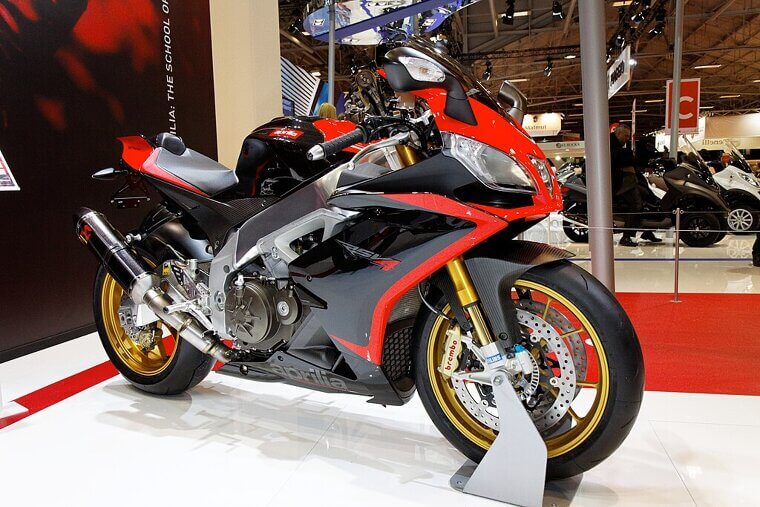
A track weapon that just happens to be street legal, the RSV4 thrives on high revs, precise inputs, and unwavering rider confidence - three things beginners are actively in the process of developing. The V4 engine delivers intoxicating power that builds fast and pulls harder than expected, while the stiff suspension offers every possible lesson about imperfect roads. It’s also mechanically complex and maintenance-hungry. Learning to ride shouldn’t require a part-time relationship with a service department.
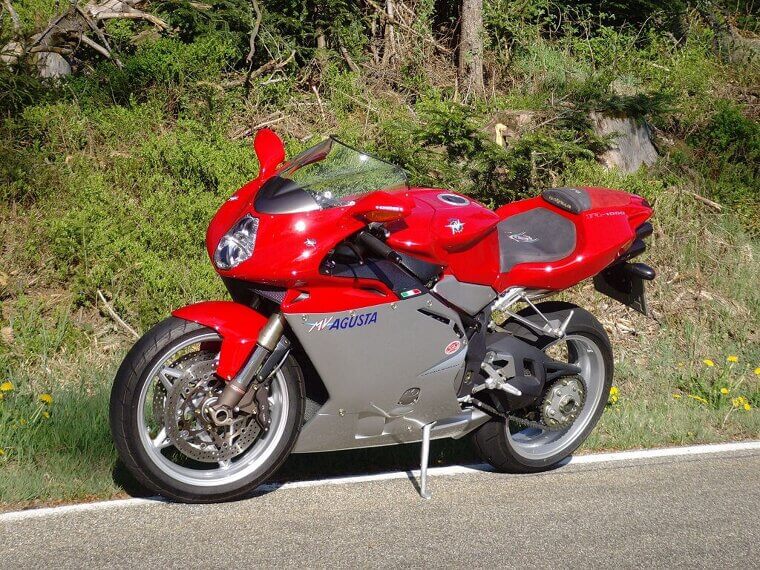
MV Agusta F4 Series (1999)
The F4 is a rolling sculpture with the temperament of a caffeinated thoroughbred; it’s gorgeous, but not remotely forgiving. The power delivery is abrupt, the clutch is heavy, and the riding position feels like it was designed by someone with a deep grudge against wrists. Replacement parts are costly, availability can be a scavenger hunt, and minor drops become emotionally expensive events. It teaches respect very quickly… usually right after it drains your wallet!
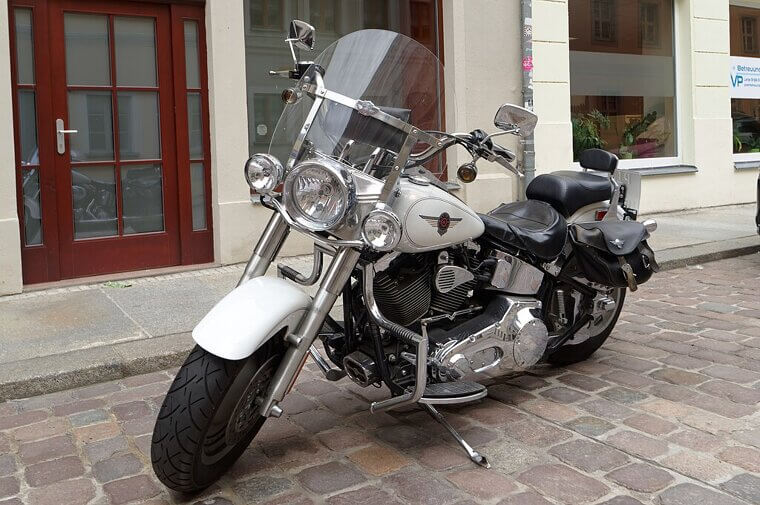
Harley-Davidson Fat Boy (1990-Present)
The Fat Boy looks relaxed, though its learning curve is anything but. It’s wide, heavy, and resistant to quick corrections, which makes emergency maneuvers especially stressful for new riders. The low seat can lull beginners into a false sense of control while the mass does the real decision-making. Add long braking distances and limited lean angle, and the result is a bike that punishes hesitation. It’s a style icon; however, “beginner-friendly” is not among its accessories.
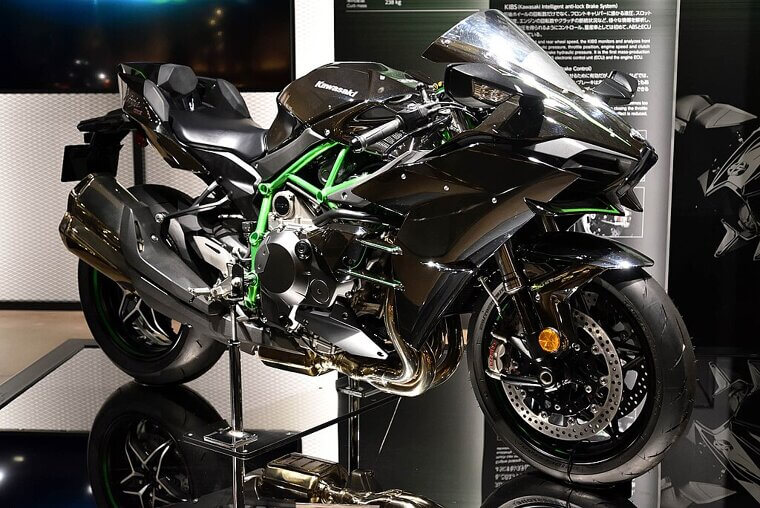
Kawasaki Ninja H2 Supercharged (2015-Present)
The Ninja H2 is supercharged, which is a mechanical way of saying “this bike takes offense easily.” The power is not just extreme - it’s violent, arriving with a shriek and a sudden rearrangement of distance and time. Even seasoned riders describe it as demanding. For beginners, the learning curve doesn’t slope upward so much as it forms a vertical wall. It’s engineering bravado on two wheels, and absolutely no one should be learning on it.
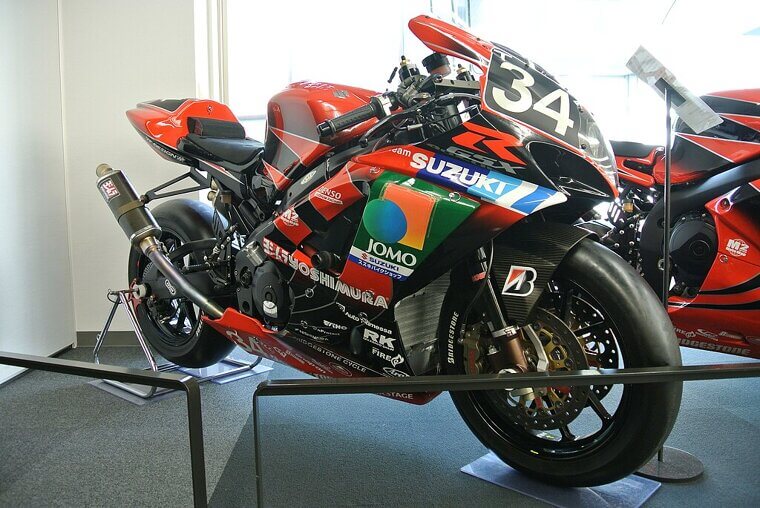
Suzuki GSX-R1000 (2001-Present)
A superbike that spent decades perfecting the art of going far too fast, the GSX-R1000’s power is immediate, its throttle response eager, and its chassis tuned for riders who already know exactly what they’re doing. Beginners often find themselves behind the bike rather than ahead of it, reacting instead of riding. The ergonomics encourage aggressive behavior, the acceleration encourages poor decisions, and the margin for error is distressingly thin.
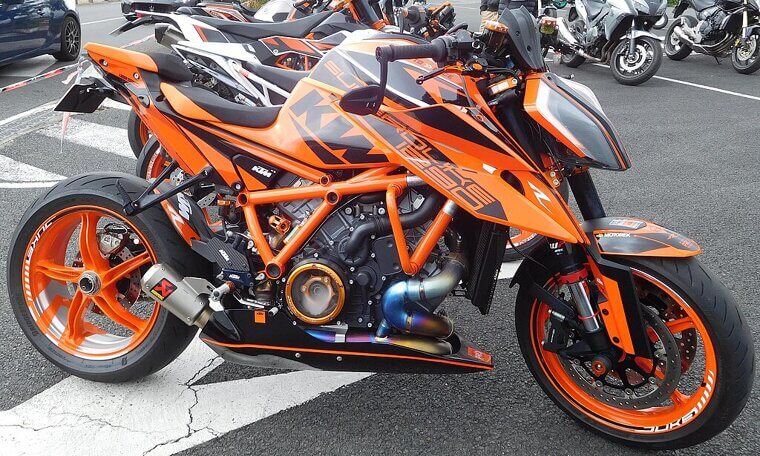
KTM 1290 Super Duke R (2014-Present)
Nicknamed “The Beast” - which is already a fairly honest warning label - the Super Duke R delivers savage torque in a package that feels far lighter than it has any right to. The upright ergonomics tempt beginners into thinking it’s friendly, right up until the throttle teaches them otherwise. The front wheel spends an alarming amount of time considering aviation. It’s thrilling, aggressive, and brilliantly engineered; however, it expects discipline most new riders haven’t built yet.
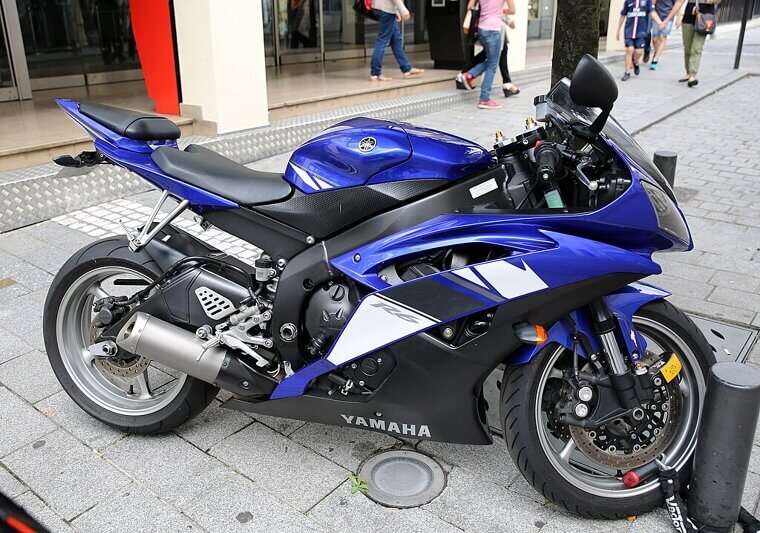
Yamaha YZF-R6 (1999-2020)
The R6 looks like a baby superbike, but behaves like a supercharged wasp with a personal vendetta. It makes modest power at low revs and then erupts near the top of the tachometer, which encourages beginners to chase speed at exactly the wrong time in their development. The riding position is uncompromising, city riding is exhausting, and mistakes are magnified by the peaky engine. It’s a fantastic track bike, just not a patient teacher.
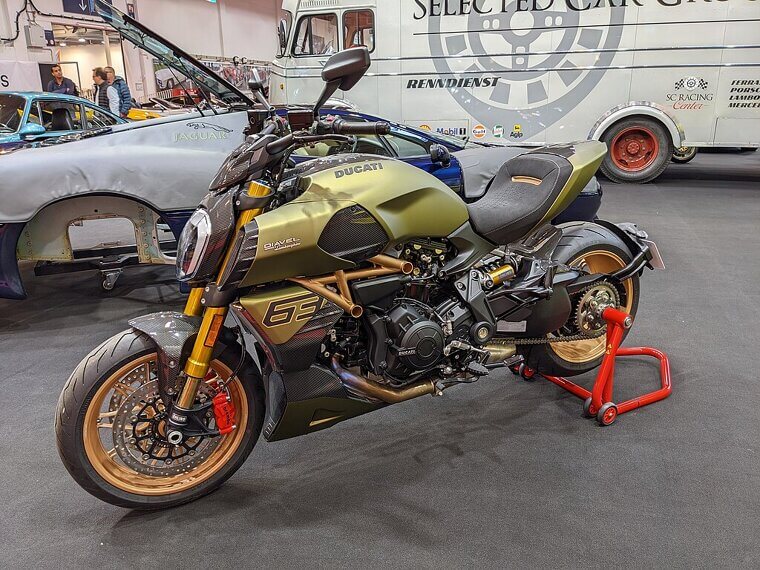
Ducati Diavel (2010-Present)
The Diavel sells the fantasy of a relaxed power cruiser, but in reality it’s a rocket disguised as lounge furniture. With enormous torque and a throttle that reacts instantly, it can surprise even cautious riders. The long wheelbase masks speed until very silly velocities arrive unannounced. It’s wide, heavy, and intensely powerful, which makes slow-speed practice awkward and emergency reactions dramatic. It’s seductive, no question - and that’s part of the danger!
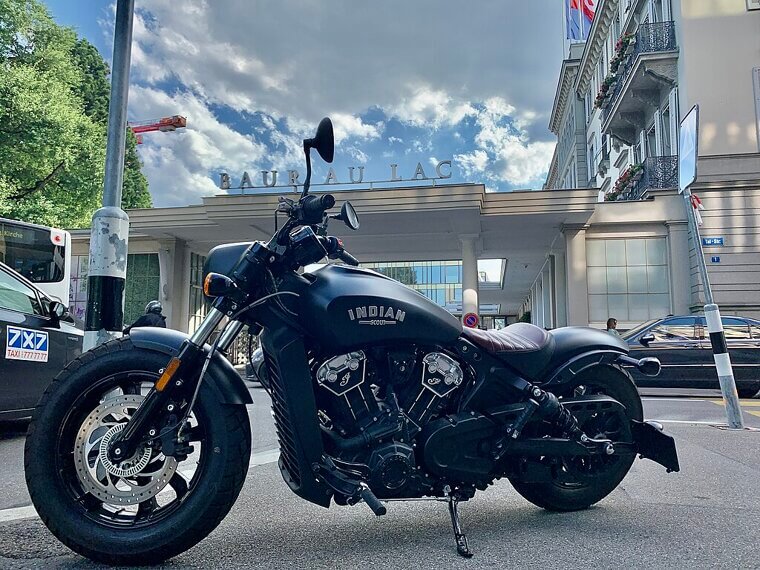
Indian Scout / Scout Sixty (modern Scout Line, 2015-Present)
The Scout is often marketed as “approachable,” which is true in the same way a friendly bear is approachable. Its power-to-weight ratio is shockingly high for a cruiser, and its acceleration comes on far harder than new riders expect from the look alone. Limited cornering clearance, rear-biased ergonomics, and brisk throttle response combine into a recipe that punishes overconfidence. It’s an excellent motorcycle, but it assumes you already know how to ride.
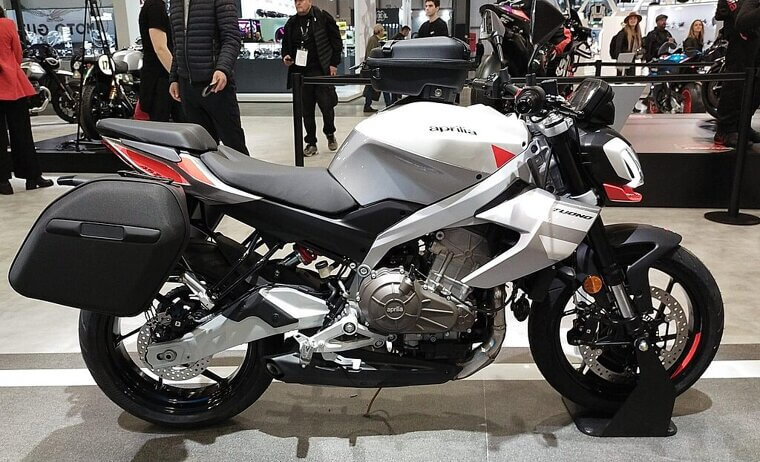
Aprilia Tuono (2002–present)
Essentially a superbike that stood up straight and learned sarcasm, the Tuono offers superbike power with naked-bike leverage, meaning the acceleration feels immediate and relentless. The engine is magnetic, always tempting you to twist just a bit more. For beginners, that temptation is the entire problem; add in sensitive throttle mapping, performance-focused suspension, and premium repair costs, and you have a motorcycle that teaches lessons quickly (then invoices them expensively).