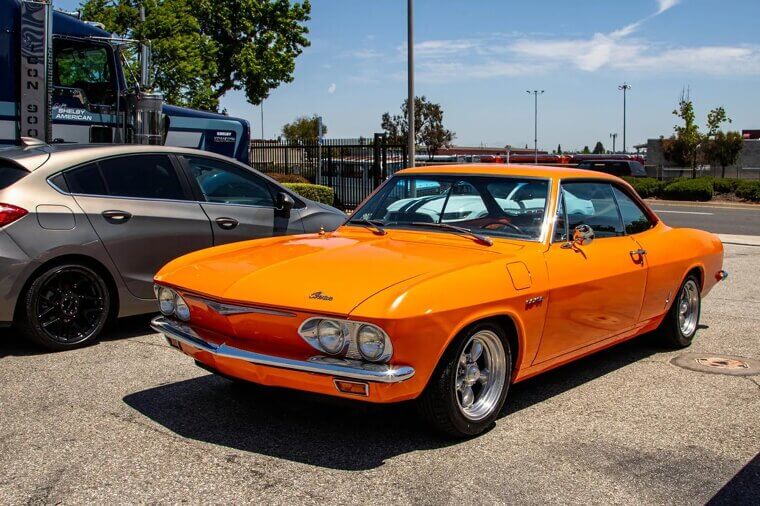
Chevrolet Corvair
It’s hard to believe that such a recognizable car could ever have been poorly received, but the original 1960 Chevy Corvair suffered from some severe early-model handling and safety issues. Even its stylish design couldn’t save it. Today, it has a strong cult following that appreciates its innovation.
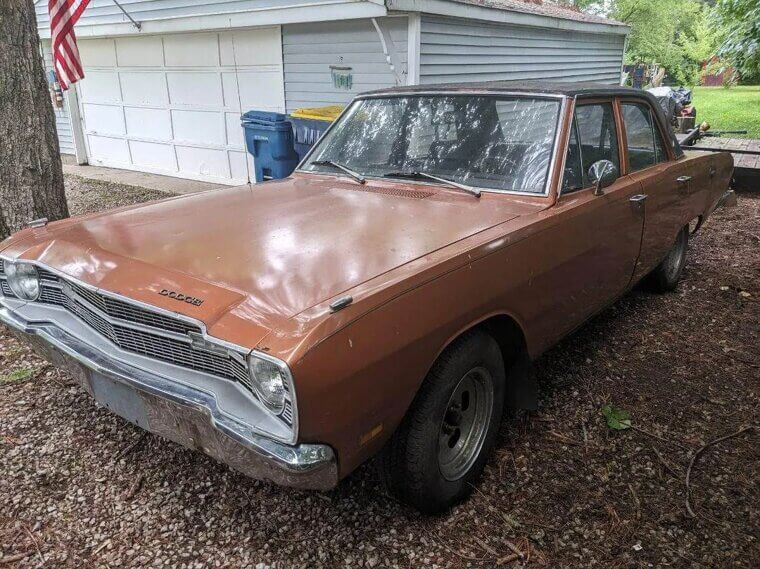
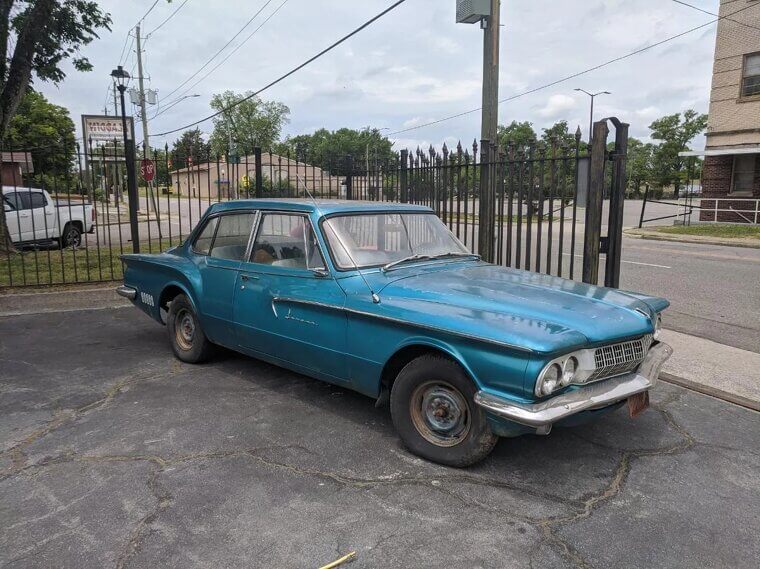
Dodge Dart
Launched in 1960, the Dodge Dart didn’t quite fit into Chrysler’s premium lineup, which harmed public perception. It was awkwardly proportioned, and the quality was hit-or-miss, so it didn’t really enter the mainstream market until it was refined later on.
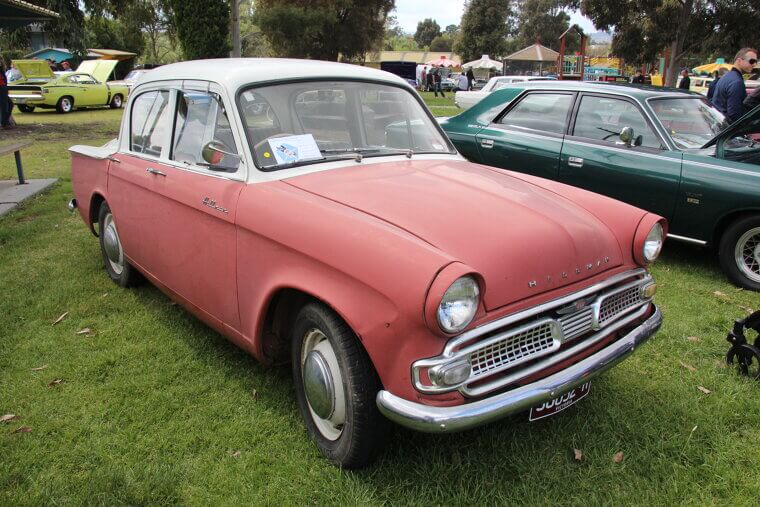
Hillman Minx Series IIIB
The Hillman Minx line was generally good, but not every model was a hit. Aside from a few little tweaks, the IIIB was quite a boring and dated addition that didn’t excite drivers. The fact that it only really appealed to niche British collectors further limited its potential.
Studebaker Lark
The Studebaker Lark was a desperate attempt to revitalize and save the brand, which sadly didn’t pay off. It had some success, but many drivers were put off by its quality issues and stale design. They felt it wouldn’t age well, and it’s now mostly associated with Studebaker’s decline.
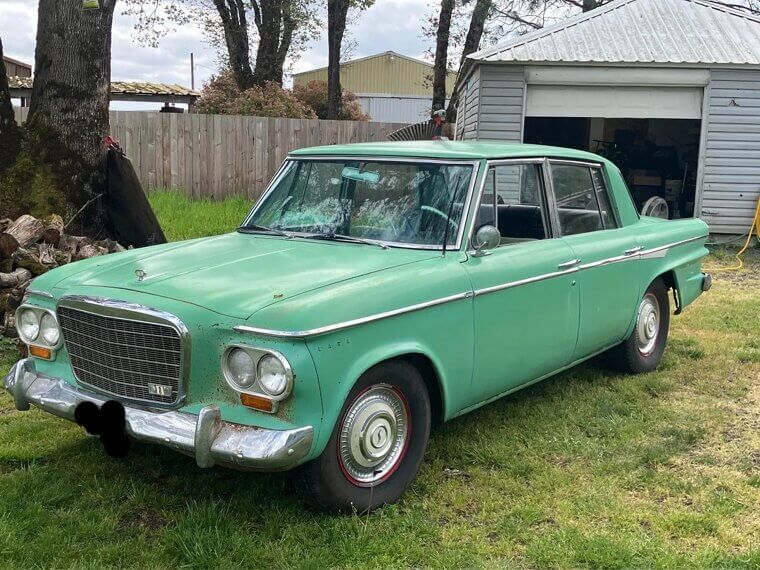
Sunbeam Alpine Series II
We can’t deny that the Sunbeam Alpine Series II model, released at the start of the ‘60s, was a charming British roadster, but it had to compete with high-powered sports car rivals. It also had some design quirks and reliability complaints that hurt its market reputation.
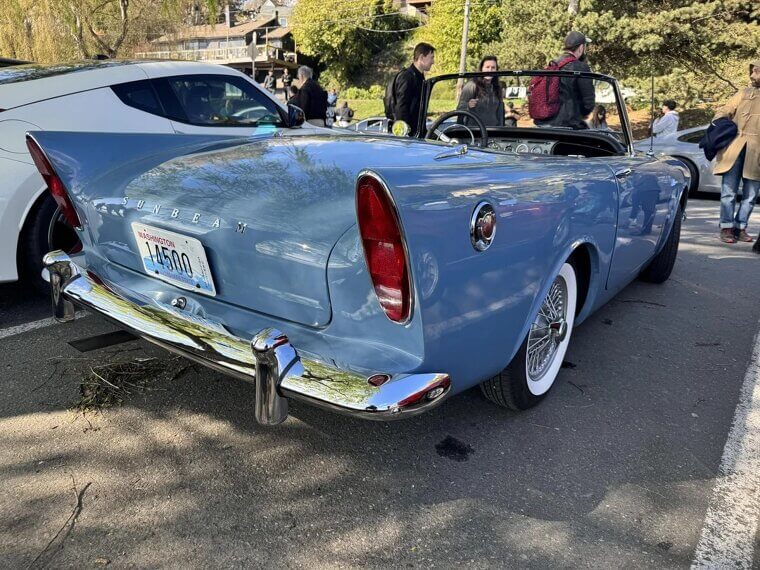
Triumph Herald
The Triumph Herald hit the US market in 1960, and though it was delightfully retro, it had a very fragile build quality and tricky upkeep requirements that put many drivers off. Those who did buy it criticized its performance, and more successful Triumphs quickly overshadowed it.
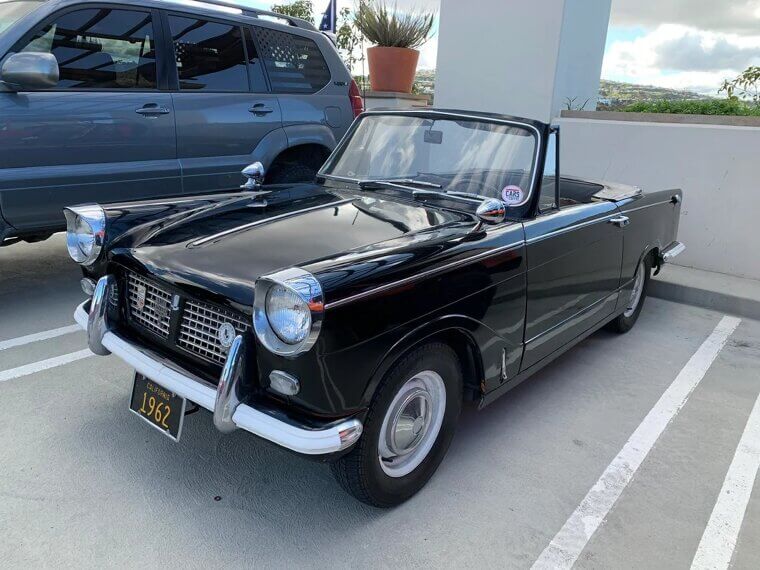
Buick Special
After an initial 1930s release, the Buick Special returned in 1961 to experiment with aluminium V8s and a more luxurious design. Sadly, buyers struggled to put their faith in a car with known reliability and refinement issues, especially as the Special was going through an awkward transitional phase.
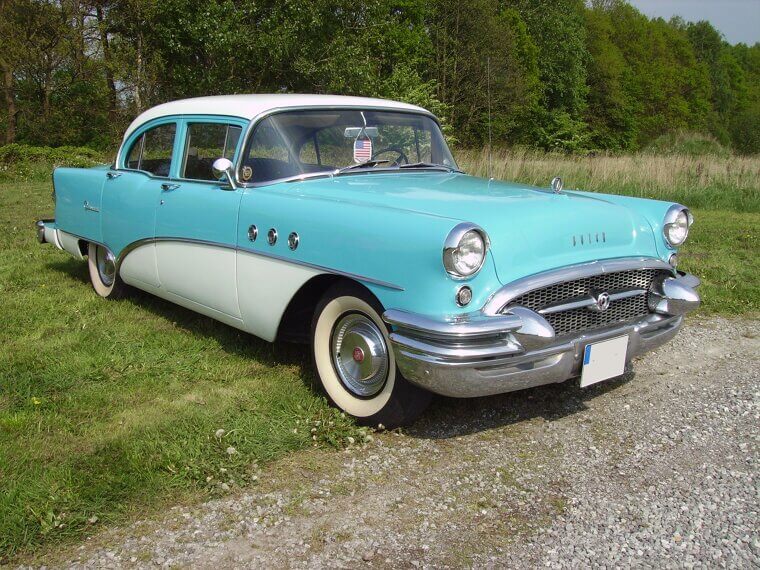
Dodge Lancer
Chrysler launched the Dodge Lancer in 1961 as a contender for the compact car crown, but it was met with weak sales and a very brief production run before it was redesigned as a larger vehicle. It was rough around the edges and never gained widespread collector status.
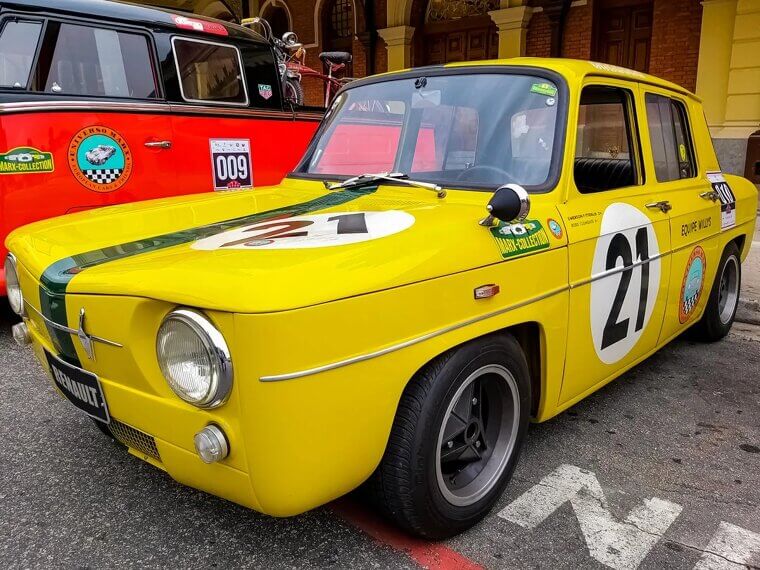
Renault 8
In 1962, one car puzzled the American public more than any other: the Renault 8. Quirky French design aside, it had a bizarre rear-engine layout and modest power, which kept it from becoming a mainstream choice. It was perceived as a poor imitation of the Volkswagen Beetle.
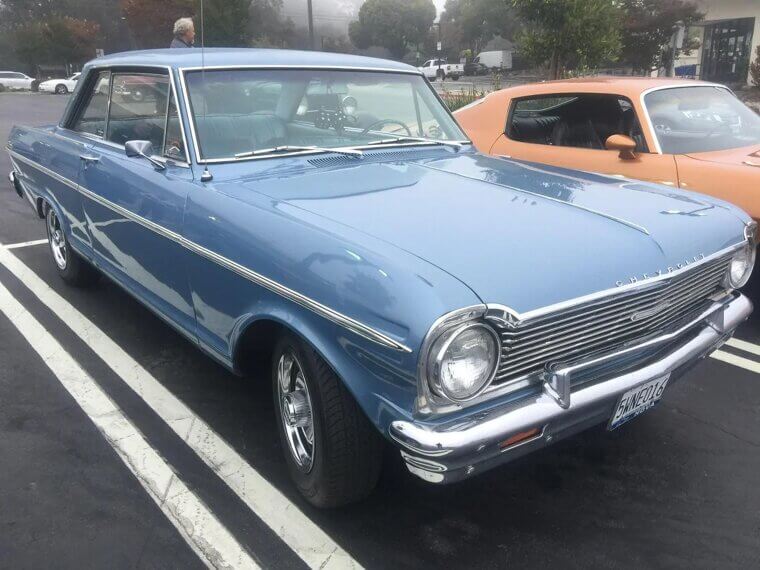
Chevrolet Nova
The Chevrolet Nova was completely uninspired in every way, so we’re not surprised it was poorly received. It was a bare-bones compact car with plain styling and engineering that required performance upgrades to boost its appeal. V8 Novas are hot now, but their early reviews were lukewarm.
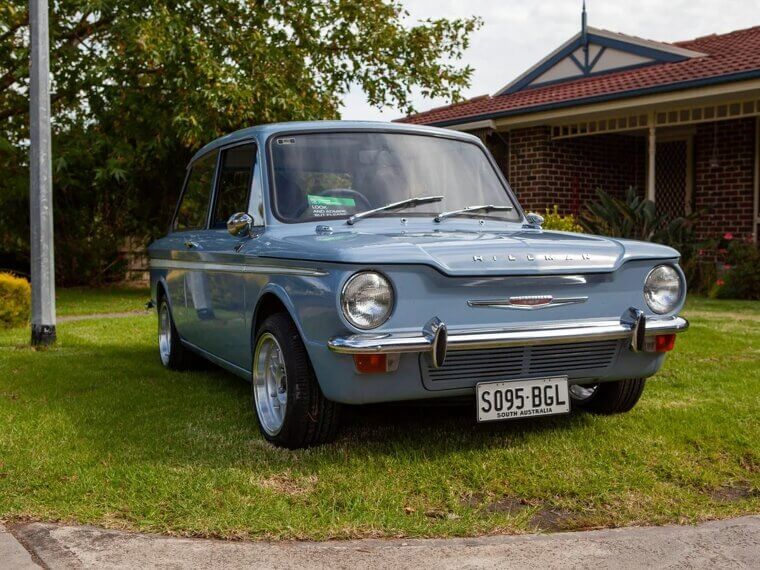
Hillman Imp
Released in 1963 to rival the Mini, the Hillman Imp mainly suffered from rushed development. The engineering was clever, and it looked good, but overriding reliability concerns meant people were hesitant to invest in it. Nowadays, it has a niche cult following.
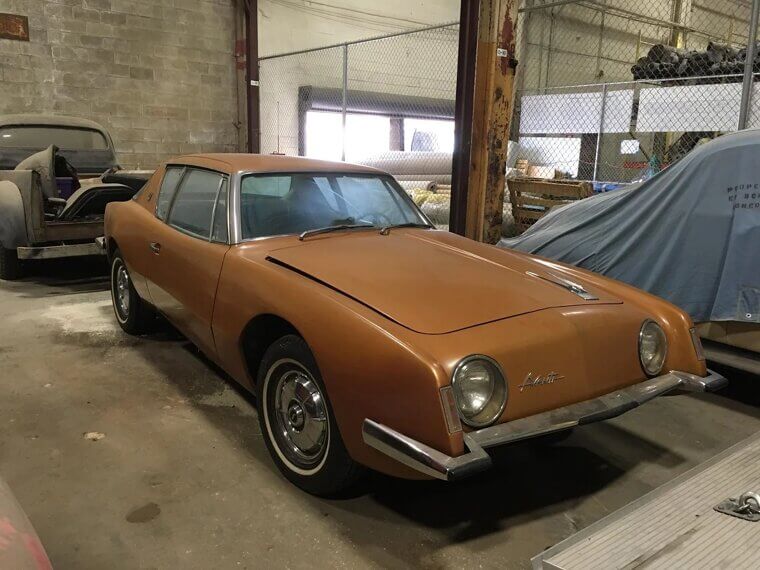
Studebaker Avanti
The Studebaker Avanti was a snazzy addition to the sports coupe market in 1962, but even its beautiful styling couldn’t cover up its iffy quality and multiple production delays. It also had the misfortune of being released as Studebaker collapsed, which ultimately sealed its fate.
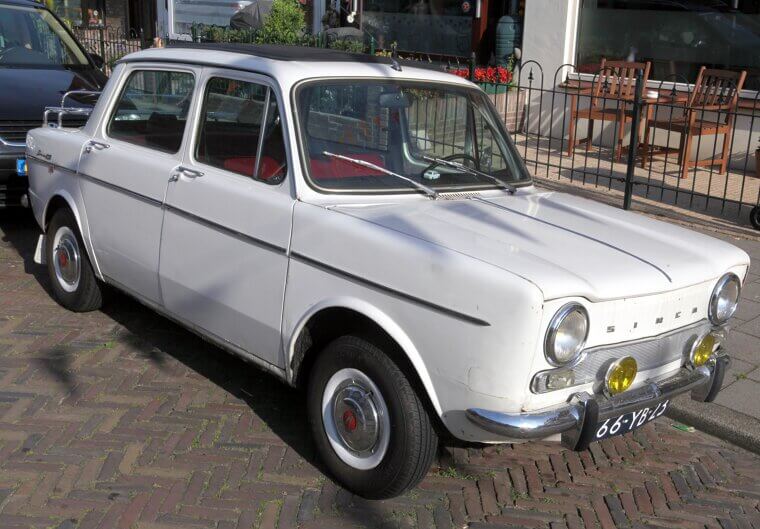
Simca 1000
This rear-engined French compact car had potential, but it just wasn’t ready for the road. Its terrible handling, which caused frequent oversteering, was very poorly received, and its boxy, uninspired design also had a tendency to rust. Now, it’s a very niche collectible.
Ford Mustang
It’s one of the most recognizable classics today, but when the Ford Mustang first came out, drivers were skeptical. They didn’t like its build quality, nor its engineering. It was challenging for inexperienced drivers, and many saw it as style over substance. We’re sure they’ve changed their minds now!

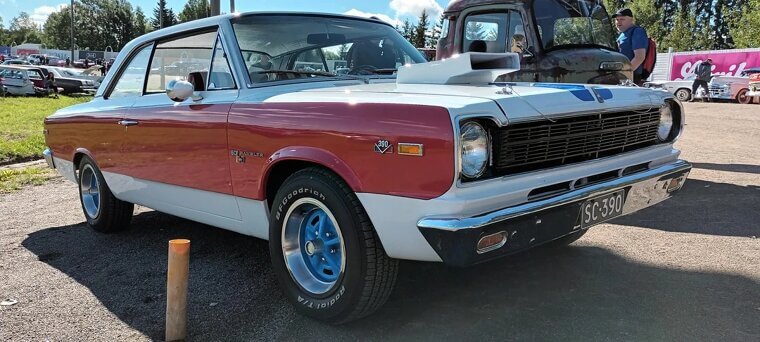
AMC Rambler American II
The second-gen AMC Rambler American had a big presence in the early 1960s, yet it never really took off. It kept the same stodgy design, which fell short compared to sportier rivals, and drivers weren’t excited enough to give it a proper chance.

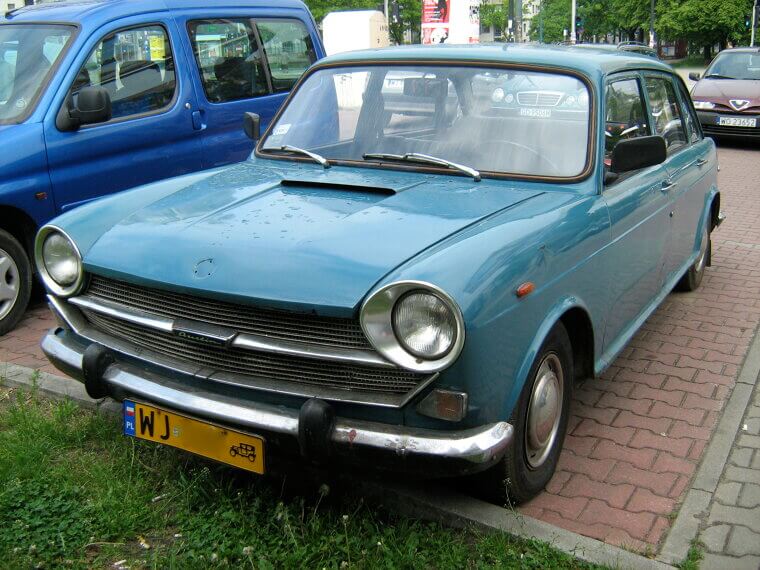
Austin 1800
It was technologically advanced for its time, so what went wrong with the Austin 1800? Its awkward ergonomics and outdated design simply didn’t keep up with the rest of its development, so ‘60s buyers judged it before they even discovered what it was capable of.
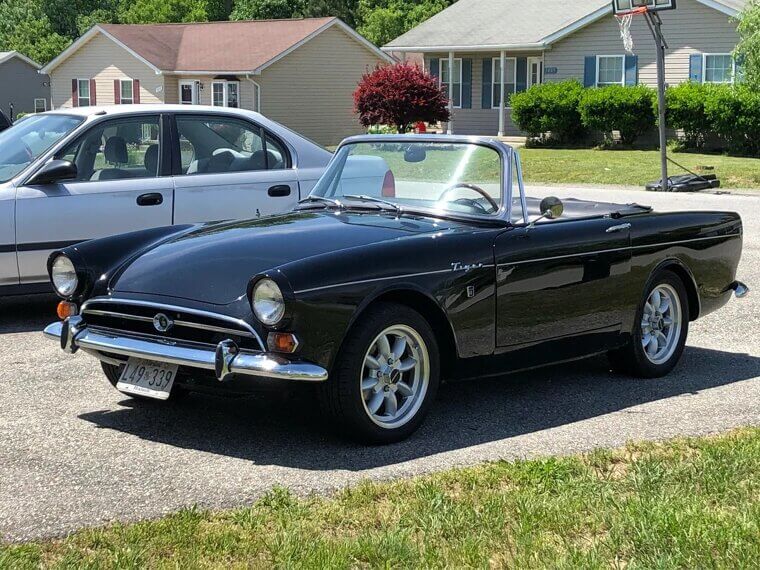
Sunbeam Tiger
With a name as cool as this, the Sunbeam Tiger should have been right at home in the ‘60s. Unfortunately, it was cramped, didn’t handle well, and was tricky to maintain. The V8 engine was a fun addition, but it was stuffed into a small bay and overheated very easily.
Renault 10
The Renault 10 was a new small family car, so it should have had a ready-made audience waiting. But American drivers disliked its odd proportions and underwhelming performance, so it never fully took off across the pond. Other European imports easily overshadowed it.
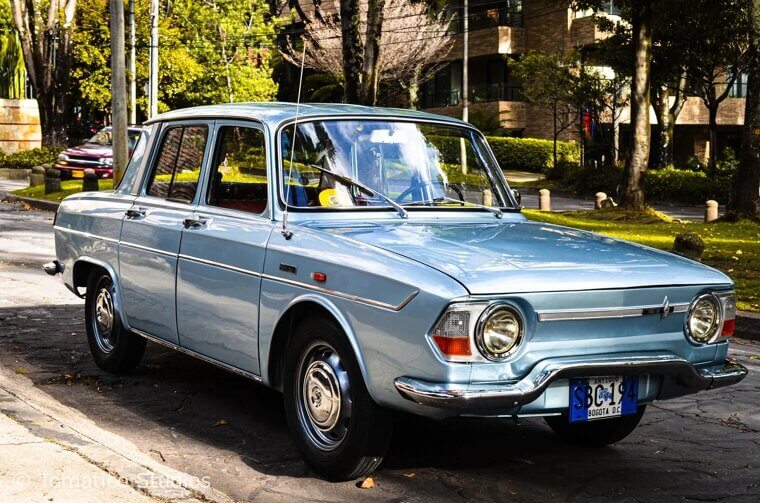
Ford Corsair GT
It’s a cult classic now, but the Ford Corsair GT was never a bestseller back in its heyday. The V4 engine was noisy and harsh to run due to vibrations, and it was neither stylish nor dynamic enough to properly dominate its niche. Moderate sales resulted in a lukewarm legacy.
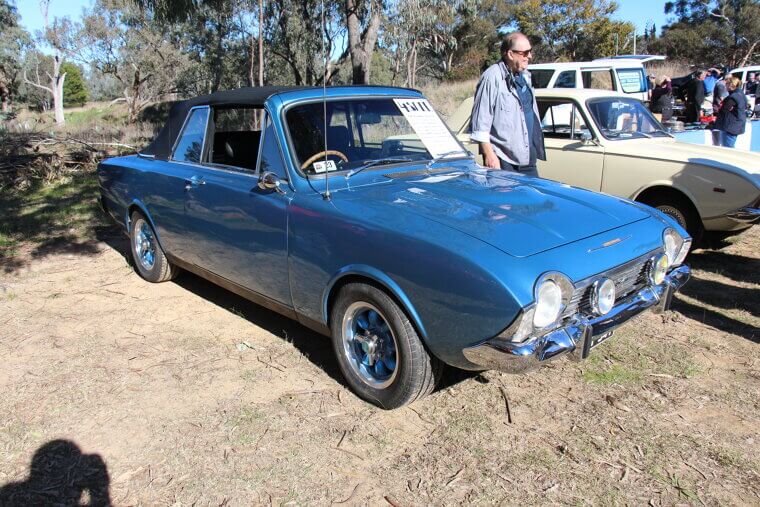
AMC Marlin
Hitting the market in 1965, the AMC Marlin was instantly criticized for its uneven proportions and lack of clear identity. It was sporty but oversized, and quirky but marketed as mainstream, so puzzled buyers went with options that better suited their tastes.

DAF 44
The 1960s were all about power and style, so when the ‘65 DAF 44 failed to deliver either, it was poorly received. Both the engine and transmission were sluggish, and it also lacked long-term durability. All in all, its quirkiness was all it had going for it.
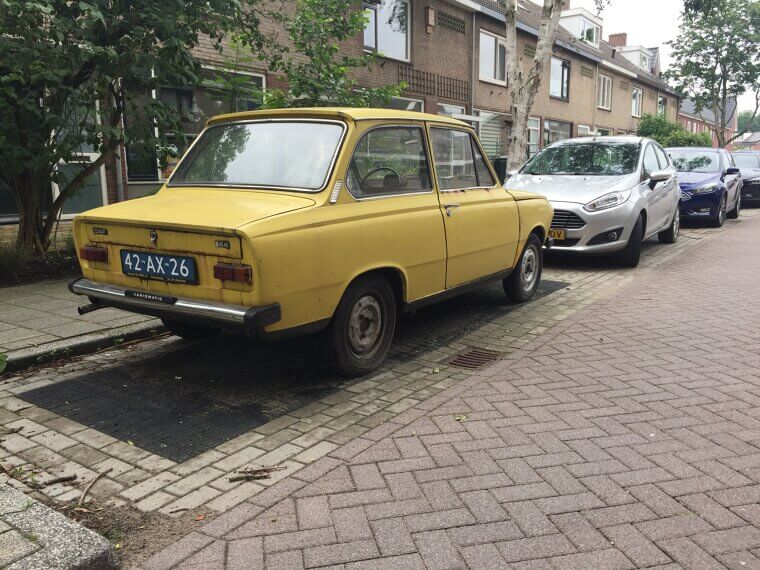
Oldsmobile Toronado
We’ll give it to the Toronado: it was radical. It utilized an innovative front-wheel-drive system that was let down by the rest of the vehicle. The bodywork was too heavy and the engine chugged fuel, so most drivers were hesitant to invest in it, especially with similar rivals around.
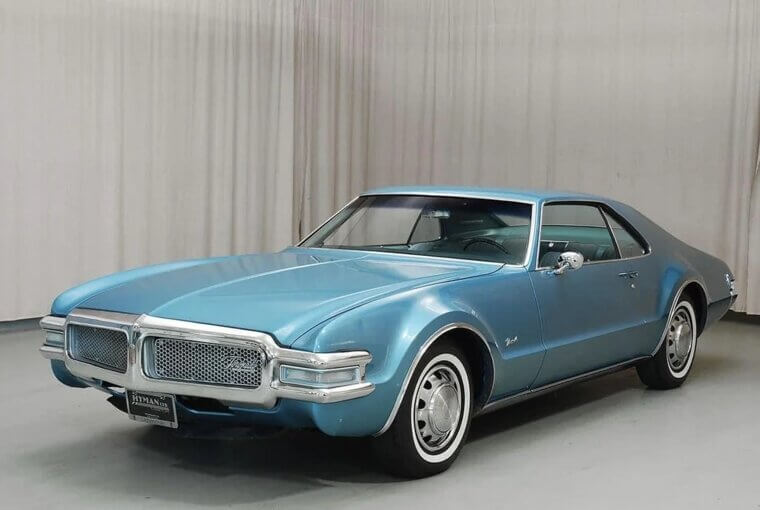
Fiat 850
The Fiat 850 was a tiny car that barely got a chance on the market due to its initial bad reception. It was so small that it produced minimal power, often overheated, and had a serious rust problem, too. It didn’t even win over ‘60s micro-car fans.

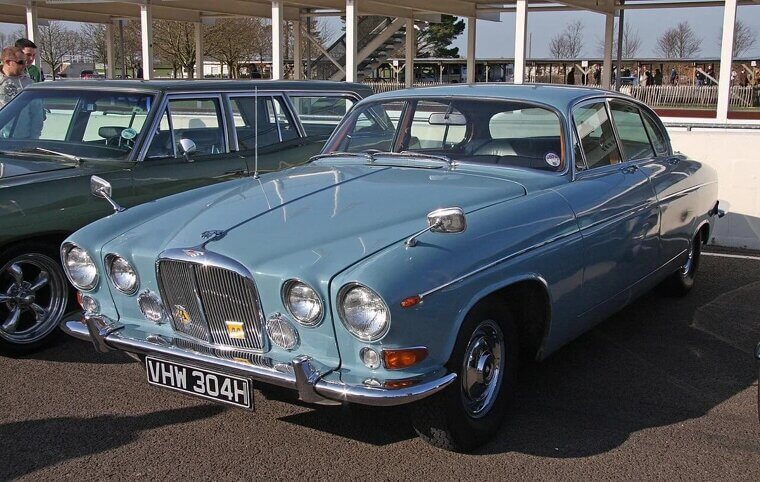
Jaguar 420
In 1966, the Jaguar 420 took many of the brand’s best features and managed to style them into a completely uninspired sedan. It looked awkward and lacked mechanical refinement, which resulted in modest sales at best. Nowadays, it’s more of a footnote in Jaguar’s history.
Simca 1100
The Simca 1100 had a pioneering hatchback design, but it owed its bad reception to issues under the hood. The mechanical systems were very complex, and the engine often rattled. It sold well in France, but this fragile rustbucket never gained traction in the US.

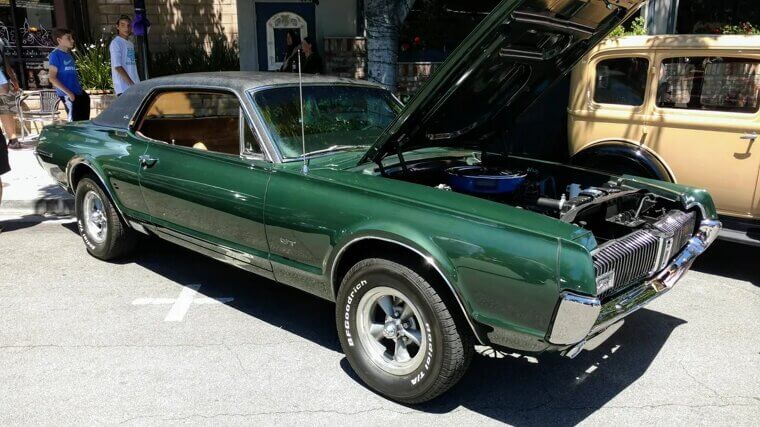
Mercury Cougar
In 1967, Mercury launched the Cougar as a “luxury Mustang”, but it drew the same mixed reactions from pony car skeptics. Many felt it was overpriced for what it offered, and its handling and engine performance aged badly. However, it’s now a popular classic car.
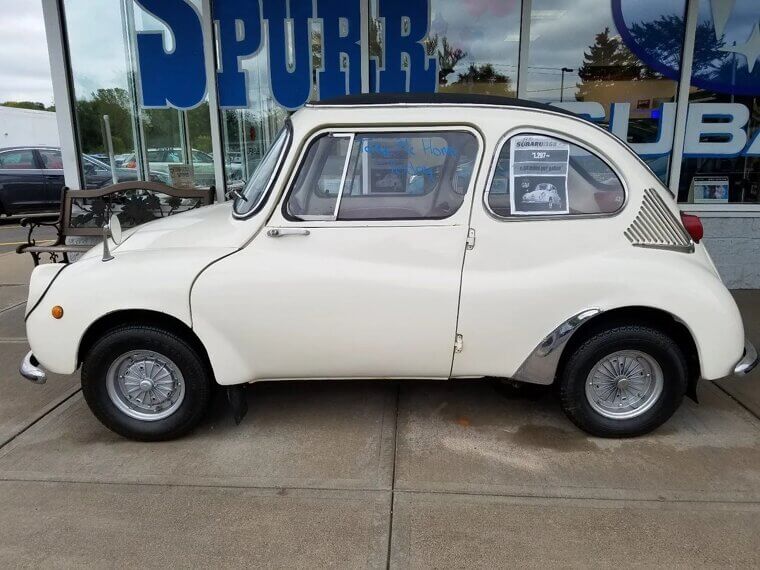
Subaru 360
The Subaru 360 landed on US soil in 1968 to one of the worst receptions of any ‘60s car. It was incredibly small compared to the decade’s American automobiles, as well as being underpowered and unsafe to drive. Even the penny pinchers overlooked it.
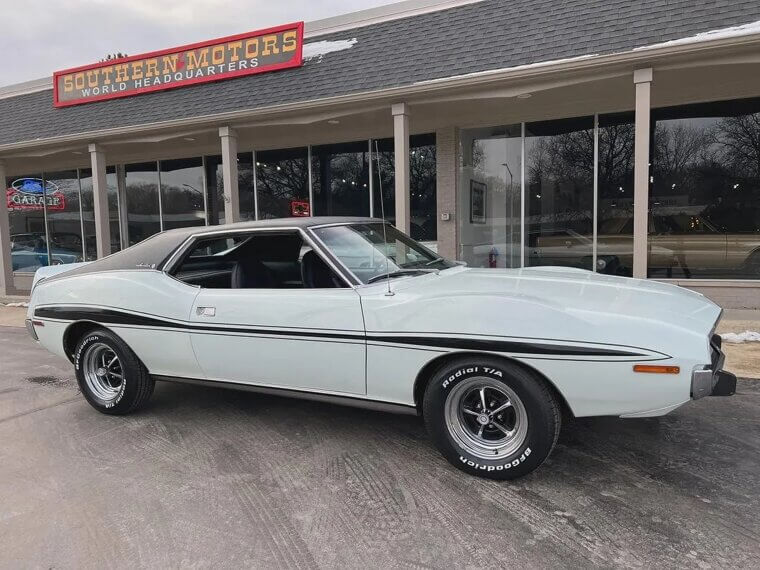
AMC Javelin
When the Mustang began to garner a cult following, AMC hoped to chase the same glory. But the Javelin didn’t quite match up in terms of quality or refinement, so its sales lagged behind those of its closest competitors. Even now, it’s the cool underdog classic pony car.
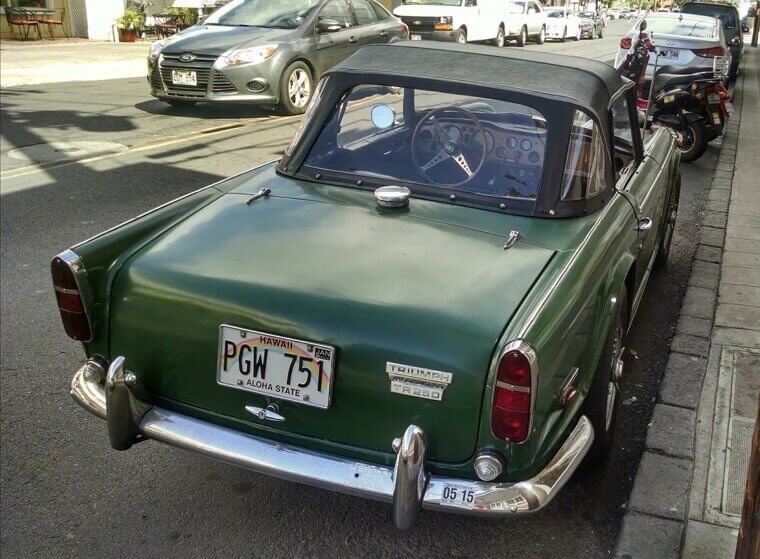
Triumph TR250
Triumph went wild for fuel-injected engines in the 1960s, as the TR250 demonstrates. Drivers were decidedly less passionate about this car because they felt it lacked the strong performance of many similar vehicles, and it was easily overshadowed by other Triumphs.
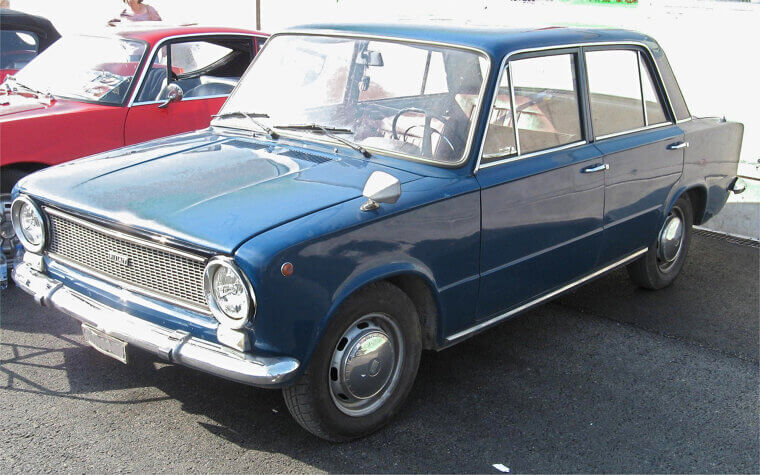
Fiat 124
The Fiat 124 Spider is very popular now, but what about the original base model? That vehicle was praised in some respects, but didn’t receive a warm welcome from those who wanted a highly durable or eye-catching car. We’re not surprised Fiat created a superior variant.
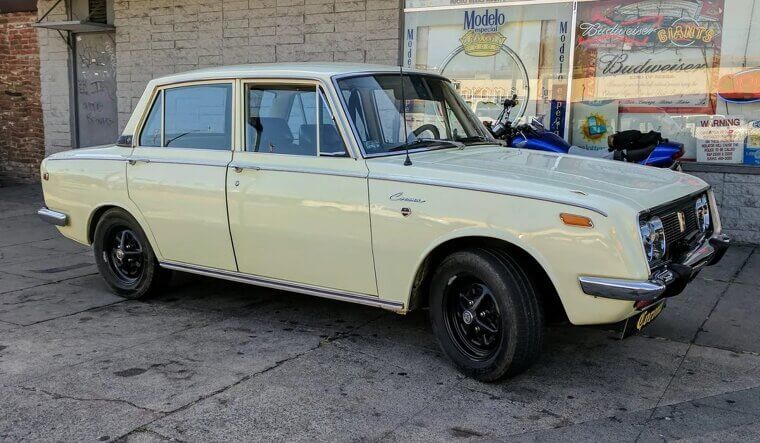
Toyota Corona Mark IV
The Toyota Corona line became known in Western markets when the fourth-gen version was launched, and it was poorly received initially. Its reputation improved over time, but ‘60s drivers were skeptical about its power capabilities, comfort, and overall refinement. It’s now respected but not widely recognized.
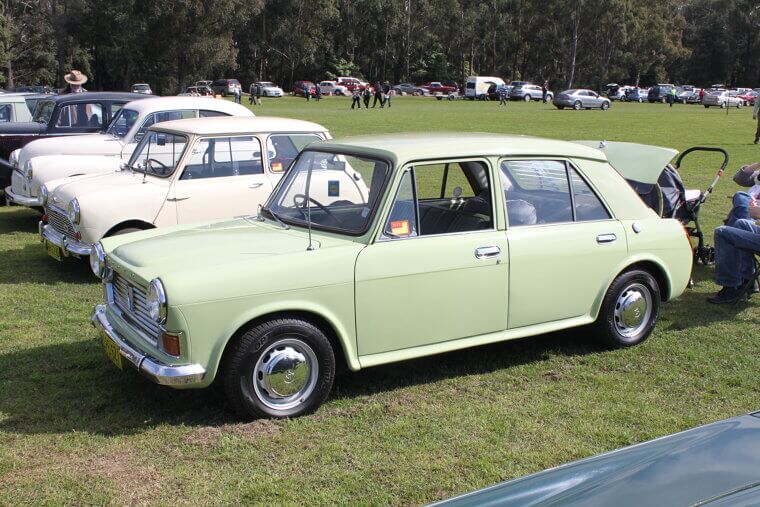
Morris 1300
Many British Leyland cars were badly received for build issues, but perhaps none so much as the Morris 1300. It was the source of many reliability and maintenance complaints, and its main quirky charm was reserved more for British audiences.
Opel GT
The Opel GT was a Corvette-like car that hid average performance inside gorgeous bodywork. Drivers who were initially interested because of its aesthetic appeal were soon turned off by its limited dynamics and impractical design. It was never a true ‘60s sports car icon.

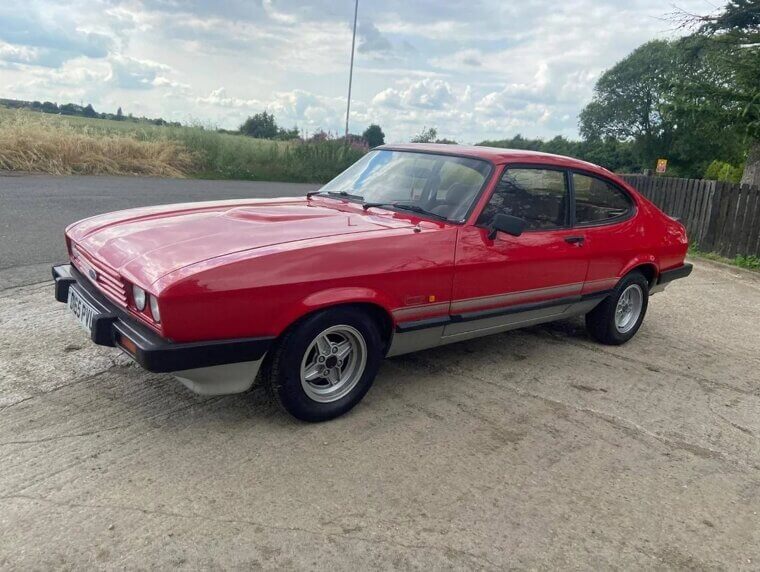
Ford Capri
The Ford Capri billed itself as another Mustang, but, like the Mustang, it was criticized by apprehensive buyers as soon as it hit the market in 1969. It sold fairly well, but avid pony car fans were underwhelmed by its modest performance and lack of heavy muscle.
AMC Hurst SC
A collaboration between AMC and Hurst Performance, the SC was a powerful muscle car. But not every driver wanted a flashy car, so its bold graphics and raw power didn’t appeal to them. It’s a cult hero today, but in 1969, opinions and sales were heavily divided.