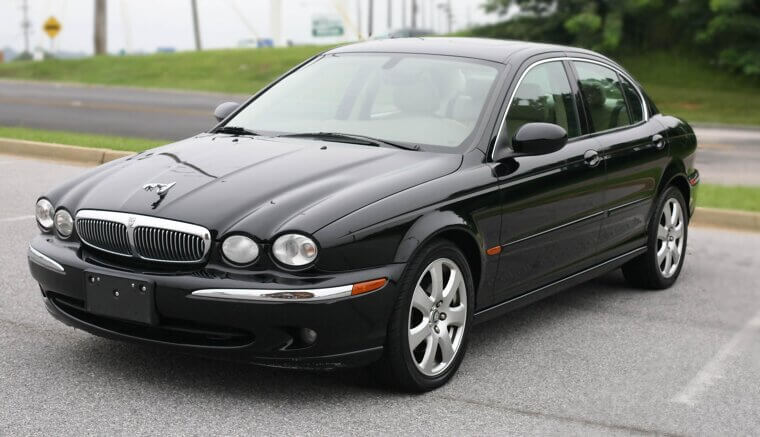
2001 Jaguar X-Type
Jaguar was once known for producing some of the finest luxury vehicles to ever come out of Britain, so the X-Type’s mere existence was a slap in the face to the brand’s legacy and its fans. It was essentially nothing more than a “tarted-up” (as one critic put it) Ford Mondeo, in the same vein as the equally poorly received Cadillac Cimmaron.
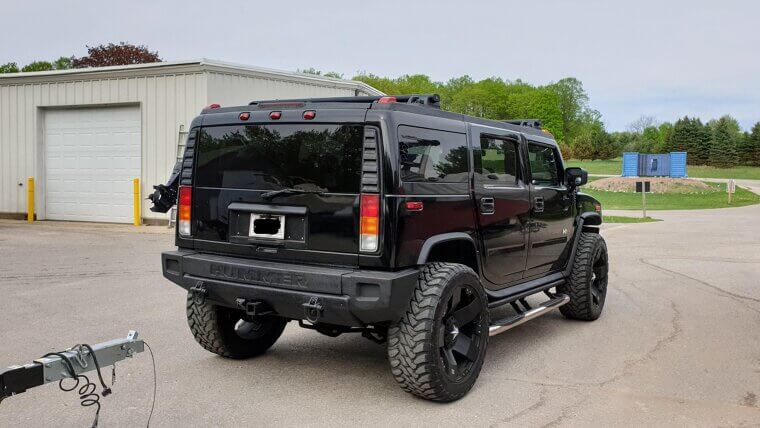
2002 Hummer H2
The Hummer H2 wasn’t so much ugly as it was terribly ill-timed. It hit the roads during a time of “political crisis”, and was thought of by many as not being representative of the common good. It was overly large, extremely militaristic, and sent all the wrong signals.
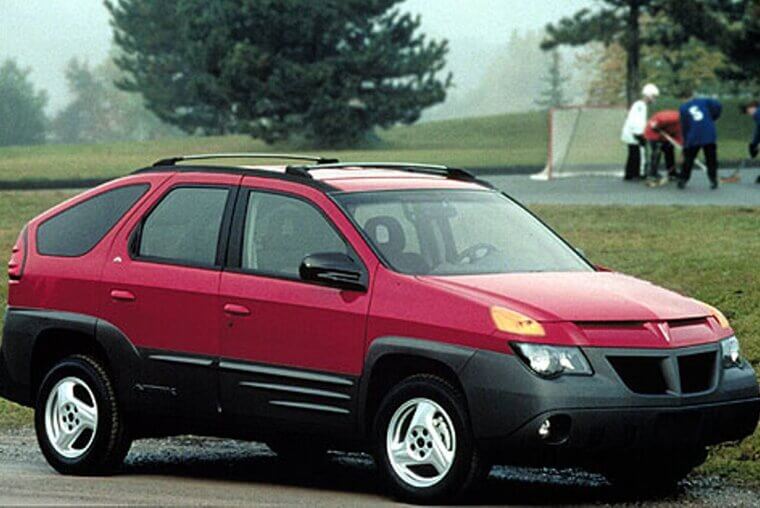
2001 Pontiac Aztek
Although the Aztek is now somewhat fondly remembered for being a (strange) product of its time, when it first hit the streets in 2001 (through 2005), it was lambasted by critics as being one of the ugliest-looking cars ever produced. The driving experience wasn’t much better either, and many agreed that the vehicle single-handedly killed GM.
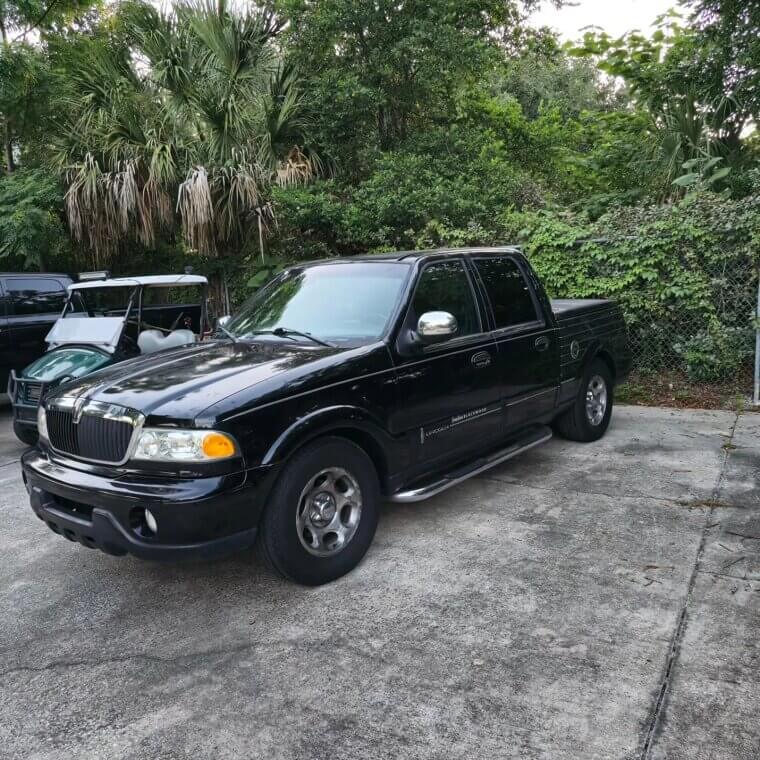
2002 Lincoln Blackwood
The 2002 Lincoln Blackwood had one thing going for it: it looked great! As an actual utility vehicle, however, it failed miserably, and was lambasted by many as nothing more than a vanity project for the once proud Lincoln brand.
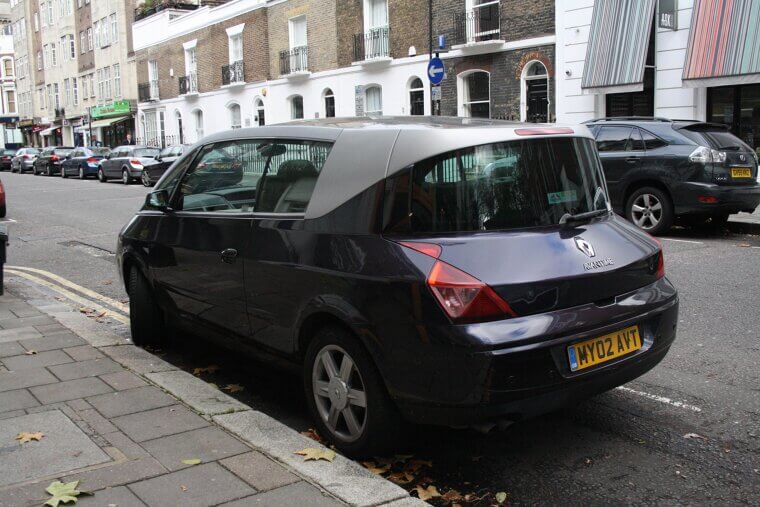
2002 Renault Avantime
The 2002 Renault Avantime was doomed from its inception: it was based on the old Espace, a minivan, but was intended as a luxury coupe. It had the shape of its inspiration, but none of the utility, and looked atrocious from every angle.
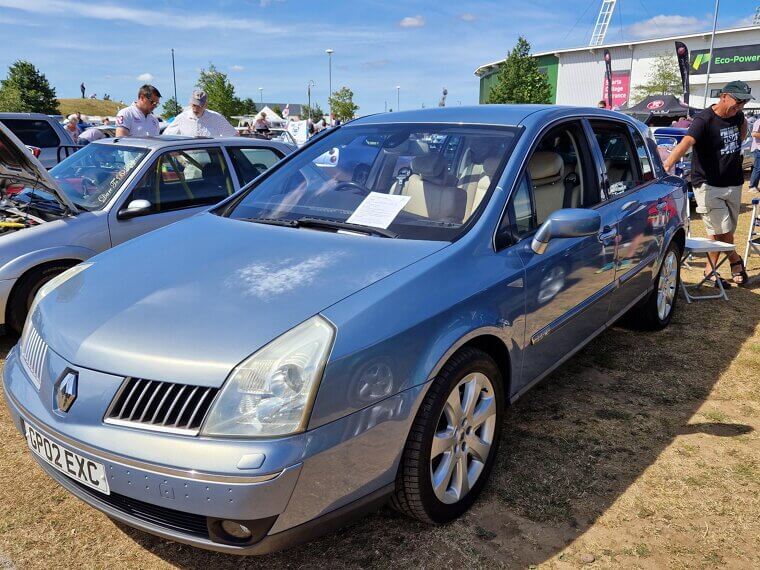
2002 Renault Vel Satis
Unfortunately, Renault’s other vehicle to release in 2002 didn’t fare much better. It was praised for its comfort levels, but everything else - from the driving dynamics to the actual design of the car - was ridiculed and lambasted by most.
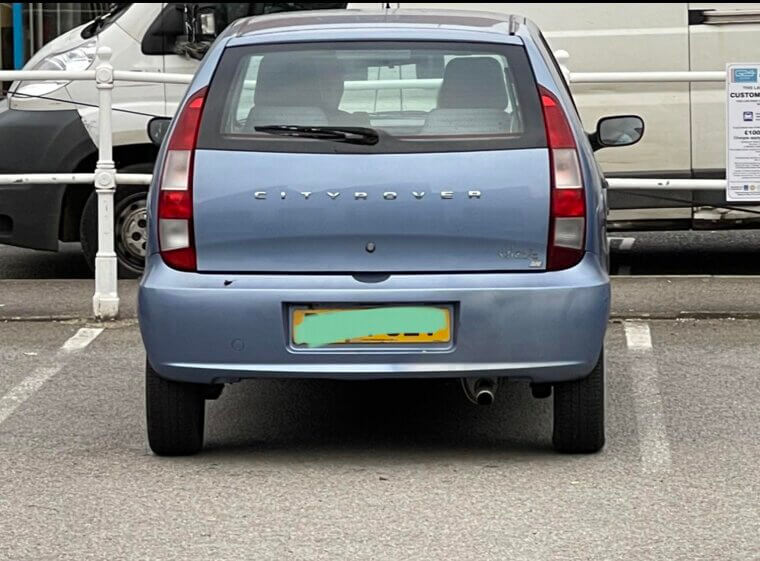
2003 Rover CityRover
With both the Rover 100 and Mini being taken off the market in 1998 and 2000 respectively, Rover MG wanted to create a new small economy car. The result was the CityRover, a rebadged Tata Indica that Top Gear’s James May described as the worst car he had ever driven.
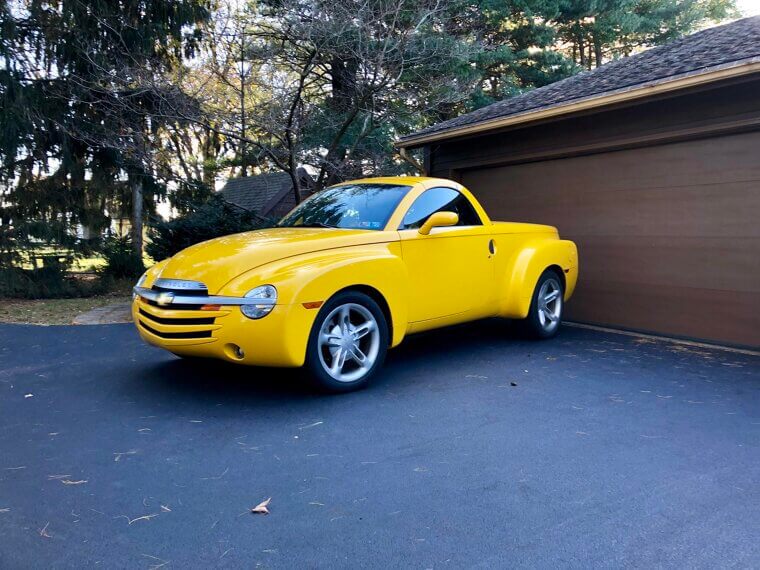
2003 Chevrolet SSR
Even the greats aren’t immune to failure. A retro-styled hot-rod pickup, the SSR featured an “unconventional” design, no doubt, but that wasn’t the worst part about it. It simply didn’t drive well at all, and its Trailblazer origins were mocked and ridiculed. The vehicle frequently appears on several “Worst Of” lists.
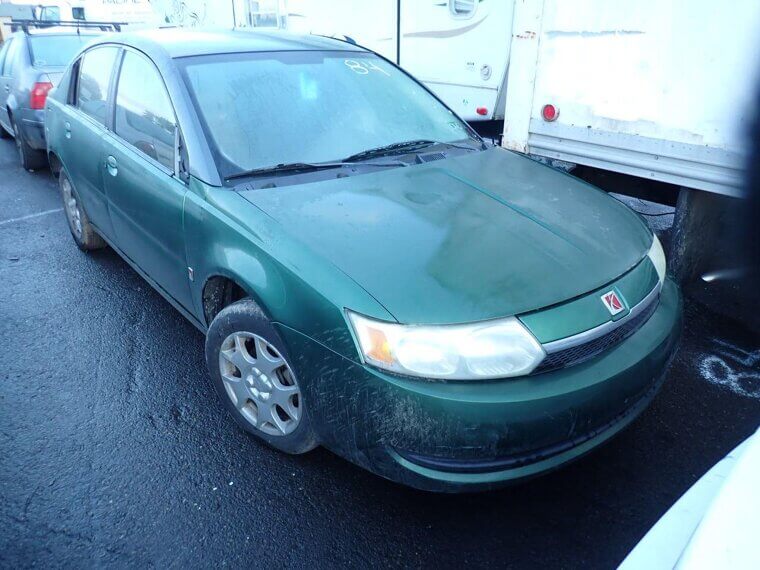
2003 Saturn Ion
The Saturn marque was eventually discontinued in 2010, and many blame the Ion for the brand’s downfall. Its predecessor, the S Series, was actually quite well received, but the Ion was so poorly made that an ignition failure led to 13 deaths.
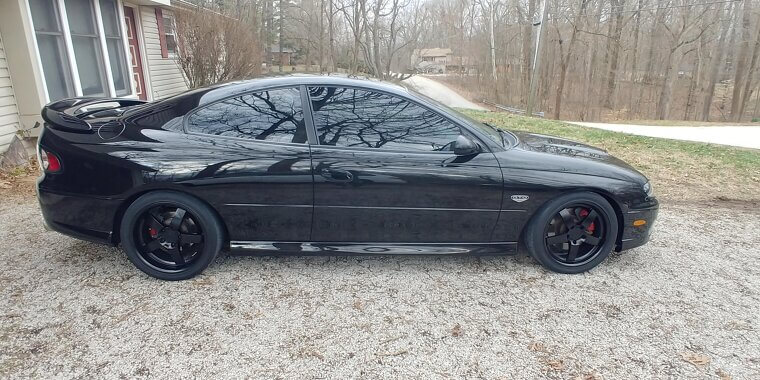
2003 Pontiac GTO
The original GTO was an icon of the muscle car era of the 60s, so when Pontiac decided to revive the nameplate, expectations were high. Needless to say, the final product couldn’t hope to meet the standards of its namesake, with the car’s bland design, poor quality materials, and high price tag earning it the scorn of many.
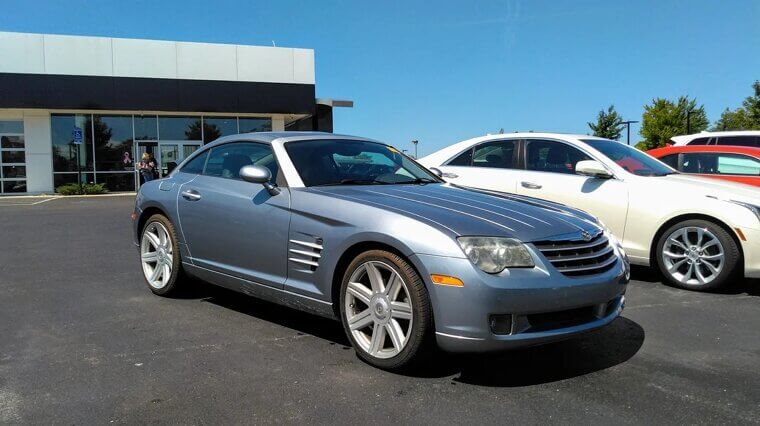
2004 Chrysler Crossfire
The Mercedes-Benz R170 first launched in 1996, and was discontinued in 2004 - the same year the Crossfire (which was based on that car) came out. Needless to say, it was outdated before it even launched.
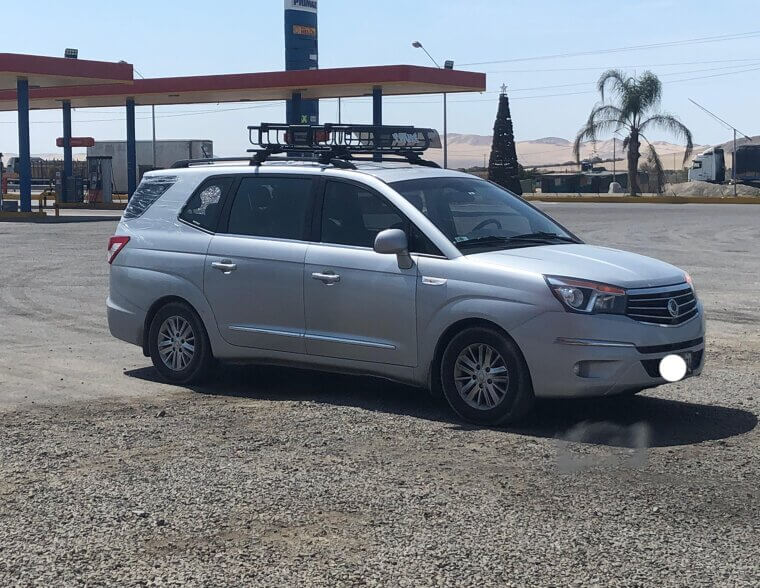
2004 SsangYong Rodius
Unlike many of the other cars previously mentioned, the Rodius was actually a competently-made vehicle in terms of utility. It was praised for its spaciousness and comfort, but ridiculed for its frankly ugly appearance. As SsangYong’s first entry into the MPV segment, it wasn’t the success they’d hoped it would be.
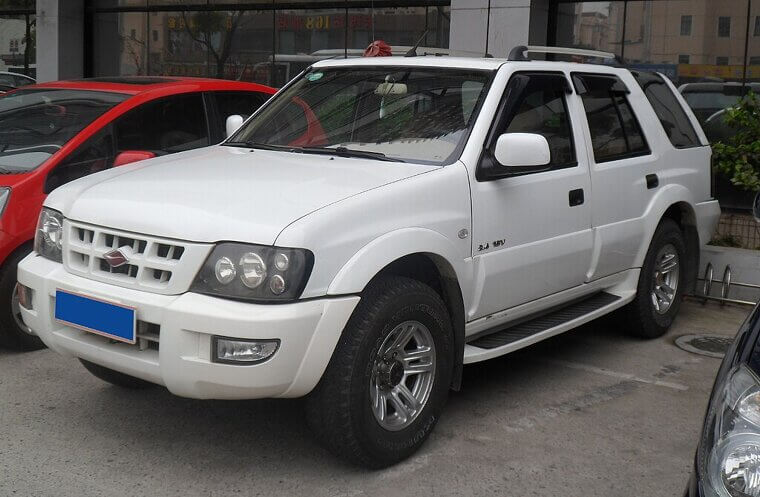
2005 Landwind X6
The Landwind X6 wasn’t ugly (not when compared to many of the abominations on this list), but it failed as a vehicle on a fundamental level when German testers discovered it couldn’t survive a head-on collision at a mere 60 mph. To this day, it continues to affect the perception of Chinese vehicles in Germany.
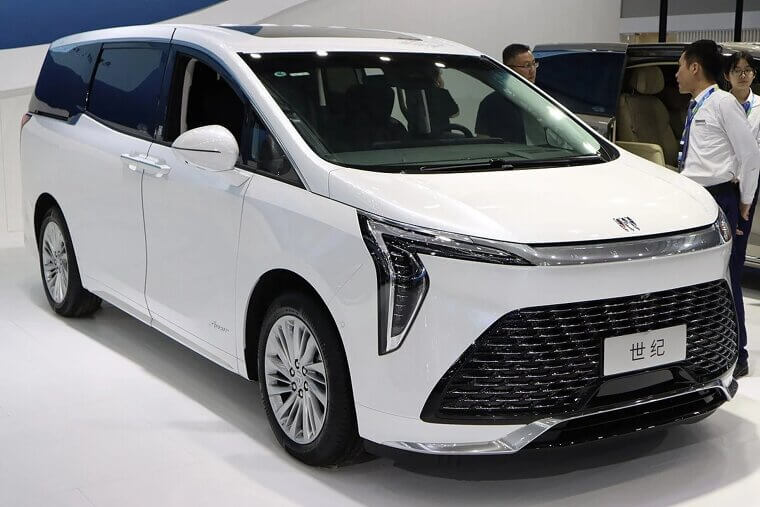
2005 General Motors U-Body
General Motors’ next generation of minivans launched in 2005, and included the Chevy Uplander, Saturn Relay, and Buick Terraza. Unfortunately, all of them were poorly received due to the vastly outdated designs, which were based on the previous generation’s.
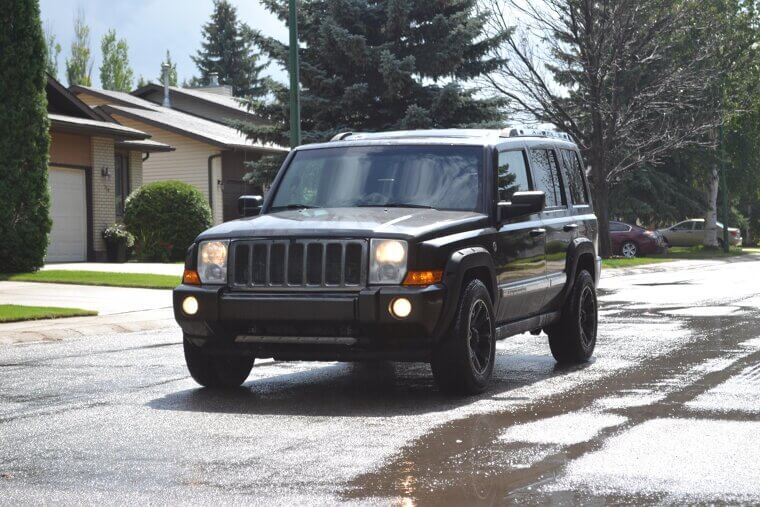
2006 Jeep Commander
Based on the Grand Cherokeen, the Jeep Commander was a complete commercial failure when it launched in 2006, and was fully withdrawn after a mere four years on the market. It is considered to be one of the worst vehicles of the 2000s for its poor design that did nothing but hurt the Jeep brand.
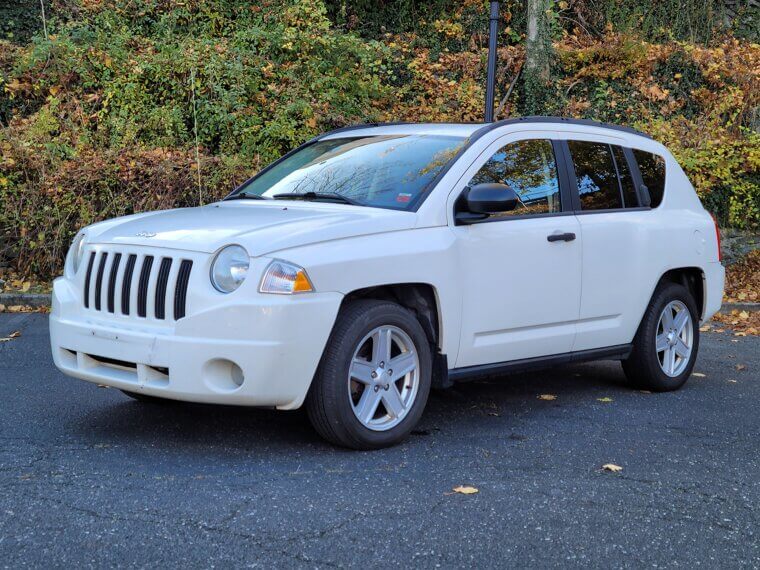
2007 Jeep Compass
Released the following year after the Commander, the 2007 Compass was just as poorly received as that vehicle, mostly for its complete lack of utility. It was Jeep’s first attempt at creating a compact crossover, but couldn’t handle the off-road at all.
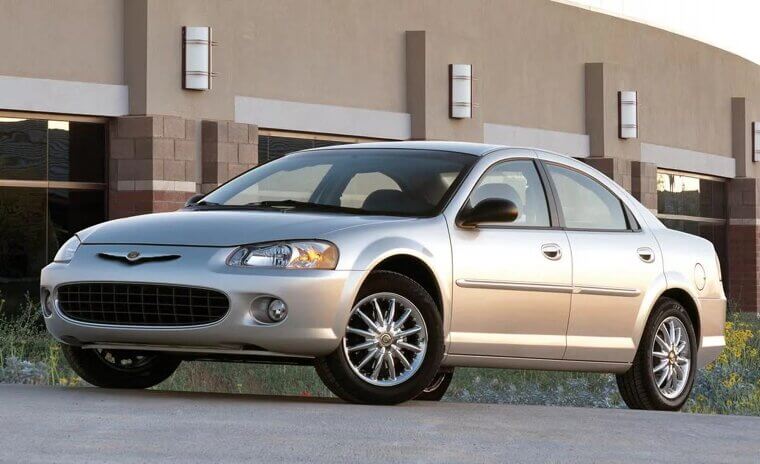
2007 Chrysler Sebring
During a comparison of four-cylinder, midsize sedans, the Chrysler Sebring consistently ranked lower than all of its competitors. It wasn’t bad looking on the outside, but the interior was lambasted, and its performance was middling at best.
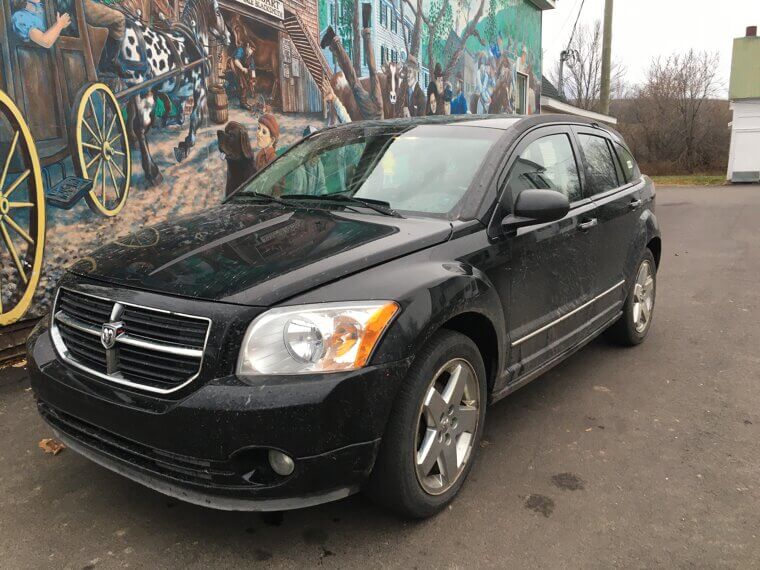
2007 Dodge Caliber
The Dodge Neon was critically acclaimed and is still remembered fondly to this day. Its successor, the Caliber, was the exact opposite. It was derided for its cheap interior and build, as well as its poor performance and totally unrefined powertrain.
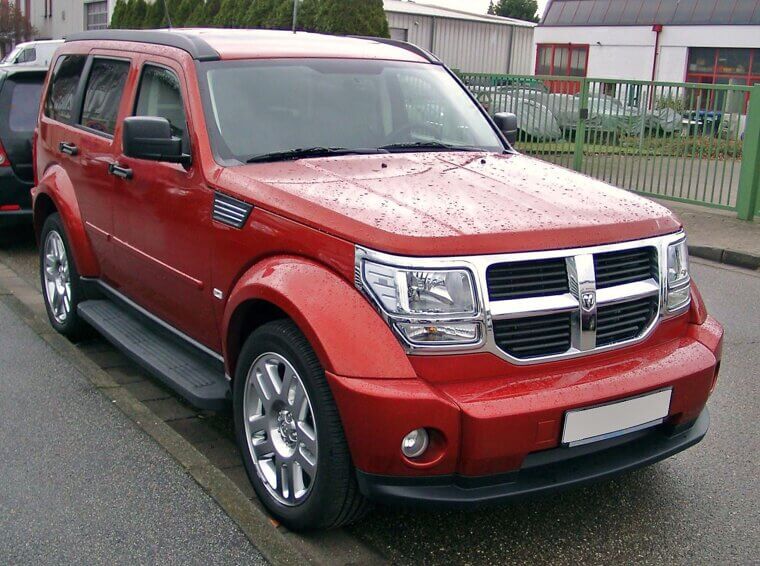
2007 Dodge Nitro
The Caliber wasn’t the only Dodge car to be released in 2007. The Nitro was essentially a rebadged Jeep, but any off-road capabilities it may have had were completely gutted before it launched. It therefore had no utility, nor any style to make up for what it lacked. It was a total failure, in other words.
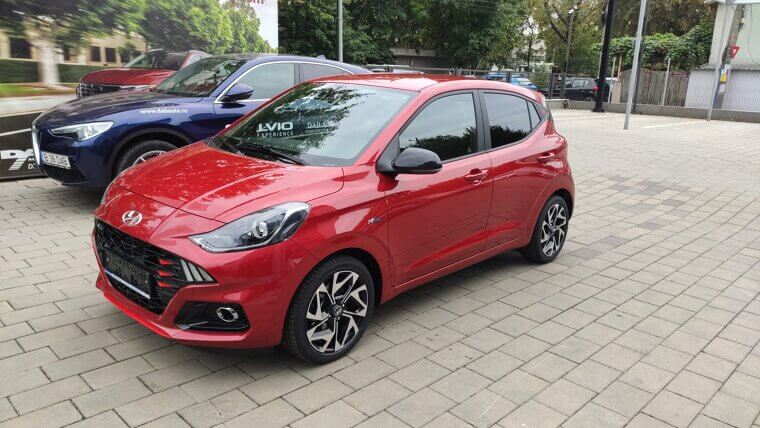
2007 Hyundai I10
The 2007 I10 was actually a redesign of an already existing nameplate, one whose looks were described as fairly good if the person doing the looking is totally blind. Unfortunately, it didn’t drive any better, with fuel efficiency being the main issue which surprised many given the car’s small size and light weight.
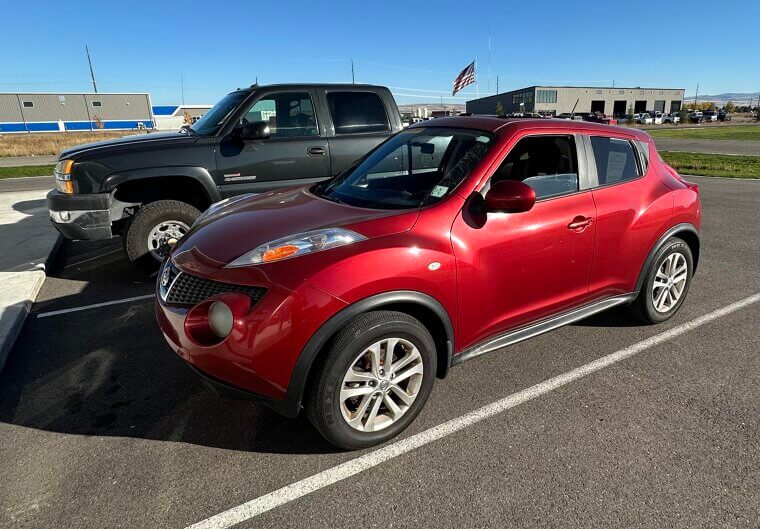
2010 Nissan Juke
The Juke is one of Nissan’s most maligned vehicles, which is surprising considering that it was a best-seller in Europe. In North America, however, numerous electrical and mechanical faults were cited, and the car’s appearance was criticized for being, well, kind of atrocious.
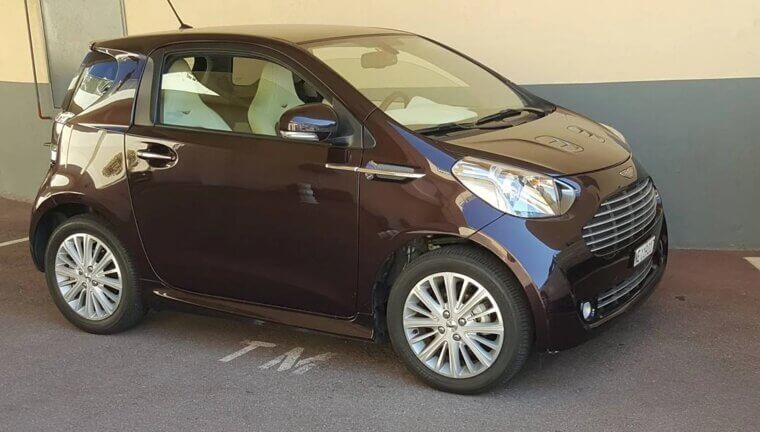
2011 Aston Martin Cygnet
Despite the prestigious backing of Aston Martin, the Cygnet was nothing more than a rebadged Toyota iQ, and marketed towards wealthy people as a second car (and compliant with the UK’s fleet regulations). Its price tag, however, and the vehicle it bought were lambasted.
2011 Nissan Murano CrossCabriolet
The CrossCabriolet was an ambitious gamble on Nissan’s part, and marketed as the world’s very first convertible crossover with all-wheel drive. The regular Murano was praised by critics; the CrossCabriolet was not.

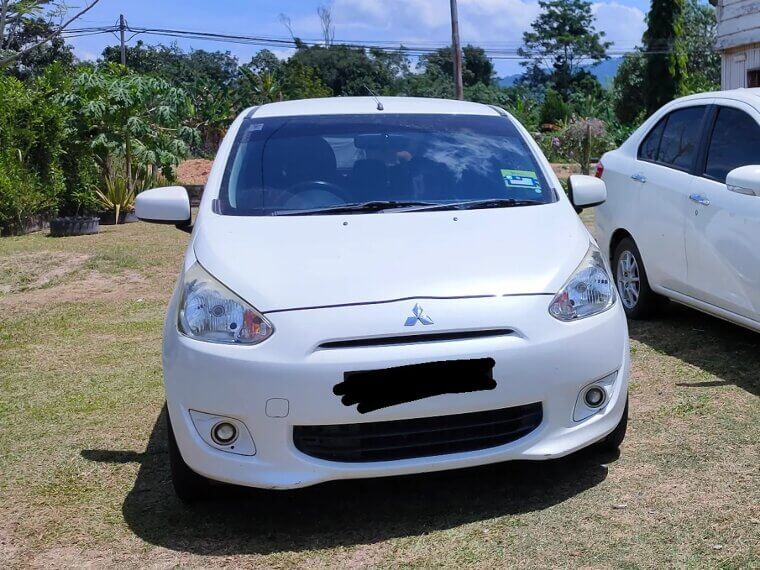
2012 Mitsubishi Mirage
2012 brought about the sixth-generation of the Mitsubishi Mirage, one of the brand’s most popular nameplates. Unlike previous generations which were fairly well-received, the sixth was lambasted by critics for shoddy handling, and a cheapish interior reminiscent of 80s cars.
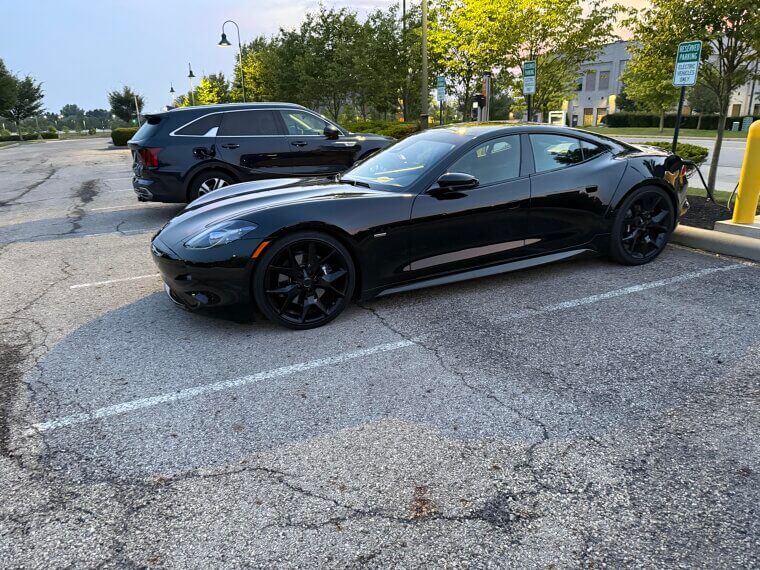
2011 Fisker Karma
The Fisker Karma was a plug-in hybrid vehicle designed by Henrik Fisker (who has worked on the BMW Z8, and Aston Martin DB9). It was the first and final car to be produced by Fisker Automotive. While it had plenty of style, it had zero practicality.

2017 Karma Revero
In 2015, Karma Automotive was created with Fisker’s assets, and hoped to continue the brand. Their newest vehicle, the Revero, entered the market with a crash and a thud, and was just as poorly received as its namesake.
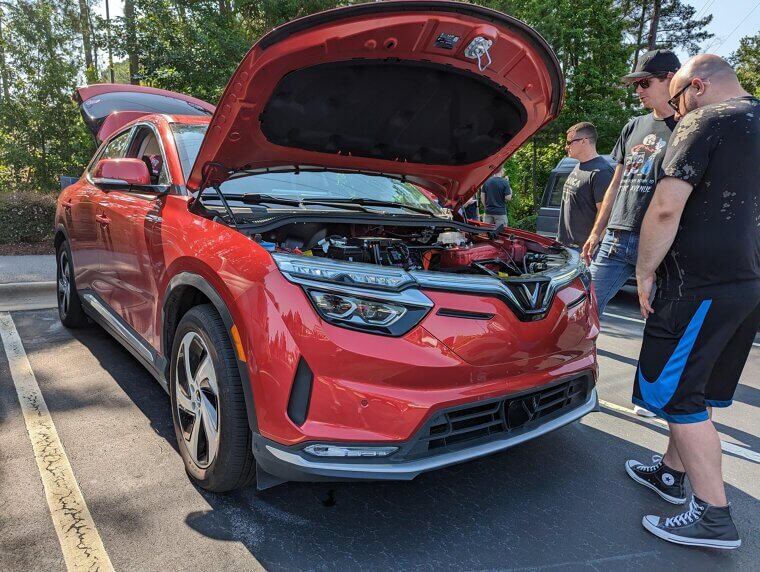
2021 Vinfast VF8
Now we’re getting to those cars that are still widely available, with the VinFast VF 8 considered by many to be one of the worst still on the market. Anything and everything a vehicle can get wrong, the VF 8 does so, besides a decent-enough appearance.
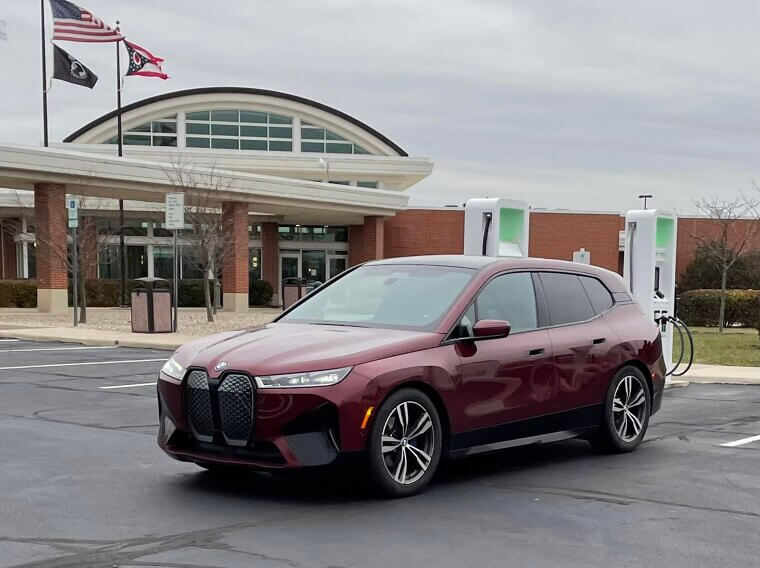
2021 BMW IX
Despite the weight the BMW name carries, that’s not enough to save the iX from being one of the ugliest cars on the market. Intended to be “futuristic” and “edgy”, it instead comes off as ugly and weird.
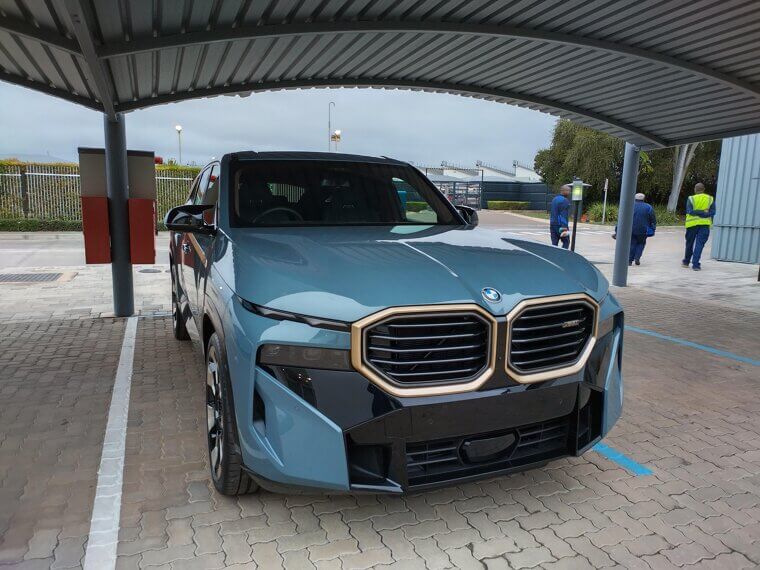
2022 BMW XM
The XM was positioned to be BMW’s flagship SUV. A hybrid crossover with plug-in capabilities, its appearance more or less matched that of the much maligned iX, while its electric capabilities were found to be rather limited.
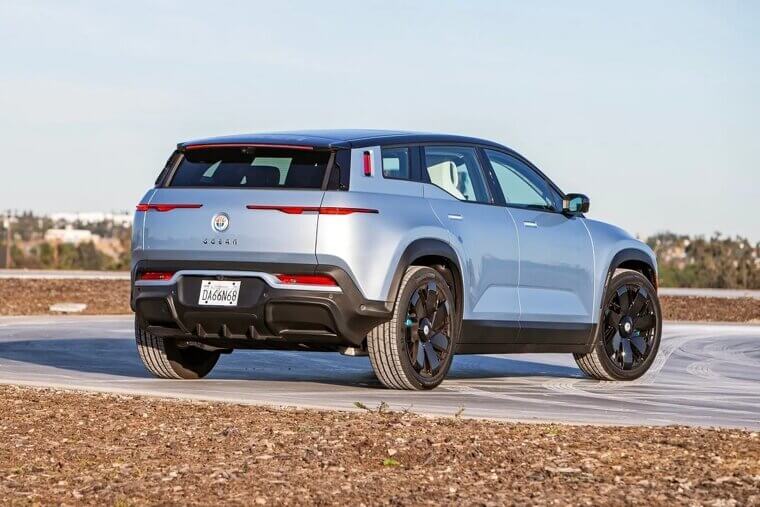
2023 Fisker Ocean
Clearly, the Fisker name comes with plenty of bad juju. Despite being an electric vehicle, the Ocean is practically useless in every sense of the word. The last 9 units were left abandoned on the side of the road, factory sticker and all.
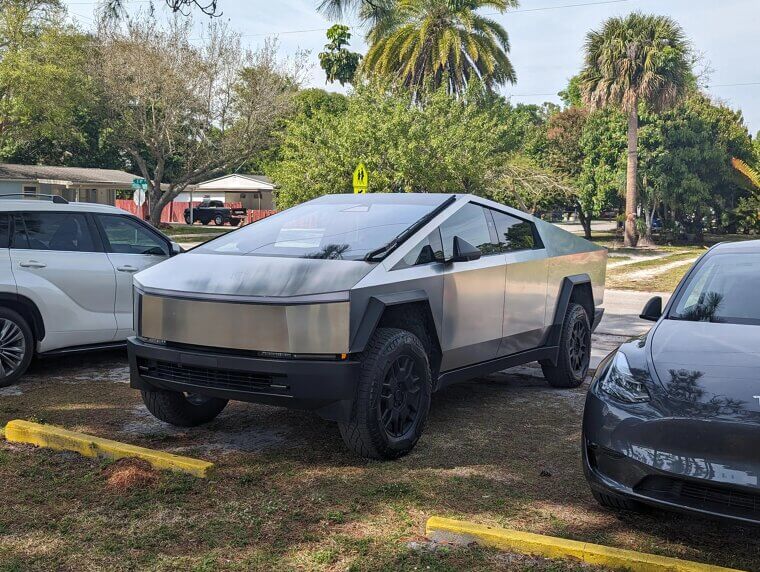
2024 Tesla Cybertruck
The Cybertruck is one of the most polarizing vehicles on this list. Some love it, some hate it. Its styling is unique, but its build quality is questionable at best.
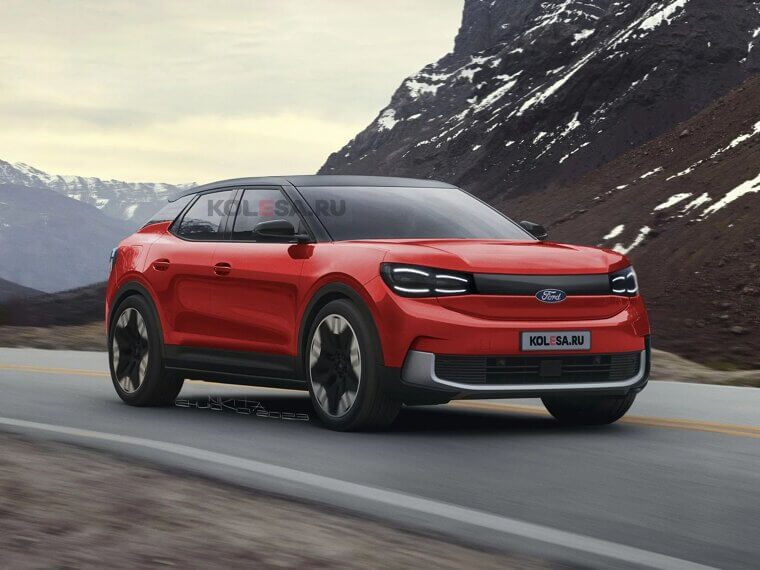
2024 Ford Capri EV
The original Capri was Ford of Europe’s very open fastback coupe (essentially a Mustang for European audiences). It makes no sense then as to why the 2024 Capri is not only not a coupe, but an EV as well - and a rather shoddy one at that.
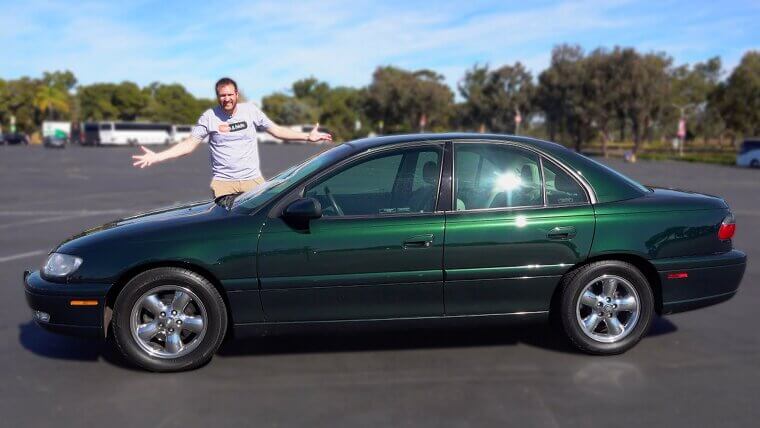
(Dis)honorable Mention - 1997 Cadillac Catera
The Catera missed on our main criteria for this list by a handful of years, but it’s still a really bad car. It couldn’t compete with its German rivals, and its “unorthodox” marketing campaign didn’t help matters either.
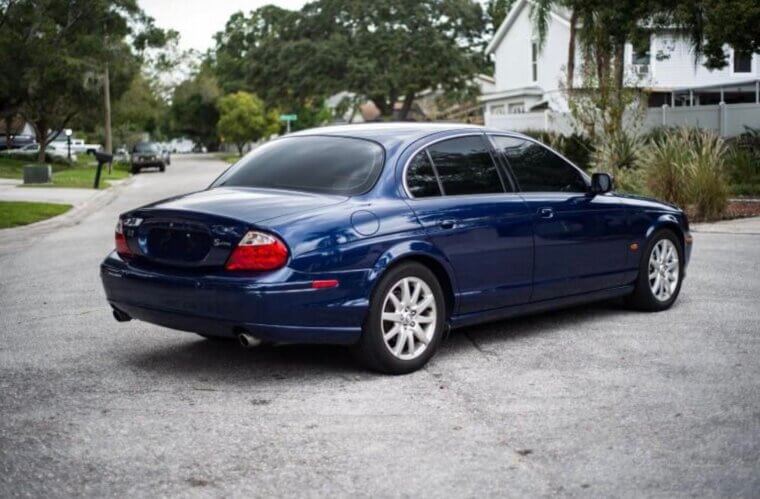
(Dis)honorable Mention - 1999 Jaguar S-Type
The S-Type is a tragic misstep in Jaguar’s history, being well-received upon release before reception soured as time went on. It just wasn’t the car that Jaguar needed to restore some of its former glory.
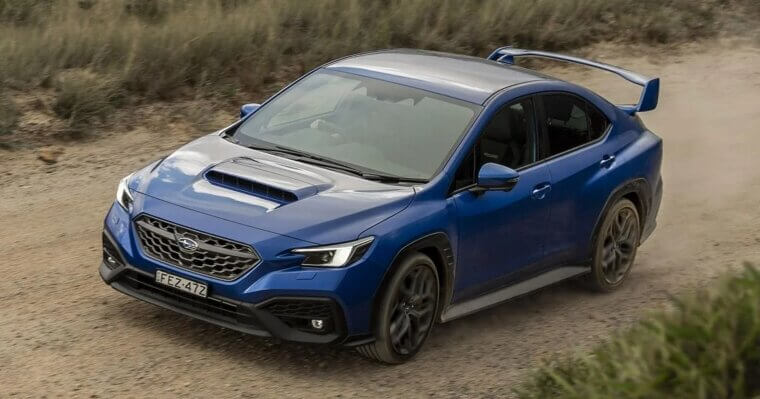
2025 Subaru WRX TS
Taking after its earlier incarnation in terms of looks, the 2025 WRX tS from Subaru unfortunately can't hope to match its predessors in terms of handling or performance, leaving the nameplate's future uncertain.